Museum

The Arsenale in Venice, Italy

Through the gate “Ingresso dall’acqua” navigated in the heydays of the Venetians their ships and galleys which were built in the Arsenale. The Arsenale is located in the Castello district. Since the 12th century it has been the shipyard and naval base of the mighty maritime republic of Venice. Before the age of industrialization, the Arsenale was Europe’s largest production facility and, with its various buildings, warehouses and port, a model for other naval arsenals in Europe. Also, the Arsenale was a symbol of the economic strength, politics and military power of the Republic of Venice. 

Since 1980, the Arsenale has become the venue for the Biennale on the occasion of the 1st International Architecture Exhibition. The same rooms with their infinitely long hallways are also used for the International Art Exhibition “La Biennale di Venedig” for the open space. 

The Giardini, a few hundred meters walk from the Arsenale is the traditional site of the „La Biennale di Venedig“ Art Exhibitions and hosts 29 pavillions of other countries which present „their“ artists once every two years to the visitors of this outstanding event in Venice. Bye the way, the Biennale has existed since 1895 and will again open the doors next year!

Ingresso dall‘acqua

Ingresso dall’acqua

Durch das Tor “Ingresso dall’acqua” navigierten in der Blütezeit der Venezianer ihre Schiffe und Galeeren, die im Arsenale gebaut wurden. Das Arsenale befindet sich im Stadtteil Castello und ist seit dem 12. Jahrhundert Werft und Marinestützpunkt der mächtigen Seerepublik Venedig. Vor dem Zeitalter der Industrialisierung war das Arsenale Europas grösste Produktionsstätte und mit seinen verschiedenen Gebäuden, Lagerhallen und dem Hafen ein Vorbild für andere Marinearsenale in Europa. Das Arsenale war auch ein Symbol für die wirtschaftliche Stärke, Politik und militärische Macht der Republik Venedig.

Arsenale

Arsenale

Das Arsenale ist seit 1980 Schauplatz der Biennale anlässlich der 1. Internationalen Architekturausstellung. Die gleichen Räume mit ihren unendlich langen Räume werden auch für die Internationale Kunstausstellung “La Biennale di Venedig” ausserhalb des Gardini genutzt.

Die Giardini, ein paar hundert Meter vom Arsenale entfernt, ist der traditionelle Ort der Kunstausstellungen “La Biennale di Venedig” und beherbergt 29 Pavillons anderer Länder, die alle zwei Jahre den Besuchern dieser außergewöhnlichen Veranstaltung in Venedig „ihre“ Künstler vorstellen. Übrigens die Biennale existiert seit 1895 und im nächstes Jahr werden die Tore dieser Kunstausstellung wieder geöffnet!

Categories: Art, Blogroll, Events, History, Italy, Kunst, Museum, Travel | Tags: , , , , | 3 Comments

Victor Hugo in Guernsey (Channel Islands)

To be honest, I did not know much about Victor Hugo before I traveled to Guernsey. He was known to me as a major French writer and poet of the 19th century. Literary masterpieces such as “Les Miserables, Les Travailleurs de la mer and La Légende des Siècles” come from his pen. What I didn’t know was that Victor Hugo spent 15 years of his 19-years political exile on the Channel Island Guernsey. After the coup d‘Etat of Louis Napoleon Bonaparte on 2 December 1851 he was banished from France and also expelled from Belgium in 1852. After a three-year stay in Jersey, he moved in 1855 to the neighboring island of Guernsey. There he rented the Hauteville House in Saint Peter Port which he acquired in 1856 with proceeds from the sale of „les contemplations” (158 stories collected in six books). The Victor Hugo House, or rather his Residence at 38 Rue Hauteville in Saint Peter Port is now a museum and is open to the public for guided tours. This museum is not just for literature lovers, it is a fascinating place where an eccentric genius must have lived. The Residence, built on five floors with a small viewing platform, dominates and overlooks the old town of Saint Peter Port and the bay of Havelet. The house, fully furnished and decorated by Victor Hugo, reflects the creative genius of this poet. In short, the house, the garden and the view are more than remarkable and well worth a visit whilst in Guernsey.

House Victor Hugo Guernsey

House of Victor Hugo in Guernsey

Um ehrlich zu sein, ich wusste vor meiner Reise nach Guernsey recht wenig über Victor Hugo. Er war mir als bedeutender französischer Schriftsteller und Dichter des 19. Jahrhunderts bekannt. Literarische Meisterwerke wie “Les Miserables, Les Travailleurs de la Mer und La Légende des Siècles” stammen aus seiner Feder. Was ich nicht wusste, war, dass Victor Hugo 15 Jahre seines 19-jährigen politischen Exils auf der Kanalinsel Guernsey verbrachte. Nach dem Staatsstreich von Louis Napoleon Bonaparte am 2. Dezember 1851 wurde er 1852 aus Frankreich verbannt und ebenfalls aus Belgien ausgewiesen. Nach einem dreijährigen Aufenthalt in Jersey zog er 1855 auf die Nachbarinsel Guernsey. Dort mietete er das Hauteville-Haus in Sankt Peter Port, das er 1856 mit Erlösen aus dem Verkauf von “les contemplations” (158 gesammelte Geschichten in sechs Büchern) erwarb.

Victor Hugo House in Guernsey

View over Saint Peter Port and the Channel from Victor Hugo‘s House

Das Victor Hugo Haus, oder besser seine Residenz in 38 Rue Hauteville in Sankt Peter Port ist heute ein Museum und für die Öffentlichkeit zugänglich für Führungen. Dieses Museum ist nicht nur ein Ziel für Literaturliebhaber, es ist ein faszinierender Ort, wo ein exzentrisches Genie gelebt haben muss. Die Residenz, gebaut auf fünf Etagen mit einer kleinen Aussichtsplattform, dominiert und überblickt die Altstadt von Sankt Peter Port und die Bucht von Havelet. Das Haus ist komplett eingerichtet und dekoriert von Victor Hugo und es spiegelt das kreative Genie dieses Dichters. Kurz gesagt, das Haus, der Garten und die Aussicht sind mehr als bemerkenswert und einen Besuch ist für Guernsey Reisende auf jeden Fall empfehlenswert.

Categories: Blogroll, Channel Islands, Guernsey, Museum, Travel | Tags: , , | 3 Comments

The Saatchi Gallery in London

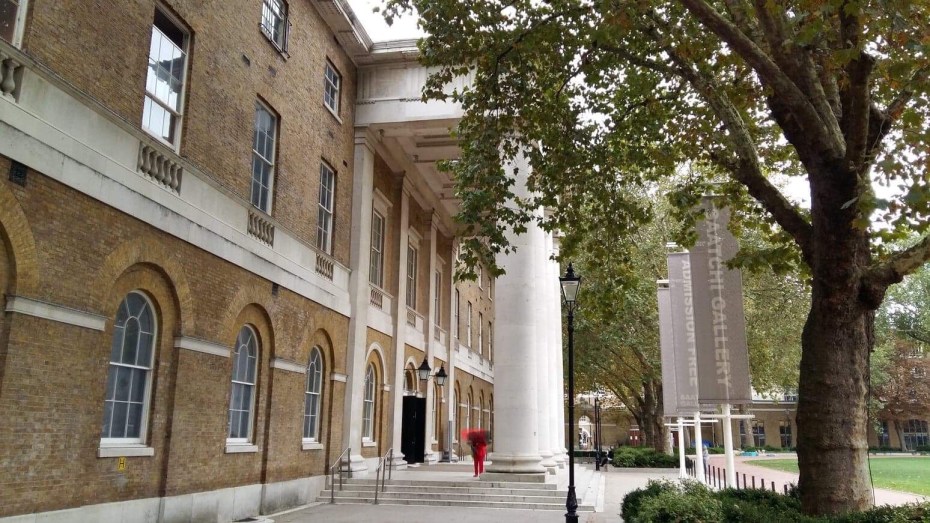
What I did not know before my visit to the Saatchi Gallery in London was that the advertising magnate Charles Saatchi, who opened it in 1985, is in the background of this art gallery. The passionate art lover thus made his extensive collection accessible to a wide audience. Admission to all exhibitions is free for visitors and the gallery was pretty empty on Saturday when I was there. The gallery, or rather the museum, has an exhibition space of approximately 50,000 square meters and is located in the former headquarters of the Duke of York on King’s Road in the Chelsea district, near Sloane Square underground station. Impressive are not only the exhibited works but also the gallery itself. Someone took a historic building and turned it into one of the best museums in the world. The gallery has just the right size, the lighting is superb, the navigation inside is child’s play, the elevators are fast and comfortable. In short, the architecture is invisible, it serves the main purpose of exhibiting art and is not a self-staging of an architect.

Saatchi Gallery

Saatchi Gallery

Was ich vor meinem Besuch der Saatchi Galerie in London nicht wusste war, dass im Hintergrund dieser Kunststätte der Werbemagnat Charles Saatchi steht welcher sie 1985 eröffnete. Der passionierte Kunstliebhaber machte damit seine umfangreiche Sammlung einem breiten Publikum zugänglich. Der Eintritt zu allen Ausstellungen ist für die Besucher kostenlos und die Galerie war ziemlich leer am Samstag als ich dort war. Die Galerie oder besser gesagt das Museum hat eine Ausstellungsfläche von ungefähr 50.000 m² und befindet sich im ehemaligen Hauptquartier des Duke of York an der King’s Road im Stadtteil Chelsea in der Nähe der U-Bahn-Station Sloane Square. Beeindruckend sind nicht nur die ausgestellten Werke sondern auch die Galerie selbst. Jemand nahm ein historisches Gebäude und verwandelte es in eines der besten Museen der Welt. Die Galerie hat genau die richtige Grösse, die Beleuchtung ist hervorragend, die Navigation im Inneren ist ein Kinderspiel, die Aufzüge sind schnell und bequem. Kurz gesagt, die Architektur ist unsichtbar, sie dient dem Hauptzweck, Kunst auszustellen und ist keine Selbstinszenierung eines Architekten. 

Categories: Art, Blogroll, Events, Kunst, Museum, Travel, United Kingdom | Tags: , | 3 Comments

The Silk Museum in Como, Italy

The northern Italian city of Como is located at the southern end of Lake Como and is only about 50 kilometers north of the Lombard metropolis of Milan. Como is right on the border with Switzerland, adjacent to the Swiss town Chiasso. The Lago di Como is the most pristine among the northern Italian lakes and is considered sophisticated and noble. Nestled in a fascinating mountain landscape and surrounded by small villages with villas and parks makes a visit to the Como region an unforgettable experience; and maybe you are lucky and meet George Clooney in one of the many coffee bars in Como 🙂 The Hollywood star namely lingers regularly in the summer months on Lake Como in his villa, only 15 minutes by car from the city of Como.

This year, my visit to the city of Como was for the Silk Museum of Como. This unique museum is dedicated to the history and the entire process of silk production, from the breeding of silkworms to the processing and finishing of silk. The city of Como was already known in the 17th century for its silk fabrics and was considered in the 19th century as the metropolis of the European silk industry.

By the way, did you know that in just three days a single silkworm spins a continuous thread of up to 1500 meters for its cocoon, or that its weight increases 9000 times in its short and frivolous life of 30 days? The worm is hungry and picky, because they only food it eats are fresh and dry leaves of the mulberry tree 🙂

Silk Cocoons

Silk Cocoons

Die norditalienische Stadt Como liegt am südlichen Ende des Comer Sees ca. 50 Kilometer nördlich der lombardischen Metropole Mailand. 

Como liegt direkt an der Grenze zur Schweiz und grenzt an die Schweizer Stadt Chiasso. Der Lago di Como ist der ursprünglichste unter den oberitalienischen Seen und gilt als mondän und edel. Eingebettet in eine faszinierende Bergwelt und umsäumt von kleinen Ortschaften mit Villen und Parks macht einen Besuch der Region Como zum unvergesslichen Erlebnis und vielleicht hast Du Glück und triffst George Clooney in einer der vielen Kaffee Bars in Como 🙂 Der Hollywoodstar weilt nämlich regelmässig in den Sommermonaten am Comer See in seiner Villa, nur ca. 15 Minuten von der Stadt Como entfernt. 

Silk Museum in Como

Silk Museum in Como

Mein diesjähriger Besuch der Stadt Como galt dem Seidenmuseum von Como. Dieses einzigartige Museum widmet sich der Geschichte und dem kompletten Ablauf der Seidenproduktion, angefangen mit der Zucht von Seidenraupen bis zur Verarbeitung und Veredelung der Seide. Die Stadt Como war bereits im 17. Jahrhundert bekannt für ihre Seidenstoffe und galt im 19. Jahrhundert als die Metropole der europäischen Seidenindustrie.

Übrigens, hast Du gewusst, dass eine einzige Seidenraupe in nur drei Tagen für ihren Cocoon einen ununterbrochenen Faden von bis zu 1500 Metern spinnt, oder dass sich ihr Gewicht in ihrem kurzen und gefrässigen Leben von 30 Tagen um das 9000-fache vergrössert? Das Würmchen ist hungrig und wählerisch, denn sie fressen nur frische und trockene Blätter des Maulbeerbaums 🙂 

Categories: Blogroll, Italy, Museum | Tags: , , , , , , , | 3 Comments

Gabrovo and Etar in the North Balkans

Gabrovo is a Bulgarian town in the North Balkans and situated in the valley of the Jantra, a right tributary of the Danube. Many sons and daughters of the city, some of them world-famous, such as the environmental sculptor and artist Christo Javacheff or the father of former President of Brazil Dilma Rousseff, have their roots in Gabrovo. Originally a center of craftsmanship, in the first half of the twentieth century, the city developed into an important industrial and textile center of the country with the construction of innumerable factories, back then, it was also called the “Bulgarian Manchester”. However, the bustling activity of that time has largely disappeared and given way to a certain hopelessness. Although I have seen some positive developments, it seemed to me that the “West” and “Europe” had completely forgotten Gabrovo since the political turn of the 1990s. The city’s population has been steadily declining over the last thirty years and many of the former factory properties have degenerated into unsalable industrial ruins. Nonetheless, people’s humor has remained and is being lived. Every year, the nationwide well-known festival of humor and satire takes place in Gabrovo.

For me, Gabrovo is definitely worth a trip for the following reasons:

Gabrovo has a few but worth visiting museums, churches and theatres.

The industrial ruins of this city were for me an instructive lesson, silent witnesses and proof of the failed communist socialist central management economy.

River Jantra in Gabrovo

The river Jantra in Gabrovo

An absolute must for visitors of Gabrovo is the Ethnographic Open-Air Museum Etar, a complex of historically valuable old houses that were relocated from Gabrovo’s surrounding 50 years ago. Along a stone-paved street are historic workshops where craftsmen work like in the 19th century. I can especially recommend the coffee house and the grill specialties in a typical old Bulgarian restaurant which is part of the complex.

Also not to be missed is the nearby village and open-air museum Boschenzi and the woodcarving town of Tryavna with its historic houses that also date from the 19th century.

Gabrovo

The City Center in Gabrovo

Gabrovo ist eine bulgarische Stadt im Nordbalkan und liegt im Tal des Jantra, einem rechten Nebenfluss der Donau. Viele Söhne und Töchter der Stadt, einige von ihnen weltberühmt, wie der Land-art und Verpackungs-Künstler Christo Javacheff oder der Vater der ehemaligen Präsidentin Brasiliens Dilma Rousseff, haben ihre Wurzeln in Gabrovo. Ursprünglich ein Zentrum des Handwerks, entwickelte sich die Stadt in der ersten Hälfte des zwanzigsten Jahrhunderts mit dem Bau unzähliger Fabriken zu einem wichtigen Industrie- und Textilzentrum des Landes und wurde damals auch das “Bulgarische Manchester” genannt. Die geschäftige Tätigkeit dieser Zeit ist jedoch weitgehend verschwunden und einer gewissen Hoffnungslosigkeit gewichen. Obwohl ich einige positive Entwicklungen gesehen habe, schien mir, dass der “Westen” und “Europa” Gabrovo seit der politischen Wende der neunziger Jahre komplett vergessen hatten. Die Bevölkerung der Stadt ist in den letzten dreißig Jahren stetig zurückgegangen und viele der ehemaligen Fabrikgebäude sind zu unverkäuflichen Industrieruinen verkommen. Dennoch ist der Humor der Menschen geblieben und wird gelebt. Jedes Jahr findet das landesweit bekannte Festival für Humor und Satire in Gabrovo statt.

Für mich ist Gabrovo aus folgenden Gründen eine Reise wert:

In Gabrovo gibt es ein paar sehenswerte Museen, Kirchen und Theater. 

Die Industrieruinen dieser Stadt waren für mich eine lehrreiche Lektion, stumme Zeugen und Beweis für die gescheiterte sozialistische Zentralwirtschaft der Kommunisten.

Etar near Gabrovo

Etar near Gabrovo

Ein absolutes Muss für jeden Besucher der Stadt ist das Ethnographische Freilichtmuseum Etar, ein Komplex von historisch wertvollen alten Häusern, die vor 50 Jahren aus der Umgebung Gabrovos umgesiedelt wurden. Entlang einer gepflasterten Straße befinden sich historische Werkstätten, in denen Handwerker wie im 19. Jahrhundert arbeiten. Ich kann das Kaffeehaus und die Grillspezialitäten in einem typisch bulgarischen Restaurant des Komplexes besonders empfehlen.

Nicht zu versäumen sind auch das nahe gelegene Dorf und Freilichtmuseum Boschenzi und die Holzschnitzerstadt Tryavna mit ihren historischen Häusern, die ebenfalls aus dem 19. Jahrhundert stammen.

Categories: Blogroll, Bulgarien, History, Museum, Travel | Tags: , , , , | 3 Comments

Molecular Cuisine at it’s finest – Denis Martin, Vevey Switzerland

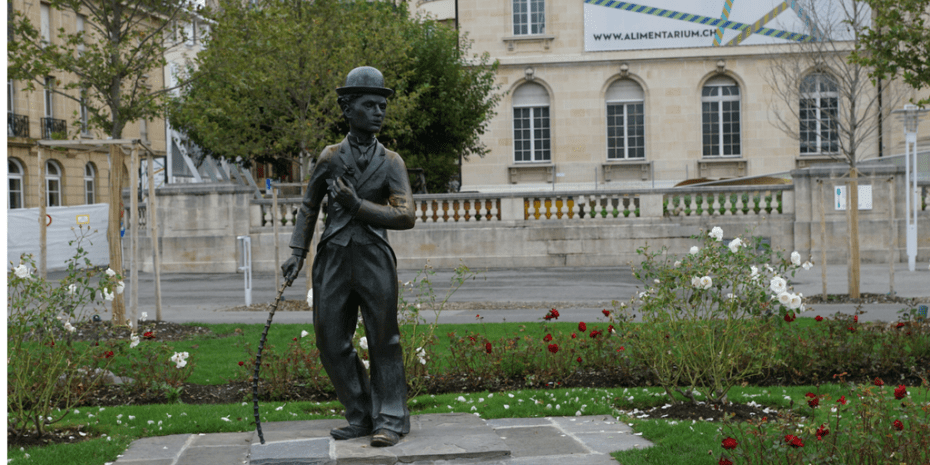
Vevey is a small Swiss town on Lake Geneva. The city is home to Nestle, one of the largest food companies in the world. Vevey was also known worldwide by Charlie Chaplin, who settled with his family in this beautiful city on the Swiss Riviera; he lived there until his death in 1977. A statue on the waterfront dedicated to Chaplin’s life in Vevey recalls this time. A few steps behind this statue is the Alimentarium Museum of Nestlé. A tour of this museum is a journey through the industrial production of food; it gives visitors a deeper insight into the evolution of human nutrition from a historical, scientific and cultural perspective.

Charlie Chaplin in Front of Alimentarium Museum Vevey

Charlie Chaplin in Front of the Alimentarium Museum in Vevey

The oversized fork in the lake reminds visitors that they are in a city where the production of food, and good food in general, is of great importance. Maybe that’s why Vevey is known for its excellent restaurants.

Restaurant Denis Martin, Vevey

Restaurant Denis Martin, Vevey

My favorite in Vevey is the restaurant of Denis Martin, a Michelin-starred chef (Michelin star and 18 Gault Millau points), one of the best exponents of modern cuisine! My visit to Denis Martin was a very special culinary experience. The creations of the chef were a treat and a journey through new worlds of taste! Gourmets can choose between three menus, namely Plaisir, Initiation and Evolution, the latter a treat with 18 courses. On the wine list you will find classics as well as exquisite wines from the region around Lake Geneva and Switzerland. I can recommend this fantastic molecular restaurant to any gourmet. Denis Martin is not only a chef, he is an artist! Its restaurant is located at rue du chateau 2, next to the “Hotel les trois Couronnes” and is only 250 meters away from the Alimentarium Museum. Try it and discover the modern Swiss cuisine at its finest! Bonne appetite!

Fork in the lake - Vevey Switzerland

Fork in the lake – Vevey

Vevey ist eine kleine Schweizer Stadt am Genfer See. Die Stadt ist die Heimat von Nestle, einem der größten Lebensmittelunternehmen der Welt. Bekannt wurde Vevey auch weltweit durch Charlie Chaplin, der sich mit seiner Familie in dieser schönen Stadt an der Schweizer Riviera niederliess; er lebte dort bis zu seinem Tod im Jahr 1977. Eine Statue an der Uferpromenade, die Chaplin’s Leben in Vevey gewidmet ist, erinnert an diese Zeit. Ein paar Schritte hinter dieser Statue befindet sich das Alimentarium-Museum von Nestlé. Eine Tour durch dieses Museum ist eine Zeitreise durch die industriellen Herstellung von Lebensmitteln; es gibt Besuchern einen vertieften Einblick in die Entwicklung der menschlichen Ernährung aus einer historischen, wissenschaftlichen und kulturellen Perspektive.

Die übergrosse Gabel im See erinnert die Besucher daran, dass sie in einer Stadt sind, in der die Produktion von Nahrung und gutem Essen im Allgemeinen von großer Bedeutung ist. Vielleicht ist Vevey auch deshalb für seine ausgezeichneten Restaurants bekannt.

Restaurant Denis Martin, Vevey

Restaurant Denis Martin, Vevey

Mein Favorit in Vevey ist das Restaurant von Denis Martin, ein Sternekoch (Michelin Stern und 18 Gault Millau Punkte), einer der besten Vertreter der modernen Küche! Mein Besuch bei Denis Martin war ein kulinarisches Erlebnis der besonderen Art. Die Kreationen des Küchenchefs waren ein Genuss und eine Reise durch neue Geschmackswelten! Feinschmecker haben die Wahl zwischen drei Menüs, nämlich Plaisir, Initiation und Evolution, letzteres ein Hochgenuss mit 18 Gängen. Auf der Weinkarte findet man Klassiker aber auch exquisite Weine aus der Region um den Genfersee und aus der Schweiz. Ich kann dieses fantastische molekulare Restaurant jedem Gourmet empfehlen. Denis Martin ist nicht nur ein Koch, er ist ein Künstler! Sein Restaurant befindet sich an der Rue du Chateau 2, neben dem „Hotel les trois Couronnes“ und liegt nur 250 Meter vom Alimentarium Museum entfernt. Probieren Sie es aus und entdecken Sie die moderne Schweizer Küche vom Feinsten! Bonne Appetit!

Categories: Blogroll, Food, Kunst, Landmark, Museum, Restaurant, Switzerland, Travel | Tags: , , , , , , , | 5 Comments

Freddie Mercury – Queen

Who does not know him, Freddie Mercury, the lead singer of the Rockband „Queen“ who unfortunately died too early. In 1996, in memory of his presence in Montreux, Switzerland, a statue on the lake promenade of Lake Geneva was erected. In 1978, the singer came to the Montreux Jazz Festival with his unmistakable voice to record the album Jazz with Queen. At that time, the Montreux Casino’s “Mountain Studio” was one of the world’s most advanced recording studios equipped with Revox machines. The following year, Freddie Mercury bought the Mountain Studio, which today is open to the public. It is now a Museum and visiting this historic place in Montreux is worthwhile!

Freddie Mercury

Freddie Mercury

Wer kennt ihn nicht, Freddie Mercury, der Lead Sänger der Rockband „Queen“, der leider viel zu früh verstorben ist. Zur Erinnerung an seine Anwesenheit in Montreux (Schweiz) wurde 1996 eine Statue an der Seepromenade des Genfersees aufgestellt. 1978 kam der Sänger mit seiner unverkennbaren Stimme zum Montreux Jazz Festival, um das Album Jazz mit Queen aufzunehmen. Das „Mountain Studio“ im Casino von Montreux war zu jener Zeit weltweit eines der hochmodernsten, mit Revox-Geräten ausgerüstete, Tonstudio. Im folgenden Jahr kaufte sich Freddie Mercury das Mountain Studio; es ist heute für die Oeffentlichkeit zugängig. Es wurde in ein Museum umfunktioniert und ein Besuch dieses historischen Ortes in Montreux lohnt sich!

Categories: Art, Blogroll, Museum, Music, Switzerland, Travel | Tags: , , , | 3 Comments

Guggenheim Museum in Bilbao, Basque Country, Spain

The Guggenheim Museum of Contemporary Art in Bilbao is one of seven museums of the US Foundation Solomon R. Guggenheim. Of these seven museums, I knew, before visiting Bilbao, the Guggenheim museums in Venice and New York. The one built in the Spanish Basque Country with its modern, deconstructionist style has become my favorite building, it is unique and much more dominant in the city of Bilbao than the two other Museums in New York and Venice.

For me, this museum is undoubtedly the city’s most important attraction. The building rises, like a huge ship, fifty meters high on the banks of the Nérvion river; it is well embedded within the large scale outdoor facilities and does not seem overwhelming. The entrance of the museum is guarded by an artwork of Jeff Koons, a huge flowered dog that looks like a West Highland Terrier.

Depending on the weather and the position of the sun, the museum shines in different shades of color. In the evening, light shows from the riverside and artificially created mists and fire fountains impress the astonished spectators.

If you like art, you do not necessarily have to travel to Bilbao. But for those who like it really big, that’s the place to admire Richard Serra’s “The Matter of Time”, an installation which is definitely worth seeing!

The Guggenheim family is an American industrialist family, who, like me, comes from the Swiss town of Lengnau in the canton of Aargau. The Guggenheim’s ruled the world market for copper, silver and lead in the 19th and early 20th centuries, making them rich and famous.

Guggenheim Museum Bilbao

Guggenheim Museum Bilbao

Das Guggenheim Museum für zeitgenössische Kunst in Bilbao ist eines von sieben Museen der US-amerikanischen Stiftung Solomon R. Guggenheim. Von diesen sieben Museen, kenne ich bis heute nur die Guggenheim Museen in Venedig und in New York, wovon mir das im spanischen Baskenland erbaute Museum am besten gefällt. Der moderne, dekonstruktivistische Baustil dieses einzigartigen Gebäudes ist auch viel präsenter in Bilbao als die beiden anderen in New York und Venedig. 

Dieses Museum ist für mich ohne Zweifel die bedeutendste Sehenswürdigkeit der Stadt. Wie ein riesiges Schiff erhebt sich das Gebäude fünfzig Meter hoch am Ufer des Nérvion und wirkt eingebettet in die grossflächig angelegten Aussenanlagen keinesfalls erdrückend. Vor dem Eingang des Museums wacht ein riesengrosser, mit Blumen bepflanzter Hund, ich glaube es ist ein West Highland Terrier, des Künstlers Jeff Koons.

Je nach Wetter und Sonnenstand strahlt und glänzt das Museum in verschieden Farbnuancen. Am Abend entzücken flussseitig erzeugte Lichtspiele, Nebelschwaden und Feuerfontänen die staunenden Betrachter.

Wer Kunst mag, muss nicht unbedingt nach Bilbao reisen. Aber wer es ganz groß mag, der ist hier richtig: Richard Serras “The Matter of Time” ist definitiv sehenswert!

Die Familie Guggenheim ist eine amerikanische Industriellenfamilie, die wie ich aus dem schweizerischen Lengnau im Kanton Aargau stammt. Die Guggenheim’s  beherrschten im 19. und frühen 20. Jahrhundert zeitweise den weltweiten Markt für Kupfer, Silber und Blei und wurden damit reich und berühmt.

Categories: Art, Blogroll, Kunst, Monument, Museum, Spain, Travel | Tags: , , , , , | 1 Comment

Tryavna in Bulgaria

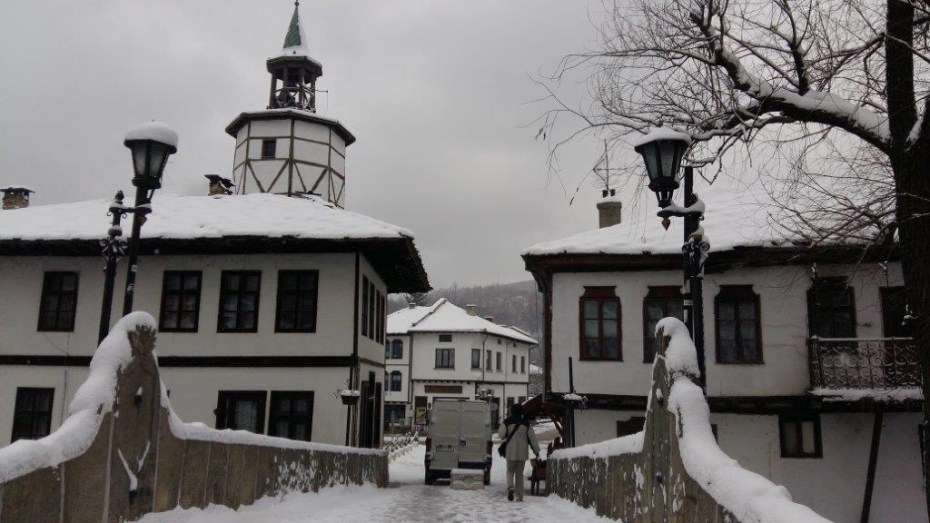
The town of Tryavna is located in the heart of Bulgaria, about 250km from Sofia and Varna. The city of about 8,000 inhabitants is located at the foot of the northern Balkan Mountains. Cultural-historical excavations show that the settlement existed already in the epoch of Thracians and Romans and was most likely founded in the 12th century. During the 500 years of the Ottoman rule, Tryavna secured some privileges and thereby maintained a degree of independence until the Renaissance in the 19th century. The town square with the distinctive bell tower has retained its original appearance to a large extent over the centuries. However, not only the city center but also many houses and churches represent the architecture of the Renaissance in Bulgaria in an impressive and almost unique way.

Various museums give visitors an insight into the tradition of woodcarving and icon painting, a craft that has been cultivated in Tryavna for centuries to the present day.

Tourism is another major source of income for this beautiful and special place. The city is known for its mild climate and visited by recreation seekers from near and far. Long walks through Tryavna’s pristine landscape and enjoying the beauty of nature is only one of the many tourist attractions. During the cold winter days, relaxing by the open log fire in one of the fine restaurants, hotels or private accommodations, is a precious commodity in today’s stressful time! Enjoy Tryavna!

House in Tryavna

Typical House in Tryavna

Die Stadt Tryavna befindet sich im Herzen von Bulgarien, ca. 250km von Sofia und Varna entfernt. Die rund 8’000 Einwohner zählende Stadt liegt am Fusse des nördlichen Balkangebirges. Kulturhistorische Ausgrabungen zeigen, dass die Siedlung schon in der Epoche von Thrakern und Römern existierte und wahrscheinlich im 12. Jahrhundert gegründet wurde. Während der Zeit der 500 jährigen Herrschaft der Osmanen sicherte sich Tryavna einige Vorrechte und bewahrte sich dadurch eine gewisse Unabhängigkeit bis zur Zeit der Renaissance im 19. Jahrhundert. Der Stadtplatz mit dem markanten Glockenturm hat sein ursprüngliches Aussehen über die Jahrhunderte weitestgehend erhalten. Nicht nur das Stadtzentrum sondern auch viele Häuser und Kirchen repräsentieren die Architektur der Renaissance in Bulgarien auf eine eindrückliche und beinahe einzigartige Weise.

Verschiedene Museen geben den Besuchern einen Einblick in die Tradition der Holzschnitzerei und Ikonenmalerei. Dieses Handwerk wird seit Jahrhunderten bis in die heutige Zeit in Tryavna ausgeübt und gefördert.

Tryavna Clock Tower

Way over Bridge to the City Square with Clock Tower

Der Tourismus ist eine weitere Haupteinnahmequelle für diesen schönen und besonderen Ort. Die Stadt ist bekannt für ihr mildes Klima und wird von Erholungssuchenden aus Nah und Fern besucht. Lange Spaziergänge durch die unberührte Landschaft von Tryavna und die Schönheit der Natur geniessen ist nur eine der vielen Touristenattraktionen. In den kalten Wintertagen ist das Entspannen am offenen Kamin in einem der feinen Restaurants, Hotels oder privaten Unterkünfte ein kostbares Gut in der heutigen stressigen Zeit! Geniessen Sie Tryavna!

Categories: Blogroll, Bulgarien, Kunst, Landmark, Museum, Traditions, Travel | Tags: , , | 9 Comments

Ravello, Amalfi Coast, Italy

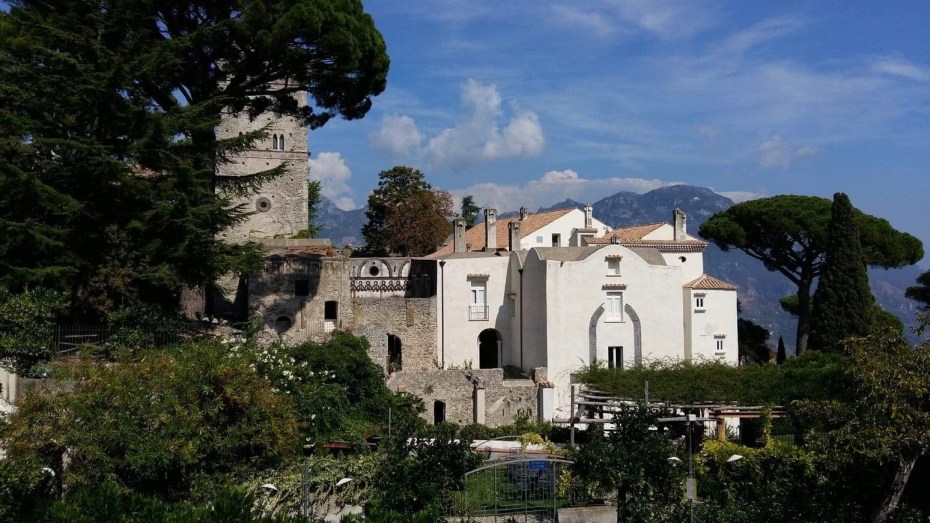
At the Amalfi Coast, on about 300 meters above sea level, is the small town Ravello. The place is world famous for its classical concerts which take place every year during the summer months. Ravello can look back on more than one thousand years of history. In the beginning, rich Roman families settled down at this place to escape from the marauding barbarians. With the emerging maritime trade in the then Republic of Amalfi, the importance of Ravello also increased. As a result, a rich bourgeoisie developed over the centuries, which built palatial palaces that are still partially preserved today.

Of particular note is the Villa Rufolo which was built in the 13th century by the family of the same name. In 1851, the property was sold to a Scottish industrialist, who transformed the villa and gardens as they can be visited today.

Villa Rufolo in Ravello

Villa Rufolo in Ravello

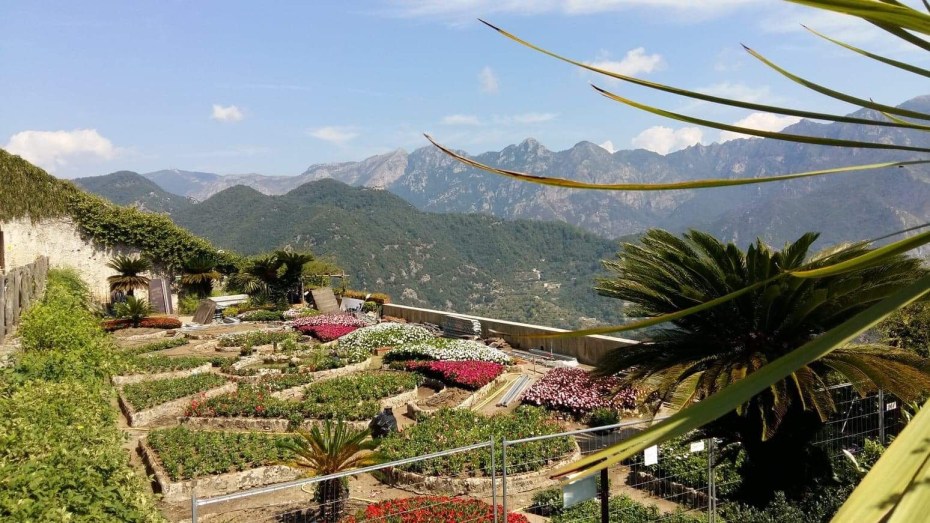
Admirers of the villa and their gardens, with an indescribable vision of the Amalfi Coast and the Gulf of Salerno in the Tyrrhenian Sea, among many others, were Giuseppe Verdi and Richard Wagner, the latter inspired himself in this magical place for his opera Parsifal. In memory of Wagner’s visit in 1880, the annual Wagner concerts have been taking place in the gardens of the villa since 1953. Particularly spectacular is the orchestra stage, which is built far beyond the garden walls and for the concert visitors hovers visually between the sky and the sea with a view into the infinite.

Ravello can be reached from Amalfi in a 30-minute bus ride and should definitely be visited. You will not regret it!

View from the gardens of Villa Rufolo

View from the gardens of Villa Rufolo

An der Amalfiküste, etwa 300 Meter über dem Meeresspiegel, liegt die kleine Stadt Ravello. Der Ort ist weltberühmt für seine klassischen Konzerte, die jedes Jahr in den Sommermonaten stattfinden. Ravello kann auf mehr als tausend Jahre Geschichte zurückblicken. Zu Beginn ließen sich reiche römische Familien an diesem Ort nieder um den marodierenden Barbaren zu entkommen. Mit dem aufkommenden Seehandel in der damaligen Republik Amalfi nahm auch die Bedeutung von Ravello zu. Als Ergebnis entwickelte sich im Laufe der Jahrhunderte eine reiche Bourgeoisie, die prunkvolle Paläste baute, die heute noch teilweise erhalten sind.

Besonders erwähnenswert ist die Villa Rufolo, die im 13. Jahrhundert von der gleichnamigen Familie erbaut wurde. Im Jahr 1851 wurde das Anwesen an einen schottischen Industriellen verkauft, der die Villa und die Gärten so umgestaltete, wie sie heute besichtigt werden können.

Gardens of Villa Rufolo

Gardens of Villa Rufolo

Bewunderer der Villa und ihrer Gärten, mit einer unbeschreiblichen Sicht auf die Amalfiküste und den Golf von Salerno im Tyrrhenischen Meer, waren unter vielen anderen, Giuseppe Verdi und Richard Wagner, letzterer inspirierte sich an diesem magischen Ort für seine Oper Parsifal. Zur Erinnerung an Wagners Besuch im Jahre 1880 finden seit 1953 die jährlichen Wagner-Konzerte in den Gärten der Villa statt. Besonders spektakulär ist die Orchestertribüne, die weit über die Gartenmauern hinaus gebaut ist und für die Konzertbesucher visuell zwischen Himmel und Meer schwebt mit einem Blick in die Unendlichkeit.

Ravello ist von Amalfi in einer 30-minütigen Busfahrt erreichbar und sollte unbedingt besucht werden. Du wirst es nicht bereuen!

Categories: Blogroll, Italy, Monument, Museum | Tags: , , | 4 Comments

Museo della Carta in Amalfi, Italy

The Paper Museum „Museo della Carta“ in Amalfi gives a comprehensive insight into the production of handmade paper and the art of paper processing in the Middle Ages. The Museum of today was before a papermill which produced paper in the vaults since the 12th century until 1969. The museum was established with the aim to preserve the historical heritage of the production of handmade paper and to revive this ancient art and bring it to a broader public.

In the 12th century, the producers of handmade paper were located in Syria and on the coasts of Palestine and the territories of the Maritime Republics, Amalfi, Pisa, Genoa and Venice.

Paper

Paper

My short video is an attempt to illustrate the method of paper making in the Middle Ages. The rags, which were crushed and then ground in the production of handmade paper with large hammers, were predominantly textiles whose fibers were suitable for paper production, such as linen, hemp cotton and jute. The handmade paper was drawn from a dilute pulp from the chest using a scoop and unrolled on a wool felt. The leaves were then stacked and subjected to a press to remove residual water. The final phase of paper processing was to dip the paper into gelatin to make it writable and then dry in the sun.

Das Papiermuseum „Museo della Carta” in Amalfi gibt einen umfassenden Einblick in die Herstellung von Büttenpapier und der Kunst der Papierverarbeitung im Mittelalter. In den Gewölben des heutigen Museums wurde seit dem 12. Jahrhundert bis in das Jahr 1969 Papier hergestellt. Einige Jahre später wurde dieses Museum gegründet mit dem Ziel das historische Erbe der Herstellung von Büttenpapier zu bewahren und diese alte Kunst wieder zu beleben und einer breiten Öffentlichkeit näher zu bringen. 

Die Zentren zur Herstellung von Büttenpapier lagen im 12. Jahrhundert in Syrien und an den Küsten von Palästina sowie den Territorien der Seerepubliken, Amalfi, Pisa, Genua und Venedig.

Hammer to crush the textiles

Hammer to crush the textiles

Mein kurzes Video ist ein Versuch die Herstellungsmethode des Papiers im Mittelalter zu veranschaulichen. Die Lumpen, die bei der Herstellung von Büttenpapier mit großen Hämmern zerkleinert und dann gemahlen wurden, waren überwiegend Textilien, deren Fasern für die Papierherstellung geeignet waren, wie Leinen, Hanfbaumwolle und Jute. Das Büttenpapier wurde aus einem verdünnten Faserbrei aus der Bütte mit Hilfe eines Schöpfsiebes geschöpft und auf einem Wollfilz abgerollt. Die Blätter wurden dann aufeinandergestapelt und einer Presse zur Entfernung von Restwasser unterzogen. Die letzte Phase der Papierverarbeitung bestand darin, das Papier in eine Gelatine zu tauchen um es beschreibbar zu machen und anschliessend an der Sonne zu trocknen.

Categories: Blogroll, Italy, Museum, Travel | Tags: , , , | Leave a comment

Sucre, the constitutional Capital of Bolivia

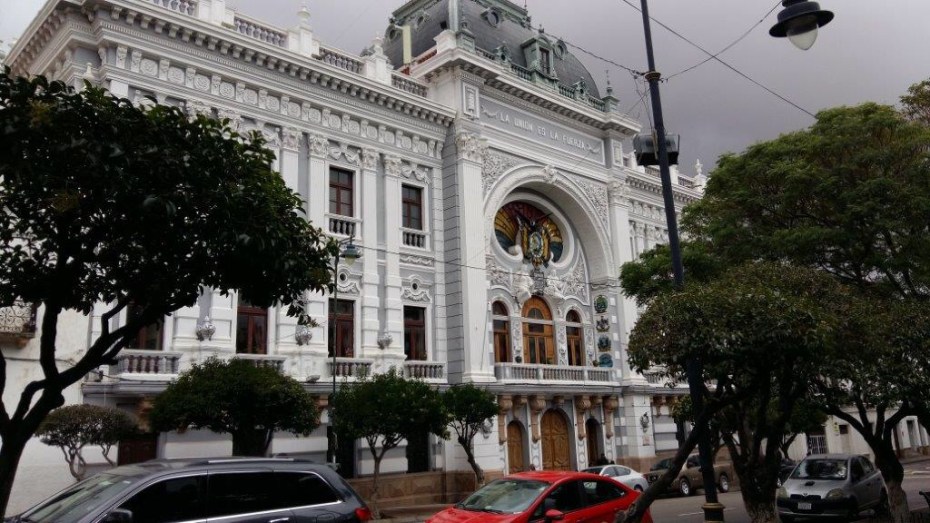
Sucre, the constitutional capital of Bolivia and seat of the Supreme Court, is located in the central southern part of the country and is the capital of the department of Chuquisaca. The old town of Sucre, with its white buildings, is considered one of the best preserved examples of a colonial city in South America and is laid out in a typical checkerboard pattern. In 1991, the old town was recognized by UNESCO as a World Heritage Site.

Sucre Bolivia

Sucre, constitutional capital of Bolivia

This summer, I “rescued” myself to Sucre to recover from the highlands of the Andes and spent some days in the Parador Santa Maria La Real. The capital of Bolivia is “only” at about 2800 meters above sea level, has a very pleasant, temperate climate and is one of the most beautiful cities in South America with its rich, well-kept squares and parks.

The Parador Santa Maria La Real is a jewel. The 17th-century building has several beautiful terraces and individually decorated rooms. If you love a colonial style hotel with the amenities of today, you will feel very comfortable here.

The hotel’s museum is definitely worth a visit, as well as the hotel bar :)! The spacious roof terrace offers guests a magnificent view over the city of Sucre. The Parador is located in a quiet and relatively quiet street in the old town, not far from the city center with its beautiful and well kept parks.

Highly recommended is a visit to the Museo del Tesoro (Treasure Museum). The museum shows the origins, techniques and art of metal and gemstone extraction and processing. The guided tours give visitors a very good insight into Bolivia’s mining industry from the past to today.

So, should you one day travel to Bolivia, do not forget to visit Sucre :)! You will not regret it!

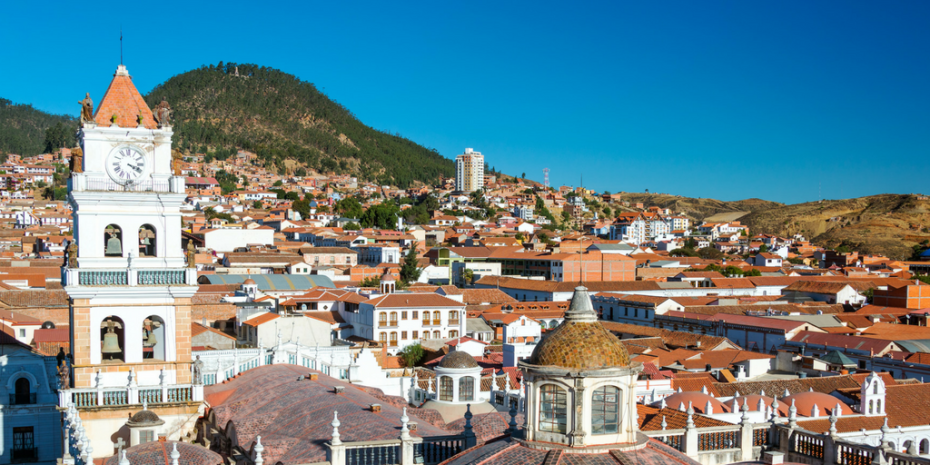
Sucre, the Capital of Bolivia

Sucre, the Capital of Bolivia

Sucre, die konstitutionelle Hauptstadt Boliviens und Sitz des Obersten Gerichtshofs, liegt im zentralen südlichen Teil des Landes und ist die Hauptstadt des Departements Chuquisaca. Die Altstadt von Sucre mit ihren weissen Gebäuden gilt als eines der am besten erhaltenen Beispiele einer Kolonialstadt in Südamerika und ist im typischen Schachbrettmuster angelegt. Im Jahr 1991 wurde die Altstadt von der UNESCO als Weltkulturerbe anerkannt.

Diesen Sommer “rettete” ich mich nach Sucre, um mich von den Höhenlagen der Anden zu erholen und verbrachte einige Tage im Parador Santa Maria La Real. Die Hauptstadt Boliviens liegt “nur” auf rund 2800 Meter Höhe, hat ein sehr angenehmes, gemäßigtes Klima und gehört mit ihren reichen, gepflegten Plätzen und Parks zu den schönsten Städten Südamerikas.

Der Parador Santa Maria La Real ist ein Juwel. Das Gebäude aus dem 17. Jahrhundert verfügt über mehrere schöne Terrassen und individuell eingerichtete Zimmer. Wenn Sie ein Hotel im Kolonialstil mit den Annehmlichkeiten von heute lieben, werden Sie sich hier sehr wohl fühlen. 

Das hoteleigene Museum ist auf jeden Fall einen Besuch wert, ebenso die Hotelbar :)! Die grosszügige Dachterrasse bietet den Gästen einen herrlichen Blick über die Stadt Sucre. Der Parador liegt in einer ruhigen und relativ verkehrsarmen Strasse in der Altstadt, nicht weit vom Stadtzentrum mit seinen schönen und gepflegten Parks entfernt.

Sehr empfehlenswert ist ein Besuch des Museo del Tesoro. Das Museum zeigt die Ursprünge, Techniken und Kunst der Metall- und Edelsteingewinnung und deren Verarbeitung. Die Museums Tour gibt Besuchern einen sehr guten Einblick in Boliviens Bergbau von der Vergangenheit bis heute.

Also, sollten Sie eines Tages nach Bolivien reisen, vergessen Sie nicht Sucre zu besuchen :)! Sie werden es nicht bereuen!

Categories: Blogroll, Bolivia, Museum, Travel | Tags: , , , , | 5 Comments

The beautiful Museum Larco in Lima, Peru

The Museo Larco should definitely be on the “to do” list when visiting Lima. It is located about 20 minutes from the historic center of Lima in the Pueblo Libre district. The white building was built in the typical architecture of the 18th century of the town Trujillo. Originally founded in Trujillo, the museum was relocated to Lima some 50 years ago. The museum’s permanent exhibition offers visitors a superb perspective on more than 5,000 years of ancient Peruvian history. Also very interesting are the storage rooms with tens of thousands of antique ceramic objects that are made accessible to the public. A little further away from the main museum are exhibited erotic artworks that give visitors a picture of the Peruvian sexuality of that time. You will find the “erotic rooms”, a bit hidden, on the way to the restaurant. All in all, the Museo Larco is one of the best and most beautiful museums I have visited in South America. Detailed information can be found on the following website: http://www.museolarco.org

Museo Larco

Museo Larco in Lima

Das Museo Larco sollte auf jeden Fall auf der „to do“ Liste sein, wenn man Lima besucht. Es liegt etwa 20 Minuten vom historischen Zentrum von Lima im Stadtteil Pueblo Libre entfernt. Das weiße Gebäude wurde in der typischen Architektur der Stadt Trujillo aus dem 18. Jahrhundert erbaut. Ursprünglich gegründet in Trujillo wurde das Museum vor etwa 50 Jahren nach Lima verlegt. Die Dauerausstellung des Museums bietet den Besuchern eine hervorragende Perspektive auf mehr als 5000 Jahre antiker peruanischer Geschichte. Auch sehr interessant sind die Lagerräume mit Zehntausenden von antiken keramischen Gegenständen die der Öffentlichkeit zugänglich gemachte werden. Ein wenig abseits des Hauptmuseums werden erotische Kunstwerke ausgestellt die den Besuchern ein Bild der peruanische Sexualität jener Zeit vermittelt. Sie werden die „Erotik Zimmer“, ein wenig versteckt, auf dem Weg zum Restaurant finden. Alles in allem ist das Museo Larco eines der besten und schönsten Museen die ich in Südamerika besucht habe. Detaillierte Informationen finden Sie auf folgender Website: http://www.museolarco.org

Categories: Blogroll, Museum, Peru, Travel, Weltreisen | Tags: , , , | 5 Comments

Auguste Rodin: The Hell‘s Gate – Kunsthaus Zurich

The bronze sculpture “The Hell’s Gate”, which was created at the end of the 19th century by the French sculptor Auguste Rodin, adorns the façade of the Zurich Kunsthaus. The seven-meter and eight-ton heavy gate was moved sideways for the duration of the extension of the Zurich Kunsthaus next to the provisional museum entrance. The work shows the viewer the 186 figures from Dante’s Inferno.

The Hell’s Gate - Kunsthaus Zurich

The Hell’s Gate – Kunsthaus Zurich

The Kunsthaus Zürich houses one of the most important art collections in Switzerland from the early Middle Ages to the present day. By 2020, an extension with a floor space of 13,000 square meters will be built on the opposite side of the street. This enlargement represents more than 80 percent of today’s Kunsthaus and will connect the existing building with an underground passageway.

Kunsthaus Zurich

Extension Kunsthaus Zurich

Die Bronzeskulptur „Das Höllentor“ welches Ende des 19. Jahrhunderts vom französischen Bildhauer Auguste Rodin geschaffen wurde, schmückt die Fassade des Zürcher Kunsthauses. Das sieben Meter und acht Tonnen schwere Tor wurde für die Dauer des Erweiterungsbaus des Zürcher Kunsthauses seitwärts neben den provisorischen Museumseingang verschoben. Das Werk zeigt dem Betrachter die 186 Figuren aus Dante’s Inferno.

Kunsthaus Zurich

Kunsthaus Zurich

Das Kunsthaus Zürich beherbergt eine der bedeutendsten Kunstsammlungen der Schweiz vom frühen Mittelalter bis in die Gegenwart. Bis 2020 wird auf der gegenüberliegende Strassenseite ein Erweiterungsbau mit einer Nutzfläche von 13000 Quadratmetern gebaut. Diese Vergrösserung entspricht mehr als 80 Prozent des heutigen Kunsthauses und wird das bestehende Gebäude mit einem unterirdischen Durchgang verbinden. 

Categories: Art, Blogroll, Kunst, Museum, Switzerland, Travel | Tags: , , , | 4 Comments

A boat trip to Friedrichshafen, the city of the Zeppelins

The weather was not particularly good this Tuesday, it was raining mostly and the temperature was almost wintery. It was not the ideal day for a boat trip on the lake. Nevertheless, I decided to take the ferry from Romanshorn in Switzerland, to cross Lake Constance to Friedrichshafen on the German side of the lake, and to have in the „city of the airships“ a nice day 🙂

Did you know that the famous Zeppelins were built in Friedrichshafen and are again rebuilt since 1993? The construction of the first Zeppelins began in 1899 in a floating assembly hall on Lake Constance, in a bay near Friedrichshafen. The Zeppelins were airships named after their inventor Ferdinand Graf von Zeppelin. These sometimes more than 200 meters long monsters were used from 1900 to 1940 both for passenger transport and military.

Graf Ferdinand von Zeppelin

Graf Ferdinand von Zeppelin

Starting 1930, a transatlantic service to North and South America was operated. However, the initial boom came to an abrupt end with the disaster at Lakehurst, New Jersey, a small town about one hundred kilometers southwest of New York! On May 6, 1937, the LZ 129 caught fire whilst landing, and within a few seconds the world’s largest airship, the Hindenburg, went up in flames and 36 of the 97 people on board lost their lives.

With the catastrophe of Lakehurst, civilian air navigation had temporarily ceased, that is until the early 1990s. At that time, 1993, the ZLT Zeppelin Luftschifftechnik GmbH was founded. Today, this company is building the new and safe Zeppelin NT (New Technology) airships. Very special sightseeing experiences are offered with low altitude flights (about 300 meters) over the Lake Constance region and flights to Munich.

A few steps from the berth of the ferry is the Zeppelin Museum; it presents on 4000 m2 of exhibition space, the world’s largest collection of airships. A unique experience, for all those interest in Zeppelins!

Floating assembly hall on Lake Constance

Floating assembly hall on Lake Constance

Das Wetter war heute Dienstag nicht besonders gut, es regnete mehrheitlich und die Temperatur winterlich. Es war eigentlich nicht der ideale Tag für eine Schifffahrt auf dem See. Trotzdem habe ich mich entschlossen, mit dem Fährschiff von Romanshorn in der Schweiz ausgehend, den Bodensee nach Friedrichshafen auf der deutschen Seeseite zu überqueren und mir dort, in der Stadt der Luftschiffe, einen schönen Tag zu machen. 

Ferry Romanshorn to Friedrichshafen

Ferry Romanshorn to Friedrichshafen

Haben Sie gewusst, dass in Friedrichshafen die berühmten Zeppeline gebaut wurden und seit 1993 wieder gebaut werden? Die Montage des ersten Zeppelins begann 1899 in einer schwimmenden Montagehalle auf dem Bodensee in einer Bucht bei Friedrichshafen. Zeppeline waren Starrluftschiffe, die nach ihrem Erfinder Ferdinand Graf von Zeppelin benannt wurden. Diese zum Teil über 200 Meter langen Ungetüme wurden von 1900 bis 1940 sowohl zur Personenbeförderung als auch militärisch eingesetzt.

Ab 1930 wurde ein transatlantischer Liniendienst nach Nord- und Südamerika eingerichtet. Der anfängliche Boom fand jedoch mit dem Unglück in Lakehurst im Bundesstaat New Jersey, hundert Kilometer südwestlich von New York, ein jähes Ende! Am 6. Mai 1937 fing bei der Landung das Heck von LZ 129 Feuer, und innerhalb von wenigen Sekunden ging das größte Luftschiff der Welt, die Hindenburg,  in Flammen auf und 36 von den 97 Menschen an Bord fanden den Tod. 

Mit der Katastrophe von Lakehurst hatte sich die zivile Luftschifffahrt vorübergehend erledigt, das heisst bis in die frühen 1990er Jahre. Damals, 1993, wurde die ZLT Zeppelin Luftschifftechnik GmbH gegründet. Heute werden von dieser Firma neue und sichere Luftschiffe der Marke Zeppelin NT (Neue Technologie) gebaut. Ein ganz besonderes Sightseeing Erlebnis sind die aus 300 Meter Höhe angebotenen Rundflüge über die Bodensee Region und Flüge bis nach München.

Ein paar Schritte von der Anlegestelle des Fährschiffs entfernt befindet sich das Zeppelin Museum. Dort wird auf 4000 m2 Ausstellungsfläche die weltweit größte Sammlung zur Luftschifffahrt präsentiert. Für Zeppelin interessierte, ein einmaliges Erlebnis!

Categories: Blogroll, Germany, History, Museum, Switzerland, Travel | Tags: , , , , | 2 Comments

Château-d’Œx in the Swiss Alps

The village of Château-d’Œx (950 m) is situated above the valley of the Saane in the Vaud Alps, east of the town of Vevey in Switzerland. In summer as well as in winter, this community in the Pays-d’Enhaut has a lot to offer to its visitors and tourists. The beautiful Alpine landscape around Château-d’Œx invites them to go on extended hikes between the spring and autumn seasons. But also the winter tourists get what they need; a cabin cable car from Château-d’Œx and various ski lifts are in operation on the northern slopes of the Rocher du Midi and the Monts Chevreuils, as well as La Lécherette.

Since 1979, the venue has hosted the International Balloon Festival and Château-d’Œx has become a world-famous Mecca for balloonists. In the center of the village, not far from the starry spot of Bertrand Piccard for his adventurous non-stop balloon ride around the world, is the Balloon Museum (Espace Balloon) in the former town hall, a renovated historic building of the municipality. Speaking of traveling around the world, do you remember the adventure movie (Around the World in 80 days) with the British actor and Oscar price winner David Niven? He lived and died in 1983 in Château-d’Œx where he also found his final resting place in the cemetery of the village church, a quiet place, just a few steps above the balloon museum.

Château-d'Œx

Château-d’Œx – Balloon Museum (Espace Balloon) and Church

Das Dorf Château-d’Œx (950 m) liegt über dem Tal der Saane in den Waadtländer Alpen östlich der Stadt Vevey in der Schweiz. Im Sommer wie auch im Winter hat diese Gemeinde im Pays-d’Enhaut für Ihre Besucher und Touristen einiges zu bieten. Die wunderschöne Alpenlandschaft rund um Château-d’Œx lädt vom Frühling bis Herbst zu ausgedehnten Wanderungen ein. Aber auch die Wintertouristen kommen auf ihre Rechnung; an den Nordhängen des Rocher du Midi und der Monts Chevreuils sowie bei La Lécherette sind eine Kabinen-Seilbahn ab Château-d’Œx und verschiedene Skilifte in Betrieb. 

Church in Château-d'Œx

Church in Château-d’Œx

Seit 1979 richtet der Ort das Internationale Ballonfestival aus und Château-d’Œx hat sich zu einem weltweit bekannten Mekka der Ballonfahrer entwickelt. In der Dorfmitte, unweit des Starplatzes von Bertrand Piccard zu seiner abenteuerlichen Nonstop-Ballonfahrt rund um die Erde befindet sich das Ballonmuseum (Espace Ballon) im ehemaligen Rathaus, einem renovierten historischem Gebäude der Gemeinde. Apropos Reisen rund um die Welt, erinnern Sie sich an den Abenteuerfilm (In 80 Tagen um die Welt) mit dem britischen Schauspieler und Oscar-Preisträger David Niven? Er lebte und verstarb 1983 in Château-d’Œx wo er auch seine letzte Ruhestätte auf dem Friedhof der Dorfkirche fand, ein stiller Ort, nur ein paar wenige Schritte oberhalb des Ballonmuseums. 

Categories: Blogroll, Museum, Nature, Sport, Switzerland, Travel, Trekking | Tags: , , , , , , , | 2 Comments

Verkehrshaus Lucerne (Swiss Museum of Transport)

The Swiss Museum of Transport („Verkehrshaus“) in Lucerne is the most visited museum in the country. No matter if tall, small, young or old, the „Verkehrshaus“ offers something interesting for everyone. In my view, it is one of the most beautiful and impressive museums in Switzerland. Also to mention is of course the beautiful location on the lake! The entire „Verkehrshaus“ Complex (20’000 m2) shows in an exciting way the development of transport and mobility by rail, on the road and on water, but also in the air and in space. Worth mentioning are the very nice collections of old locomotives and railway wagons, the historic aircrafts, satellites and space capsules, but also the submarine „Auguste Piccard“ and the balloons of the Piccard family! As a lover of old cars, I was particularly impressed by the classic car collection, where at the push of a button the desired model is presented to the visitors on a purpose-built stage! The Planetarium or the IMAX movie theater are other ways to enjoy the day in the „Verkehrshaus“ complex; and last but not least, for the tireless museum visitors, I recommend a side-step to the “Lindt Chocolate Adventure” and the Hans Erni Art Museum.

Felix Baumgartner

Capsule of the Red Bull Stratos parachutist Felix Baumgartner – World Record jump from the stratosphere

To get to the „Verkehrshaus“, it is best to take the trolleybus from Lucerne main station. However, a short boat ride on the paddle steamer from the main station harbor across Lake Lucerne to the „Verkehrshaus“ would be an unforgettable alternative to bus or car. In fact, the boat ride across the lake to the Swiss Museum of Transport is my preferred option!

Swiss Museum of Transport Lucerne

Swiss Museum of Transport, Lucerne

Das Verkehrshaus der Schweiz in Luzern ist das meistbesuchte Museum des Landes. Egal ob groß, klein, jung oder alt, das Verkehrshaus bietet für jeden etwas Interessantes. Meiner Meinung nach ist es eines der schönsten und beeindruckendsten Museen der Schweiz. Erwähnenswert ist natürlich auch die wunderschöne Lage am See! Das gesamte Verkehrshaus (20’000 m2) zeigt auf spannende Weise die Entwicklung von Verkehr und Mobilität auf der Schiene, auf der Straße und auf dem Wasser, aber auch in der Luft und im Weltraum.

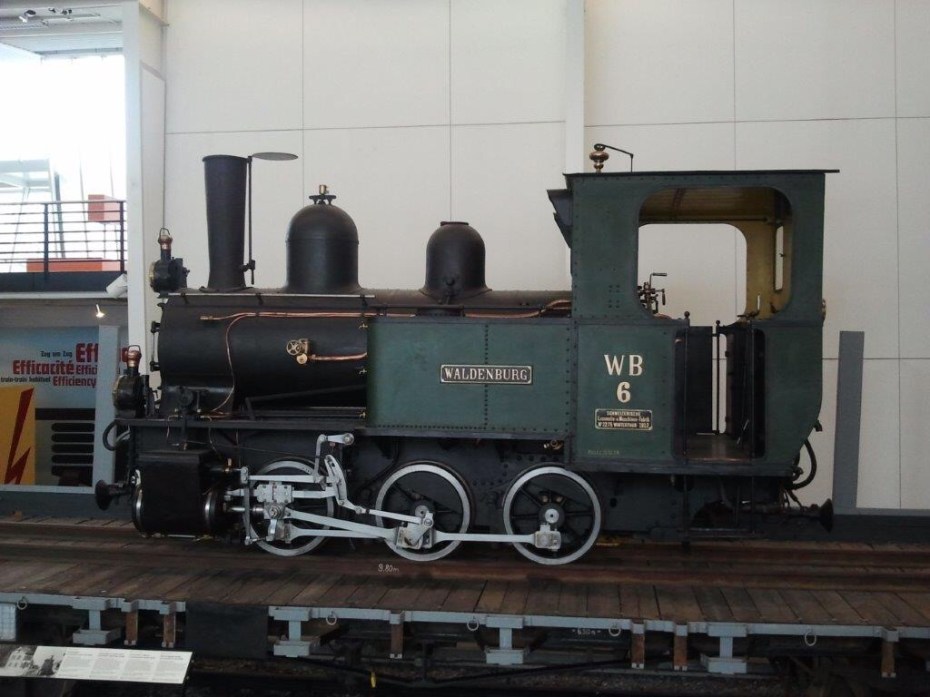
Waldenburg Bahn

Waldenburg Bahn

Erwähnenswert sind die sehr schönen Sammlungen alter Lokomotiven und Eisenbahnwaggons, die historischen Flugzeuge, Satelliten und Raumkapseln, aber auch das U-Boot “Auguste Piccard” und die Ballons der Familie Piccard! Als Liebhaber alter Autos war ich besonders beeindruckt von der Oldtimer-Kollektion, bei der auf Knopfdruck das gewünschte Modell den Besuchern auf einer eigens dafür gebauten Bühne präsentiert wird! Das Planetarium oder das IMAX-Kino sind weitere Möglichkeiten, den Tag im Verkehrshaus zu genießen; Und zu guter Letzt empfehle ich den unermüdlichen Museumsbesuchern einen Abstecher in das „Lindt Chocolate Adventure” und zum Hans Erni Art Museum.

Drill Head Gotthard Base Tunnel

Drill Head used for Gotthard Base-Tunnel

Um zum Verkehrshaus zu gelangen, nehmen Sie am besten den Trolleybus vom Hauptbahnhof Luzern. Eine kurze Bootsfahrt mit dem Raddampfer vom Hauptbahnhof über den Vierwaldstättersee zum Museum wäre jedoch eine unvergessliche Alternative zum Bus oder Auto. In der Tat ist die Bootsfahrt über den See zum Verkehrshaus der Schweiz meine bevorzugte Variante!

Categories: Blogroll, Museum, Switzerland, Travel | Tags: , | 6 Comments

Rosengart Collection Lucerne, Switzerland

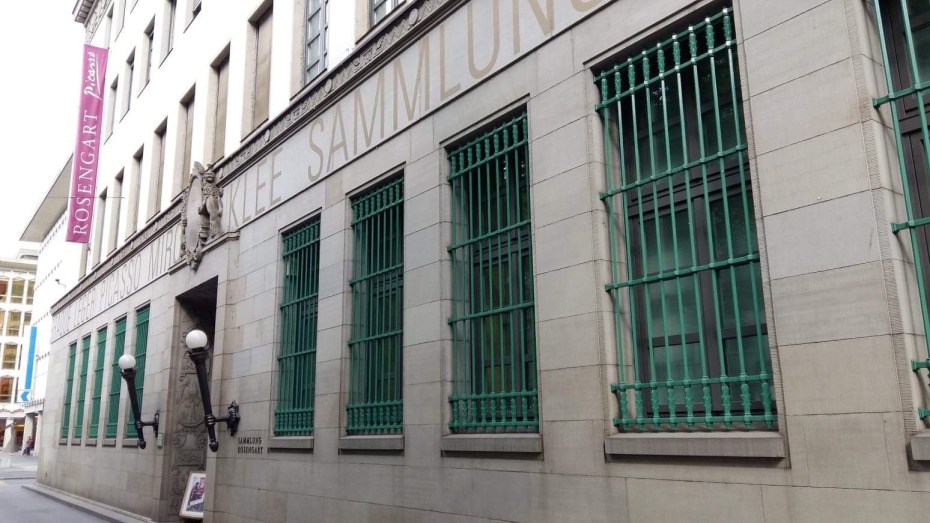
Many visitors to the city of Lucerne do not know that there, in the heart of Switzerland, is one of the largest collections of Picasso in the world. The Museum Rosengart on Pilatusstrasse 10, not far from the Lucerne main station, is a must for every art lover! In 1992 Angela Rosengart founded the “Rosengart Foundation” in Lucerne, the daughter of art dealer Siegfried Rosengart, who died in 1985, with the purpose of preserving the art collection and making it accessible to the public. Since 2002, the “Art Collection Rosengart” has been housed in the neoclassical former building of the Swiss National Bank. In addition to Pablo Picasso, visitors to the museum will also be able to see works by Paul Klee, Monet, Cézanne, Matisse, Chagall and Miro. Visit the „Rosengart Museum“ and enjoy unforgettable encounters with great works of the impressionism and the classical modernity.

Rosengart Collection Lucerne

Rosengart Collection, Lucerne, Switzerland

Viele Besucher der Stadt Luzern wissen nicht, dass es dort im Herzen der Schweiz eine der größten Picasso-Sammlungen der Welt gibt. Das Museum Rosengart an der Pilatusstrasse 10, nicht weit vom Luzerner Hauptbahnhof entfernt, ist ein Muss für jeden Kunstliebhaber! Angela Rosengart, die Tochter des 1985 verstorbenen Kunsthändlers Siegfried Rosengart, gründete 1992 in Luzern die “Rosengart Foundation” mit dem Ziel, die Kunstsammlung zu erhalten und der Öffentlichkeit zugänglich zu machen. Seit 2002 ist die “Kunstsammlung Rosengart” im neoklassischen ehemaligen Gebäude der Schweizerischen Nationalbank untergebracht. Neben Pablo Picasso können die Besucher des Museums Werke von Paul Klee, Monet, Cézanne, Matisse, Chagall und Miro sehen. Besuchen Sie das „Rosengart Museum“ und erleben Sie unvergessliche Begegnungen mit großartigen Werken des Impressionismus und der klassischen Moderne.

Categories: Art, Blogroll, Kunst, Kunstmaler, Museum, Switzerland | Tags: , , , , , , , , | Leave a comment

Hermitage and Peterhof Fountains in St. Petersburg, Russia

This May we visited St. Petersburg. There were many reasons to travel to the beautiful City of St. Petersburg. Russia is famous for the Romanov dynasty and the Winter Palace (a.k.a. Hermitage). The famous Peterhof fountains are also something you definitely should see while globetrotting.

We visited both places – the Winter Palace and the Peterhof Fountains.

First, we went to the Hermitage Museum and saw the famous Leonardo Da Vinci paintings:  “Madonna and Child with Flowers” and “Madonna Litta”. It was quite an experience. Surprisingly, Da Vinci wasn’t the biggest hit in the museum for us! There is a painting “Danae” by Rembrandt which was attacked by a so-called „art-fan“ Bronius Maigys in 1985. He splashed the painting with sulfuric acid and the picture turned into a complete mess! The restoration started immediately. Now you can see almost no traces of the damage. Unbelievable! Look at the picture attentively. In the center, you can see the lines are blurred. What kind of art is it to make people so emotional?! Anyway, the Hermitage is a huge treasure of art and you can spend there a lot of time. But I’d recommend seeing “Danae”, Leonardo Da Vinci and the Golden Peacock.

Post written in co-Operation with Saint Petersburg Private Tours:

Hermitage St. Petersburg

Hermitage St. Petersburg

The second part of our tour was a hydrofoil trip to the Peterhof Gardens.

We got on board right from the Hermitage and went through the Gulf of Finland by water. Perfect!!! You really need to try it. There is a huge skyscraper on the shore and it gives an amazing contrast to the classic buildings around. Finally, when we got to the Peterhof Gardens it was even better than we expected. The port is in the gardens, so you don’t have to walk to it. It’s all there already. The biggest surprise was the Grand Cascade! What a spectacular view! Right in the middle of the fountain ensemble, there is a huge statue of Samson fighting a lion. The golden lady nearby shines in pure gold! We spent about two hours walking along the fountains and ponds and don’t regret a second that we spent there. Highly recommended. At about 6 p.m. we got back to the hydrofoil and returned to St. Petersburg.

When the tour was over I definitely felt like it gave me the essence of St. Petersburg. The day was not exhausting at all and we saw everything we needed to.

So what I’d personally recommend when coming to St. Petersburg:

  • Use water transport. We tried a hydrofoil and it was fantastic!
  • Don’t be afraid of the museums with crowds of people, there are ways to skip the line. We didn’t wait at all.
  • Visit Peterhof Fountains because this is what you’ll remember for the rest of your life.

The tour we took here, you can book it online, just like us.

Post written in co-operation with Saint Petersburg Private Tours: Report from Valentin Kosovsky (co-author)

Hermitage

Hermitage St. Petersburg

Im Mai besuchten wir St. Petersburg in Russland. Es gab viele gute Gründe für diese Reise. Russland ist berühmt für die Romanov-Dynastie und den Winterpalast (Hermitage). Die berühmten Peterhof-Fontänen sind auch etwas, das Globetrotter unbedingt sehen sollten.

Wir besuchten beide Orte – das Winterpalais und die Peterhof Fountains.

Zuerst besuchten wir in die Eremitage und sahen die berühmten Gemälde von Leonardo Da Vinci: “Madonna und Kind mit Blumen” und “Madonna Litta”. Es war eine ziemliche Erfahrung. Überraschenderweise war Leonardo Da Vinci nicht der größte Hit im Museum für uns! Es gibt ein Gemälde “Danae” von Rembrandt, das 1985 von Bronius Maigys, einem sogenannten „Kunstfan“ attackiert wurde. Er bespritzte das Gemälde mit Schwefelsäure und fügte dem Bild grossen Schaden zu! Die Restaurierung begann sofort. Heute kann man fast keine Spuren des Schadens mehr sehen. Nicht zu fassen! Schau dir das Bild aufmerksam an. In der Mitte des Bildes sieht man, dass die Linien verschwommen sind. Was für eine Kunst ist es, die Menschen so emotional macht ?! Wie auch immer, die Hermitage hat einen unermesslichen Kunstschatz und man kann dort sehr viel Zeit verbringen. Aber wenn die zur Verfügung stehende Zeit nicht reicht, sollte man unbedingt „Danae”, Leonardo Da Vinci und den Golden Peacock gesehen haben.

Der zweite Teil unserer Tour war eine Tragflügelbootfahrt zu den Peterhof-Gärten.

Wir gingen direkt bei der Hermitage an Bord des Tragflügelboots und fuhren auf dem Wasser durch den Finnischen Meerbusen. Perfekt!!! Du musst es wirklich versuchen. Es steht einen riesiger Wolkenkratzer am Ufer und es bietet einen erstaunlichen Kontrast zu den klassischen Gebäuden in dieser Gegend. Als wir schließlich zu den Peterhof Gärten kamen, war es noch viel besser als wir erwartet hatten. Der Hafen ist in den Gärten, so dass Sie nicht zu Fuß gehen müssen. Es ist alles schon da. Die größte Überraschung waren die Grossen Kaskaden! Was für eine spektakuläre Aussicht! In der Mitte des Springbrunnenensembles steht eine riesige Statue von Samson, die gegen einen Löwen kämpft. Die goldene Dame in der Nähe glänzt in reinem Gold! Wir verbrachten ungefähr zwei Stunden entlang der Fontänen und Teiche und bereuen keine Sekunde, die wir dort verbracht haben. Sehr empfehlenswert. Um ca. 18 Uhr Kehrten wir mit dem Tragflächenboot zurück nach St. Petersburg.

Als die Tour vorbei war, hatte ich definitiv das Gefühl, das wesentliche von St. Petersburg gesehen zu habe. Der Ausflug war überhaupt nicht anstrengend und wir sahen alles, was wir uns wünschten.

Also, was ich persönlich empfehlen würde, solltet ihr St. Petersburg besuchen: 

  • Wassertransport verwenden. Wir haben ein Tragflächenboot ausprobiert und es war fantastisch!
  • Haben Sie keine Angst vor den Museen mit Menschenmassen, es gibt Möglichkeiten, die Linie zu überspringen 🙂 Wir mussten überhaupt nicht lange warten!
  • Besuchen Sie unbedingt die Peterhof Fountains, ein unvergessliches Erlebnis!

Die Tour, die wir gemacht haben, ist hier, Sie können sie online buchen, genau wie wir.

Artikel geschrieben in Zusammenarbeit mit Saint Petersburg Private Tours: Report von Valentin Kosovsky (Co-Autor)

booking

Categories: Blogroll, Landmark, Museum, Russia, St. Petersburg, Travel | Tags: , , | 1 Comment

Scriabin‘s „Poem of Fire“ by Irene Mueller

Alexander Nikolayevich Scriabin was the first composer who wanted to synthesize music with colors. He created his own color-tone-mapping system by assigning colors to specific pitches. In the symphonic composition “Prometheus” op. 60, (1910), also known as “the poem of fire”, Scriabin used a purpose built color organ that projected colors onto the wall as the pitches were played. With this organ he made possible the projection of the so-called “Luce Voice” in the score of “Prometheus”.

Repeatedly, scriabin compositions were done with paints. In fact, the impact of Scriabin’s multimedia idea was enormous. Even today artists regard his works as a great source of inspiration.

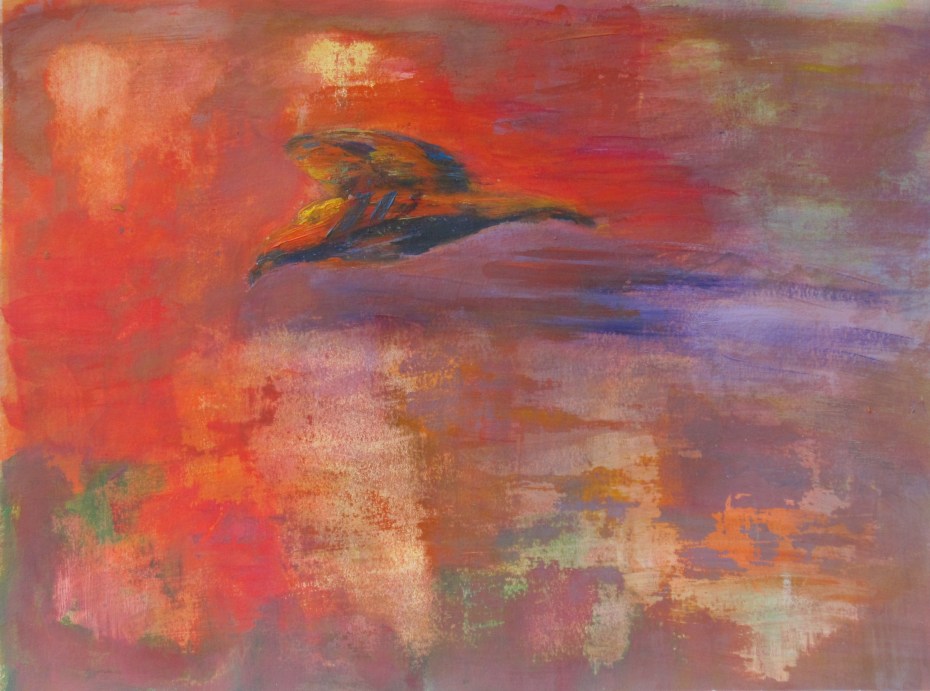
Music has the power to give the soul certain emotions and reflect certain moods; there are natural affinities between the human soul and the harmonies and rhythms. Irene Mueller tried to put her soul into Scriabin’s music, but ignored the parallels between the colors and sounds of his system. By doing so and imagining herself light and fire, unconsciously and intuitively she gave birth to thirteen paintings.

Bird of Fire - Irene Mueller

Bird of Fire – Irene Mueller

Alexander Nikolajewitsch Skrjabin war der erste Komponist, der Musik mit Farben synthetisieren wollte. Er schuf sein eigenes Farb-Ton-Mapping-System, indem Farben bestimmten Tonhöhen genau zugeordnet wurden. In der sinfonischen Komposition “Prometheus” op. 60, (1910), auch bekannt als “das Gedicht des Feuers”, verwendete Scriabin eine eigens dafür gebaute Farborgel, die Farben an die Wand projizierte, wenn die Tonhöhen gespielt wurden. Mit dieser Orgel ermöglichte er die Projektion des sogenannten “Luce Voice“ in der Partitur von „Prometheus“.

Kompositionen von Scriabin mit Farben wurden wiederholt aufgeführt. In der Tat war der Einfluss von Scriabins Multimedia-Idee enorm. Auch heute betrachten Künstler seine Werke als große Inspirationsquelle.

Die Musik hat die Kraft, der Seele bestimmte Emotionen zu verleihen und bestimmte Stimmungen zu reflektieren; es gibt natürliche Affinitäten zwischen der menschlichen Seele und den Harmonien und Rhythmen. Irene hat versucht, ihre Seele in Skrjabins Musik einzubringen, hat aber die Parallelen zwischen Farben und Klängen seines Systems ignoriert. Indem sie dies tat und sich Licht und Feuer vorstellte, brachte sie unbewusst und intuitiv dreizehn Bilder zur Welt.

Categories: Art, Blogroll, Kunst, Kunstmaler, Museum, Switzerland, Travel | Tags: , , , , | 3 Comments

Blog at WordPress.com.