Russian Submarine „C 189“ in St. Petersburg

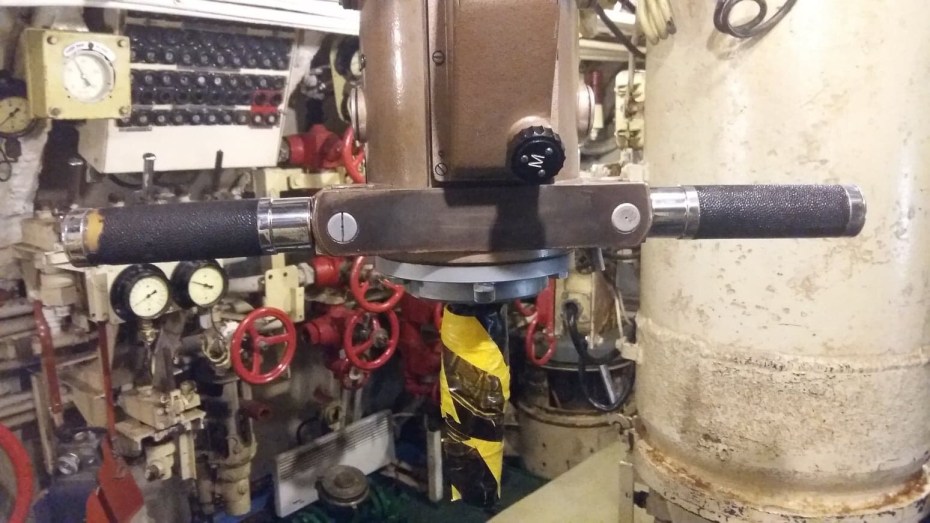
A visit of the “C 189” (the C in Cyrilic stands for S), a Russian submarine from the Cold War is an absolute must for any “military historian” or lover of such artifacts! This great attraction is thawed by the Lieutenant Schmidt Kai in St. Petersburg. Even for those less enthusiastic for military history, a visit of this submarine is also very interesting, you can see how the crew and officers lived in this narrow tube and fulfilled their duties.

The guided tour through the “C 189” takes just over 30 minutes. The only problem with it is that you should understand Russian. The guides are all veterans that served on this submarine type, but unfortunately they do not speak any foreign language. I am sure that the one or other anecdote from the past in let’s say English would make the tour even more interesting for all those that do not understand Russian.

Lieutenant Schmidt Kai in Saint Petersburg

Lieutenant Schmidt Kai in Saint Petersburg

The “C 189” (NATO Classification: Whiskey Class) is a medium-displacement diesel-electric torpedo submarine, which was built as the first and most numerous Soviet submarine after the Second World War. The first submarine was put into service in October 1950 and more than 200 units of this type were on alert until the late 80s of the 20th century. They were also used for testing and training purposes. Many of them were converted to carry missile weapons.

C 189 Museum Saint Petersburg

„C 189“ Russian Submarine

Eine Besichtigung der „C 189“, ein russisches U-Boot aus der Zeit des Kalten Krieges ist für jeden „Militärhistoriker“ oder Liebhaber solcher Artefakte ein absolutes Muss! Diese tolle Attraktion liegt angetäut am Leutnant Schmidt Kai in St. Petersburg. Auch für die weniger Begeisterten militärischer Geschichte ist ein Gang durch dieses U-Boot ebenfalls sehr interessant, man sieht wie die Mannschaft und Offiziere in dieser engen Röhre lebten und ihren Dienst erfüllten.

Die Führung durch die „C 189“ dauert etwas mehr als 30 Minuten. Das einzige Problem dabei, man sollte russisch verstehen. Die Guides sind alles altgediente Veteranen auf diesem U-Boot-Typ, jedoch sprechen sie keine Fremdsprache. Ich bin mir sicher, dass die eine oder andere Anekdote aus der Vergangenheit auf Englisch die Tour für all diejenigen noch interessanter machen würde, die kein Russisch verstehen.

„C189“ Russian Submarine

„C 189“ Russian Submarine

Die „C 189“ (NATO Klassifizierung: Whiskey Class) ist ein dieselelektrisches Torpedo-U-Boot mittlerer Verdrängung, das als erstes und zahlreichstes sowjetisches U-Boot nach dem Zweiten Weltkrieg gebaut wurde. Das erste U-Boot wurde im Oktober 1950 in Dienst gestellt und mehr als 200 Einheiten dieses Typs waren bis in die späten 80er Jahre des 20. Jahrhunderts in Alarmbereitschaft. Sie wurden auch zu Test- und Schulungszwecken verwendet. Viele von ihnen wurden zu Trägern von Raketenwaffen umgebaut.

Categories: Blogroll, History, Landmark, Museum, Russia, Saint Petersburg, Submarine | Tags: | 2 Comments

Giacomo Casanova

Who doesn’t know Giacomo Casanova, an Italian writer, spy, diplomat, ecclesiaste and adventurer. He is also known as the man that made the name Casanova synonymous. Giacomo Casanova was born in Venice on April 2, 1725 in one of the houses in the Calle Della Commedia (today: Calle Malipiero). He was the eldest child of a total of six siblings. Casanova travelled throughout Europe and visited countries like Germany, Switzerland, Rome, Naples, the Netherlands, Poland, Spain and Russia and was a welcome and prominent guest in the noble salons. He died after an adventures life on June 4, 1798 in Bohemia (Czech Republic).

Giacomo Casanova

Giacomo Casanova

Wer kennt nicht Giacomo Casanova, ein italienischer Schriftsteller, Spion, Diplomat, Prediger und Abenteurer. Er ist auch als der Mann bekannt, der den Namen Casanova zum Synonym machte. Giacomo Casanova wurde am 2. April 1725 in Venedig in einem der Häuser an der Calle Della Commedia (heute: Calle Malipiero) geboren. Er war das älteste Kind von insgesamt sechs Geschwistern. Casanova bereiste Europa und besuchte Länder wie Deutschland, die Schweiz, Rom, Neapel, die Niederlande, Polen, Spanien und Russland und war ein willkommener und prominenter Gast in den Salons des Adels. Er starb nach einem abenteuerlichen Leben am 4. Juni 1798 in Böhmen (Tschechien).

Categories: Blogroll, Italy, Landmark, Venedig | Tags: | 6 Comments

Icecream in Florence, Italy

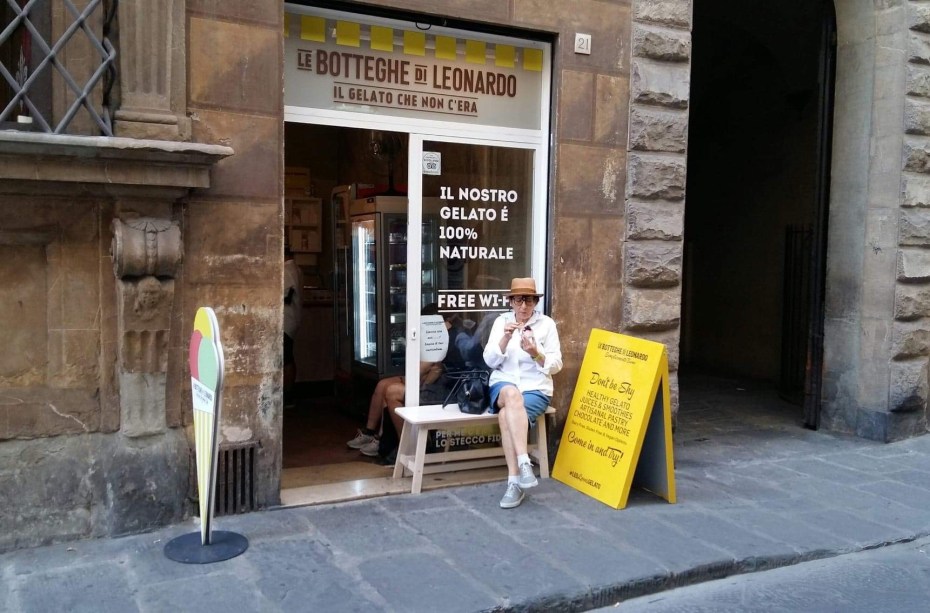
I discovered a gourmet restaurant of a special kind in Florence! It was not not an ice cream parlor that one can find at each corner, it was „Le Botteghe di Leonardo“; the jewel is located on the Via de Ginori, not far from Piazza del Duomo. The ice cream is of high quality and I have rarely eaten an ice cream that tastes so much like what it is sold for, the flavors are phenomenal and all without additives and preservatives. The peach ice cream really tastes of peach, and the chocolate ice cream was wonderful too. In short, the ice creams of this ice cream parlor are an absolute treat! Furthermore, the service behind the counter is fantastic! I am convinced that you will not regret having visited the ice cream shop Le Botteghe di Leonardo! So then on to Florence 🙂 maybe we meet there while enjoying our ice cream 🙂

Le Botteghe di Leonardo

Le Botteghe di Leonardo

Ich habe in Florenz ein Gourmetrestaurant der besonderen Art entdeckt! Es war nicht eine Eisdiele, die man dort an jeder Ecke finden kann, es war “Le Botteghe di Leonardo”; das Juwel befindet sich an der Via de Ginori, nicht weit von der Piazza del Duomo. Das Eis ist von hoher Qualität und ich habe selten ein Eis gegessen, das so sehr nach dem schmeckt, für was es verkauft wird, die Aromen sind phänomenal und alles ohne Zusätze und Konservierungsstoffe. Das Pfirsicheis schmeckt wirklich nach Pfirsich und das Schokoladeneis war auch wunderbar. Kurz gesagt, die Eiscremes dieser Eisdiele sind ein absoluter Genuss! Außerdem ist der Service hinter dem Tresen fantastisch! Ich bin überzeugt, dass ihr es nicht bereuen werdet, die Eisdiele Le Botteghe di Leonardo besucht zu haben! Also dann auf nach Florenz 🙂 vielleicht treffen wir uns dort beim genießen unseres Eis 🙂

Categories: Blogroll, Food, Italy | Tags: , , , | 9 Comments

Saint-Jean-Pied-de-Port – Buen Camino

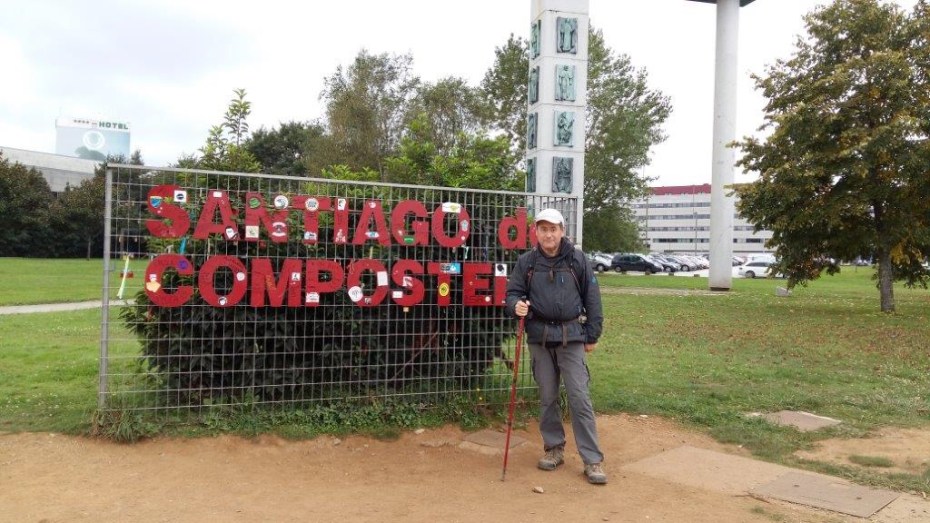
In Saint-Jean-Pied-de-Port begins the Camino Francés, one of the most famous pilgrimage routes in the world. In this small medieval French town, pilgrims begin their arduous walk across the Pyrenees crest to Roncevalles in Spain, the first leg of their pilgrimage. From there, their long journey leads them through the beautiful landscapes of northern Spain past countless sights before they reach their “final destination” Santiago de Compostela in Galicia.

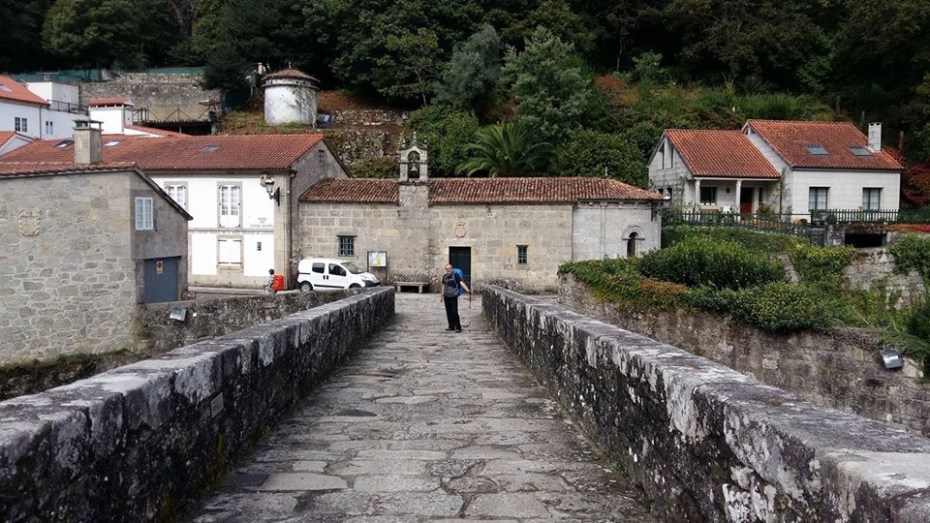
The city, surrounded by a pink fortress wall, has just over 1’500 inhabitants and is located in the French Basque country at the foot of the Pyrenees; and the Bay of Biscay in the Atlantic Ocean is only 50km away. This small town enchants visitors with its medieval ambience. Noteworthy are the cobblestone streets lined with old houses and the old bridge over the river Nive.

Pilgrims come to Saint-Jean-Pied-de-Port by train. There is also no lack of overnight accommodation for the “first” night. Several hostels, hotels, private rooms or even a campsite are available for the pilgrims to sleep.

Saint-Jean-Pied-de-Port

Saint-Jean-Pied-de-Port

In Saint-Jean-Pied-de-Port beginnt der Camino Francés, einer der berühmtesten Pilgerwege der Welt. In dieser kleinen mittelalterlichen französischen Stadt beginnen die Pilger ihre beschwerliche Wanderung über den Pyrenäenkamm nach Roncevalles in Spanien, die erste Etappe ihrer Pilgerreise. Von dort führt sie ihr langer Weg durch die wunderschönen Landschaften Nordspaniens vorbei an unzähligen Sehenswürdigkeiten bevor sie schließlich ihr „endgültiges Ziel“ Santiago de Compostela in Galicien erreichen.

Saint-Jean-Pied-de-Port

Saint-Jean-Pied-de-Port

Die mit einer rosafarbenen Festungsmauer umgebene Stadt zählt etwas mehr als 1’500 Einwohner und liegt im französischen Baskenland am Fusse der Pyrenäen; und zum Golf von Biskaya im Atlantik sind es gerade mal 50 km. Der Ort verzaubert die Besucher mit seinem mittelalterlichen Ambiente. Ganz besonders zu erwähnen sind die von alten Häusern gesäumten Kopfsteinpflastergassen und die alte Brücke über den Fluss Nive.

Pilger gelangen nach Saint-Jean-Pied-de-Port mit dem Zug. An Übernachtungsmöglichkeiten für die „erste“ Nacht fehlt es auch nicht; mehrere Pilgerherbergen, Hotels, Privatzimmer oder sogar ein Campingplatz stehen den Pilgern zur als Schlafmöglichkeit zur Verfügung.

Categories: Blogroll, Camino Francés, France, Jakobsweg, Pilgrimage, Spain | Tags: , , , | 8 Comments

The „Lindenhof“ in Zurich, Switzerland

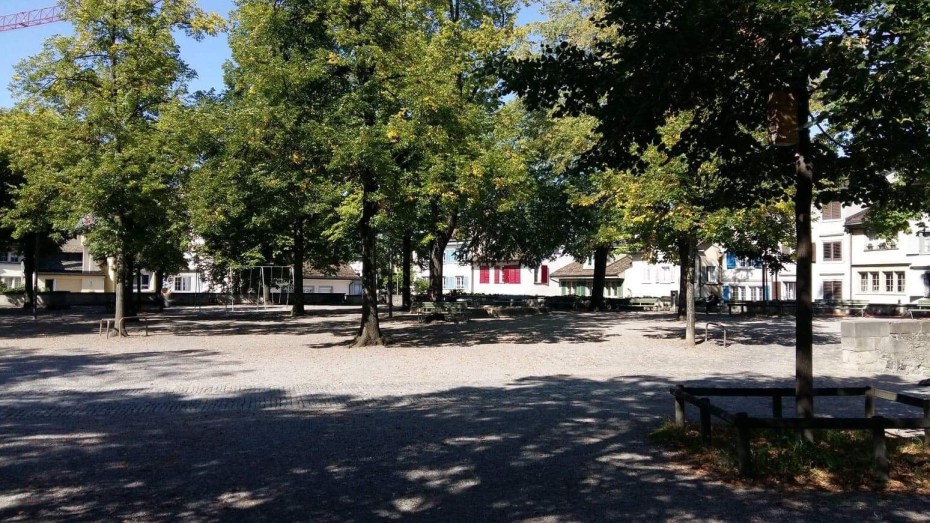
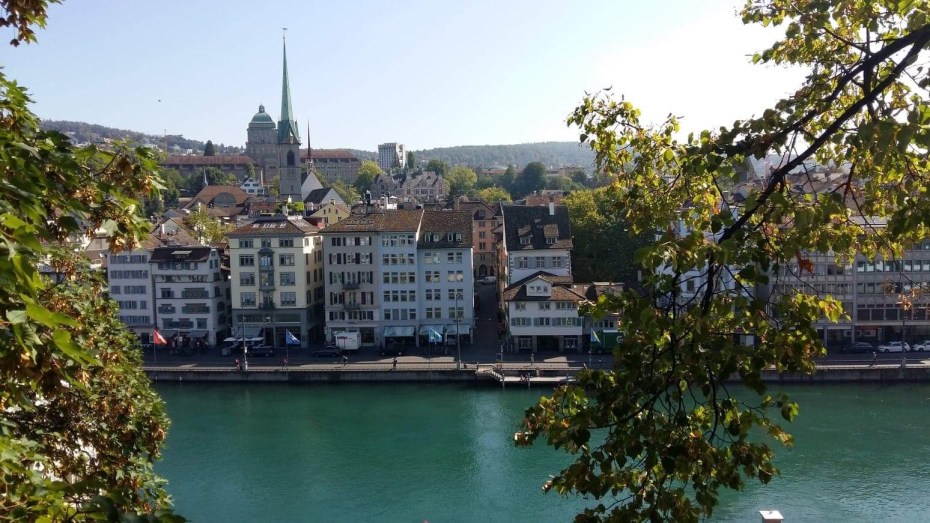
Yesterday, the time has come again for me to travel to Zurich; I had a lunch appointment with one of my friends! Since I had one hour left until our scheduled lunch, I decided to use this hour for a stroll through the streets of the old town, along the river Limmat and up to the Lindenhof hill. From there one has an impressive view, in the middle of the historic center of the city of Zurich, across the Limmat and the Limmatquai on the right bank of the old town, the Zurich Niederdorf.

Based on archaeological finds it is assumed that the Lindenhof had already been inhabited in the Bronze Age. Later, that is to say in Roman times and during the early Middle Ages, fortifications where built up there to protect the inhabitants of Turicum, now the city of Zurich. In the late Middle Ages, an imperial Palatinate towered from the Lindenhof over the city.

With the demolition of the former imperial residence in 1218, the Lindenhof transformed into a green, tree-lined recreation area within the city walls of Zurich. Shooting competitions, festivities and the chess  play were just a few of the traditional activities of that time. Also, the heartbreaker and women conqueror, Giacomo Casanova discovered the tranquility and beauty of this leafy open space during his visit to Zurich in the year 1760 🙂

Today, the Lindenhof is one of the most famous places and leisure areas in the heart of the city of Zurich and is visited daily by peace seekers, tourists and city strollers like me.

Lindenhof Zurich

Lindenhof Zurich

Gestern war es wieder einmal soweit, eine Verabredung mit einem Freund brachte mich in die Stadt Zürich; ein gemeinsames Mittagessen war angesagt! Da mir bis zu unserem Treffen noch eine Stunde Zeit verblieb, entschied ich mich für einen kleinen Spaziergang durch die Gassen der Altstadt, entlang des Flusses Limmat und hinauf auf den Lindenhof. Von dieser Anhöhe hat man eine beeindruckende Aussicht inmitten des historischen Kerns der Stadt Zürich über die Limmat und das Limmatquai hinweg auf die rechtsufrige Altstadt, dem Zürcher Niederdorf. 

Anhand archäologischer Funde wird angenommen, dass der Lindenhof bereits in der Bronzezeit bewohnt gewesen sein musste. Später, das heisst zur Zeit der Römer und während des Frühmittelalters standen an diesem Ort Befestigungsanlagen und Fluchtburgen für die Bewohner der Stadt Turicum, dem heutigen Zürich. Im Spätmittelalter wurden in der kaiserlichen Pfalz am Lindenhof Reichstage und Festlichkeiten abgehalten. 

View from Lindenhof

View from Lindenhof

Mit dem Abbruch der einstigen kaiserlichen Residenz im Jahre 1218 wandelte sich der Lindenhof in einen begrünten, mit Bäumen bepflanzten Erholungsraum innerhalb der Zürcher Stadtmauern. Schützenfeste, Festivitäten und das Schachspiel waren nur ein paar wenige überlieferte Aktivitäten jener Zeit. Im Jahre 1760 entdeckte auch Giacomo Casanova der Herzensbrecher und Fraueneroberer die Ruhe und Schönheit dieses begrünten Freiraums 🙂

Heute gilt der Lindenhof als einer der bekanntesten Plätze und Freizeitflächen im Herzen der Stadt Zürich und wird täglich von Ruhesuchenden, Touristen und Städtebummler wie ich besucht.

Categories: Blogroll, History, Switzerland, Travel | Tags: , , | 2 Comments

Museum Larco in Lima, Peru

The Museo Larco should definitely be on the “to do” list when visiting Lima. It is located about 20 minutes from the historic center of Lima in the Pueblo Libre district. The white building was built in the typical architecture of the 18th century of the town Trujillo. Originally founded in Trujillo, the museum was relocated to Lima some 50 years ago. The museum’s permanent exhibition offers visitors a superb perspective on more than 5,000 years of ancient Peruvian history. Also very interesting are the storage rooms with tens of thousands of antique ceramic objects that are made accessible to the public. A little further away from the main museum are exhibited erotic artworks that give visitors a picture of the Peruvian sexuality of that time. You will find the “erotic rooms”, a bit hidden, on the way to the restaurant. All in all, the Museo Larco is one of the best and most beautiful museums I have visited in South America. Detailed information can be found on the following website: http://www.museolarco.org

Museo Larco

Museo Larco in Lima

Das Museo Larco sollte auf jeden Fall auf der „to do“ Liste sein, wenn man Lima besucht. Es liegt etwa 20 Minuten vom historischen Zentrum von Lima im Stadtteil Pueblo Libre entfernt. Das weiße Gebäude wurde in der typischen Architektur der Stadt Trujillo aus dem 18. Jahrhundert erbaut. Ursprünglich gegründet in Trujillo wurde das Museum vor etwa 50 Jahren nach Lima verlegt. Die Dauerausstellung des Museums bietet den Besuchern eine hervorragende Perspektive auf mehr als 5000 Jahre antiker peruanischer Geschichte. Auch sehr interessant sind die Lagerräume mit Zehntausenden von antiken keramischen Gegenständen die der Öffentlichkeit zugänglich gemachte werden. Ein wenig abseits des Hauptmuseums werden erotische Kunstwerke ausgestellt die den Besuchern ein Bild der peruanische Sexualität jener Zeit vermittelt. Sie werden die „Erotik Zimmer“, ein wenig versteckt, auf dem Weg zum Restaurant finden. Alles in allem ist das Museo Larco eines der besten und schönsten Museen die ich in Südamerika besucht habe. Detaillierte Informationen finden Sie auf folgender Website: http://www.museolarco.org

Categories: Blogroll, Museum, Peru, Travel, Weltreisen | Tags: , , , | 8 Comments

Stagecoach over the Gotthard

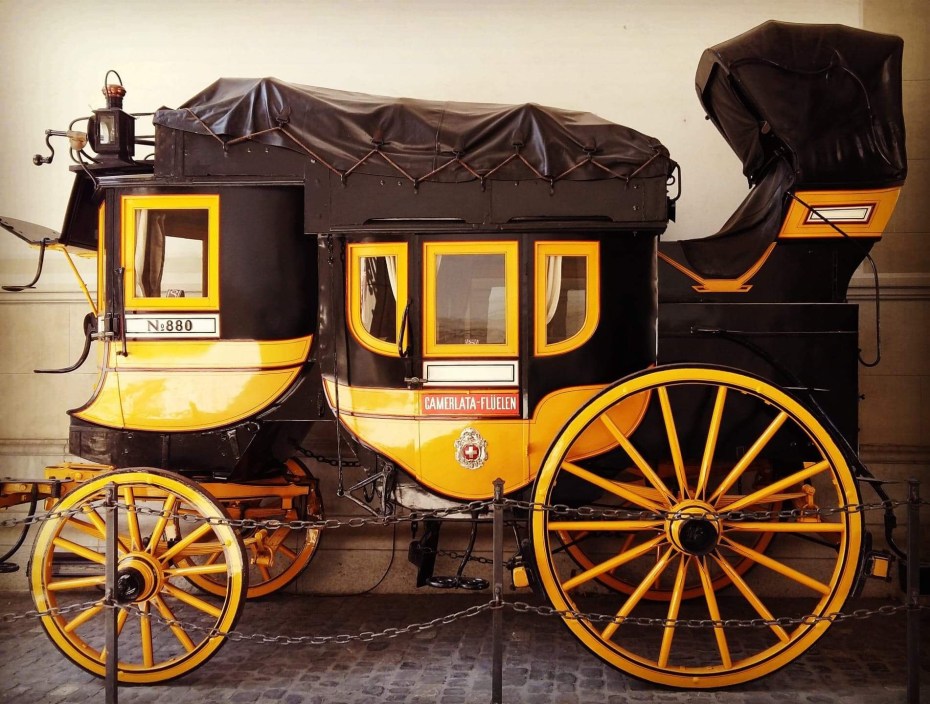
The Gotthard Pass has been one of the most important direct north-south links across the Alps since the Middle Ages. In 1830, the first stagecoach rolled over the Gotthard Pass. At that time, the travelers were predominantly merchants, scientists, engineers and diplomats. Back then, in the first half of the 19th century, the passengers felt the thirty-hour journey from Lucerne to Milan, first with the steamboat across Lake Lucerne to Flüelen and then in the stagecoach over the St. Gotthard Pass to Camerlata and Milan as grueling strain. In 1850, the effective travel time from Zurich to Milan was at least 30 hours, not taking into account an overnight stay in the hospice on the Gotthard Pass. With the opening of the Gotthard railway tunnel in 1882 the stagecoaches slowly disappeared; and the stagecoach operation was finally discontinued in 1926. The steam-powered train reduced the travel time from Zurich to Milan to 11 hours, today’s trains need only 3 hours and 25 minutes for the route, thanks to the 57-kilometer Gotthard Base Tunnel, i.e. the longest tunnel in the world. In 2020, after completion of the railway tunnel through the Monte Ceneri, the train journey will be shortened by another 40 minutes to 2 hours and 45 minutes! By the way, in 1852 about 21‘000 passengers used the stagecoach service over the Alps. Today, on average 12‘000 travelers are using trains through the Gotthard Tunnel!

Stagecoach

Stagecoach from Flüelen to Camerlata

Der Gotthardpass ist seit dem Mittelalter eine der wichtigsten direkten Nord-Süd-Verbindungen über die Alpen. Im Jahre 1830 rollte die erste Postkutsche über den Gotthardpass. Die Reisenden zu jener Zeit waren vorwiegend Kaufleute, Wissenschaftler, Ingenieure und Diplomaten. Damals, in der ersten Hälfte des 19. Jahrhunderts, empfanden die Passagiere die dreissig Stündige Reise von Luzern nach Mailand, zuerst mit dem Dampfschiff über den Vierwaldstättersee nach Flüelen und dann in der Postkutsche über den Sankt Gotthardpass nach Camerlata und Mailand als aufreibende Strapaze. Eine Übernachtung im Hospiz auf dem Gotthardpass nicht eingerechnet, betrug im Jahr 1850 die effektive Reisezeit ab Zürich nach Mailand mindestens 30 Stunden. Mit der Eröffnung des Gotthard-Eisenbahntunnels 1882 verschwanden die Postkutschen langsam; und der Postkutschenbetrieb wurde 1926 endgültig eingestellt. Die dampfbetriebene Bahn verkürzte die Reisezeit von Zürich nach Mailand auf 11 Stunden, die heutigen Züge benötigen für die Strecke, Dank des 57 Kilometer langen Gotthard-Basistunnels, nur noch 3 Stunden und 25 Minuten. Ab dem Jahr 2020, nach Fertigstellung des Eisenbahntunnels durch den Monte Ceneri wird die Zugreise um eine weitere halbe Stunde auf 2 Stunden und 45 Minuten verkürzt! Übrigens nutzten 1852 rund 21’000 Passagiere den Postkutschen-Service über die Alpen. Heute fahren durchschnittlich 12’000 Reisende mit Zügen durch das  Gotthardmassiv!

Categories: Blogroll, Italy, Switzerland, Train, Travel | Tags: , , , , , , , | 1 Comment

Venice Canale Grande

Driving with a „Vaporetto“ (Water Bus) through the Canale Grande, a main waterway in the lagoon city of Venice, is for me every time again a ride through the past. The most famous of the five bridges spanning the canal is the Rialto Bridge, built in the late 16th century; probably one of the most photographed landmarks in Italy. The Canale Grande, lined with over 200 splendid buildings and noble palaces, keeps my mind drifting back and forth, especially during the night, to the time of the Venetian merchant Marco Polo in the 14th century and the bustle of the merchants, sailors and bankers in one of the largest and most powerful trading cities and financial centers of Europe and the world at that time.

Die Fahrt mit einem „Vaporetto“ (Wasser Bus) durch den Canale Grande, eine Hauptwasserstrasse in der Lagunenstadt Venedig, ist für mich jedes Mal wieder eine Fahrt durch die Vergangenheit. Die bekannteste der fünf Brücken welche den Kanal überspannt ist die im späten 16. Jahrhundert gebaute Rialto Brücke; wahrscheinlich eines der am meisten fotografierten Wahrzeichen Italiens. Der mit über 200 prächtigen Prachtbauten und Adelspalästen gesäumte Canale Grande lässt meine Gedanken immer wieder, und besonders während der Nacht, zurück schweifen in die Zeit des venezianischen Händlers Marco Polo im 14. Jahrhundert und an das geschäftige Treiben der Kaufleute, Seefahrer und Banker in einer der grössten und mächtigsten Handelsstädte und Finanzzentren Europas und der damaligen Welt.


Categories: Blogroll, Italy, Travel, Weltreisen | Tags: , | 5 Comments

Hotel Recommendations for Santiago de Compostela

Dear pilgrim friends, are you tired and would you like to end your Camino in Santiago de Compostela? Perhaps my hotel recommendations could help you in choosing an accommodation.

My selection criteria for my list of recommendations are based on the experience and feedback of many pilgrims, ratings and reviews in social media and of course my personal preferences and evaluation criteria, such as a good bed, cleanliness, good location, friendliness of the hotel staff and last but not least value for money.

Nevertheless, my Hotel selection is subjective and many of the hotels not listed here are also excellent and can also be booked with the enclosed link through Booking.com

BOOK NOW and CLICK HERE

Rolandomio’s Hotel Recommendations for „tired“ pilgrims in Santiago de Compostela: 

Hostal Suso (-); Hospederia San Martin Pinario (*); Pension Residencia Fonseca (*); Casa Celsa Barabantes (**); Hotel Bonaval (**); PR Libredón (**); Nest Style (***); Hotel Rua Villar (***); Hotel Lux (***); Altair Hotel (***); San Francisco Hotel Monumento (****); NH Collection Santiago de Compostela (****); Hostal Reis Catolicos (*****)

Buen Camino!

Santiago de Compostela


Liebe Pilgerfreunde, seid ihr müde und möchtet ihr euren Jakobsweg in Santiago de Compostela noch ausklingen lassen; dann könnten euch meine Hotelempfehlungen als Entscheidungshilfe bei der Wahl einer Unterkunft nützlich sein. 

Meine Auswahlkriterien für diese Empfehlungsliste basieren auf Erfahrungen und Feedback vieler Pilger, Ratings und Bewertungen in Sozialen Medien und selbstverständlich meine ganz persönlichen Präferenzen und Bewertungskriterien, wie zum Beispiel ein gutes Bett, Sauberkeit, gute Lage, Freundlichkeit des Hotelpersonals sowie ein gutes Preis-Leistungsverhältnis.

Meine Hotelauswahl ist jedoch subjektiv und viele der hier nicht gelisteten Hotels sind ebenfalls ausgezeichnet und können über den beigefügten Link bei Booking.com gebucht werden.

JETZT BUCHEN mit einem CLICK

Rolandomio’s Hotelempfehlungen für „müde“ Pilger in Santiago de Compostela: 

Hostal Suso (-); Hospederia San Martin Pinario (*); Pension Residencia Fonseca (*); Casa Celsa Barabantes (**); Hotel Bonaval (**); PR Libredón (**); Nest Style (***); Hotel Rua Villar (***); Hotel Lux (***); Altair Hotel (***); San Francisco Hotel Monumento (****); NH Collection Santiago de Compostela (****); Hostal Reis Catolicos (*****)

Buen Camino!

booking

Categories: Blogroll, Hotel, Jakobsweg, Pilgrimage, Spain, Travel | Tags: , , | 4 Comments

The End of the World

Rome, Jerusalem and especially Santiago de Compostela were the most important pilgrimage sites of Christians in the Middle Ages. At that time one-third of the population of the Occident went, provided they were healthy, on the way to Santiago de Compostela. The pilgrims flocked on one of the four pilgrimage routes through France, or by sea via La Coruna, to the apostle’s tomb of Saint James in Santiago de Compostela.

Finisterre

On the Way to Finisterre – to the End of the World

At that time, many of the pilgrims who survived the tedious, dangerous way of Saint James to Santiago de Compostela continued their journey to Finisterre. Before returning home, they wanted to see the sea and the End of the World. Back then, it was believed that at the very horizon the water of the sea would get thicker and thicker and that the earth would fall, after a gloomy zone of silence, into the bottomless. Arriving in Finisterre, the pilgrims got rid of their clothes, burned it, cleansing themselves in the sea from their sins and many of them died of total exhaustion.

Rom, Jerusalem und vor allem Santiago de Compostela waren die wichtigsten Wallfahrtsorte der Christen im Mittelalter. Zu dieser Zeit ging ein Drittel der Bevölkerung des Okzidents, sofern die Menschen gesund waren, nach Santiago de Compostela. Die Pilger strömten auf einem der vier Pilgerwege durch Frankreich oder auf dem Seeweg über La Coruna zum Apostelgrab des Heiligen Jakobus in Santiago de Compostela.

Zu dieser Zeit setzten viele der Pilger, die den langwierigen, gefährlichen Jakobsweg nach Santiago de Compostela überlebten, ihre Reise nach Finisterre fort. Bevor sie nach Hause zurückkehrten, wollten sie das Meer und das Ende der Welt sehen. Damals glaubte man, dass das Wasser des Meeres am Horizont immer dicker werden würde und dass die Erde nach einer düsteren Zone der Stille in das Bodenlose fallen würde. In Finisterre angekommen, lösten sich die Pilger von ihren Kleidern, verbrannten sie und säuberten sich im Meer von ihren Sünden; viele von ihnen starb an völliger Erschöpfung.

Categories: Blogroll, Jakobsweg, Spanien, Travel | Tags: , , , , , , , , | 4 Comments

Cinecittà in Rome, Italy

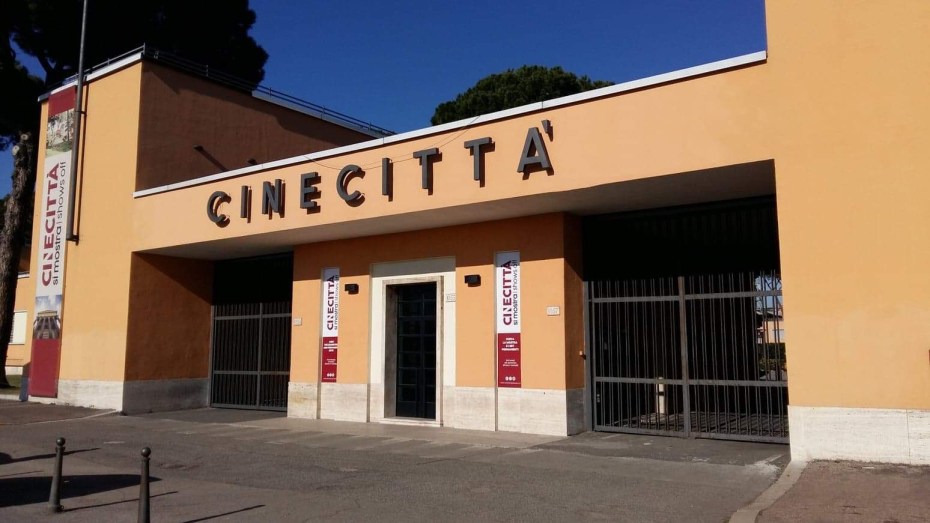
Cinecittà was the largest dream factory in Europe for some time after World War II and the second largest in the world after Hollywood. Since 1937, more than 3,000 films have been shot in Cinecittà and in its film studios, many of these films were nominated for the Oscar or have won the prize. Colossal movies like Quo Vadis, Ben Hur, Cleopatra and Fellini‘s masterpieces, starting with La Dolce Vita, were shot here. Cinecittà was also the production site of many Italo Western by directors such as Sergio Leone or Sergio Corbucci. In the 2000s, Cinecittà was amongst others the location for Scorsese’s Gangs of New York, Mel Gibson’s The Passion of Christ and Roberto Benigni’s Pinocchio.

Cinecittà

Main Entrance to the Dream Factory Cinecittà in Rome, Italy

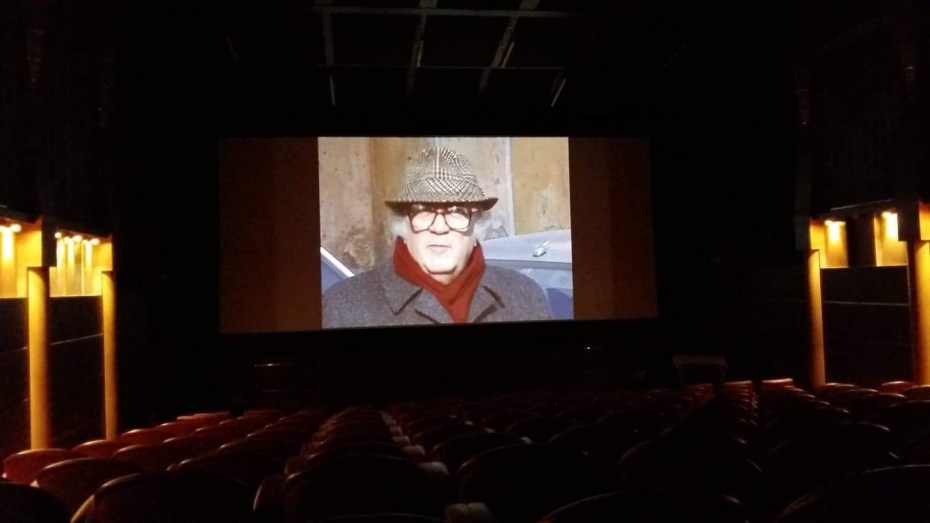
Studio 5 of Cinecittà was Fellini’s favorite place of work where he also lived during the production of his movies. In fact, Cinecittà was Federico Fellini! Then as now, Studio 5 is the largest of its kind and is currently used for the television series The new Pope by Paolo Sorrentino with Jude Law and John Malkovich.

Studio 5 of Cinecittà was Fellini's favorite place of work where he also lived during the production of his movies

Studio 5 of Cinecittà was Fellini’s favorite place of work where he also lived during the production of his movies.

Ideal for shots in the open is the oversized Green Screen in front of a huge outdoor theater stage with a water basin that could be flooded for scenes on the water. Replicas of Roman houses and streets, as in Pompeii at that time, or rebuilt Roman temples and triumphal arches in polyester are now increasingly used as backdrops for television productions.

Daily guided tours through the film sets and studios take the visitors back to the time of great Italian and international movies. The dream factory is located on the outskirts of Rome and can be reached by metro (Linea A) from the city center in just 30 minutes.

Cinecittà

Replicas of Roman houses and streets, as in Pompeii at that time, or rebuilt Roman temples and triumphal arches in polyester.

Die Cinecittà war nach dem Zweiten Weltkrieg für einige Zeit die grösste Traumfabrik in Europa und nach Hollywood die zweitgrösste der Welt. Seit 1937 wurden in der Cinecittà und in seinen Filmstudios mehr als 3.000 Filme produziert. Viele dieser Filme erhielten eine Oscar Nominierung oder haben den Preis gewonnen. Hier entstanden kolossale Filme wie Quo Vadis, Ben Hur, Cleopatra und angefangen mit La Dolce Vita, Fellini’s Meisterwerke. Cinecittà war auch die Produktionsstätte vieler Italo Western von Regisseuren wie Sergio Leone oder Sergio Corbucci. In den 2000er Jahren war die Cinecittà unter anderem der Ort für Scorsese’s Gangs of New York, Mel Gibson‘s The Passion of Christ und Roberto Benigni‘s Pinocchio.

Cinecittà

Ideal for shots in the open is the oversized Green Screen in front of a huge outdoor theater stage with a water basin.

Das Studio 5 von Cinecittà war Fellinis Lieblingsarbeitsplatz an dem er während seiner Dreharbeiten auch wohnte. Die Cinecittà war zu jener Zeit Federico Fellini! Damals wie heute ist das Studio 5 das grösste seiner Art und wird gegenwärtig für die Fernsehserie Der neue Papst von Paolo Sorrentino mit Jude Law und John Malkovich verwendet.

Cinecittà

Fellini‘s masterpieces, starting with La Dolce Vita, were shot in Cinecittà.

Ideal für Aufnahmen im Freien ist der übergrosse Green Screen vor einer riesigen Freilichtbühne mit einem Becken welches man für Szenen auf dem Wasser auch Fluten könnte. Repliken römischer Häuser und Strassen, wie damals in Pompeji, oder der Nachbau römischer Tempel und Triumphbögen aus Polyester werden heute zunehmend als Kulissen für Fernsehproduktionen verwendet.

Cinecittà

Colossal movies like Quo Vadis, Ben Hur and Cleopatra were shot in Cinecittà.

Tägliche Führungen durch die Filmsets und Studios führen die Besucher zurück in die Zeit grosser italienischer und internationaler Filmkunst. Die Traumfabrik Cinecittà befindet sich am Stadtrand von Rom und ist mit der U-Bahn (Linea A) vom Stadtzentrum in nur 30 Minuten erreichbar.

Categories: Art, Blogroll, Italy, Landmark, Museum | Tags: , , | 9 Comments

Saatchi Gallery in London

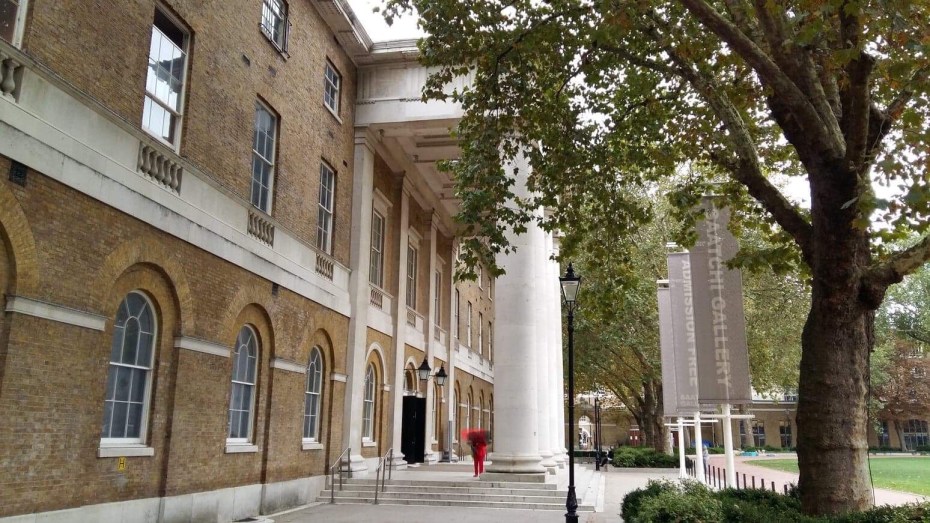
What I did not know before my visit to the Saatchi Gallery in London was that the advertising magnate Charles Saatchi, who opened it in 1985, is in the background of this art gallery. The passionate art lover thus made his extensive collection accessible to a wide audience. Admission to all exhibitions is free for visitors and the gallery was pretty empty on Saturday when I was there. The gallery, or rather the museum, has an exhibition space of approximately 50,000 square meters and is located in the former headquarters of the Duke of York on King’s Road in the Chelsea district, near Sloane Square underground station. Impressive are not only the exhibited works but also the gallery itself. Someone took a historic building and turned it into one of the best museums in the world. The gallery has just the right size, the lighting is superb, the navigation inside is child’s play, the elevators are fast and comfortable. In short, the architecture is invisible, it serves the main purpose of exhibiting art and is not a self-staging of an architect.

Saatchi Gallery

Saatchi Gallery

Was ich vor meinem Besuch der Saatchi Galerie in London nicht wusste war, dass im Hintergrund dieser Kunststätte der Werbemagnat Charles Saatchi steht welcher sie 1985 eröffnete. Der passionierte Kunstliebhaber machte damit seine umfangreiche Sammlung einem breiten Publikum zugänglich. Der Eintritt zu allen Ausstellungen ist für die Besucher kostenlos und die Galerie war ziemlich leer am Samstag als ich dort war. Die Galerie oder besser gesagt das Museum hat eine Ausstellungsfläche von ungefähr 50.000 m² und befindet sich im ehemaligen Hauptquartier des Duke of York an der King’s Road im Stadtteil Chelsea in der Nähe der U-Bahn-Station Sloane Square. Beeindruckend sind nicht nur die ausgestellten Werke sondern auch die Galerie selbst. Jemand nahm ein historisches Gebäude und verwandelte es in eines der besten Museen der Welt. Die Galerie hat genau die richtige Grösse, die Beleuchtung ist hervorragend, die Navigation im Inneren ist ein Kinderspiel, die Aufzüge sind schnell und bequem. Kurz gesagt, die Architektur ist unsichtbar, sie dient dem Hauptzweck, Kunst auszustellen und ist keine Selbstinszenierung eines Architekten. 

Categories: Art, Blogroll, Events, Kunst, Museum, Travel, United Kingdom | Tags: , | 2 Comments

Plastic Polution in our Oceans

What are the humans doing to their beautiful earth? Shocking underwater shots have recently been uploaded and shared on social media to commemorate the Ocean Day celebrated by the United Nations on June 9th. The videos published on YouTube were made in Bali, for many people a holiday „dream destination“! A swarm of innumerable colored plastic scraps floate towards the diver Rich Horner. Fifty years ago, in the films of the French oceanographer Jean Jacques Cousteau, blue, red and yellow coral fishes thrummed in front of and above the divers on the left and right. Today, it is the plastic waste of an indifferent throwaway society. I remember well how Jean Jaques Cousteau warned us in the 1960s of such man-made plastic pollution. According to reports, the situation in our oceans is devastating. There are soon more plastics than fish in the water. Recently, a half-dead whale stranded between Thailand and Malaysia. There were over 80 plastic bags in his stomach! I am convinced that the plastic waste ends up in our own stomachs through the food chain, with unknown health consequences!

Plastic Waste in our Oceans

Plastic waste in our Oceans

Was machen wir Menschen nur aus unserer schönen Erde? Schockierende Unterwasseraufnahmen rund um das touristische “Traumziel” der Insel Bali wurden kürzlich auf YouTube veröffentlicht. Ein Schwarm aus unzähligen farbigen Plastikfetzen schwebt auf den Taucher Rich Horner zu. Vor fünfzig Jahren sah man in den Filmen des französischen Ozeanographen Jean Jacques Cousteau blaue, rote und gelbe Korallenfische, die sich vor und über den Tauchern links und rechts tummelten. Heute ist es der Plastikabfall einer gleichgültigen Wegwerfgesellschaft. Ich erinnere mich gut daran, wie uns Jean Jaques Cousteau in den 1960er Jahren vor einer solchen, vom Menschen verursachten, Plastikverschmutzung gewarnt hat. Berichten zufolge ist die Situation in unseren Ozeanen verheerend. Es gibt bald mehr Plastik als Fische im Wasser. Vor kurzem strandete ein halbtoter Wal zwischen Thailand und Malaysia. Es waren über 80 Plastiktüten in seinem Bauch! Ich bin überzeugt, dass über die Nahrungskette der Plastikmüll schlussendlich in unsere eigenen Mägen gelangt mit noch unbekannten gesundheitlichen Folgen!

Categories: Bali, Blogroll, Nature, Travel | Tags: , , , , | 11 Comments

The Blue emOcean Resort & Dive Center on Moyo island, Indonesia

The Blue emOcean Resort & Dive Center is set on a 1 hectare beachfront land on Moyo island, Indonesia. It is surrounded by a dense jungle and faces out onto the Flores Sea. The resort is owned and managed by a team of professionals coming from Italy with many years of experience in the tourism industry. In order to support the local economy, 80% of the staff of the resort are employed from Moyo island.

The resort features three room types:

  • Backpacker Rooms
  • Superior Rooms
  • Beach Bungalow

Every room is cleaned daily and guests have access to all the resort’s facilities.

The Blue emOcean’s restaurant is located a few meters from the beach and offers the best sunset view of the island. The restaurant’s staff serve Indonesian and international food and of course some Italian specialties as well. Beer, wine and a selection of spirits are also available.

Blue em Ocean Resort Moyo Island Indonesia

The Blue emOcean Resort

The flagship of the resort is definitely the Moyo Dive Center. Moyo Dive Center is located inside the property and offers scuba diving trips, snorkeling trips as well as scuba diving courses for beginners up to the Instructor level. Our resident Course Director and Instructor Trainer has been training instructors in multiple countries since many years. The dive team speaks English, Italian, French and Indonesian.

Blue emOcean’s swimming pool was designed to conduct scuba diving courses and the house reef right in front of the property is ideal for both beginners and experienced divers. The private pier provides an exclusive access to the property and serves both as a starting point for their trips and as an easy entry and exit point for diving and snorkeling on the house reef. The Dive Team organizes free scuba diving trials in the pool every day. Sign up with our staff and one instructor will teach and let you practice the basic skills of scuba diving in the pool’s safe environment free of charge.

Scuba diving around Moyo island is among the best in the world. Coral gardens, deep walls and also a shipwreck are all in easy reach from the Blue emOcean resort.

Scuba Diving and Snorkling experience on Moyo Island at the Blue emOcean Resort

Scuba Diving and Snorkling experience on Moyo island at the Blue emOcean Resort

Moho island is a Marine Protected area since 1990 and it is home to reef sharks, healthy soft and hard corals, seahorses, moray eels, rays, frog fish, octopus and even whale sharks. Also, manta rays occasionally visit the island while dolphins are a normal site when sailing around Moyo. Turtles lay eggs regularly on some of the most secluded beaches of Moyo island and it is common to meet them while scuba diving or snorkeling.

Aside of diving and snorkeling, Moyo offers plenty of activities. The island is covered for its 95% by a dense jungle that hosts monkey, deers, wild buffalos, parrots and other exotjc birds, various species of butterflies, flying foxes, wild pigs and many more species.

The jungle of Moyo island has been declared National Park in 1980, to protect its flora and fauna and to preserve the beauty of some of the most beautiful waterfalls in the world.

The Blue emOcean Resort, a Hidden Paradise on Moyo Island

The Blue emOcean Resort, a Hidden Paradise on Moyo island

The Lady Diana waterfalls (officially called Mata Jitu) are named after the Princess of Wales who used to visit this place and spend some time on Moyo island. Blue emOcean Resort is the perfect starting point to visit this waterfall and the others, both in the north and in the south on the island. A total of three waterfalls are hidden in the jungle of Moyo.

Other activities to enjoy on Moyo include trekking, bicycle- and motorcycle riding, visit to the bat cave, sunset cruising, visit to hidden beaches, local village experience, visit to the vulcanic lake of Satonda island and much more.

For more details visit the website of Blue emOcean and CLICK HERE.

Pool of the Blue emOcean Resort on Moyo island

Pool of the Blue emOcean Resort

Das Blue emOcean Resort & Dive Center befindet sich auf einem 1 Hektar grossen Grundstück auf der Insel Moyo, Indonesien. Es ist von einem dichten Dschungel umgeben mit Blick auf die Flores Sea. Das Resort wird von einem Team von italienischen Fachleuten mit langjähriger Erfahrung in der Tourismusbranche geführt. Um die lokale Wirtschaft zu unterstützen, sind 80% der Beschäftigten Mitarbeiter des Resorts von der Insel Moyo.

Das Resort verfügt über drei Zimmertypen:

  • Backpacker Rooms
  • Superior Zimmer
  • Strandbungalow

Jedes Zimmer wird täglich gereinigt und Du hast Zugang zu allen Einrichtungen des Resorts.

Room of the Blue emOcean Resort

Room of the Blue emOcean Resort

Das Restaurant des Blue emOcean liegt nur wenige Meter vom Strand entfernt und bietet einen wunderbaren Blick auf den Sonnenuntergang. Die Mitarbeiter des Restaurants servieren indonesische und internationale Küche, einige italienische Spezialitäten dürfen natürlich auch nicht fehlen. Bier, Wein und eine Auswahl an Spirituosen sind ebenfalls erhältlich.

Das „Flaggschiff“ des Resorts ist definitiv das Moyo Dive Center. Das Moyo Dive Center bietet Tauchausflüge, Schnorchelausflüge sowie Tauchkurse für Anfänger bis zum Instructor-Level. Der lokale Kursleiter hat eine reiche Erfahrung, er hat Tauch-Instruktoren in verschiedenen Ländern ausgebildet. Das Taucherteam spricht Englisch, Italienisch, Französisch und Indonesisch.

Der Pool von Blue EmOcean wurde für Tauchkurse konzipiert und das „Hausriff“ direkt vor dem Resort ist ideal für beide, Anfänger und erfahrene Taucher. Der private Pier bietet einen exklusiven Zugang zum Resort und dient sowohl als Ausgangspunkt für Ausflüge als auch Ein- und Ausstiegspunkt zum Tauchen und Schnorcheln am Hausriff. Die  Tauch-Instruktoren vermitteln Dir kostenlos die Grundkenntnisse des Tauchens in der sicheren Umgebung des Pools.

Die Tauchgründe rund um die Insel Moyo gehören zu den besten der Welt. Korallengärten, steil abfallende Wände und auch ein Schiffswrack sind vom Blue EmOcean Resort aus leicht zu erreichen.

Scuba Diving and Snorkling in Paradise, the Blue emOcean on Moyo Island

Scuba Diving and Snorkling in Paradise, the Blue emOcean on Moyo Island

Die Insel Moyo ist seit 1990 ein Meeresschutzgebiet und beherbergt Riffhaie, gesunde Weich- und Hartkorallen, Seepferdchen, Muränen, Rochen, Froschfische, Kraken und sogar Walhaie. Ausserdem besuchen gelegentlich Mantas die Insel während Delphine zur Normalität gehören. Schildkröten legen regelmässig ihre Eier an einigen der abgelegensten Strände der Insel Moyo ab und es ist üblich, sie beim Tauchen oder Schnorcheln anzutreffen.

Neben Tauchen und Schnorcheln bietet Moyo zahlreiche andere Aktivitäten. Die Insel ist zu 95% von einem dichten Dschungel bedeckt, beherbergt Affen, wilde Büffel, Papageien und seltene Vögel, verschiedene Schmetterlingsarten, fliegende Hunde, Wildschweine und viele andere exotische Tierarten.

Der Dschungel der Insel Moyo wurde 1980 zum Nationalpark erklärt, um seine Flora und Fauna zu schützen und die Schönheit einiger der schönsten Wasserfälle der Welt zu bewahren.

Die Lady Diana Wasserfälle (offiziell Mata Jitu genannt) sind nach der Prinzessin von Wales benannt, die diesen Ort besuchte und einige Zeit auf der Insel Moyo verbrachte. Insgesamt sind drei Wasserfälle im Dschungel von Moyo versteckt. Das Blue EmOcean Resort ist der perfekte Ausgangspunkt, um diese Wasserfälle zu besuchen. 

Weitere Aktivitäten, die Du auf Moyo buchen, respektive geniessen kannst sind Trekking Ausflüge, Fahrrad- und Motorradfahrten, ein Besuch der Fledermaushöhle, ein romantischer Sonnenuntergang auf hoher See, ein Besuch versteckter Strände, ein Dorferlebnis, ein Besuch des Vulkansees der Insel Satonda und vieles mehr.

KLICK HIER für weitere Informationen über das Blue emOcean Resort.

Categories: Blogroll, Hotel, Indonesia, Nature | Tags: , , , , | 1 Comment

„Museo della Carta“ in Amalfi, Italy

The Paper Museum „Museo della Carta“ in Amalfi gives a comprehensive insight into the production of handmade paper and the art of paper processing in the Middle Ages. The Museum of today was before a papermill which produced paper in the vaults since the 12th century until 1969. The museum was established with the aim to preserve the historical heritage of the production of handmade paper and to revive this ancient art and bring it to a broader public.

In the 12th century, the producers of handmade paper were located in Syria and on the coasts of Palestine and the territories of the Maritime Republics, Amalfi, Pisa, Genoa and Venice.

My short video is an attempt to illustrate the method of paper making in the Middle Ages. The rags, which were crushed and then ground in the production of handmade paper with large hammers, were predominantly textiles whose fibers were suitable for paper production, such as linen, hemp cotton and jute. The handmade paper was drawn from a dilute pulp from the chest using a scoop and unrolled on a wool felt. The leaves were then stacked and subjected to a press to remove residual water. The final phase of paper processing was to dip the paper into gelatin to make it writable and then dry in the sun.

Das Papiermuseum „Museo della Carta” in Amalfi gibt einen umfassenden Einblick in die Herstellung von Büttenpapier und der Kunst der Papierverarbeitung im Mittelalter. In den Gewölben des heutigen Museums wurde seit dem 12. Jahrhundert bis in das Jahr 1969 Papier hergestellt. Einige Jahre später wurde dieses Museum gegründet mit dem Ziel das historische Erbe der Herstellung von Büttenpapier zu bewahren und diese alte Kunst wieder zu beleben und einer breiten Öffentlichkeit näher zu bringen. 

Die Zentren zur Herstellung von Büttenpapier lagen im 12. Jahrhundert in Syrien und an den Küsten von Palästina sowie den Territorien der Seerepubliken, Amalfi, Pisa, Genua und Venedig.

Hammer to crush the textiles

Hammer to crush the textiles

Mein kurzes Video ist ein Versuch die Herstellungsmethode des Papiers im Mittelalter zu veranschaulichen. Die Lumpen, die bei der Herstellung von Büttenpapier mit großen Hämmern zerkleinert und dann gemahlen wurden, waren überwiegend Textilien, deren Fasern für die Papierherstellung geeignet waren, wie Leinen, Hanfbaumwolle und Jute. Das Büttenpapier wurde aus einem verdünnten Faserbrei aus der Bütte mit Hilfe eines Schöpfsiebes geschöpft und auf einem Wollfilz abgerollt. Die Blätter wurden dann aufeinandergestapelt und einer Presse zur Entfernung von Restwasser unterzogen. Die letzte Phase der Papierverarbeitung bestand darin, das Papier in eine Gelatine zu tauchen um es beschreibbar zu machen und anschliessend an der Sonne zu trocknen.

Categories: Blogroll | 4 Comments

Do you know Ravello in Italy and the Amalfi Coast?

At the Amalfi Coast, on about 300 meters above sea level, is the small town Ravello. The place is world famous for its classical concerts which take place every year during the summer months. Ravello can look back on more than one thousand years of history. In the beginning, rich Roman families settled down at this place to escape from the marauding barbarians. With the emerging maritime trade in the then Republic of Amalfi, the importance of Ravello also increased. As a result, a rich bourgeoisie developed over the centuries, which built palatial palaces that are still partially preserved today.

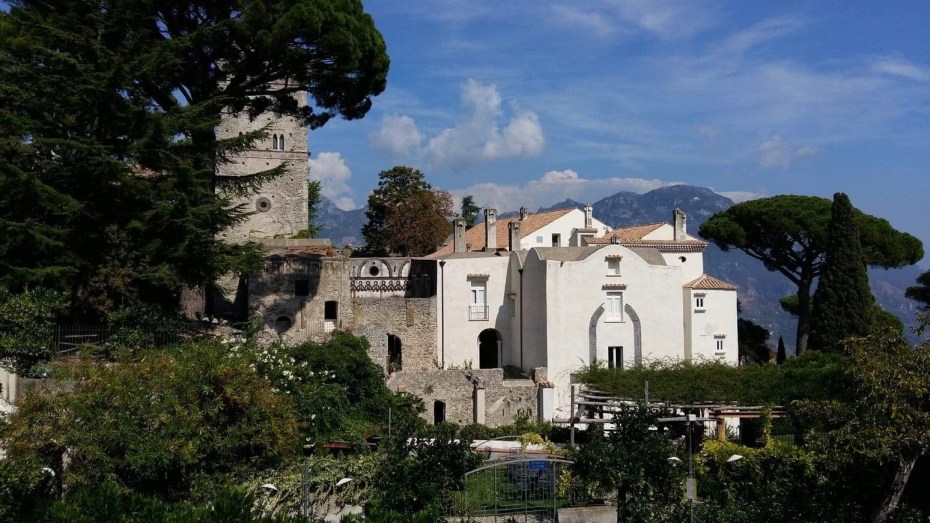
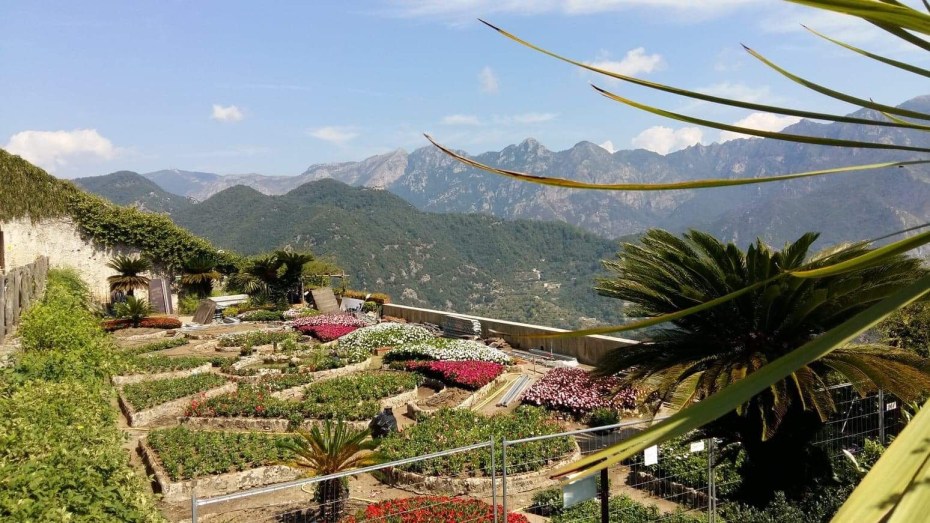
Of particular note is the Villa Rufolo which was built in the 13th century by the family of the same name. In 1851, the property was sold to a Scottish industrialist, who transformed the villa and gardens as they can be visited today.

Villa Rufolo in Ravello

Villa Rufolo in Ravello

Admirers of the villa and their gardens, with an indescribable vision of the Amalfi Coast and the Gulf of Salerno in the Tyrrhenian Sea, among many others, were Giuseppe Verdi and Richard Wagner, the latter inspired himself in this magical place for his opera Parsifal. In memory of Wagner’s visit in 1880, the annual Wagner concerts have been taking place in the gardens of the villa since 1953. Particularly spectacular is the orchestra stage, which is built far beyond the garden walls and for the concert visitors hovers visually between the sky and the sea with a view into the infinite.

Ravello can be reached from Amalfi in a 30-minute bus ride and should definitely be visited. You will not regret it!

View from the gardens of Villa Rufolo

View from the gardens of Villa Rufolo

An der Amalfiküste, etwa 300 Meter über dem Meeresspiegel, liegt die kleine Stadt Ravello. Der Ort ist weltberühmt für seine klassischen Konzerte, die jedes Jahr in den Sommermonaten stattfinden. Ravello kann auf mehr als tausend Jahre Geschichte zurückblicken. Zu Beginn ließen sich reiche römische Familien an diesem Ort nieder um den marodierenden Barbaren zu entkommen. Mit dem aufkommenden Seehandel in der damaligen Republik Amalfi nahm auch die Bedeutung von Ravello zu. Als Ergebnis entwickelte sich im Laufe der Jahrhunderte eine reiche Bourgeoisie, die prunkvolle Paläste baute, die heute noch teilweise erhalten sind.

Besonders erwähnenswert ist die Villa Rufolo, die im 13. Jahrhundert von der gleichnamigen Familie erbaut wurde. Im Jahr 1851 wurde das Anwesen an einen schottischen Industriellen verkauft, der die Villa und die Gärten so umgestaltete, wie sie heute besichtigt werden können.

Gardens of Villa Rufolo

Gardens of Villa Rufolo

Bewunderer der Villa und ihrer Gärten, mit einer unbeschreiblichen Sicht auf die Amalfiküste und den Golf von Salerno im Tyrrhenischen Meer, waren unter vielen anderen, Giuseppe Verdi und Richard Wagner, letzterer inspirierte sich an diesem magischen Ort für seine Oper Parsifal. Zur Erinnerung an Wagners Besuch im Jahre 1880 finden seit 1953 die jährlichen Wagner-Konzerte in den Gärten der Villa statt. Besonders spektakulär ist die Orchestertribüne, die weit über die Gartenmauern hinaus gebaut ist und für die Konzertbesucher visuell zwischen Himmel und Meer schwebt mit einem Blick in die Unendlichkeit.

Ravello ist von Amalfi in einer 30-minütigen Busfahrt erreichbar und sollte unbedingt besucht werden. Du wirst es nicht bereuen!

Categories: Blogroll, Italy, Monument, Museum | Tags: , , | 4 Comments

Salar de Uyuni in Bolivia

The Salar de Uyuni in the Andes in southwest Bolivia is the largest salt surface on earth (about 11’000 square kilometers). This place, at an altitude of about 3,700 meters, attracts tourists from all over the world. Most visitors are tourists from Japan and other Asian countries. There are daily flights from La Paz to Uyuni, a small town on the edge of this salt desert. Of course buses also run between Uyuni and for example La Paz, Potosi or Chile.

Several hotels were built in the area almost completely (walls, roofs, beds, tables) with salt blocks from the Salar. I stayed at the Hotel de Sal Luna Salada near Colchani. The price performance ratio of this hotel and spa is very good and the view over the salt desert is absolutely unique!

The Palacio de Sal was the first such hotel and was built in the middle of the salt desert, but had to be closed several years after its opening due to health and environmental problems. Today, most tours stop there for a lunch break and for shots of the former Palacio de Sal and its surroundings; the many national flags in front of the building are a popular photo motive. Actually, day trips to the salt desert in 4 × 4 jeeps are common and the cheapest way to visit the salt pans. The tours start in Uyuni around 10 am and end around 5 pm. I booked two day tours, one organized by my hotel and the other from a tour operator in Uyuni. The tours usually start with a visit to the Train Cemetery, followed by a short stop at Colchani, where a small salt factory is shown to tourists. From there you continue to the salt desert and there is enough time to photograph this fantastic and overwhelming salt surface and, during the rainy season, to admire the reflections of clouds and sky in the water. I am convinced that you will enjoy the beauty and tranquility of the Salar de Uyuni to the fullest. It will remain an unforgettable experience!

However, for how long? Our tour guide, who earns as Guide extra Money for her studies in La Paza, was very worried about the future of the Salar de Uyuni. She led us to small holes in the otherwise mirror-smooth surface of the salt desert. This anomaly is attributed to the recent intensification of the extraction of lithium carbonate from the water under the salt crust. This rare and sought-after resource is used for the production of high-performance batteries and promises huge profits for the poor country Bolivia, given the looming shift to electric vehicles. The beauty of the Salar might however be at risk considering that about 60% of the world reserves of Lithium are in Bolivia, namely in the Salar de Uyuni.

Der Salar de Uyuni in den Anden im Südwesten Boliviens ist die größte Salzfläche der Erde (ca. 11’000 Quadratkilometer). Dieser Ort auf einer Höhe von etwa 3.700 Metern zieht Touristen aus der ganzen Welt an. Die meisten Besucher sind Touristen aus Japan und anderen asiatischen Ländern. Es gibt tägliche Flüge von La Paz nach Uyuni, einer kleinen Stadt am Rande dieser Salzwüste. Natürlich fahren auch Busse zwischen Uyuni und zum Beispiel La Paz, Potosi oder Chile.

Mehrere Hotels wurden in der Gegend fast vollständig (Wände, Dächer, Betten, Tische) mit Salzblöcken aus dem Salar gebaut. Ich war im Hotel de Sal Luna Salada in der Nähe von Colchani. Das Preis-Leistungsverhältnis dieses Hotels ist sehr gut und der Blick über die Salzwüst absolut einzigartig!

Der Palacio de Sal war das erste derartige Hotel und wurde in der Mitte der Salzwüste errichtet, musste jedoch einige Jahre nach seiner Eröffnung wegen Gesundheits- und Umweltproblemen geschlossen werden. Heute halten die meisten Touren dort für eine Mittagspause und für Photoaufnahmen des ehemaligen Palacio de Sal und seiner Umgebung; die vielen Nationalflaggen vor dem Gebäude sind ein beliebtes Fotomotiv. Eigentlich sind Tagesausflüge in die Salzwüste in 4 × 4 Jeeps üblich und die billigste Art, die Salinen zu besuchen. Die Touren beginnen in Uyuni gegen 10 Uhr und enden gegen 17 Uhr. Ich buchte zwei Tagestouren, eine organisiert von meinem Hotel und die andere von einem Reiseveranstalter in Uyuni. Die Touren beginnen normalerweise mit einem Besuch des Zugfriedhofs, gefolgt von einem kurzen Halt in Colchani, wo eine kleine Salzfabrik den Touristen gezeigt wird. Von dort geht es dann weiter in die Salzwüste und es bleibt genügend Zeit, um diese fantastische und überwältigende Salzoberfläche zu fotografieren und während der Regenzeit die Spiegelungen von Wolken und Himmel im Wasser zu bewundern. Ich bin überzeugt, dass Sie die Schönheit und Ruhe des Salar de Uyuni in vollen Zügen genießen werden. Es wird ein unvergessliches Erlebnis bleiben!

Für wie lange aber? Eine junge Reiseleiterin, die sich hier mit ihren Führungen durch die Salzwüste ein Zusatzbrot für ihr Studium in La Paz verdient, zeigte sich sehr besorgt über die Zukunft der Salar de Uyuni. Sie führte uns zu kleinen Einbrüchen in der ansonsten spiegelglatten Oberfläche der Salzwüste. Diese Anomalie wird zurückgeführt auf die kürzlich begonnene Intensivierung der Extraktion von Lithiumkarbonat aus dem sich unter der Salzkruste befindlichen Wassers. Dieser seltene und begehrte Rohstoff wird für die Herstellung von leistungsstarken Batterien verwendet und verspricht in Anbetracht der sich abzeichnenden Verlagerung auf Elektrofahrzeuge riesige Gewinne für das arme Land Bolivien. Die Schönheit des Salar könnte jedoch in Gefahr sein, wenn man bedenkt, dass etwa 60% der Weltreserven von Lithium in Bolivien liegen, nämlich in der Salar de Uyuni.


Categories: Blogroll, Bolivia, Travel, Weltreisen | Tags: , , , , | 6 Comments

Mikhailovsky Theater in St. Petersburg, Russia

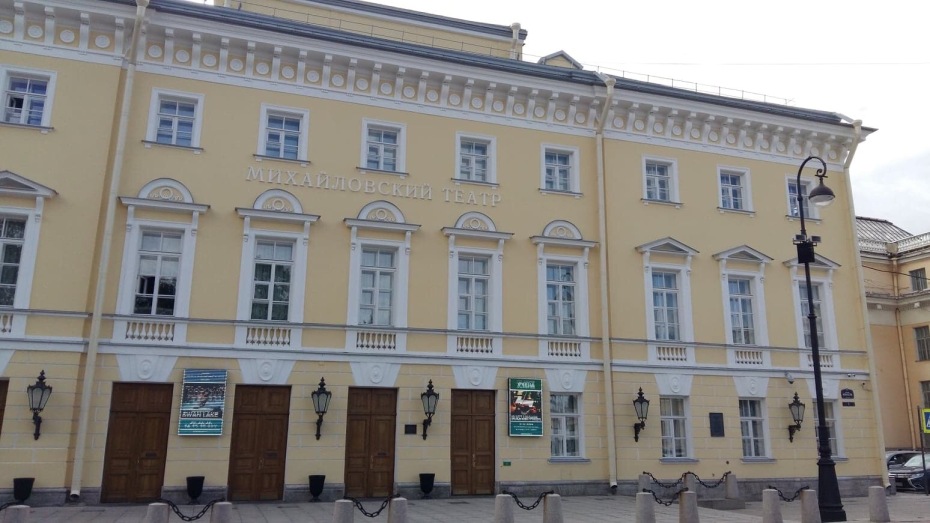
Founded in 1833, the Mikhailovsky Theater in St. Petersburg is one of the oldest theaters in Russia. In my opinion, the house does not have to shy away from the better known Mariinsky Theater in St. Petersburg with its world-famous Kirov Ballet Ensemble.

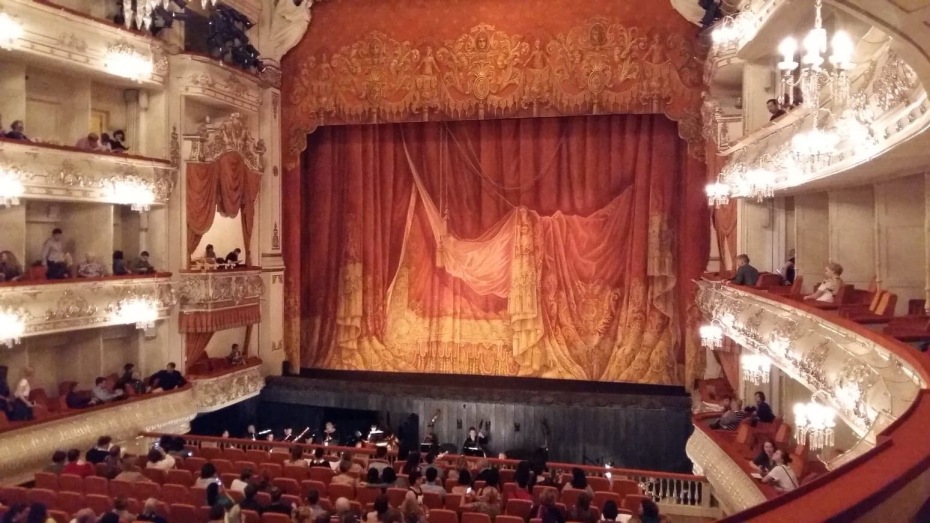
The Mikhailovsky Theater was given its historic name back in 2001 and in 2007 was named the most prestigious music theater in St. Petersburg. The refurbished luxury of the entrance hall and the auditorium particularly impressed me and the opera performance I attended (Figaro’s wedding by Wolfgang Amadeus Mozart) was world-class in terms of stage design, staging and vocal quality. By the way, the Mikhailovsky Theater also has its own ballet ensemble since 1933. I think a visit to a performance of this opera and ballet theater is worth considering for every city traveler. Enjoy!

Mikhailovsky Theater in St. Petersburg

Mikhailovsky Theater in St. Petersburg

Das 1833 gegründete Opern- und Balletttheater Mikhailovsky Theater in St. Petersburg gehört zu den ältesten Theatern Russlands. Ich finde, dass das Haus einen Vergleich mit dem bekannteren Mariinski Theater in St. Petersburg, trotz dessen weltweit berühmten Kirow Ballett Ensemble, nicht scheuen muss.

Mikhailovsky Theater in St. Petersburg

Mikhailovsky Theater in St. Petersburg

Das Mikhailovsky Theater erhielt 2001 seinen historischen Namen zurück und wurde 2007 zum renommiertesten Musiktheater St. Petersburgs gekürt. Der renovierte Luxus der Eingangshalle und des Auditoriums haben mich besonders beeindruckt und die von mir besuchte Opernaufführung (Figaros Hochzeit von Wolfgang Amadeus Mozart) war in Bezug auf Bühnenbild, Inszenierung und Gesangsqualität Weltklasse. Übrigens das Mikhailovsky Theater verfügt seit 1933 ebenfalls über ein eigenes Ballettensemble. Ich finde der Besuch einer Aufführung dieses Opern- und Balletttheaters ist für jeden Städtereisenden eine Überlegung wert. Viel Vergnügen!

Categories: Art, Blogroll, History, Kunst, Landmark, Music, Oper, Russia, Saint Petersburg | Tags: , , | 5 Comments

Tivoli Park in Copenhagen

Who does not know it, the Tivoli Park in Copenhagen. Every day, this world’s oldest amusement and recreation park offers fun, joy and entertainment for young and old alike. The Tivoli was opened on 15 August 1843. The leisure complex, decorated with flowerbeds and fountains, is located in the middle of Copenhagen between the main station and the town hall square. A detour to this park is a must for every visitor to Copenhagen! It offers something for everyone, over 30 carousels, children’s playground, concert halls and open-air show stage, shops, casinos, a wonderful park and around 50 restaurants ranging from fast food to gourmet style to traditional Danish cuisine. I liked it! The Tivoli Park is worth seeing in every season. In the spring with its floral splendor or at Christmas with the beautiful decorations and light installations. Have fun!

Tivoli Park Copenhagen

Tivoli Park Copenhagen

Wer kennt ihn nicht, den Tivoli Park in Kopenhagen. Täglich bietet dieser weltweit älteste Vergnügungs- und Erholungspark Freude, Spass und Unterhaltung für Jung und Alt. Eröffnet wurde der Tivoli am 15. August 1843. Die mit Blumenbeeten und Fontänen geschmückte Freizeitanlage befindet sich mitten in Kopenhagen zwischen dem Hauptbahnhof und dem Rathausplatz. Ein Abstecher zu diesem Park ist für jeden Besucher Kopenhagens ein Muss! Er bietet für jeden etwas, über 30 Karusselle, Kinderspielplatz, Konzertsäle und Open-Air Showbühne, Geschäfte, Kasinos, eine wunderbare Parkanlage und rund 50 Restaurants, die vom Fast Food über Gourmet-Stil bis zur traditionellen Dänischen Küche reichen. Mir hat’s geschmeckt! Der Tivoli Park ist zu jeder Jahreszeit sehenswert. Im Frühling mit seiner Blumenpracht oder auch zu Weihnachten mit den wunderschönen Dekorationen und Licht-Installationen. Viel Vergnügen!

Categories: Adventure, Blogroll, Danmark, Events, Landmark, Monument | Tags: , | 10 Comments

Roland and Rosinante on the Camino

Roland, a modern Don Quijote and Pilgrim from Hungary and his donkey Rosinante are an inseparable couple (aka Rolandante) living and walking on the Camino. Last year, on my way to Santiago de Compostela, there was this donkey in the middle of nowhere, tied up next to the Camino trail, it was Rosinante! I assume that the pilgrim Roland was still sleeping in his blue tent under an old eucalyptus tree which was only a few footsteps away. 

However, Rosinante was awake and already active, she had her own pilgrim stamp or (sello). If you want to receive your Compostela, the religious document that certifies your pilgrimage, you need to show to the Pilgrims Office in Santiago de Compostela a Credencial full of sellos! The Credencial is a sort of Pilgrimage Passport in which you collect stamps as you walk the Camino. Such stamps can be obtained in churches, hostels and hotels, restaurants, bars and also from the donkey Rosinante 🙂 This is a nice keepsake, but it’s also a necessary document to carry. The very first thing you will have to do upon checking in to any hostel is present your actual Identification Card and your Credencial to verify that you are walking the Camino. It is not only required for your accommodation, the document is also required as a proof in Restaurants to get the inexpensive three course pilgrimage menu with a bottle of wine 🙂 🙂 Buen Camino!

Roland, ein moderner Don Quijote und Pilger aus Ungarn und sein Esel Rosinante sind ein untrennbares Paar (auch bekannt als Rolandante) auf ihrer langjährigen Pilgerreise. Letztes Jahr, auf meinem Weg nach Santiago de Compostela, stand da ein Esel mitten im Nirgendwo neben dem Camino Trail, es war Rosinante! Den Pilger Roland habe ich nicht angetroffen, wahrscheinlich war er noch in seinem blauen Zelt unter einem alten Eukalyptusbaum nur einige Schritte von Rosinante entfernt am schlafen.

Rosinante war aber schon wach und bereits aktiv, sie hatte vor sich auf einem kleinen Tischlein ihren eigenen Pilgerstempel oder (sello). Wenn Du den Compostela erhalten möchtest, das ist das religiöse Zertifikat welches deine Pilgerreise bestätigt, musst Du dem Pilgeramt in Santiago de Compostela ein Dokument voller „sellos“ zeigen! Das Dokument ist eine Art Pilgerpass, in dem Du auf deinem Camino die Stempel sammelst. Solche Stempel sind in Kirchen, Pilgerherbergen und Hotels, Restaurants, Bars und auch beim Esel Rosinante erhältlich 🙂 Die vielen Stempel sind ein schönes Andenken, aber auch ein notwendiges Dokument. Das allererste was Du beim Einchecken in eine Herberge tun musst, ist deinen Personalausweis und den Pilgerpass vorlegen um zu beweisen, dass Du auch tatsächlich den Camino gehst. Dieses Dokument ist nicht nur auf der Suche nach einer Unterkunft erforderlich, der Pilgerpass wird auch als Nachweis in Restaurants benötigt um das preisgünstige dreigängige Pilgermenü mit einer Flasche Wein zu erhalten 🙂 🙂 Buen Camino!

Categories: Blogroll, Jakobsweg, Spain, Travel, Trekking | Tags: , , , | Leave a comment

Blog at WordPress.com.