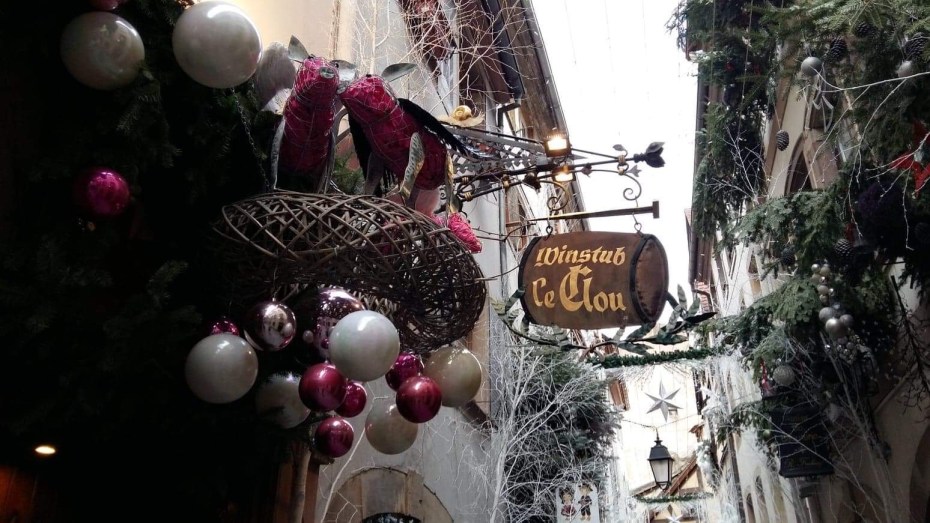
Christmas Market in Strasbourg, Alsace, France

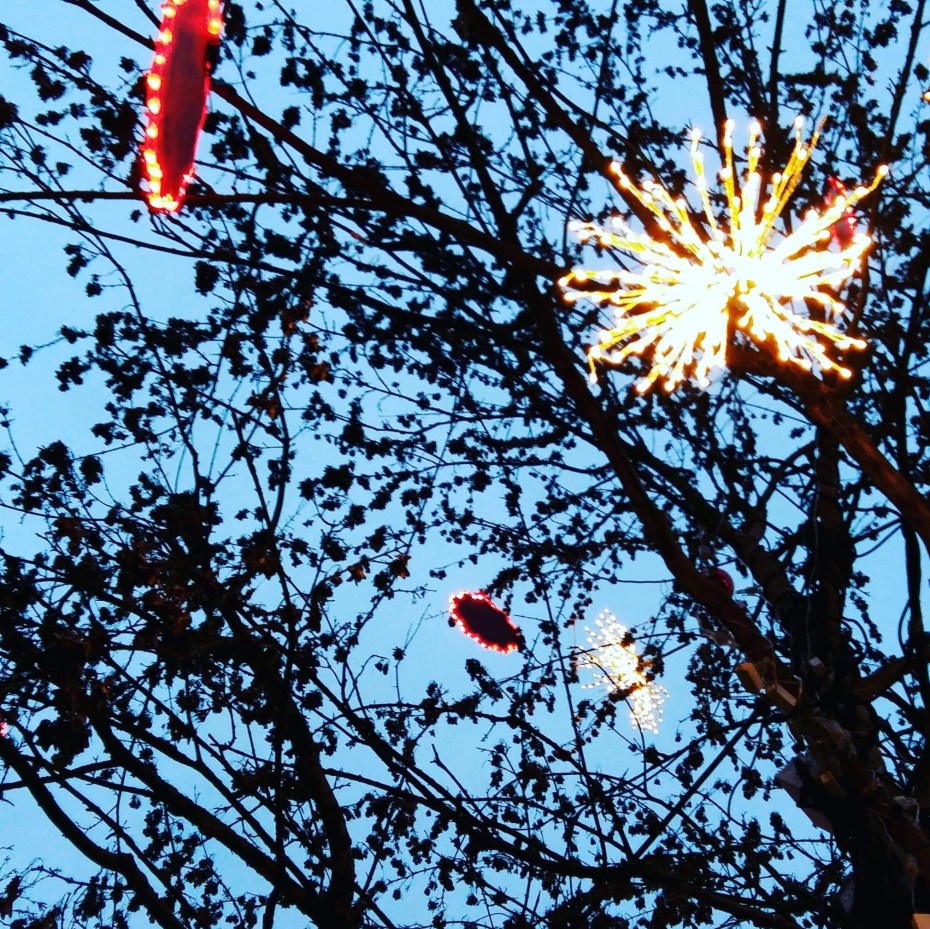
The Christmas market in Strasbourg, or Marché de Noël de Strasbourg in France, exists since the 16th century and takes place every December. The squares and streets of the city are lit and decorated in a traditional style to delight children and adults alike. In fact, Christmas is everywhere in Strasbourg where you can truly celebrate this unique time of the year. The old year is gone but the preparations for the next Christmas market will start again soon 🙂 Therefore, do not forget to reserve a day or two for this event in December of this year! Enjoy the magical Christmas atmosphere around the cathedral and at various other locations in the city center.

What I particularly like in Strasbourg is the district “La Petite France”, a charming shopping area in the historic part of the city. There are many wonderful sights waiting for you and along the streets and alleys are “countless” shops and typical restaurants with specialties from the Alsace. Overall, Strasbourg is a fantastic place that has something for everyone, including the unique Christmas feeling!

Last December was a sad month for Strasbourg! On December 11, 2018, an armed terrorist opened the fire near the crowded Christmas market, killing four people and severely injuring others. After a brief closure, the Christmas market continued until December 30th. Such terrorist attacks can unfortunately happen everywhere these days and it will however, not stop me from traveling back to Strasbourg in December 2019!

Der Weihnachtsmarkt in Strassburg oder Marché de Noël de Strasbourg in Frankreich besteht seit dem 16. Jahrhundert und findet jedes Jahr im Dezember statt. Die Plätze und Strassen der Stadt sind beleuchtet und im traditionellen Stil dekoriert um Kinder und Erwachsene gleichermassen zu begeistern. Tatsächlich ist Weihnachten überall in Strassburg, wo Du diese einzigartige Zeit des Jahres wirklich feiern kannst. Das alte Jahr ist vorbei und die Vorbereitungen für den nächsten Markt werden schon bald wieder anlaufen 🙂 Deshalb versäume es nicht, Dir einen Termin im Dezember dieses Jahres zu reservieren! Geniesse die zauberhafte Weihnachtsstimmung rund um die Kathedrale und an verschiedenen anderen Orten in der Innenstadt. 
Christmas Market Strasbourg

Christmas Market Strasbourg

Was mir in Strassburg besonders gut gefällt, ist das Viertel „La Petite France“, ein charmantes Einkaufsviertel im historischen Teil der Stadt. Es warten viele wunderbare Sehenswürdigkeiten auf Dich und entlang der Strassen und Gassen befinden sich „unzählige“ Geschäfte und typische Restaurants mit Spezialitäten aus dem Elsass. Insgesamt ist Strassburg ein fantastischer Ort, der für jeden etwas zu bieten hat, einschliesslich dem einzigartigen Weihnachtsgefühls!

Der vergangene Dezember war ein trauriger Monat für Strassburg! Am 11. Dezember 2018 eröffnete ein bewaffneter Terrorist das Feuer in der Nähe des überfüllten Weihnachtsmarktes und ermordete vier Menschen, andere wurden schwer verletzt. Nach einer kurzen Schliessung wurde der Weihnachtsmarkt bis zum 30. Dezember fortgesetzt. Solche Terroranschläge können heutzutage leider überall vorkommen, es wird mich aber daran nicht hindern auch im Dezember 2019 nach Strassburg zu reisen!

Categories: Blogroll, Events, Food, France, Shopping, Traditions, Travel | Tags: , , | 5 Comments

Guggenheim Museum in Bilbao, Basque Country, Spain

The Guggenheim Museum of Contemporary Art in Bilbao is one of seven museums of the US Foundation Solomon R. Guggenheim. Of these seven museums, I knew, before visiting Bilbao, the Guggenheim museums in Venice and New York. The one built in the Spanish Basque Country with its modern, deconstructionist style has become my favorite building, it is unique and much more dominant in the city of Bilbao than the two other Museums in New York and Venice.

For me, this museum is undoubtedly the city’s most important attraction. The building rises, like a huge ship, fifty meters high on the banks of the Nérvion river; it is well embedded within the large scale outdoor facilities and does not seem overwhelming. The entrance of the museum is guarded by an artwork of Jeff Koons, a huge flowered dog that looks like a West Highland Terrier.

Depending on the weather and the position of the sun, the museum shines in different shades of color. In the evening, light shows from the riverside and artificially created mists and fire fountains impress the astonished spectators.

If you like art, you do not necessarily have to travel to Bilbao. But for those who like it really big, that’s the place to admire Richard Serra’s “The Matter of Time”, an installation which is definitely worth seeing!

The Guggenheim family is an American industrialist family, who, like me, comes from the Swiss town of Lengnau in the canton of Aargau. The Guggenheim’s ruled the world market for copper, silver and lead in the 19th and early 20th centuries, making them rich and famous.

Guggenheim Museum Bilbao

Guggenheim Museum Bilbao

Das Guggenheim Museum für zeitgenössische Kunst in Bilbao ist eines von sieben Museen der US-amerikanischen Stiftung Solomon R. Guggenheim. Von diesen sieben Museen, kenne ich bis heute nur die Guggenheim Museen in Venedig und in New York, wovon mir das im spanischen Baskenland erbaute Museum am besten gefällt. Der moderne, dekonstruktivistische Baustil dieses einzigartigen Gebäudes ist auch viel präsenter in Bilbao als die beiden anderen in New York und Venedig. 

Dieses Museum ist für mich ohne Zweifel die bedeutendste Sehenswürdigkeit der Stadt. Wie ein riesiges Schiff erhebt sich das Gebäude fünfzig Meter hoch am Ufer des Nérvion und wirkt eingebettet in die grossflächig angelegten Aussenanlagen keinesfalls erdrückend. Vor dem Eingang des Museums wacht ein riesengrosser, mit Blumen bepflanzter Hund, ich glaube es ist ein West Highland Terrier, des Künstlers Jeff Koons.

Je nach Wetter und Sonnenstand strahlt und glänzt das Museum in verschieden Farbnuancen. Am Abend entzücken flussseitig erzeugte Lichtspiele, Nebelschwaden und Feuerfontänen die staunenden Betrachter.

Wer Kunst mag, muss nicht unbedingt nach Bilbao reisen. Aber wer es ganz groß mag, der ist hier richtig: Richard Serras “The Matter of Time” ist definitiv sehenswert!

Die Familie Guggenheim ist eine amerikanische Industriellenfamilie, die wie ich aus dem schweizerischen Lengnau im Kanton Aargau stammt. Die Guggenheim’s  beherrschten im 19. und frühen 20. Jahrhundert zeitweise den weltweiten Markt für Kupfer, Silber und Blei und wurden damit reich und berühmt.

Categories: Art, Blogroll, Kunst, Monument, Museum, Spain, Travel | Tags: , , , , , | 1 Comment

A very Happy, Sweet and Peaceful New Year 2019

I wish you a Very Happy, Sweet and Peaceful New Year 2019! 

At this occasion I would like to thank you for following my Blog! I am striving to regularly publish interesting articles and stories about my journey as well as travel tips and recommendations. My goal with this Blog is to give you travel inspirations and to show that your way to “paradise” is just an airplane or a train ticket (or a boat trip) away!

 All the Best for the new year !!! 😊 

Sweet, Happy and Peaceful New Year 2019

Sweet, Happy and Peaceful New Year 2019

Ich wünsche Dir ein sehr glückliches, süßes und friedliches neues Jahr 2019!

Bei dieser Gelegenheit möchte ich mich bei Dir dafür bedanken, dass Du meinem Blog gefolgt bist! Ich bemühe mich, regelmäßig interessante Artikel und Geschichten über meine Reisen, sowie Reisetipps und Empfehlungen zu veröffentlichen. Mein Ziel mit diesem Blog ist es, Dir Reiseinspirationen zu vermitteln und zu zeigen, dass der Weg zu Deinem “Paradies” nur ein Flugzeugticket oder eine Bahnfahrkarte (oder eine Bootsfahrt) entfernt ist!

Alles Gute für das neue Jahr !!! 😊

Categories: Blogroll, New Year | Tags: | 53 Comments

The peaceful Alpacas in Peru

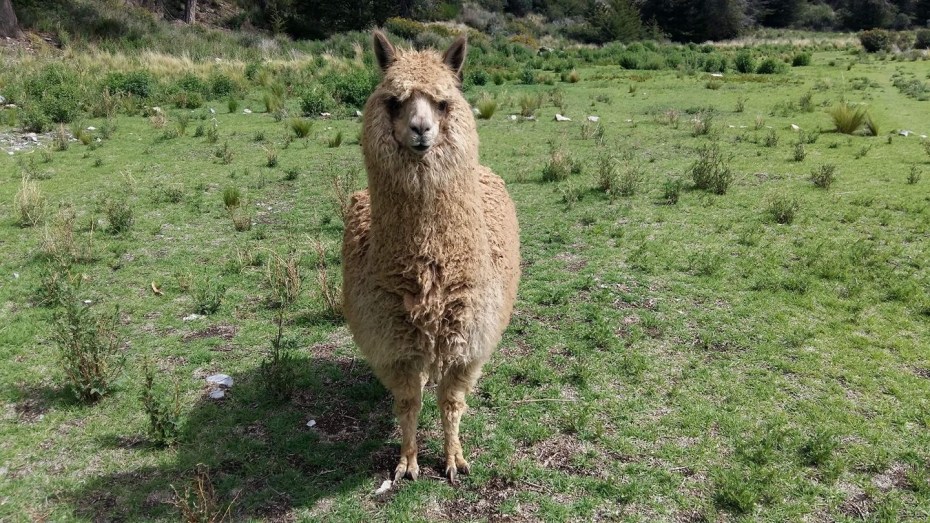
The alpaca is a domesticated type of camel native to the South American Andes. It is mainly bred for its wool. Especially fine and also more expensive is the wool of baby alpacas. The animals have a calm and peaceful character. There are almost 4 million alpacas living in Peru, which makes up about 80 percent of the world’s total population. I do not know anybody who has returned from their travels through the Andes without having bought an alpaca wool garment. The alpaca meat, which can be found on almost every menu card in Peru, is said to be extremely tender, very low in cholesterol and not unlike deer meat. I am however not sure whether I would like to see these lovely, curious and playful animals on my plate.

Alpaca

Alpaca at the lake Titikaka

Das Alpaka stammt aus den südamerikanischen Anden und ist eine domestizierte Kamelart welche vorwiegend wegen ihrer Wolle gezüchtet werden. Besonders fein und auch teurer ist die Wolle von Baby-Alpakas. Die Tiere haben einen ruhigen und friedlichen Charakter. In Peru leben etwa 4 Millionen Alpakas, was ca. 80 Prozent des weltweiten Bestandes ausmacht. Ich kenne niemanden der ohne ein Kleidungsstück aus Alpakawolle von seiner Reise durch die Anden nach Hause zurückgekehrt ist. Man sagt, dass das Alpakafleisch, welches sich in Peru auf beinahe jeder Speisekarte findet, äusserst zart, sehr cholesterinarm und dem Wild nicht unähnlich sei. Ich für meinen Fall bin aber nicht sicher, ob ich diese lieben, neugierigen und verspielten Tiere auf meinem Teller sehen möchte.

Categories: Blogroll, Nature, Peru, Travel, Weltreisen | Tags: , | 5 Comments

The beautiful mountain Matterhorn in Switzerland

This shot of the epically beautiful Matterhorn was taken while hiking the 5-Seenweg (Five Lakes Hike), which offers 5 stunning lake views of the alps and is a true Swiss classic.

via Matterhorn Over Stellisee — Lightbox3D

Categories: Blogroll, Switzerland, Travel | Tags: , | 3 Comments

The Steam Clock in Gastown, Vancouver

The world’s first and to my knowledge only steam clock is located in the historic district of Gastown in the center of Vancouver in Canada. A copy of this clock is in Japan, however, it is not powered by steam but has a “traditional” clockwork. Whether kitschy or not, you should not miss this steam clock and listen, at least once, to the sound of the steam pipes; and the clock is definitely an ideal subject for a photo or video! The clock has in its inside a steam engine that drives the clockwork and five steam whistles. It displays the time on four faces and announces the quarter hours with a whistle chime that plays the Westminster Quarters and it produces a puff of steam from its top on the hour. By the way, the water vapor for this unique clock comes from the district heating of Gastown.

Steam Clock, Gastown-Vancouver, Canada

Steam Clock, Gastown-Vancouver, Canada

Die weltweit erste und meines Wissens einzige Dampfuhr befindet sich im historischen Stadtteil Gastown im Zentrum von Vancouver in Kanada. Eine Kopie dieser Uhr befindet sich in Japan, sie wird jedoch nicht mit Dampf betrieben, sondern hat ein “traditionelles” Uhrwerk. Ob kitschig oder nicht, Sie sollten diese Dampfuhr nicht verpassen und mindestens einmal dem Sound der Dampfpfeifen lauschen; und die Dampfuhr ist definitiv ein ideales Motiv für ein Foto oder Video! Die Uhr hat innen eine Dampfmaschine, die das Uhrwerk und fünf Dampfpfeifen antreibt. Diese Strassenuhr, mit Zifferblättern an allen vier Seiten, kündigt die Viertelstunden mit einem Pfiff an der den Westminsterschlag spielt und zu jeder vollen Stunde einen Dampfstoß erzeugt. Der Wasserdampf für diese einzigartige Uhr stammt übrigens aus dem  Fernwärmenetz von Gastown.


Categories: Blogroll, Canada, Travel, Weltreisen | Tags: , , | 3 Comments

Empress Elisabeth „Sissi“ in Geneva

Yesterday I spent a day in Geneva. On my way along the lake promenade, I briefly stopped at a point marked with a bronze plaque commemorating an incident that shook the world exactly 120 years ago.

At the end of August 1898, the Empress Elisabeth of Austria, traveled incognito to Lake Geneva. A few days later, on September 10, 1898, „Sissi“, the Empress of Austria was dead. What happened?  On September 10, 1898 at about 13:30, Sissi left the hotel Beau-Rivage to get to the paddle steamer “Genève”, with which she wanted to travel to Caux near Montreux. 

Empress Elisabeth of Austria in Geneva

Place in Geneva where Empress Elisabeth of Austria was assassinated

Accompanied by her lady-in-waiting, she walked along the lakeside promenade to the boat landing stage at Quai du Mont Blanc. On the way, she was abruptly attacked by an Italian anarchist. Luigi Lucheni suddenly jumped on her and rammed a pointed stiletto-shaped file into her heart. Sissi fell to the ground, but could get up with the help of hurrying passers-by. She complained of a pain in her chest and initially believed that the attacker only punched her hard. Sissi and her companion boarded the paddle steamer where she collapsed a few minutes later. The steamer immediately stopped and returned to the boat landing stage from where they took her, on a makeshift carry, back to the hotel. All revival attempts were in vain; at 14:40, Sissi was declared dead.


Gestern verbrachte ich einen Tag in Genf. Auf meinem Weg entlang der Seepromenade macht ich an einer Stelle kurz halt, welche mit einer bronzener Plakette an einen Vorfall erinnert, der vor genau 120 Jahren  die Welt erschütterte.

Ende August 1898 war „Sissi“ die Kaiserin Elisabeth von Österreich inkognito an den Genfer See gereist. Einige Tage später, am 10. September 1898 war die Kaiserin von Österreich tot. Was ist passiert? Am 10. September 1898 verließ Sissi gegen 13:30 Uhr das Hotel Beau-Rivage um zu dem Raddampfer „Genève“ zu gelangen, mit dem sie nach Caux bei Montreux weiterreisen wollte. In Begleitung ihrer Hofdame begab sie sich auf der Seepromenade zur Bootsanlegestelle am Quai du Mont Blanc. Auf dem Weg dorthin stürzte sich unvermittelt der italienische Anarchist Luigi Lucheni auf sie und rammte ihr eine spitze stilettförmige Feile ins Herz. Sie fiel auf den Boden, konnte aber mit Hilfe herbeigeeilter Passanten wieder aufstehen. Sissi beklagte einen Schmerz auf der Brust und glaubte anfänglich, dass ihr der Angreifer nur einen Faustschlag versetzte. Darauf bestieg Sissi mit ihrer Begleitung den Raddampfer wo sie dann, einige Minuten später, zusammenbrach. Man brachte sie auf einer behelfsmässigen Bahre zurück ins Hotel. Alle Wiederbelebungsversuche waren vergebens; um 14:40 Uhr wurde Sissi für tot erklärt. 

Categories: Austria, Blogroll, History, Landmark, Switzerland, Travel | Tags: , , , , | 2 Comments

Tryavna in Bulgaria

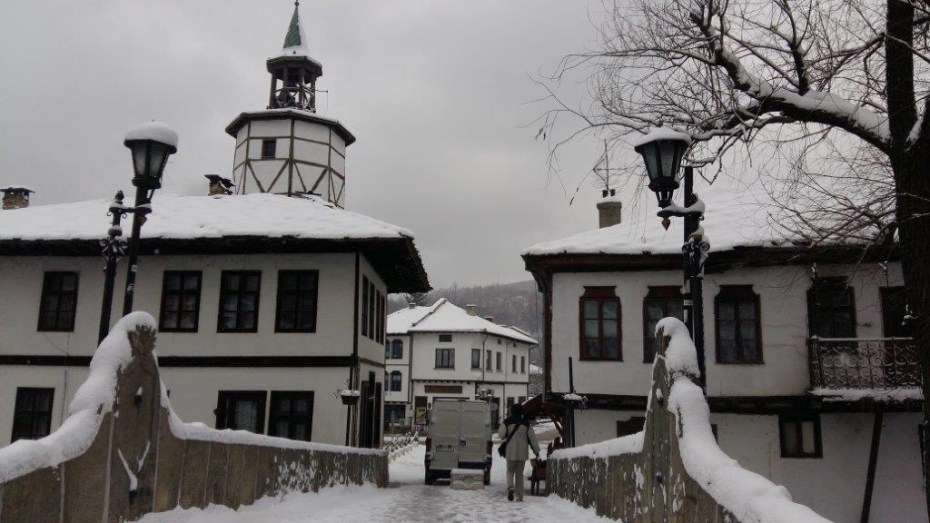
The town of Tryavna is located in the heart of Bulgaria, about 250km from Sofia and Varna. The city of about 8,000 inhabitants is located at the foot of the northern Balkan Mountains. Cultural-historical excavations show that the settlement existed already in the epoch of Thracians and Romans and was most likely founded in the 12th century. During the 500 years of the Ottoman rule, Tryavna secured some privileges and thereby maintained a degree of independence until the Renaissance in the 19th century. The town square with the distinctive bell tower has retained its original appearance to a large extent over the centuries. However, not only the city center but also many houses and churches represent the architecture of the Renaissance in Bulgaria in an impressive and almost unique way.

Various museums give visitors an insight into the tradition of woodcarving and icon painting, a craft that has been cultivated in Tryavna for centuries to the present day.

Tourism is another major source of income for this beautiful and special place. The city is known for its mild climate and visited by recreation seekers from near and far. Long walks through Tryavna’s pristine landscape and enjoying the beauty of nature is only one of the many tourist attractions. During the cold winter days, relaxing by the open log fire in one of the fine restaurants, hotels or private accommodations, is a precious commodity in today’s stressful time! Enjoy Tryavna!

House in Tryavna

Typical House in Tryavna

Die Stadt Tryavna befindet sich im Herzen von Bulgarien, ca. 250km von Sofia und Varna entfernt. Die rund 8’000 Einwohner zählende Stadt liegt am Fusse des nördlichen Balkangebirges. Kulturhistorische Ausgrabungen zeigen, dass die Siedlung schon in der Epoche von Thrakern und Römern existierte und wahrscheinlich im 12. Jahrhundert gegründet wurde. Während der Zeit der 500 jährigen Herrschaft der Osmanen sicherte sich Tryavna einige Vorrechte und bewahrte sich dadurch eine gewisse Unabhängigkeit bis zur Zeit der Renaissance im 19. Jahrhundert. Der Stadtplatz mit dem markanten Glockenturm hat sein ursprüngliches Aussehen über die Jahrhunderte weitestgehend erhalten. Nicht nur das Stadtzentrum sondern auch viele Häuser und Kirchen repräsentieren die Architektur der Renaissance in Bulgarien auf eine eindrückliche und beinahe einzigartige Weise.

Verschiedene Museen geben den Besuchern einen Einblick in die Tradition der Holzschnitzerei und Ikonenmalerei. Dieses Handwerk wird seit Jahrhunderten bis in die heutige Zeit in Tryavna ausgeübt und gefördert.

Tryavna Clock Tower

Way over Bridge to the City Square with Clock Tower

Der Tourismus ist eine weitere Haupteinnahmequelle für diesen schönen und besonderen Ort. Die Stadt ist bekannt für ihr mildes Klima und wird von Erholungssuchenden aus Nah und Fern besucht. Lange Spaziergänge durch die unberührte Landschaft von Tryavna und die Schönheit der Natur geniessen ist nur eine der vielen Touristenattraktionen. In den kalten Wintertagen ist das Entspannen am offenen Kamin in einem der feinen Restaurants, Hotels oder privaten Unterkünfte ein kostbares Gut in der heutigen stressigen Zeit! Geniessen Sie Tryavna!

Categories: Blogroll, Bulgarien, Kunst, Landmark, Museum, Traditions, Travel | Tags: , , | 9 Comments

Ravello, Amalfi Coast, Italy

At the Amalfi Coast, on about 300 meters above sea level, is the small town Ravello. The place is world famous for its classical concerts which take place every year during the summer months. Ravello can look back on more than one thousand years of history. In the beginning, rich Roman families settled down at this place to escape from the marauding barbarians. With the emerging maritime trade in the then Republic of Amalfi, the importance of Ravello also increased. As a result, a rich bourgeoisie developed over the centuries, which built palatial palaces that are still partially preserved today.

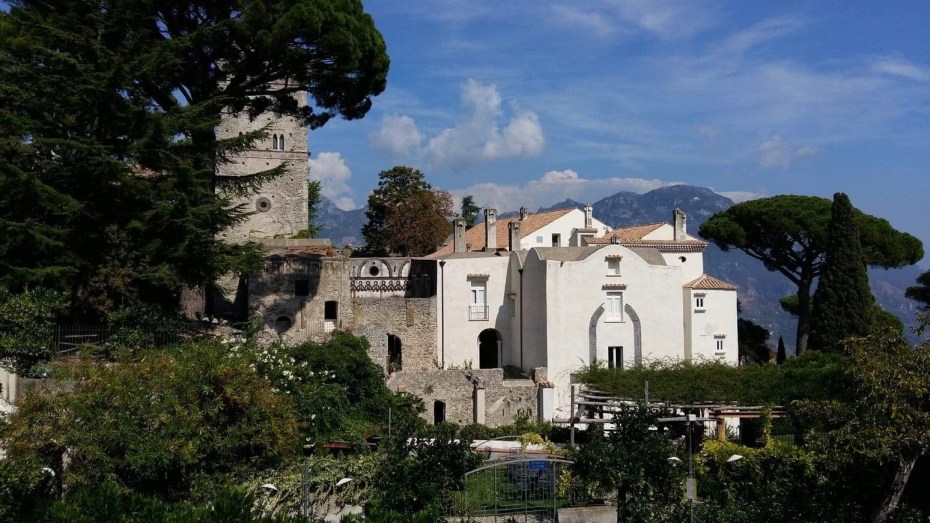
Of particular note is the Villa Rufolo which was built in the 13th century by the family of the same name. In 1851, the property was sold to a Scottish industrialist, who transformed the villa and gardens as they can be visited today.

Villa Rufolo in Ravello

Villa Rufolo in Ravello

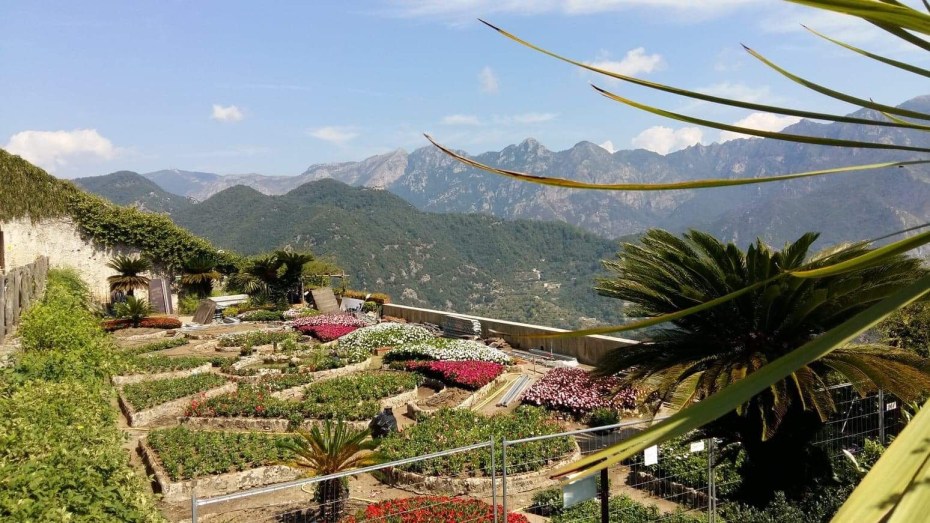
Admirers of the villa and their gardens, with an indescribable vision of the Amalfi Coast and the Gulf of Salerno in the Tyrrhenian Sea, among many others, were Giuseppe Verdi and Richard Wagner, the latter inspired himself in this magical place for his opera Parsifal. In memory of Wagner’s visit in 1880, the annual Wagner concerts have been taking place in the gardens of the villa since 1953. Particularly spectacular is the orchestra stage, which is built far beyond the garden walls and for the concert visitors hovers visually between the sky and the sea with a view into the infinite.

Ravello can be reached from Amalfi in a 30-minute bus ride and should definitely be visited. You will not regret it!

View from the gardens of Villa Rufolo

View from the gardens of Villa Rufolo

An der Amalfiküste, etwa 300 Meter über dem Meeresspiegel, liegt die kleine Stadt Ravello. Der Ort ist weltberühmt für seine klassischen Konzerte, die jedes Jahr in den Sommermonaten stattfinden. Ravello kann auf mehr als tausend Jahre Geschichte zurückblicken. Zu Beginn ließen sich reiche römische Familien an diesem Ort nieder um den marodierenden Barbaren zu entkommen. Mit dem aufkommenden Seehandel in der damaligen Republik Amalfi nahm auch die Bedeutung von Ravello zu. Als Ergebnis entwickelte sich im Laufe der Jahrhunderte eine reiche Bourgeoisie, die prunkvolle Paläste baute, die heute noch teilweise erhalten sind.

Besonders erwähnenswert ist die Villa Rufolo, die im 13. Jahrhundert von der gleichnamigen Familie erbaut wurde. Im Jahr 1851 wurde das Anwesen an einen schottischen Industriellen verkauft, der die Villa und die Gärten so umgestaltete, wie sie heute besichtigt werden können.

Gardens of Villa Rufolo

Gardens of Villa Rufolo

Bewunderer der Villa und ihrer Gärten, mit einer unbeschreiblichen Sicht auf die Amalfiküste und den Golf von Salerno im Tyrrhenischen Meer, waren unter vielen anderen, Giuseppe Verdi und Richard Wagner, letzterer inspirierte sich an diesem magischen Ort für seine Oper Parsifal. Zur Erinnerung an Wagners Besuch im Jahre 1880 finden seit 1953 die jährlichen Wagner-Konzerte in den Gärten der Villa statt. Besonders spektakulär ist die Orchestertribüne, die weit über die Gartenmauern hinaus gebaut ist und für die Konzertbesucher visuell zwischen Himmel und Meer schwebt mit einem Blick in die Unendlichkeit.

Ravello ist von Amalfi in einer 30-minütigen Busfahrt erreichbar und sollte unbedingt besucht werden. Du wirst es nicht bereuen!

Categories: Blogroll, Italy, Monument, Museum | Tags: , , | 4 Comments

Museo della Carta in Amalfi, Italy

The Paper Museum „Museo della Carta“ in Amalfi gives a comprehensive insight into the production of handmade paper and the art of paper processing in the Middle Ages. The Museum of today was before a papermill which produced paper in the vaults since the 12th century until 1969. The museum was established with the aim to preserve the historical heritage of the production of handmade paper and to revive this ancient art and bring it to a broader public.

In the 12th century, the producers of handmade paper were located in Syria and on the coasts of Palestine and the territories of the Maritime Republics, Amalfi, Pisa, Genoa and Venice.

Paper

Paper

My short video is an attempt to illustrate the method of paper making in the Middle Ages. The rags, which were crushed and then ground in the production of handmade paper with large hammers, were predominantly textiles whose fibers were suitable for paper production, such as linen, hemp cotton and jute. The handmade paper was drawn from a dilute pulp from the chest using a scoop and unrolled on a wool felt. The leaves were then stacked and subjected to a press to remove residual water. The final phase of paper processing was to dip the paper into gelatin to make it writable and then dry in the sun.

Das Papiermuseum „Museo della Carta” in Amalfi gibt einen umfassenden Einblick in die Herstellung von Büttenpapier und der Kunst der Papierverarbeitung im Mittelalter. In den Gewölben des heutigen Museums wurde seit dem 12. Jahrhundert bis in das Jahr 1969 Papier hergestellt. Einige Jahre später wurde dieses Museum gegründet mit dem Ziel das historische Erbe der Herstellung von Büttenpapier zu bewahren und diese alte Kunst wieder zu beleben und einer breiten Öffentlichkeit näher zu bringen. 

Die Zentren zur Herstellung von Büttenpapier lagen im 12. Jahrhundert in Syrien und an den Küsten von Palästina sowie den Territorien der Seerepubliken, Amalfi, Pisa, Genua und Venedig.

Hammer to crush the textiles

Hammer to crush the textiles

Mein kurzes Video ist ein Versuch die Herstellungsmethode des Papiers im Mittelalter zu veranschaulichen. Die Lumpen, die bei der Herstellung von Büttenpapier mit großen Hämmern zerkleinert und dann gemahlen wurden, waren überwiegend Textilien, deren Fasern für die Papierherstellung geeignet waren, wie Leinen, Hanfbaumwolle und Jute. Das Büttenpapier wurde aus einem verdünnten Faserbrei aus der Bütte mit Hilfe eines Schöpfsiebes geschöpft und auf einem Wollfilz abgerollt. Die Blätter wurden dann aufeinandergestapelt und einer Presse zur Entfernung von Restwasser unterzogen. Die letzte Phase der Papierverarbeitung bestand darin, das Papier in eine Gelatine zu tauchen um es beschreibbar zu machen und anschliessend an der Sonne zu trocknen.

Categories: Blogroll, Italy, Museum, Travel | Tags: , , , | Leave a comment

Very Merry Christmas!

Hello, I am wishing you all Very Merry Christmas!

At this occasion I would like to thank you for following my Blog! It’s hard to believe, but in only eight months of active blogging, Rolandomio Travel counts now 1‘100 Followers and you’re one of them! It is very motivating to continue and I hope to entertain you with many new and interesting posts in the new year!

I am striving to regularly publish interesting articles and stories about my travels as well as tips and recommendations. My goal with this blog is to give you travel inspirations and to show that your way to “paradise” is just an airplane or a train ticket (or a boat trip) away!

Many thanks for following my Blog and exciting, relaxing and happy travels and a good new year !!! 😊

Merry Christmas and a Happy New Year

Very Merry Christmas

Hallo, ich wünsche euch allen frohe Weihnachten und ein glückliches und friedliches neues Jahr!

Bei dieser Gelegenheit möchte ich mich bei Dir dafür bedanken, dass Du meinem Blog folgst! Es ist schwer zu glauben, aber in nur acht Monaten des aktiven Bloggens zählt Rolandomio Travel jetzt 1’100 Follower, und Du bist einer von ihnen! Es ist sehr motivierend weiterzumachen und ich hoffe, Dich mit vielen neuen und interessanten Posts im neuen Jahr zu unterhalten!

Ich bin bestrebt, regelmäßig interessante Artikel und Geschichten über meine Reisen sowie Tipps und Empfehlungen zu veröffentlichen. Mein Ziel mit diesem Blog ist es, Dir Reiseinspirationen zu geben und zu zeigen, dass Dein Weg zum “Paradies” ist nur ein Flugzeug oder ein Zugticket (oder eine Bootsfahrt) entfernt ist!

Vielen herzlichen Dank fürs Folgen und spannende, erholsame und glückliche Reisen und ein Gutes Neues Jahr !!! 😊

Categories: Blogroll, Christmas, New Year | Tags: | 46 Comments

Giants of the Seas in the Renaissance City of Venice

A special attraction in Venice are the gigantic cruise ships that squeeze through the lagoon. Some of them are mooring next to St. Mark’s Square. The World Heritage Site with its beautiful Renaissance buildings in contrast to these Giants of the Seas! What a sight! Let’s hope that the fragile foundations of the magnificent buildings and bridges along the canals are not affected by the enormous displacement of water of these ships! 

Eine besondere Attraktion in Venedig sind die riesigen Kreuzfahrtschiffe, die sich durch die Lagune zwängen und einige von ihnen direkt am Sankt Markusplatz anlegen. Das Weltkulturerbe mit seinen wunderschönen Renaissance-Gebäuden im Kontrast zu diesen Riesen der Meere! Was für ein Anblick! Hoffen wir, dass die fragilen Fundamente der prächtigen Gebäude und Brücken entlang der Kanäle nicht durch die enorme Wasserverdrängung dieser Schiffe beeinträchtigt werden!

Categories: Blogroll, Italy, Landmark, Travel, Venedig | Tags: , , | 3 Comments

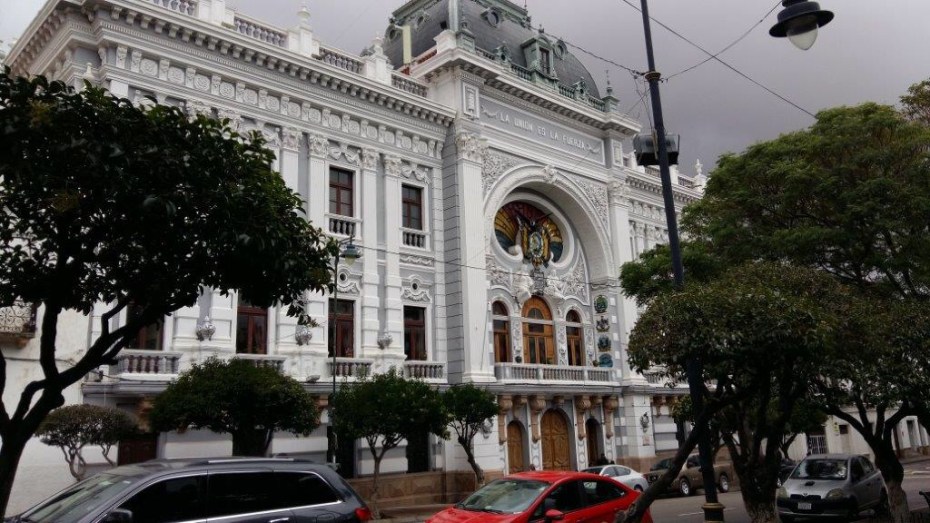
Sucre, the constitutional Capital of Bolivia

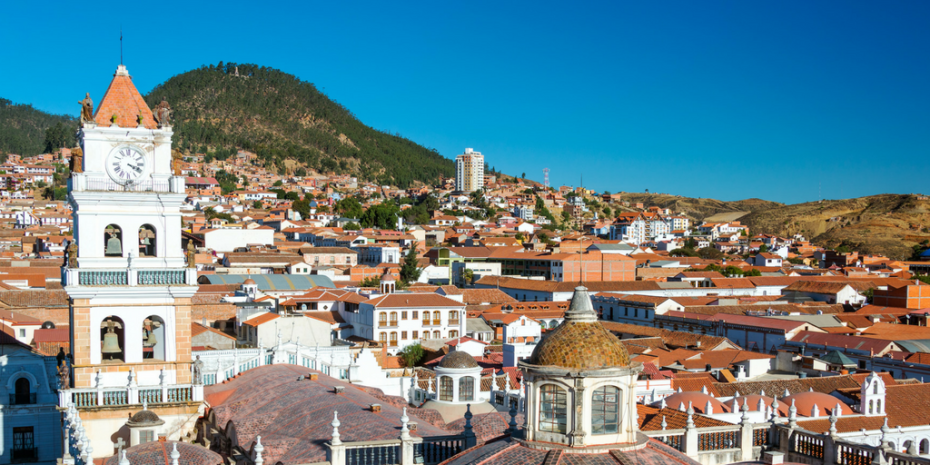
Sucre, the constitutional capital of Bolivia and seat of the Supreme Court, is located in the central southern part of the country and is the capital of the department of Chuquisaca. The old town of Sucre, with its white buildings, is considered one of the best preserved examples of a colonial city in South America and is laid out in a typical checkerboard pattern. In 1991, the old town was recognized by UNESCO as a World Heritage Site.

Sucre Bolivia

Sucre, constitutional capital of Bolivia

This summer, I “rescued” myself to Sucre to recover from the highlands of the Andes and spent some days in the Parador Santa Maria La Real. The capital of Bolivia is “only” at about 2800 meters above sea level, has a very pleasant, temperate climate and is one of the most beautiful cities in South America with its rich, well-kept squares and parks.

The Parador Santa Maria La Real is a jewel. The 17th-century building has several beautiful terraces and individually decorated rooms. If you love a colonial style hotel with the amenities of today, you will feel very comfortable here.

The hotel’s museum is definitely worth a visit, as well as the hotel bar :)! The spacious roof terrace offers guests a magnificent view over the city of Sucre. The Parador is located in a quiet and relatively quiet street in the old town, not far from the city center with its beautiful and well kept parks.

Highly recommended is a visit to the Museo del Tesoro (Treasure Museum). The museum shows the origins, techniques and art of metal and gemstone extraction and processing. The guided tours give visitors a very good insight into Bolivia’s mining industry from the past to today.

So, should you one day travel to Bolivia, do not forget to visit Sucre :)! You will not regret it!

Sucre, the Capital of Bolivia

Sucre, the Capital of Bolivia

Sucre, die konstitutionelle Hauptstadt Boliviens und Sitz des Obersten Gerichtshofs, liegt im zentralen südlichen Teil des Landes und ist die Hauptstadt des Departements Chuquisaca. Die Altstadt von Sucre mit ihren weissen Gebäuden gilt als eines der am besten erhaltenen Beispiele einer Kolonialstadt in Südamerika und ist im typischen Schachbrettmuster angelegt. Im Jahr 1991 wurde die Altstadt von der UNESCO als Weltkulturerbe anerkannt.

Diesen Sommer “rettete” ich mich nach Sucre, um mich von den Höhenlagen der Anden zu erholen und verbrachte einige Tage im Parador Santa Maria La Real. Die Hauptstadt Boliviens liegt “nur” auf rund 2800 Meter Höhe, hat ein sehr angenehmes, gemäßigtes Klima und gehört mit ihren reichen, gepflegten Plätzen und Parks zu den schönsten Städten Südamerikas.

Der Parador Santa Maria La Real ist ein Juwel. Das Gebäude aus dem 17. Jahrhundert verfügt über mehrere schöne Terrassen und individuell eingerichtete Zimmer. Wenn Sie ein Hotel im Kolonialstil mit den Annehmlichkeiten von heute lieben, werden Sie sich hier sehr wohl fühlen. 

Das hoteleigene Museum ist auf jeden Fall einen Besuch wert, ebenso die Hotelbar :)! Die grosszügige Dachterrasse bietet den Gästen einen herrlichen Blick über die Stadt Sucre. Der Parador liegt in einer ruhigen und relativ verkehrsarmen Strasse in der Altstadt, nicht weit vom Stadtzentrum mit seinen schönen und gepflegten Parks entfernt.

Sehr empfehlenswert ist ein Besuch des Museo del Tesoro. Das Museum zeigt die Ursprünge, Techniken und Kunst der Metall- und Edelsteingewinnung und deren Verarbeitung. Die Museums Tour gibt Besuchern einen sehr guten Einblick in Boliviens Bergbau von der Vergangenheit bis heute.

Also, sollten Sie eines Tages nach Bolivien reisen, vergessen Sie nicht Sucre zu besuchen :)! Sie werden es nicht bereuen!

Categories: Blogroll, Bolivia, Museum, Travel | Tags: , , , , | 5 Comments

The beautiful Museum Larco in Lima, Peru

The Museo Larco should definitely be on the “to do” list when visiting Lima. It is located about 20 minutes from the historic center of Lima in the Pueblo Libre district. The white building was built in the typical architecture of the 18th century of the town Trujillo. Originally founded in Trujillo, the museum was relocated to Lima some 50 years ago. The museum’s permanent exhibition offers visitors a superb perspective on more than 5,000 years of ancient Peruvian history. Also very interesting are the storage rooms with tens of thousands of antique ceramic objects that are made accessible to the public. A little further away from the main museum are exhibited erotic artworks that give visitors a picture of the Peruvian sexuality of that time. You will find the “erotic rooms”, a bit hidden, on the way to the restaurant. All in all, the Museo Larco is one of the best and most beautiful museums I have visited in South America. Detailed information can be found on the following website: http://www.museolarco.org

Museo Larco

Museo Larco in Lima

Das Museo Larco sollte auf jeden Fall auf der „to do“ Liste sein, wenn man Lima besucht. Es liegt etwa 20 Minuten vom historischen Zentrum von Lima im Stadtteil Pueblo Libre entfernt. Das weiße Gebäude wurde in der typischen Architektur der Stadt Trujillo aus dem 18. Jahrhundert erbaut. Ursprünglich gegründet in Trujillo wurde das Museum vor etwa 50 Jahren nach Lima verlegt. Die Dauerausstellung des Museums bietet den Besuchern eine hervorragende Perspektive auf mehr als 5000 Jahre antiker peruanischer Geschichte. Auch sehr interessant sind die Lagerräume mit Zehntausenden von antiken keramischen Gegenständen die der Öffentlichkeit zugänglich gemachte werden. Ein wenig abseits des Hauptmuseums werden erotische Kunstwerke ausgestellt die den Besuchern ein Bild der peruanische Sexualität jener Zeit vermittelt. Sie werden die „Erotik Zimmer“, ein wenig versteckt, auf dem Weg zum Restaurant finden. Alles in allem ist das Museo Larco eines der besten und schönsten Museen die ich in Südamerika besucht habe. Detaillierte Informationen finden Sie auf folgender Website: http://www.museolarco.org

Categories: Blogroll, Museum, Peru, Travel, Weltreisen | Tags: , , , | 5 Comments

The Train Ticket Machine

The SBB train ticket machine is discreetly located in Swiss railway stations and it is today an irreplaceable and hard-working “employee” of the Swiss Federal Railways (SBB). During 24 hours a day, it is on duty and offers its services, fast, flawless, without complaining, without vacation and rarely “sick” 🙂 An “employee” as one wishes, a multilingual multitalented machine with a high potential. It sells you all variants of Train Tickets for over 4500 destinations, you can buy gift cards, phone and prepaid cards or recharge them, you can send money abroad and even the crypto currency Bitcoin can be bought from this machine.  This “employee” is also a docile student, it is constantly learning new things and I am sure that in a few years, it will have fully replaced the friendly staff at the SBB counters.

SBB Train Ticket Machine

SBB Train Ticket Machine

Der SBB Billettautomat steht diskret in Schweizer Bahnhöfen und ist heutzutage ein unersetzlicher und hart arbeitender „Mitarbeiter“ der Schweizerischen Bundesbahnen (SBB). Während 24 Stunden am Tag ist dieser Automat im Einsatz und bietet seine Dienste an, speditiv, fehlerlos, ohne zu murren, ohne Anspruch auf Urlaub und selten „krank“ 🙂 Ein „Mitarbeiter“ wie man es sich wünscht, ein mehrsprachiges Multitalent mit Potential. Bei ihm kann man alle Varianten von Billettes für über 4500 Destinationen lösen, man kann Geschenk, Telefon- und Prepaidkarten kaufen oder aufladen, Geld versenden und sogar die Crypto Währung Bitcoin steht im Angebot zum Kauf. Dieser „Mitarbeiter“ ist auch ein gelehriger Schüler, ständig lernt er Neues dazu und ich bin überzeugt, in ein paar wenigen Jahren wird dieser Automat das freundliche Personal am SBB Schalter ersetzt haben. 

Categories: Blogroll, Switzerland, Train, Travel | Tags: , , , | 3 Comments

St. Barth, the Saline and the paintings of Irene Mueller

Saint Barthélemy (or St. Barth, St. Barths, St-Barts) is a small Caribbean island in the French West Indies (FWI) with an area of approximately 25 square kilometers and about 9000 inhabitants. The capital, with its beautiful natural harbor, is Gustavia. Before the end of the Napoleonic wars, St. Barth was for a short time a Swedish colony, but later fell back to France. The language, cuisine and culture are clearly French, i.e. you will not miss the typical French croissant in St. Barth. The island is a very popular tourist destination; and especially in the wintertime the beautiful and the rich are bustling there.

The Saline – Before the time of tourism, the few islanders lived on fishing, breeding livestock, growing cotton and extracting salt. On the road to one of the most beautiful beaches on the island (saline) is an old salt marsh that was exploited until the 1970s. Today, this saline is a unique ecosystem and considered a sanctuary and breeding ground for rare freshwater and seawater birds. But in the salt marsh are still quite different beauties, there are from the salt over the decades gnawed and preserved tree trunks, trees that once here, in this place, the tired and thirsty salt pickers their shadow ghost donated.

The artist Irene Mueller (ArtspaceIrene) was inspired by these “trees” and has expressed it in her Artist Statement as follows:

“As an artist, I’m interested in mother nature and the relationship between people and the universe. I try to understand and express the visible and the invisible in my work. Constant change is the law of nature. I think it is necessary to look deeper into nature so that we can avoid the sadness that might come first. To further understand that life finds new ways and forms to exist and to find the beauty and the richness in this transformation process.

Between 2013 and 2017, I created a series of paintings on my current theme “Trees never die”. The subjects are trees, which were destroyed from the salt of a saline in St. Barth. When I saw these trees, they appeared dead, undressed, helpless to move, but they immediately touched me with their elegance, grace and sophistication. I felt their desire to live, so I revived them in a different form, in the world of surreality, to be different, to be immortal. ”

The new life of the „trees“ – These trees, or their pictures, shown in their full splendor on various exhibitions, including the Grand Palais in Paris, at the Biennale in Florence, the Triennale in Rome or the Arte Salerno; Some found their way into private collections, others are still waiting for a new home.

Art Critic for Irene Mueller – The Video Review “Full Art Immersion”, by the art critic Federico Caloi

Contact with the Artisthttp://www.artspaceirene.com

Saint Barthélemy (oder St. Barth, St. Barths, St-Barts) ist eine kleine Karibische Insel in den Französischen West Indies (FWI) mit einer Fläche von ca. 25 Quadratkilometern und ungefähr 9000 Einwohner. Die Hauptstadt, mit ihrem wunderschönen natürlichen Hafen, ist Gustavia. Vor dem Ende der Napoleonischen Kriege war St. Barth für eine kurze Zeit eine schwedische Kolonie, fiel später aber wieder zurück an Frankreich. Die Sprache, Küche und Kultur sind eindeutig Französisch, d.h. Du wirst in St. Barth den typischen französischen Croissant nicht vermissen. Die Insel ist ein sehr beliebtes Touristenziel; und vor allem in der Winterzeit tummeln sich dort die Schönen und Reichen.

Die Saline – Vor der Zeit des Tourismus lebten die wenigen Insel-Bewohner vom Fischfang, der Aufzucht von Nutztieren, dem Anbau von Baumwolle und der Gewinnung von Salz. Auf der Strasse zu einem der schönsten Strände der Insel (Saline) liegt eine alte Salzmarsch die bis in 1970er Jahre ausgebeutet wurde. Heute ist diese Saline ein einzigartiges Ökosystem und gilt als Zufluchtsort und Brutstätte für seltene Süsswasser und Seewasservögel. Aber in der Salzmarsch befinden sich noch ganz andere Schönheiten, es sind vom Salz über die Jahrzehnte zermürbten und konservierten Baumstämme, Bäume die einst hier, an diesem Ort, den müden und durstigen Salzpflückern ihren Schatten Gespenst gespendet haben.

Artspaceirene

Artist painter Irene Mueller is convinced “trees never die“

Die Kunstmalerin Irene Mueller (ArtspaceIrene) hat sich von diesen „Bäumen“ inspirieren lassen und drückt es in ihrem Artiststatement wie folgt aus:

„Als Künstlerin interessiert mich die Mutter Natur und die Beziehung zwischen Menschen und dem Universum. Ich versuche das Sichtbare und Unsichtbare in meinen Arbeiten zu verstehen und auszudrücken. Stetige Veränderung ist das Gesetz der Natur. Ich glaube, es ist notwendig, die Natur tiefer zu sehen, damit wir die Traurigkeit vermeiden können, die einem zuerst begegnen könnte. Weiter zu verstehen, dass das Leben neue Wege und Formen findet, um zu existieren und die Schönheit und den Reichtum in diesem Transformationsprozess zu finden.

Ich malte zwischen 2013 und 2017 eine Serie von Bildern zu meinem dann aktuellen Thema “Bäume sterben nie”. Die Sujets sind Bäume, die aus dem Salz einer Saline in St. Barth zerstört wurden. Als ich diese Bäume sah, erschienen sie wie tot, entkleidet, hilflos sich zu bewegen, aber sie berührten mich sofort mit ihrer Eleganz, Grazie und Raffinesse. Ich spürte ihren Wunsch zu leben, also belebte ich sie in einer anderen Form, in der Welt der Surrealität, um anders zu sein, um unsterblich zu sein.“

Saline St. Barth

The Salt Marsh or Saline in St. Barth

Das neue Leben der Bäume – Diese Bäume, respektive deren Bilder, erstrahlten in ihrer vollen Pracht an verschiedensten Ausstellungen, unter anderem im Grand Palais Paris, an der Biennale in Florenz, der Triennale in Rom oder der Arte Salerno; einige fanden ihren Weg in Privatsammlungen, andere warten noch auf ein neues Zuhause.

Konakt mit dem Künstlerhttp://www.artspaceirene.com

Categories: Art, Blog, Blogroll, Kunst, Kunstmaler, Nature, St. Barth, Travel | Tags: , , , , , , , , , , | 1 Comment

Swiss Cheese Fondue in Rougemont

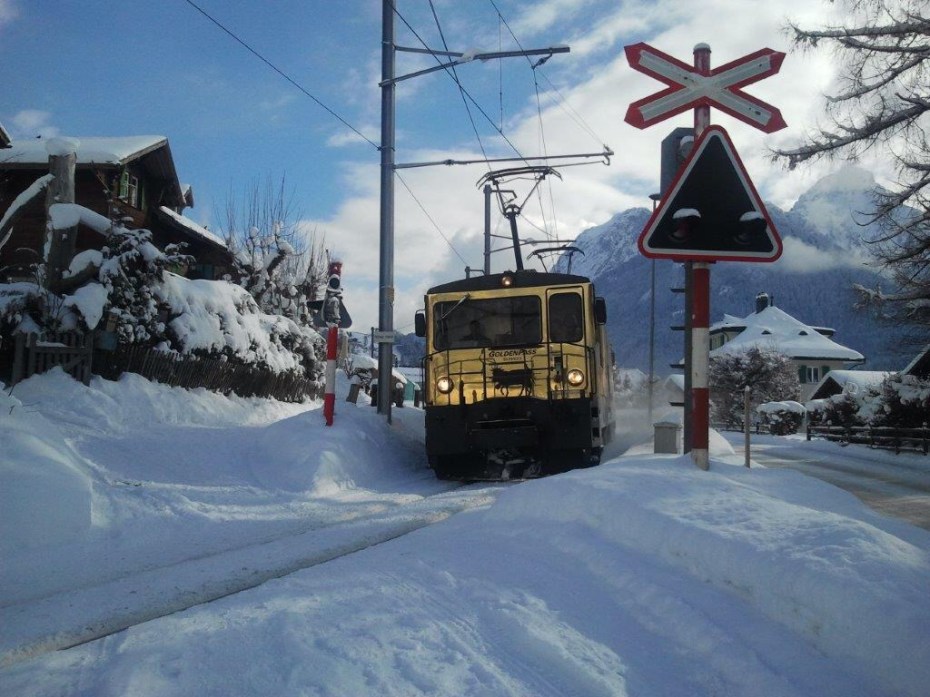
Today it snowed for the first time. The winter has finally arrived and what could be better than a good Fondue with a fine glass of white wine at home or in a cosy Restaurant. Therefore, I recommend a trip to one of the best places I know of and in one of the most beautiful areas of Switzerland. A ride on the GoldenPass Express (Compagnie du Chemin de Fer Montreux-Oberland Bernois or simply “MOB”) from Montreux on Lake Geneva, or from Lucerne in Central Switzerland to Rougemont, an authentic village in the upper Saanen valley between the chic and luxury Gstaad and the Mecca of the balloonists, Chateau d’Oex in the eastern Pays-d’Enhaut and north-eastern Alps of the canton Vaud.

The time has stood still in the small Café Restaurant du Cerf in Rougemont, everything is as it was years ago and the prices are also not exaggerated. The „du Cerf“ is a small oasis amidst the many gourmet temples of the Saanenland! Perhaps, one day we will meet us there 🙂

The cheese fondue is a dish made from a mixture of melted cheese and white wine, to which starch is added as a binder and seasoned with a dash of cherry, garlic and pepper. Originally the cheese fondue comes from French-speaking Switzerland, Savoy in France and the Italian Piedmont. 

Cheese Fondue

Cheese Fondue

Depending on the type of cheese and additives, such as truffles, the taste of the fondue varies, which is particularly evident in the many regional variations of the fondue. The heated mixture is served in a special pot (Caquelon) made of ceramic and kept warm on a rechaud. Small pieces of bread or boiled potatoes are stirred on a long fork in the liquid cheese fondue and the cheese-covered pieces are then eaten together with a good glass of white wine 🙂

Café Restaurant du Cerf in Rougemont VD, Switzerland

Café Restaurant du Cerf in Rougemont VD, Switzerland

Heute hat es zum ersten Mal geschneit. Der Winter ist endlich da und was gibt es Schöneres als ein gutes Fondue mit einem feinen Glas Weißwein zu Hause oder in einem gemütlichen Restaurant. Daher empfehle ich einen Ausflug zu einem der besten Orte, den ich kenne, und in eine der schönsten Gegenden der Schweiz. Eine Fahrt mit dem GoldenPass-Express (Compagnie du Chemin de Fer Montreux-Oberland Bernois oder einfach “MOB”) von Montreux am Genfersee oder von Luzern in der Zentralschweiz nach Rougemont, einem authentischen Dorf im oberen Saanetal zwischen dem schicken und luxuriösen Gstaad und dem Mekka der Ballonfahrer, Chateau d’Oex im östlichen Pays-d’Enhaut und den nordöstlichen Waadtländer Alpen. 

GoldenPass Express

GoldenPass Express

Im kleinen Café Restaurant du Cerf in Rougemont ist die Zeit stehen geblieben, alles ist wie vor Jahren und die Preise sind auch nicht übertrieben. Das „du Cerf“ ist eine kleine Oase inmitten der vielen Gourmettempel des Saanenlandes! Wer weiss, vielleicht treffen wir uns dort eines Tages 🙂

Das Käsefondue ist ein Gericht aus einer Mischung von geschmolzenem Käse und Weisswein, welchem Stärke als Bindemittel zugegeben und mit einem Schuss Kirsch, Knoblauch und Pfeffer abgeschmeckt wird. Ursprünglich kommt das Käsefondue aus der Westschweiz, Savoyen in Frankreich und dem italienischen Piemont. 

Je nach Art des Käses und Zugaben, wie zum Beispiel Trüffel, variiert der Geschmack des Fondues, was besonders bei den vielen regionalen Varianten erkennbar wird. Die erwärmte Mischung wird in einem speziellen Topf (Caquelon) aus Keramik serviert und auf einem Rechaud warm gehalten. Kleine Brotstückchen oder gekochte Kartoffeln werden auf einer langen Gabel in dem flüssigen Käsefondue gerührt und dann die mit Käse überzogenen Häppchen gegessen. Dazu  gehört natürlich auch ein feines Glas Weisswein 🙂

Categories: Blogroll, Food, Nature, Restaurant, Switzerland, Traditions, Train, Travel | Tags: , , , , , , , , , | 11 Comments

Saint Peter’s Church in Zurich with the largest Clock-Faces in Europe

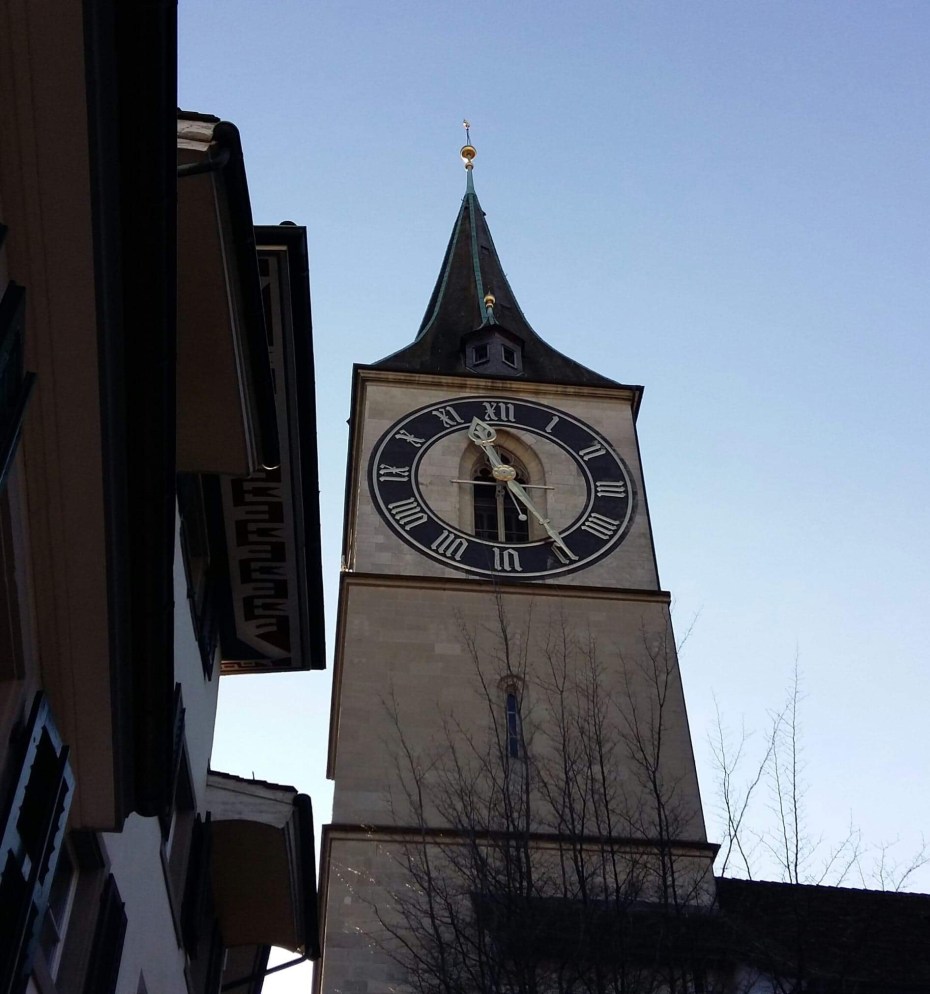
In the immediate vicinity of the Lindenhof, a small hill in the city of Zurich, where once the Roman settlement of Turicum and the imperial Palatinate lay, is the Church of St. Peter. The church is one of the three old town churches that characterize the silhouette of the city of Zurich.

Like the small tourist group from Cyprus, visitors to the city make daily pilgrimage to St. Peter’s Church in the heart of Zurich. The church has a special feature. One of these tourists wanted to know from me whether the four dials of the tower clock were really bigger than those of the “Big Ben” in London. My reaction to this question was spontaneous, yes, of course, the clock faces of the bell tower of St. Peter’s Church have a diameter of over eight meters, making them the largest in Europe. My answer was acknowledged with a smile and doubtful looks. As a consequence of the tourists reaction, I was questioning my response and started to get smart on the internet. My research has confirmed my spontaneous reaction. The four clock faces of the “Big Ben” tower in London (renamed to “Elizabeth Tower” in September 2012) have each a diameter of seven meters and are thus more than one meter smaller 🙂 compared to the dials of St. Peter‘s Church in Zurich! The result of my research calmed me, the „Tourist Information“ was correct 🙂

Another interesting church in Zurich is the Fraumünster with the world famous stained glass windows by Marc Chagall! In another post I will write in my blog about the extraordinary Chagall windows.

Bell Tower of St. Peter‘s Church in Zurich

Bell Tower of St. Peter‘s Church in Zurich

In unmittelbarer Nähe des Lindenhofs, einem kleinen Hügel in der Stadt Zürich, auf dem einst die römische Siedlung Turicum und die Kaiserpfalz lagen, befindet sich die Kirche St. Peter. Die Kirche ist eine der drei alten Stadtkirchen, die die Silhouette der Stadt Zürich prägen.

Wie jene kleine Touristengruppe aus Zypern pilgern die Besucher der Stadt hinauf zur Peterskirche im Herzen von Zürich. Das Gotteshaus hat eine Besonderheit. Einer dieser Touristen wollte von mir wissen, ob die vier Zifferblätter der Turmuhr wirklich grösser seien als jene des „Big Ben“ in London. Meine Reaktion auf diese Frage war spontan, ja, natürlich haben die Zifferblätter des Glockenturms der St. Peterkirche einen Durchmesser von über acht Metern und sind damit die größten in Europa. Meine Antwort wurde mit einem Lächeln und zweifelhaften Blicken quittiert. Als Folge der Reaktion dieses Touristen, war ich plötzlich verunsichert und begann mich im Internet schlau zu machen. Meine Recherche hat meine spontane Reaktion bestätigt, die vier Zifferblätter des “Big Ben” Turms in London (er wurde im September 2012 in “Elizabeth Tower” umbenannt) haben jeweils einen Durchmesser von sieben Metern und sind somit um mehr als einen Meter kleiner 🙂 als die Zifferblätter der Kirche St. Peter in Zürich! Das Resultat meiner Researcharbeit hat mich beruhigt, die „Touristenauskunft“ war richtig 🙂

Eine weitere interessante Kirche in Zürich ist das Fraumünster mit den weltberühmten Glasfenstern von Marc Chagall! In einem anderen Beitrag werde ich in meinem Blog über diese aussergewöhnlichen Chagall Fenster schreiben.

Categories: Blogroll, Church, Landmark, Switzerland, Travel, Zurich | Tags: , , , , | 8 Comments

Auguste Rodin: The Hell‘s Gate – Kunsthaus Zurich

The bronze sculpture “The Hell’s Gate”, which was created at the end of the 19th century by the French sculptor Auguste Rodin, adorns the façade of the Zurich Kunsthaus. The seven-meter and eight-ton heavy gate was moved sideways for the duration of the extension of the Zurich Kunsthaus next to the provisional museum entrance. The work shows the viewer the 186 figures from Dante’s Inferno.

The Hell’s Gate - Kunsthaus Zurich

The Hell’s Gate – Kunsthaus Zurich

The Kunsthaus Zürich houses one of the most important art collections in Switzerland from the early Middle Ages to the present day. By 2020, an extension with a floor space of 13,000 square meters will be built on the opposite side of the street. This enlargement represents more than 80 percent of today’s Kunsthaus and will connect the existing building with an underground passageway.

Kunsthaus Zurich

Extension Kunsthaus Zurich

Die Bronzeskulptur „Das Höllentor“ welches Ende des 19. Jahrhunderts vom französischen Bildhauer Auguste Rodin geschaffen wurde, schmückt die Fassade des Zürcher Kunsthauses. Das sieben Meter und acht Tonnen schwere Tor wurde für die Dauer des Erweiterungsbaus des Zürcher Kunsthauses seitwärts neben den provisorischen Museumseingang verschoben. Das Werk zeigt dem Betrachter die 186 Figuren aus Dante’s Inferno.

Kunsthaus Zurich

Kunsthaus Zurich

Das Kunsthaus Zürich beherbergt eine der bedeutendsten Kunstsammlungen der Schweiz vom frühen Mittelalter bis in die Gegenwart. Bis 2020 wird auf der gegenüberliegende Strassenseite ein Erweiterungsbau mit einer Nutzfläche von 13000 Quadratmetern gebaut. Diese Vergrösserung entspricht mehr als 80 Prozent des heutigen Kunsthauses und wird das bestehende Gebäude mit einem unterirdischen Durchgang verbinden. 

Categories: Art, Blogroll, Kunst, Museum, Switzerland, Travel | Tags: , , , | 4 Comments

Mercato Orientale in Genoa

The Mercato Orientale is recommended as one of the many attractions in Genoa. I love Italian specialties and my culinary fantasies are stimulated in such markets by the scents and color of the food offered. The Mercato is a bit hidden in the center of Genoa and was for me not immediately to find. The entrance to the market hall was promising but what came afterwards was rather disappointing. Based on the reports and photos I had hoped for much more. The choice of food is not overwhelming, neither the vegetables nor the fish is anything out of the ordinary and most stalls offer the same choices. The upper floor, which does not offer food, is also very modest. All in all, I would hardly visit this market anymore.

Der Mercato Orientale wird als eine der vielen Sehenswürdigkeiten in Genua empfohlen. Ich liebe italienische Spezialitäten und meine kulinarischen Fantasien werden auf solchen Märkten durch die Düfte und Farbenpracht der angebotenen Esswaren jeweils angeregt. Der Mercato liegt etwas versteckt im Zentrum von Genua und für mich war er nicht auf Anhieb zu finden. Der Eingang zur Markthalle war zwar vielversprechend aber was danach kam war eher enttäuschend. Anhand der Berichte und Fotos hatte ich mir viel mehr erhofft. Die Auswahl an Lebensmittel ist nicht überwältigend, weder beim Gemüse noch bei den Fischen gibt es etwas außergewöhnliches und die meisten Stände bieten die selbe Auswahl. Das obere Geschoss, dass nicht Lebensmittel bietet, ist ebenfalls sehr bescheiden. Alles in allem würde ich diesen Markt wohl kaum mehr besuchen.

Categories: Blogroll, Events, Food, Italy, Travel | Tags: | 3 Comments

Blog at WordPress.com.