Travel

Empress Elisabeth of Austria „Sissi“ in Geneva

Yesterday I spent a day in Geneva. On my way along the lake promenade, I briefly stopped at a point marked with a bronze plaque commemorating an incident that shook the world exactly 120 years ago.

At the end of August 1898, the Empress Elisabeth of Austria, traveled incognito to Lake Geneva. A few days later, on September 10, 1898, „Sissi“, the Empress of Austria was dead. What happened?  On September 10, 1898 at about 13:30, Sissi left the hotel Beau-Rivage to get to the paddle steamer “Genève”, with which she wanted to travel to Caux near Montreux. 

Empress Elisabeth of Austria in Geneva

Place in Geneva where Empress Elisabeth of Austria was assassinated

Accompanied by her lady-in-waiting, she walked along the lakeside promenade to the boat landing stage at Quai du Mont Blanc. On the way, she was abruptly attacked by an Italian anarchist. Luigi Lucheni suddenly jumped on her and rammed a pointed stiletto-shaped file into her heart. Sissi fell to the ground, but could get up with the help of hurrying passers-by. She complained of a pain in her chest and initially believed that the attacker only punched her hard. Sissi and her companion boarded the paddle steamer where she collapsed a few minutes later. The steamer immediately stopped and returned to the boat landing stage from where they took her, on a makeshift carry, back to the hotel. All revival attempts were in vain; at 14:40, Sissi was declared dead.


Gestern verbrachte ich einen Tag in Genf. Auf meinem Weg entlang der Seepromenade macht ich an einer Stelle kurz halt, welche mit einer bronzener Plakette an einen Vorfall erinnert, der vor genau 120 Jahren  die Welt erschütterte.

Ende August 1898 war „Sissi“ die Kaiserin Elisabeth von Österreich inkognito an den Genfer See gereist. Einige Tage später, am 10. September 1898 war die Kaiserin von Österreich tot. Was ist passiert? Am 10. September 1898 verließ Sissi gegen 13:30 Uhr das Hotel Beau-Rivage um zu dem Raddampfer „Genève“ zu gelangen, mit dem sie nach Caux bei Montreux weiterreisen wollte. In Begleitung ihrer Hofdame begab sie sich auf der Seepromenade zur Bootsanlegestelle am Quai du Mont Blanc. Auf dem Weg dorthin stürzte sich unvermittelt der italienische Anarchist Luigi Lucheni auf sie und rammte ihr eine spitze stilettförmige Feile ins Herz. Sie fiel auf den Boden, konnte aber mit Hilfe herbeigeeilter Passanten wieder aufstehen. Sissi beklagte einen Schmerz auf der Brust und glaubte anfänglich, dass ihr der Angreifer nur einen Faustschlag versetzte. Darauf bestieg Sissi mit ihrer Begleitung den Raddampfer wo sie dann, einige Minuten später, zusammenbrach. Man brachte sie auf einer behelfsmässigen Bahre zurück ins Hotel. Alle Wiederbelebungsversuche waren vergebens; um 14:40 Uhr wurde Sissi für tot erklärt. 
Categories: Austria, Blogroll, History, Landmark, Switzerland, Travel | Tags: , , , , | 5 Comments

Tangier in Morocco, a day trip from Tarifa in Spain

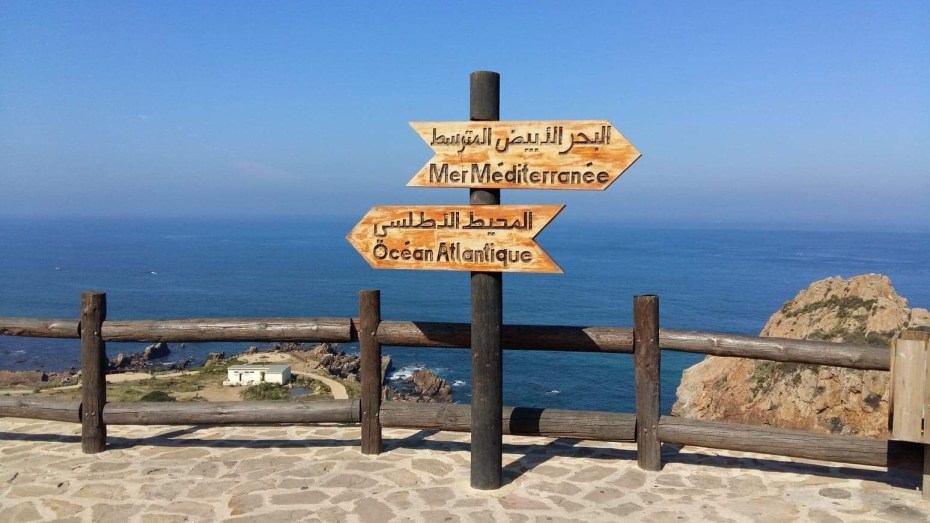
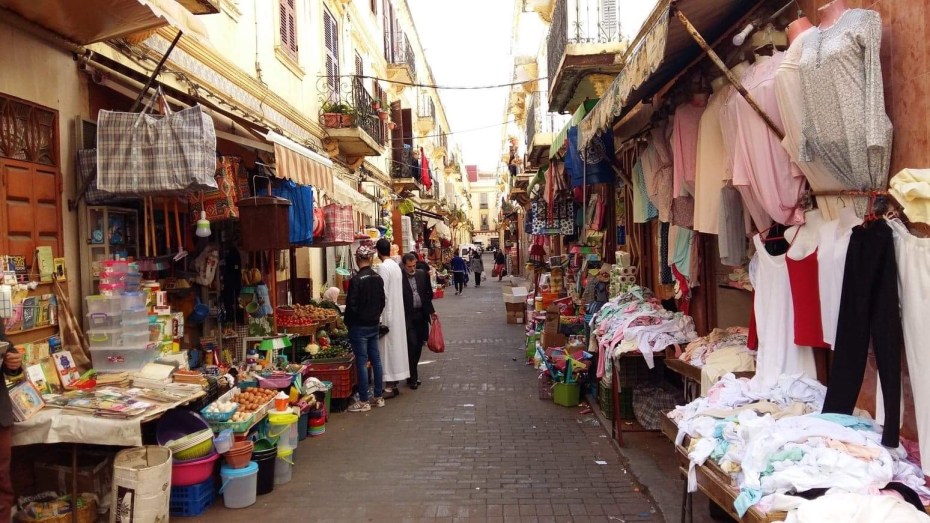
The town Tarifa is on the Andalusian southern coast of Spain, from there, one can reach by ferry the Moroccan port city of Tangier which is situated on the Strait of Gibraltar. The crossing from the European continent to the African continent takes about one hour. The city of Tangier is located between two seas, the Atlantic and the Mediterranean and is a kind of bridgehead between the Orient and our western world. A visit to this historic oriental and modern city is definitely worth a day trip.

The Grand Socco has been the central marketplace since the end of the 19th century. From there, it is only a few steps through the winding alleys of the souks in the Kasbah district of the medina (Old Town) with its former Sultan’s Palace.

Tangier Morocco

City of Tangier in Morocco

Tangier is very rich in sights. Much is still reminiscent of the time of the international zone. Between 1923 and 1956 Tangier was managed by eight nations (France, Spain, Italy, United Kingdom, Portugal, Netherlands and Sweden). In the heart of Tangier meet Spanish, Italian, French and Moorish architecture and one finds in the medina a synagogue, a mosque and a Catholic church in the immediate vicinity.

Without visiting an oriental market, one could not mark the day trip as a successful experience. Therefore, a walk through the „Marché Central“ should be on the bucket list of every tourist. There is a bustling activity, trading and haggling on every day throughout the year. The traders sell spices, dried fruit, meat, fish and everyday goods of all kinds. The splendor of colors and fragrances of the merchandise convey the unique and authentic oriental ambience.

By the way, one can easily communicate in Spanish or English in Tangier. Before returning to Tarifa you should definitely treat yourself to a hot “Thé à la menthe”. This green tea with fresh mint leaves and lots of sugar tastes delicious and will make your day trip an unforgettable and delightful one. Have fun and enjoy!

Point between Atlantic Ocean and Mediterranean Sea

Point between Atlantic Ocean and Mediterranean Sea

Die Stadt Tarifa liegt an der andalusischen Südküste Spaniens. Von dort aus erreicht man mit der Fähre die marokkanische Hafenstadt Tanger die an der Strasse von Gibraltar liegt. Die Überfahrt vom Europäischen zum Afrikanischen Kontinent dauert in etwa eine Stunde. Die Stadt Tanger liegt zwischen zwei Meeren, dem Atlantik und dem Mittelmeer und ist eine Art Brückenkopf zwischen dem Orient und unserer westlichen Welt. Ein Besuch dieser geschichtsträchtigen orientalischen und gleichzeitig modernen Stadt ist auf jeden Fall eine Tagesreise wert.

Der Grand Socco ist seit Ende des 19. Jahrhunderts der zentrale Marktplatz. Von dort sind es nur ein paar wenige Schritte durch die verwinkelten Gassen der Souks in das Kasbah-Viertel der Medina (Altstadt) mit dem ehemaligen 

Entering the Kasbah district and the Medina

Entering the Kasbah district and the Medina

Tanger ist sehr reich an Sehenswürdigkeiten. Vieles erinnert noch an die Zeit der internationalen Zone. Zwischen 1923 und 1956 wurde Tanger von acht Nationen (Frankreich, Spanien, Italien, Vereinigtes Königreich, Portugal, Niederlande und Schweden) fremdverwaltet. Im Herzen von Tanger treffen spanische, italienische, französische und maurische Architektur aufeinander und man findet in der Medina eine Synagoge, eine Moschee und eine katholische Kirche in unmittelbarer Nähe.

Ohne den Besuch eines orientalischen Marktes könnte man den Tagesausflug nicht als ein gelungenes Erlebnis abhaken. Deshalb gehört ein Gang durch den „Marché Central“ unbedingt in das Program jedes Touristen. Das ganze Jahr über herrscht dort jeden Tag ein emsiges Treiben, handeln und feilschen. Die Händler verkaufen bergeweise Gewürze, Trockenfrüchte, Fleisch, Fisch und Alltagswaren aller Art. Die Farbenpracht und Düfte der Angeboten Waren vermitteln das einzigartige und authentische orientalische Ambiente.

Musicians in a typical Restaurant in Tangier

Musicians in a typical Restaurant in Tangier

Übrigens in Tanger kann man sich problemlos in Spanisch oder Englisch verständigen. Vor der Rückreise nach Tarifa sollte man sich unbedingt noch einen heissen „Thé à la menthe“ gönnen. Dieser Grüntee mit frischen Minzblättern und viel Zucker schmeckt vorzüglich und wird diesen unvergesslichen Tagesausflug auf eine köstliche Art beschliessen. Viel Vergnügen!

Categories: Blogroll, Morocco, Travel | Tags: , , , , , , , , , | 5 Comments

Defibrillator on the Beaches in St. Barth (French West Indies)

Saint Barthélemy (or St. Barth, St. Barths, St-Barts) is a small Caribbean island in the French West Indies (FWI) with an area of approximately 25 square kilometers and about 9000 inhabitants. The capital, with its beautiful natural harbor, is Gustavia. Before the end of the Napoleonic wars, St. Barth was for a short time a Swedish colony, but later fell back to France. The language, cuisine and culture are clearly French, i.e. you will not miss the typical French croissant in St. Barth. The island is a very popular tourist destination; and especially in the wintertime the beautiful and the rich are bustling there.

Hotel Cheval Blanc St. Barth Isle de France - April 2019

Hotel Cheval Blanc St. Barth Isle de France at the Flamands Beach

The Saline – Before the time of tourism, the few islanders lived on fishing, breeding livestock, growing cotton and extracting salt. On the road to one of the most beautiful beaches on the island (saline) is an old salt marsh that was exploited until the 1970s. Today, this saline is a unique ecosystem and considered a sanctuary and breeding ground for rare freshwater and seawater birds. But in the salt marsh are still quite different beauties, there are from the salt over the decades gnawed and preserved tree trunks, trees that once here, in this place, the tired and thirsty salt pickers their shadow ghost donated.

Defibrillator in Paradise – A defibrillator or Defi is a medical device for defibrillation and possibly for cardioversion. It is a lifesaver. The Defi can end, with targeted power surges, especially cardiac arrhythmia. Defibrillators are found in intensive care units, operating rooms or emergency stations and ambulances. For a few years, these devices have also been available in public places such as airports and train stations. In emergencies, these can also be operated by laymen, which was probably also a reason, amongst other considerations, to install a Defibrillator in the Saline and other beaches of St. Barth!

Defibrillator

Defibrillator on the Beach

Saint Barthélemy (oder St. Barth, St. Barths, St-Barts) ist eine kleine Karibische Insel in den Französischen West Indies (FWI) mit einer Fläche von ca. 25 Quadratkilometern und ungefähr 9000 Einwohner. Die Hauptstadt, mit ihrem wunderschönen natürlichen Hafen, ist Gustavia. Vor dem Ende der Napoleonischen Kriege war St. Barth für eine kurze Zeit eine schwedische Kolonie, fiel später aber wieder zurück an Frankreich. Die Sprache, Küche und Kultur sind eindeutig Französisch, d.h. Du wirst in St. Barth den typischen französischen Croissant nicht vermissen. Die Insel ist ein sehr beliebtes Touristenziel; und vor allem in der Winterzeit tummeln sich dort die Schönen und Reichen.

Die Saline – Vor der Zeit des Tourismus lebten die wenigen Insel-Bewohner vom Fischfang, der Aufzucht von Nutztieren, dem Anbau von Baumwolle und der Gewinnung von Salz. Auf der Strasse zu einem der schönsten Strände der Insel (Saline) liegt eine alte Salzmarsch die bis in 1970er Jahre ausgebeutet wurde. Heute ist diese Saline ein einzigartiges Ökosystem und gilt als Zufluchtsort und Brutstätte für seltene Süsswasser und Seewasservögel. Aber in der Salzmarsch befinden sich noch ganz andere Schönheiten, es sind vom Salz über die Jahrzehnte zermürbten und konservierten Baumstämme, Bäume die einst hier, an diesem Ort, den müden und durstigen Salzpflückern ihren Schatten Gespenst gespendet haben.

Defibrillator im Paradies – Ein Defibrillator oder Defi ist ein medizinisches Gerät zur Defibrillation und möglicherweise zur Kardioversion. Es ist ein Lebensretter. Das Defi kann mit gezielten Stromstößen, insbesondere Herzrhythmusstörungen, beenden. Defibrillatoren findet man auf Intensivstationen, Operationssälen oder Notfallstationen und Krankenwagen. Seit einigen Jahren sind diese Geräte auch an öffentlichen Orten wie Flughäfen und Bahnhöfen verfügbar. In Notfällen können diese auch Laien bedienen, was unter anderem auch ein Grund war einen Defibrillator in der Saline und anderen Stränden von St. Barth zu Installieren!

Saline St. Barth

Salt Marsh or Saline in St. Barth

Categories: Blogroll, Nature, St. Barth, Travel | Tags: , , , , , | 3 Comments

Sharky‘s Restaurant in Anguilla (BWI), the next „in-place“ for Gourmets of local cuisine

My prophecy, Sharky’s Restaurant, will soon be the next “in-place” for gourmets in Anguilla (BWI)! Absolutely great! We visited Sharky’s last night and believe me, it was more than a surprise! We were greeted by the friendliest staff in an authentic and pleasant environment and were served absolutely incredible food. If you are looking for an excellent local Creole dinner on Anguilla, you will not find a better place than the Sharky’s!

Sharkey’s is a new opened restaurant on Anguilla which has been welcoming guests since Hurricane Irma 18 months ago. It is not an elegant restaurant with sea views. No, but you can expect a wonderful and warm host, who welcomes each guest personally to serve him thereafter a delicious Creole food. You will dine on the outdoor terrace of a colorful Caribbean house and listen to Daniel’s gentle live music. I can guarantee you a relaxing and romantic dinner! You never know, when and if one of your trips will take you to this beautiful Caribbean island, but if you ever set foot on Anguilla, notice, all roads are short and everyone knows Sharky’s Restaurant! Good Appetite!

Sharky‘s Restaurant, Anguilla BWI

Sharky‘s Restaurant, Anguilla (BWI)

Meine Prophezeiung, das Restaurant Sharky´s wird bald der nächste „in-place“ für Feinschmecker in Anguilla (BWI) sein! Absolut top! Wir haben Sharky´s gestern Abend besucht und glaube mir, es war mehr als nur eine Überraschung! Wir wurden vom freundlichsten Personal in einer authentischen und angenehmen Umgebung empfangen und man hat uns absolut unglaubliches Essen serviert. Wenn Du auf Anguilla nach einem ausgezeichneten lokalen kreolischen Abendessen suchst, wirst Du keinen besseren Ort als das Sharky´s finden!

Sharkey´s ist ein neue eröffnetes Restaurant auf Anguilla welches seit dem Hurrikan Irma vor 18 Monaten Gäste empfängt. Es ist kein elegantes Restaurant mit Meerblick. Nein, aber Dich erwartet ein wunderbarer und herzlicher Gastgeber, der gerne jeden Gast persönlich begrüsst um ihm dann ein köstliches kreolisches Essen zu servieren. Du wirst auf der Aussenterrasse eines farbenfrohen karibischen Hauses speisen und zu Daniel‘s sanfter Live-Musik lauschen. Ich kann Dir ein entspannendes und romantisches Abendessen garantieren! Man weiss nie, wann und ob Dich eine Deiner Reisen  auf diese wunderschöne karibische Insel führen wird, aber solltest Du je hier Deinen Fuss auf Anguilla setzten, merke, alle Wege sind kurz und jeder kennt Sharky’s Restaurant! Guten Appetit!

Categories: Anguilla, Blogroll, Food, Travel | Tags: , , , , | 5 Comments

A new Station Clock, can you read the time?

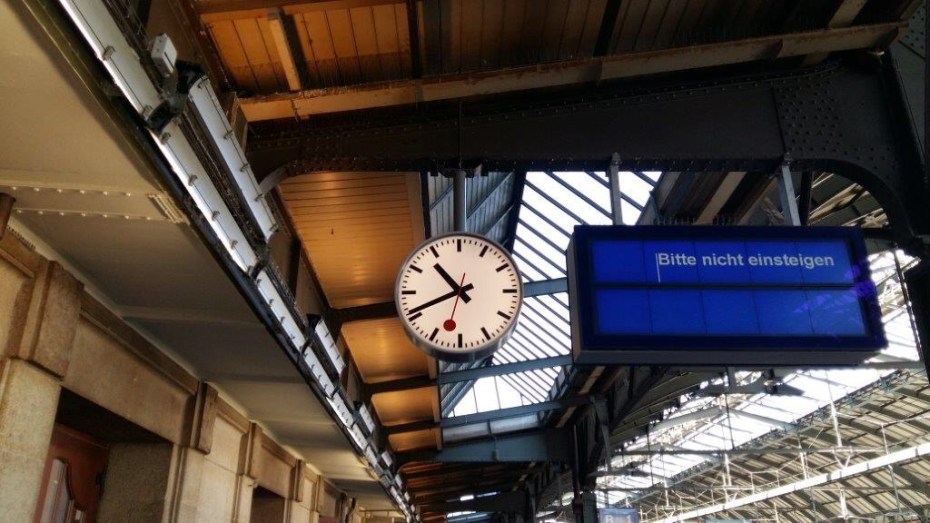
The new train station clock in the St. Gallen provides strong reactions from the public. People are shaking their heads about this new clock! Nobody can read the time! It’s new to all, but revolutionary for a train station clock, probably unique in the world! The travelers are annoyed by the circles, crosses and rectangles that have recently adorned the façade of St. Gallen’s train station hall. This clock is far too complicated and in my opinion completely unnecessary and it needs a „university degree“ to decipher the time. Last but not least, if travelers are inside the hall, its even more complicated because the clock display is reversed!

Binary Train Station Clock

Binary Train Station Clock (view from inside of the Station Hall)

It is a binary clock. To be honest, I had some trouble to read the time of this “light installation” in the sunshine and then to decipher the binary code. It took me too long and I missed my train to the airport 🙂 

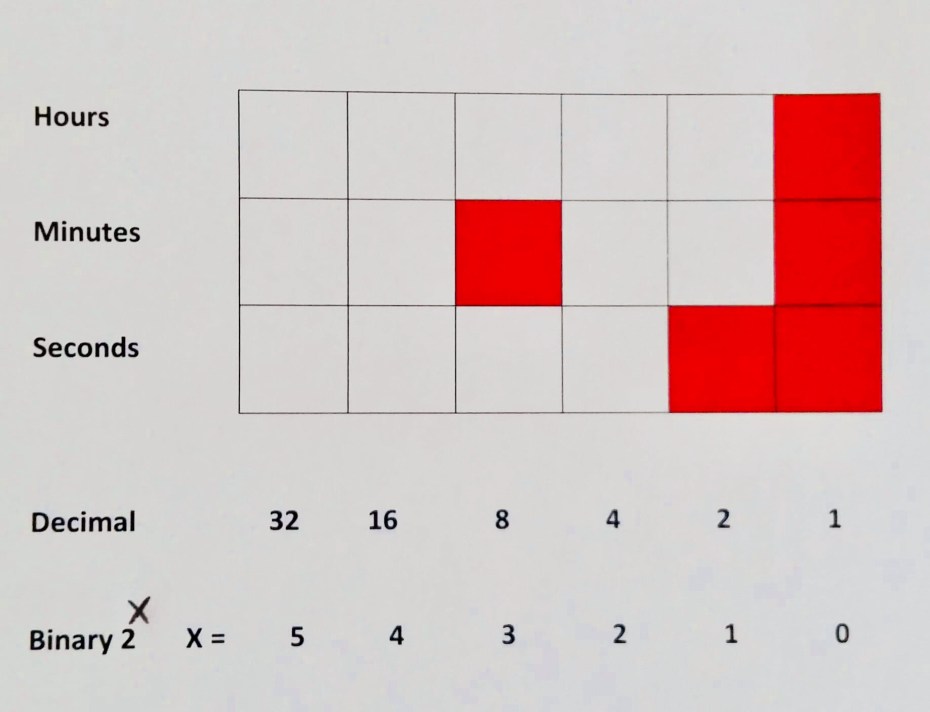
Binary System

Binary System

Can you decipher the time in the picture, what time is it? I have a little tutorial in the second picture for those that are not familiar with the binary system. I am looking forward to your answer 🙂 🙂 Attention: the clock on the picture has been taken from inside the hall, hence, the binary codes have to be read from left to right!

Station clock

Good Old Times

Die neue Bahnhofsuhr in St. Gallen sorgt für starke Reaktionen der Öffentlichkeit und sorgt für Kopfschütteln. Niemand kann die Zeit dieser Uhr lesen! Sie ist neu für alle, aber revolutionär für eine Bahnhofsuhr, wahrscheinlich einzigartig in der Welt! Die Reisenden ärgern sich über die Kreise, Kreuze und Rechtecke, die neuerdings die Fassade der St. Galler Bahnhofshalle zieren. Diese Uhr ist viel zu kompliziert und meiner Meinung nach völlig unnötig und verlangt einen “Universitätsabschluss”, um die Uhrzeit zu entschlüsselen. Zuguterletzt, für Reisende im Innern der Halle ist die Uhr seitenverkehrt!

Es ist eine binäre Uhr. Um ehrlich zu sein, hatte ich einige Probleme die Zeit dieser “Lichtinstallation” im Sonnenschein zu lesen und dann noch den Binärcode zu entziffern. Es dauerte zu lange, mein Zug zum Flughafen hatte ich auf jeden Fall verpasst 🙂 

Kannst Du die Zeit auf dem Bild entziffern, wie spät ist es? Ich habe eine kleine Anleitung im zweiten Bild für diejenigen, die nicht mit dem Binärsystem vertraut sind. Ich freue mich auf Deine Antwort 🙂 🙂 Achtung: auf dem Bild ist die Uhr seitenverkehrt!

Categories: Blogroll, Switzerland, Train, Travel | Tags: , , | 7 Comments

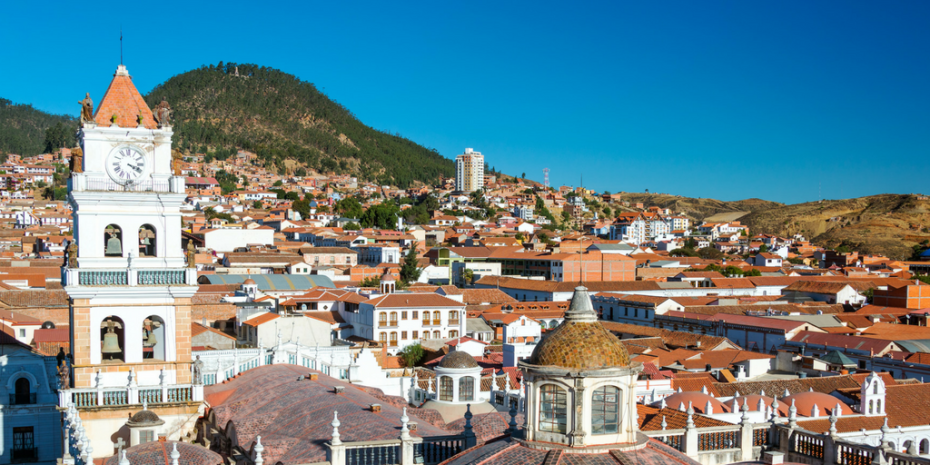
Sucre, the constitutional Capital of Bolivia

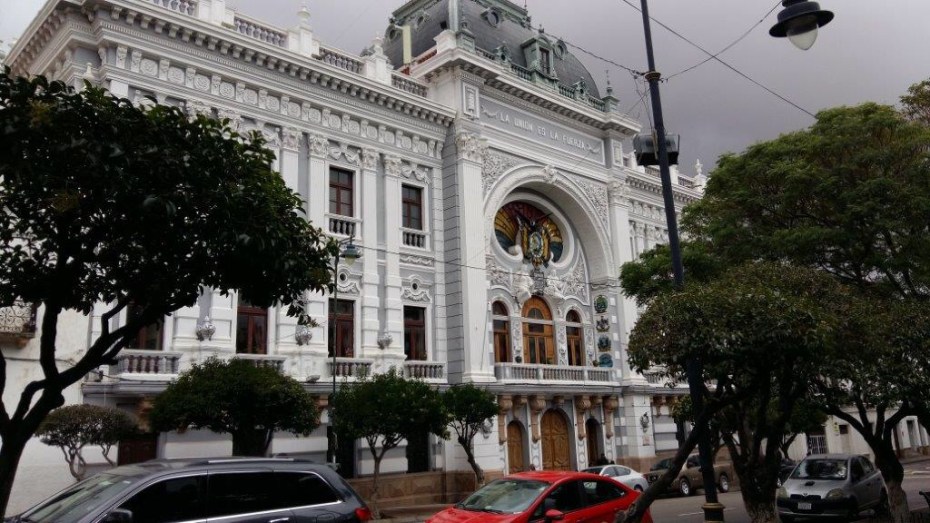
Sucre, the constitutional capital of Bolivia and seat of the Supreme Court, is located in the central southern part of the country and is the capital of the department of Chuquisaca. The old town of Sucre, with its white buildings, is considered one of the best preserved examples of a colonial city in South America and is laid out in a typical checkerboard pattern. In 1991, the old town was recognized by UNESCO as a World Heritage Site.

Sucre Bolivia

Sucre, constitutional capital of Bolivia

This summer, I “rescued” myself to Sucre to recover from the highlands of the Andes and spent some days in the Parador Santa Maria La Real. The capital of Bolivia is “only” at about 2800 meters above sea level, has a very pleasant, temperate climate and is one of the most beautiful cities in South America with its rich, well-kept squares and parks.

The Parador Santa Maria La Real is a jewel. The 17th-century building has several beautiful terraces and individually decorated rooms. If you love a colonial style hotel with the amenities of today, you will feel very comfortable here.

The hotel’s museum is definitely worth a visit, as well as the hotel bar :)! The spacious roof terrace offers guests a magnificent view over the city of Sucre. The Parador is located in a quiet and relatively quiet street in the old town, not far from the city center with its beautiful and well kept parks.

Highly recommended is a visit to the Museo del Tesoro (Treasure Museum). The museum shows the origins, techniques and art of metal and gemstone extraction and processing. The guided tours give visitors a very good insight into Bolivia’s mining industry from the past to today.

So, should you one day travel to Bolivia, do not forget to visit Sucre :)! You will not regret it!

Sucre, the Capital of Bolivia

Sucre, the Capital of Bolivia

Sucre, die konstitutionelle Hauptstadt Boliviens und Sitz des Obersten Gerichtshofs, liegt im zentralen südlichen Teil des Landes und ist die Hauptstadt des Departements Chuquisaca. Die Altstadt von Sucre mit ihren weissen Gebäuden gilt als eines der am besten erhaltenen Beispiele einer Kolonialstadt in Südamerika und ist im typischen Schachbrettmuster angelegt. Im Jahr 1991 wurde die Altstadt von der UNESCO als Weltkulturerbe anerkannt.

Diesen Sommer “rettete” ich mich nach Sucre, um mich von den Höhenlagen der Anden zu erholen und verbrachte einige Tage im Parador Santa Maria La Real. Die Hauptstadt Boliviens liegt “nur” auf rund 2800 Meter Höhe, hat ein sehr angenehmes, gemäßigtes Klima und gehört mit ihren reichen, gepflegten Plätzen und Parks zu den schönsten Städten Südamerikas.

Der Parador Santa Maria La Real ist ein Juwel. Das Gebäude aus dem 17. Jahrhundert verfügt über mehrere schöne Terrassen und individuell eingerichtete Zimmer. Wenn Sie ein Hotel im Kolonialstil mit den Annehmlichkeiten von heute lieben, werden Sie sich hier sehr wohl fühlen. 

Das hoteleigene Museum ist auf jeden Fall einen Besuch wert, ebenso die Hotelbar :)! Die grosszügige Dachterrasse bietet den Gästen einen herrlichen Blick über die Stadt Sucre. Der Parador liegt in einer ruhigen und relativ verkehrsarmen Strasse in der Altstadt, nicht weit vom Stadtzentrum mit seinen schönen und gepflegten Parks entfernt.

Sehr empfehlenswert ist ein Besuch des Museo del Tesoro. Das Museum zeigt die Ursprünge, Techniken und Kunst der Metall- und Edelsteingewinnung und deren Verarbeitung. Die Museums Tour gibt Besuchern einen sehr guten Einblick in Boliviens Bergbau von der Vergangenheit bis heute.

Also, sollten Sie eines Tages nach Bolivien reisen, vergessen Sie nicht Sucre zu besuchen :)! Sie werden es nicht bereuen!

Categories: Blogroll, Bolivia, Museum, Travel | Tags: , , , , | 5 Comments

Spring Day Trips from Tokyo

After the whirlwind cherry blossom season has swept across Tokyo, leaving only fond memories of streets blanketed in pink and perhaps a throbbing head from one too many drunken hanami parties, we remember that a world does indeed exist outside of our beloved city.

via Spring Day Trips from Tokyo — Celia in Tokyo

Categories: Blogroll, Japan, Travel | Tags: , , | 6 Comments

Iguana delicatissima

Today, we received a visit of a Lesser Antillean Iguana (Iguana delicatissima) that is endangered by our civilization and by the agressive “green” Iguana (Iguana iguana) which arrived on the caribbean islands through the animal trade. From the 17 islands of the West Indies, only 7 are hosting a viable population of the “native” and rare species Iguana delicatissima.

Heute hat uns ein kleiner Antillen-Leguan (Iguana delicatissima) besucht. Dieses Reptil wird von unserer Zivilisation und dem aggressiven “grünen” Leguan (Iguana Iguana) welcher durch den Tierhandel auf die karibischen Inseln gekommen ist, stark bedroht. Von den 17 Westindischen Inseln beherbergen nur noch gerade 7 eine lebensfähige Population dieser seltenen „einheimischen“ Spezies Iguana delicatissima.

Iguana delicatissima

Iguana delicatissima

Categories: Blog, Nature, St. Barth, Travel, Weltreisen | Tags: , , | Leave a comment

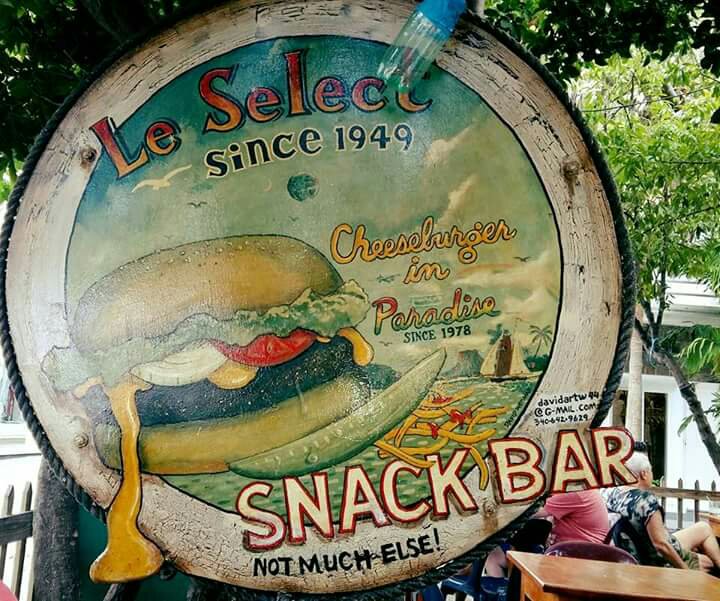
Cheesburger in Paradise

The „Le Select“ is a place where you can eat and drink for a moderate price on the caribbean island St-Barts. A fun place and perfect Meeting Point in the Center of Gustavia.

Famous American pop, rock and country singer Jimmy Buffet, a temporary resident of St. Barth, was inspired by one of his many hits at Le Select to win the title.

“Cheesburger in Paradise” is in my opinion besides „Margaritaville“ probably Jimmy Buffet’s most famous song. To be honest, I confined myself to a cold beer at Le Select and was not tempted to taste this greasy “meat specialty”. Maybe I missed something 🙂

Le Select Gustavia

Le Select Gustavia

Das „Le Select“ bietet Drinks und einfaches Essen zu einem günstigen Preis. Und mehr als öfters, ist hier auch was los! Ein idealer Treffpunkt im Zentrum von Gustavia.

Der berühmte amerikanische Pop-, Rock- und Country-Sänger Jimmy Buffet, ein zeitweiliger Einwohner von St. Barth, hat sich hier im Le Select, für die Titelwahl einer seiner vielen Hits inspirieren lassen.

„Cheesburger in Paradise“ ist neben „Margaritaville“ wahrscheinlich der wohl bekannteste Song Jimmy Buffet‘s. Ich muss ehrlich gestehen, ich habe mich im Le Select auf ein kühles Bier beschränkt und kam nicht in Versuchung diese fett triefende „Fleischspezialität“ zu verkosten. Vielleicht habe ich da was verpasst 🙂

Categories: Blog, St. Barth, Travel, Weltreisen | Tags: , , | 2 Comments

The Arsenale in Venice, Italy

Through the gate “Ingresso dall’acqua” navigated in the heydays of the Venetians their ships and galleys which were built in the Arsenale. The Arsenale is located in the Castello district. Since the 12th century it has been the shipyard and naval base of the mighty maritime republic of Venice. Before the age of industrialization, the Arsenale was Europe’s largest production facility and, with its various buildings, warehouses and port, a model for other naval arsenals in Europe. Also, the Arsenale was a symbol of the economic strength, politics and military power of the Republic of Venice. 

Since 1980, the Arsenale has become the venue for the Biennale on the occasion of the 1st International Architecture Exhibition. The same rooms with their infinitely long hallways are also used for the International Art Exhibition “La Biennale di Venedig” for the open space. 

The Giardini, a few hundred meters walk from the Arsenale is the traditional site of the „La Biennale di Venedig“ Art Exhibitions and hosts 29 pavillions of other countries which present „their“ artists once every two years to the visitors of this outstanding event in Venice. Bye the way, the Biennale has existed since 1895 and will again open the doors next year!

Ingresso dall‘acqua

Ingresso dall’acqua

Durch das Tor “Ingresso dall’acqua” navigierten in der Blütezeit der Venezianer ihre Schiffe und Galeeren, die im Arsenale gebaut wurden. Das Arsenale befindet sich im Stadtteil Castello und ist seit dem 12. Jahrhundert Werft und Marinestützpunkt der mächtigen Seerepublik Venedig. Vor dem Zeitalter der Industrialisierung war das Arsenale Europas grösste Produktionsstätte und mit seinen verschiedenen Gebäuden, Lagerhallen und dem Hafen ein Vorbild für andere Marinearsenale in Europa. Das Arsenale war auch ein Symbol für die wirtschaftliche Stärke, Politik und militärische Macht der Republik Venedig.

Arsenale

Arsenale

Das Arsenale ist seit 1980 Schauplatz der Biennale anlässlich der 1. Internationalen Architekturausstellung. Die gleichen Räume mit ihren unendlich langen Räume werden auch für die Internationale Kunstausstellung “La Biennale di Venedig” ausserhalb des Gardini genutzt.

Die Giardini, ein paar hundert Meter vom Arsenale entfernt, ist der traditionelle Ort der Kunstausstellungen “La Biennale di Venedig” und beherbergt 29 Pavillons anderer Länder, die alle zwei Jahre den Besuchern dieser außergewöhnlichen Veranstaltung in Venedig „ihre“ Künstler vorstellen. Übrigens die Biennale existiert seit 1895 und im nächstes Jahr werden die Tore dieser Kunstausstellung wieder geöffnet!

Categories: Art, Blogroll, Events, History, Italy, Kunst, Museum, Travel | Tags: , , , , | 3 Comments

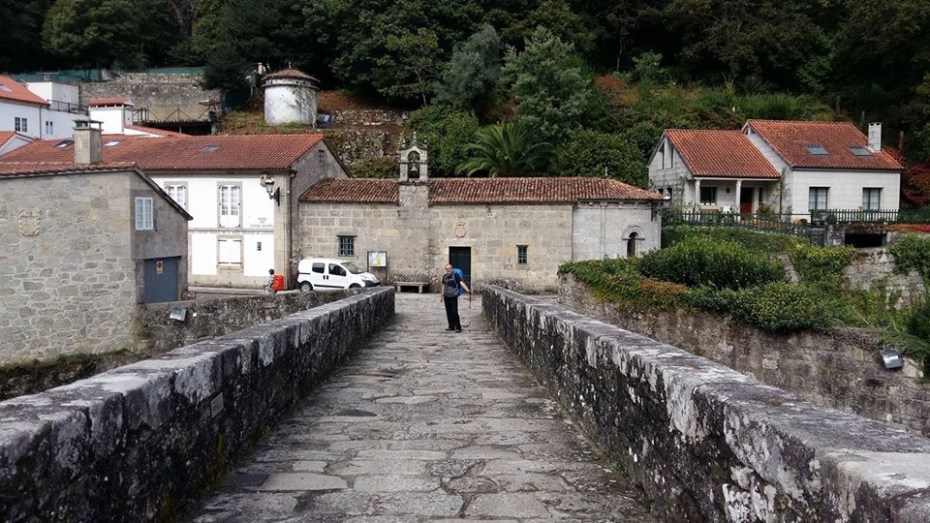
End of the World in Finisterre

Rome, Jerusalem and especially Santiago de Compostela were the most important pilgrimage sites of Christians in the Middle Ages. At that time one-third of the population of the Occident went, provided they were healthy, on the way to Santiago de Compostela. The pilgrims flocked on one of the four pilgrimage routes through France, or by sea via La Coruna, to the apostle’s tomb of Saint James in Santiago de Compostela.

Finisterre

On the Way to Finisterre – to the End of the World

At that time, many of the pilgrims who survived the tedious, dangerous way of Saint James to Santiago de Compostela continued their journey to Finisterre. Before returning home, they wanted to see the sea and the End of the World. Back then, it was believed that at the very horizon the water of the sea would get thicker and thicker and that the earth would fall, after a gloomy zone of silence, into the bottomless. Arriving in Finisterre, the pilgrims got rid of their clothes, burned it, cleansing themselves in the sea from their sins and many of them died of total exhaustion.

Rom, Jerusalem und vor allem Santiago de Compostela waren die wichtigsten Wallfahrtsorte der Christen im Mittelalter. Zu dieser Zeit ging ein Drittel der Bevölkerung des Okzidents, sofern die Menschen gesund waren, nach Santiago de Compostela. Die Pilger strömten auf einem der vier Pilgerwege durch Frankreich oder auf dem Seeweg über La Coruna zum Apostelgrab des Heiligen Jakobus in Santiago de Compostela.

Zu dieser Zeit setzten viele der Pilger, die den langwierigen, gefährlichen Jakobsweg nach Santiago de Compostela überlebten, ihre Reise nach Finisterre fort. Bevor sie nach Hause zurückkehrten, wollten sie das Meer und das Ende der Welt sehen. Damals glaubte man, dass das Wasser des Meeres am Horizont immer dicker werden würde und dass die Erde nach einer düsteren Zone der Stille in das Bodenlose fallen würde. In Finisterre angekommen, lösten sich die Pilger von ihren Kleidern, verbrannten sie und säuberten sich im Meer von ihren Sünden; viele von ihnen starb an völliger Erschöpfung.

Categories: Blogroll, Jakobsweg, Spanien, Travel | Tags: , , , , , , , , | 3 Comments

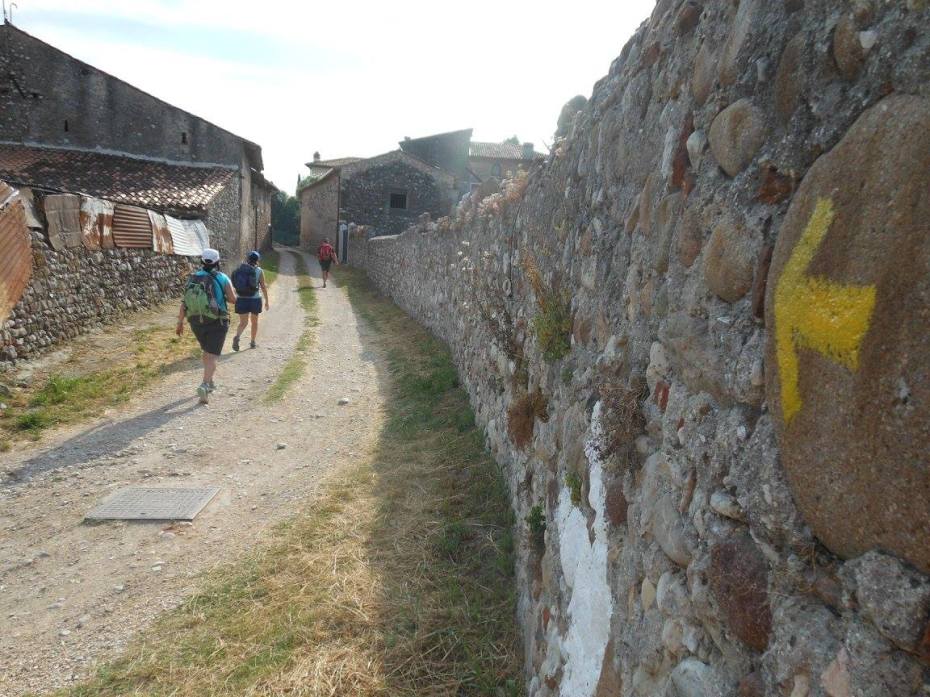
Discover the Via Postumia in Northern Italy

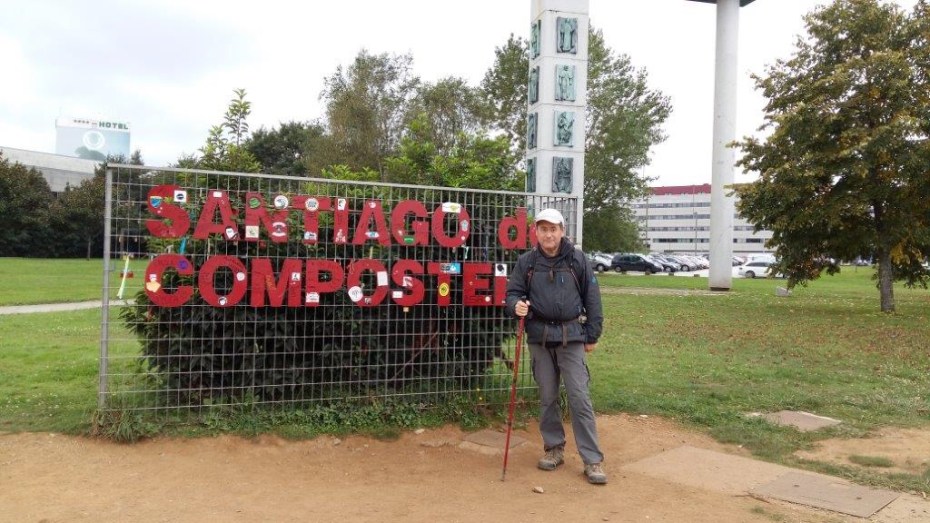
The Via Postumia was a road in Northern Italy that was built by the Romans around 150 BC; it led from Aquileia, through the Po valley over the Apennines to the city of Genoa. Today, this historic route largely forms the centerpiece of the new Italian pilgrimage route, the Via Postumia, to Santiago de Compostela in Galicia, Spain.

The Via Postumia is 930 km long and leads from Aquileia to Genoa and crosses the entire north of Italy from east to west, i.e. through the Regions Friuli-Giulia Venezia, Lombardy, Emilia Romagna, Piedmont and Liguria.

What didn’t exist until now, was an arrow-marked pilgrim route that crosses Italy from east to west and continues from Genoa to Menton in France along the Ligurian coast. The idea to develop such a route emerged at the World Meeting of the Associations of Friends of the St. James Way in Krakow in September 2013, on the occasion of the 1200th anniversary of the rediscovery of the body of St. James. Shortly after his return from this World Meeting in Poland, Andrea Vitiello began this task and decided to trace and re-enact the paths of medieval pilgrims from the East through Italy using advice and opinions from historians, other experts and friends.

The gigantic task of Andrea was to create a route that fit into the map and the network of all the St. James Ways in Europe. Another objective of his project is to promote and support the local businesses along the newly created Via Postumia pilgrimage route.

The result of this great initiative is commendable. The Way of St. James through Italy was formally restored. I am convinced that pilgrims who choose this route through Italy on their way to Santiago de Compostela will be delighted in every way! The Via Postumia crosses the wonderful landscapes of northern Italy on quiet and signposted paths, past nine UNESCO heritage sites and through some of the most beautiful cities in Italy. I am already looking forward to this historic, culinary and spiritual pilgrimage through Italy.

Further and detailed information such as maps, directions, hotels and hostels, etc. can be found under the following link: http://www.viapostumia.eu

Via Postumia

The Via Postumia in Northern Italy

Die Via Postumia war eine um das Jahr 150 v. Chr. gebaute Römerstrasse in Italien, die von Aquileia, durch die Poebene über die Apenninen bis nach Genua führte. Dieser historische Weg bildet heute weitestgehend das Kernstück des Italienischen Pilgerwegs, die Via Postumia, nach Santiago de Compostela in Galizien, Spanien.

Dieser Weg, die Via Postumia, ist eine etwa 930 km lange Route die von Aquileia nach Genua führt und den gesamten Norden Italiens von Osten nach Westen durchquert, also Friaul-Julisch Venetien, Lombardei, Emilia Romagna, Piemont und Ligurien.

Was es bis jetzt nicht gab, war eine mit Pfeilen markierte Pilger Route die Italien von Osten nach Westen durchquert und von Genua weiter nach Menton in Frankreich entlang der ligurischen Küste führt. Die Idee einen solchen Weg zu entwickeln entstand am Welttreffen der Jakobsvereine im September 2013 in Krakau, anlässlich des 1200-jährigen Jubiläums der Wiederentdeckung des Leichnams des Heiligen Jacobus. Kurz nach seiner Rückkehr von diesem Weltmeeting in Polen begann Andrea Vitiello mit dieser Aufgabe und beschloss anhand von Ratschlägen und Meinungen von Historikern, anderen Experten und Freunden die Wege mittelalterlicher Pilger aus dem Osten durch Italien zurückzuverfolgen und nachzubilden.

Die gigantische Aufgabe von Andrea bestand darin, eine Route zu erstellen, die in die Karte und das Netzwerk aller Jakobswege von Europa passte. Ein weiteres Ziel seines Projekts ist die Förderung und Unterstützung der lokalen Unternehmen entlang der neu geschaffenen Pilgerroute Via Postumia.

Das Ergebnis dieser großartigen Initiative ist lobenswert. Der Jakobsweg durch Italien wurde formal wieder hergestellt. Ich bin überzeugt, dass Pilger, die diese Route durch Italien auf ihrem Weg nach Santiago de Compostela wählen, in jeder Hinsicht begeistert sein werden! Die Via Postumia durchquert die wundervollen Landschaften Norditaliens auf ruhigen und beschilderten Wegen, vorbei an neun UNESCO-Kulturstätten und durch einige der schönsten Städte Italiens. Ich freue mich schon jetzt auf diesen historischen, kulinarischen und spirituellen Pilgerweg durch Italien. 

Weitere und detaillierte Informationen wie Karten, Wegbeschreibungen, Hotels und Herbergen, etc. findest Du unter folgendem Link: http://www.viapostumia.eu

Categories: Blogroll, Italy, Jakobsweg, Landmark, Nature, Pilgrimage, Travel, Trekking | Tags: , , , , | Leave a comment

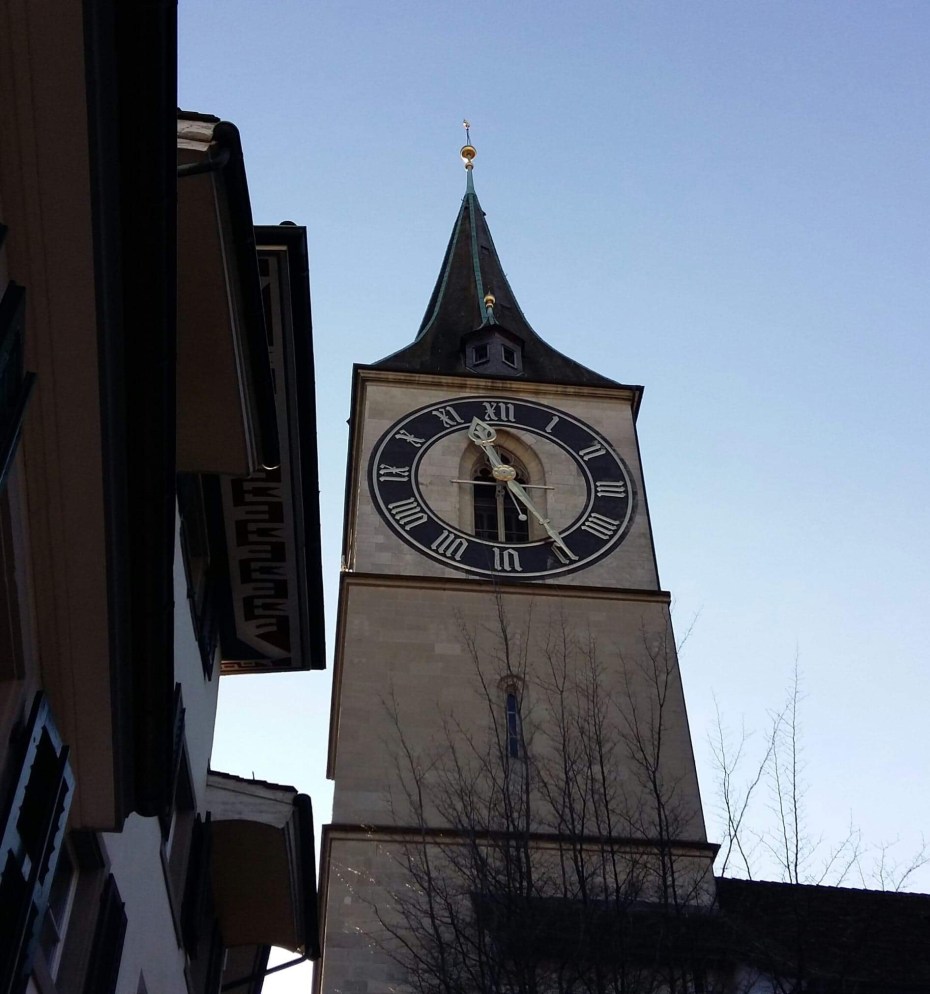
Saint Peter’s Church in Zurich with the largest Clock-Faces in Europe

In the immediate vicinity of the Lindenhof, a small hill in the city of Zurich, where once the Roman settlement of Turicum and the imperial Palatinate lay, is the Church of St. Peter. The church is one of the three old town churches that characterize the silhouette of the city of Zurich.

Like the small tourist group from Cyprus, visitors to the city make daily pilgrimage to St. Peter’s Church in the heart of Zurich. The church has a special feature. One of these tourists wanted to know from me whether the four dials of the tower clock were really bigger than those of the “Big Ben” in London. My reaction to this question was spontaneous, yes, of course, the clock faces of the bell tower of St. Peter’s Church have a diameter of over eight meters, making them the largest in Europe. My answer was acknowledged with a smile and doubtful looks. As a consequence of the tourists reaction, I was questioning my response and started to get smart on the internet. My research has confirmed my spontaneous reaction. The four clock faces of the “Big Ben” tower in London (renamed to “Elizabeth Tower” in September 2012) have each a diameter of seven meters and are thus more than one meter smaller 🙂 compared to the dials of St. Peter‘s Church in Zurich! The result of my research calmed me, the „Tourist Information“ was correct 🙂

Another interesting church in Zurich is the Fraumünster with the world famous stained glass windows by Marc Chagall! In another post I will write in my blog about the extraordinary Chagall windows.

Bell Tower of St. Peter‘s Church in Zurich

Bell Tower of St. Peter‘s Church in Zurich

In unmittelbarer Nähe des Lindenhofs, einem kleinen Hügel in der Stadt Zürich, auf dem einst die römische Siedlung Turicum und die Kaiserpfalz lagen, befindet sich die Kirche St. Peter. Die Kirche ist eine der drei alten Stadtkirchen, die die Silhouette der Stadt Zürich prägen.

Wie jene kleine Touristengruppe aus Zypern pilgern die Besucher der Stadt hinauf zur Peterskirche im Herzen von Zürich. Das Gotteshaus hat eine Besonderheit. Einer dieser Touristen wollte von mir wissen, ob die vier Zifferblätter der Turmuhr wirklich grösser seien als jene des „Big Ben“ in London. Meine Reaktion auf diese Frage war spontan, ja, natürlich haben die Zifferblätter des Glockenturms der St. Peterkirche einen Durchmesser von über acht Metern und sind damit die größten in Europa. Meine Antwort wurde mit einem Lächeln und zweifelhaften Blicken quittiert. Als Folge der Reaktion dieses Touristen, war ich plötzlich verunsichert und begann mich im Internet schlau zu machen. Meine Recherche hat meine spontane Reaktion bestätigt, die vier Zifferblätter des “Big Ben” Turms in London (er wurde im September 2012 in “Elizabeth Tower” umbenannt) haben jeweils einen Durchmesser von sieben Metern und sind somit um mehr als einen Meter kleiner 🙂 als die Zifferblätter der Kirche St. Peter in Zürich! Das Resultat meiner Researcharbeit hat mich beruhigt, die „Touristenauskunft“ war richtig 🙂

Eine weitere interessante Kirche in Zürich ist das Fraumünster mit den weltberühmten Glasfenstern von Marc Chagall! In einem anderen Beitrag werde ich in meinem Blog über diese aussergewöhnlichen Chagall Fenster schreiben.

Categories: Blogroll, Church, Landmark, Switzerland, Travel, Zurich | Tags: , , , , | 2 Comments

Pilgrims love „El Bar de Elvis“

If you ever walk the Camino de Santiago, you should not miss a bar! This bar is definitely the strangest bar I’ve seen on the Camino. It reminds me of a movie, but I do not remember which one it was? The graffiti-covered Bar de Elvis in Reliegos comes after a long sweaty hike on the Meseta. I had a great time in this bar, crazy rock music and oldies, good food, fab tapas, the best “boccadillos”, excellent wine and of course a wonderful company. The Elvis Bar, the meeting place for tired pilgrims 🙂

El Bar de Elvis

El Bar de Elvis in Reliegos

Wenn Sie den Camino de Santiago gehen, sollten Sie auf keinen Fall eine Bar verpassen! Diese Bar ist definitiv die seltsamste Bar, die ich auf dem Camino gesehen habe. Es erinnert mich an einen Film, aber ich erinnere mich nicht mehr welcher das war? Die mit Graffiti bedeckte Bar de Elvis in Reliegos kommt nach einer langen schweisstreibenden Wanderung über die Meseta. Ich hatte eine tolle Zeit dort, fetzige Rockmusik und Oldies, gutes Essen, fabelhafte Tapas, die besten „Boccadillos“, ausgezeichneter Wein und natürlich eine wunderbare Gesellschaft. Die Elvis Bar, der Treffpunkt für müde Pilger 🙂

Categories: Blog, Blogroll, Jakobsweg, Spanien, Travel, Weltreisen | Tags: , , , , , , | 3 Comments

Private Guide for your trip to Bulgaria

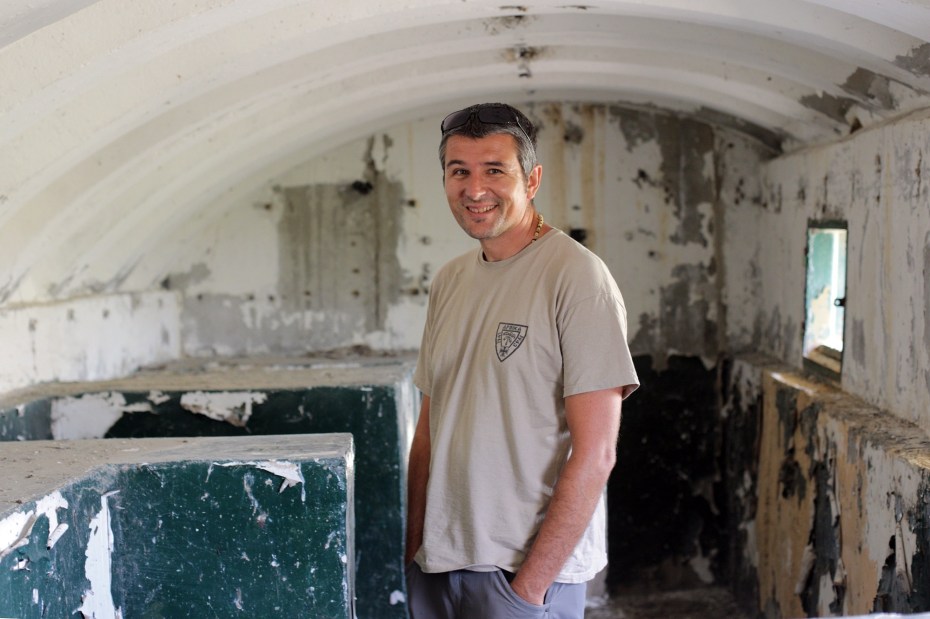
My name is Patrick and I am an independent tour guide based in Sofia, the capital of the wonderful country of Bulgaria. I cater for small groups (maximum four persons) in order to offer the best personal and exclusive service to each and every one of my customers. I am fluent in English and Spanish and of course Bulgarian. I have an unparalleled knowledge of Bulgaria having been a guide here for over 20 years (I know, difficult to imagine for one who looks so young), with a passion for my country’s history, legends, traditions and culture.

Bulgaria Private Guide Patrick

Bulgaria Private Guide Patrick

Working with you before your arrival, we will plan together a 100% customized itinerary tailored to your group’s tastes and needs. I will get your group preferential rates for accommodation, whether you want local guest house hospitality, or 5 star pampered luxury. This pre-planning is key and ensures a tour which never backtracks or repeats.

My air conditioned vehicle is spacious for all passengers and is extremely comfortable on both highways and mountain roads. I love talking about my country as we drive around, but I can assure you I do have an on/off button if you prefer just to listen to music and soak in the countryside.

I offer a wide range of cultural trips including my “Exclusive Bulgaria Grand Tour”, day tours in Sofia and along the Black Sea coast, archaeological and historical tours, research tours, foodie and wine tours, not to mention outdoor activities including hiking, biking, fishing and horseback riding.

I have many guests who come back year after year and my tours have been featured extensively in the magazine International Travel News. Of course, for your peace of mind I am fully licensed and a member of the Association of Bulgarian Tour Guides.

So that’s me – come and let me show you my country!

Contact Bulgaria Private Guide

Dear Travelers, in order to to get in touch with me, please write to my personal mail: bulgariaprivateguide@gmail.com
or contact me through my website:  Bulgaria Private Guide

Post written in co-operation with Bulgaria Private Guide Patrick

Bulgaria Grand Tour

Exclusive Bulgaria Grand Tour

Mein Name ist Patrick und ich bin ein unabhängiger Reiseleiter mit Sitz in Sofia, der Hauptstadt des wunderschönen Landes Bulgarien. Ich kümmere mich um kleine Gruppen (maximal vier Personen), um jedem meiner Kunden den besten persönlichen und exklusiven Service zu bieten. Ich spreche fließend Englisch und Spanisch und natürlich Bulgarisch.

Ich habe ein einzigartiges Wissen über Bulgarien, und ich bin seit über 20 Jahren Reiseführer (ich weiß, schwer vorzustellen für jemanden, der so jung aussieht), mit einer Leidenschaft für die Geschichte, Legenden, Traditionen und Kultur meines Landes.

Vor Deiner Ankunft arbeiten wir mit Dir zusammen und planen gemeinsam eine 100% maßgeschneiderte Reiseroute, die auf die Geschmäcker und Bedürfnisse deiner Gruppe zugeschnitten ist. Ich werde für Deine Gruppe günstige Preise für die Unterkünfte erzielen, egal ob Du und Deine Gruppenmitglieder die Gastfreundschaft eines Gasthauses oder einen luxuriösen 5-Sterne-Luxus wünschen. Diese Vorplanung ist der Schlüssel zu einer einzigartigen Tour, massgeschneidert für Dich und deine Gruppe.

Koprivshtiza

Koprivshtiza

Mein klimatisiertes Fahrzeug ist geräumig für alle Passagiere und ist extrem komfortabel auf Autobahnen und Bergstraßen. Ich liebe es, über mein Land zu reden, während wir herumfahren, aber ich kann Dir versichern, dass ich einen Ein / Aus-Knopf habe, wenn Du nur Musik hören oder die Landschaft genießen willst.

Ich biete eine große Auswahl an kulturellen Reisen, einschließlich meiner “Exclusive Bulgaria Grand Tour”, Tagestouren in Sofia und entlang der Schwarzmeerküste, archäologische und historische Touren, Forschungstouren, Feinschmecker- und Weintouren, ganz zu schweigen von Outdoor-Aktivitäten wie Wandern, Radfahren, Angeln und Reiten.

Ich habe viele Gäste, die Jahr für Jahr zurückkommen und meine Touren wurden ausführlich in der Zeitschrift International Travel News vorgestellt. Natürlich, um Dich zu beruhigen, ich bin voll lizenziert und Mitglied der Vereinigung der bulgarischen Reiseleiter.

Also das bin ich – komm und lass mich Dir mein Land zeigen!

Nessebar

Nessebar

Contact Bulgaria Private Guide

Lieber Reisender, um mich zu kontaktieren schreibe mir doch ein persönliches Mail: bulgariaprivateguide@gmail.com

oder kontaktiere mich über meine Webseite: Bulgaria Private Guide

Artikel geschrieben in Zusammenarbeit mit Bulgaria Private Guide Patrick

Categories: Blogroll, Bulgarien, Travel | Tags: , , , , , | 2 Comments

Scriabin‘s „Poem of Fire“ by Irene Mueller

Alexander Nikolayevich Scriabin was the first composer who wanted to synthesize music with colors. He created his own color-tone-mapping system by assigning colors to specific pitches. In the symphonic composition “Prometheus” op. 60, (1910), also known as “the poem of fire”, Scriabin used a purpose built color organ that projected colors onto the wall as the pitches were played. With this organ he made possible the projection of the so-called “Luce Voice” in the score of “Prometheus”.

Repeatedly, scriabin compositions were done with paints. In fact, the impact of Scriabin’s multimedia idea was enormous. Even today artists regard his works as a great source of inspiration.

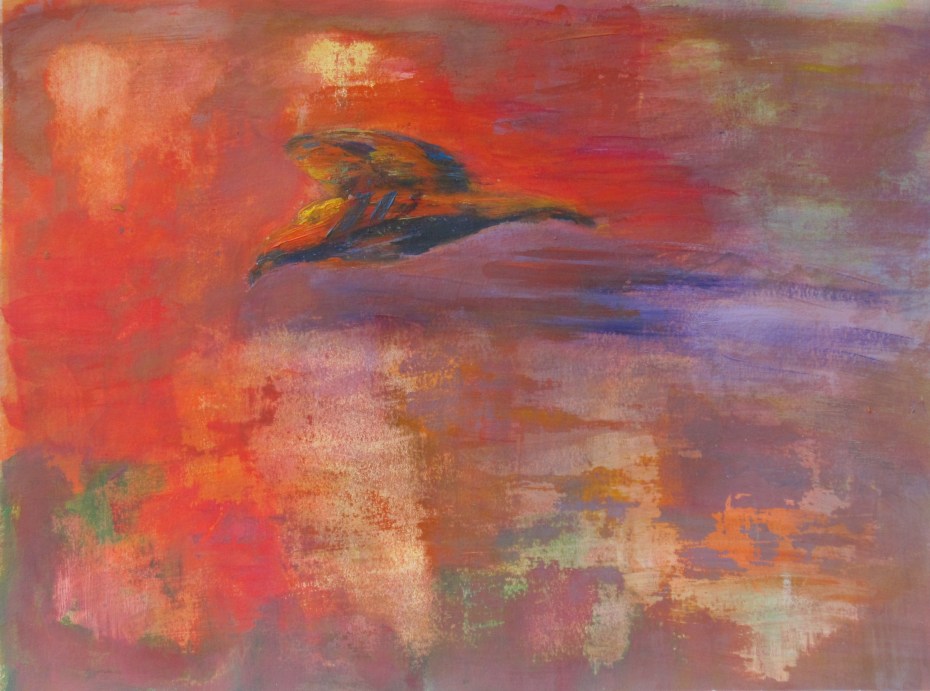
Music has the power to give the soul certain emotions and reflect certain moods; there are natural affinities between the human soul and the harmonies and rhythms. Irene Mueller tried to put her soul into Scriabin’s music, but ignored the parallels between the colors and sounds of his system. By doing so and imagining herself light and fire, unconsciously and intuitively she gave birth to thirteen paintings.

Bird of Fire - Irene Mueller

Bird of Fire – Irene Mueller

Alexander Nikolajewitsch Skrjabin war der erste Komponist, der Musik mit Farben synthetisieren wollte. Er schuf sein eigenes Farb-Ton-Mapping-System, indem Farben bestimmten Tonhöhen genau zugeordnet wurden. In der sinfonischen Komposition “Prometheus” op. 60, (1910), auch bekannt als “das Gedicht des Feuers”, verwendete Scriabin eine eigens dafür gebaute Farborgel, die Farben an die Wand projizierte, wenn die Tonhöhen gespielt wurden. Mit dieser Orgel ermöglichte er die Projektion des sogenannten “Luce Voice“ in der Partitur von „Prometheus“.

Kompositionen von Scriabin mit Farben wurden wiederholt aufgeführt. In der Tat war der Einfluss von Scriabins Multimedia-Idee enorm. Auch heute betrachten Künstler seine Werke als große Inspirationsquelle.

Die Musik hat die Kraft, der Seele bestimmte Emotionen zu verleihen und bestimmte Stimmungen zu reflektieren; es gibt natürliche Affinitäten zwischen der menschlichen Seele und den Harmonien und Rhythmen. Irene hat versucht, ihre Seele in Skrjabins Musik einzubringen, hat aber die Parallelen zwischen Farben und Klängen seines Systems ignoriert. Indem sie dies tat und sich Licht und Feuer vorstellte, brachte sie unbewusst und intuitiv dreizehn Bilder zur Welt.

Categories: Art, Blogroll, Kunst, Kunstmaler, Museum, Switzerland, Travel | Tags: , , , , | Leave a comment

Stromboli an Aeolian Island

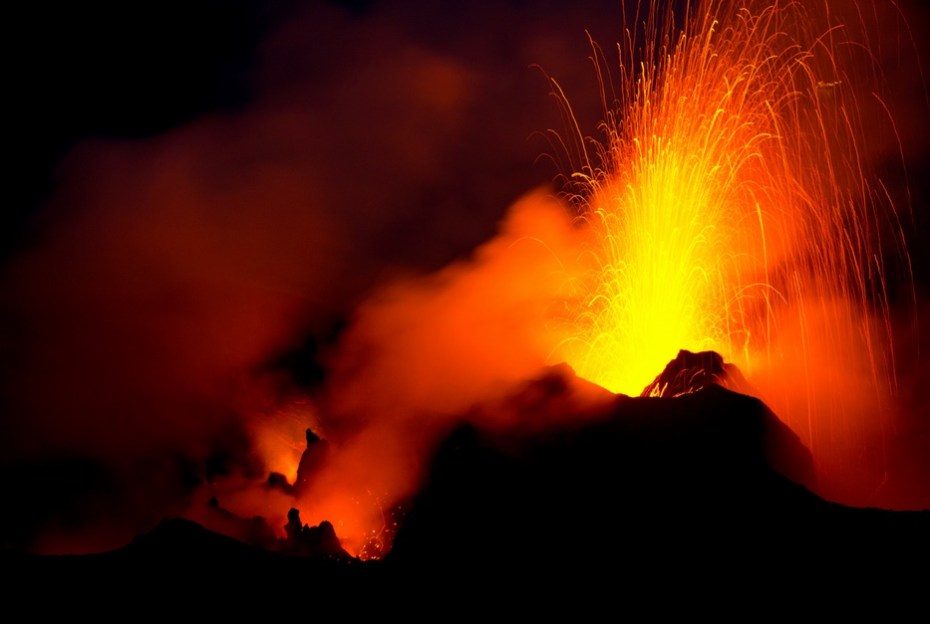
Do you know the volcanic island of Stromboli in the Tyrrhenian Sea? If not, I can recommend this island for a shorter or longer stay! Stromboli belongs with its neighboring islands Lipari, Salina, Panarea, Vulcano, Filicudi and Alicudi to the archipelago of the Aeolian Islands. Stromboli is regularly reached by hydrofoil from the Sicilian port of Milazzo or by ferry from Naples. The island became famous in the 1950s with the melodramatic film “Stromboli” by Roberto Rossellini with Hollywood star Ingrid Bergman, who stayed on the island for some time. Their former residence is today a tourist attraction, the house is decorated with a plaque and is located at the exit of the village near the church.

The main attraction of the island is undoubtedly the active volcano Stromboli, which erupts two or three times an hour! Particularly impressive are the eruptions at night! Day tourists climb the volcano and approach the mouth of the crater at a safe distance to shoot unforgettable photos of the exploding volcano. Of course, such ascents are only allowed with authorized mountain guides! My guide was a “retired” dog of a former mountain guide, unfortunately I forgot the name of my four-legged friend. 

Every morning my friend was waiting for me in front of the church at the main square of the village. He walked in front of me and regularly reassured himself turning his head that I still followed him. This dog showed me the way up to the last permitted vantage point for hikers without an official mountain guide. During my six week stay in spring on the island I climbed the Stromboli 36 times together with “my” dog!

You might wonder, what does someone do in Stromboli if one is not climbing the volcano? My short answer, enjoy life, relax, eat very well and rest. In our hectic world, there are few places where one can do that in a remote but civilized environment like Stromboli!

Stromboli Island

Stromboli Island

Kennen Sie die Vulkaninsel Stromboli im Tyrrhenischen Meer? Wenn nicht, kann ich dieses Eiland für einen kürzeren oder längeren Aufenthalt empfehlen! Stromboli gehört mit seinen Nachbarinseln Lipari, Salina, Panarea, Vulcano, Filicudi und Alicudi zur Inselgruppe der Äolischen Inseln. Stromboli ist regelmässig mit dem Tragflügelboot von der Sizilianischen Hafenstadt Milazzo oder mit dem Fährschiff von Neapel aus zu erreichen. Berühmt wurde die Insel in den 1950er Jahren mit dem melodramatischen Film „Stromboli“ von Roberto Rossellini mit dem Hollywoodstar Ingrid Bergman welche für einige Zeit auf der Insel weilte. Ihre damalige Bleibe ist heute eine touristische Attraktion, das Haus ist verziert mit einer Gedenktafel und liegt am Ausgang des Dorfes unweit der Kirche. 


Vulcano Stromboli

Vulcano Stromboli

Die Hauptattraktion der Insel ist aber ohne Zweifel der aktive Vulkan Stromboli, welcher zwei oder dreimal pro Stunde Rauch und Feuer speit! Besonders eindrücklich sind die Eruptionen während der Nacht! Tagestouristen besteigen den Vulkan und nähern sich dem Kratermund in sicherer Distanz um sich unvergessliche Fotos des ausbrechenden Vulkans zu schiessen. Natürlich sind solche Besteigungen nur mit autorisierten Bergführern erlaubt! Mein Führer war ein „pensionierter“ Hund  eines ehemaligen Bergführers, den Namen des Vierbeiners habe ich leider vergessen. Mein vierbeiniger Freund erwartete mich jeden Morgen vor der Kirche im Dorfzentrum. Er trottete vor mir her und versicherte sich regelmässig mit einem Blick zurück, dass ich ihm auch folgte. Dieser Hund zeigte mir den Weg hinauf bis zum letzten noch erlaubten Aussichtspunkt für Wanderer ohne einen offiziellen Bergführer. Während meines sechs wöchigen Insel Aufenthalts im Frühjahr habe ich den Stromboli zusammen mit „meinem“ lieben Freund 36 mal bestiegen!

Sie fragen sich vielleicht, was macht jemand in Stromboli, wenn man nicht den Vulkan erklimmt? Meine kurze Antwort, genießen Sie das Leben, entspannen Sie sich, essen Sie sehr gut und ruhen Sie sich aus. In unserer hektischen Welt gibt es nur wenige Orte, wo man das in einer abgelegenen, aber zivilisierten Umgebung wie Stromboli machen kann!

Categories: Blogroll, Italy, Monument, Nature, Travel, Trekking | Tags: , , , , , , , , , , , | 3 Comments

Plovdiw – Europe‘s Capital of Culture

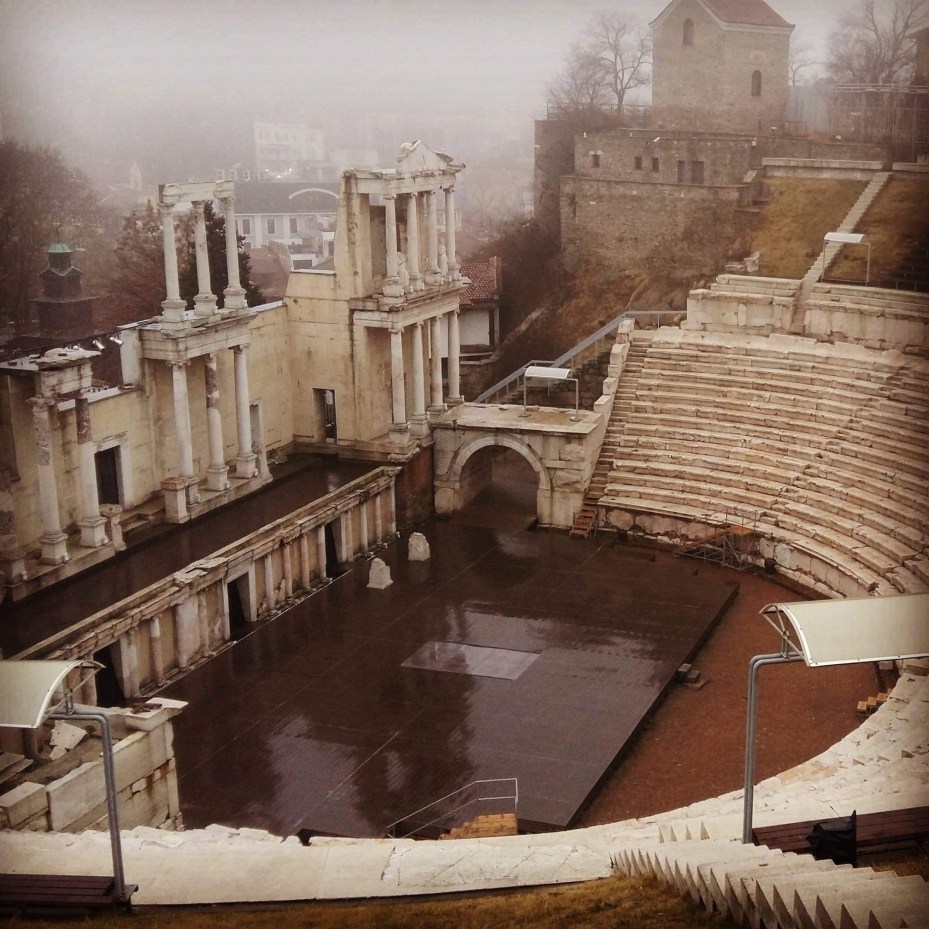
Plowdiw, located in the Thracian Plain, with its “only” 350,000 inhabitants, is the second largest city of Bulgaria and is next to the Italian town Matera one of the two cultural capitals of Europe for the year 2019. The city, also known for its university, is located southeast of Sofia and can be reached by car in just under two hours. Train and bus lines, as well as a small airport, connect the world with Plovdiw which is one of the most important centers of the country for industry, trade and tourism. It was no coincidence that Bulgaria’s “Sleeping Beauty”, the city of Plovdiw, was named European Capital of Culture for this year. As you approach the city by car, you are crossing quarters with the same prefabricated buildings and houses as in many other socialist towns elsewhere. In the heart of Plovdiw, however, visitors will discover one of Europe’s oldest cities. Plovdiw, or Phillipopolis, was once the most beautiful city in Thrace. Today, it is also known as the “Bulgarian Rome”. When you stroll through the streets and alleyways of the Old Town, past the magnificent patrician houses from the time of the Bulgarian Renaissance, you will travel back in time through the history of Bulgaria. The Roman theater, the ancient stadium, the tombs, the third oldest mosque in the Balkans, the Archaeological Museum, and much more testify to a great past of this beautiful town.

Plovdiw

Ancient Roman Theater in Plovdiw

Plowdiw, gelegen in der Thrakischen Ebene, ist mit seinen „nur“ 350’000 Einwohner die zweitgrösste Stadt von Bulgarian und ist für das Jahr 2019 neben Matera in Italien eine der beiden Kulturhauptstädte Europas. Die Stadt, auch bekannt für seine Universität, liegt südöstlich von Sofia und ist mit dem Auto in nur knapp zwei Stunden zu erreichen. Zug- und Buslinien sowie ein kleiner Flughafen verbinden die Welt mit Plovdiw, einem der wichtigsten Zentren des Landes für Industrie, Handel und Tourismus. Nicht umsonst wurde Bulgariens „schlafende Schönheit“, die Stadt Plovdiw zur diesjährigen Kulturhauptstadt Europas gekürt. Wenn man sich mit dem Auto der Stadt nähert, durchquert man Quartiere mit denselben Plattenbauten und Gebäuden wie in vielen anderen sozialistischen Einheitsstädten anderswo.

Old town Plovdiw

Old town Plovdiw

Jedoch im Herzen der Stadt eröffnet sich den Besuchern eine der ältesten Städte Europas. Plovdiw oder auch Phillipopolis war einst die schönste Stadt Thrakiens und gilt heute auch als das „bulgarisches Rom“. Wer durch die Strassen und Gassen der Altstadt schlendert, vorbei an den prächtigen Bürgerhäuser aus der Zeit der bulgarischen Renaissance, unternimmt eine Zeitreise durch die Geschichte Bulgariens. Das römische Theater, das antike Stadion, die Grabstätten, die drittälteste Moschee des Balkans, das Archäologische Museum, und vieles mehr zeugen von einer grossen Vergangenheit dieser wunderschönen Stadt.

Categories: Blogroll, Bulgarien, Events, History, Landmark, Monument, Museum, Travel | Tags: , , | 5 Comments

Hotels in Santiago de Compostela for „tired“ Pilgrims

Dear pilgrim friends, are you tired and would you like to end your Camino in Santiago de Compostela? Perhaps my hotel recommendations could help you in choosing an accommodation.

My selection criteria for my list of recommendations are based on the experience and feedback of many pilgrims, ratings and reviews in social media and of course my personal preferences and evaluation criteria, such as a good bed, cleanliness, good location, friendliness of the hotel staff and last but not least value for money.

Nevertheless, my Hotel selection is subjective and many of the hotels not listed here are also excellent and can also be booked with the enclosed link through Booking.com

BOOK NOW and CLICK HERE

Rolandomio’s Hotel Recommendations for „tired“ pilgrims in Santiago de Compostela: 

Hostal Suso (-); Hospederia San Martin Pinario (*); Pension Residencia Fonseca (*); Casa Celsa Barabantes (**); Hotel Bonaval (**); PR Libredón (**); Nest Style (***); Hotel Rua Villar (***); Hotel Lux (***); Altair Hotel (***); San Francisco Hotel Monumento (****); NH Collection Santiago de Compostela (****); Hostal Reis Catolicos (*****)

Buen Camino!

Santiago de Compostela Santiago de Compostela

Liebe Pilgerfreunde, seid ihr müde und möchtet ihr euren Jakobsweg in Santiago de Compostela noch ausklingen lassen; dann könnten euch meine Hotelempfehlungen als Entscheidungshilfe bei der Wahl einer Unterkunft nützlich sein. 

Meine Auswahlkriterien für diese Empfehlungsliste basieren auf Erfahrungen und Feedback vieler Pilger, Ratings und Bewertungen in Sozialen Medien und selbstverständlich meine ganz persönlichen Präferenzen und Bewertungskriterien, wie zum Beispiel ein gutes Bett, Sauberkeit, gute Lage, Freundlichkeit des Hotelpersonals sowie ein gutes Preis-Leistungsverhältnis.

Meine Hotelauswahl ist jedoch subjektiv und viele der hier nicht gelisteten Hotels sind ebenfalls ausgezeichnet und können über den beigefügten Link bei Booking.com gebucht werden.

JETZT BUCHEN mit einem CLICK

Rolandomio’s Hotelempfehlungen für „müde“ Pilger in Santiago de Compostela: 

Hostal Suso (-); Hospederia San Martin Pinario (*); Pension Residencia Fonseca (*); Casa Celsa Barabantes (**); Hotel Bonaval (**); PR Libredón (**); Nest Style (***); Hotel Rua Villar (***); Hotel Lux (***); Altair Hotel (***); San Francisco Hotel Monumento (****); NH Collection Santiago de Compostela (****); Hostal Reis Catolicos (*****)

Buen Camino!

booking

Categories: Blogroll, Hotel, Jakobsweg, Pilgrimage, Spain, Travel | Tags: , , | Leave a comment

The Bears at Brooks Falls, Alaska

Brooks Falls

Brooks Falls

For many years, I dreamed of traveling to Alaska, at least once in my life, to watch the brown bears how they catch and eat the salmons at the Brooks Falls in the Katmai National Park. This  Preserve is located on the northern Alaska Peninsula, northwest of Kodiak Island and southwest of Homer. Unlike most national parks in the United States, Katmai is almost exclusively accessed by plane or boat. Last year, the time has finally come! My adventure trip to the Brooks Falls began with a flight from Anchorage to King Salmon with Katmai Air and from there in a small float plan to the Brooks Lodge. Upon arrival, the new visitors were briefed by the Rangers on how to behave, i.e. the „do’s and the don’ts“ inside and outside the lodge to avoid or at least to reduce the risk of human-bear conflicts. There we learned that the best defense is knowledge, preparation, and prevention. In fact, to be better prepared for encounters with bears, one should acquire knowledge about bear biology, ecology and behavior before visiting the Katmai National Park.


My conclusion after this Briefing was that – I WAS NOT PREPARED and bears were everywhere!  They were near the moored float planes, the camp and lodges, and two bears crossed may way after I left the main lodge! The distance from Brooks Lodge to the viewing platform at the Fall was „only“ 1000 meters … I was not frightened 🙂 and followed the following basic safety instructions that we just learned a few minutes ago 🙂

  • Be Alert!
  • Hike and Travel in Groups!
  • Make Noise and warn the Bears of your approach – they may shy away  
  • Do Not Approach Bears – if you encounter them by surprise, they could become defensive and dangerous!
  • Play dead if you are physically charged!

Bearing all this in mind, I was walking in a small Group and we were singing and clapping in our hands all the way, partly through a forest,  until we reached the Fall Platform which is located immediately adjacent to Brooks Fall. 

In short, watching the bears in the Brooks River how they catch and enjoy eating the salmons was an unforgettable experience. For this experience you do not have to fly to Katmai in Alaska. I have inserted for you in this post a short video. In this clip you can follow the bears from the viewing platform at Brooks Falls.

Viele Jahre lang träumte ich davon, mindestens einmal in meinem Leben nach Alaska zu reisen, um den Braunbären bei den Brooks Falls im Katmai National Park zuzusehen wie sie die flussaufwärts schwimmenden Lachse aus dem Wasser fischen und verzehren. Das Katmai Reservat befindet sich auf der nördlichen Halbinsel Alaska, nordwestlich von Kodiak Island und südwestlich von Homer. Im Gegensatz zu den meisten Nationalparks in den Vereinigten Staaten ist Katmai eigentlich nur mit dem Flugzeug oder Boot erreichbar. Letztes Jahr war es dann soweit. Meine Abenteuerreise zu den Brooks Falls begann in Anchorage mit einem Flug nach King Salmon und von dort ging’s dann weiter in einem kleinen Wasserflugzeug zur Brooks Lodge. Nach der Ankunft wurden die neuen Besucher von den Parkwächtern kurz angewiesen wie man sich innerhalb und ausserhalb der Lodge zu verhalten hat, d.h. die „dos and don’ts“ um das Risiko von Mensch-Bär-Konflikten zu vermeiden oder mindestens zu verringern.

Katmai Air at Brooks Lodge Alaska

Katmai Air at Brooks Lodge, Alaska

Dort hatten wir gelernt, dass die beste Verteidigung Wissen, Vorbereitung und Prävention ist. In der Tat, um auf Begegnungen mit Bären besser vorbereitet zu sein, sollte man sich vor dem Besuch des Katmai Nationalparks Wissen über Bärenbiologie, Ökologie und Verhalten aneignen. 

Mein Fazit nach diesem Briefing war – ich BIN NICHT VORBEREITET und Bären waren überall! Sie waren in der Nähe der vertäuten Wasserflugzeuge, des Lagers und der Hütten, und zwei Bären kreuzten meinen Weg in einer Entfernung von zwei Meter nachdem ich die Hauptlodge verlassen hatte! Die Distanz von der Brooks Lodge zur Aussichtsplattform an der Flussschwelle („the Fall“) war NUR 1000 Meter! … ich hatte keine Angst 🙂 und befolgte die folgenden grundlegenden Sicherheitsanweisungen, die wir gerade, vor ein paar Minuten, gelernt hatten 🙂

  • Sei Wachsam!
  • Gehe in Gruppen!
  • Mache Geräusche und warne die Bären vor deiner Annäherung – sie werden dich höchstwahrscheinlich meiden und sich zurückziehen!
  • Gehe nicht auf die Bären zu – wenn du sie überrumpelst, könnten sie defensiv und gefährlich werden!
  • Spiele tot, wenn sie dich körperlich attackieren!

In Anbetracht dessen schloss ich mich einer kleinen Gruppe an. Auf dem ganzen Weg, teilweise durch einen Wald, sangen und klatschten wir in unsere Hände bis wir die Aussicht-Plattform erreichten welche sich direkt neben dem Brooks Fall befindet.

Kurz gesagt, es war ein unvergessliches Erlebnis, den Bären im Brooks River zuzusehen, wie sie die Lachse fangen und genussvoll verspeisen. Für dieses Erlebnis musst Du nicht nach Katmai in Alaska fliegen, ich habe für Dich in diesem Beitrag ein kurzes Video eingefügt. In diesem Clip kannst Du die Bären von der Aussichtsplattform an den Brooks Falls verfolgen!

Categories: Alaska, Blogroll, Nature, Travel, United States of America, Weltreisen | Tags: , , , , , | 1 Comment

Blog at WordPress.com.