St. Isaac‘s Catherdral in St. Petersburg, Russia

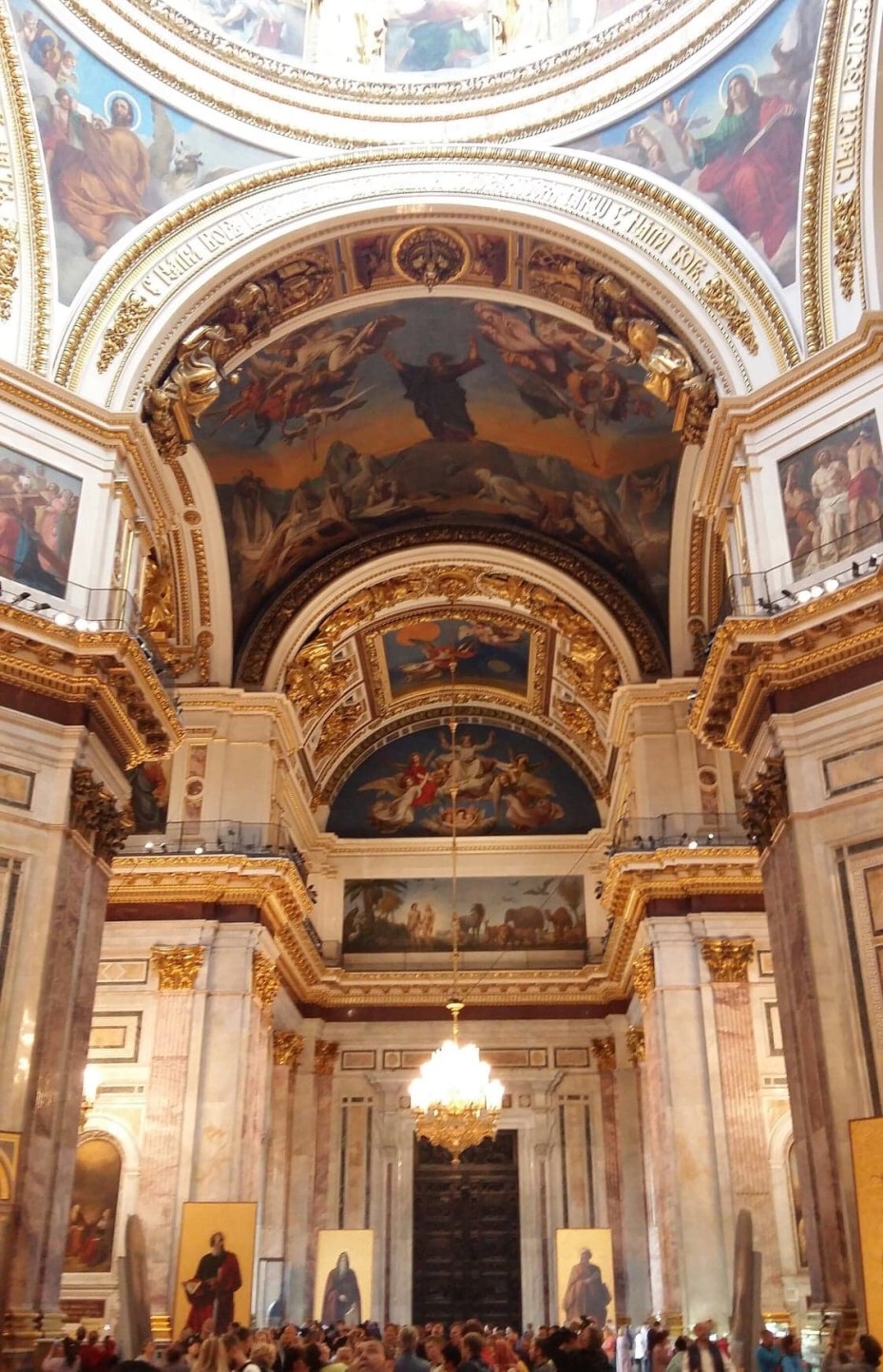
St. Isaac’s Cathedral is the largest church in St. Petersburg and one of the largest sacral domes in the world. The magnificent building, once the main church of the Russian Empire, was converted in Soviet times to an art museum. In 2017, an attempt by the city governor to transfer this neoclassical cathedral to the Russian Orthodox Church failed due to the resistance of the people of St. Petersburg. The interior of the cathedral is very impressive. Can you imagine, there is space for more than 10‘000 people in this church. It takes your breath away from the sheer splendor, the paintings on the walls, the beautiful frescoes on the ceilings, the altar and the sculptures are very, very impressive! For me, however, even more impressive was the panoramic view of the city of St. Petersburg from the upper visitor platform of the main dome. To avoid the hustle and bustle, I advise to climb up to the dome (visitors platform) around noon because the scrum can be really uncomfortable in such dizzy heights 🙂 However, you should not shy away from the climb, it’s worth it! Have fun!

St. Isaac‘s Cathedral in St. Petersburg, Russia

St. Isaac‘s Cathedral in St. Petersburg, Russia

Die Isaakskathedrale ist die grösste Kirche St. Petersburg’s und einer der grössten sakralen Kuppelbauten der Welt. Der Prunkbau, einst die Hauptkirche des Russischen Kaiserreichs, wurde zu Sowjetzeiten als Kunstmuseum eingerichtet. Der Versuch des Stadt Gouverneurs diese klassizistische Kathedrale an die russisch-orthodoxe Kirche zur Nutzung zu übergeben scheiterte 2017 am Widerstand der Bevölkerung St. Petersburg’s. Der Innenraum der Kathedrale ist sehr beeindruckend. Stell Dir vor, in dieser Kirche finden mehr als 10‘000 Menschen Platz! Es verschlägt Dir von der schieren Pracht den Atem, die Gemälde an den Wänden, die wunderschönen Fresken an den Decken, der Altar und die Skulpturen sind sehr, sehr eindrucksvoll!

St. Isaac‘s Cathedral - view over St. Petersburg from the visitors platform

St. Isaac‘s Cathedral – view over St. Petersburg from the visitors platform

Für mich jedoch noch beeindruckender war die Rundumsicht auf die Stadt St. Petersburg von der oberen Besucherplattform der Hauptkuppel. Um dem Gedränge zu entgehen, rate ich den Aufstieg auf die Kuppel (Besucherplattform) um die Mittagszeit ins Auge zu fassen. Dort oben in schwindliger Höhe kann sonst das Gedränge wirklich unangenehm werden. Ihr solltet den Aufstieg aber nicht scheuen, es lohnt sich! Viel Vergnügen!

Categories: Blogroll, Church, History, Kunst, Landmark, Museum, Russia, Saint Petersburg | Tags: | 8 Comments

The Anguilla Bank

Although I did not sight any personally, there are a lot of humpback whales between St. Barts, St. Martin and Anguilla around this time! Had humpback whales a passport, their place of birth would be “Anguilla Bank” 🙂

Fun aside, the humpback whales overwinter around these three Caribbean islands to breed from January to June, peaking in the months of March and April. They love the low waters of the Anguilla Bank plateau which connects these three islands. The shallow waters between 30 and 50 meters are acoustically ideal for the whale song, with which the males attract the females. It is equally conducive to mating and allows the females to give birth and suckle their calves free of predators after a pregnancy of about 12 months.

After mating, or in the event of a birth, the whales and their offspring make the long and tedious journey to the cold areas of the north, such as the waters off Greenland, Iceland or Norway to feed themselves.

Voyager connects St. Martin and St. Barths by ferry 7 days a week, with a minimum of three crossings a day. Visit the website for more details and booking of your next trip: http://www.voy12.com

Ich habe zwar keine persönlich gesichtet, aber Buckelwale gibt es hier zwischen St. Barts, St. Martin und Anguilla während dieser Jahreszeit in „grösseren“ Mengen! Hätten Buckelwale einen Passport, würde unter Geburtsort „Anguilla Bank“ stehen 🙂

Spass beiseite, die Buckelwale überwintern rund um diese drei Karibischen Inseln, um von Januar bis Juni zu brüten, mit einem Höhepunkt in den Monaten März und April. Sie suchen das niedrige und relativ flache Wasser des Plateaus der Anguilla Bank welche diese drei Inseln verbindet. Die Untiefe der Gewässer zwischen 30 und 50 Meter ist akustisch ideal für das Wallied, mit dem die Wale die Weibchen anlocken. Es ist gleichermaßen förderlich für die Paarung und erlaubt den Weibchen nach einer Schwangerschaft von etwa 12 Monaten ihre Kälber frei von Raubtieren zur Welt zu bringen und zu säugen.

Nach der Paarung oder im Fall einer Geburt machen sich die Wale mit ihren Nachkommen auf den langen und mühsamen Weg zu den kalten Gegenden des Nordens wie zum Beispiel in die Gewässer vor Grönland, Island oder Norwegen um sich dort zu ernähren.

Categories: Blogroll | 4 Comments

Gibraltar International Airport

The Gibraltar International Airport is unique in the World. The runway crosses Winston Churchill Avenue, the only road link with Spain. For pedestrians and cars there are neither over nor underpasses to cross the airfield. Actually, the road over the runway is closed, similarly to train crossings, at every take-off and landing. 

The Airport’s terminal building is adjacent to Gibraltar’s land border with Spain and only a few hundred meters from Gibraltar‘s city center away with its busy shopping mile the „Main Street“. 

There are weekly flights by British Airways and Easyjet to Gibraltar from London, Bristol and Manchester in the United Kingdom and one weekly flight from Tangier and Casablanca by Royal Air Maroc. Spanish airlines are not flying to Gibraltar. Malaga is the nearest international airport in Spain. From there you can take a taxi to the border crossing of Gibraltar. A cheaper option is offered by a travel company from Gibraltar which runs a shuttle bus service to and from Malaga airport twice a day.

Der Internationale Flughafen von Gibraltar ist einzigartig in der Welt. Die Landebahn kreuzt die Winston Churchill Avenue, die einzige Strassenverbindung mit Spanien. Um den Flugplatz zu überqueren gibt es weder für Fussgänger noch für Autos Über- oder Unterführungen. Die Strasse über die Landebahn wird ähnlich wie bei Bahnübergängen bei jedem Start und jeder Landung gesperrt. 

Das Terminalgebäude des Flughafens grenzt an die Landesgrenze mit Spanien und ist nur wenige hundert Meter von der Innenstadt von Gibraltar mit seiner belebten Hauptstrasse der „Main Street“ entfernt. 

Es bestehen wöchentliche Flugverbindungen nach Gibraltar von London, Bristol und Manchester imVereinigten Königreich mit der British Airways und mit Easyjet sowie ein wöchentlicher Flug von Tangier und Casablanca mit der Royal Air Maroc. Spanische Fluggesellschaften fliegen nicht nach Gibraltar. Malaga ist der nächst gelegene internationale Flughafen in Spanien. Von dort gelangt man über den Landweg mit einem Taxi bis zum Grenzübergang von Gibraltar. Eine günstigere Variante offeriert seit kurzem ein Reiseunternehmen aus Gibraltar welche den Flughafen in Malaga und Gibraltar mit einem Shuttle-Bus einmal morgens und abends bedient. 

Categories: Airport, Blogroll, Gibraltar, Malaga, Spain, Travel | Tags: | 7 Comments

Happy Holidays and thanks a lot for following my Blog!

Dear Followers,

Happy Holidays and thanks a lot for following Rolandomio‘s Travel Blog! 

I am striving to publish interesting posts with travel news, stories, suggestions and recommendations on a regular basis. My major goal with this Blog is to give you travel inspirations and to show you that your „paradise“ is only a plane or train ticket (or boat ride) away.

Travel Blogger

Cheers and thanks a lot for following my Blog!


For all those that are not registered on WordPress, you can receive my Blog posts via E-Mail. ThereforeI invite you to subscribe the Blog by entering your E-Mail Adress at the bottom of this Post „Follow Roandomio Travel via E-Mail“.

Thanks and happy travels!

Cheers, Roland

Categories: Blogroll | Tags: , | 12 Comments

Kartause Ittingen Thurgau

The Charterhouse (Kartause) Ittingen is for me one of the most beautiful places between Zurich and Lake Constance. The Charterhouse is a former Carthusian monastery in the municipality Warth, near Frauenfeld, in the Swiss canton of Thurgau. In the old walls, Carthusian monks dedicated their lives to God. Simple were their cells, the more magnificent their church, in the jubilant Rococo style. In the Charterhouse there is plenty of space for meetings and seminars. Look forward to a stylish hotel, a cozy cellar bar and a large restaurant with seasonal offers from the region and the many homemade specialties. The famous Ittinger Bräu, a top-class Amber beer, is undoubtedly a must when visiting the monastery 🙂 The large complex also includes two museums, the Ittinger Museum and the Museum of Contemporary Art of the Canton of Thurgau. For nature and garden lovers, the Kartause Ittingen is also an interesting place! In addition to the gardens, visitors can extend their walk through the monastery gardens for a walk around the Charterhouse and the surrounding forests and vineyards. And last but not least, the monastery shop with its many regional delicacies is worthwhile a visit! Enjoy!

Kartause Ittingen

Kartause Ittingen

Die Kartause Ittingen ist für mich einer der schönsten Orte zwischen Zürich und dem Bodensee. Die Kartause ist ein ehemaliges Kartäuserkloster in der Gemeinde Warth bei Frauenfeld im Schweizer Kanton Thurgau. In den alten Mauern widmeten Kartäusermönche ihr Leben Gott. Einfach sind ihre Zellen, umso prächtiger ihre Kirche, im jubelnden Stil des Rokoko. In der Kartause gibt es viel Platz für Tagungen und Seminare. Freue Dich auf ein stilvolles Hotel, eine gemütliche Kellerbar und ein grosses Restaurant mit saisonalen Angeboten aus der Region und den vielen hausgemachten Spezialitäten. Das berühmte Ittinger Bräu, ein Amberbier der Extraklasse, gehört ohne Zweifel zu jedem “Klosterbesuch” 🙂

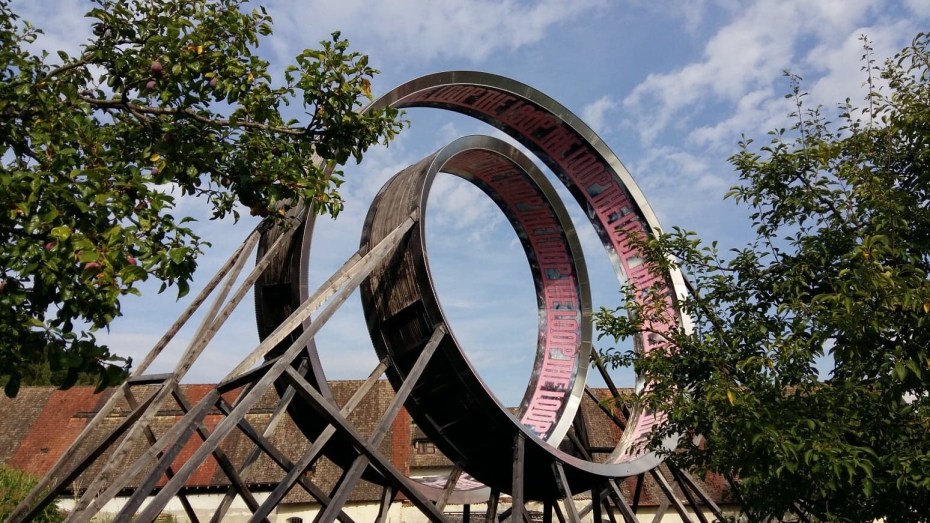
Bildstein & Glatz „The Loop“ Installation in the Kartause Ittingen, Thurgau

Bildstein & Glatz „The Loop“ Installation in the Kartause Ittingen, Thurgau, Switzerland

Die grosse Anlage umfasst ebenfalls zwei Museen, das Ittinger Museum und das Museum für Zeitgenössische Kunst des Kantons Thurgau. Für Natur- und Gartenfreunde ist die Kartause Ittingen ebenfalls ein interessanter Ort! Zusätzlich zu den Gärten können Besucher ihren Spaziergang durch die Klostergärten auf einen Spaziergang um die Kartause und in die umliegenden Wälder und Weinberge ausdehnen. Und zu guter Letzt lohnt sich ein Besuch im Klosterladen mit seinen vielen regionalen Köstlichkeiten! Viel Vergnügen!

Categories: Blogroll, History, Kunst, Landmark, Switzerland | Tags: , , | 2 Comments

Sharky‘s Restaurant in Anguilla, British West Indies

My prophecy, Sharky’s Restaurant, will soon be the next “in-place” for gourmets in Anguilla (BWI)! Absolutely great! We visited Sharky’s last night and believe me, it was more than a surprise! We were greeted by the friendliest staff in an authentic and pleasant environment and were served absolutely incredible food. If you are looking for an excellent local Creole dinner on Anguilla, you will not find a better place than the Sharky’s!

Sharkey’s is a new opened restaurant on Anguilla which has been welcoming guests since Hurricane Irma 18 months ago. It is not an elegant restaurant with sea views. No, but you can expect a wonderful and warm host, who welcomes each guest personally to serve him thereafter a delicious Creole food. You will dine on the outdoor terrace of a colorful Caribbean house and listen to Daniel’s gentle live music. I can guarantee you a relaxing and romantic dinner! You never know, when and if one of your trips will take you to this beautiful Caribbean island, but if you ever set foot on Anguilla, notice, all roads are short and everyone knows Sharky’s Restaurant! Good Appetite!

Sharky‘s Restaurant, Anguilla BWI

Sharky‘s Restaurant, Anguilla (BWI)

Meine Prophezeiung, das Restaurant Sharky´s wird bald der nächste „in-place“ für Feinschmecker in Anguilla (BWI) sein! Absolut top! Wir haben Sharky´s gestern Abend besucht und glaube mir, es war mehr als nur eine Überraschung! Wir wurden vom freundlichsten Personal in einer authentischen und angenehmen Umgebung empfangen und man hat uns absolut unglaubliches Essen serviert. Wenn Du auf Anguilla nach einem ausgezeichneten lokalen kreolischen Abendessen suchst, wirst Du keinen besseren Ort als das Sharky´s finden!

Sharkey´s ist ein neue eröffnetes Restaurant auf Anguilla welches seit dem Hurrikan Irma vor 18 Monaten Gäste empfängt. Es ist kein elegantes Restaurant mit Meerblick. Nein, aber Dich erwartet ein wunderbarer und herzlicher Gastgeber, der gerne jeden Gast persönlich begrüsst um ihm dann ein köstliches kreolisches Essen zu servieren. Du wirst auf der Aussenterrasse eines farbenfrohen karibischen Hauses speisen und zu Daniel‘s sanfter Live-Musik lauschen. Ich kann Dir ein entspannendes und romantisches Abendessen garantieren! Man weiss nie, wann und ob Dich eine Deiner Reisen  auf diese wunderschöne karibische Insel führen wird, aber solltest Du je hier Deinen Fuss auf Anguilla setzten, merke, alle Wege sind kurz und jeder kennt Sharky’s Restaurant! Guten Appetit!

Categories: Anguilla, Blogroll, Food, Travel | Tags: , , , , | 2 Comments

Picasso in Málaga, Spain

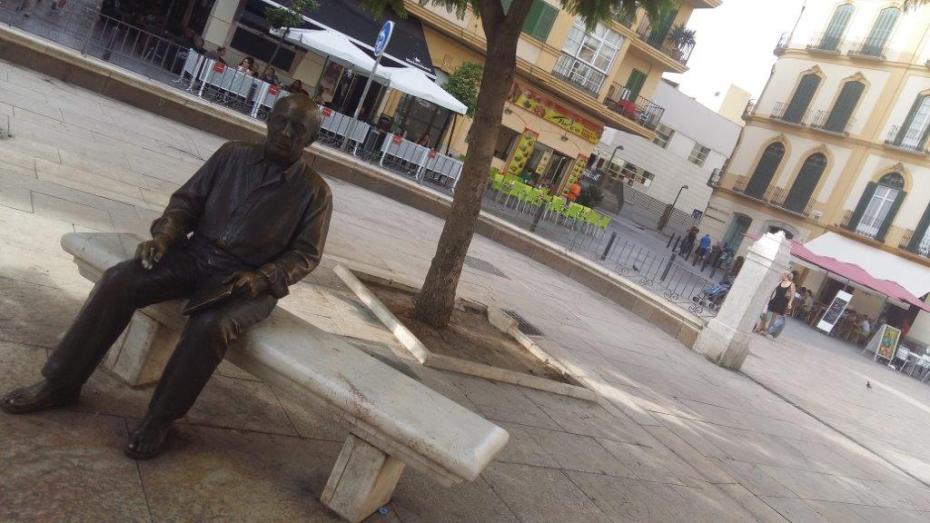
The Plaza de la Merced is one of the most famous squares in Málaga. In the middle of the Plaza stands a large neoclassical obelisk. This monument was built in honor of the general and freedom fighter Torrijos and his 48 comrades who were shot dead on the beach of Málaga in 1831 without a fair trail. However,  the Plaza de la Merced is all about Pablo Picasso; his birthplace is located on the north-western side of this square. Today, in Picasso‘s house is the Fundación Picasso with the Museo Casa Natal. I was looking forward to getting an insight into the home life of the Picasso family during their time in Málaga. Unfortunately, I was a little disappointed. There are a few exhibits of the family and drawings by the artist; but otherwise it is lacking largely original furnishings in order to make oneself an authentic picture of how little Pablo Picasso grew up. The existing furniture is mainly a collection of collected antiques from the late 19th century. Nevertheless, I still find a visit to his birthplace worthwhile, this in addition to the new Museo Picasso Malaga in the Palacio de los Condes Buenavista in Calle San Agustin. In general, the Museo Casa Natal gives a certain overview of the curriculum vitae and the early career of Pablo Picasso. Once you have completed your visit, you will find many bars around the Plaza de la Merced for delicious tapas, a refreshing beer or a fine glass of wine. And last but not least, you can rest on a small park bench next to the seated statue of Pablo Picasso and relax from the hardships of the day.

Pablo Picasso

Pablo Picasso on a bench in the Plaza de la Merced, Malaga

Die Plaza de la Merced gehört zu den berühmtesten Plätzen in Málaga.  In der Mitte der Plaza steht ein großer neoklassizistischer Obelisk. Dieses Denkmal wurde zu Ehren des Generals und Freiheitskämpfers Torrijos und seiner 48 Kameraden erbaut welche 1831 am Strand von Málaga ohne Gerichtsurteil erschossen wurden. Die Plaza de la Merced steht jedoch ganz im Zeichen von Pablo Picasso; sein Geburtshaus steht an der nord-westlichen Seite dieses Platzes. Heute befindet sich in dem Haus die Fundación Picasso mit dem Museo Casa Natal. Ich war gespannt darauf, einen Einblick in das häusliche Leben der Familie Picasso in Málaga zu bekommen. Leider wurde ich ein wenig enttäuscht. Es gibt zwar ein paar wenige Exponate der Familie und Zeichnungen des Künstlers; ansonsten fehlen aber weitgehend Original Einrichtungsgegenstände um sich ein authentisches Bild machen zu können wie der kleine Pablo Picasso aufgewachsen ist. Die vorhandene Möblierung ist vorwiegend eine Sammlung zusammengetragener Antiquitäten aus jener Zeit des späten 19. Jahrhundert. Als Ergänzung zum neuen Museo Picasso Malaga im Palacio de los Condes Buenavista in der Calle San Agustin finde ich einen Besuch des Geburtshauses trotzdem empfehlenswert. Generell gibt das Museo Casa Natal doch einen gewissen Überblick über den Lebenslauf und den Werdegang von Pablo Picasso.

Plaza de la Merced Malaga

Obelisk on the Plaza de la Merced, Malaga

Nach dem Museumsbesuch findet man viele Bars rundum die Plaza de la Merced für leckere Tapas, ein erfrischendes Bier oder ein feines Glass Wein. Und ganz zum Schluss, kann man sich auf einer kleinen Parkbank neben der sitzenden Statue Pablo Picasso von den Strapazen des Tages ausruhen.

Categories: Art, Blogroll, Kunstmaler, Malaga, Museum, Spain, Travel | Tags: , , , , , | 9 Comments

The Lion Monument in Lucerne Switzerland

The Lion Monument is located in the center of the city of Lucerne, in front of the Glacier Garden, a natural monument and museum, and not far from the Bourbaki Panorama on Löwenplatz.

The monument commemorates the heroic death of the Swiss Guards who died in 1792, who protected the French King Louis XVI from his own people and were killed by the revolutionaries in the assault on the Royal Palace and the Tuileries. The carved in stone “dying lion of Lucerne” is one of the most famous monuments in Switzerland. Every year it is visited and photographed by nearly 2 million tourists from all over the world.

Lion Monument Lucerne

The Lion Monument Lucerne

Das Löwendenkmal befindet sich im Zentrum der Stadt Luzern und liegt vor dem Gletschergarten, ein Naturdenkmal mit Museum, unweit vom Bourbaki Panorama am Löwenplatz. 

Das Monument erinnert an den Heldentot der 1792 gefallenen Schweizergardisten die den französischen König Louis XVI vor seinem eigenen Volk beschützten und von den Revolutionären beim Sturm auf das Königliche Schloss und die Tuilerien getötet wurden. Der in Stein gemeisselte „sterbende Löwe von Luzern“ ist eines der bekanntesten Denkmäler in der Schweiz. Jedes Jahr wird er von beinahe 2 Millionen Touristen aus der ganzen Welt besucht und fotografiert.


Categories: Blogroll, Monument, Museum, Switzerland, Travel | Tags: , | 5 Comments

The „Vittoriano“ in Rome

The “Vittoriano” in Rome, or more precisely the “Monumento Nazionale a Vittorio Emanuele ll”, was built in honor of the first king of the newly formed Kingdom of Italy. Planning and construction works began in the late 19th century and were completed in 1927. This impressive monument reminds me of my old Remington typewriter. Actually, it is known by the Romans as the “Macchina da scrivere”. The Vittoriano is located at the Piazza Venezia, a place in the heart of the city that functions  like a magnet, connecting the old and the new Rome. For example, the Forum Romanum and the Colusseum are within walking distance from the Piazza Venezia. 

Vittoriano

Vittoriano

Located at the same piazza is the Palazzo Venezia which was built in the late 15th century by the Venetian Cardinal and Pope Barbo; it was later donated by Pius IV, another Pope, to the Republic of Venezia and it served from 1922 to 1943 as the seat of Mussolini’s fachist government. 

The Palazzo Venezia is an impressive Renaissance building; especially the courtyard with its beautiful fountain impressed me. I believe it’s well worth a visit, particularly during the summer season, there is always something going on, including concerts in the gardens of the Palazzo. Have fun!

Fountain in the gardens of the Palazzo Venezia

Fountain in the gardens of the Palazzo Venezia

Das “Vittoriano” in Rom, oder genauer das “Monumento Nazionale a Vittorio Emanuele ll”, wurde zu Ehren des ersten Königs des neu gegründeten Königreichs Italien erbaut. Die Planungs- und Bauarbeiten begannen im späten 19. Jahrhundert und wurden im Jahre 1927 fertiggestellt. Dieses beeindruckende Denkmal erinnert mich an meine alte Remington Schreibmaschine. Unter Römern wird es auch spasseshalber so genannt („Macchina da scrivere”). Das „Vittoriano“ befindet sich an der Piazza Venezia. Ein Ort im Herzen der Stadt der für mich wie ein Magnet wirkt, es verbindet das Alte mit dem Neuen Rom. Das Forum Romanum mit dem Colusseum ist von der Piazza Venezia aus in wenigen Gehminuten zu erreichen. 

An derselben Piazza befindet sich der Palazzo Venezia, welcher Ende des 15. Jahrhunderts von dem venezianischen Kardinal und Papst Barbo erbaut wurde. Es wurde später von Pius IV., einem anderen Papst, der Republik Venezia geschenkt und diente von 1922 bis 1943 als Sitz der fachistischen Regierung Mussolinis.

Der Palazzo Venezia ist ein beeindruckendes Renaissancegebäude, vor allem der Innenhof mit seinem schönen Brunnen hat mich beeindruckt. Ich glaube, es ist einen Besuch wert, besonders während der Sommersaison ist dort immer etwas los, einschließlich Konzerte in den Gärten des Palazzo. Ich wünsche Dir viel Spass!

Categories: Blogroll, Italy, Monument | Tags: , , | 6 Comments

Queen Astrid Chapel

Yesterday, on my way to Lucerne, I drove past the place where a tragic accident happened 83 years ago. On August 29, 1935, Astrid of Sweden and Queen of Belgium lost her still young life in a tragic car accident. The disaster happened near Lake Lucerne on the Luzernerstrasse, a few hundred meters before the village of Küssnacht am Rigi. On that day in August 1935, the Royal Sedan, a Packard 120 Convertible Coupe, came off the road and crashed into a pear tree. Queen Astrid died at the accident site, the driver King Leopold and a second passenger survived the accident with heavy injuries.

The fate of Queen Astrid shook the world at that time, similar to the accidental death of Princess Diana 21 years ago. Shortly after the accident, work began on building a memorial site at the scene of the accident and the site was inaugurated a year later. The Astrid Chapel and a memorial cross, on a sloping meadow overlooking the lake, are reminiscent of this tragic event in 1935.

Astrid Chapel in Küssnacht am Rigi

Astrid Chapel in Küssnacht am Rigi

Gestern auf meinem nach Luzern bin ich an der Stelle vorbeigefahren, wo sich vor 83 Jahren ein tragischer Unfall ereignete. Am 29. August 1935 verlor Astrid von Schweden und Königin von Belgien in einem tragischen Autounfall ihr noch junges Leben. Das Unglück geschah unweit des Vierwaldstättersees auf der Luzernerstrasse, vor der Ortschaft Küssnacht am Rigi. An diesem Tag im August 1935 geriet die königliche Limousine, ein Packard-120 Convertible Coupé, von der Strasse ab und prallte in einen Birnbaum. Königin Astrid starb an der Unfallstelle, der Fahrer König Leopold und ein zweiter Passagier überlebten den Unfall mit schweren Verletzungen.

Das Schicksal der Königin Astrid erschütterte damals die Welt, ähnlich wie vor 21 Jahre der Unfalltod von Prinzessin Diana. Bereits kurz nach dem Unglück wurde am Unfallort mit dem Bau einer Gedenkstätte begonnen und ein Jahr später eingeweiht. Die Astrid Kapelle und ein Gedenkkreuz, auf einer abfallenden Wiese zum Seeufer, erinnern an dieses tragische Ereignis im Jahre 1935.

Categories: Belgium, Blogroll, Church, History, Switzerland, Travel | Tags: , , , , | 3 Comments

The Uros at Lake Titikaka

The Uros are an ethnic group of Indians on the Lake Titikaka (3840 meters above sea level) near Puno in Peru, there are still a couple of thousand people of this ethnic group living today in said area. The original language of the Uros is Urukilla. In the colonial era, they converted to Aymara, which is spoken here to the present day. The Uros live for many hundreds of years on approximately 50 “floating islands”, which are constructed from dried Totora reeds. The same plant is also the raw material for reed boats and their houses on the islands.

The Uros mainly live from fishing, bird hunting and collecting bird eggs. Today, of course, the income of day tourists are of central importance. This has brought the archipelago some modern conveniences, including solar panels, television, radio and mobile phones.

The islands, now populated by a few hundred Uros, are located 6 km east of the port of Puno. The majority of Uros now lives and works on the mainland and students are learning at the the university in Puno.

The day trips depart from the port of Puno and the crossing to the floating Uros Islands takes about 30 minutes. You will travel by boat through a natural “channel” cut out of a dense reef field to one of these islands, where you will meet the resident families, explore their surroundings and get to know their way of life; of course you can take a lot of photos! The women of the visited islands weave, sew and carve small souvenirs which you can buy for little money. You also have the option to visit a neighboring island with a reed boat (the transfer will be paid directly to the family that owns the boat).

The best way to visit the Uros is to arrive in Puno at least one day before and stay overnight. Hotels can be booked directly via this LINK.

Uros on lake Titikaka

Uros on lake Titikaka

Uros on lake Titikaka

Uros on lake Titikaka

Die Uros auf dem Titikaka See

Die Uros sind eine ethnische Gruppe von Indianern am Titikaka-See (3840 Meter über dem Meeresspiegel) in der Nähe von Puno in Peru; es leben immer noch ein paar tausend Menschen dieser ethnischen Gruppe in diesem Gebiet. Die ursprüngliche Sprache der Uros ist Urukilla. In der Kolonialzeit wechselten sie mit der Zeit zu Aymara das hier bis heute gesprochen wird. Die Uros leben seit vielen hundert Jahren auf diesen „schwimmenden Inseln”, die aus getrockneten Totora-Schilfen bestehen. Die gleiche Pflanze ist auch der Rohstoff für Ihre Schilfboote und Häuser auf den gegenwärtig ca. 50 Inseln.

Die Uros leben hauptsächlich vom Fischfang, der Vogeljagd und dem Sammeln von Vogeleiern. Heute ist natürlich das Einkommen der Tagestouristen von zentraler Bedeutung. Dies hat dem Archipel moderne Annehmlichkeiten gebracht wie Sonnenkollektoren, Fernsehen und Radio, etc.

Die Inseln, die heute von einigen hundert Uros bevölkert sind, liegen 6 km östlich des Hafens von Puno. Die Mehrheit der Uros lebt und arbeitet auf dem Festland und die Studenten lernen an der Universität in Puno.

Die Tagesausflüge beginnen am Hafen von Puno und die Überfahrt zu den schwimmenden Uros-Inseln dauert etwa 30 Minuten. Sie werden mit dem Boot durch einen natürlichen “Kanal” fahren, der aus einem dichten Schilffeld herausgeschnitten wurde um zu einer dieser Inseln zu gelangen, wo Sie die ansässigen Familien treffen, ihre Umgebung erkunden und ihre Lebensweise kennenlernen werden; natürlich können Sie viele Fotos machen! Die Frauen der besuchten Inseln weben, nähen und schnitzen kleine Souvenirs, die man für wenig Geld kaufen kann. Sie haben auch die Möglichkeit, eine Nachbarinsel mit einem Schilfboot zu besuchen (der Transfer wird direkt an die Familie gezahlt, die das Boot besitzt).

Die beste Art, die Uros zu besuchen ist mindestens einen Tag vorher in Puno anzukommen und dort zu übernachten. Hotels können direkt über diesen LINK gebucht werden.

Categories: Blogroll, History, Landmark, Nature, Peru, Travel, Weltreisen | Tags: , , | 6 Comments

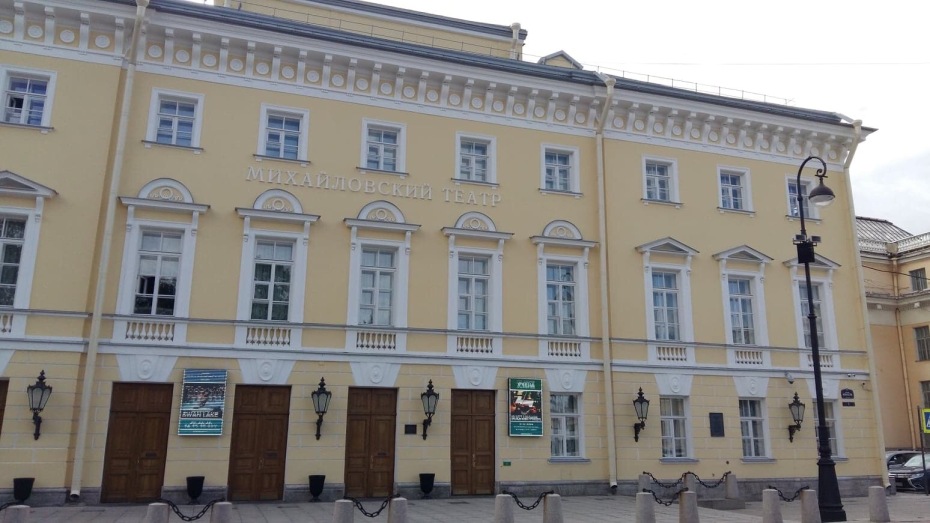
The Mikhailovsky Theater in St. Petersburg, Russia

Founded in 1833, the Mikhailovsky Theater in St. Petersburg is one of the oldest theaters in Russia. In my opinion, the house does not have to shy away from the better known Mariinsky Theater in St. Petersburg with its world-famous Kirov Ballet Ensemble.

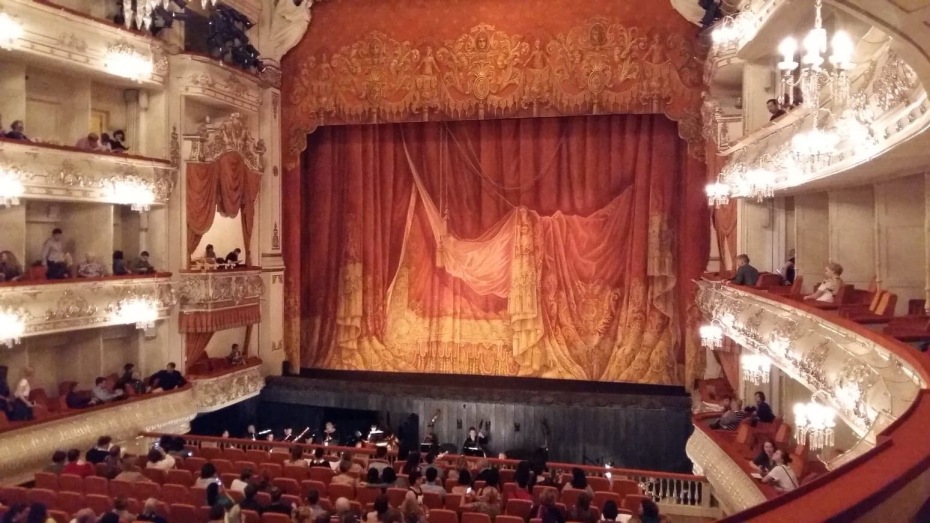
The Mikhailovsky Theater was given its historic name back in 2001 and in 2007 was named the most prestigious music theater in St. Petersburg. The refurbished luxury of the entrance hall and the auditorium particularly impressed me and the opera performance I attended (Figaro’s wedding by Wolfgang Amadeus Mozart) was world-class in terms of stage design, staging and vocal quality. By the way, the Mikhailovsky Theater also has its own ballet ensemble since 1933. I think a visit to a performance of this opera and ballet theater is worth considering for every city traveler. Enjoy!

Mikhailovsky Theater in St. Petersburg

Mikhailovsky Theater in St. Petersburg

Das 1833 gegründete Opern- und Balletttheater Mikhailovsky Theater in St. Petersburg gehört zu den ältesten Theatern Russlands. Ich finde, dass das Haus einen Vergleich mit dem bekannteren Mariinski Theater in St. Petersburg, trotz dessen weltweit berühmten Kirow Ballett Ensemble, nicht scheuen muss.

Mikhailovsky Theater in St. Petersburg

Mikhailovsky Theater in St. Petersburg

Das Mikhailovsky Theater erhielt 2001 seinen historischen Namen zurück und wurde 2007 zum renommiertesten Musiktheater St. Petersburgs gekürt. Der renovierte Luxus der Eingangshalle und des Auditoriums haben mich besonders beeindruckt und die von mir besuchte Opernaufführung (Figaros Hochzeit von Wolfgang Amadeus Mozart) war in Bezug auf Bühnenbild, Inszenierung und Gesangsqualität Weltklasse. Übrigens das Mikhailovsky Theater verfügt seit 1933 ebenfalls über ein eigenes Ballettensemble. Ich finde der Besuch einer Aufführung dieses Opern- und Balletttheaters ist für jeden Städtereisenden eine Überlegung wert. Viel Vergnügen!

Categories: Art, Blogroll, History, Kunst, Landmark, Music, Oper, Russia, Saint Petersburg | Tags: , , | 2 Comments

National Day in Switzerland

Switzerland celebrates its national day on the 1st of August. This day is not celebrated with a large military parade, as is customary in many other countries, but it is more of a contemplative and introspective occasion for the Swiss. Prayers for people and homeland, the singing of the national anthem and the ringing of church bells build in many communities the core of the ceremony. People decorate their homes with Swiss, cantonal and communal flags and in most places, the public buildings, squares and main streets are to be flagged by law. The official celebrations usually begin in the afternoon or early evening. In most communities, a public figure gives a speech and the local brass band plays the national anthem. At dusk, children light their lanterns and everywhere private or public fireworks are lit. The August fire, a burning pile of wood or the far-visible bonfires on mountain peaks and hills are part of every national day.

Lake Zug on the Swiss National Day

Lake Zug on the Swiss National Day

Die Schweiz feiert am 1. August ihren Nationalfeiertag. Dieser Tag wird nicht mit einer großen Militärparade gefeiert, wie es in vielen anderen Ländern üblich ist, sondern es ist eher ein besinnlicher in sich gekehrter Anlass für die Schweizer. Gebete für Volk und Vaterland, das Singen der Nationalhymne und das Geläut von Kirchenglocken gehört an vielen Orten zum jährliche Zeremoniell. Die Menschen schmücken ihre Häuser mit Schweizer-, Kantons- und Gemeindeflaggen und an den meisten Orten sind die öffentlichen Gebäude, Plätze und Hauptstraßen gesetzlich zu beflaggen. Die offiziellen Feierlichkeiten beginnen in der Regel am Nachmittag oder frühen Abend. In den meisten Gemeinden hält eine Person des öffentlichen Lebens eine Rede und die lokale Blaskapelle spielt die Nationalhymne. In der Dämmerung zünden Kinder ihre Lampions an und überall werden private oder öffentliche Feuerwerke abgebrannt. Das Augustfeuer, ein brennender Holzhaufen oder die weit sichtbaren Höhenfeuer auf Berggipfeln und Hügeln gehören zu jedem Nationalfeiertag.

Categories: Blogroll, Events, Switzerland, Traditions, Travel | Tags: , | 2 Comments

From Cusco to Puno by Train

A trip on the luxury train from Cusco, the former capital of the Inca Empire, through the Andes to Puno on Lake Titicaca is one of the many unforgettable experiences of my journey through Peru and Bolivia. Who decides to take this train and goes on board in Cusco wishes that time may stand still and that the journey never ends. From Cusco to Puno, the train journey took one day and one night. The Belmond train rolls at a maximum speed of 50 kilometers per hour leisurely through the sparsely populated Andes. The monoton rattling of the wheels on the rails and the soft rocking of the wagons is incredibly reassuring. Particularly impressive on this trip were the 700-year-old temple ruins of Raqchi and the countless alpacas and vicunias along the railway through this breathtaking Andean plateau. The following day, the Andean Explorer tackles the second part of his trip to Arequipa. For me, the trip was unfortunately at the legendary Lake Titicaca already over; from Puno I continued my journey by car to La Paz in Bolivia.

This train ride was however somehow surreal given the poverty of the people we passed along the railroad tracks and who waved us whilst sipping our champagne in a luxurious ambiance. Belmond offers a lot to it’s guests on this journey, short sightseeing trips, excellent food and service, live music and personal sleeping compartments that do not have to shy away from a comparison with rooms of a luxury hotel. In summary, this train ride was a unique and unforgettable experience!

Eine Fahrt mit dem Luxuszug von Cusco, der ehemaligen Hauptstadt des Inkareichs, durch die Anden nach Puno am Titicacasee zählt zu den vielen unvergesslichen Erlebnissen meiner Reise durch Peru und Bolivien. Wer diese Reiseroute wählt und in Cusco an Bord geht, der wünscht sich, die Zeit möge still stehen und die Fahrt niemals enden. Von Cusco bis nach Puno dauerte die Zugfahrt einen Tag und eine Nacht. Der Belmond-Zug rollt mit maximal 48 Stundenkilometern gemächlich durch die dünn besiedelten Anden. Das leise Rattern der Räder auf den Schienen und das sanfte Schaukeln der Waggons wirkt unheimlich beruhigend. Besonders beeindruckend auf dieser Reise waren die 700 Jahre alten Tempelruinen von Raqchi und die unzähligen Alpacas und Vicunias entlang der Bahnstrecke durch diese atemberaubende Hochebene der Anden. Am darauf folgenden Tag nimmt der Andean Explorer den zweiten Teil seiner Reise nach Arequipa in Angriff. Für mich war die Reise leider am sagenumwobenen Titicacasee schon zu Ende; von Puno aus ging es für mich dann mit dem Auto weiter nach La Paz in Bolivien.

Diese Zugfahrt war jedoch angesichts der Armut der Menschen, die wir entlang der Gleise passierten und die uns am Champagner Glas nippend im luxuriösen Barwagen zuwinkten, irgendwie unwirklich. Belmond bietet seinen Gästen auf dieser Reise viel, kurze Sightseeing-Touren, ausgezeichnetes Essen und Service, Live-Musik und persönliche Schlafabteile, die den Vergleich mit Zimmern eines Luxushotels nicht scheuen müssen. Zusammenfassend war diese Zugreise eine einzigartige und unvergessliche Erfahrung!

Categories: Blogroll, Peru, Train, Travel, Weltreisen | Tags: , , , | 1 Comment

The flower Frangipani

The Frangipani is in Central Europe a potted or container plant which is also known as West Indian Jasmine. It’s real home is most likely Central America. You can also find the Frangipani in subtropical areas of Europe and especially in the Pacific and in the Caribbean. The exceptionally fine scent of the beautiful flowers have caused me to devote a small blog post to this enchanting plant.

Frangipani

Frangipani

Die Frangipani ist bei uns in Zentraleuropa eine Topf- oder Kübelpflanze die teilweise auch unter dem deutschen Namen Westindischer Jasmin bekannt ist. Ihre eigentliche Heimat ist höchstwahrscheinlich Mittelamerika. Man findet die Frangipani aber auch in subtropischen Gebieten Europas und vor allem im Pazifikraum und in der Karibik. Der aussergewöhnlich feine Duft der wunderschönen Blüten haben mich veranlasst dieser zauberhaften Pflanze einen kleinen Blog-Beitrag zu widmen.


Categories: Blogroll, Nature | Tags: | 8 Comments

Follow me and Subscribe via E-Mail

Dear Visitors

First of all, many thanks for visiting Rolandomio‘s Travel Blog!

Travel blogs are a wonderful source of cool ideas and my travel posts may help you plan your next trips.

Therefore, I invite you to follow Rolandomio Travel and you will be informed in future by e-mail about new blog posts. If you are interested, you can subscribe to the Blog by entering your E-Mail Address through the FOLLOW pop-up on the bottom of the page.

Thanks and happy travels! Rolandomio Travel

Rolandomio Travel

Subscribe and FOLLOW me via E-Mail

Sehr geehrte Besucher

Zunächst einmal vielen Dank für den Besuch von Rolandomio’s Travel Blog!

Reiseblogs sind eine wundervolle Quelle für coole Ideen und meine Reiseberichte können Dir eventuell bei der Planung deiner nächsten Reisen helfen.

Daher lade ich Dich ein, Rolandomio Travel zu folgen und Du wirst in Zukunft per E-Mail über neue Blog-Posts informiert. Wenn Du interessiert bist, kannst Du den Blog abonnieren, indem Du deine E-Mail-Adresse über das FOLLOW pop-up unten auf der Seite eingibst.

Danke und schöne Reisen! Rolandomio Travel

Categories: Blogroll | Tags: | Leave a comment

Hermitage and Peterhof Fountains in Saint Petersburg

This May we visited St. Petersburg. There were many reasons to travel to the beautiful City of St. Petersburg. Russia is famous for the Romanov dynasty and the Winter Palace (a.k.a. Hermitage). The famous Peterhof fountains are also something you definitely should see while globetrotting.

We visited both places – the Winter Palace and the Peterhof Fountains.

First, we went to the Hermitage Museum and saw the famous Leonardo Da Vinci paintings:  “Madonna and Child with Flowers” and “Madonna Litta”. It was quite an experience. Surprisingly, Da Vinci wasn’t the biggest hit in the museum for us! There is a painting “Danae” by Rembrandt which was attacked by a so-called „art-fan“ Bronius Maigys in 1985. He splashed the painting with sulfuric acid and the picture turned into a complete mess! The restoration started immediately. Now you can see almost no traces of the damage. Unbelievable! Look at the picture attentively. In the center, you can see the lines are blurred. What kind of art is it to make people so emotional?! Anyway, the Hermitage is a huge treasure of art and you can spend there a lot of time. But I’d recommend seeing “Danae”, Leonardo Da Vinci and the Golden Peacock.

Post written in co-Operation with Saint Petersburg Private Tours:

Hermitage St. Petersburg

Hermitage St. Petersburg

The second part of our tour was a hydrofoil trip to the Peterhof Gardens.

We got on board right from the Hermitage and went through the Gulf of Finland by water. Perfect!!! You really need to try it. There is a huge skyscraper on the shore and it gives an amazing contrast to the classic buildings around. Finally, when we got to the Peterhof Gardens it was even better than we expected. The port is in the gardens, so you don’t have to walk to it. It’s all there already. The biggest surprise was the Grand Cascade! What a spectacular view! Right in the middle of the fountain ensemble, there is a huge statue of Samson fighting a lion. The golden lady nearby shines in pure gold! We spent about two hours walking along the fountains and ponds and don’t regret a second that we spent there. Highly recommended. At about 6 p.m. we got back to the hydrofoil and returned to St. Petersburg.

When the tour was over I definitely felt like it gave me the essence of St. Petersburg. The day was not exhausting at all and we saw everything we needed to.

So what I’d personally recommend when coming to St. Petersburg:

  • Use water transport. We tried a hydrofoil and it was fantastic!
  • Don’t be afraid of the museums with crowds of people, there are ways to skip the line. We didn’t wait at all.
  • Visit Peterhof Fountains because this is what you’ll remember for the rest of your life.

The tour we took here, you can book it online, just like us.

Post written in co-operation with Saint Petersburg Private Tours: Report from Valentin Kosovsky (co-author)

Hermitage

Hermitage St. Petersburg

Im Mai besuchten wir St. Petersburg in Russland. Es gab viele gute Gründe für diese Reise. Russland ist berühmt für die Romanov-Dynastie und den Winterpalast (Hermitage). Die berühmten Peterhof-Fontänen sind auch etwas, das Globetrotter unbedingt sehen sollten.

Wir besuchten beide Orte – das Winterpalais und die Peterhof Fountains.

Zuerst besuchten wir in die Eremitage und sahen die berühmten Gemälde von Leonardo Da Vinci: “Madonna und Kind mit Blumen” und “Madonna Litta”. Es war eine ziemliche Erfahrung. Überraschenderweise war Leonardo Da Vinci nicht der größte Hit im Museum für uns! Es gibt ein Gemälde “Danae” von Rembrandt, das 1985 von Bronius Maigys, einem sogenannten „Kunstfan“ attackiert wurde. Er bespritzte das Gemälde mit Schwefelsäure und fügte dem Bild grossen Schaden zu! Die Restaurierung begann sofort. Heute kann man fast keine Spuren des Schadens mehr sehen. Nicht zu fassen! Schau dir das Bild aufmerksam an. In der Mitte des Bildes sieht man, dass die Linien verschwommen sind. Was für eine Kunst ist es, die Menschen so emotional macht ?! Wie auch immer, die Hermitage hat einen unermesslichen Kunstschatz und man kann dort sehr viel Zeit verbringen. Aber wenn die zur Verfügung stehende Zeit nicht reicht, sollte man unbedingt „Danae”, Leonardo Da Vinci und den Golden Peacock gesehen haben.

Der zweite Teil unserer Tour war eine Tragflügelbootfahrt zu den Peterhof-Gärten.

Wir gingen direkt bei der Hermitage an Bord des Tragflügelboots und fuhren auf dem Wasser durch den Finnischen Meerbusen. Perfekt!!! Du musst es wirklich versuchen. Es steht einen riesiger Wolkenkratzer am Ufer und es bietet einen erstaunlichen Kontrast zu den klassischen Gebäuden in dieser Gegend. Als wir schließlich zu den Peterhof Gärten kamen, war es noch viel besser als wir erwartet hatten. Der Hafen ist in den Gärten, so dass Sie nicht zu Fuß gehen müssen. Es ist alles schon da. Die größte Überraschung waren die Grossen Kaskaden! Was für eine spektakuläre Aussicht! In der Mitte des Springbrunnenensembles steht eine riesige Statue von Samson, die gegen einen Löwen kämpft. Die goldene Dame in der Nähe glänzt in reinem Gold! Wir verbrachten ungefähr zwei Stunden entlang der Fontänen und Teiche und bereuen keine Sekunde, die wir dort verbracht haben. Sehr empfehlenswert. Um ca. 18 Uhr Kehrten wir mit dem Tragflächenboot zurück nach St. Petersburg.

Als die Tour vorbei war, hatte ich definitiv das Gefühl, das wesentliche von St. Petersburg gesehen zu habe. Der Ausflug war überhaupt nicht anstrengend und wir sahen alles, was wir uns wünschten.

Also, was ich persönlich empfehlen würde, solltet ihr St. Petersburg besuchen: 

  • Wassertransport verwenden. Wir haben ein Tragflächenboot ausprobiert und es war fantastisch!
  • Haben Sie keine Angst vor den Museen mit Menschenmassen, es gibt Möglichkeiten, die Linie zu überspringen 🙂 Wir mussten überhaupt nicht lange warten!
  • Besuchen Sie unbedingt die Peterhof Fountains, ein unvergessliches Erlebnis!

Die Tour, die wir gemacht haben, ist hier, Sie können sie online buchen, genau wie wir.

Artikel geschrieben in Zusammenarbeit mit Saint Petersburg Private Tours: Report von Valentin Kosovsky (Co-Autor)

booking

Categories: Blogroll, Landmark, Museum, Russia, St. Petersburg, Travel | Tags: , , | 6 Comments

Fishing in Anguilla

Anguilla is amongst insiders known for its beautiful beaches with pearl-white sands and crystal-clear turquoise waters. Believe me, swimming in this paradise is more than just relaxing, it’s living a dream! But one is not alone here in these waters, countless smaller and larger fish, sometimes turtles, sting rays and even dolphins are the invisible omnipresent companions when swimming.

These creatures move at a safe distance to the swimmer, they are not dangeroues and the smaller ones are afraid of the insatiable seagulls and pelicans who suddenly, out of the blue, attack and devour their prey.

Fishing, both from the coast and off-shore are very popular in Anguilla. This morning, I was amazed at how many fish move under and around me while swimming in Meads Bay every day 🙂 In fact, the local fishermen were lucky enough to land a ton of tuna in less than half an hour.

By the way, Anguilla is an ideal place for deep-sea fishing. Among the most commonly caught fish in the deeper waters are the Mahi-Mahi (my favorite fish to eat), Yellowfin Tuna, the Wahoo, Albacore, Kingfish, Barracuda and the Marlin.

In this sense, I wish you all a relaxing swim, maybe in Anguilla, and good luck fishing!

Anguilla ist unter Insidern bekannt für seine wunderschönen Strände mit perlweißem Sand und kristallklarem türkisfarbenem Wasser. Glaube mir, Schwimmen in diesem Paradies ist mehr als nur Entspannung, nein, man lebt einen Traum! Aber hier im Meer ist man nicht allein, unzählige kleinere und größere Fische, manchmal Schildkröten, Stachelrochen und sogar Delphine sind die unsichtbaren, allgegenwärtigen Begleiter beim Schwimmen.

Diese Kreaturen bewegen sich in sicherem Abstand, sie sind keine Gefahr für den Schwimmer, und die kleineren Fische haben Angst vor den unersättlichen Möwen und Pelikane, die plötzlich aus heiterem Himmel ihre Beute attackieren und genüsslich verschlingen.

In Anguilla ist das Angeln sowohl von der Küste aus, wie auch im offenen Meer, sehr beliebt und eine der vielen Touristenattraktionen dieser wunderschönen Karibikinsel.

Heute Morgen habe ich nicht schlecht gestaunt, wie viele Fische sich tagtäglich unter und neben mir beim schwimmen in der Meads Bay bewegen:) Wie Du in meinem kleinen Video sehen kannst, hatten die heimischen Netzfischer Glück und zogen in weniger als einer halben Stunde eine Unmenge von Thunfischen an Land.

Fishing in Anguilla BWI

Fishing in Anguilla BWI

Anguilla ist übrigens ein idealer Ort zum Hochseefischen. Zu den am häufigsten gefangenen Fischen in den tieferen Gewässern zählen der Mahi-Mahi (mein Lieblingsfisch auf dem Teller), Gelbflossen-Thunfisch, der Wahoo, Albacore, Kingfish, Barracuda und der Marlin.

In diesem Sinn wünsche ich euch allen ein erholsames Schwimmerlebnis, vielleicht in Anguilla und viel Glück beim Angeln!

Categories: Anguilla, Blogroll, Fishing, Travel | Tags: | 1 Comment

Russian Submarine „C 189“

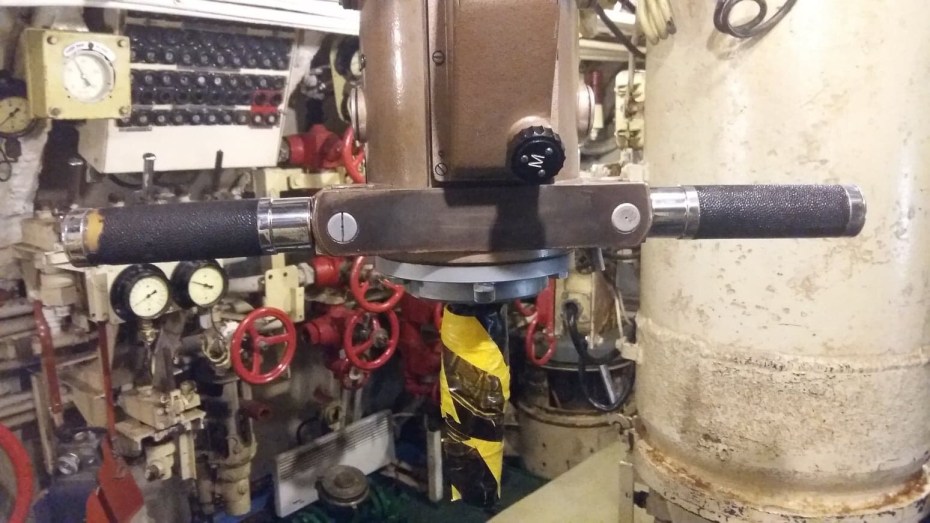
A visit of the “C 189” (the C in Cyrilic stands for S), a Russian submarine from the Cold War is an absolute must for any “military historian” or lover of such artifacts! This great attraction is thawed by the Lieutenant Schmidt Kai in St. Petersburg. Even for those less enthusiastic for military history, a visit of this submarine is also very interesting, you can see how the crew and officers lived in this narrow tube and fulfilled their duties.

The guided tour through the “C 189” takes just over 30 minutes. The only problem with it is that you should understand Russian. The guides are all veterans that served on this submarine type, but unfortunately they do not speak any foreign language. I am sure that the one or other anecdote from the past in let’s say English would make the tour even more interesting for all those that do not understand Russian.

Lieutenant Schmidt Kai in Saint Petersburg

Lieutenant Schmidt Kai in Saint Petersburg

The “C 189” (NATO Classification: Whiskey Class) is a medium-displacement diesel-electric torpedo submarine, which was built as the first and most numerous Soviet submarine after the Second World War. The first submarine was put into service in October 1950 and more than 200 units of this type were on alert until the late 80s of the 20th century. They were also used for testing and training purposes. Many of them were converted to carry missile weapons.

C 189 Museum Saint Petersburg

„C 189“ Russian Submarine

Eine Besichtigung der „C 189“, ein russisches U-Boot aus der Zeit des Kalten Krieges ist für jeden „Militärhistoriker“ oder Liebhaber solcher Artefakte ein absolutes Muss! Diese tolle Attraktion liegt angetäut am Leutnant Schmidt Kai in St. Petersburg. Auch für die weniger Begeisterten militärischer Geschichte ist ein Gang durch dieses U-Boot ebenfalls sehr interessant, man sieht wie die Mannschaft und Offiziere in dieser engen Röhre lebten und ihren Dienst erfüllten.

Die Führung durch die „C 189“ dauert etwas mehr als 30 Minuten. Das einzige Problem dabei, man sollte russisch verstehen. Die Guides sind alles altgediente Veteranen auf diesem U-Boot-Typ, jedoch sprechen sie keine Fremdsprache. Ich bin mir sicher, dass die eine oder andere Anekdote aus der Vergangenheit auf Englisch die Tour für all diejenigen noch interessanter machen würde, die kein Russisch verstehen.

„C189“ Russian Submarine

„C 189“ Russian Submarine

Die „C 189“ (NATO Klassifizierung: Whiskey Class) ist ein dieselelektrisches Torpedo-U-Boot mittlerer Verdrängung, das als erstes und zahlreichstes sowjetisches U-Boot nach dem Zweiten Weltkrieg gebaut wurde. Das erste U-Boot wurde im Oktober 1950 in Dienst gestellt und mehr als 200 Einheiten dieses Typs waren bis in die späten 80er Jahre des 20. Jahrhunderts in Alarmbereitschaft. Sie wurden auch zu Test- und Schulungszwecken verwendet. Viele von ihnen wurden zu Trägern von Raketenwaffen umgebaut.

Categories: Blogroll, History, Landmark, Museum, Russia, Saint Petersburg, Submarine | Tags: | 6 Comments

The Restaurant Gogol in Saint Petersburg

In 1828, the Russian writer Nikolai Gogol came to the capital Saint Petersburg when he was 19 years old. He earned his living initially in public services and later as a history teacher.

In 1831, Gogol met the poet Alexander Pushkin, who showed him the way into Russian literature. Many of his stories have achieved great success and recognition. The most famous publication of his works is probably the book “The Dead Souls”. Unfortunately, this exceptional and highly talented writer died far too early with only 42 years; he starved to death from a religious zeal. It is almost paradoxical that Gogol’s then apartment in Saint Petersburg has mutated into one of the best restaurants with Russian cuisine in the city!

Restaurant Gogol

Restaurant Gogol

The Restaurant Gogol is located in the Golden Triangle of Saint Petersburg, a stone’s throw from Nevsky Prospekt, St. Isaac’s Cathedral and the Hermitage. Russian gastronomic masterpieces, elegantly served and accompanied by piano music every evening bring guests back to the days when Saint Petersburg was still the capital of Russia.

You will not regret visiting Gogol’s. Guests are warmly welcomed at the entrance. There is excellent Russian cuisine at a really high level. Another glass of vodka? No problem, you ring the golden table bell and the friendly waiters provide “replenishment” 🙂 The atmosphere is extremely comfortable and you eat like at home in the living room or as in Gogol’s apartment 🙂 In the evening, a reservation is absolutely necessary. Bon appetit and “Na sdorovje”!

Restaurant Gogol Saint Petersburg

Restaurant Gogol

Der russische Schriftsteller Nikolai Gogol kam 1828 mit 19 Jahren in die Hauptstadt Sankt Petersburg und verdiente sich seinen Lebensunterhalt anfänglich in Staatsdiensten und später als Geschichtslehrer. Im Jahr 1831 lernte Gogol den Dichter Alexander Puschkin kennen, der ihm den Weg in die russische Literatur wies. Viele seiner Erzählungen erlangten grossen Erfolg und Anerkennung. Das bekannteste seiner Werke ist wahrscheinlich das Buch „Die toten Seelen“. Leider verstarb dieser aussergewöhnliche und hoch talentierte Schriftsteller von einem religiösen Hungerwahn mit nur 42 Jahren viel zu früh. Geradezu paradox ist der Fakt, dass Gogol‘s damalige Wohnung in Sankt Petersburg in eines der besten Restaurants russischer Küche der Stadt mutierte!

Das Restaurant Gogol befindet sich im goldenen Dreieck von Sankt Petersburg, nur einen Katzensprung vom Newski-Prospekt, der Isaakskathedrale und der Eremitage entfernt. Russische gastronomische Meisterwerke, elegant serviert und begleitet mit allabendlicher Piano Musik versetzen die Gäste in die Zeit jener Tage als Sankt Petersburg noch die Hauptstadt Russland‘s war.

Na sdorovje

Na sdorovje

Ein Besuch des Gogol’s wirst Du nicht bereuen. Man wird schon am Eingang herzlich empfangen. Es gibt hier exzellente russische Küche auf wirklich hohem Niveau. Noch ein Gläschen Wodka? Kein Problem, man läutet mit dem goldenen Tischglöcklein und für „Nachschub“ wird vom freundlichen Kellner umgehend gesorgt 🙂 Das Ambiente ist äußerst gemütlich und man isst wie zuhause im Wohnzimmer oder wie damals in Gogols Wohnung 🙂 Am Abend ist eine Reservierung unbedingt nötig. Guten Appetit und „Na sdorowje“!

Categories: Blogroll, History, Landmark, Restaurant, St. Petersburg | Tags: , , | 4 Comments

Blog at WordPress.com.