Travel

Roland and Rosinante on the Camino

Roland, a modern Don Quijote and Pilgrim from Hungary and his donkey Rosinante are an inseparable couple (aka Rolandante) living and walking on the Camino. Last year, on my way to Santiago de Compostela, there was this donkey in the middle of nowhere, tied up next to the Camino trail, it was Rosinante! I assume that the pilgrim Roland was still sleeping in his blue tent under an old eucalyptus tree which was only a few footsteps away. 

However, Rosinante was awake and already active, she had her own pilgrim stamp or (sello). If you want to receive your Compostela, the religious document that certifies your pilgrimage, you need to show to the Pilgrims Office in Santiago de Compostela a Credencial full of sellos! The Credencial is a sort of Pilgrimage Passport in which you collect stamps as you walk the Camino. Such stamps can be obtained in churches, hostels and hotels, restaurants, bars and also from the donkey Rosinante 🙂 This is a nice keepsake, but it’s also a necessary document to carry. The very first thing you will have to do upon checking in to any hostel is present your actual Identification Card and your Credencial to verify that you are walking the Camino. It is not only required for your accommodation, the document is also required as a proof in Restaurants to get the inexpensive three course pilgrimage menu with a bottle of wine 🙂 🙂 Buen Camino!

Roland, ein moderner Don Quijote und Pilger aus Ungarn und sein Esel Rosinante sind ein untrennbares Paar (auch bekannt als Rolandante) auf ihrer langjährigen Pilgerreise. Letztes Jahr, auf meinem Weg nach Santiago de Compostela, stand da ein Esel mitten im Nirgendwo neben dem Camino Trail, es war Rosinante! Den Pilger Roland habe ich nicht angetroffen, wahrscheinlich war er noch in seinem blauen Zelt unter einem alten Eukalyptusbaum nur einige Schritte von Rosinante entfernt am schlafen.

Rosinante war aber schon wach und bereits aktiv, sie hatte vor sich auf einem kleinen Tischlein ihren eigenen Pilgerstempel oder (sello). Wenn Du den Compostela erhalten möchtest, das ist das religiöse Zertifikat welches deine Pilgerreise bestätigt, musst Du dem Pilgeramt in Santiago de Compostela ein Dokument voller „sellos“ zeigen! Das Dokument ist eine Art Pilgerpass, in dem Du auf deinem Camino die Stempel sammelst. Solche Stempel sind in Kirchen, Pilgerherbergen und Hotels, Restaurants, Bars und auch beim Esel Rosinante erhältlich 🙂 Die vielen Stempel sind ein schönes Andenken, aber auch ein notwendiges Dokument. Das allererste was Du beim Einchecken in eine Herberge tun musst, ist deinen Personalausweis und den Pilgerpass vorlegen um zu beweisen, dass Du auch tatsächlich den Camino gehst. Dieses Dokument ist nicht nur auf der Suche nach einer Unterkunft erforderlich, der Pilgerpass wird auch als Nachweis in Restaurants benötigt um das preisgünstige dreigängige Pilgermenü mit einer Flasche Wein zu erhalten 🙂 🙂 Buen Camino!

Categories: Blogroll, Jakobsweg, Spain, Travel, Trekking | Tags: , , , | Leave a comment

National Palace of Culture (NDK) in Sofia, Bulgaria

The monumental National Palace of Culture (NDK) is the most impressive building in the city center of the Bulgarian capital. In fact, it is the largest multifunctional complex in southeastern Europe. The NDK was opened in 1981 to commemorate the founding of the first Bulgarian state 1300 years ago. At the upper end of Vitosha Boulevard there is a large square and park from which you can see this dominant cultural palace. A visit to the building should not be missed, especially for socialist and communist architecture lovers, in the travel planning. On the front of this massive complex is a round ornament that looks like an eye, and the closer you approach the NDK you are feeling watched by “Big Brother” 🙂 The interior architecture is modern, but terrific, and the warm inviting literature Cafe is worth a short stop on your discovery tour through Sofia. You may also have the opportunity and time to attend one of the many concerts, festivals, exhibitions, fairs, etc. I am sure you will not regret it!

The National Palace of Culture (NDK) Sofia

The National Palace of Culture (NDK) Sofia

Der gewaltige Nationale Kulturpalast (NDK) ist das beeindruckendste Gebäude im Stadtzentrum der bulgarischen Hauptstadt. Tatsächlich ist es der grösste multifunktionale Komplex in Südosteuropa. Das NDK wurde 1981 eröffnet, um an die Gründung des ersten bulgarischen Staates vor 1300 Jahren zu gedenken. Am oberen Ende des Vitosha Boulevard‘s befindet sich ein grosser Platz und Park, von dem aus Du diesen dominanten Kulturpalast sehen kannst. Eine Besichtigung des Gebäudes sollte vor allem für sozialistische und kommunistische Architekturliebhaber in deren Reiseplanung nicht fehlen. Auf der Vorderseite dieses massiven Komplexes befindet sich ein rundes Ornament, das wie ein Auge wirkt, und man fühlt sich je näher man sich dem NDK nähert von „Big Brother“ beobachtet 🙂 Die Architektur im Inneren ist modern, aber grandios, und das warme einladende Literatur Cafe ist auf Deiner Entdeckungstour durch Sofia eine kurze Einkehr wert. Vielleicht hast Du auch die Gelegenheit und Zeit eines der vielen Konzerte, Festivals, Ausstellungen, Messen, etc. zu besuchen. Ich bin überzeugt, Du wirst es nicht bereuen!

Categories: Blogroll, Bulgarien, Events, Landmark, Monument, Travel | Tags: | 1 Comment

Akasaka Palace, Tokyo

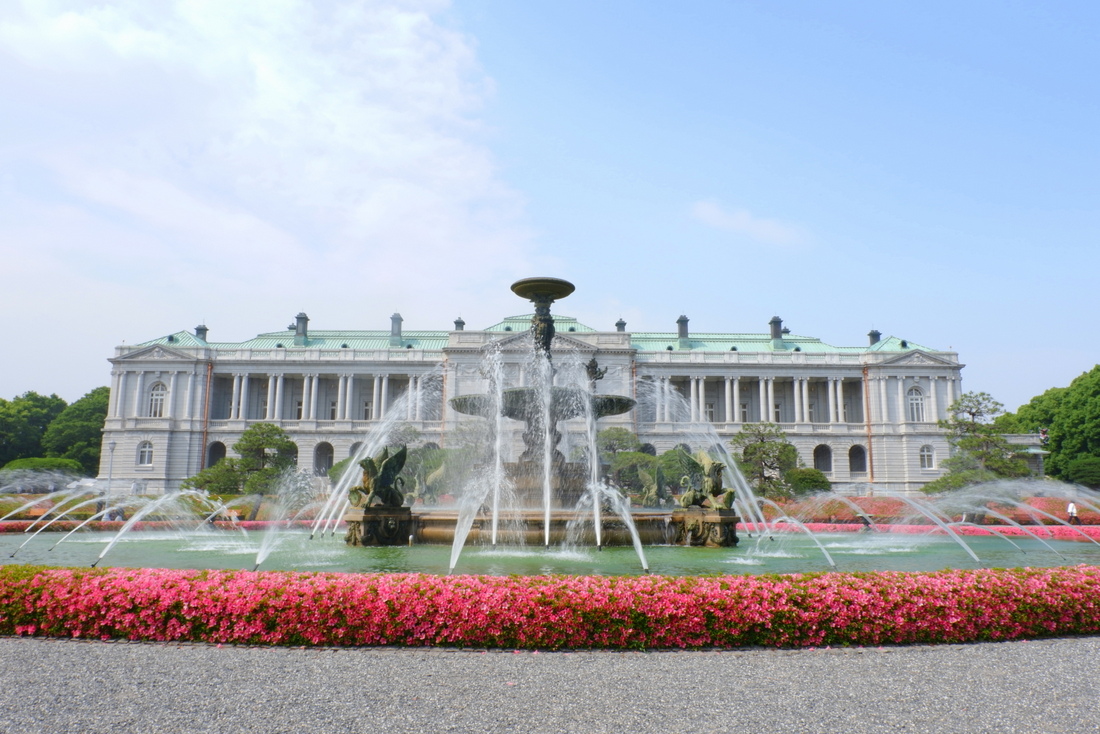
In the very centre of Tokyo, hidden behind stone walls and a forest so thick it’s impossible to see through, is a place not many people know much about. Separate to the Imperial Palace, the Akasaka Imperial Estate covers about 50 hectares—almost the same size as Shinjuku Gyoen. It’s quite a chunk of central Tokyo!

via Akasaka Palace, the Versailles of Tokyo — Celia in Tokyo

Categories: Blogroll, Japan, Travel, Weltreisen | Tags: | 3 Comments

A day trip to Tangier, Morocco

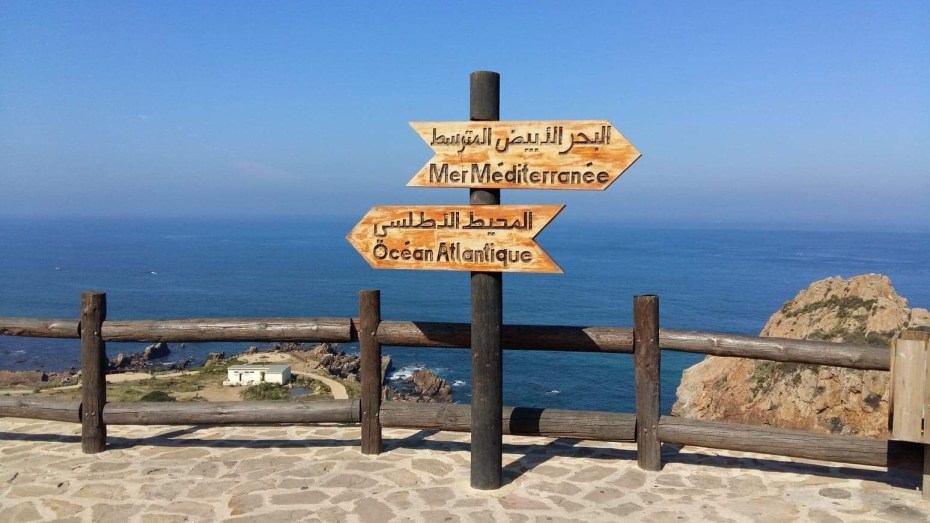
The town Tarifa is on the Andalusian southern coast of Spain, from there, one can reach by ferry the Moroccan port city of Tangier which is situated on the Strait of Gibraltar. The crossing from the European continent to the African continent takes about one hour. The city of Tangier is located between two seas, the Atlantic and the Mediterranean and is a kind of bridgehead between the Orient and our western world. A visit to this historic oriental and modern city is definitely worth a day trip.

The Grand Socco has been the central marketplace since the end of the 19th century. From there, it is only a few steps through the winding alleys of the souks in the Kasbah district of the medina (Old Town) with its former Sultan’s Palace.

Tangier Morocco

City of Tangier in Morocco

Tangier is very rich in sights. Much is still reminiscent of the time of the international zone. Between 1923 and 1956 Tangier was managed by eight nations (France, Spain, Italy, United Kingdom, Portugal, Netherlands and Sweden). In the heart of Tangier meet Spanish, Italian, French and Moorish architecture and one finds in the medina a synagogue, a mosque and a Catholic church in the immediate vicinity.

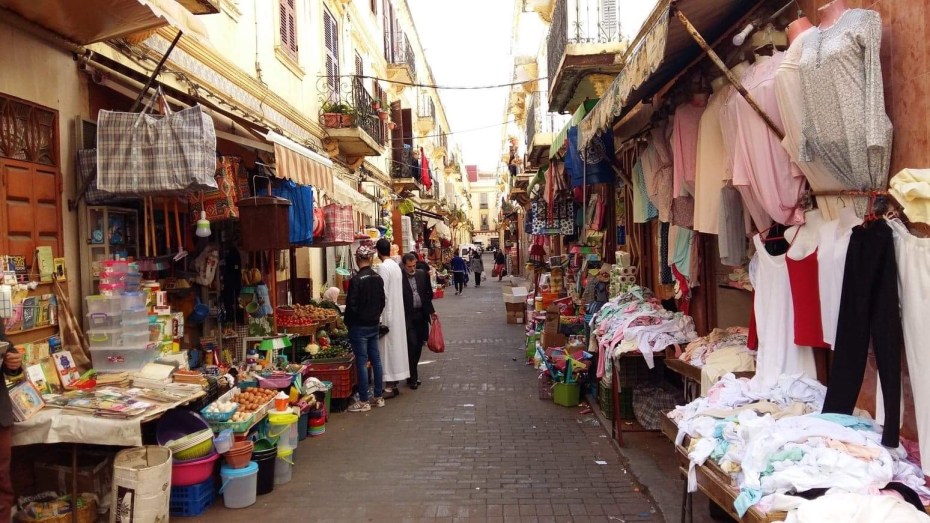
Without visiting an oriental market, one could not mark the day trip as a successful experience. Therefore, a walk through the „Marché Central“ should be on the bucket list of every tourist. There is a bustling activity, trading and haggling on every day throughout the year. The traders sell spices, dried fruit, meat, fish and everyday goods of all kinds. The splendor of colors and fragrances of the merchandise convey the unique and authentic oriental ambience.

By the way, one can easily communicate in Spanish or English in Tangier. Before returning to Tarifa you should definitely treat yourself to a hot “Thé à la menthe”. This green tea with fresh mint leaves and lots of sugar tastes delicious and will make your day trip an unforgettable and delightful one. Have fun and enjoy!

Point between Atlantic Ocean and Mediterranean Sea

Point between Atlantic Ocean and Mediterranean Sea

Die Stadt Tarifa liegt an der andalusischen Südküste Spaniens. Von dort aus erreicht man mit der Fähre die marokkanische Hafenstadt Tanger die an der Strasse von Gibraltar liegt. Die Überfahrt vom Europäischen zum Afrikanischen Kontinent dauert in etwa eine Stunde. Die Stadt Tanger liegt zwischen zwei Meeren, dem Atlantik und dem Mittelmeer und ist eine Art Brückenkopf zwischen dem Orient und unserer westlichen Welt. Ein Besuch dieser geschichtsträchtigen orientalischen und gleichzeitig modernen Stadt ist auf jeden Fall eine Tagesreise wert.

Der Grand Socco ist seit Ende des 19. Jahrhunderts der zentrale Marktplatz. Von dort sind es nur ein paar wenige Schritte durch die verwinkelten Gassen der Souks in das Kasbah-Viertel der Medina (Altstadt) mit dem ehemaligen 

Entering the Kasbah district and the Medina

Entering the Kasbah district and the Medina

Tanger ist sehr reich an Sehenswürdigkeiten. Vieles erinnert noch an die Zeit der internationalen Zone. Zwischen 1923 und 1956 wurde Tanger von acht Nationen (Frankreich, Spanien, Italien, Vereinigtes Königreich, Portugal, Niederlande und Schweden) fremdverwaltet. Im Herzen von Tanger treffen spanische, italienische, französische und maurische Architektur aufeinander und man findet in der Medina eine Synagoge, eine Moschee und eine katholische Kirche in unmittelbarer Nähe.

Ohne den Besuch eines orientalischen Marktes könnte man den Tagesausflug nicht als ein gelungenes Erlebnis abhaken. Deshalb gehört ein Gang durch den „Marché Central“ unbedingt in das Program jedes Touristen. Das ganze Jahr über herrscht dort jeden Tag ein emsiges Treiben, handeln und feilschen. Die Händler verkaufen bergeweise Gewürze, Trockenfrüchte, Fleisch, Fisch und Alltagswaren aller Art. Die Farbenpracht und Düfte der Angeboten Waren vermitteln das einzigartige und authentische orientalische Ambiente.

Musicians in a typical Restaurant in Tangier

Musicians in a typical Restaurant in Tangier

Übrigens in Tanger kann man sich problemlos in Spanisch oder Englisch verständigen. Vor der Rückreise nach Tarifa sollte man sich unbedingt noch einen heissen „Thé à la menthe“ gönnen. Dieser Grüntee mit frischen Minzblättern und viel Zucker schmeckt vorzüglich und wird diesen unvergesslichen Tagesausflug auf eine köstliche Art beschliessen. Viel Vergnügen!

Categories: Blogroll, Morocco, Travel | Tags: , , , , , , , , , | 3 Comments

The Flower Watch in Geneva, Switzerland

The city of Geneva is located on the western shores of Lake Geneva and is a magnet for business people, diplomats and tourists from all over the world. For me too, Geneva has a certain magical power which from time to time comes over me and I have to visit this fascinating city at the river Rhône. The day before yesterday, the time has come again and I traveled to Geneva, the city of banks, diplomats and watches.  Yesterday I wrote a post about the place where Elisabeth, the Empress of Austria, was murdered in 1898. On my way to this historic spot at the landing stage for paddle steamers on the Quai du Montblanc I strolled through the „English Garden“ on the opposite side of the lake. 

There, at the entrance to the park, at a busy intersection, is the world-famous flower watch, a tribute to the long and rich watchmaking tradition in Geneva. This flower watch with the name “Horloge Fleurie” is a unique technical and horticultural work of art with radio-controlled time; in its kind, it is unique in the world. Considering the rush of tourists, it must be the city’s most frequently photographed landmark! In any case, this watch with it‘s thousands and different colored flowers impressed me! I hope you love it as well!


Die schöne Rhone Stadt Genf liegt am westlichen Ufer des Genfer See’s und ist Anziehungspunkt für Geschäftsleute, Diplomaten und Touristen aus aller Welt. Auch für mich hat Genf eine gewisse magische Kraft welcher ich von Zeit zu Zeit nicht mehr widerstehen kann. Vorgestern war es dann wieder einmal so weit und ich habe mich aufgemacht nach Genf, die Stadt der Banken, Diplomaten und Uhren. Ich berichtete gestern über die Stelle wo die Kaiserin von Österreich 1898 ermordet wurde. Auf meinem Weg zu diesem historischen Ort bei der Bootsanlegestelle für Raddampfer am Quai du Montbkanc bin ich auf der gegenüberliegenden Seeseite durch den Englischen Garten geschlendert.

Flower Watch

Horologe Fleurie – Flower Watch in the English Garden, Geneva

Dort am Eingang zum Park, an einer stark befahrenen Kreuzung, befindet sich die weltberühmte Blumenuhr, eine Hommage an die lange und reiche Uhrmachertradition in Genf. Diese Blumenuhr mit dem Namen “Horloge Fleurie” ist ein einmaliges technisches und gartenbauliches Kunstwerk mit funkgesteuerter Zeit; in ihrer Art ist sie einmalig auf der ganzen Welt. Wahrscheinlich ist diese Blumenuhr, am Andrang der Touristen zu urteilen, das am häufigsten fotografierte Wahrzeichen der Stadt! Auf jeden Fall hat auch mich diese, mit tausenden von verschiedenfarbigen Blumen gestaltete Uhr entzückt! Ich hoffe, auch euch gefällt das Video dieser Blumenuhr!

Categories: Art, Blogroll, Landmark, Switzerland, Travel | Tags: , , | 7 Comments

Hammetschwand Lift, Buergenstock

At the End of the 19th century, the noble Bürgenstock Hotels, with an incomparably beautiful view of Lake Lucerne, were a popular holiday resort for wealthy people, princes and kings from all over the world. Since August 2017, after completing a nine-year planning and construction period, the Bürgenstock Resort has been shining with new splendor and with its many buildings, hotels and restaurants, it is Switzerland’s largest integrated hotel complex.

A very special attraction on the Bürgenstock is the footpath hewn into the rock. The path begins at a small chapel where actress Audrey Hepburn married to Mel Ferrer more than 60 years ago. It leads along the northern flank of the Bürgenstock, which slopes steeply down to Lake Lucerne.

Footpath to Hammetschwand Lift

Footpath to Hammetschwand Lift

It was a beautiful autumn day, with a wonderful view over Lake Lucerne. The destination of my walk yesterday was the Hammetschwand lift. From the Känzeli, where the path ends, an open outdoor lift to the Hammetschwand was built as a further attraction over one hundred years ago.

The French built the Eiffel Tower in Paris and the Swiss the 153 meter high outdoor lift up to the Hammetschwand on the Bürgenstock 🙂 The ride up there takes almost a minute and from the elevator cabin sweeps the view over the five hundred meters lower Lake Lucerne, across to the mountain Rigi, the city of Lucerne and central Switzerland. 

Der Nobelkurort Bürgenstock, mit einer unvergleichlich schönen Aussicht auf den Vierwaldstättersee war Ende des 19. Jahrhunderts ein beliebter Ferienort für Wohlhabende, Fürsten und Könige aus aller Welt. Seit August 2017, nach Beendigung einer neunjährigen Planungs- und Bauzeit, strahlt das Bürgenstock Resort wieder in neuem Glanz und ist mit seinen vielen Gebäuden, Hotels und Restaurants die grösste integrierte Hotelanlage der Schweiz.

Eine ganz besondere Attraktion auf dem Bürgenstock ist der in den Fels gehauene Spazierweg. Der Weg beginnt vor einer kleinen Kapelle wo sich die Schauspielerin Audrey Hepburn mit Mel Ferrer vor über 60 Jahren verheiratete und führt entlang der zum Vierwaldstättersee steil abfallenden Nordflanke des Bürgenstock. 

Lake Lucerne

Lake Lucerne

Es war ein wunderschöner Herbsttag, mit einer herrlichen Weitsicht über den Vierwaldstättersee. Das Ziel meines gestrigen Spaziergangs auf diesem Felsenweg war der Hammetschwand Lift. Vom Känzeli, wo der Weg endet, wurde vor über hundert Jahren als weitere Attraktion ein offener Aussenlift zum Hammetschwand gebaut. Die Franzosen bauten den Eiffelturm in Paris und die Schweizer den 153 Meter hohen Hammetschwand Aussenlift am Bürgenstock 🙂 Die Fahrzeit auf den Hammetschwand dauert knapp eine Minute und aus der Liftkabine schweift der Blick auf den den fünfhundert Meter tiefer gelegene Vierwaldstättersee, hinüber zum Berg Rigi, die Stadt Luzern und die Zentralschweiz. 

Categories: Blogroll, History, Landmark, Switzerland, Travel | Tags: , | 9 Comments

Pickpockets „how to protect yourself“

It was on a sunny day in Naples in Italy. I was robbed by trick thieves and I didn’t notice anything, nothing! My wallet, which I carried in my zippered shoulder bag on me, was suddenly gone! I, the cautious, the “experienced” and prudent frequent traveler, was robbed unnoticed by master thieves. My cash, bank and credit cards were gone! The blocking of the cards came too late. The thieves had purchased goods within minutes after they have stolen my cards and without being in possession of the PIN codes! After noticing the theft, I immediately reported it to the Neapolitan police. There, they shrugged and asked me in which language I would like to file the criminal complaint. Stunt thieves of this kind, especially from organized and technically well-endowed gangs, often with the help of children, happen, according to the Police, daily and in large numbers. It seemed to me that the police had surrendered.

Quite apart from the emotional stress, the financial damage was partially covered by the insurance. As a result of this incident, I am even more cautious and have devised an “action plan” for future visits to high-risk cities and countries that I would like to share with you.

Here are my recommendations:

Purse and Jewelry – Carry your money, bank- and credit cards on the body in a money belt and never in your pocket, purse, shoulder bag or backpack. Carry your bags and backpacks closed in front of the body. I also recommend buying skimming-protected RFID bags or belt for additional security of your bank- and credit cards. Do not wear expensive jewelry and watches. Also, to reduce the risk of theft, leave everything that is not needed for your trip in the hotel safe.

Dangerous neighborhoods and streets – Inquire at the hotel about the “no go” neighborhoods and streets. A taxi costs a little money, but minimizes the risk of being robbed. For example, order a taxi at your hotel, not on the street. Avoid lonely paths, but also crowds on the sidewalks and squares or on public transport. Beware of thieves on motorcycles.

IDs, luggage and photographic – Keep your ID only in copy and place the originals in the hotel safe. Never leave your luggage and camera equipment, etc. unattended.

ATM and PIN – Withdraw your money at ATMs that are installed in a bank and keep your distance from other people so they can not spy on your PIN code. You should memorize the PIN code and never physically store it with your bank- and credit cards. Count the money discreetly and not in public on the street.

Emergence numbers – Make a note of the most important telephone numbers you need in an emergency, e.g. to block your bank and credit cards. Keep a copy of these numbers with you and leave a copy in the hotel safe. Do not rely on the stored numbers in the mobile phone, even that can be stolen.

Nevertheless and despite all these arrangements, I wish you a nice and relaxing holiday!

Naples Italy

Street in Naples Italy

Es geschah an einem sonnigen Tag in Neapel in Italien. Ich wurde von Trickdieben ausgeraubt und ich habe nichts bemerkt, nichts! Mein Portemonnaie, das ich in meiner mit Reissverschluss verschlossen Umhängetasche auf mir trug, war plötzlich weg! Ich, der vorsichtige, der “erfahrene” und umsichtige Vielreisende wurde unbemerkt von Meisterdieben bestohlen. Mein Bargeld, die Bank- und Kreditkarten waren weg! Das Blockieren der Karten kam zu spät. Die Diebe hatten Waren innerhalb von Minuten nachdem sie gestohlen wurden mit diesen Karten gekauft und das ohne im Besitz des PIN-Codes zu sein! Nachdem ich den Diebstahl bemerkt hatte, meldete ich mich sofort bei der neapolitanischen Polizei. Dort zuckten sie mit den Schultern und fragten mich, in welcher Sprache ich die Strafanzeige einreichen möchte. Trickdiebstähle dieser Art, vor allem von organisierten und technisch gut ausgestatteten Banden, oft mit Kindern, erklärten sie mir, passierten täglich in grosser Zahl. Es schien mir, als hätte die Polizei kapituliert.

Ganz abgesehen von der emotionalen Belastung wurde der finanzielle Schaden teilweise durch die Versicherung gedeckt. Als Folge dieses Vorfalls bin ich noch vorsichtiger und habe für mich einen “Aktionsplan” für zukünftige Besuche in Städten und Ländern mit hohem Risiko erarbeitet welchen ich mit euch teilen möchte.

Hier sind meine Empfehlungen:

Geldbörse und Schmuck – Tragen Sie Ihr Geld und ihre Bank- und Kreditkarten am Körper in einem Geldgürtel und niemals in Ihrer Tasche, Handtasche, Umhängetasche oder Rucksack. Tragen Sie Ihre Taschen und Rucksäcke geschlossen vor dem Körper. Außerdem empfehle ich den Kauf von Skimming-geschützten RFID-Taschen oder Gürtel für einen zusätzlichen Schutz Ihrer Bank- und Kreditkarten. Tragen Sie keine teure Schmuckstücke und Uhren. Um das Risiko eines Diebstahls zu reduzieren, lassen Sie alles was für Ihre Reise nicht benötigt wird im Hotelsafe. 

Gefährliche Viertel und Straßen – Erkundigen Sie sich im Hotel über die “no go” Viertel und Strassen. Ein Taxi kostet ein wenig Geld, aber das Risiko, bestohlen oder ausgeraubt zu werden, wird damit minimiert. Bestellen Sie das Taxi zum Beispiel in Ihrem Hotel und nicht auf der Straße. Vermeiden Sie einsame Pfade, aber auch Menschenmengen auf den Gehsteigen und Plätzen oder in öffentlichen Verkehrsmitteln. Vorsicht vor Dieben auf Motorrädern.

Ausweise, Gepäck und Fotoausrüstung – Bewahren Sie Ihren Ausweis nur in Kopie auf und legen Sie die Originale in das Hotelsafe. Lassen Sie Ihr Gepäck und Ihre Kameraausrüstung, etc. niemals unbeaufsichtigt.

Geldautomat und PIN – Heben Sie Bargeld an Geldautomaten ab welche in einer Bank installiert sind und halten Sie Abstand zu anderen Personen damit sie Ihren PIN-Code nicht ausspionieren können. Sie sollten sich den PIN merken und ihn auf keinen Fall mit Ihrer Kreditkarte zusammen physisch aufbewahren. Zählen Sie das Geld diskret und nicht auf der Straße.

Notrufnummern – Notieren Sie sich die wichtigsten Telefonnummern die Sie im Notfall benötigen, z.B. um Ihre Bank- und Kreditkarten zu blockieren. Tragen Sie eine Kopie dieser Nummern bei sich und hinterlassen Sie eine Kopie im Hotelsafe. Verlassen Sie sich nicht auf die gespeicherten Nummern im Mobiltelefon, auch das kann gestohlen werden.

Und trotz all dieser Vorkehrungen wünsche ich Ihnen einen schönen und erholsamen Urlaub!

Categories: Blogroll, Italy, Travel, Weltreisen | Tags: , , , , , | 17 Comments

Discover Bulgaria with a private guide

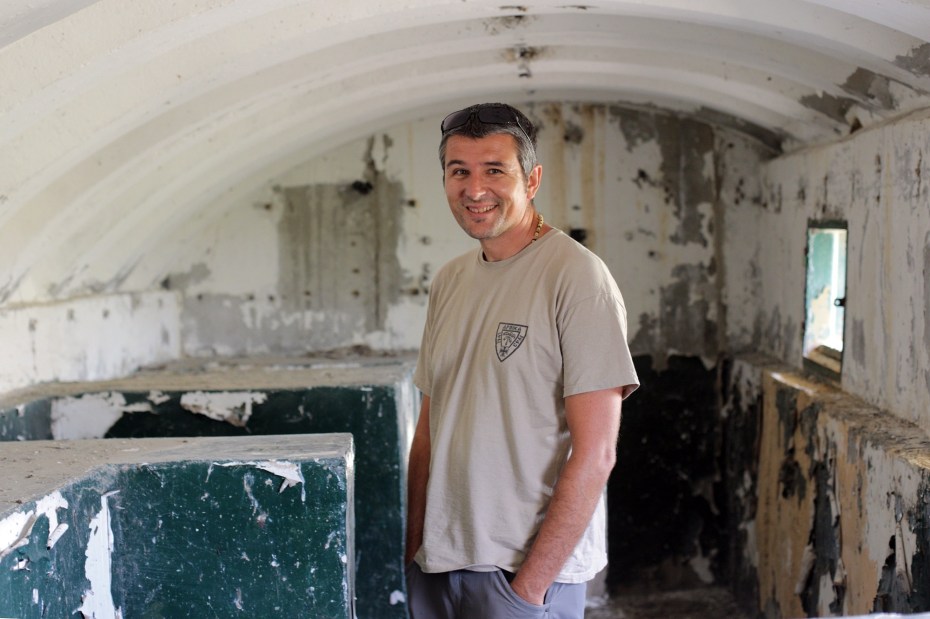
My name is Patrick and I am an independent tour guide based in Sofia, the capital of the wonderful country of Bulgaria. I cater for small groups (maximum four persons) in order to offer the best personal and exclusive service to each and every one of my customers. I am fluent in English and Spanish and of course Bulgarian. I have an unparalleled knowledge of Bulgaria having been a guide here for over 20 years (I know, difficult to imagine for one who looks so young), with a passion for my country’s history, legends, traditions and culture.

Bulgaria Private Guide Patrick

Bulgaria Private Guide Patrick

Working with you before your arrival, we will plan together a 100% customized itinerary tailored to your group’s tastes and needs. I will get your group preferential rates for accommodation, whether you want local guest house hospitality, or 5 star pampered luxury. This pre-planning is key and ensures a tour which never backtracks or repeats.

My air conditioned vehicle is spacious for all passengers and is extremely comfortable on both highways and mountain roads. I love talking about my country as we drive around, but I can assure you I do have an on/off button if you prefer just to listen to music and soak in the countryside.

I offer a wide range of cultural trips including my “Exclusive Bulgaria Grand Tour”, day tours in Sofia and along the Black Sea coast, archaeological and historical tours, research tours, foodie and wine tours, not to mention outdoor activities including hiking, biking, fishing and horseback riding.

I have many guests who come back year after year and my tours have been featured extensively in the magazine International Travel News. Of course, for your peace of mind I am fully licensed and a member of the Association of Bulgarian Tour Guides.

So that’s me – come and let me show you my country!

Contact Bulgaria Private Guide

Dear Travelers, in order to to get in touch with me, please write to my personal mail: bulgariaprivateguide@gmail.com
or contact me through my website:  Bulgaria Private Guide

Post written in co-operation with Bulgaria Private Guide Patrick

Bulgaria Grand Tour

Exclusive Bulgaria Grand Tour

Mein Name ist Patrick und ich bin ein unabhängiger Reiseleiter mit Sitz in Sofia, der Hauptstadt des wunderschönen Landes Bulgarien. Ich kümmere mich um kleine Gruppen (maximal vier Personen), um jedem meiner Kunden den besten persönlichen und exklusiven Service zu bieten. Ich spreche fließend Englisch und Spanisch und natürlich Bulgarisch.

Ich habe ein einzigartiges Wissen über Bulgarien, und ich bin seit über 20 Jahren Reiseführer (ich weiß, schwer vorzustellen für jemanden, der so jung aussieht), mit einer Leidenschaft für die Geschichte, Legenden, Traditionen und Kultur meines Landes.

Vor Deiner Ankunft arbeiten wir mit Dir zusammen und planen gemeinsam eine 100% maßgeschneiderte Reiseroute, die auf die Geschmäcker und Bedürfnisse deiner Gruppe zugeschnitten ist. Ich werde für Deine Gruppe günstige Preise für die Unterkünfte erzielen, egal ob Du und Deine Gruppenmitglieder die Gastfreundschaft eines Gasthauses oder einen luxuriösen 5-Sterne-Luxus wünschen. Diese Vorplanung ist der Schlüssel zu einer einzigartigen Tour, massgeschneidert für Dich und deine Gruppe.

Koprivshtiza

Koprivshtiza

Mein klimatisiertes Fahrzeug ist geräumig für alle Passagiere und ist extrem komfortabel auf Autobahnen und Bergstraßen. Ich liebe es, über mein Land zu reden, während wir herumfahren, aber ich kann Dir versichern, dass ich einen Ein / Aus-Knopf habe, wenn Du nur Musik hören oder die Landschaft genießen willst.

Ich biete eine große Auswahl an kulturellen Reisen, einschließlich meiner “Exclusive Bulgaria Grand Tour”, Tagestouren in Sofia und entlang der Schwarzmeerküste, archäologische und historische Touren, Forschungstouren, Feinschmecker- und Weintouren, ganz zu schweigen von Outdoor-Aktivitäten wie Wandern, Radfahren, Angeln und Reiten.

Ich habe viele Gäste, die Jahr für Jahr zurückkommen und meine Touren wurden ausführlich in der Zeitschrift International Travel News vorgestellt. Natürlich, um Dich zu beruhigen, ich bin voll lizenziert und Mitglied der Vereinigung der bulgarischen Reiseleiter.

Also das bin ich – komm und lass mich Dir mein Land zeigen!

Nessebar

Nessebar

Contact Bulgaria Private Guide

Lieber Reisender, um mich zu kontaktieren schreibe mir doch ein persönliches Mail: bulgariaprivateguide@gmail.com

oder kontaktiere mich über meine Webseite: Bulgaria Private Guide

Artikel geschrieben in Zusammenarbeit mit Bulgaria Private Guide Patrick

Categories: Blogroll, Bulgarien, Travel | Tags: , , , , , | Leave a comment

Le Select in Gustavia

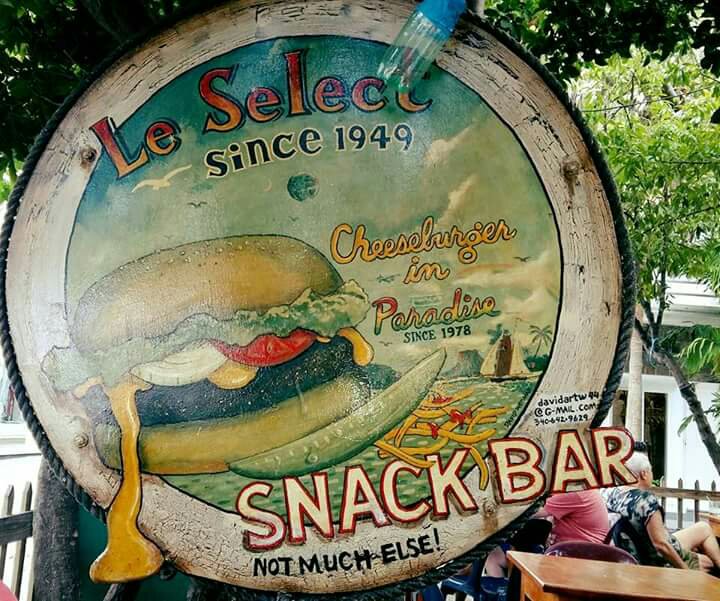
The „Le Select“ is a place where you can eat and drink for a moderate price on the caribbean island St-Barts. A fun place and perfect Meeting Point in the Center of Gustavia.

Famous American pop, rock and country singer Jimmy Buffet, a temporary resident of St. Barth, was inspired by one of his many hits at Le Select to win the title.

“Cheesburger in Paradise” is in my opinion besides „Margaritaville“ probably Jimmy Buffet’s most famous song. To be honest, I confined myself to a cold beer at Le Select and was not tempted to taste this greasy “meat specialty”. Maybe I missed something 🙂

Le Select Gustavia

Le Select Gustavia

Das „Le Select“ bietet Drinks und einfaches Essen zu einem günstigen Preis. Und mehr als öfters, ist hier auch was los! Ein idealer Treffpunkt im Zentrum von Gustavia.

Der berühmte amerikanische Pop-, Rock- und Country-Sänger Jimmy Buffet, ein zeitweiliger Einwohner von St. Barth, hat sich hier im Le Select, für die Titelwahl einer seiner vielen Hits inspirieren lassen.

„Cheesburger in Paradise“ ist neben „Margaritaville“ wahrscheinlich der wohl bekannteste Song Jimmy Buffet‘s. Ich muss ehrlich gestehen, ich habe mich im Le Select auf ein kühles Bier beschränkt und kam nicht in Versuchung diese fett triefende „Fleischspezialität“ zu verkosten. Vielleicht habe ich da was verpasst 🙂

Categories: Blog, St. Barth, Travel, Weltreisen | Tags: , , | 2 Comments

Via Postumia in Northern Italy

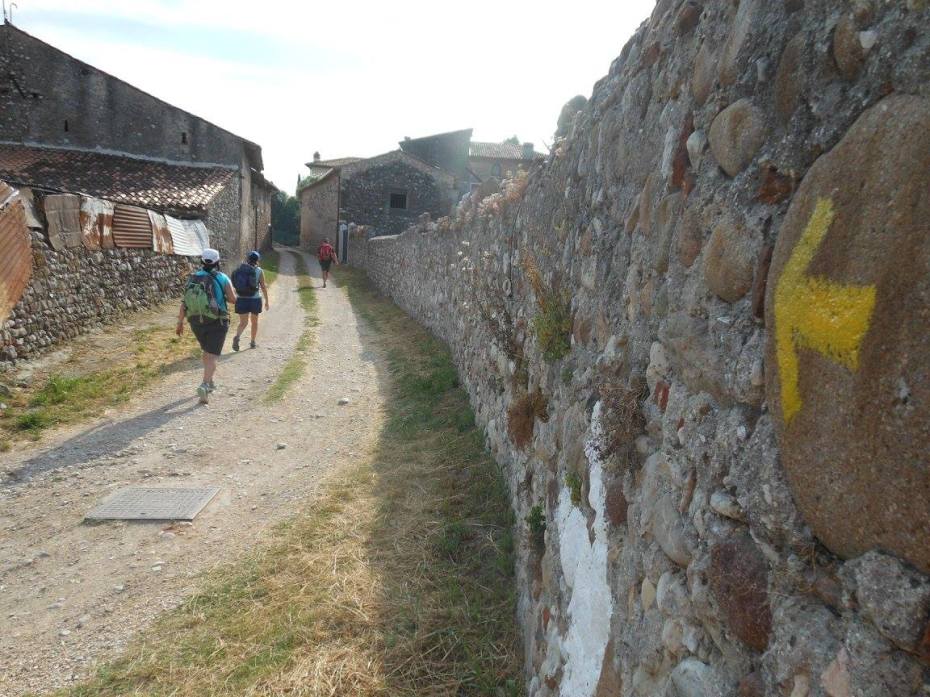
The Via Postumia was a road in Northern Italy that was built by the Romans around 150 BC; it led from Aquileia, through the Po valley over the Apennines to the city of Genoa. Today, this historic route largely forms the centerpiece of the new Italian pilgrimage route, the Via Postumia, to Santiago de Compostela in Galicia, Spain.

The Via Postumia is 930 km long and leads from Aquileia to Genoa and crosses the entire north of Italy from east to west, i.e. through the Regions Friuli-Giulia Venezia, Lombardy, Emilia Romagna, Piedmont and Liguria.

What didn’t exist until now, was an arrow-marked pilgrim route that crosses Italy from east to west and continues from Genoa to Menton in France along the Ligurian coast. The idea to develop such a route emerged at the World Meeting of the Associations of Friends of the St. James Way in Krakow in September 2013, on the occasion of the 1200th anniversary of the rediscovery of the body of St. James. Shortly after his return from this World Meeting in Poland, Andrea Vitiello began this task and decided to trace and re-enact the paths of medieval pilgrims from the East through Italy using advice and opinions from historians, other experts and friends.

The gigantic task of Andrea was to create a route that fit into the map and the network of all the St. James Ways in Europe. Another objective of his project is to promote and support the local businesses along the newly created Via Postumia pilgrimage route.

The result of this great initiative is commendable. The Way of St. James through Italy was formally restored. I am convinced that pilgrims who choose this route through Italy on their way to Santiago de Compostela will be delighted in every way! The Via Postumia crosses the wonderful landscapes of northern Italy on quiet and signposted paths, past nine UNESCO heritage sites and through some of the most beautiful cities in Italy. I am already looking forward to this historic, culinary and spiritual pilgrimage through Italy.

Further and detailed information such as maps, directions, hotels and hostels, etc. can be found under the following link: http://www.viapostumia.eu

Via Postumia

The Via Postumia in Northern Italy

Die Via Postumia war eine um das Jahr 150 v. Chr. gebaute Römerstrasse in Italien, die von Aquileia, durch die Poebene über die Apenninen bis nach Genua führte. Dieser historische Weg bildet heute weitestgehend das Kernstück des Italienischen Pilgerwegs, die Via Postumia, nach Santiago de Compostela in Galizien, Spanien.

Dieser Weg, die Via Postumia, ist eine etwa 930 km lange Route die von Aquileia nach Genua führt und den gesamten Norden Italiens von Osten nach Westen durchquert, also Friaul-Julisch Venetien, Lombardei, Emilia Romagna, Piemont und Ligurien.

Was es bis jetzt nicht gab, war eine mit Pfeilen markierte Pilger Route die Italien von Osten nach Westen durchquert und von Genua weiter nach Menton in Frankreich entlang der ligurischen Küste führt. Die Idee einen solchen Weg zu entwickeln entstand am Welttreffen der Jakobsvereine im September 2013 in Krakau, anlässlich des 1200-jährigen Jubiläums der Wiederentdeckung des Leichnams des Heiligen Jacobus. Kurz nach seiner Rückkehr von diesem Weltmeeting in Polen begann Andrea Vitiello mit dieser Aufgabe und beschloss anhand von Ratschlägen und Meinungen von Historikern, anderen Experten und Freunden die Wege mittelalterlicher Pilger aus dem Osten durch Italien zurückzuverfolgen und nachzubilden.

Die gigantische Aufgabe von Andrea bestand darin, eine Route zu erstellen, die in die Karte und das Netzwerk aller Jakobswege von Europa passte. Ein weiteres Ziel seines Projekts ist die Förderung und Unterstützung der lokalen Unternehmen entlang der neu geschaffenen Pilgerroute Via Postumia.

Das Ergebnis dieser großartigen Initiative ist lobenswert. Der Jakobsweg durch Italien wurde formal wieder hergestellt. Ich bin überzeugt, dass Pilger, die diese Route durch Italien auf ihrem Weg nach Santiago de Compostela wählen, in jeder Hinsicht begeistert sein werden! Die Via Postumia durchquert die wundervollen Landschaften Norditaliens auf ruhigen und beschilderten Wegen, vorbei an neun UNESCO-Kulturstätten und durch einige der schönsten Städte Italiens. Ich freue mich schon jetzt auf diesen historischen, kulinarischen und spirituellen Pilgerweg durch Italien. 

Weitere und detaillierte Informationen wie Karten, Wegbeschreibungen, Hotels und Herbergen, etc. findest Du unter folgendem Link: http://www.viapostumia.eu

Categories: Blogroll, Italy, Jakobsweg, Landmark, Nature, Pilgrimage, Travel, Trekking | Tags: , , , , | 3 Comments

Tips for three Great RV-Trips

RVing (RV stands for Recreational Vehicle) is an extremely popular way to get out and experience the world for retirees across the globe. From the occasional trip to full time living, RVs provide a simple, comfortable and affordable way to travel year-round. Here are 3 great RV trips to take in retirement. These can be done as standalone trips, or easily incorporated into your full-time travels.

For more information about RV rentals, visit the company Outdoorsy HERE


Pacific Northwest, United States of America

This is a great summertime trip for retirees. While it is a common perception that this area has perpetual rain, there are great areas here to visit that buck that understanding. Located on the northern coast of the Olympic Peninsula, towns like Port Angeles, Sequim and Port Townsend are located in the rain shadow of the Olympic Mountains. Sequim, which is located in the center of that rain shadow, receives only 14 inches of rain per year. The vast majority of that rain falls between October and April. The weather in peak season between June and September is absolutely delightful. It is sunny with low humidity and temps in the 70’s to low 80’s (21 – 26 centigrade). This is one reason Sequim has been ranked as one of the best small towns in the pacific northwest to live. It is also a very popular destination for west coast residents to move to for retirement.

The towns here are quaint seaside towns, particularly Sequim and Port Townsend. The surrounding area is absolutely beautiful, with the Olympic National Park just to the southwest. Port Townsend has a great walkable downtown area with nice restaurants and a first-rate farmer market every weekend. The nearby Fort Worden State Park is a former military installation where many of the buildings have been converted to art facilities. This is a great place to learn art from traditional painting to advanced woodworking.

The area is also a gateway to Seattle, the San Juan Islands and Victoria, BC, which is a short ferry ride from Port Angeles. This area makes a great standalone trip. A visit here can be months long without running out of things to do.

Great RV Trips to Take in Retirement

Great RV Trips to Take in Retirement

Mediterranen Coast, Spain and other European Countries

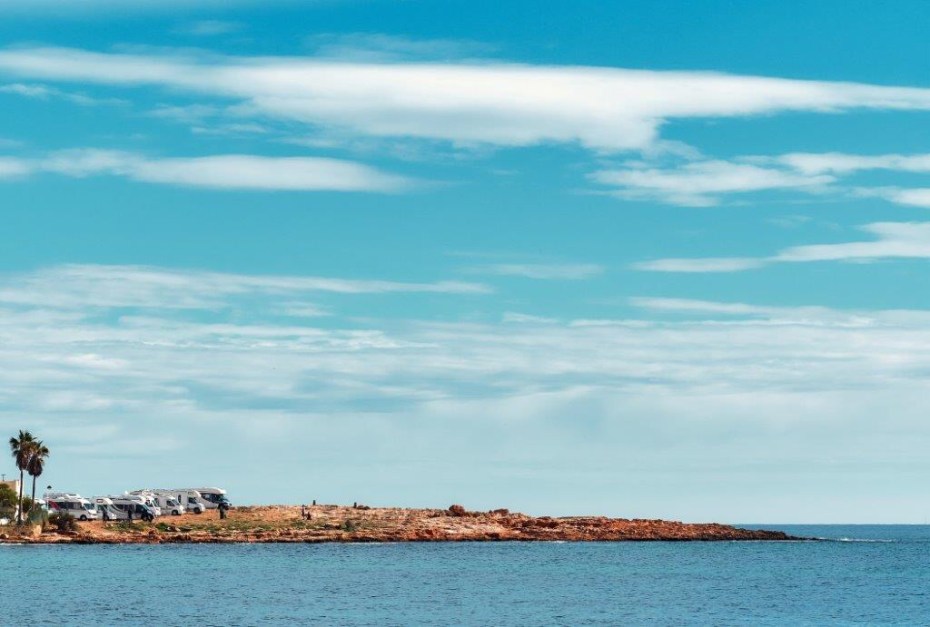
The Mediterranean Coast if Spain is a great location for an overseas retiree RV trip. Spain is often listed as one of the best places for US residents to retire on a budget. It has excellent culture, is generally friendly to foreigners, and sports a relatively low cost of living. The EU also has very streamlined travel regulations between nations, so it makes a great base camp to venture out and explore other EU member states and Switzerland.

RVing in Europe is typically done in smaller campervans than those you may be used to in the US. These RVs are designed to navigate the smaller roads in Europe and provide only the basic services you really need to live. A place to cook, a place to sleep and maybe a bathroom, although those are less common. The lack of RV amenities are made up for by the lifestyle in the area. The RV is truly just a place to sleep, the surrounding cities, towns and beaches will provide all amenities, activities and entertainment you could possibly ask for.

Barcelona, Valencia, Alicante and Malaga are all excellent destinations. Each could be a standalone destination, or a coastal trip covering all of them is certainly possible. Peak season is in the spring and summer, but the weather is mild year-round so off-season trips can still be great while avoiding the crowds.

To plan a trip like this consider using a private owner RV rental service. These services will connect you to a great rental RV that can be picked up on location in Spain.

Great RV Trips to Take in Retirement

Great RV Trips to Take in Retirement

Desert Southwest, United States of America

The southern US is a great retirement RV destination. The weather is fantastic year-round so you can plan your trip at any time. While the southern US as a whole is a great retirement RV destination, the desert southwest stands out for a number of reasons. First, it has great weather. Not only is it generally warm, but also generally very dry. The lack of humidity does three things. First, it makes the warmer temps feel more pleasant. Second, when the sun goes down the temps tend to cool faster, making sleeping more pleasant. Finally, drier air is easier to breath and can be beneficial for a number of health conditions common in the retired community.

The desert southwest is also less crowded then places like Florida during the snowbird season and the cost of living is generally lower. There are other places in the south that are also less crowded then Florida, like Alabama, Louisiana and Texas. These are all great areas in their own right, but the desert southwest gets the edge for its better weather and greater prevalence of free or cheap camping opportunities.

From Palm Springs, CA east to New Mexico there is a great mix of cities and towns with a broad range of cultural and entertainment facilities. These areas are surrounded by camping facilities ranging from vast free boondocking areas to massive high-end resorts. The diversity here will allow any retiree to live exactly as they desire.

RVing during retirement is a great way to get out and see the world. Here we have looked at three great RV trips for retirees. These trips demonstrate the options retirees have for RVing regardless of location or time of year. A great trip is taking a great destination and get the most out of it for yourself and any of these locations will allow you to do that.

For more information about RV-Rentals, visit the company Outdoorsy HERE

Categories: Adventure, Blogroll, Camper, Spain, Switzerland, Travel, Trekking, United States of America | Tags: | 9 Comments

Guggenheim Museum in Bilbao

The Guggenheim Museum of Contemporary Art in Bilbao is one of seven museums of the US Foundation Solomon R. Guggenheim. Of these seven museums, I knew, before visiting Bilbao, the Guggenheim museums in Venice and New York. The one built in the Spanish Basque Country with its modern, deconstructionist style has become my favorite building, it is unique and much more dominant in the city of Bilbao than the two other Museums in New York and Venice.

For me, this museum is undoubtedly the city’s most important attraction. The building rises, like a huge ship, fifty meters high on the banks of the Nérvion river; it is well embedded within the large scale outdoor facilities and does not seem overwhelming. The entrance of the museum is guarded by an artwork of Jeff Koons, a huge flowered dog that looks like a West Highland Terrier.

Depending on the weather and the position of the sun, the museum shines in different shades of color. In the evening, light shows from the riverside and artificially created mists and fire fountains impress the astonished spectators.

If you like art, you do not necessarily have to travel to Bilbao. But for those who like it really big, that’s the place to admire Richard Serra’s “The Matter of Time”, an installation which is definitely worth seeing!

The Guggenheim family is an American industrialist family, who, like me, comes from the Swiss town of Lengnau in the canton of Aargau. The Guggenheim’s ruled the world market for copper, silver and lead in the 19th and early 20th centuries, making them rich and famous.

Guggenheim Museum Bilbao

Guggenheim Museum Bilbao

Das Guggenheim Museum für zeitgenössische Kunst in Bilbao ist eines von sieben Museen der US-amerikanischen Stiftung Solomon R. Guggenheim. Von diesen sieben Museen, kenne ich bis heute nur die Guggenheim Museen in Venedig und in New York, wovon mir das im spanischen Baskenland erbaute Museum am besten gefällt. Der moderne, dekonstruktivistische Baustil dieses einzigartigen Gebäudes ist auch viel präsenter in Bilbao als die beiden anderen in New York und Venedig. 

Dieses Museum ist für mich ohne Zweifel die bedeutendste Sehenswürdigkeit der Stadt. Wie ein riesiges Schiff erhebt sich das Gebäude fünfzig Meter hoch am Ufer des Nérvion und wirkt eingebettet in die grossflächig angelegten Aussenanlagen keinesfalls erdrückend. Vor dem Eingang des Museums wacht ein riesengrosser, mit Blumen bepflanzter Hund, ich glaube es ist ein West Highland Terrier, des Künstlers Jeff Koons.

Je nach Wetter und Sonnenstand strahlt und glänzt das Museum in verschieden Farbnuancen. Am Abend entzücken flussseitig erzeugte Lichtspiele, Nebelschwaden und Feuerfontänen die staunenden Betrachter.

Wer Kunst mag, muss nicht unbedingt nach Bilbao reisen. Aber wer es ganz groß mag, der ist hier richtig: Richard Serras “The Matter of Time” ist definitiv sehenswert!

Die Familie Guggenheim ist eine amerikanische Industriellenfamilie, die wie ich aus dem schweizerischen Lengnau im Kanton Aargau stammt. Die Guggenheim’s  beherrschten im 19. und frühen 20. Jahrhundert zeitweise den weltweiten Markt für Kupfer, Silber und Blei und wurden damit reich und berühmt.

Categories: Art, Blogroll, Kunst, Monument, Museum, Spain, Travel | Tags: , , , , , | 7 Comments

Giants of the Seas in Venice, Italy

A special attraction in Venice are the gigantic cruise ships that squeeze through the lagoon. Some of them are mooring next to St. Mark’s Square. The World Heritage Site with its beautiful Renaissance buildings in contrast to these Giants of the Seas! What a sight! Let’s hope that the fragile foundations of the magnificent buildings and bridges along the canals are not affected by the enormous displacement of water of these ships! 

Eine besondere Attraktion in Venedig sind die riesigen Kreuzfahrtschiffe, die sich durch die Lagune zwängen und einige von ihnen direkt am Sankt Markusplatz anlegen. Das Weltkulturerbe mit seinen wunderschönen Renaissance-Gebäuden im Kontrast zu diesen Riesen der Meere! Was für ein Anblick! Hoffen wir, dass die fragilen Fundamente der prächtigen Gebäude und Brücken entlang der Kanäle nicht durch die enorme Wasserverdrängung dieser Schiffe beeinträchtigt werden!

Categories: Blogroll, Italy, Landmark, Travel, Venedig | Tags: , , | 12 Comments

Plaza de Murillo, La Paz in Bolivia

At the Plaza de Murillo, in the heart of the city La Paz, are the Parliament and the government buildings, the latter guarded by a Presidential Guard (Escolta Presidencial). The Bolivian parliament got its current name (Asamblea Legislativa Plurinacional) in 2009 when the Constitution was revised as part of transforming the country into a “plurinational state”.

Only a few steps away from the government building, a guard of honor watches over the coffin of the Bolivian general and President Andrés de Santa Cruz. With almost 10 years in office, Santa Cruz was considered until recently to be the longest-running incumbent president of Bolivia, a title that he lost to the current president Evo Morales who rules the country since 2006. After a brief interlude as Peruvian President, Santa Cruz was elected in 1829 Bolivian President. His presidency was one of the most stable and successful of Bolivian history. Bolivia, with its progressive reforms, was in those days a role model for many Latin American states. Born in La Paz Andrés de Santa Cruz was 73 years old when he died in 1865 in Saint-Nazaire, France.

Andrés de Santa Cruz

Andrés de Santa Cruz

An der Plaza de Murillo, im Herzen der Stadt La Paz, befinden sich das Parlament und das Regierungsgebäude, letzteres wird bewacht von einer Präsidentengarde (Escolta Presidencial). Das bolivianische Parlament erhielt seinen heutigen Namen (Asamblea Legislativa Plurinacional) im Jahr 2009, als die Verfassung im Zuge der Umwandlung des Landes in einen “plurinationalen Staat” überarbeitet wurde.

Nur wenige Schritte vom Regierungsgebäude entfernt wacht eine Ehrengarde über den Sarg des bolivianischen Generals und Präsidenten Andrés de Santa Cruz. Mit fast 10 Jahren Amtszeit galt Santa Cruz bis vor kurzem als der am längsten amtierende Präsident von Bolivien. Diesen Titel verlor er jedoch an den derzeitigen Präsidenten Evo Morales, der seit 2006 das Land regiert.

Nach einem kurzen Intermezzo als peruanischer Präsident wurde Santa Cruz 1829 zum bolivianischen Präsidenten gewählt. Seine Präsidentschaft war eine der stabilsten und erfolgreichsten der bolivianischen Geschichte. Bolivien war mit seinen fortschreitenden Reformen damals für viele lateinamerikanische Staaten ein Vorbild. Der in La Paz geborene Andrés de Santa Cruz wurde 73 Jahre alt, er verstarb 1865 in Saint-Nazaire, Frankreich.

Categories: Blogroll, Bolivia, History, Landmark, Monument, Travel, Weltreisen | Tags: , , , , , | 8 Comments

Summer House in Denmark

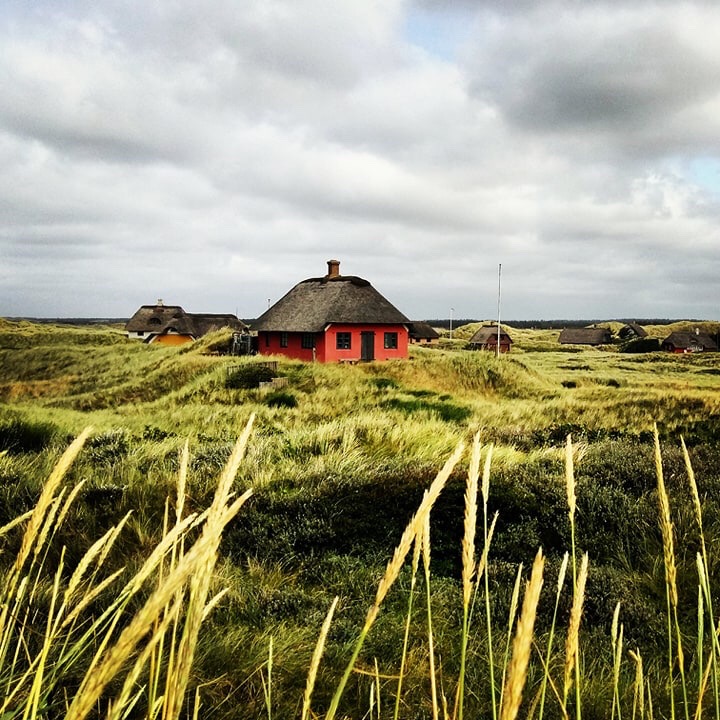
Why not enjoy the holiday as the Danes do? Although Denmark is a country rarely more than 60 km from the nearest beach, the Danes have a surprising fondness for owning a summer home. I rented one and enjoyed it! A week of restful sleep in one of the countless summer cottages on the North Sea in Denmark. Danish summerhouses come in many shapes and sizes. From thatched huts nestled in the dunes to modern glass houses in blooming gardens. It has something for everyone, for the more active and sporty tourists and for those who want to say goodbye to the dynamic and hectic everyday life for a few relaxing days. I am gone, vacation on the North Sea! As these cottages are an integral part of the Danish lifestyle, regardless of the type of vacation you choose, you can be sure that you will sleep in a simple Danish design, taste Danish food and hopefully find the space and freedom to completely relax and enjoy! Nice holiday in Denmark!

Summer Houses in Denmark

Summer Houses in Denmark

Warum nicht einmal den Urlaub geniessen wie es die Dänen machen? Obwohl es sich mit Dänemark um ein Land handelt, in dem es selten mehr als 60 km bis zum nächsten Strand sind, haben die Dänen eine überraschende Vorliebe für den Besitz eines Sommerhauses. Ich hab’s gemacht und genossen! Eine Woche erholsame Ruhe in einem der unzähligen Sommerhäuschen an der Nordsee in Dänemark. Dänische Sommerhäuschen gibt es in vielen Formen und Größen. Von strohgedeckten Hütten, eingebettet in den Dünen, bis modernen Häusern aus Glas in blühenden Gärten. Es hat für jeden etwas, für die eher aktiven und sportlichen Urlauber oder auch für jene die sich aus dem dynamischen und hektischen Alltagsleben für ein paar erholsame Tage verabschieden möchten. Ich bin mal weg, urlauben an der Nordsee! Da diese Häuschen ein wesentlicher Bestandteil des dänischen Lebensstils sind, kannst Du unabhängig von der Art des Urlaubs für den Du dich entscheiden hast sicher sein, dass Du in schlichtem dänischen Design schlafen wirst, dänisches Essen verkosten kannst und hoffentlich den Raum und die Freiheit finden wirst dich vollumfänglich zu entspannen und zu geniessen! Schönen Urlaub in Dänemark!

Categories: Blogroll, Danmark, Travel | Tags: | 11 Comments

Gibraltar International Airport

The Gibraltar International Airport is unique in the World. The runway crosses Winston Churchill Avenue, the only road link with Spain. For pedestrians and cars there are neither over nor underpasses to cross the airfield. Actually, the road over the runway is closed, similarly to train crossings, at every take-off and landing. 

The Airport’s terminal building is adjacent to Gibraltar’s land border with Spain and only a few hundred meters from Gibraltar‘s city center away with its busy shopping mile the „Main Street“. 

There are weekly flights by British Airways and Easyjet to Gibraltar from London, Bristol and Manchester in the United Kingdom and one weekly flight from Tangier and Casablanca by Royal Air Maroc. Spanish airlines are not flying to Gibraltar. Malaga is the nearest international airport in Spain. From there you can take a taxi to the border crossing of Gibraltar. A cheaper option is offered by a travel company from Gibraltar which runs a shuttle bus service to and from Malaga airport twice a day.

Der Internationale Flughafen von Gibraltar ist einzigartig in der Welt. Die Landebahn kreuzt die Winston Churchill Avenue, die einzige Strassenverbindung mit Spanien. Um den Flugplatz zu überqueren gibt es weder für Fussgänger noch für Autos Über- oder Unterführungen. Die Strasse über die Landebahn wird ähnlich wie bei Bahnübergängen bei jedem Start und jeder Landung gesperrt. 

Das Terminalgebäude des Flughafens grenzt an die Landesgrenze mit Spanien und ist nur wenige hundert Meter von der Innenstadt von Gibraltar mit seiner belebten Hauptstrasse der „Main Street“ entfernt. 

Es bestehen wöchentliche Flugverbindungen nach Gibraltar von London, Bristol und Manchester imVereinigten Königreich mit der British Airways und mit Easyjet sowie ein wöchentlicher Flug von Tangier und Casablanca mit der Royal Air Maroc. Spanische Fluggesellschaften fliegen nicht nach Gibraltar. Malaga ist der nächst gelegene internationale Flughafen in Spanien. Von dort gelangt man über den Landweg mit einem Taxi bis zum Grenzübergang von Gibraltar. Eine günstigere Variante offeriert seit kurzem ein Reiseunternehmen aus Gibraltar welche den Flughafen in Malaga und Gibraltar mit einem Shuttle-Bus einmal morgens und abends bedient. 

Categories: Airport, Blogroll, Gibraltar, Malaga, Spain, Travel | Tags: | 7 Comments

Sharky‘s Restaurant in Anguilla, British West Indies

My prophecy, Sharky’s Restaurant, will soon be the next “in-place” for gourmets in Anguilla (BWI)! Absolutely great! We visited Sharky’s last night and believe me, it was more than a surprise! We were greeted by the friendliest staff in an authentic and pleasant environment and were served absolutely incredible food. If you are looking for an excellent local Creole dinner on Anguilla, you will not find a better place than the Sharky’s!

Sharkey’s is a new opened restaurant on Anguilla which has been welcoming guests since Hurricane Irma 18 months ago. It is not an elegant restaurant with sea views. No, but you can expect a wonderful and warm host, who welcomes each guest personally to serve him thereafter a delicious Creole food. You will dine on the outdoor terrace of a colorful Caribbean house and listen to Daniel’s gentle live music. I can guarantee you a relaxing and romantic dinner! You never know, when and if one of your trips will take you to this beautiful Caribbean island, but if you ever set foot on Anguilla, notice, all roads are short and everyone knows Sharky’s Restaurant! Good Appetite!

Sharky‘s Restaurant, Anguilla BWI

Sharky‘s Restaurant, Anguilla (BWI)

Meine Prophezeiung, das Restaurant Sharky´s wird bald der nächste „in-place“ für Feinschmecker in Anguilla (BWI) sein! Absolut top! Wir haben Sharky´s gestern Abend besucht und glaube mir, es war mehr als nur eine Überraschung! Wir wurden vom freundlichsten Personal in einer authentischen und angenehmen Umgebung empfangen und man hat uns absolut unglaubliches Essen serviert. Wenn Du auf Anguilla nach einem ausgezeichneten lokalen kreolischen Abendessen suchst, wirst Du keinen besseren Ort als das Sharky´s finden!

Sharkey´s ist ein neue eröffnetes Restaurant auf Anguilla welches seit dem Hurrikan Irma vor 18 Monaten Gäste empfängt. Es ist kein elegantes Restaurant mit Meerblick. Nein, aber Dich erwartet ein wunderbarer und herzlicher Gastgeber, der gerne jeden Gast persönlich begrüsst um ihm dann ein köstliches kreolisches Essen zu servieren. Du wirst auf der Aussenterrasse eines farbenfrohen karibischen Hauses speisen und zu Daniel‘s sanfter Live-Musik lauschen. Ich kann Dir ein entspannendes und romantisches Abendessen garantieren! Man weiss nie, wann und ob Dich eine Deiner Reisen  auf diese wunderschöne karibische Insel führen wird, aber solltest Du je hier Deinen Fuss auf Anguilla setzten, merke, alle Wege sind kurz und jeder kennt Sharky’s Restaurant! Guten Appetit!

Categories: Anguilla, Blogroll, Food, Travel | Tags: , , , , | 2 Comments

Picasso in Málaga, Spain

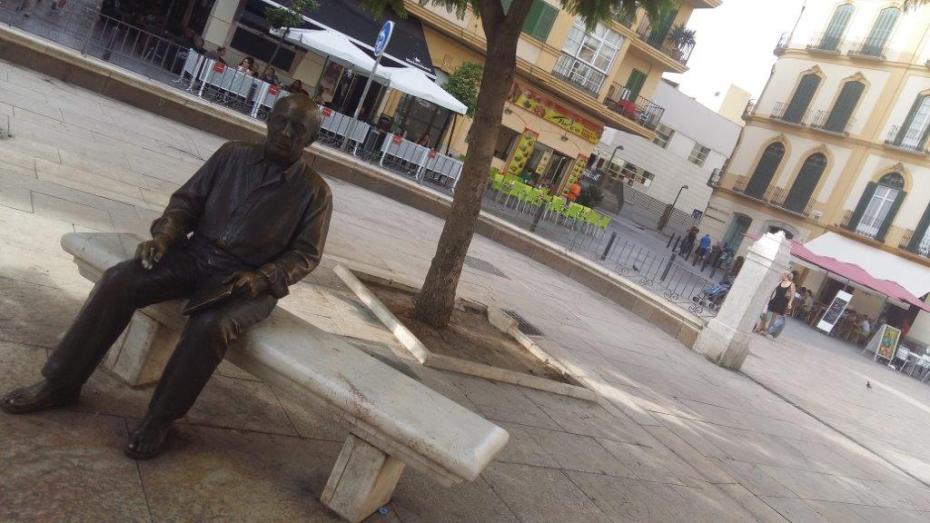
The Plaza de la Merced is one of the most famous squares in Málaga. In the middle of the Plaza stands a large neoclassical obelisk. This monument was built in honor of the general and freedom fighter Torrijos and his 48 comrades who were shot dead on the beach of Málaga in 1831 without a fair trail. However,  the Plaza de la Merced is all about Pablo Picasso; his birthplace is located on the north-western side of this square. Today, in Picasso‘s house is the Fundación Picasso with the Museo Casa Natal. I was looking forward to getting an insight into the home life of the Picasso family during their time in Málaga. Unfortunately, I was a little disappointed. There are a few exhibits of the family and drawings by the artist; but otherwise it is lacking largely original furnishings in order to make oneself an authentic picture of how little Pablo Picasso grew up. The existing furniture is mainly a collection of collected antiques from the late 19th century. Nevertheless, I still find a visit to his birthplace worthwhile, this in addition to the new Museo Picasso Malaga in the Palacio de los Condes Buenavista in Calle San Agustin. In general, the Museo Casa Natal gives a certain overview of the curriculum vitae and the early career of Pablo Picasso. Once you have completed your visit, you will find many bars around the Plaza de la Merced for delicious tapas, a refreshing beer or a fine glass of wine. And last but not least, you can rest on a small park bench next to the seated statue of Pablo Picasso and relax from the hardships of the day.

Pablo Picasso

Pablo Picasso on a bench in the Plaza de la Merced, Malaga

Die Plaza de la Merced gehört zu den berühmtesten Plätzen in Málaga.  In der Mitte der Plaza steht ein großer neoklassizistischer Obelisk. Dieses Denkmal wurde zu Ehren des Generals und Freiheitskämpfers Torrijos und seiner 48 Kameraden erbaut welche 1831 am Strand von Málaga ohne Gerichtsurteil erschossen wurden. Die Plaza de la Merced steht jedoch ganz im Zeichen von Pablo Picasso; sein Geburtshaus steht an der nord-westlichen Seite dieses Platzes. Heute befindet sich in dem Haus die Fundación Picasso mit dem Museo Casa Natal. Ich war gespannt darauf, einen Einblick in das häusliche Leben der Familie Picasso in Málaga zu bekommen. Leider wurde ich ein wenig enttäuscht. Es gibt zwar ein paar wenige Exponate der Familie und Zeichnungen des Künstlers; ansonsten fehlen aber weitgehend Original Einrichtungsgegenstände um sich ein authentisches Bild machen zu können wie der kleine Pablo Picasso aufgewachsen ist. Die vorhandene Möblierung ist vorwiegend eine Sammlung zusammengetragener Antiquitäten aus jener Zeit des späten 19. Jahrhundert. Als Ergänzung zum neuen Museo Picasso Malaga im Palacio de los Condes Buenavista in der Calle San Agustin finde ich einen Besuch des Geburtshauses trotzdem empfehlenswert. Generell gibt das Museo Casa Natal doch einen gewissen Überblick über den Lebenslauf und den Werdegang von Pablo Picasso.

Plaza de la Merced Malaga

Obelisk on the Plaza de la Merced, Malaga

Nach dem Museumsbesuch findet man viele Bars rundum die Plaza de la Merced für leckere Tapas, ein erfrischendes Bier oder ein feines Glass Wein. Und ganz zum Schluss, kann man sich auf einer kleinen Parkbank neben der sitzenden Statue Pablo Picasso von den Strapazen des Tages ausruhen.

Categories: Art, Blogroll, Kunstmaler, Malaga, Museum, Spain, Travel | Tags: , , , , , | 9 Comments

The Lion Monument in Lucerne Switzerland

The Lion Monument is located in the center of the city of Lucerne, in front of the Glacier Garden, a natural monument and museum, and not far from the Bourbaki Panorama on Löwenplatz.

The monument commemorates the heroic death of the Swiss Guards who died in 1792, who protected the French King Louis XVI from his own people and were killed by the revolutionaries in the assault on the Royal Palace and the Tuileries. The carved in stone “dying lion of Lucerne” is one of the most famous monuments in Switzerland. Every year it is visited and photographed by nearly 2 million tourists from all over the world.

Lion Monument Lucerne

The Lion Monument Lucerne

Das Löwendenkmal befindet sich im Zentrum der Stadt Luzern und liegt vor dem Gletschergarten, ein Naturdenkmal mit Museum, unweit vom Bourbaki Panorama am Löwenplatz. 

Das Monument erinnert an den Heldentot der 1792 gefallenen Schweizergardisten die den französischen König Louis XVI vor seinem eigenen Volk beschützten und von den Revolutionären beim Sturm auf das Königliche Schloss und die Tuilerien getötet wurden. Der in Stein gemeisselte „sterbende Löwe von Luzern“ ist eines der bekanntesten Denkmäler in der Schweiz. Jedes Jahr wird er von beinahe 2 Millionen Touristen aus der ganzen Welt besucht und fotografiert.


Categories: Blogroll, Monument, Museum, Switzerland, Travel | Tags: , | 5 Comments

Queen Astrid Chapel

Yesterday, on my way to Lucerne, I drove past the place where a tragic accident happened 83 years ago. On August 29, 1935, Astrid of Sweden and Queen of Belgium lost her still young life in a tragic car accident. The disaster happened near Lake Lucerne on the Luzernerstrasse, a few hundred meters before the village of Küssnacht am Rigi. On that day in August 1935, the Royal Sedan, a Packard 120 Convertible Coupe, came off the road and crashed into a pear tree. Queen Astrid died at the accident site, the driver King Leopold and a second passenger survived the accident with heavy injuries.

The fate of Queen Astrid shook the world at that time, similar to the accidental death of Princess Diana 21 years ago. Shortly after the accident, work began on building a memorial site at the scene of the accident and the site was inaugurated a year later. The Astrid Chapel and a memorial cross, on a sloping meadow overlooking the lake, are reminiscent of this tragic event in 1935.

Astrid Chapel in Küssnacht am Rigi

Astrid Chapel in Küssnacht am Rigi

Gestern auf meinem nach Luzern bin ich an der Stelle vorbeigefahren, wo sich vor 83 Jahren ein tragischer Unfall ereignete. Am 29. August 1935 verlor Astrid von Schweden und Königin von Belgien in einem tragischen Autounfall ihr noch junges Leben. Das Unglück geschah unweit des Vierwaldstättersees auf der Luzernerstrasse, vor der Ortschaft Küssnacht am Rigi. An diesem Tag im August 1935 geriet die königliche Limousine, ein Packard-120 Convertible Coupé, von der Strasse ab und prallte in einen Birnbaum. Königin Astrid starb an der Unfallstelle, der Fahrer König Leopold und ein zweiter Passagier überlebten den Unfall mit schweren Verletzungen.

Das Schicksal der Königin Astrid erschütterte damals die Welt, ähnlich wie vor 21 Jahre der Unfalltod von Prinzessin Diana. Bereits kurz nach dem Unglück wurde am Unfallort mit dem Bau einer Gedenkstätte begonnen und ein Jahr später eingeweiht. Die Astrid Kapelle und ein Gedenkkreuz, auf einer abfallenden Wiese zum Seeufer, erinnern an dieses tragische Ereignis im Jahre 1935.

Categories: Belgium, Blogroll, Church, History, Switzerland, Travel | Tags: , , , , | 3 Comments

Blog at WordPress.com.