Travel

The Hotel Cheval Blanc, St. Barth Isle de France, destroyed by hurrican Irma shines again in new splendor

Like many other hotels on the Caribbean island of St. Barth, the Hotel Cheval Blanc St. Barth Isle de France on Flamands Bay was severely damaged by hurricane Irma two years ago. After this devastating catastrophe in September 2017, it would have been hard to believe that this exclusive hotel complex would welcome guests again in just over a year.

Hotel Cheval Blanc St. Barth Isle de France

Hotel Cheval Blanc St. Barth Isle de France – April 2019

The hotel reopened in December 2018 and shines again in new splendor. In my opinion, this is an extraordinary achievement, bearing in mind that all building materials had to be transported by ship to this small Caribbean island. The same applies to dozens of construction workers and craftsmen who had to be recruited mainly from France and Portugal to get this hotel up and running again in such a short time.

Hotel Cheval Blanc St. Barth Isle de France

Hotel Cheval Blanc St. Barth Isle de France – destroyed by hurricane Irma

Wie viele andere Hotels auf der karibischen Insel St. Barth wurde auch das Hotel Cheval Blanc St. Barth Isle de France an der Flamands Bay vor zwei Jahren durch den Wirbelsturm Irma schwer beschädigt. Nach dieser verheerenden Katastrophe im September 2017 hätte man nicht glauben können, dass dieser exklusive Hotelkomplex in nur etwas mehr als einem Jahr bereits wieder Gäste begrüßen würde.

Hotel Cheval Blanc St. Barth Isle de France - April 2019

Hotel Cheval Blanc St. Barth Isle de France – April 2019

Das Hotel wurde im Dezember wiedereröffnet und erstrahlt wieder in neuem Glanz. Meiner Meinung nach ist dies eine außergewöhnliche Leistung, wenn man bedenkt, dass das gesamte Baumaterial per Schiff zu dieser kleinen karibischen Insel transportiert werden musste. Gleiches gilt für Dutzende von Bauarbeitern und Handwerkern, die vor allem aus Frankreich und Portugal eingestellt werden mussten um dieses Hotel in so kurzer Zeit wieder in Betrieb zu nehmen.

Categories: Blogroll, St. Barth, Travel, Weltreisen | Tags: , , , , | 3 Comments

Three Great RV-Trips to Take in Retirement

RVing (RV stands for Recreational Vehicle) is an extremely popular way to get out and experience the world for retirees across the globe. From the occasional trip to full time living, RVs provide a simple, comfortable and affordable way to travel year-round. Here are 3 great RV trips to take in retirement. These can be done as standalone trips, or easily incorporated into your full-time travels.

For more information about RV rentals, visit the company Outdoorsy HERE


Pacific Northwest, United States of America

This is a great summertime trip for retirees. While it is a common perception that this area has perpetual rain, there are great areas here to visit that buck that understanding. Located on the northern coast of the Olympic Peninsula, towns like Port Angeles, Sequim and Port Townsend are located in the rain shadow of the Olympic Mountains. Sequim, which is located in the center of that rain shadow, receives only 14 inches of rain per year. The vast majority of that rain falls between October and April. The weather in peak season between June and September is absolutely delightful. It is sunny with low humidity and temps in the 70’s to low 80’s (21 – 26 centigrade). This is one reason Sequim has been ranked as one of the best small towns in the pacific northwest to live. It is also a very popular destination for west coast residents to move to for retirement.

The towns here are quaint seaside towns, particularly Sequim and Port Townsend. The surrounding area is absolutely beautiful, with the Olympic National Park just to the southwest. Port Townsend has a great walkable downtown area with nice restaurants and a first-rate farmer market every weekend. The nearby Fort Worden State Park is a former military installation where many of the buildings have been converted to art facilities. This is a great place to learn art from traditional painting to advanced woodworking.

The area is also a gateway to Seattle, the San Juan Islands and Victoria, BC, which is a short ferry ride from Port Angeles. This area makes a great standalone trip. A visit here can be months long without running out of things to do.

Great RV Trips to Take in Retirement

Great RV Trips to Take in Retirement

Mediterranen Coast, Spain and other European Countries

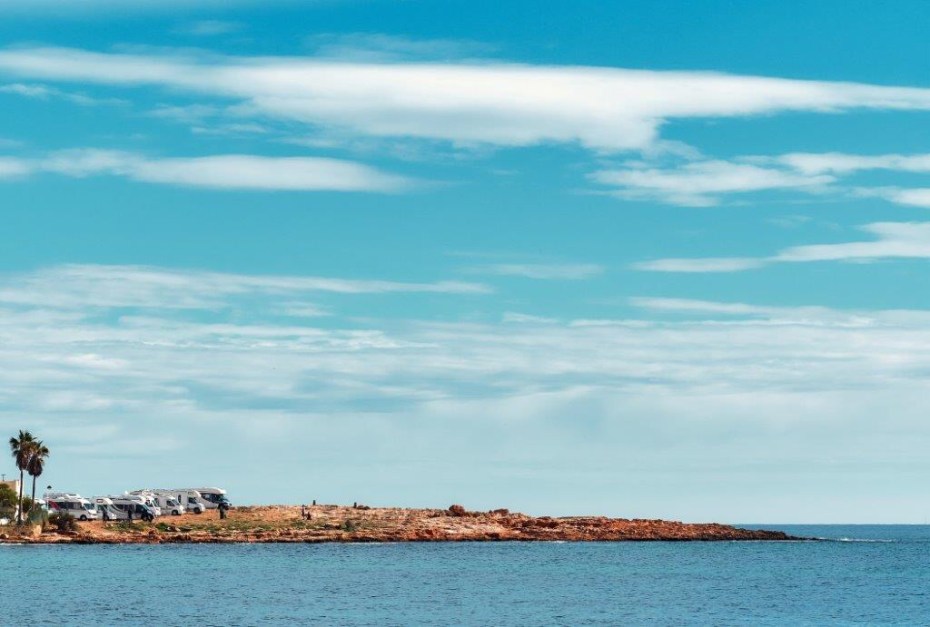
The Mediterranean Coast if Spain is a great location for an overseas retiree RV trip. Spain is often listed as one of the best places for US residents to retire on a budget. It has excellent culture, is generally friendly to foreigners, and sports a relatively low cost of living. The EU also has very streamlined travel regulations between nations, so it makes a great base camp to venture out and explore other EU member states and Switzerland.

RVing in Europe is typically done in smaller campervans than those you may be used to in the US. These RVs are designed to navigate the smaller roads in Europe and provide only the basic services you really need to live. A place to cook, a place to sleep and maybe a bathroom, although those are less common. The lack of RV amenities are made up for by the lifestyle in the area. The RV is truly just a place to sleep, the surrounding cities, towns and beaches will provide all amenities, activities and entertainment you could possibly ask for.

Barcelona, Valencia, Alicante and Malaga are all excellent destinations. Each could be a standalone destination, or a coastal trip covering all of them is certainly possible. Peak season is in the spring and summer, but the weather is mild year-round so off-season trips can still be great while avoiding the crowds.

To plan a trip like this consider using a private owner RV rental service. These services will connect you to a great rental RV that can be picked up on location in Spain.

Great RV Trips to Take in Retirement

Great RV Trips to Take in Retirement

Desert Southwest, United States of America

The southern US is a great retirement RV destination. The weather is fantastic year-round so you can plan your trip at any time. While the southern US as a whole is a great retirement RV destination, the desert southwest stands out for a number of reasons. First, it has great weather. Not only is it generally warm, but also generally very dry. The lack of humidity does three things. First, it makes the warmer temps feel more pleasant. Second, when the sun goes down the temps tend to cool faster, making sleeping more pleasant. Finally, drier air is easier to breath and can be beneficial for a number of health conditions common in the retired community.

The desert southwest is also less crowded then places like Florida during the snowbird season and the cost of living is generally lower. There are other places in the south that are also less crowded then Florida, like Alabama, Louisiana and Texas. These are all great areas in their own right, but the desert southwest gets the edge for its better weather and greater prevalence of free or cheap camping opportunities.

From Palm Springs, CA east to New Mexico there is a great mix of cities and towns with a broad range of cultural and entertainment facilities. These areas are surrounded by camping facilities ranging from vast free boondocking areas to massive high-end resorts. The diversity here will allow any retiree to live exactly as they desire.

RVing during retirement is a great way to get out and see the world. Here we have looked at three great RV trips for retirees. These trips demonstrate the options retirees have for RVing regardless of location or time of year. A great trip is taking a great destination and get the most out of it for yourself and any of these locations will allow you to do that.

For more information about RV-Rentals, visit the company Outdoorsy HERE

Categories: Adventure, Blogroll, Camper, Spain, Switzerland, Travel, Trekking, United States of America | Tags: | 3 Comments

Flower Watch in Geneva

The city of Geneva is located on the western shores of Lake Geneva and is a magnet for business people, diplomats and tourists from all over the world. For me too, Geneva has a certain magical power which from time to time comes over me and I have to visit this fascinating city at the river Rhône. The day before yesterday, the time has come again and I traveled to Geneva, the city of banks, diplomats and watches.  Yesterday I wrote a post about the place where Elisabeth, the Empress of Austria, was murdered in 1898. On my way to this historic spot at the landing stage for paddle steamers on the Quai du Montblanc I strolled through the „English Garden“ on the opposite side of the lake. 

There, at the entrance to the park, at a busy intersection, is the world-famous flower watch, a tribute to the long and rich watchmaking tradition in Geneva. This flower watch with the name “Horloge Fleurie” is a unique technical and horticultural work of art with radio-controlled time; in its kind, it is unique in the world. Considering the rush of tourists, it must be the city’s most frequently photographed landmark! In any case, this watch with it‘s thousands and different colored flowers impressed me! I hope you love it as well!


Die schöne Rhone Stadt Genf liegt am westlichen Ufer des Genfer See’s und ist Anziehungspunkt für Geschäftsleute, Diplomaten und Touristen aus aller Welt. Auch für mich hat Genf eine gewisse magische Kraft welcher ich von Zeit zu Zeit nicht mehr widerstehen kann. Vorgestern war es dann wieder einmal so weit und ich habe mich aufgemacht nach Genf, die Stadt der Banken, Diplomaten und Uhren. Ich berichtete gestern über die Stelle wo die Kaiserin von Österreich 1898 ermordet wurde. Auf meinem Weg zu diesem historischen Ort bei der Bootsanlegestelle für Raddampfer am Quai du Montbkanc bin ich auf der gegenüberliegenden Seeseite durch den Englischen Garten geschlendert.

Flower Watch

Horologe Fleurie – Flower Watch in the English Garden, Geneva

Dort am Eingang zum Park, an einer stark befahrenen Kreuzung, befindet sich die weltberühmte Blumenuhr, eine Hommage an die lange und reiche Uhrmachertradition in Genf. Diese Blumenuhr mit dem Namen “Horloge Fleurie” ist ein einmaliges technisches und gartenbauliches Kunstwerk mit funkgesteuerter Zeit; in ihrer Art ist sie einmalig auf der ganzen Welt. Wahrscheinlich ist diese Blumenuhr, am Andrang der Touristen zu urteilen, das am häufigsten fotografierte Wahrzeichen der Stadt! Auf jeden Fall hat auch mich diese, mit tausenden von verschiedenfarbigen Blumen gestaltete Uhr entzückt! Ich hoffe, auch euch gefällt das Video dieser Blumenuhr!

Categories: Art, Blogroll, Landmark, Switzerland, Travel | Tags: , , | 1 Comment

A very old wooden house in Switzerland

The so-called Nideröst House, named after its former owner, is a residential building from the period 1176 to 1315. The two-storey medieval house was typical of this time and region. It is most likely the oldest wooden house in Switzerland, probably even in Europe. Today, it is located, after a reconstruction on the historic battle site of the Battle of Morgarten, near the Aegerisee in the canton of Schwyz adjacent to the canton of Zug in Switzerland.

Since 2015, between the months of April to November, there is the possibility of guided tours and visits to this medieval wooden house. The information center next to the house is open on the first weekend of each month on Saturday and Sunday from 10 am to 5 pm.

More information can be found on the website: http://www.morgarten.ch


Das sogenannte Nideröst-Haus, benannt nach seinem ehemaligen Besitzer, ist ein Wohnhaus aus der Zeit von 1176 bis 1315. Das zweigeschossige mittelalterliche Wohnhaus war typisch für diese Zeit und Region. Es ist höchstwahrscheinlich das älteste Holzhaus der Schweiz, wahrscheinlich sogar ganz Europas. Es befindet sich heute, nach einem Wiederaufbau auf dem historischen Schlachtgelände der Schlacht am Morgarten, unweit vom Aegerisee, im Kanton Schwyz angrenzend an den Kanton Zug in der Schweiz.

Seit 2015, zwischen den Monaten April bis November, besteht die Möglichkeit von Führungen und Besichtigung dieses mittelalterlichen Holzhauses. Jeweils am ersten Wochenende des Monats an Samstag und Sonntag von 10:00-17:00 Uhr ist das Informationszentrum neben dem Haus geöffnet. 

Mehr Informationen finden Sie auf der Webseite: http://www.morgarten.ch

Categories: Blog, Blogroll, History, Switzerland, Travel | Tags: , , , , | 3 Comments

Rolandomio‘s Travel Blog

Dear Visitors and Followers,

Many thanks for subscribing Rolandomio‘s Travel Blog! 

I am striving to publish interesting posts with travel news, stories, suggestions and recommendations on a regular basis. My major goal with this Blog is to give you travel inspirations and to show you that your „paradise“ is only a plane or train ticket (or boat ride) away.

For all those that are not registered on WordPress, you can receive my Blog posts via E-Mail. ThereforeI invite you to subscribe the Blog by entering your E-Mail Adress at the bottom of this Post „Follow Roandomio Travel via E-Mail“.

Thanks and happy travels!

Baby Camel

My new friend, the baby Camel 🙂

Buen Camino, Roland

Categories: Blog, Blogroll, Travel | Tags: , , , | 51 Comments

Salar de Uyuni in the Andes, Bolivia

The Salar de Uyuni in the Andes in southwest Bolivia is the largest salt surface on earth (about 11’000 square kilometers). This place, at an altitude of about 3,700 meters, attracts tourists from all over the world. Most visitors are tourists from Japan and other Asian countries. There are daily flights from La Paz to Uyuni, a small town on the edge of this salt desert. Of course buses also run between Uyuni and for example La Paz, Potosi or Chile.

Several hotels were built in the area almost completely (walls, roofs, beds, tables) with salt blocks from the Salar. I stayed at the Hotel de Sal Luna Salada near Colchani. The price performance ratio of this hotel and spa is very good and the view over the salt desert is absolutely unique!

The Palacio de Sal was the first such hotel and was built in the middle of the salt desert, but had to be closed several years after its opening due to health and environmental problems. Today, most tours stop there for a lunch break and for shots of the former Palacio de Sal and its surroundings; the many national flags in front of the building are a popular photo motive. Actually, day trips to the salt desert in 4 × 4 jeeps are common and the cheapest way to visit the salt pans. The tours start in Uyuni around 10 am and end around 5 pm. I booked two day tours, one organized by my hotel and the other from a tour operator in Uyuni. The tours usually start with a visit to the Train Cemetery, followed by a short stop at Colchani, where a small salt factory is shown to tourists. From there you continue to the salt desert and there is enough time to photograph this fantastic and overwhelming salt surface and, during the rainy season, to admire the reflections of clouds and sky in the water. I am convinced that you will enjoy the beauty and tranquility of the Salar de Uyuni to the fullest. It will remain an unforgettable experience!

However, for how long? Our tour guide, who earns as Guide extra Money for her studies in La Paza, was very worried about the future of the Salar de Uyuni. She led us to small holes in the otherwise mirror-smooth surface of the salt desert. This anomaly is attributed to the recent intensification of the extraction of lithium carbonate from the water under the salt crust. This rare and sought-after resource is used for the production of high-performance batteries and promises huge profits for the poor country Bolivia, given the looming shift to electric vehicles. The beauty of the Salar might however be at risk considering that about 60% of the world reserves of Lithium are in Bolivia, namely in the Salar de Uyuni.

Der Salar de Uyuni in den Anden im Südwesten Boliviens ist die größte Salzfläche der Erde (ca. 11’000 Quadratkilometer). Dieser Ort auf einer Höhe von etwa 3.700 Metern zieht Touristen aus der ganzen Welt an. Die meisten Besucher sind Touristen aus Japan und anderen asiatischen Ländern. Es gibt tägliche Flüge von La Paz nach Uyuni, einer kleinen Stadt am Rande dieser Salzwüste. Natürlich fahren auch Busse zwischen Uyuni und zum Beispiel La Paz, Potosi oder Chile.

Mehrere Hotels wurden in der Gegend fast vollständig (Wände, Dächer, Betten, Tische) mit Salzblöcken aus dem Salar gebaut. Ich war im Hotel de Sal Luna Salada in der Nähe von Colchani. Das Preis-Leistungsverhältnis dieses Hotels ist sehr gut und der Blick über die Salzwüst absolut einzigartig!

Der Palacio de Sal war das erste derartige Hotel und wurde in der Mitte der Salzwüste errichtet, musste jedoch einige Jahre nach seiner Eröffnung wegen Gesundheits- und Umweltproblemen geschlossen werden. Heute halten die meisten Touren dort für eine Mittagspause und für Photoaufnahmen des ehemaligen Palacio de Sal und seiner Umgebung; die vielen Nationalflaggen vor dem Gebäude sind ein beliebtes Fotomotiv. Eigentlich sind Tagesausflüge in die Salzwüste in 4 × 4 Jeeps üblich und die billigste Art, die Salinen zu besuchen. Die Touren beginnen in Uyuni gegen 10 Uhr und enden gegen 17 Uhr. Ich buchte zwei Tagestouren, eine organisiert von meinem Hotel und die andere von einem Reiseveranstalter in Uyuni. Die Touren beginnen normalerweise mit einem Besuch des Zugfriedhofs, gefolgt von einem kurzen Halt in Colchani, wo eine kleine Salzfabrik den Touristen gezeigt wird. Von dort geht es dann weiter in die Salzwüste und es bleibt genügend Zeit, um diese fantastische und überwältigende Salzoberfläche zu fotografieren und während der Regenzeit die Spiegelungen von Wolken und Himmel im Wasser zu bewundern. Ich bin überzeugt, dass Sie die Schönheit und Ruhe des Salar de Uyuni in vollen Zügen genießen werden. Es wird ein unvergessliches Erlebnis bleiben!

Für wie lange aber? Eine junge Reiseleiterin, die sich hier mit ihren Führungen durch die Salzwüste ein Zusatzbrot für ihr Studium in La Paz verdient, zeigte sich sehr besorgt über die Zukunft der Salar de Uyuni. Sie führte uns zu kleinen Einbrüchen in der ansonsten spiegelglatten Oberfläche der Salzwüste. Diese Anomalie wird zurückgeführt auf die kürzlich begonnene Intensivierung der Extraktion von Lithiumkarbonat aus dem sich unter der Salzkruste befindlichen Wassers. Dieser seltene und begehrte Rohstoff wird für die Herstellung von leistungsstarken Batterien verwendet und verspricht in Anbetracht der sich abzeichnenden Verlagerung auf Elektrofahrzeuge riesige Gewinne für das arme Land Bolivien. Die Schönheit des Salar könnte jedoch in Gefahr sein, wenn man bedenkt, dass etwa 60% der Weltreserven von Lithium in Bolivien liegen, nämlich in der Salar de Uyuni.


Categories: Blogroll, Bolivia, Travel, Weltreisen | Tags: , , , , | 2 Comments

„La Boule d’Or“ of Dieter Meier

A few days ago I travelled to Zurich by train. On the way to my meeting place with a friend, I walked through the great hall of the Zurich train station. And there, near the exit of the hall, in the direction of the river Limmat, is it, illuminated in a transparent shaft with the mass of about 50x50x30 cm, the gilded ball with the name “La Boule d’Or Centenaire”, which since May 9, 2008 is displayed for one hundred years. An art action by Dieter Meier, a successful Zurich musician (“Yellow” together with Boris Blank), entrepreneur and action artist. The ball is taken out of the shaft 8 times and rolled over a distance of 12 meters on the “Bois du voyage d’or”, the last time on May 9, 2108. Do not miss the next take-out on August 28, 2033 🙂 Further information about the Golden Ball can be found on Dieter Meier’s website „Association des Maitre de Rien” under following link.

La Boule d'Or Centenaire

La Boule d’Or Centenaire

Vor ein paar Tagen bin ich wieder einmal mit dem Zug nach Zürich gefahren. Auf dem Weg zu meinem Treffpunkt mit einem Freund ging ich durch die große Halle des Zürcher Bahnhofs. Und dort, nahe dem Ausgang der Halle, in Richtung Limmat, ist sie, beleuchtet in einem durchsichtigen Schacht mit den Massen von ca. 50x50x30 cm, die vergoldete Kugel mit dem Namen “La Boule d’Or Centenaire”, die seit dem 9. Mai 2008 für hundert Jahre ausgestellt wird. Eine Kunstaktion von Dieter Meier, ein erfolgreicher Zürcher Musiker (“Yellow” zusammen mit Boris Blank), Unternehmer und Aktionskünstler. Die Kugel wird 8 Mal aus dem Schacht genommen, und über eine Distanz von 12 Meter auf dem “Bois du voyage d’or” ausgerollt, das letzte Mal am 9. Mai 2108. Verpassen Sie nicht den nächste Entnahme am 28. August 2033 🙂 Weitere Informationen zur Goldenen Kugel finden Sie auf der Website von Dieter Meier‘s “Association des Maitre de Rien” unter folgendem Link.

Categories: Art, Blogroll, Events, Kunst, Museum, Switzerland, Train, Travel | Tags: | 3 Comments

St. Barth, the Saline and the paintings of Irene Mueller

Saint Barthélemy (or St. Barth, St. Barths, St-Barts) is a small Caribbean island in the French West Indies (FWI) with an area of approximately 25 square kilometers and about 9000 inhabitants. The capital, with its beautiful natural harbor, is Gustavia. Before the end of the Napoleonic wars, St. Barth was for a short time a Swedish colony, but later fell back to France. The language, cuisine and culture are clearly French, i.e. you will not miss the typical French croissant in St. Barth. The island is a very popular tourist destination; and especially in the wintertime the beautiful and the rich are bustling there.

The Saline – Before the time of tourism, the few islanders lived on fishing, breeding livestock, growing cotton and extracting salt. On the road to one of the most beautiful beaches on the island (saline) is an old salt marsh that was exploited until the 1970s. Today, this saline is a unique ecosystem and considered a sanctuary and breeding ground for rare freshwater and seawater birds. But in the salt marsh are still quite different beauties, there are from the salt over the decades gnawed and preserved tree trunks, trees that once here, in this place, the tired and thirsty salt pickers their shadow ghost donated.

The artist Irene Mueller (ArtspaceIrene) was inspired by these “trees” and has expressed it in her Artist Statement as follows:

“As an artist, I’m interested in mother nature and the relationship between people and the universe. I try to understand and express the visible and the invisible in my work. Constant change is the law of nature. I think it is necessary to look deeper into nature so that we can avoid the sadness that might come first. To further understand that life finds new ways and forms to exist and to find the beauty and the richness in this transformation process.

Between 2013 and 2017, I created a series of paintings on my current theme “Trees never die”. The subjects are trees, which were destroyed from the salt of a saline in St. Barth. When I saw these trees, they appeared dead, undressed, helpless to move, but they immediately touched me with their elegance, grace and sophistication. I felt their desire to live, so I revived them in a different form, in the world of surreality, to be different, to be immortal. ”

The new life of the „trees“ – These trees, or their pictures, shown in their full splendor on various exhibitions, including the Grand Palais in Paris, at the Biennale in Florence, the Triennale in Rome or the Arte Salerno; Some found their way into private collections, others are still waiting for a new home.

Art Critic for Irene Mueller – The Video Review “Full Art Immersion”, by the art critic Federico Caloi

Contact with the Artisthttp://www.artspaceirene.com

Saint Barthélemy (oder St. Barth, St. Barths, St-Barts) ist eine kleine Karibische Insel in den Französischen West Indies (FWI) mit einer Fläche von ca. 25 Quadratkilometern und ungefähr 9000 Einwohner. Die Hauptstadt, mit ihrem wunderschönen natürlichen Hafen, ist Gustavia. Vor dem Ende der Napoleonischen Kriege war St. Barth für eine kurze Zeit eine schwedische Kolonie, fiel später aber wieder zurück an Frankreich. Die Sprache, Küche und Kultur sind eindeutig Französisch, d.h. Du wirst in St. Barth den typischen französischen Croissant nicht vermissen. Die Insel ist ein sehr beliebtes Touristenziel; und vor allem in der Winterzeit tummeln sich dort die Schönen und Reichen.

Die Saline – Vor der Zeit des Tourismus lebten die wenigen Insel-Bewohner vom Fischfang, der Aufzucht von Nutztieren, dem Anbau von Baumwolle und der Gewinnung von Salz. Auf der Strasse zu einem der schönsten Strände der Insel (Saline) liegt eine alte Salzmarsch die bis in 1970er Jahre ausgebeutet wurde. Heute ist diese Saline ein einzigartiges Ökosystem und gilt als Zufluchtsort und Brutstätte für seltene Süsswasser und Seewasservögel. Aber in der Salzmarsch befinden sich noch ganz andere Schönheiten, es sind vom Salz über die Jahrzehnte zermürbten und konservierten Baumstämme, Bäume die einst hier, an diesem Ort, den müden und durstigen Salzpflückern ihren Schatten Gespenst gespendet haben.

Artspaceirene

Artist painter Irene Mueller is convinced “trees never die“

Die Kunstmalerin Irene Mueller (ArtspaceIrene) hat sich von diesen „Bäumen“ inspirieren lassen und drückt es in ihrem Artiststatement wie folgt aus:

„Als Künstlerin interessiert mich die Mutter Natur und die Beziehung zwischen Menschen und dem Universum. Ich versuche das Sichtbare und Unsichtbare in meinen Arbeiten zu verstehen und auszudrücken. Stetige Veränderung ist das Gesetz der Natur. Ich glaube, es ist notwendig, die Natur tiefer zu sehen, damit wir die Traurigkeit vermeiden können, die einem zuerst begegnen könnte. Weiter zu verstehen, dass das Leben neue Wege und Formen findet, um zu existieren und die Schönheit und den Reichtum in diesem Transformationsprozess zu finden.

Ich malte zwischen 2013 und 2017 eine Serie von Bildern zu meinem dann aktuellen Thema “Bäume sterben nie”. Die Sujets sind Bäume, die aus dem Salz einer Saline in St. Barth zerstört wurden. Als ich diese Bäume sah, erschienen sie wie tot, entkleidet, hilflos sich zu bewegen, aber sie berührten mich sofort mit ihrer Eleganz, Grazie und Raffinesse. Ich spürte ihren Wunsch zu leben, also belebte ich sie in einer anderen Form, in der Welt der Surrealität, um anders zu sein, um unsterblich zu sein.“

Saline St. Barth

The Salt Marsh or Saline in St. Barth

Das neue Leben der Bäume – Diese Bäume, respektive deren Bilder, erstrahlten in ihrer vollen Pracht an verschiedensten Ausstellungen, unter anderem im Grand Palais Paris, an der Biennale in Florenz, der Triennale in Rom oder der Arte Salerno; einige fanden ihren Weg in Privatsammlungen, andere warten noch auf ein neues Zuhause.

Konakt mit dem Künstlerhttp://www.artspaceirene.com

Categories: Art, Blog, Blogroll, Kunst, Kunstmaler, Nature, St. Barth, Travel | Tags: , , , , , , , , , , | 2 Comments

Flight to St. Barth is a special experience

The airport on St. Barth is considered one of the most dangerous in the world and can only be servewd with a special license. The very short runway must be flown by the pilots in a dive and braked sharply after the “touchdown” of the machine. An approach from the opposite direction over the bay of St. Jean also requires the highest concentratiozn of pilots.

Livestream from St. Barth Airport

For visitors to St Barth via Saint Martin (Sint Maarten), the ferry can alternatively be used from Princess Juliana, Oysterpond or Marigot; but beware, the crossing between the two islands can be very hearty at high seas.

Der Flughafen auf St. Barth gilt als einer der gefährlichsten der Welt und kann nur mit einer Spezial-Lizenz angeflogen werden. Die sehr kurze Landebahn muss von den Piloten im Sturzflug angeflogen und nach dem „Touchdown“ der Maschine scharf abgebremst werden. Ein Anflug aus der Gegenrichtung über die Meeresbucht von St. Jean erfordert ebenfalls höchste Konzentration der Piloten.

Für Besucher der Insel St. Barth über Saint Martin (Sint Maarten) kann alternativ die Fähre ab Flughafen Princess Juliana, Oysterpond oder Marigot benutzt werden; aber Achtung, die Überfahrt zwischen den beiden Inseln kann bei hohem Seegang ganz schön deftig werden.


Categories: Blog, St. Barth, Travel, Weltreisen | Tags: , , , | 4 Comments

Monkeys on the Rock of Gibraltar

Did you know that there are wild monkeys on the European continent! You can find them on the Upper Rock in Gibraltar. Originally they are from the Atlas and Rif mountains of Morocco. It is unclear when these Barbary macaques colonized Gibraltar. However, they were already there when the Rock of Gibraltar was conquered by the British in 1704. Currently, it is reported that the population of these monkeys is about 300, and rising. As I climbed up to the rock, these apes behaved like street gangs, positioning themselves at strategic points along the trail, hoping to get cookies or other sweets out of the hikers’ backpacks. Although it is strictly forbidden to feed these animals, there are always tourists who do not adhere to this prohibition. Offenses are penalized with hefty fines and a bite from an aggressive alpha animal, which does not find the expected delicacy in the offered hand of a tourist, can hurt quite a bit.

Wussten Sie, dass es auf dem europäischen Kontinent wild lebende Affen gibt! Sie finden sie auf dem Upper Rock in Gibraltar. Ursprünglich stammen sie aus dem Atlas und Rif-Gebirge von Marokko. Es ist unklar, wann diese Berberaffen Gibraltar besiedelten. Sie waren jedoch bereits dort, als der Felsen von Gibraltar 1704 von den Briten erobert wurde. Derzeit wird berichtet, dass die Population dieser Beberaffen bei etwa 300 liegt, Tendenz steigend. Als ich zum Rock hinaufstieg, benahmen sich diese Gesellen wie Strassenbanden, sie positionierten sich an strategischen Punkten entlang des Wanderpfads, in der Hoffnung Kekse oder andere Süssigkeiten aus den Rucksäcken der Wanderer zu ergattern. Obwohl es strickt verboten ist diese Tierchen zu füttern hat es doch immer wieder Touristen die sich nicht an dieses Verbot halten. Zuwiderhandlungen werden mit saftigen Geldbussen bestraft und ein Biss eines aggressives Alpha-Tiers, welches die erwartete Köstlichkeit in der dargebotenen Hand des Touristen nicht findet, kann ganz schön schmerzen. 

Categories: Blogroll, Gibraltar, Nature, Travel, Trekking | Tags: , , | 4 Comments

L’Antica Pizzeria da Michele, Naples, Italy

For my trip to Naples, I had firmly planned a meal in the cult pizzeria “da Michele”. After all the positive commentaries about this place, I was convinced that I would eat there the best pizza in the world, my expectations were huge! Further, my friends had highly recommended me the „da Michele“ as an absolute “must go and must have”. I set off on the first day of my journey to enjoy this typical Neapolitan delight. Incidentally, today’s international version of pizza with dough, tomato sauce and cheese as its base probably comes from Naples. But as it is in life, my anticipation was already significantly dampened in front of the entrance to the pizzeria. A huge crowd of hungry guests waited before the Pizza Gourmet Temple, in their hands, the dustributed waiting numbers. Instead of the announced 45 minutes we waited more than an hour outside; it took another 30 minutes until the pizza was served. You have the choice between Pizza Margherita or Marinara. The pizza was good but not outstanding for my taste! The dough is different than in other pizzerias, it is probably an old recipe. For me, the pizza was too wet, it was “mushy” with the advantage that it is easily edible for the elderly and children. In summary, my taste does not matter, and other guests love the “da Michele”! For this reason, I recommend you to visit this Pizzeria and try their pizzas to make your own judgement.

Pizzeria da Michele Naples

L‘Antica Pizzeria da Michele, Naples, Italy

Ein Essen in der Kult-Pizzeria „da Michele“ hatte ich für meine Neapel Reise fest eingeplant und die Erwartungshaltung dass ich dort die beste Pizza der Welt essen würde war riesig! Meine Freunde hatten mir diese Pizzeria wärmstens als ein absolutes „Must Go and Must Have“ empfohlen. Ich habe mich dann bereits am ersten Tag meiner Reise auf den Weg gemacht, um mir diese typisch Neapolitanische Gaumenfreude zu gönnen. Übrigens, die heutige, international verbreitete Variante der Pizza mit Teig, Tomatensauce und Käse als Basis stammt vermutlich aus Neapel. Aber wie es so ist im Leben, meine Vorfreude wurde bereits vor dem Eingang zur Pizzeria erheblich gedämpft. Eine riesige Menschentraube hungriger Gäste wartete mit den verteilten Wartenummern in den Händen auf Einlass in den Pizza Gourmet Tempel. Anstatt den avisierten 45 Minuten hatten wir über eine Stunde draussen gewartet; es dauerte dann nochmals 30 Minuten bis uns die Pizza serviert wurde. Man hat die Wahl zwischen Pizza Margherita oder Marinara. Die Pizza war gut aber für meinen Geschmack nicht überragend! Der Teig ist anders als in anderen Pizzerias, vermutlich handelt es sich um ein altes Rezept. Für mich war die Pizza jedoch viel zu feucht, sie war „matschig“ mit dem Vorteil, dass sie auch für ältere Menschen und Kinder leicht essbar ist. Zusammenfassend muss ich sagen, dass mein Geschmack nicht von Bedeutung ist, andere Gäste waren begeistert vom „da Michele“! Aus diesem Grund empfehle ich euch einen Besuch dieser Pizzeria wo ihr dann euer eigenes Urteil bilden könnt.

Categories: Blogroll, Italy, Restaurant, Travel | Tags: , , , | 6 Comments

Lake Titikaka and the Uros on their floating Islands

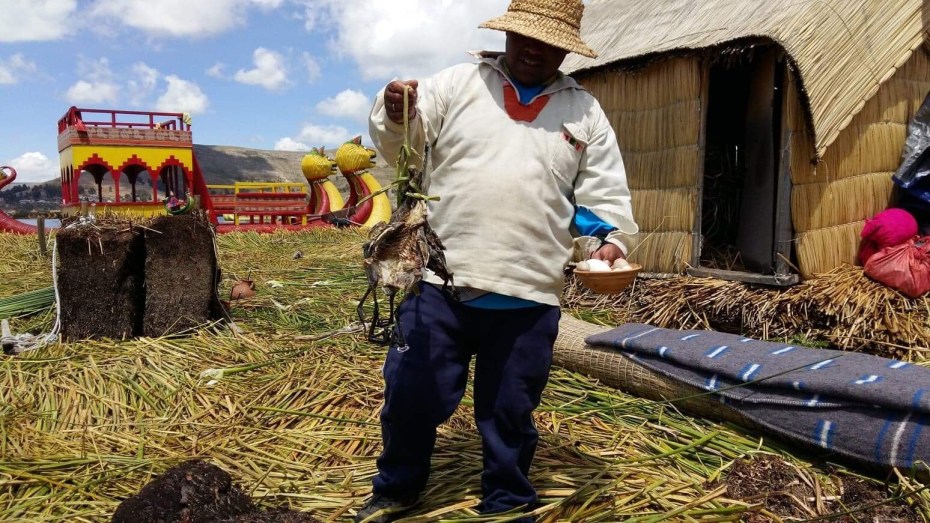
The Uros are an ethnic group of Indians on the Lake Titikaka (3840 meters above sea level) near Puno in Peru, there are still a couple of thousand people of this ethnic group living today in said area. The original language of the Uros is Urukilla. In the colonial era, they converted to Aymara, which is spoken here to the present day. The Uros live for many hundreds of years on approximately 50 “floating islands”, which are constructed from dried Totora reeds. The same plant is also the raw material for reed boats and their houses on the islands.

The Uros mainly live from fishing, bird hunting and collecting bird eggs. Today, of course, the income of day tourists are of central importance. This has brought the archipelago some modern conveniences, including solar panels, television, radio and mobile phones.

The islands, now populated by a few hundred Uros, are located 6 km east of the port of Puno. The majority of Uros now lives and works on the mainland and students are learning at the the university in Puno.

The day trips depart from the port of Puno and the crossing to the floating Uros Islands takes about 30 minutes. You will travel by boat through a natural “channel” cut out of a dense reef field to one of these islands, where you will meet the resident families, explore their surroundings and get to know their way of life; of course you can take a lot of photos! The women of the visited islands weave, sew and carve small souvenirs which you can buy for little money. You also have the option to visit a neighboring island with a reed boat (the transfer will be paid directly to the family that owns the boat).

The best way to visit the Uros is to arrive in Puno at least one day before and stay overnight. Hotels can be booked directly via this LINK.

Uros on lake Titikaka

Uros on lake Titikaka

Uros on lake Titikaka

Uros on lake Titikaka

Die Uros auf dem Titikaka See

Die Uros sind eine ethnische Gruppe von Indianern am Titikaka-See (3840 Meter über dem Meeresspiegel) in der Nähe von Puno in Peru; es leben immer noch ein paar tausend Menschen dieser ethnischen Gruppe in diesem Gebiet. Die ursprüngliche Sprache der Uros ist Urukilla. In der Kolonialzeit wechselten sie mit der Zeit zu Aymara das hier bis heute gesprochen wird. Die Uros leben seit vielen hundert Jahren auf diesen „schwimmenden Inseln”, die aus getrockneten Totora-Schilfen bestehen. Die gleiche Pflanze ist auch der Rohstoff für Ihre Schilfboote und Häuser auf den gegenwärtig ca. 50 Inseln.

Die Uros leben hauptsächlich vom Fischfang, der Vogeljagd und dem Sammeln von Vogeleiern. Heute ist natürlich das Einkommen der Tagestouristen von zentraler Bedeutung. Dies hat dem Archipel moderne Annehmlichkeiten gebracht wie Sonnenkollektoren, Fernsehen und Radio, etc.

Die Inseln, die heute von einigen hundert Uros bevölkert sind, liegen 6 km östlich des Hafens von Puno. Die Mehrheit der Uros lebt und arbeitet auf dem Festland und die Studenten lernen an der Universität in Puno.

Die Tagesausflüge beginnen am Hafen von Puno und die Überfahrt zu den schwimmenden Uros-Inseln dauert etwa 30 Minuten. Sie werden mit dem Boot durch einen natürlichen “Kanal” fahren, der aus einem dichten Schilffeld herausgeschnitten wurde um zu einer dieser Inseln zu gelangen, wo Sie die ansässigen Familien treffen, ihre Umgebung erkunden und ihre Lebensweise kennenlernen werden; natürlich können Sie viele Fotos machen! Die Frauen der besuchten Inseln weben, nähen und schnitzen kleine Souvenirs, die man für wenig Geld kaufen kann. Sie haben auch die Möglichkeit, eine Nachbarinsel mit einem Schilfboot zu besuchen (der Transfer wird direkt an die Familie gezahlt, die das Boot besitzt).

Die beste Art, die Uros zu besuchen ist mindestens einen Tag vorher in Puno anzukommen und dort zu übernachten. Hotels können direkt über diesen LINK gebucht werden.

Categories: Blogroll, Weltreisen, Travel, Nature, Peru, History, Landmark | Tags: , , | 11 Comments

Buddhist Pilgrimage Tour in Nepal – Adventure Travel Nepal

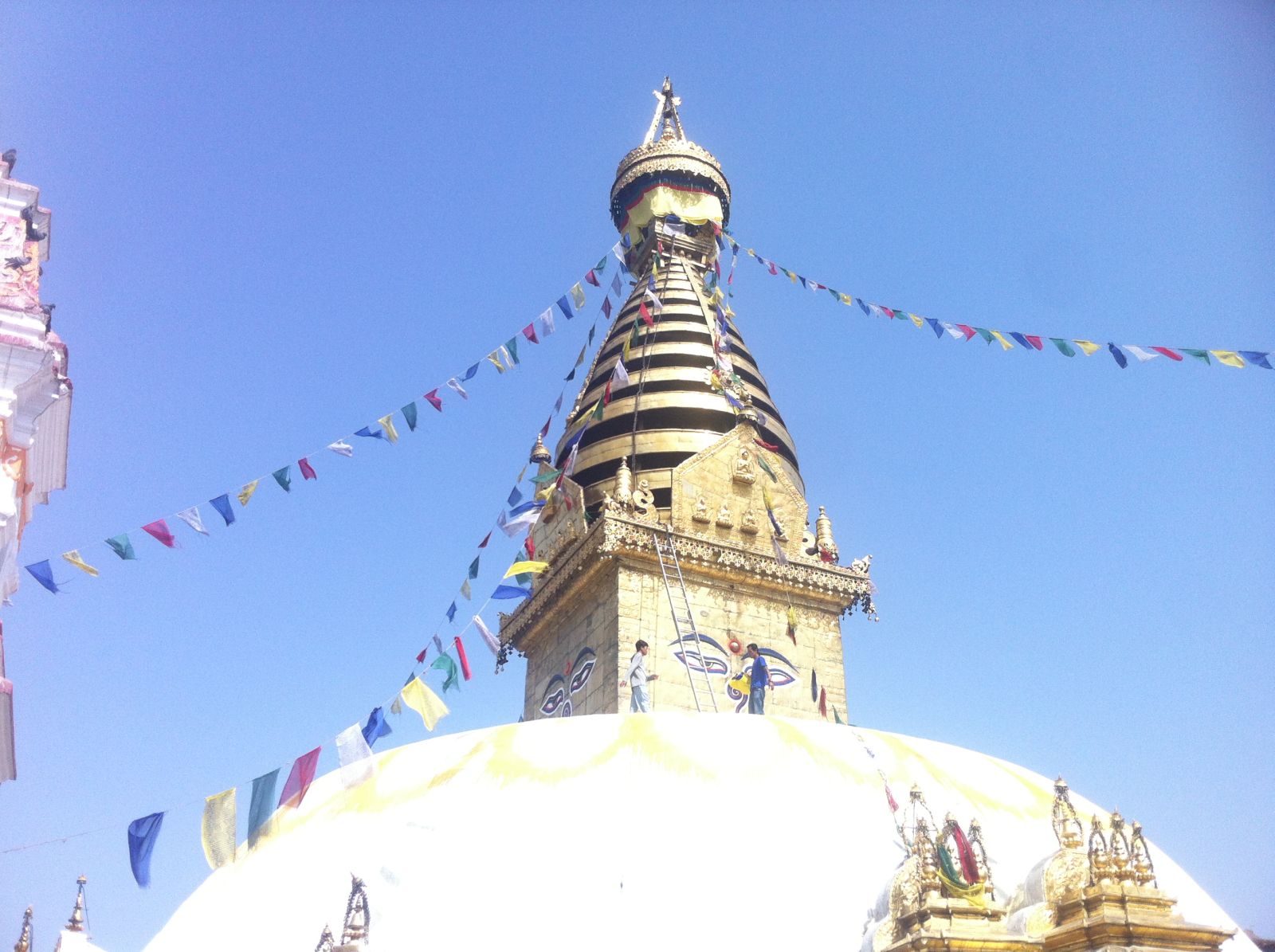
Buddhist Pilgrimage Tour in Nepal is so famous Package tour because Nepal is a birth place of lord Buddh whose philosophy is the root of Budhhism in the world. Nepal is nest of various religions and cultural ethnic group. Whole of them Buddhist people are in second position in population of Nepal. Nepal has many […]

via Buddhist Pilgrimage Tour in Nepal — Adventure Travel Nepal

Categories: Adventure, Blogroll, Nepal, Travel, Trekking | Tags: | 8 Comments

Freddie Mercury (Queen) in Montreux

Who does not know him, Freddie Mercury, the lead singer of the Rockband „Queen“ who unfortunately died too early. In 1996, in memory of his presence in Montreux, Switzerland, a statue on the lake promenade of Lake Geneva was erected. In 1978, the singer came to the Montreux Jazz Festival with his unmistakable voice to record the album Jazz with Queen. At that time, the Montreux Casino’s “Mountain Studio” was one of the world’s most advanced recording studios equipped with Revox machines. The following year, Freddie Mercury bought the Mountain Studio, which today is open to the public. It is now a Museum and visiting this historic place in Montreux is worthwhile!

Freddie Mercury

Freddie Mercury

Wer kennt ihn nicht, Freddie Mercury, der Lead Sänger der Rockband „Queen“, der leider viel zu früh verstorben ist. Zur Erinnerung an seine Anwesenheit in Montreux (Schweiz) wurde 1996 eine Statue an der Seepromenade des Genfersees aufgestellt. 1978 kam der Sänger mit seiner unverkennbaren Stimme zum Montreux Jazz Festival, um das Album Jazz mit Queen aufzunehmen. Das „Mountain Studio“ im Casino von Montreux war zu jener Zeit weltweit eines der hochmodernsten, mit Revox-Geräten ausgerüstete, Tonstudio. Im folgenden Jahr kaufte sich Freddie Mercury das Mountain Studio; es ist heute für die Oeffentlichkeit zugängig. Es wurde in ein Museum umfunktioniert und ein Besuch dieses historischen Ortes in Montreux lohnt sich!

Categories: Art, Blogroll, Museum, Music, Switzerland, Travel | Tags: , , , | 12 Comments

A trip to the Colca Canyon in Peru

The Colca Canyon is a gorge near Chivay in Peru, 97 km north of Arequipa. Here, the river Colca has dug into the earth and thus created the Colca Gorge. The Colca Canyon is, depending on the measurement and compared to the Grand Canyon, the second deepest or deepest canyon in the world.

Our one-day Colca Tour started in Arequipa. The adventure began at 4 o’clock in the morning. We were a group of ten courageous early risers who were forced into an aged minibus.

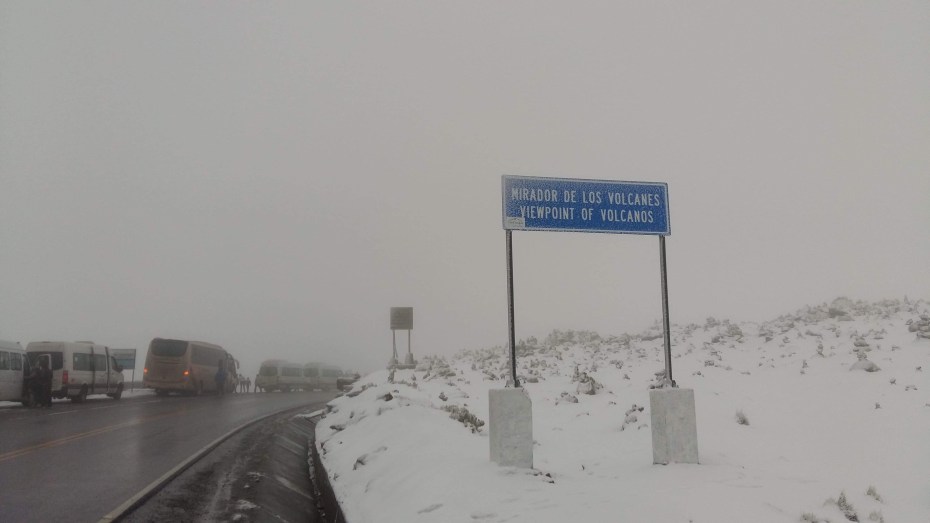
The Bus bus rattled slowly through the still dark landscape, and one could feel how the vehicle laboriously but steadily worked upwards. The exhaust fumes of the vehicle and the ever-increasing altitude drove most of us cold sweat into the face, some participants wanted to leave the vehicle at this Point to regenerate in the fresh air and fill their lungs with oxygen. This was granted to us after a three-hour ride on the highest point of the route, at 4‘890 meters on the Pata Pampa Pass. Here, the air is thin and I had shortness of breath and difficulties to get back on the bus. I was not unhappy when the ride was continued. The pass was snowy and the fog made it impossible to see the Andes and the surrounding volcanoes anyway.

Condor

Condor

We continued on a winding road in the direction of Chivay into the valley at 3’650 meters. We had a short stay there before continuing. After a curvy one-hour ride up through a breathtaking natural landscape, we reached the vantage point “Cruz del Condor” at 3’900 meters. Here, in the early morning, the kings of the skies, the famous condors, rise from the depths of the canyon. We were very fortunate that day and a condor couple sailed majestically about five meters above us. My shortness of breath and discomfort was forgotten for a while. The goal of my trip was reached at this time. The return trip was no less tedious, only side reversed 🙂 On the following day, the flight from Arequipa to Cusco brought me a brief relief. But after arriving in Cusco, the malaise was back. Heavy dizziness, rapid heartbeat and an extremely high blood pressure made it impossible for me to travel on. After two days of hospitalization and a rest of few days in the Inca city, significantly improved my situation and I was “allowed” to continue the Andean journey.

Cruz del Condor

Cruz del Condor – Colca Canyon Peru

What I knew about the altitude sickness before my trip to the Andes

I was aware that altitude sickness can occur when the body does not have enough time to adapt to the new conditions. Therefore, I planned the journey to commence in Arequipa, on an altitude of 2’400 meters, to adapt myself successively to the changed height conditions. But the climb to nearly 5’000 meters was too abrupt and the phase of acclimatization of only two days in Arequipa was obviously too short for me!

What I didn’t know

The altitude sickness can be life-threatening and can cause particularly serious problems for the lungs and brain. Brain or pulmonary edema could develop with fatal consequences.

What should I have done right in my case?

The only effective protection against altitude sickness is the right approach to ascension. When climbing dizzying heights, do not go too fast to give the body the time to adapt to the changing conditions. That was not the case with me! Per day, not more than 300 to 500 meters of altitude should be overcome. At sighted heights of more than 4’000 meters, it is recommended to spend some time at an altitude of 3’000 meters before continuing on. If symptoms occur, it is advisable to start the descent immediately. In any case, a medical consultation before the start of a “risk trip” like mine is very advisable.

Der Colca Canyon ist eine Schlucht in der Nähe von Chivay in Peru, 97 km nördlich von Arequipa. Hier hat sich der Fluss Colca in die Erde eingegraben und so die Colca-Schlucht geschaffen. Der Colca Canyon ist, je nach Vermessung und Vergleich mit dem Grand Canyon, der zweittiefste oder tiefste Canyon der Welt.

Unsere eintägige Colca Tour begann in Arequipa. Das Abenteuer begann um 4 Uhr morgens. Wir waren eine Gruppe von zehn mutigen Frühaufstehern, die in einen alten Kleinbus gezwungen wurden.

Langsam ratterte der Bus durch die noch dunkle Landschaft, und man konnte fühlen, wie das Fahrzeug sich mühsam aber stetig nach oben arbeitete. Die Abgase des Fahrzeugs und die immer größer werdende Höhe trieb die meisten von uns kalten Schweiß ins Gesicht, einige Teilnehmer wollten das Fahrzeug zu diesem Zeitpunkt verlassen, um sich an der frischen Luft zu regenerieren und die Lungen mit Sauerstoff zu füllen. Dies wurde uns nach einer dreistündigen Fahrt auf dem höchsten Punkt der Route auf 4’890 Metern am Pata Pampa Pass gewährt. Hier ist die Luft dünn und ich litt unter Kurzatmigkeit und hatte Schwierigkeiten wieder in den Bus zu steigen. Ich war nicht unglücklich, als die Fahrt fortgesetzt wurde. Der Pass war verschneit und der Nebel machte es unmöglich, die Anden und die umliegenden Vulkane zu sehen.

Der Bus fuhr auf einer kurvenreichen Straße in Richtung Chivay ins Tal auf 3’650 Meter. Dort hatten wir einen kurzen Aufenthalt bevor es weiter ging. Nach einer kurvenreichen einstündigen Fahrt durch eine atemberaubende Naturlandschaft erreichten wir den Aussichtspunkt “Cruz del Condor” auf 3’900 Meter. Hier, am frühen Morgen, erheben sich die Könige der Lüfte, die berühmten Kondore, aus den Tiefen des Canyons. Wir hatten sehr viel Glück an diesem Tag und ein Kondorpaar segelte majestätisch etwa fünf Meter über uns hinweg. Meine Atemnot und mein Unbehagen waren für eine Weile vergessen. Das Ziel meiner Reise war zu dieser Zeit erreicht. Die Rückfahrt war nicht weniger mühsam, nur umgekehrt 🙂 Am nächsten Tag brachte mir der Flug von Arequipa nach Cusco eine kleine Erleichterung. Aber nach der Ankunft in Cusco war das Unwohlsein zurück. Schwerer Schwindel, schneller Herzschlag und ein extrem hoher Blutdruck machten es mir unmöglich weiter zu reisen. Nach zwei Tagen Krankenhausaufenthalt und einer Pause von einigen Tagen in der Inka-Stadt verbesserte sich meine Situation erheblich und ich „durfte“ die Andenreise fortsetzen.

Pata Pampa Pass

Pata Pampa Pass in Peru on 4‘890 meters

Was ich über die Höhenkrankheit vor meiner Reise in die Anden wusste

Mir war bewusst, dass Höhenkrankheit auftreten kann, wenn der Körper nicht genügend Zeit hat, sich an die neuen Bedingungen anzupassen. Daher plante ich die Reise in Arequipa, auf einer Höhe von 2’400 Meter, um mich den veränderten Höhenverhältnissen anzupassen. Aber der Aufstieg auf beinahe 5‘000 Meter war zu abrupt und die Phase der Akklimatisierung von nur zwei Tagen in Arequipa war offensichtlich zu kurz für mich!

Was ich nicht wusste

Die Höhenkrankheit kann lebensbedrohlich sein und besonders schwerwiegende Probleme für Lunge und Gehirn verursachen. Hirn- oder Lungenödeme können sich mit fatalen Folgen entwickeln.

Was hätte ich in meinem Fall tun sollen?

Der einzige wirksame Schutz gegen Höhenkrankheit ist das richtige Vorgehen beim Aufstieg. Wenn man in schwindelerregende Höhen steigt, sollte man nicht zu schnell steigen, um dem Körper die Zeit zu geben, sich den wechselnden Bedingungen anzupassen. Das war bei mir nicht der Fall! Pro Tag sollten nicht mehr als 300 bis 500 Höhenmeter überwunden werden. Auf einer anvisierten Höhe von mehr als 4’000 Meter empfiehlt es sich, einige Zeit auf einer Höhe von 3’000 Meter zu verbringen bevor man weitermacht. Wenn Symptome auftreten, ist es ratsam, den Abstieg sofort zu beginnen. In jedem Fall ist eine ärztliche Beratung vor Beginn einer “Risiko-Reise” wie der meinen sehr zu empfehlen.

Categories: Blog, Blogroll, Peru, Travel, Weltreisen | Tags: , , , , , | 9 Comments

The beautiful Museum Larco in Lima, Peru

The Museo Larco should definitely be on the “to do” list when visiting Lima. It is located about 20 minutes from the historic center of Lima in the Pueblo Libre district. The white building was built in the typical architecture of the 18th century of the town Trujillo. Originally founded in Trujillo, the museum was relocated to Lima some 50 years ago. The museum’s permanent exhibition offers visitors a superb perspective on more than 5,000 years of ancient Peruvian history. Also very interesting are the storage rooms with tens of thousands of antique ceramic objects that are made accessible to the public. A little further away from the main museum are exhibited erotic artworks that give visitors a picture of the Peruvian sexuality of that time. You will find the “erotic rooms”, a bit hidden, on the way to the restaurant. All in all, the Museo Larco is one of the best and most beautiful museums I have visited in South America. Detailed information can be found on the following website: http://www.museolarco.org

Museo Larco

Museo Larco in Lima

Das Museo Larco sollte auf jeden Fall auf der „to do“ Liste sein, wenn man Lima besucht. Es liegt etwa 20 Minuten vom historischen Zentrum von Lima im Stadtteil Pueblo Libre entfernt. Das weiße Gebäude wurde in der typischen Architektur der Stadt Trujillo aus dem 18. Jahrhundert erbaut. Ursprünglich gegründet in Trujillo wurde das Museum vor etwa 50 Jahren nach Lima verlegt. Die Dauerausstellung des Museums bietet den Besuchern eine hervorragende Perspektive auf mehr als 5000 Jahre antiker peruanischer Geschichte. Auch sehr interessant sind die Lagerräume mit Zehntausenden von antiken keramischen Gegenständen die der Öffentlichkeit zugänglich gemachte werden. Ein wenig abseits des Hauptmuseums werden erotische Kunstwerke ausgestellt die den Besuchern ein Bild der peruanische Sexualität jener Zeit vermittelt. Sie werden die „Erotik Zimmer“, ein wenig versteckt, auf dem Weg zum Restaurant finden. Alles in allem ist das Museo Larco eines der besten und schönsten Museen die ich in Südamerika besucht habe. Detaillierte Informationen finden Sie auf folgender Website: http://www.museolarco.org

Categories: Blogroll, Museum, Peru, Travel, Weltreisen | Tags: , , , | 4 Comments

Bulgaria Wine Tours

Bulgaria Wine Tours organizes full-service wine tours to Bulgaria but there is much more to it than simply tasting wines. The tours combine wine tastings and winery visits with the cultural heritage, history, cuisine and nature of Bulgaria. They like to call themselves a tour operator that focuses on wine & food tourism with a touch of cultural and rural tourism. You do not have to be a wine connoisseur to enjoy their tours. Bulgaria Wine Tours are enjoyable and accessible to anyone who prefers vacations with a heavy focus on wine, food and culture. For those who are wine connoisseurs or would like to organize a tour for a wine club or a group of wine professionals, they take great pride on offering special interest tours that focus exclusively on wine and food. Get in touch for a customized tour itinerary that fits all of your needs.

Bulgaria Wine Tours offers guided private or group tours in Bulgaria’s wine regions.

Contact Bulgaria Wine Tours

Dear Travelers, in order to to get in touch with Bulgaria Wine Tours, please write them an E-Mail: info@bulgariawinetours.com or contact Bulgarian Wine Tours through their website: http://www.bulgariawinetours.com

Post written in co-operation with Bulgaria Wine Tours


Bei Bulgarian Wine Tours organisieren wir Full-Service-Wein-Touren nach Bulgarien, aber es gibt viel mehr als nur Weine zu probieren. Die Touren verbinden Weinproben und Weingüterbesuche mit dem kulturellen Erbe, Geschichte, Küche und der Natur Bulgariens. Sie nennen uns gerne einen Reiseveranstalter, der sich auf den Wein- und Lebensmittel-Tourismus mit einem Hauch von Kultur- und Landtourismus konzentriert. Sie müssen kein Weinkenner sein, um die Touren von Bulgarian Wine Tours zu genießen. Die Touren sind angenehm und zugänglich für jeden, der Urlaub mit einem starken Fokus auf Wein, Essen und Kultur bevorzugt. Für diejenigen, die Weinkenner sind oder eine Tour für einen Weinclub oder eine Gruppe von Weinprofis organisieren möchten, ist Bulgaria Wine Tours gerne bereit, spezielle Interessen-Touren anzubieten, die sich ausschließlich auf Wein und Essen konzentrieren. Kontaktieren Sie Bulgaria Wine Tours für eine maßgeschneiderte Reiseroute, die all Ihren Bedürfnissen entspricht.

Bulgarian Wine Tours bietet geführte private oder Gruppenreisen in Bulgariens Weinregionen an.

150FD7A3-4E30-4634-AB81-A8E7A2909C91

Kontakt Bulgaria Wine Tours

Liebe Reisende, um mit Bulgaria Wine Tours in Kontakt zu treten, schreiben Ihnen  bitte ein E-Mail: info@bulgariawinetours.com oder kontaktieren Sie Bulgaria Wine Tours über ihre Website: http://www.bulgariawinetours.com

Artikel geschrieben in Zusammenarbeit mit Bulgaria Wine Tours


Categories: Blogroll, Bulgarien, Events, Food, Nature, Restaurant, Travel | Tags: , , , | 1 Comment

From Cusco to Puno with the Belmond Andean Explorer

A trip on the luxury train from Cusco, the former capital of the Inca Empire, through the Andes to Puno on Lake Titicaca is one of the many unforgettable experiences of my journey through Peru and Bolivia. Who decides to take this train and goes on board in Cusco wishes that time may stand still and that the journey never ends. From Cusco to Puno, the train journey took one day and one night. The Belmond train rolls at a maximum speed of 50 kilometers per hour leisurely through the sparsely populated Andes. The monoton rattling of the wheels on the rails and the soft rocking of the wagons is incredibly reassuring. Particularly impressive on this trip were the 700-year-old temple ruins of Raqchi and the countless alpacas and vicunias along the railway through this breathtaking Andean plateau. The following day, the Andean Explorer tackles the second part of his trip to Arequipa. For me, the trip was unfortunately at the legendary Lake Titicaca already over; from Puno I continued my journey by car to La Paz in Bolivia.

This train ride was however somehow surreal given the poverty of the people we passed along the railroad tracks and who waved us whilst sipping our champagne in a luxurious ambiance. Belmond offers a lot to it’s guests on this journey, short sightseeing trips, excellent food and service, live music and personal sleeping compartments that do not have to shy away from a comparison with rooms of a luxury hotel. In summary, this train ride was a unique and unforgettable experience!

Eine Fahrt mit dem Luxuszug von Cusco, der ehemaligen Hauptstadt des Inkareichs, durch die Anden nach Puno am Titicacasee zählt zu den vielen unvergesslichen Erlebnissen meiner Reise durch Peru und Bolivien. Wer diese Reiseroute wählt und in Cusco an Bord geht, der wünscht sich, die Zeit möge still stehen und die Fahrt niemals enden. Von Cusco bis nach Puno dauerte die Zugfahrt einen Tag und eine Nacht. Der Belmond-Zug rollt mit maximal 48 Stundenkilometern gemächlich durch die dünn besiedelten Anden. Das leise Rattern der Räder auf den Schienen und das sanfte Schaukeln der Waggons wirkt unheimlich beruhigend. Besonders beeindruckend auf dieser Reise waren die 700 Jahre alten Tempelruinen von Raqchi und die unzähligen Alpacas und Vicunias entlang der Bahnstrecke durch diese atemberaubende Hochebene der Anden. Am darauf folgenden Tag nimmt der Andean Explorer den zweiten Teil seiner Reise nach Arequipa in Angriff. Für mich war die Reise leider am sagenumwobenen Titicacasee schon zu Ende; von Puno aus ging es für mich dann mit dem Auto weiter nach La Paz in Bolivien.

Diese Zugfahrt war jedoch angesichts der Armut der Menschen, die wir entlang der Gleise passierten und die uns am Champagner Glas nippend im luxuriösen Barwagen zuwinkten, irgendwie unwirklich. Belmond bietet seinen Gästen auf dieser Reise viel, kurze Sightseeing-Touren, ausgezeichnetes Essen und Service, Live-Musik und persönliche Schlafabteile, die den Vergleich mit Zimmern eines Luxushotels nicht scheuen müssen. Zusammenfassend war diese Zugreise eine einzigartige und unvergessliche Erfahrung!

Categories: Blogroll, Peru, Train, Travel, Weltreisen | Tags: , , , | 3 Comments

A very big canon in Gibraltar

The depicted canon is a RML 10-inch rifled muzzle loading gun in front of the South Bastion in Gibraltar. Such guns were used for British battle ships and fixed coastal defense systems around the British Empire in the second half of the 19th century.

The gun shown is located in the city center of Gibraltar. You would find it on the way to the cable car station and only a few steps away from the Trafalgar Cemetery. Many of the buried in this cemetery were killed in sea battles, two of which in the battle of Trafalgar in 1805.

RML 10-inch rifled muzzle loading gun

RML 10-inch rifled muzzle loading gun

Bei der abgebildeten Waffe handelt es sich um eine 10-Zoll-Kanone mit gezogenem Lauf, sie befindet sich vor der Süd Bastion in Gibraltar. Solche Geschütze wurden im Britischen Empire während der zweiten Hälfte des 19. Jahrhunderts auf Schlachtschiffen und auf Festungen der Küstenabwehr eingesetzt.

Trafalgar Cemetery

Trafalgar Cemetery

Diese Kanone befindet sich im Stadtzentrum von Gibraltar auf dem Weg zur Seilbahnstation und ist nur wenige Schritte vom Trafalgar Friedhof entfernt. Viele der auf diesem Friedhof begrabenen wurden in Seeschlachten getötet, zwei davon in der Schlacht von Trafalgar im Jahr 1805.

Categories: Blogroll, Gibraltar, Landmark, Travel | Tags: , | Leave a comment

Roland and his donkey Rosinante on their pilgrimage

Roland, a modern Don Quijote and Pilgrim from Hungary and his donkey Rosinante are an inseparable couple (aka Rolandante) living and walking on the Camino. Last year, on my way to Santiago de Compostela, there was this donkey in the middle of nowhere, tied up next to the Camino trail, it was Rosinante! I assume that the pilgrim Roland was still sleeping in his blue tent under an old eucalyptus tree which was only a few footsteps away. 

However, Rosinante was awake and already active, she had her own pilgrim stamp or (sello). If you want to receive your Compostela, the religious document that certifies your pilgrimage, you need to show to the Pilgrims Office in Santiago de Compostela a Credencial full of sellos! The Credencial is a sort of Pilgrimage Passport in which you collect stamps as you walk the Camino. Such stamps can be obtained in churches, hostels and hotels, restaurants, bars and also from the donkey Rosinante 🙂 This is a nice keepsake, but it’s also a necessary document to carry. The very first thing you will have to do upon checking in to any hostel is present your actual Identification Card and your Credencial to verify that you are walking the Camino. It is not only required for your accommodation, the document is also required as a proof in Restaurants to get the inexpensive three course pilgrimage menu with a bottle of wine 🙂 🙂 Buen Camino!

Roland, ein moderner Don Quijote und Pilger aus Ungarn und sein Esel Rosinante sind ein untrennbares Paar (auch bekannt als Rolandante) auf ihrer langjährigen Pilgerreise. Letztes Jahr, auf meinem Weg nach Santiago de Compostela, stand da ein Esel mitten im Nirgendwo neben dem Camino Trail, es war Rosinante! Den Pilger Roland habe ich nicht angetroffen, wahrscheinlich war er noch in seinem blauen Zelt unter einem alten Eukalyptusbaum nur einige Schritte von Rosinante entfernt am schlafen.

Rosinante war aber schon wach und bereits aktiv, sie hatte vor sich auf einem kleinen Tischlein ihren eigenen Pilgerstempel oder (sello). Wenn Du den Compostela erhalten möchtest, das ist das religiöse Zertifikat welches deine Pilgerreise bestätigt, musst Du dem Pilgeramt in Santiago de Compostela ein Dokument voller „sellos“ zeigen! Das Dokument ist eine Art Pilgerpass, in dem Du auf deinem Camino die Stempel sammelst. Solche Stempel sind in Kirchen, Pilgerherbergen und Hotels, Restaurants, Bars und auch beim Esel Rosinante erhältlich 🙂 Die vielen Stempel sind ein schönes Andenken, aber auch ein notwendiges Dokument. Das allererste was Du beim Einchecken in eine Herberge tun musst, ist deinen Personalausweis und den Pilgerpass vorlegen um zu beweisen, dass Du auch tatsächlich den Camino gehst. Dieses Dokument ist nicht nur auf der Suche nach einer Unterkunft erforderlich, der Pilgerpass wird auch als Nachweis in Restaurants benötigt um das preisgünstige dreigängige Pilgermenü mit einer Flasche Wein zu erhalten 🙂 🙂 Buen Camino!

Categories: Blogroll, Jakobsweg, Spain, Travel, Trekking | Tags: , , , | 2 Comments

Blog at WordPress.com.