Ayia Napa monastery is located in the southern part of the Famagusta district in Cyprus. The first buildings in Napa date back to the 12th century. At that time, a church and a mansion was built for the arriving Crusaders during a period when Cyprus was still part of the Byzantine Empire. After the conquest by the Venetians in 1489, the existing complex was converted into a monastery and structural changes were made; pilgrims received a large dormitory, and vacant rooms on the east side of the monastery were converted into monk cells. The point of attraction for Christians of all religions was the miraculous icon of Maria, which can still be visited today in the caves of the church. After the Ottoman conquest in 1571, the monastery was transferred to the Orthodox Church and abandoned, after a short flowering, in the 18th century.
Fig Tree in Ayia Napa, Cyprus
What particularly impressed me during my visit to this former monastery was the more than 600-year-old fig tree in front of the southern entrance of this historically important site. If this tree could speak, it would have many stories to tell, from the Byzantine and Venetian merchants, about the pilgrims on their way to Jerusalem, the monks and popes of the monastery, the rulers of the Ottoman Empire, the warlike conflicts that were fought in its shadow, but also about the transformation of a formerly idyllic place into a loud and shrill party mile of our modern times just a few steps behind the monastery. The age of this sublime tree and its experience weigh so heavily that its low-hanging branches must be carried with iron columns!
Monastery in Ayia Napa
Das Kloster Ayia Napa befindet sich im südlichen Teil des Bezirks Famagusta auf Zypern. Die ersten Gebäude in Napa stammen aus dem 12. Jahrhundert. Zu dieser Zeit, als Zypern noch Teil des Byzantinischen Reiches war, wurde eine Kirche und ein Herrenhaus für die ankommenden Kreuzfahrer gebaut. Nach der Eroberung durch die Venezianer im Jahr 1489 wurde der bestehende Komplex in ein Kloster umgewandelt und bauliche Veränderungen vorgenommen. Pilger bekamen einen großen Schlafsaal, und leere Räume auf der Ostseite des Anlage wurden in Mönchszellen umgewandelt. Anziehungspunkt für Christen aller Religionen war die wundrbringende Ikone der Maria, welche man heute noch in den Gewölben der Kirche besuchen kann. Nach der osmanischen Eroberung im Jahr 1571 wurde das Kloster der orthodoxen Kirche übertragen und nach einer kurzen Blüte im 18. Jahrhundert aufgegeben.
Monastery in Ayia Napa
Was mich bei meinem Besuch in diesem ehemaligen Kloster besonders beeindruckte, war der über 600 Jahre alte Feigenbaum vor dem südlichen Eingang dieses historisch bedeutsamen Ortes. Wenn dieser Baum sprechen könnte, hätte er viele Geschichten zu erzählen, von den byzantinischen und venezianischen Händlern, den Pilgern auf dem Weg nach Jerusalem, den Mönchen und Popen des Klosters, den Herrschern des Osmanischen Reiches, den kriegerischen Auseinandersetzungen in seinem Schatten, aber auch über die Verwandlung eines ehemals idyllischen Ortes in eine laute und schrille Partymeile unserer modernen Zeit welche sich nur ein paar wenige Schritte hinter dem Kloster befindet. Das Alter dieses erhabenen Baums und sein Erlebtes wiegen so schwer, dass seine tief hängenden Äste mit Eisenstützen getragen werden müssen!
The word Bavarian brings a specific image to mind, and I’m happy to tell you that it’s a very accurate depiction. Munich is every bit the picture-perfect, beer-guzzling, carb-hungry, nature-loving metro you want it to be—and not just during Oktoberfest. And this is the Munich travel guide to see it all. Your visit to the […]
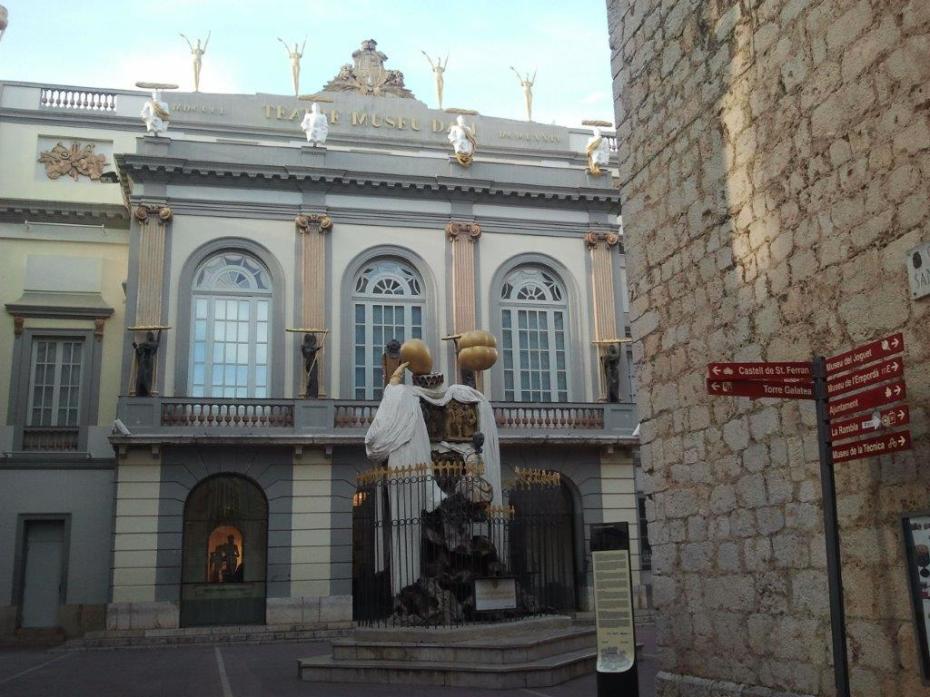
The Catalan city of Figueres, the hometown of artist Salvador Dali, is about a two-hour drive north of Barcelona in Spain. For all Dali lovers, the Teatro Museo Dali is definitely one of the sights to visit. Here in this place Dali’s paintings were exhibited for the first time. As one of the main representatives of Surrealism, he is one of the most famous painters of the 20th century. After Dali’s death in 1989, he was buried in the crypt under the glass dome of “his” museum. You should definitely take enough time to visit the Teatro Museo Dali. For me the visit was worth it. The exhibition is different, imposing, weird, bizarre, very interesting or simply surrealistic! By the way, I also recommend the jewelry exhibition next door. If you like jewelry, you should definitely go in, it is included in the entrance fee.
Teatro Museo Dali in Figueres
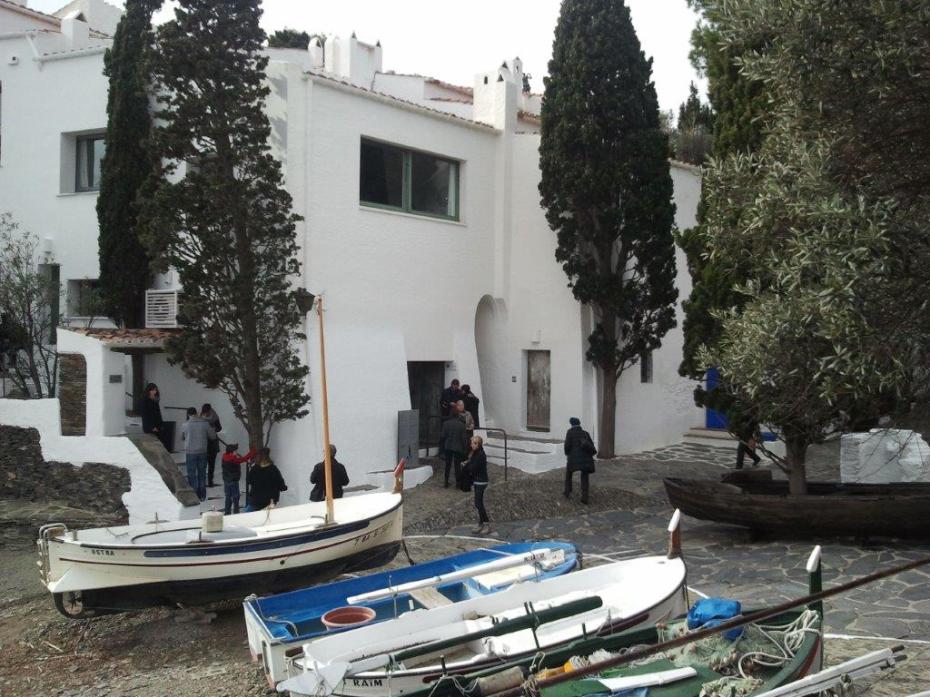
After visiting the museum, the Dali lovers should continue their journey from Figueres to his house in Portlligat; he lived there since 1948 with his wife Gala until his death. Portlligat is a small town in a narrow bay on the peninsula of Cap de Creus near Cadaqués on the Costa Brava in Catalonia. The entire estate of Dali is open for visitors. You will feel his presence as you walk through his bizarre house and garden, standing in his studio or at his unique swimming pool in between a pile of Pirelli tires. It’s all authentic and you’re immersed in Dali’s surreal world! Finally, the Dali Castle (Gala Dali Castle Pubol) which is not far from his house, is another attraction open to the public. On some days there are too many visitors in Portlligat who want to see his property. You should therefore pre-order the tickets on the Internet to avoid long queues.
House of Salvador Dali in Portlligat
Die katalanische Stadt Figueres, die Heimatstadt des Künstlers Salvador Dali, liegt etwa zwei Autostunden nördlich von Barcelona in Spanien. Für alle Dali-Liebhaber ist das Teatro Museo Dali definitiv eine der Sehenswürdigkeiten. Hier an diesem Ort wurden Dalis Gemälde zum ersten Mal ausgestellt. Als einer der Hauptvertreter des Surrealismus ist Salvador Dali einer der berühmtesten Maler des 20. Jahrhunderts. Nach Dalis Tod 1989 wurde er in der Krypta unter der Glaskuppel “seines” Museums begraben. Sie sollten sich unbedingt genügend Zeit nehmen, um das Teatro Museo Dali zu besuchen. Für mich war der Besuch ein unvergessliches Erlebnis. Die Ausstellung ist anders, sie ist imposant, komisch, bizarr, unvergleichlich oder einfach surrealistisch! Übrigens empfehle ich auch die Schmuckausstellung nebenan. Wenn Sie Schmuck mögen, sollten Sie auf jeden Fall hineingehen, es ist im Eintrittspreis enthalten.
Salvador Dali‘s Garden in Portlligat
Nach dem Besuch des Museums sollten die Dali-Liebhaber ihre Reise von Figueres zu seinem Haus in Portlligat fortsetzen; er lebte dort seit 1948 mit seiner Frau Gala bis zu seinem Tod. Portlligat ist eine kleine Stadt in einer schmalen Bucht auf der Halbinsel Cap de Creus in der Nähe von Cadaqués an der Costa Brava in Katalonien. Das gesamte Anwesen von Dali steht zur Besichtigung offen. Sie spüren seine Anwesenheit, wenn Sie durch sein bizarres Haus und Garten gehen, wenn Sie in seinem Studio oder an seinem einzigartigen Schwimmbad zwischen einem Stapel vonPirelli-Reifen stehen. Es ist alles authentisch und man ist in Dalis surreale Welt eingetaucht! Schließlich ist das Schloss von Dali (Gala Dali Castle Pubol) unweit von seinem Haus, eine weitere Attraktion die zur Besichtigung offen steht. An manchen Tagen sind zu viele Besucher in Portlligat die sein Anwesen sehen wollen. Sie sollten daher die Tickets im Internet vorbestellen um lange Warteschlangen zu vermeiden.
Buddhist Pilgrimage Tour in Nepal is so famous Package tour because Nepal is a birth place of lord Buddh whose philosophy is the root of Budhhism in the world. Nepal is nest of various religions and cultural ethnic group. Whole of them Buddhist people are in second position in population of Nepal. Nepal has many […]
The three wooden figures depicted on the photo in front of the battle monument in Morgarten on the Aegerisee (lake Aegeri) in the Canton of Zug are reminiscent of the brave Confederates („Eidgenossen“) from the three „cantons“ Uri, Schwyz and Unterwalden. Allegedly, in 1315, the Confederates had confronted Duke Leopold of Habsburg and his army, mostly knights of the nobility, and defeated them in a heroic battle. It is probable that at that time there was some sort of conflict between the Confederates and the Habsburgs, but it is doubtful whether the great carnage described in the history books ever took place in Morgarten.
To date, no archaeological finds or authentic written sources indicate a great battle in this area. In any case, the monument of the Battle of Morgarten, near the Aegerisee, is an ideal starting point (parking available) for long walks around the lake and in the hilly countryside of this beautiful area in central Switzerland.
Battle of Morgarten in 1315
Die drei abgebildeten Holzfiguren vor dem Schlachtdenkmal in Morgarten am Aegerisee im Kanton Zug erinnern an die tapferen Eidgenossen aus den drei Waldstätten (heute Kantone) Uri, Schwyz und Unterwalden. Angeblich hatten sich die Eidgenossen im Jahre 1315 Herzog Leopold von Habsburg und seinem Heer, aus mehrheitlich adeligen Rittern, gegenüberstellt und in einer heroischen Schlacht vernichtend geschlagen.
Aegerisee in the canton of Zug
Es ist wahrscheinlich, dass zu jener Zeit ein Konflikt zwischen den Eidgenossen und den Habsburgern in irgend einer Form ausgetragen wurde, es ist jedoch zu bezweifeln, ob das, in den Geschichtsbüchern beschriebene grosse Gemetzel je stattgefunden hat. Bis heute zeugen keinerlei archäologischen Funde oder authentische schriftliche Quellen auf eine grosse Schlacht hin an dieser Stelle am Aegerisee.
Auf jedem Fall ist das Denkmal der Schlacht in Morgarten, in der Nähe des Ägerisees, ein idealer Ausgangspunkt (verfügbarer Parkplatz) für ausgedehnte Wanderungen rund um den See und in der hügeligen Landschaft dieser wunderschönen Gegend in der Zentralschweiz.
It was on a snowy winter’s day in December of last year, when I discovered this female snow owl in our aviary in the city of Zug. Only a few weeks later, our snow owls received descendants, two young, grayish snow owls looked at me with open and inquisitive eyes, they were probably only a few weeks old.
Baby Snow Owl
And now in October, the snow owls have grown into two “ruffians”, they have discarded their greyish feathers and you can tell by their plumage that they are probably girls.
The two youngsters
Snow owls belong to the owl family and are close relatives to the Uhu native in Switzerland. The snow owls live mainly in the Arctic tundra and in our aviary in Zug 🙂 The females differ from the males in their size and the color of the plumage, i.e. the females have brown lines in their plumage and are much larger than the whole white male. The wing span is about 150 centimeters. On the menu card of the snow owls are mainly lemmings, the main prey of these beautiful birds.
Es war an einem verschneiten Wintertag im Dezember letzten Jahres, als ich diese weibliche Schneeeule in unserer Voliere in der Stadt Zug entdeckte. Nur wenige Wochen später haben unsere Schneeulen Nachkommen erhalten. Zwei junge, gräuliche Schneeeulen haben mich im Februar mit offenen und neugierigen Augen angeguckt.
Und nun im Oktober sind die beiden zu zwei „halbstarken“ Schneeeulen herangewachsen, sie haben ihre gräuliche Federn abgelegt und man kann an ihrem Gefieder erkennen, dass es sich wahrscheinlich um zwei Mädchen handelt.
Schneeeulen gehören zur Eulenfamilie und sind nahe Verwandte der in der Schweiz heimischen Uhu. Die Schneeeulen leben hauptsächlich in der arktischen Tundra und in unserer Voliere in Zug 🙂 Die Weibchen unterscheiden sich von den Männchen in ihrer Größe und der Farbe des Gefieders, d.h. die Weibchen haben braune Linien in ihrem Gefieder und sind viel größer als die ganz weißen Männchen. Die Flügel Spannweite beträgt etwa 150 Zentimeter. Auf der Speisekarte der Schneeeulen sind hauptsächlich Lemminge, die Hauptbeute dieser schönen Vögel.
On the south side of Rapperswil train station, a wooden pilgrimage bridge takes you across the lake of Zurich. The Goal of the Pilgrims is the monestary Einsiedeln. Sixteen years ago, this bridge which was originally built in 1358, had been restored. The footbridge is about 850 meters long and reaveals the pilgrims a wonderful far-sighted view over the lake of Zurich. An unforgettable section on the Way of St. James through Switzerland.
Wooden Bridge crossing the Lake of Zurich
Auf der Südseite vom Bahnhof Rapperswil führt ein hölzerner Pilgersteg über den Zürichsee. Das Ziel der Jakobspilger ist das Kloster Einsiedeln. Vor 16 Jahren wurde dieser ursprünglich im Jahr 1358 erbaute Steg nachgebaut. Der Steg ist ca. 850 Meter lang und offenbart dem Pilger eine wunderbare Weitsicht über den Zürichsee. Ein unvergesslicher Abschnitt auf dem Jakobsweg durch die Schweiz.
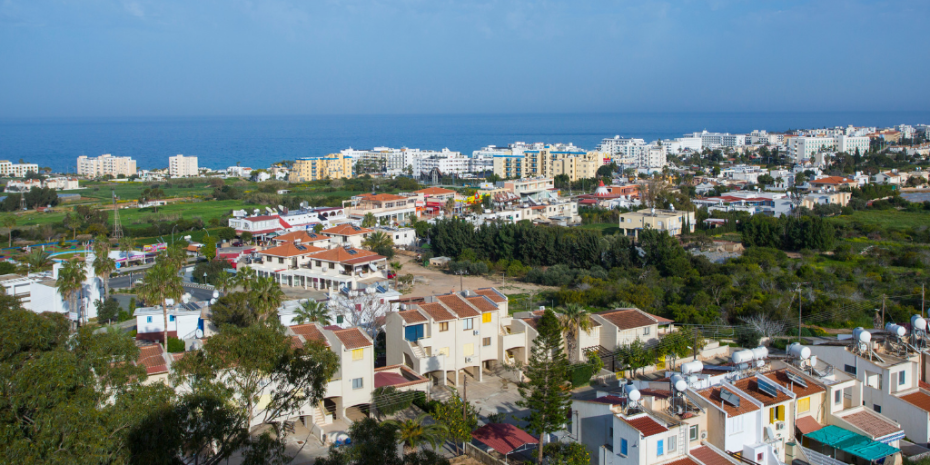
Before it starts snowing in Switzerland and the days are getting shorter, we have decided to spend a few days bathing in Protaras in Cyprus.
Protaras, as well as Agia Napa, are two seaside resorts in Cyprus that were built, following the demarcation and establishment of the Turkish Republic of Northern Cyprus in the 1970s, as a replacement for the resort of Famagusta. Politically, the city of Protaras which mainly consists of hotels, holiday homes, shops and restaurants, belongs to Paralimni. The quiet and family-friendly seaside resort is located on the sandy shores of the Cypriot Fig Tree Bay. The main attraction is, of course, the beautiful beach sloping gently into the sea; Protaras is an ideal place for experienced and less experienced swimmers and water sports enthusiasts.
Also, Protaras offers a very large selection of restaurants, bars and other entertainment offers for young and old. Further, there are plenty of boutiques and souvenir shops and the relatively reasonable prices are tempting to buy one or the other bargain 🙂
If you want to know more about the tourist attractions and offers, the friendly and knowledgeable Tourist Guides of the Cyprus Tourism Organization will gladly provide you with lots of useful information in the local Tourist Information Points which one can find all over the country.
My overall rating for the holiday destination Cyprus is: gladly again! On this island one gets value for money; and the guests are meeting friendly and welcoming hosts!
Protaras, Cyprus
Bevor es bei uns in der Schweiz zu schneien beginnt und die Tage kürzer werden, haben wir uns für einen kurzen Badeurlaub in Protaras auf Zypern entschieden.
Protaras, wie auch Agia Napa, sind zwei Badeorte in Zypern welche nach der Grenzziehung und Errichtung der Türkischen Republik Nordzypern in den 1970er Jahren als Ersatz für den nicht mehr zugänglichen Badeort Famagusta neu erschlossen wurden. Politisch gehört die Stadt Protaras aus Hotels, Ferienhäusern, Shops und Restaurants zu Paralimni. Das ruhige und familienfreundlich Protaras liegt an der sandigen Küste der zypriotischen Feigenbaumbucht. Die Hauptattraktion ist natürlich der herrliche leicht ins Meer abfallende Strand; Protaras ist ein idealer Badeort für erfahrene und weniger geübte Schwimmer und Wassersportler.
Auch abseits vom Strand bietet Protaras eine sehr grosse Auswahl an Restaurants, Bars und anderen Unterhaltungsmöglichkeiten für Jung und Alt. Boutiquen und Souvenir Shops gibt es hier im Überfluss und die relativ vernünftigen Preise können zum Kauf des einen oder anderen Schnäppchens verleiten 🙂
Wenn man sich über die touristischen Attraktionen und Angebote informieren möchte helfen die freundlichen und sachkundigen Tourist Guides in den Tourist Information Points mit vielen nützlichen Informationen gerne weiter. Mein Gesamturteil für die Feriendestination Zypern lautet: gerne wieder! Auf dieser Insel stimmt das Preis-Leistungsverhältnis und die Gäste treffen auf freundliche und herzliche Gastgeber!
I wish you a happy weekend! Many thanks for following Rolandomio‘s Travel Blog!
I am striving to publish interesting posts with travel news, stories, suggestions and recommendations on a regular basis. My major goal with this Blog is to give you travel inspirations and to show you that your „paradise“ is only a plane or train ticket (or boat ride) away.
Cheers and Thanks for following my Blog
For all those that are not registered on WordPress, you can receive my Blog posts via E-Mail. Therefore, I invite you to subscribe the Blog by entering your E-Mail Adress at the bottom of this Post „Follow Roandomio Travel via E-Mail“.
The Salar de Uyuni in the Andes in southwest Bolivia is the largest salt surface on earth (about 11’000 square kilometers). This place, at an altitude of about 3,700 meters, attracts tourists from all over the world. Most visitors are tourists from Japan and other Asian countries. There are daily flights from La Paz to Uyuni, a small town on the edge of this salt desert. Of course buses also run between Uyuni and for example La Paz, Potosi or Chile.
Several hotels were built in the area almost completely (walls, roofs, beds, tables) with salt blocks from the Salar. I stayed at the Hotel de Sal Luna Salada near Colchani. The price performance ratio of this hotel and spa is very good and the view over the salt desert is absolutely unique!
Salar de Uyuni, Bolivia
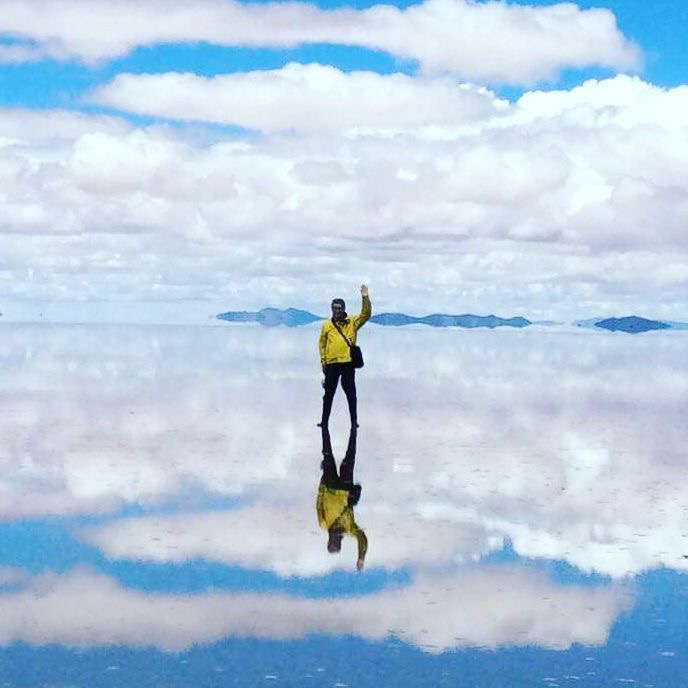
The Palacio de Sal was the first such hotel and was built in the middle of the salt desert, but had to be closed several years after its opening due to health and environmental problems. Today, most tours stop there for a lunch break and for shots of the former Palacio de Sal and its surroundings; the many national flags in front of the building are a popular photo motive. Actually, day trips to the salt desert in 4 × 4 jeeps are common and the cheapest way to visit the salt pans. The tours start in Uyuni around 10 am and end around 5 pm. I booked two day tours, one organized by my hotel and the other from a tour operator in Uyuni. The tours usually start with a visit to the Train Cemetery, followed by a short stop at Colchani, where a small salt factory is shown to tourists. From there you continue to the salt desert and there is enough time to photograph this fantastic and overwhelming salt surface and, during the rainy season, to admire the reflections of clouds and sky in the water. I am convinced that you will enjoy the beauty and tranquility of the Salar de Uyuni to the fullest. It will remain an unforgettable experience!
However, for how long? Our tour guide, who earns as Guide extra Money for her studies in La Paza, was very worried about the future of the Salar de Uyuni. She led us to small holes in the otherwise mirror-smooth surface of the salt desert. This anomaly is attributed to the recent intensification of the extraction of lithium carbonate from the water under the salt crust. This rare and sought-after resource is used for the production of high-performance batteries and promises huge profits for the poor country Bolivia, given the looming shift to electric vehicles. The beauty of the Salar might however be at risk considering that about 60% of the world reserves of Lithium are in Bolivia, namely in the Salar de Uyuni.
Der Salar de Uyuni in den Anden im Südwesten Boliviens ist die größte Salzfläche der Erde (ca. 11’000 Quadratkilometer). Dieser Ort auf einer Höhe von etwa 3.700 Metern zieht Touristen aus der ganzen Welt an. Die meisten Besucher sind Touristen aus Japan und anderen asiatischen Ländern. Es gibt tägliche Flüge von La Paz nach Uyuni, einer kleinen Stadt am Rande dieser Salzwüste. Natürlich fahren auch Busse zwischen Uyuni und zum Beispiel La Paz, Potosi oder Chile.
Mehrere Hotels wurden in der Gegend fast vollständig (Wände, Dächer, Betten, Tische) mit Salzblöcken aus dem Salar gebaut. Ich war im Hotel de Sal Luna Salada in der Nähe von Colchani. Das Preis-Leistungsverhältnis dieses Hotels ist sehr gut und der Blick über die Salzwüst absolut einzigartig!
Salar de Uyuni, Bolivia – Reflections
Der Palacio de Sal war das erste derartige Hotel und wurde in der Mitte der Salzwüste errichtet, musste jedoch einige Jahre nach seiner Eröffnung wegen Gesundheits- und Umweltproblemen geschlossen werden. Heute halten die meisten Touren dort für eine Mittagspause und für Photoaufnahmen des ehemaligen Palacio de Sal und seiner Umgebung; die vielen Nationalflaggen vor dem Gebäude sind ein beliebtes Fotomotiv. Eigentlich sind Tagesausflüge in die Salzwüste in 4 × 4 Jeeps üblich und die billigste Art, die Salinen zu besuchen. Die Touren beginnen in Uyuni gegen 10 Uhr und enden gegen 17 Uhr. Ich buchte zwei Tagestouren, eine organisiert von meinem Hotel und die andere von einem Reiseveranstalter in Uyuni. Die Touren beginnen normalerweise mit einem Besuch des Zugfriedhofs, gefolgt von einem kurzen Halt in Colchani, wo eine kleine Salzfabrik den Touristen gezeigt wird. Von dort geht es dann weiter in die Salzwüste und es bleibt genügend Zeit, um diese fantastische und überwältigende Salzoberfläche zu fotografieren und während der Regenzeit die Spiegelungen von Wolken und Himmel im Wasser zu bewundern. Ich bin überzeugt, dass Sie die Schönheit und Ruhe des Salar de Uyuni in vollen Zügen genießen werden. Es wird ein unvergessliches Erlebnis bleiben!
Für wie lange aber? Eine junge Reiseleiterin, die sich hier mit ihren Führungen durch die Salzwüste ein Zusatzbrot für ihr Studium in La Paz verdient, zeigte sich sehr besorgt über die Zukunft der Salar de Uyuni. Sie führte uns zu kleinen Einbrüchen in der ansonsten spiegelglatten Oberfläche der Salzwüste. Diese Anomalie wird zurückgeführt auf die kürzlich begonnene Intensivierung der Extraktion von Lithiumkarbonat aus dem sich unter der Salzkruste befindlichen Wassers. Dieser seltene und begehrte Rohstoff wird für die Herstellung von leistungsstarken Batterien verwendet und verspricht in Anbetracht der sich abzeichnenden Verlagerung auf Elektrofahrzeuge riesige Gewinne für das arme Land Bolivien. Die Schönheit des Salar könnte jedoch in Gefahr sein, wenn man bedenkt, dass etwa 60% der Weltreserven von Lithium in Bolivien liegen, nämlich in der Salar de Uyuni.
The Koi or Goi, in Japanese the Nishikigoi is a breeding form of carp (Cyprinus). The home of this carp is not Japan but the „Koi Bar“ in Protaras in Cyprus. Without deepening myself in etymological research, I find the name of this bar well chosen, Japanese Koi or Cyprinus (carp) live in Cypress, Cupressus or Cyprus 🙂 By the way, the Koi Bar is located in the Hotel Capo Bay on the Fig Tree Bay, perhaps the most famous beach in Cyprus.
Most likely, the monochrome Koi came from Iran and were bred by the nobility in Japan since the 19th century to the multicolored Koi that we know today. They were for the owners of these fish a status symbol of wealth and upscale social status in society. The Koi are ornamental fish and live at least between 40 to 70 years. During my stay in Tokyo I was repeatedly advised not to fish and eat them whilst strolling through the Imperial Palace East Gardens 🙂 The penalties are severe and the Koi would not be very tasty anyway 🙂
Koi or Nishikigoi
Der Koi oder Goi, auf japanisch der Nishikigoi ist eine Zuchtform des Karpfens (Cyprinus). Die Heimat dieser hier abgebildeten Karpfen ist nicht Japan sondern die „Koi Bar“ in Protaras, Zypern. Ohne mich jetzt in etymologische Recherchen zu vertiefen, finde ich den Namen dieser Bar gelungen. Japanische Kois oder Cyprinus (Karpfen) tummeln sich in Cypress, Cupressus oder Zypern 🙂 Uebrigens die Koi Bar befindet sich im Hotel Capo Bay an der Feigenbaumbucht, dem vielleicht berühmtesten Strand Zyperns.
Ursprünglich stammen die einfarbigen Koi wahrscheinlich aus dem Iran und wurden von den Adeligen in Japan im 19. Jahrhundert zu den uns heute bekannten mehrfarbigen Koi gezüchtet. Für die Besitzer dieser Fische waren sie ein Statussymbol für Reichtum und gehobener sozialer Stellung in der Gesellschaft. Das Alter der Koi liegt zwischen 40 und 70 Jahren und sie werden ausschliesslich als Zierfische gehalten. Während meinem Aufenthalt in Tokyo wurde mir wiederholt geraten keine dieser Karpfen im kaiserlichen Park (Imperial Palace East Gardens) zu fischen und zu verspeisen 🙂 Es würden empfindliche Strafen drohen und der Koi wäre sowieso nicht besonders schmackhaft 🙂
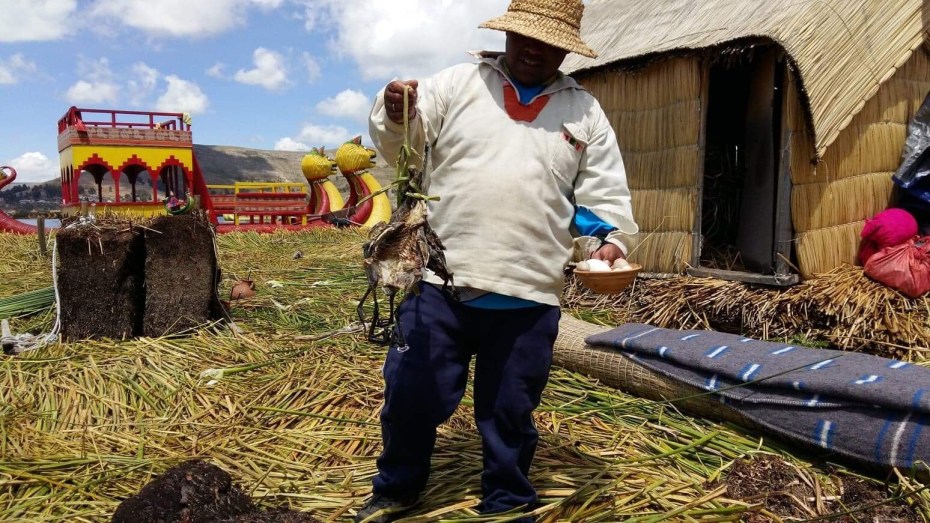
The Uros are an ethnic group of Indians on the Lake Titikaka (3840 meters above sea level) near Puno in Peru, there are still a couple of thousand people of this ethnic group living today in said area. The original language of the Uros is Urukilla. In the colonial era, they converted to Aymara, which is spoken here to the present day. The Uros live for many hundreds of years on approximately 50 “floating islands”, which are constructed from dried Totora reeds. The same plant is also the raw material for reed boats and their houses on the islands.
The Uros mainly live from fishing, bird hunting and collecting bird eggs. Today, of course, the income of day tourists are of central importance. This has brought the archipelago some modern conveniences, including solar panels, television, radio and mobile phones.
The islands, now populated by a few hundred Uros, are located 6 km east of the port of Puno. The majority of Uros now lives and works on the mainland and students are learning at the the university in Puno.
The day trips depart from the port of Puno and the crossing to the floating Uros Islands takes about 30 minutes. You will travel by boat through a natural “channel” cut out of a dense reef field to one of these islands, where you will meet the resident families, explore their surroundings and get to know their way of life; of course you can take a lot of photos! The women of the visited islands weave, sew and carve small souvenirs which you can buy for little money. You also have the option to visit a neighboring island with a reed boat (the transfer will be paid directly to the family that owns the boat).
The best way to visit the Uros is to arrive in Puno at least one day before and stay overnight. Hotels can be booked directly via this LINK.
Uros on lake Titikaka
Uros on lake Titikaka
Die Uros auf dem Titikaka See
Die Uros sind eine ethnische Gruppe von Indianern am Titikaka-See (3840 Meter über dem Meeresspiegel) in der Nähe von Puno in Peru; es leben immer noch ein paar tausend Menschen dieser ethnischen Gruppe in diesem Gebiet. Die ursprüngliche Sprache der Uros ist Urukilla. In der Kolonialzeit wechselten sie mit der Zeit zu Aymara das hier bis heute gesprochen wird. Die Uros leben seit vielen hundert Jahren auf diesen „schwimmenden Inseln”, die aus getrockneten Totora-Schilfen bestehen. Die gleiche Pflanze ist auch der Rohstoff für Ihre Schilfboote und Häuser auf den gegenwärtig ca. 50 Inseln.
Die Uros leben hauptsächlich vom Fischfang, der Vogeljagd und dem Sammeln von Vogeleiern. Heute ist natürlich das Einkommen der Tagestouristen von zentraler Bedeutung. Dies hat dem Archipel moderne Annehmlichkeiten gebracht wie Sonnenkollektoren, Fernsehen und Radio, etc.
Die Inseln, die heute von einigen hundert Uros bevölkert sind, liegen 6 km östlich des Hafens von Puno. Die Mehrheit der Uros lebt und arbeitet auf dem Festland und die Studenten lernen an der Universität in Puno.
Die Tagesausflüge beginnen am Hafen von Puno und die Überfahrt zu den schwimmenden Uros-Inseln dauert etwa 30 Minuten. Sie werden mit dem Boot durch einen natürlichen “Kanal” fahren, der aus einem dichten Schilffeld herausgeschnitten wurde um zu einer dieser Inseln zu gelangen, wo Sie die ansässigen Familien treffen, ihre Umgebung erkunden und ihre Lebensweise kennenlernen werden; natürlich können Sie viele Fotos machen! Die Frauen der besuchten Inseln weben, nähen und schnitzen kleine Souvenirs, die man für wenig Geld kaufen kann. Sie haben auch die Möglichkeit, eine Nachbarinsel mit einem Schilfboot zu besuchen (der Transfer wird direkt an die Familie gezahlt, die das Boot besitzt).
Die beste Art, die Uros zu besuchen ist mindestens einen Tag vorher in Puno anzukommen und dort zu übernachten. Hotels können direkt über diesen LINK gebucht werden.
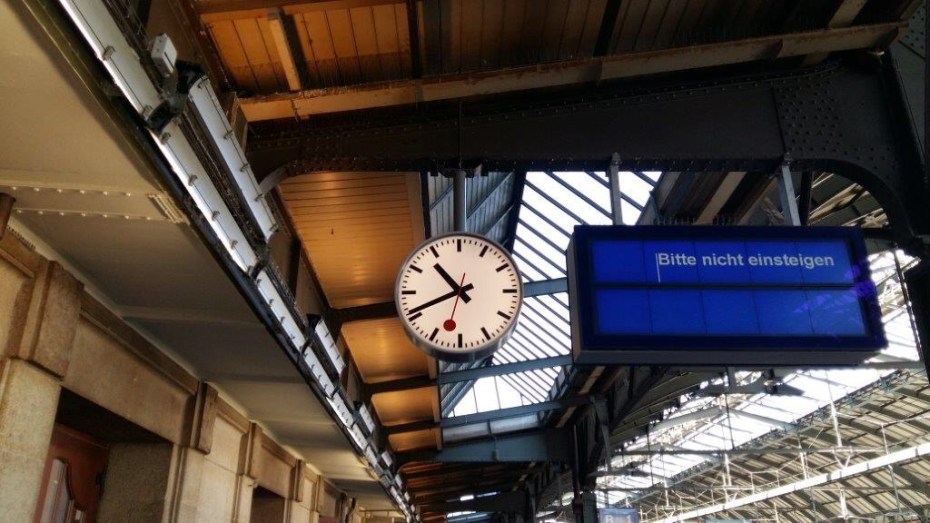
The new train station clock in the St. Gallen provides strong reactions from the public. People are shaking their heads about this new clock! Nobody can read the time! It’s new to all, but revolutionary for a train station clock, probably unique in the world! The travelers are annoyed by the circles, crosses and rectangles that have recently adorned the façade of St. Gallen’s train station hall. This clock is far too complicated and in my opinion completely unnecessary and it needs a „university degree“ to decipher the time. Last but not least, if travelers are inside the hall, its even more complicated because the clock display is reversed!
Binary Train Station Clock (view from inside of the Station Hall)
It is a binary clock. To be honest, I had some trouble to read the time of this “light installation” in the sunshine and then to decipher the binary code. It took me too long and I missed my train to the airport 🙂
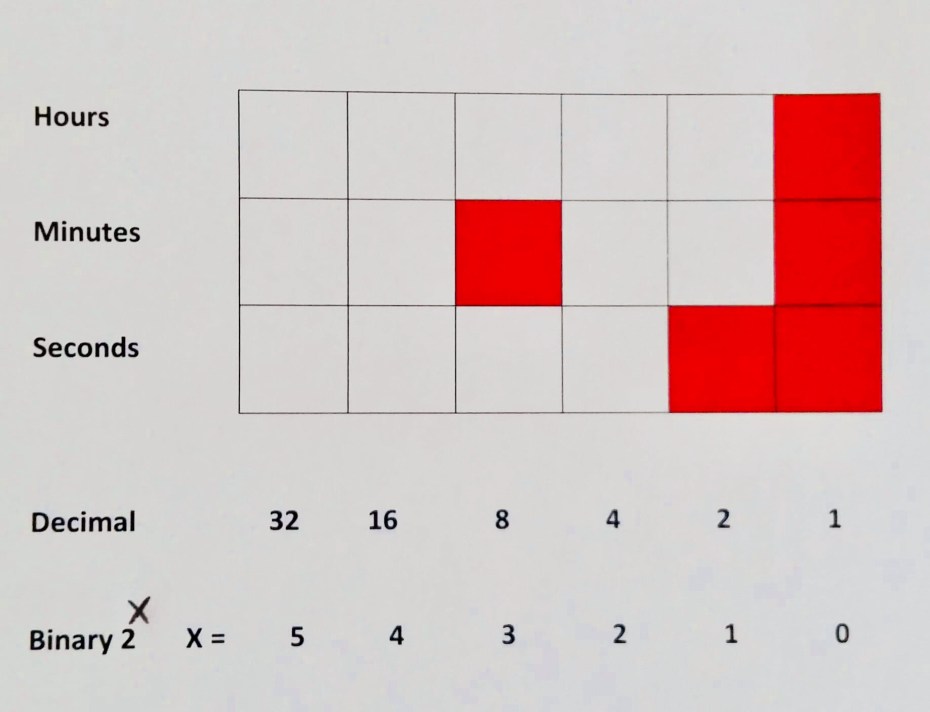
Binary System
Can you decipher the time in the picture, what time is it? I have a little tutorial in the second picture for those that are not familiar with the binary system. I am looking forward to your answer 🙂 🙂 Attention: the clock on the picture has been taken from inside the hall, hence, the binary codes have to be read from left to right!
Good Old Times
Die neue Bahnhofsuhr in St. Gallen sorgt für starke Reaktionen der Öffentlichkeit und sorgt für Kopfschütteln. Niemand kann die Zeit dieser Uhr lesen! Sie ist neu für alle, aber revolutionär für eine Bahnhofsuhr, wahrscheinlich einzigartig in der Welt! Die Reisenden ärgern sich über die Kreise, Kreuze und Rechtecke, die neuerdings die Fassade der St. Galler Bahnhofshalle zieren. Diese Uhr ist viel zu kompliziert und meiner Meinung nach völlig unnötig und verlangt einen “Universitätsabschluss”, um die Uhrzeit zu entschlüsselen. Zuguterletzt, für Reisende im Innern der Halle ist die Uhr seitenverkehrt!
Es ist eine binäre Uhr. Um ehrlich zu sein, hatte ich einige Probleme die Zeit dieser “Lichtinstallation” im Sonnenschein zu lesen und dann noch den Binärcode zu entziffern. Es dauerte zu lange, mein Zug zum Flughafen hatte ich auf jeden Fall verpasst 🙂
Kannst Du die Zeit auf dem Bild entziffern, wie spät ist es? Ich habe eine kleine Anleitung im zweiten Bild für diejenigen, die nicht mit dem Binärsystem vertraut sind. Ich freue mich auf Deine Antwort 🙂 🙂 Achtung: auf dem Bild ist die Uhr seitenverkehrt!
To be honest, I did not know much about Victor Hugo before I traveled to Guernsey. He was known to me as a major French writer and poet of the 19th century. Literary masterpieces such as “Les Miserables, Les Travailleurs de la mer and La Légende des Siècles” come from his pen. What I didn’t know was that Victor Hugo spent 15 years of his 19-years political exile on the Channel Island Guernsey. After the coup d‘Etat of Louis Napoleon Bonaparte on 2 December 1851 he was banished from France and also expelled from Belgium in 1852. After a three-year stay in Jersey, he moved in 1855 to the neighboring island of Guernsey. There he rented the Hauteville House in Saint Peter Port which he acquired in 1856 with proceeds from the sale of „les contemplations” (158 stories collected in six books). The Victor Hugo House, or rather his Residence at 38 Rue Hauteville in Saint Peter Port is now a museum and is open to the public for guided tours. This museum is not just for literature lovers, it is a fascinating place where an eccentric genius must have lived. The Residence, built on five floors with a small viewing platform, dominates and overlooks the old town of Saint Peter Port and the bay of Havelet. The house, fully furnished and decorated by Victor Hugo, reflects the creative genius of this poet. In short, the house, the garden and the view are more than remarkable and well worth a visit whilst in Guernsey.
House of Victor Hugo in Guernsey
Um ehrlich zu sein, ich wusste vor meiner Reise nach Guernsey recht wenig über Victor Hugo. Er war mir als bedeutender französischer Schriftsteller und Dichter des 19. Jahrhunderts bekannt. Literarische Meisterwerke wie “Les Miserables, Les Travailleurs de la Mer und La Légende des Siècles” stammen aus seiner Feder. Was ich nicht wusste, war, dass Victor Hugo 15 Jahre seines 19-jährigen politischen Exils auf der Kanalinsel Guernsey verbrachte. Nach dem Staatsstreich von Louis Napoleon Bonaparte am 2. Dezember 1851 wurde er 1852 aus Frankreich verbannt und ebenfalls aus Belgien ausgewiesen. Nach einem dreijährigen Aufenthalt in Jersey zog er 1855 auf die Nachbarinsel Guernsey. Dort mietete er das Hauteville-Haus in Sankt Peter Port, das er 1856 mit Erlösen aus dem Verkauf von “les contemplations” (158 gesammelte Geschichten in sechs Büchern) erwarb.
View over Saint Peter Port and the Channel from Victor Hugo‘s House
Das Victor Hugo Haus, oder besser seine Residenz in 38 Rue Hauteville in Sankt Peter Port ist heute ein Museum und für die Öffentlichkeit zugänglich für Führungen. Dieses Museum ist nicht nur ein Ziel für Literaturliebhaber, es ist ein faszinierender Ort, wo ein exzentrisches Genie gelebt haben muss. Die Residenz, gebaut auf fünf Etagen mit einer kleinen Aussichtsplattform, dominiert und überblickt die Altstadt von Sankt Peter Port und die Bucht von Havelet. Das Haus ist komplett eingerichtet und dekoriert von Victor Hugo und es spiegelt das kreative Genie dieses Dichters. Kurz gesagt, das Haus, der Garten und die Aussicht sind mehr als bemerkenswert und einen Besuch ist für Guernsey Reisende auf jeden Fall empfehlenswert.
Do you know the volcanic island of Stromboli in the Tyrrhenian Sea? If not, I can recommend this island for a shorter or longer stay! Stromboli belongs with its neighboring islands Lipari, Salina, Panarea, Vulcano, Filicudi and Alicudi to the archipelago of the Aeolian Islands. Stromboli is regularly reached by hydrofoil from the Sicilian port of Milazzo or by ferry from Naples. The island became famous in the 1950s with the melodramatic film “Stromboli” by Roberto Rossellini with Hollywood star Ingrid Bergman, who stayed on the island for some time. Their former residence is today a tourist attraction, the house is decorated with a plaque and is located at the exit of the village near the church.
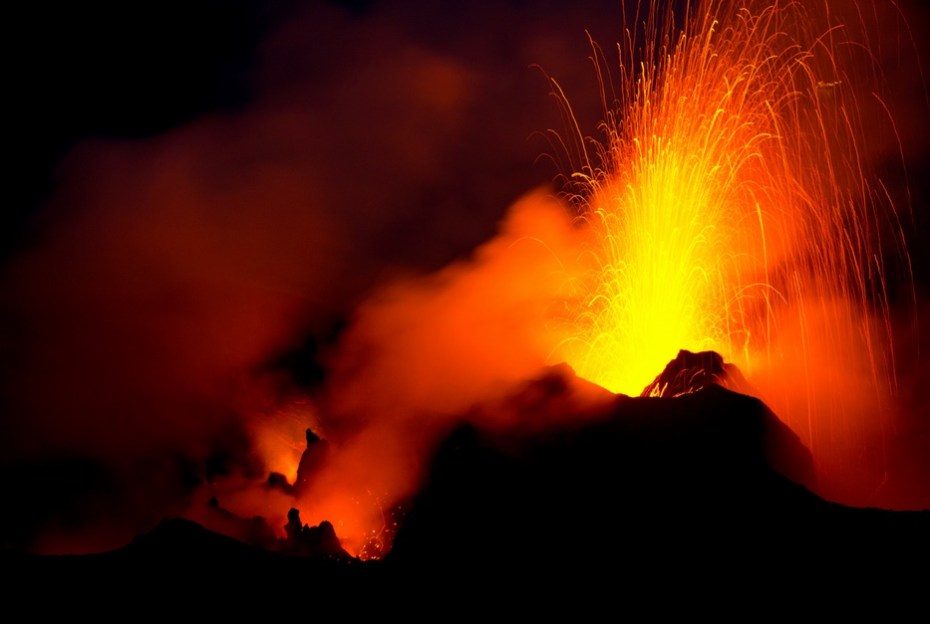
The main attraction of the island is undoubtedly the active volcano Stromboli, which erupts two or three times an hour! Particularly impressive are the eruptions at night! Day tourists climb the volcano and approach the mouth of the crater at a safe distance to shoot unforgettable photos of the exploding volcano. Of course, such ascents are only allowed with authorized mountain guides! My guide was a “retired” dog of a former mountain guide, unfortunately I forgot the name of my four-legged friend.
Every morning my friend was waiting for me in front of the church at the main square of the village. He walked in front of me and regularly reassured himself turning his head that I still followed him. This dog showed me the way up to the last permitted vantage point for hikers without an official mountain guide. During my six week stay in spring on the island I climbed the Stromboli 36 times together with “my” dog!
You might wonder, what does someone do in Stromboli if one is not climbing the volcano? My short answer, enjoy life, relax, eat very well and rest. In our hectic world, there are few places where one can do that in a remote but civilized environment like Stromboli!
Stromboli Island
Kennen Sie die Vulkaninsel Stromboli im Tyrrhenischen Meer? Wenn nicht, kann ich dieses Eiland für einen kürzeren oder längeren Aufenthalt empfehlen! Stromboli gehört mit seinen Nachbarinseln Lipari, Salina, Panarea, Vulcano, Filicudi und Alicudi zur Inselgruppe der Äolischen Inseln. Stromboli ist regelmässig mit dem Tragflügelboot von der Sizilianischen Hafenstadt Milazzo oder mit dem Fährschiff von Neapel aus zu erreichen. Berühmt wurde die Insel in den 1950er Jahren mit dem melodramatischen Film „Stromboli“ von Roberto Rossellini mit dem Hollywoodstar Ingrid Bergman welche für einige Zeit auf der Insel weilte. Ihre damalige Bleibe ist heute eine touristische Attraktion, das Haus ist verziert mit einer Gedenktafel und liegt am Ausgang des Dorfes unweit der Kirche.
Vulcano Stromboli
Die Hauptattraktion der Insel ist aber ohne Zweifel der aktive Vulkan Stromboli, welcher zwei oder dreimal pro Stunde Rauch und Feuer speit! Besonders eindrücklich sind die Eruptionen während der Nacht! Tagestouristen besteigen den Vulkan und nähern sich dem Kratermund in sicherer Distanz um sich unvergessliche Fotos des ausbrechenden Vulkans zu schiessen. Natürlich sind solche Besteigungen nur mit autorisierten Bergführern erlaubt! Mein Führer war ein „pensionierter“ Hundeines ehemaligen Bergführers, den Namen des Vierbeiners habe ich leider vergessen. Mein vierbeiniger Freund erwartete mich jeden Morgen vor der Kirche im Dorfzentrum. Er trottete vor mir her und versicherte sich regelmässig mit einem Blick zurück, dass ich ihm auch folgte. Dieser Hund zeigte mir den Weg hinauf bis zum letzten noch erlaubten Aussichtspunkt für Wanderer ohne einen offiziellen Bergführer. Während meines sechs wöchigen Insel Aufenthalts im Frühjahr habe ich den Stromboli zusammen mit „meinem“ lieben Freund 36 mal bestiegen!
Sie fragen sich vielleicht, was macht jemand in Stromboli, wenn man nicht den Vulkan erklimmt? Meine kurze Antwort, genießen Sie das Leben, entspannen Sie sich, essen Sie sehr gut und ruhen Sie sich aus. In unserer hektischen Welt gibt es nur wenige Orte, wo man das in einer abgelegenen, aber zivilisierten Umgebung wie Stromboli machen kann!
I just came back from an Evening in Paris. Walked the back streets until I came upon this little bistro. I sat outside at a little wrought iron table under an umbrella, for it was raining. The lights of the Eiffel Tower sparkled through the misty rain, a constant vigil in the Paris skyline. Down […]
The cheese fondue is a dish made from a mixture of melted cheese and white wine, to which starch is added as a binder and seasoned with a dash of cherry, garlic and pepper. Originally the cheese fondue comes from French-speaking Switzerland, Savoy in France and the Italian Piedmont.
Depending on the type of cheese and additives, such as truffles, the taste of the fondue varies, which is particularly evident in the many regional variations of the fondue. The heated mixture is served in a special pot (Caquelon) made of ceramic and kept warm on a rechaud. Small pieces of bread or boiled potatoes are stirred on a long fork in the liquid cheese fondue and the cheese-covered pieces are then eaten with a good glass of white wine.
My favorite restaurant for cheese fondue is located in the upper Saanen valley, not far from Gstaad, in the eastern Pays-d’Enhaut, in the north-eastern Alps of the canton Vaud in Switzerland. The time has stood still in the small Café Restaurant du Cerf in Rougemont, everything is as it was years ago and the prices are also not exaggerated. The „du Cerf“ is a small oasis amidst the many gourmet temples of the Saanenland! I am already looking forward to the next time!
Cheese Fondue
Das Käsefondue ist ein Gericht aus einer Mischung von geschmolzenem Käse und Weisswein, welchem Stärke als Bindemittel zugegeben und mit einem Schuss Kirsch, Knoblauch und Pfeffer abgeschmeckt wird. Ursprünglich kommt das Käsefondue aus der Westschweiz, Savoyen in Frankreich und dem italienischen Piemont.
Je nach Art des Käses und Zugaben, wie zum Beispiel Trüffel, variiert der Geschmack des Fondues, was besonders bei den vielen regionalen Varianten erkennbar wird. Die erwärmte Mischung wird in einem speziellen Topf (Caquelon) aus Keramik serviert und auf einem Rechaud warm gehalten. Kleine Brotstückchen oder gekochte Kartoffeln werden auf einer langen Gabel in dem flüssigen Käsefondue gerührt und dann die mit Käse überzogenen Häppchen gegessen.
Café Restaurant du Cerf in Rougemont VD, Switzerland
Mein Lieblingsrestaurant für Käsefondue befindet sich im oberen Saanetal, unweit von Gstaad, im östlichen Pays-d’Enhaut, in den nordöstlichen Waadtländer Alpen der Schweiz. Im kleinen Café Restaurant du Cerf in Rougemont ist die Zeit stehen geblieben, alles ist wie vor Jahren und die Preise sind auch nicht übertrieben. Das „du Cerf“ ist eine kleine Oase inmitten der vielen Gourmettempel des Saanenlandes! Ich freue mich schon auf das nächste Mal!
The Colca Canyon is a gorge near Chivay in Peru, 97 km north of Arequipa. Here, the river Colca has dug into the earth and thus created the Colca Gorge. The Colca Canyon is, depending on the measurement and compared to the Grand Canyon, the second deepest or deepest canyon in the world.
Our one-day Colca Tour started in Arequipa. The adventure began at 4 o’clock in the morning. We were a group of ten courageous early risers who were forced into an aged minibus.
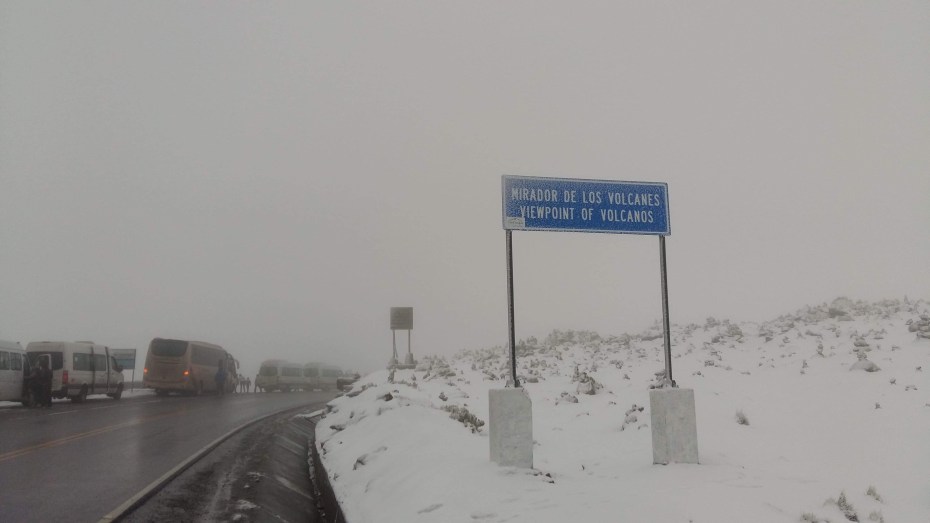
The Bus bus rattled slowly through the still dark landscape, and one could feel how the vehicle laboriously but steadily worked upwards. The exhaust fumes of the vehicle and the ever-increasing altitude drove most of us cold sweat into the face, some participants wanted to leave the vehicle at this Point to regenerate in the fresh air and fill their lungs with oxygen. This was granted to us after a three-hour ride on the highest point of the route, at 4‘890 meters on the Pata Pampa Pass. Here, the air is thin and I had shortness of breath and difficulties to get back on the bus. I was not unhappy when the ride was continued. The pass was snowy and the fog made it impossible to see the Andes and the surrounding volcanoes anyway.
Condor
We continued on a winding road in the direction of Chivay into the valley at 3’650 meters. We had a short stay there before continuing. After a curvy one-hour ride up through a breathtaking natural landscape, we reached the vantage point “Cruz del Condor” at 3’900 meters. Here, in the early morning, the kings of the skies, the famous condors, rise from the depths of the canyon. We were very fortunate that day and a condor couple sailed majestically about five meters above us. My shortness of breath and discomfort was forgotten for a while. The goal of my trip was reached at this time. The return trip was no less tedious, only side reversed 🙂 On the following day, the flight from Arequipa to Cusco brought me a brief relief. But after arriving in Cusco, the malaise was back. Heavy dizziness, rapid heartbeat and an extremely high blood pressure made it impossible for me to travel on. After two days of hospitalization and a rest of few days in the Inca city, significantly improved my situation and I was “allowed” to continue the Andean journey.
Cruz del Condor – Colca Canyon Peru
What I knew about the altitude sickness before my trip to the Andes
I was aware that altitude sickness can occur when the body does not have enough time to adapt to the new conditions. Therefore, I planned the journey to commence in Arequipa, on an altitude of 2’400 meters, to adapt myself successively to the changed height conditions. But the climb to nearly 5’000 meters was too abrupt and the phase of acclimatization of only two days in Arequipa was obviously too short for me!
What I didn’t know
The altitude sickness can be life-threatening and can cause particularly serious problems for the lungs and brain. Brain or pulmonary edema could develop with fatal consequences.
What should I have done right in my case?
The only effective protection against altitude sickness is the right approach to ascension. When climbing dizzying heights, do not go too fast to give the body the time to adapt to the changing conditions. That was not the case with me! Per day, not more than 300 to 500 meters of altitude should be overcome. At sighted heights of more than 4’000 meters, it is recommended to spend some time at an altitude of 3’000 meters before continuing on. If symptoms occur, it is advisable to start the descent immediately. In any case, a medical consultation before the start of a “risk trip” like mine is very advisable.
Der Colca Canyon ist eine Schlucht in der Nähe von Chivay in Peru, 97 km nördlich von Arequipa. Hier hat sich der Fluss Colca in die Erde eingegraben und so die Colca-Schlucht geschaffen. Der Colca Canyon ist, je nach Vermessung und Vergleich mit dem Grand Canyon, der zweittiefste oder tiefste Canyon der Welt.
Unsere eintägige Colca Tour begann in Arequipa. Das Abenteuer begann um 4 Uhr morgens. Wir waren eine Gruppe von zehn mutigen Frühaufstehern, die in einen alten Kleinbus gezwungen wurden.
Langsam ratterte der Bus durch die noch dunkle Landschaft, und man konnte fühlen, wie das Fahrzeug sich mühsam aber stetig nach oben arbeitete. Die Abgase des Fahrzeugs und die immer größer werdende Höhe trieb die meisten von uns kalten Schweiß ins Gesicht, einige Teilnehmer wollten das Fahrzeug zu diesem Zeitpunkt verlassen, um sich an der frischen Luft zu regenerieren und die Lungen mit Sauerstoff zu füllen. Dies wurde uns nach einer dreistündigen Fahrt auf dem höchsten Punkt der Route auf 4’890 Metern am Pata Pampa Pass gewährt. Hier ist die Luft dünn und ich litt unter Kurzatmigkeit und hatte Schwierigkeiten wieder in den Bus zu steigen. Ich war nicht unglücklich, als die Fahrt fortgesetzt wurde. Der Pass war verschneit und der Nebel machte es unmöglich, die Anden und die umliegenden Vulkane zu sehen.
Der Bus fuhr auf einer kurvenreichen Straße in Richtung Chivay ins Tal auf 3’650 Meter. Dort hatten wir einen kurzen Aufenthalt bevor es weiter ging. Nach einer kurvenreichen einstündigen Fahrt durch eine atemberaubende Naturlandschaft erreichten wir den Aussichtspunkt “Cruz del Condor” auf 3’900 Meter. Hier, am frühen Morgen, erheben sich die Könige der Lüfte, die berühmten Kondore, aus den Tiefen des Canyons. Wir hatten sehr viel Glück an diesem Tag und ein Kondorpaar segelte majestätisch etwa fünf Meter über uns hinweg. Meine Atemnot und mein Unbehagen waren für eine Weile vergessen. Das Ziel meiner Reise war zu dieser Zeit erreicht. Die Rückfahrt war nicht weniger mühsam, nur umgekehrt 🙂 Am nächsten Tag brachte mir der Flug von Arequipa nach Cusco eine kleine Erleichterung. Aber nach der Ankunft in Cusco war das Unwohlsein zurück. Schwerer Schwindel, schneller Herzschlag und ein extrem hoher Blutdruck machten es mir unmöglich weiter zu reisen. Nach zwei Tagen Krankenhausaufenthalt und einer Pause von einigen Tagen in der Inka-Stadt verbesserte sich meine Situation erheblich und ich „durfte“ die Andenreise fortsetzen.
Pata Pampa Pass in Peru on 4‘890 meters
Was ich über die Höhenkrankheit vor meiner Reise in die Anden wusste
Mir war bewusst, dass Höhenkrankheit auftreten kann, wenn der Körper nicht genügend Zeit hat, sich an die neuen Bedingungen anzupassen. Daher plante ich die Reise in Arequipa, auf einer Höhe von 2’400 Meter, um mich den veränderten Höhenverhältnissen anzupassen. Aber der Aufstieg auf beinahe 5‘000 Meter war zu abrupt und die Phase der Akklimatisierung von nur zwei Tagen in Arequipa war offensichtlich zu kurz für mich!
Was ich nicht wusste
Die Höhenkrankheit kann lebensbedrohlich sein und besonders schwerwiegende Probleme für Lunge und Gehirn verursachen. Hirn- oder Lungenödeme können sich mit fatalen Folgen entwickeln.
Was hätte ich in meinem Fall tun sollen?
Der einzige wirksame Schutz gegen Höhenkrankheit ist das richtige Vorgehen beim Aufstieg. Wenn man in schwindelerregende Höhen steigt, sollte man nicht zu schnell steigen, um dem Körper die Zeit zu geben, sich den wechselnden Bedingungen anzupassen. Das war bei mir nicht der Fall! Pro Tag sollten nicht mehr als 300 bis 500 Höhenmeter überwunden werden. Auf einer anvisierten Höhe von mehr als 4’000 Meter empfiehlt es sich, einige Zeit auf einer Höhe von 3’000 Meter zu verbringen bevor man weitermacht. Wenn Symptome auftreten, ist es ratsam, den Abstieg sofort zu beginnen. In jedem Fall ist eine ärztliche Beratung vor Beginn einer “Risiko-Reise” wie der meinen sehr zu empfehlen.
A big hello to everyone, today is another day to celebrate! I am very glad that you all follow my blog and for that I would like to thank you. It’s hard to believe, but in only five months of active blogging, I already have 800 followers and you’re one of them! It is very motivating to continue and I hope to entertain you with many new and interesting posts in the future!
I am striving to regularly publish interesting articles and stories about my travels as well as tips and recommendations. My goal with this blog is to give you travel inspirations and to show that your “paradise” is just an airplane or a train ticket (or a boat trip) away!
Many thanks for following my Blog and many exciting, relaxing and happy travels !!! 😊
Many Thanks for following my Blog!
Ein großes Hallo an alle, heute ist wieder ein Tag zum feiern! Ich bin sehr froh, dass ihr alle meinem Blog folgt und dafür möchte ich bei euch herzlich bedanken. Es ist schwer zu glauben, aber in nur fünf Monaten aktiven bloggens habe ich bereits 800 Follower und du bist einer von ihnen! Es ist sehr motivierend weiterzumachen und ich hoffe, Dich mit vielen neuen und interessanten Posts in der Zukunft zu unterhalten!
Ich bin bestrebt, regelmäßig interessante Artikel und Geschichten über meine Reisen sowie Tipps und Empfehlungen zu veröffentlichen. Mein Ziel mit diesem Blog ist es, Dir Reiseinspirationen zu geben und zu zeigen, dass Dein “Paradies” nur ein Flugzeug oder ein Zugticket (oder eine Bootsfahrt) entfernt ist!
Vielen herzlichen Dank fürs Folgen und viele spannende, erholsame und glückliche Reisen !!! 😊
I had to see it with my own eyes last May to believe that Singapore’s world-famous reputation for cleanliness and modernity was really true. The small city-state was our second destination on the family tour last May. We went to Singapore by a 5 hour coach ride from Kuala Lumpur, Malaysia. We only spent short […]















 Rolandomio Travel