Travel

Pickpockets and Trick Thieves „how to protect yourself“

It was on a sunny day in Naples in Italy. I was robbed by trick thieves and I didn’t notice anything, nothing! My wallet, which I carried in my zippered shoulder bag on me, was suddenly gone! I, the cautious, the “experienced” and prudent frequent traveler, was robbed unnoticed by master thieves. My cash, bank and credit cards were gone! The blocking of the cards came too late. The thieves had purchased goods within minutes after they have stolen my cards and without being in possession of the PIN codes! After noticing the theft, I immediately reported it to the Neapolitan police. There, they shrugged and asked me in which language I would like to file the criminal complaint. Stunt thieves of this kind, especially from organized and technically well-endowed gangs, often with the help of children, happen, according to the Police, daily and in large numbers. It seemed to me that the police had surrendered.

Quite apart from the emotional stress, the financial damage was partially covered by the insurance. As a result of this incident, I am even more cautious and have devised an “action plan” for future visits to high-risk cities and countries that I would like to share with you.

Here are my recommendations:

Purse and Jewelry – Carry your money, bank- and credit cards on the body in a money belt and never in your pocket, purse, shoulder bag or backpack. Carry your bags and backpacks closed in front of the body. I also recommend buying skimming-protected RFID bags or belt for additional security of your bank- and credit cards. Do not wear expensive jewelry and watches. Also, to reduce the risk of theft, leave everything that is not needed for your trip in the hotel safe.

Dangerous neighborhoods and streets – Inquire at the hotel about the “no go” neighborhoods and streets. A taxi costs a little money, but minimizes the risk of being robbed. For example, order a taxi at your hotel, not on the street. Avoid lonely paths, but also crowds on the sidewalks and squares or on public transport. Beware of thieves on motorcycles.

IDs, luggage and photographic – Keep your ID only in copy and place the originals in the hotel safe. Never leave your luggage and camera equipment, etc. unattended.

ATM and PIN – Withdraw your money at ATMs that are installed in a bank and keep your distance from other people so they can not spy on your PIN code. You should memorize the PIN code and never physically store it with your bank- and credit cards. Count the money discreetly and not in public on the street.

Emergence numbers – Make a note of the most important telephone numbers you need in an emergency, e.g. to block your bank and credit cards. Keep a copy of these numbers with you and leave a copy in the hotel safe. Do not rely on the stored numbers in the mobile phone, even that can be stolen.

Nevertheless and despite all these arrangements, I wish you a nice and relaxing holiday!

Naples Italy

Street in Naples Italy

Es geschah an einem sonnigen Tag in Neapel in Italien. Ich wurde von Trickdieben ausgeraubt und ich habe nichts bemerkt, nichts! Mein Portemonnaie, das ich in meiner mit Reissverschluss verschlossen Umhängetasche auf mir trug, war plötzlich weg! Ich, der vorsichtige, der “erfahrene” und umsichtige Vielreisende wurde unbemerkt von Meisterdieben bestohlen. Mein Bargeld, die Bank- und Kreditkarten waren weg! Das Blockieren der Karten kam zu spät. Die Diebe hatten Waren innerhalb von Minuten nachdem sie gestohlen wurden mit diesen Karten gekauft und das ohne im Besitz des PIN-Codes zu sein! Nachdem ich den Diebstahl bemerkt hatte, meldete ich mich sofort bei der neapolitanischen Polizei. Dort zuckten sie mit den Schultern und fragten mich, in welcher Sprache ich die Strafanzeige einreichen möchte. Trickdiebstähle dieser Art, vor allem von organisierten und technisch gut ausgestatteten Banden, oft mit Kindern, erklärten sie mir, passierten täglich in grosser Zahl. Es schien mir, als hätte die Polizei kapituliert.

Ganz abgesehen von der emotionalen Belastung wurde der finanzielle Schaden teilweise durch die Versicherung gedeckt. Als Folge dieses Vorfalls bin ich noch vorsichtiger und habe für mich einen “Aktionsplan” für zukünftige Besuche in Städten und Ländern mit hohem Risiko erarbeitet welchen ich mit euch teilen möchte.

Hier sind meine Empfehlungen:

Geldbörse und Schmuck – Tragen Sie Ihr Geld und ihre Bank- und Kreditkarten am Körper in einem Geldgürtel und niemals in Ihrer Tasche, Handtasche, Umhängetasche oder Rucksack. Tragen Sie Ihre Taschen und Rucksäcke geschlossen vor dem Körper. Außerdem empfehle ich den Kauf von Skimming-geschützten RFID-Taschen oder Gürtel für einen zusätzlichen Schutz Ihrer Bank- und Kreditkarten. Tragen Sie keine teure Schmuckstücke und Uhren. Um das Risiko eines Diebstahls zu reduzieren, lassen Sie alles was für Ihre Reise nicht benötigt wird im Hotelsafe. 

Gefährliche Viertel und Straßen – Erkundigen Sie sich im Hotel über die “no go” Viertel und Strassen. Ein Taxi kostet ein wenig Geld, aber das Risiko, bestohlen oder ausgeraubt zu werden, wird damit minimiert. Bestellen Sie das Taxi zum Beispiel in Ihrem Hotel und nicht auf der Straße. Vermeiden Sie einsame Pfade, aber auch Menschenmengen auf den Gehsteigen und Plätzen oder in öffentlichen Verkehrsmitteln. Vorsicht vor Dieben auf Motorrädern.

Ausweise, Gepäck und Fotoausrüstung – Bewahren Sie Ihren Ausweis nur in Kopie auf und legen Sie die Originale in das Hotelsafe. Lassen Sie Ihr Gepäck und Ihre Kameraausrüstung, etc. niemals unbeaufsichtigt.

Geldautomat und PIN – Heben Sie Bargeld an Geldautomaten ab welche in einer Bank installiert sind und halten Sie Abstand zu anderen Personen damit sie Ihren PIN-Code nicht ausspionieren können. Sie sollten sich den PIN merken und ihn auf keinen Fall mit Ihrer Kreditkarte zusammen physisch aufbewahren. Zählen Sie das Geld diskret und nicht auf der Straße.

Notrufnummern – Notieren Sie sich die wichtigsten Telefonnummern die Sie im Notfall benötigen, z.B. um Ihre Bank- und Kreditkarten zu blockieren. Tragen Sie eine Kopie dieser Nummern bei sich und hinterlassen Sie eine Kopie im Hotelsafe. Verlassen Sie sich nicht auf die gespeicherten Nummern im Mobiltelefon, auch das kann gestohlen werden.

Und trotz all dieser Vorkehrungen wünsche ich Ihnen einen schönen und erholsamen Urlaub!

Categories: Blogroll, Italy, Travel, Weltreisen | Tags: , , , , , | 8 Comments

Spain in the Movies: Must Visit Film locations in Spain

Following my last post, “Madrid in the Movies”, I will expand and tell you about the unlikely and curious locations around Spain. A must-visit for all film buffs! I have also included Game of Thrones because with its popularity it’s always worth a mention!

via Spain in the Movies: Must Visit Film locations around Spain — Madrid Insider

Categories: Art, Blogroll, Movies, Spanien, Travel | Tags: , , | 3 Comments

The Polybahn or “Polybähnli” in Zurich, Switzerland

I can still remember the year of 1981 in Zurich. At that time, I happened to witness the filming of some scenes of the French action film “Espion, lève-toi” starring Lino Ventura and Michel Piccoli. The first scene that I witnessed was taken on the Tessinerplatz opposite the train station Zürich Enge and the second in the bottom station of the Polybahn near the Central which is located on the edge of the old town of Zurich and entrance to the fun and restaurant mile “Niederdörfli”. In fact, they filmed a shooting between Lino Ventura and Michel Piccoli in a wagon of the Polybahn.

The Polybahn or in Swiss German, the “Polybähnli”, also known as Student Express, is a mountain railway which connects the Central, not far from Zurich main station on a length of 176 meters with the ETH (Eidgenössisch Technische Hochschule Zürich). The height difference the “Polybähnli” has to master since 1886 is 41 meters 🙂

I am almost certain that the student and later Nobel Price winner Albert Einstein must have taken the „Polybähnli“ during his student years between 1896 and 1900 in Zurich (at that time, Polytechnic Zurich) to enjoy a cold beer or two in the “Niederdörfli” after the exhausting lectures 🙂 at ETH.

Polybahn Zürich

Polybahn or Polybähnli in Zurich, Switzerland

Ich kann mich noch gut an das Jahr 1981 in Zürich erinnern. Damals wurde ich zufällig Zeuge von Dreharbeiten des französischen Spielfilms „der Maulwurf“ mit Lino Ventura und Michel Piccoli. Das erste Shooting fand auf dem Tessinerplatz gegenüber dem Bahnhof Zürich Enge und der zweite Dreh in der Talstation der Polybahn in der Nähe des Central am Rande der Altstadt von Zürich und Eingang zur Vergnügungs- und Restaurantmeile “Niederdörfli” statt. In dem besagten Film kam es zu einer Schiesserei zwischen Lino Ventura und Michel Piccoli in einem Wagen der Polybahn.

Bottom Station Polybahn, Central Zurich

Bottom Station Polybahn, Central Zurich

Die Polybahn oder auf Schweizerdeutsch “Polybähnli”, auch bekannt als Studenten Express, ist eine Bergbahn die auf 176 Metern Länge das Central unweit des Zürcher Hauptbahnhofs mit der ETH (Eidgenössisch Technische Hochschule, Zürich) verbindet. Der Höhenunterschied, den das Polybähnli seit 1886 bewältigen muss, beträgt 41 Meter 🙂

Ich bin mir fast sicher, dass der Student und spätere Nobelpreisträger Albert Einstein während seiner Studienzeit zwischen 1896 und 1900 in Zürich an der ETH (damals Polytechnic Zurich) das „Polybähnli“ benutzt haben muss um sich hie und da nach den anstrengenden Verlesungen ein kühles Bier im „Niederdörfli“ zu gönnen 🙂

Categories: Blogroll, Landmark, Switzerland, Train, Travel | Tags: , , | 4 Comments

Invitation to subscribe my Travel Blog!

Dear Visitors and Followers,

Many thanks for subscribing Rolandomio‘s Travel Blog! 

I am striving to publish interesting posts with travel news, stories, suggestions and recommendations on a regular basis. My major goal with this Blog is to give you travel inspirations and to show you that your „paradise“ is only a plane or train ticket (or boat ride) away.

For all those that are not registered on WordPress, you can receive my Blog posts via E-Mail. ThereforeI invite you to subscribe the Blog by entering your E-Mail Adress at the bottom of this Post „Follow Roandomio Travel via E-Mail“.

Thanks and happy travels!

Buen Camino, Roland

Categories: Blog, Blogroll, Travel | Tags: , , , | 28 Comments

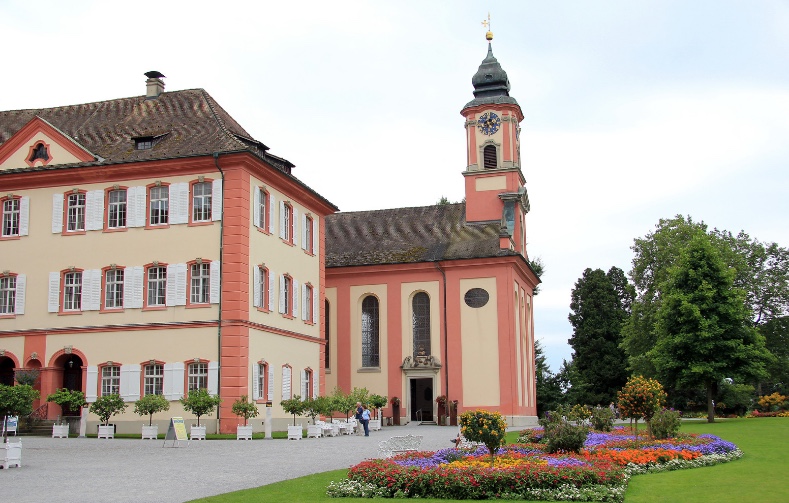
Mainau the Flower Island in the Lake Constance

Behind the Markermeer in the Netherlands and Lake Geneva, adjacent to Switzerland and France, Lake Constance is the third largest lake in Central Europe with a length of 63 kilometers and a surface area of 536 km2. Lake Constance in the foothills of the Alps between Germany, Austria and Switzerland is fed by the Rhine and consists of the Obersee and Untersee. Around the lake there are numerous vacation spots of which I prefer for my excursions the German south-facing side of the lake. 

My personal favorit among the fifteen small and larger peninsulas and islands of Lake Constance is the flower island of Mainau, the third largest island behind Lindau and Reichenau. The unique flower splendor of Mainau is favored by a special microclimate and offers its visitors an atmosphere of natural beauty, peace and relaxation. In the 1930s, the owner and master of the island, Lennart Count Bernadotte, great-grandson of Grand Duke Frederick I, made Mainau to a flower and plant paradise. The island is open to the public and can be reached from the parking lot via a bridge. It also has its own jetty. The nearest major cities are Constance, Meersburg and Überlingen.

Flower Island Mainau

Flower Island Mainau

Hinter dem Markermeer in den Niederlanden und dem Genfersee, angrenzend an die Schweiz und Frankreich, ist der Bodensee mit einer Länge von 63 Kilometer und einer Fläche von 536 km2 der drittgrösste See Mitteleuropas. Der Bodensee im Alpenvorland zwischen Deutschland, Österreich und der Schweiz wird vom Rhein gespiesen und besteht aus dem Obersee und Untersee. Rings um den See liegen zahlreiche Urlaubsorte wovon ich die Deutsche, nach Süden ausgerichtete Seite des Seeufers, bei meinen Ausflügen besonders bevorzuge. 

Unter den vielen kleinen und grösseren Halbinseln und Inseln des Bodensees ist die Blumeninsel Mainau, die drittgrösste Insel hinter den Inseln Lindau und Reichenau, mein persönlicher Favorit. Die einmalige Blumenpracht der Insel Mainau wird von einem besonderen Mikroklima begünstigt und bietet seinen Besuchern eine Atmosphäre der Naturschönheit, Ruhe und Erholung. In den 1930er Jahren machte der Besitzer und Herr der Insel, Lennart Graf Bernadotte, Urenkel von Grossherzog Friedrich I., die Mainau zu einem Blumen- und Pflanzenparadies. Die Insel ist öffentlich zugänglich und vom Parkplatz kommend über eine Brücke zu erreichen. Sie verfügt ebenfalls über einen eigenen Schiffsanleger. Die nächsten grösseren Städte sind Konstanz, Meersburg und Überlingen. 

Categories: Blogroll, Germany, Nature, Travel | Tags: , , , | 1 Comment

Friedrichshafen, the city of the Zeppelins

The weather was not particularly good this Tuesday, it was raining mostly and the temperature was almost wintery. It was not the ideal day for a boat trip on the lake. Nevertheless, I decided to take the ferry from Romanshorn in Switzerland, to cross Lake Constance to Friedrichshafen on the German side of the lake, and to have in the „city of the airships“ a nice day 🙂

Did you know that the famous Zeppelins were built in Friedrichshafen and are again rebuilt since 1993? The construction of the first Zeppelins began in 1899 in a floating assembly hall on Lake Constance, in a bay near Friedrichshafen. The Zeppelins were airships named after their inventor Ferdinand Graf von Zeppelin. These sometimes more than 200 meters long monsters were used from 1900 to 1940 both for passenger transport and military.

Graf Ferdinand von Zeppelin

Graf Ferdinand von Zeppelin

Starting 1930, a transatlantic service to North and South America was operated. However, the initial boom came to an abrupt end with the disaster at Lakehurst, New Jersey, a small town about one hundred kilometers southwest of New York! On May 6, 1937, the LZ 129 caught fire whilst landing, and within a few seconds the world’s largest airship, the Hindenburg, went up in flames and 36 of the 97 people on board lost their lives.

With the catastrophe of Lakehurst, civilian air navigation had temporarily ceased, that is until the early 1990s. At that time, 1993, the ZLT Zeppelin Luftschifftechnik GmbH was founded. Today, this company is building the new and safe Zeppelin NT (New Technology) airships. Very special sightseeing experiences are offered with low altitude flights (about 300 meters) over the Lake Constance region and flights to Munich.

A few steps from the berth of the ferry is the Zeppelin Museum; it presents on 4000 m2 of exhibition space, the world’s largest collection of airships. A unique experience, for all those interest in Zeppelins!

Floating assembly hall on Lake Constance

Floating assembly hall on Lake Constance

Das Wetter war heute Dienstag nicht besonders gut, es regnete mehrheitlich und die Temperatur winterlich. Es war eigentlich nicht der ideale Tag für eine Schifffahrt auf dem See. Trotzdem habe ich mich entschlossen, mit dem Fährschiff von Romanshorn in der Schweiz ausgehend, den Bodensee nach Friedrichshafen auf der deutschen Seeseite zu überqueren und mir dort, in der Stadt der Luftschiffe, einen schönen Tag zu machen. 

Ferry Romanshorn to Friedrichshafen

Ferry Romanshorn to Friedrichshafen

Haben Sie gewusst, dass in Friedrichshafen die berühmten Zeppeline gebaut wurden und seit 1993 wieder gebaut werden? Die Montage des ersten Zeppelins begann 1899 in einer schwimmenden Montagehalle auf dem Bodensee in einer Bucht bei Friedrichshafen. Zeppeline waren Starrluftschiffe, die nach ihrem Erfinder Ferdinand Graf von Zeppelin benannt wurden. Diese zum Teil über 200 Meter langen Ungetüme wurden von 1900 bis 1940 sowohl zur Personenbeförderung als auch militärisch eingesetzt.

Ab 1930 wurde ein transatlantischer Liniendienst nach Nord- und Südamerika eingerichtet. Der anfängliche Boom fand jedoch mit dem Unglück in Lakehurst im Bundesstaat New Jersey, hundert Kilometer südwestlich von New York, ein jähes Ende! Am 6. Mai 1937 fing bei der Landung das Heck von LZ 129 Feuer, und innerhalb von wenigen Sekunden ging das größte Luftschiff der Welt, die Hindenburg,  in Flammen auf und 36 von den 97 Menschen an Bord fanden den Tod. 

Mit der Katastrophe von Lakehurst hatte sich die zivile Luftschifffahrt vorübergehend erledigt, das heisst bis in die frühen 1990er Jahre. Damals, 1993, wurde die ZLT Zeppelin Luftschifftechnik GmbH gegründet. Heute werden von dieser Firma neue und sichere Luftschiffe der Marke Zeppelin NT (Neue Technologie) gebaut. Ein ganz besonderes Sightseeing Erlebnis sind die aus 300 Meter Höhe angebotenen Rundflüge über die Bodensee Region und Flüge bis nach München.

Ein paar Schritte von der Anlegestelle des Fährschiffs entfernt befindet sich das Zeppelin Museum. Dort wird auf 4000 m2 Ausstellungsfläche die weltweit größte Sammlung zur Luftschifffahrt präsentiert. Für Zeppelin interessierte, ein einmaliges Erlebnis!

Categories: Blogroll, Germany, History, Museum, Switzerland, Travel | Tags: , , , , | 1 Comment

The Lion Monument in Lucerne, Switzerland

The Lion Monument is located in the center of the city of Lucerne, in front of the Glacier Garden, a natural monument and museum, and not far from the Bourbaki Panorama on Löwenplatz.

The monument commemorates the heroic death of the Swiss Guards who died in 1792, who protected the French King Louis XVI from his own people and were killed by the revolutionaries in the assault on the Royal Palace and the Tuileries. The carved in stone “dying lion of Lucerne” is one of the most famous monuments in Switzerland. Every year it is visited and photographed by nearly 2 million tourists from all over the world.

Lion Monument Lucerne

The Lion Monument Lucerne

Das Löwendenkmal befindet sich im Zentrum der Stadt Luzern und liegt vor dem Gletschergarten, ein Naturdenkmal mit Museum, unweit vom Bourbaki Panorama am Löwenplatz. 

Das Monument erinnert an den Heldentot der 1792 gefallenen Schweizergardisten die den französischen König Louis XVI vor seinem eigenen Volk beschützten und von den Revolutionären beim Sturm auf das Königliche Schloss und die Tuilerien getötet wurden. Der in Stein gemeisselte „sterbende Löwe von Luzern“ ist eines der bekanntesten Denkmäler in der Schweiz. Jedes Jahr wird er von beinahe 2 Millionen Touristen aus der ganzen Welt besucht und fotografiert.


Categories: Blogroll, Monument, Museum, Switzerland, Travel | Tags: , | 8 Comments

Discover interesting places in the North Balkans of Bulgaria

Gabrovo is a Bulgarian town in the North Balkans and situated in the valley of the Jantra, a right tributary of the Danube. Many sons and daughters of the city, some of them world-famous, such as the environmental sculptor and artist Christo Javacheff or the father of former President of Brazil Dilma Rousseff, have their roots in Gabrovo. Originally a center of craftsmanship, in the first half of the twentieth century, the city developed into an important industrial and textile center of the country with the construction of innumerable factories, back then, it was also called the “Bulgarian Manchester”. However, the bustling activity of that time has largely disappeared and given way to a certain hopelessness. Although I have seen some positive developments, it seemed to me that the “West” and “Europe” had completely forgotten Gabrovo since the political turn of the 1990s. The city’s population has been steadily declining over the last thirty years and many of the former factory properties have degenerated into unsalable industrial ruins. Nonetheless, people’s humor has remained and is being lived. Every year, the nationwide well-known festival of humor and satire takes place in Gabrovo.

For me, Gabrovo is definitely worth a trip for the following reasons:

Gabrovo has a few but worth visiting museums, churches and theatres.

The industrial ruins of this city were for me an instructive lesson, silent witnesses and proof of the failed communist socialist central management economy.

Gabrovo

Gabrovo

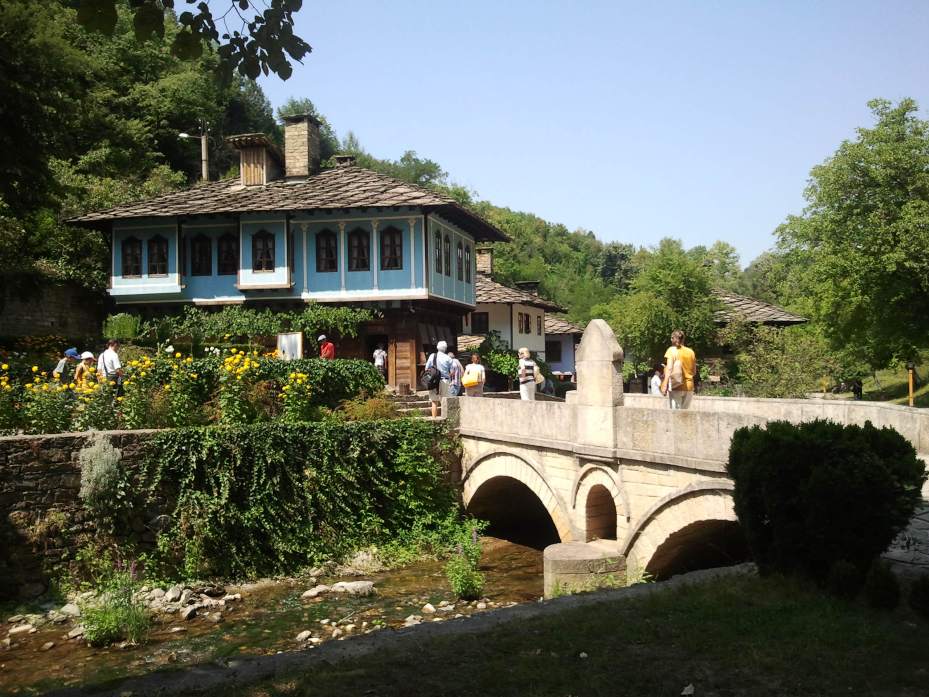
An absolute must for visitors of Gabrovo is the Ethnographic Open-Air Museum Etar, a complex of historically valuable old houses that were relocated from Gabrovo’s surrounding 50 years ago. Along a stone-paved street are historic workshops where craftsmen work like in the 19th century. I can especially recommend the coffee house and the grill specialties in a typical old Bulgarian restaurant which is part of the complex.

Also not to be missed is the nearby village and open-air museum Boschenzi and the woodcarving town of Tryavna with its historic houses that also date from the 19th century.

Etar

Etar near Gabrovo

Gabrovo ist eine bulgarische Stadt im Nordbalkan und liegt im Tal des Jantra, einem rechten Nebenfluss der Donau. Viele Söhne und Töchter der Stadt, einige von ihnen weltberühmt, wie der Land-art und Verpackungs-Künstler Christo Javacheff oder der Vater der ehemaligen Präsidentin Brasiliens Dilma Rousseff, haben ihre Wurzeln in Gabrovo. Ursprünglich ein Zentrum des Handwerks, entwickelte sich die Stadt in der ersten Hälfte des zwanzigsten Jahrhunderts mit dem Bau unzähliger Fabriken zu einem wichtigen Industrie- und Textilzentrum des Landes und wurde damals auch das “Bulgarische Manchester” genannt. Die geschäftige Tätigkeit dieser Zeit ist jedoch weitgehend verschwunden und einer gewissen Hoffnungslosigkeit gewichen. Obwohl ich einige positive Entwicklungen gesehen habe, schien mir, dass der “Westen” und “Europa” Gabrovo seit der politischen Wende der neunziger Jahre komplett vergessen hatten. Die Bevölkerung der Stadt ist in den letzten dreißig Jahren stetig zurückgegangen und viele der ehemaligen Fabrikgebäude sind zu unverkäuflichen Industrieruinen verkommen. Dennoch ist der Humor der Menschen geblieben und wird gelebt. Jedes Jahr findet das landesweit bekannte Festival für Humor und Satire in Gabrovo statt.

Für mich ist Gabrovo aus folgenden Gründen eine Reise wert:

In Gabrovo gibt es ein paar sehenswerte Museen, Kirchen und Theater. 

Die Industrieruinen dieser Stadt waren für mich eine lehrreiche Lektion, stumme Zeugen und Beweis für die gescheiterte sozialistische Zentralwirtschaft der Kommunisten.

Etar near Gabrovo

Etar near Gabrovo

Ein absolutes Muss für jeden Besucher der Stadt ist das Ethnographische Freilichtmuseum Etar, ein Komplex von historisch wertvollen alten Häusern, die vor 50 Jahren aus der Umgebung Gabrovos umgesiedelt wurden. Entlang einer gepflasterten Straße befinden sich historische Werkstätten, in denen Handwerker wie im 19. Jahrhundert arbeiten. Ich kann das Kaffeehaus und die Grillspezialitäten in einem typisch bulgarischen Restaurant des Komplexes besonders empfehlen.

Nicht zu versäumen sind auch das nahe gelegene Dorf und Freilichtmuseum Boschenzi und die Holzschnitzerstadt Tryavna mit ihren historischen Häusern, die ebenfalls aus dem 19. Jahrhundert stammen.

Categories: Blogroll, Bulgarien, History, Museum, Travel | Tags: , , , , | 10 Comments

Discover Bulgarian Wines

Bulgaria Wine Tours organizes full-service wine tours to Bulgaria but there is much more to it than simply tasting wines. The tours combine wine tastings and winery visits with the cultural heritage, history, cuisine and nature of Bulgaria. They like to call themselves a tour operator that focuses on wine & food tourism with a touch of cultural and rural tourism. You do not have to be a wine connoisseur to enjoy their tours. Bulgaria Wine Tours are enjoyable and accessible to anyone who prefers vacations with a heavy focus on wine, food and culture. For those who are wine connoisseurs or would like to organize a tour for a wine club or a group of wine professionals, they take great pride on offering special interest tours that focus exclusively on wine and food. Get in touch for a customized tour itinerary that fits all of your needs.

Bulgaria Wine Tours offers guided private or group tours in Bulgaria’s wine regions.

Contact Bulgaria Wine Tours

Dear Travelers, in order to to get in touch with Bulgaria Wine Tours, please write them an E-Mail: info@bulgariawinetours.com or contact Bulgarian Wine Tours through their website: http://www.bulgariawinetours.com

Post written in co-operation with Bulgaria Wine Tours

Bei Bulgarian Wine Tours organisieren wir Full-Service-Wein-Touren nach Bulgarien, aber es gibt viel mehr als nur Weine zu probieren. Die Touren verbinden Weinproben und Weingüterbesuche mit dem kulturellen Erbe, Geschichte, Küche und der Natur Bulgariens. Sie nennen uns gerne einen Reiseveranstalter, der sich auf den Wein- und Lebensmittel-Tourismus mit einem Hauch von Kultur- und Landtourismus konzentriert. Sie müssen kein Weinkenner sein, um die Touren von Bulgarian Wine Tours zu genießen. Die Touren sind angenehm und zugänglich für jeden, der Urlaub mit einem starken Fokus auf Wein, Essen und Kultur bevorzugt. Für diejenigen, die Weinkenner sind oder eine Tour für einen Weinclub oder eine Gruppe von Weinprofis organisieren möchten, ist Bulgaria Wine Tours gerne bereit, spezielle Interessen-Touren anzubieten, die sich ausschließlich auf Wein und Essen konzentrieren. Kontaktieren Sie Bulgaria Wine Tours für eine maßgeschneiderte Reiseroute, die all Ihren Bedürfnissen entspricht.

Bulgarian Wine Tours bietet geführte private oder Gruppenreisen in Bulgariens Weinregionen an.

150FD7A3-4E30-4634-AB81-A8E7A2909C91

Kontakt Bulgaria Wine Tours

Liebe Reisende, um mit Bulgaria Wine Tours in Kontakt zu treten, schreiben Ihnen  bitte ein E-Mail: info@bulgariawinetours.com oder kontaktieren Sie Bulgaria Wine Tours über ihre Website: http://www.bulgariawinetours.com

Artikel geschrieben in Zusammenarbeit mit Bulgaria Wine Tours


Categories: Blogroll, Bulgarien, Events, Food, Nature, Restaurant, Travel | Tags: , , , | 6 Comments

Excellent wines produced by the Winery Estate Dragomir in Plovdiv, Bulgaria

My visit to the winery Dragomir in Plovdiv was a very special treat! I was invited by friends to taste and enjoy the different top wines of this relatively young winery. Honestly, I love good wine, but I would not call me a wine connoisseur or even „sommelier” 🙂 Anyway, I allow myself a judgment here. All savored Dragomir wines have tasted exceptionally well. The wines were just outstanding and I’m already looking forward to my next trip to Plovdiv! Interested in an excellent and exclusive wine from Bulgaria? Here is the link to the winery Dragomir!

Dragomir Winery Estate, Plovdiv

Dragomir Winery Estate, Plovdiv

By the way, did you know that the city of Plovdiv, together with the South-Italian town Matera, has been nominated cultural Capital of Europe for the year 2019.

Plovdiv, located in the Thracian Plain, with its “only” 350,000 inhabitants, is the second largest city of Bulgaria. The city, also known for its university, is located southeast of Sofia and can be reached by car in just under two hours. Train and bus lines, as well as a small airport, connect the world with Plovdiv which is one of the most important centers of the country for industry, trade and tourism. It was no coincidence that Bulgaria’s “Sleeping Beauty”, the city of Plovdiv, was named European Capital of Culture for this year. As you approach the city by car, you are crossing quarters with the same prefabricated buildings and houses as in many other socialist towns elsewhere. In the heart of Plovdiv, however, visitors will discover one of Europe’s oldest cities. Plovdiv, or Phillipopolis, was once the most beautiful city in Thrace. Today, it is also known as the “Bulgarian Rome”. When you stroll through the streets and alleyways of the Old Town, past the magnificent patrician houses from the time of the Bulgarian Renaissance, you will travel back in time through the history of Bulgaria. The Roman theater, the ancient stadium, the tombs, the third oldest mosque in the Balkans, the Archaeological Museum, and much more testify to a great past of this beautiful town.

Old town Plovdiw

Old town Plovdiw

Mein Besuch des Weinguts Dragomir in Plovdiv war ein ganz besonders Genusserlebnis! Unter dem Motto Degustieren und Geniessen durfte ich die verschieden Top-Weine dieses noch relativ jungen Weinguts verkosten. Freunde haben mich dazu eingeladen. Ganz ehrlich, ich liebe guten Wein, würde mich aber nicht als Weinkenner oder „Sommelier“ bezeichnen 🙂 Trotzdem erlaube ich mir hier ein Urteil. Alle von mir degustierten Linien der Dragomir Weine haben mir aussergewöhnlich gut gemundet. Die Weine waren schlicht hervorragend und ich freue mich jetzt schon auf meine nächste Reise nach Plovdiv! Interesse an einem Exklusiven Wein aus Bulgarien? Hier der Link zum Dragomir Weingut!

Dragomir Winery Estate Plovdiv

Dragomir Winery Estate, Plovdiv

Übrigens wusstest Du, dass die Stadt Plovdiv zusammen mit der süd-italienischen Stadt Matera für das Jahr 2019 zur Kulturhauptstadt Europas ernannt wurde?

Plovdiv, gelegen in der Thrakischen Ebene, ist mit seinen „nur“ 350’000 Einwohner die zweitgrösste Stadt von Bulgarian und ist für das Jahr 2019 neben Matera in Italien eine der beiden Kulturhauptstädte Europas. Die Stadt, auch bekannt für seine Universität, liegt südöstlich von Sofia und ist mit dem Auto in nur knapp zwei Stunden zu erreichen. Zug- und Buslinien sowie ein kleiner Flughafen verbinden die Welt mit Plovdiv, einem der wichtigsten Zentren des Landes für Industrie, Handel und Tourismus. Nicht umsonst wurde Bulgariens „schlafende Schönheit“, die Stadt Plovdiv zur diesjährigen Kulturhauptstadt Europas gekürt. Wenn man sich mit dem Auto der Stadt nähert, durchquert man Quartiere mit denselben Plattenbauten und Gebäuden wie in vielen anderen sozialistischen Einheitsstädten anderswo. Jedoch im Herzen der Stadt eröffnet sich den Besuchern eine der ältesten Städte Europas. Plovdiv oder auch Phillipopolis war einst die schönste Stadt Thrakiens und gilt heute auch als das „bulgarisches Rom“. Wer durch die Strassen und Gassen der Altstadt schlendert, vorbei an den prächtigen Bürgerhäuser aus der Zeit der bulgarischen Renaissance, unternimmt eine Zeitreise durch die Geschichte Bulgariens. Das römische Theater, das antike Stadion, die Grabstätten, die drittälteste Moschee des Balkans, das Archäologische Museum, und vieles mehr zeugen von einer grossen Vergangenheit dieser wunderschönen Stadt.

Categories: Blogroll, Bulgarien, Events, Food, Landmark, Travel, Wine | Tags: , | Leave a comment

The Versailles of Tokyo, Akasaka Palace

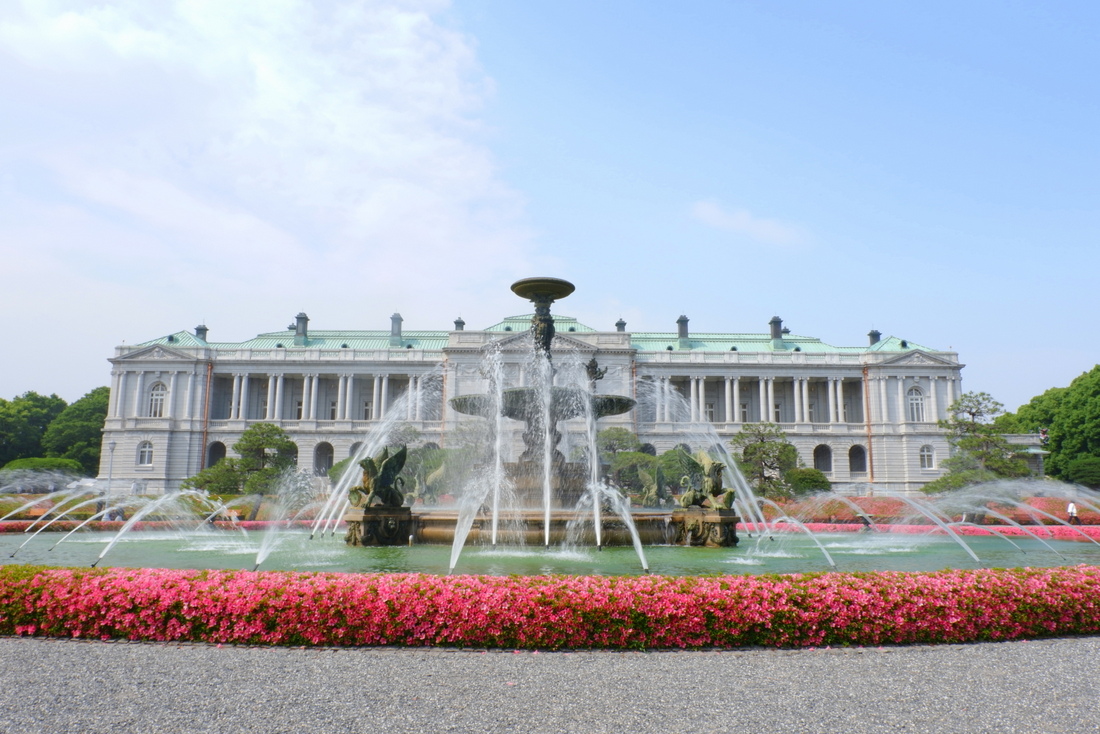
In the very centre of Tokyo, hidden behind stone walls and a forest so thick it’s impossible to see through, is a place not many people know much about. Separate to the Imperial Palace, the Akasaka Imperial Estate covers about 50 hectares—almost the same size as Shinjuku Gyoen. It’s quite a chunk of central Tokyo!

via Akasaka Palace, the Versailles of Tokyo — Celia in Tokyo

Categories: Blogroll, Japan, Travel, Weltreisen | Tags: | 3 Comments

Plaza de la Merced in Málaga, Spain

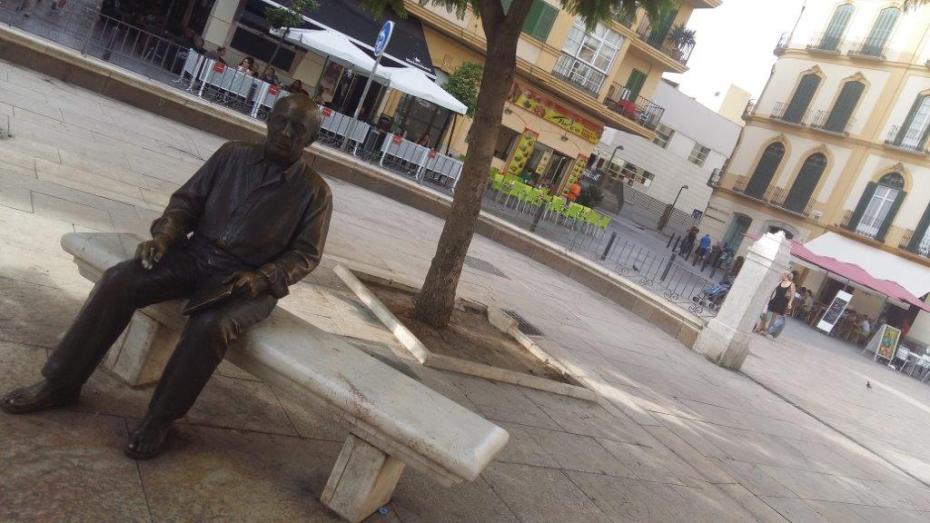
The Plaza de la Merced is one of the most famous squares in Málaga. In the middle of the Plaza stands a large neoclassical obelisk. This monument was built in honor of the general and freedom fighter Torrijos and his 48 comrades who were shot dead on the beach of Málaga in 1831 without a fair trail. However,  the Plaza de la Merced is all about Pablo Picasso; his birthplace is located on the north-western side of this square. Today, in Picasso‘s house is the Fundación Picasso with the Museo Casa Natal. I was looking forward to getting an insight into the home life of the Picasso family during their time in Málaga. Unfortunately, I was a little disappointed. There are a few exhibits of the family and drawings by the artist; but otherwise it is lacking largely original furnishings in order to make oneself an authentic picture of how little Pablo Picasso grew up. The existing furniture is mainly a collection of collected antiques from the late 19th century. Nevertheless, I still find a visit to his birthplace worthwhile, this in addition to the new Museo Picasso Malaga in the Palacio de los Condes Buenavista in Calle San Agustin. In general, the Museo Casa Natal gives a certain overview of the curriculum vitae and the early career of Pablo Picasso. Once you have completed your visit, you will find many bars around the Plaza de la Merced for delicious tapas, a refreshing beer or a fine glass of wine. And last but not least, you can rest on a small park bench next to the seated statue of Pablo Picasso and relax from the hardships of the day.

Pablo Picasso

Pablo Picasso on a bench in the Plaza de la Merced, Malaga

Die Plaza de la Merced gehört zu den berühmtesten Plätzen in Málaga.  In der Mitte der Plaza steht ein großer neoklassizistischer Obelisk. Dieses Denkmal wurde zu Ehren des Generals und Freiheitskämpfers Torrijos und seiner 48 Kameraden erbaut welche 1831 am Strand von Málaga ohne Gerichtsurteil erschossen wurden. Die Plaza de la Merced steht jedoch ganz im Zeichen von Pablo Picasso; sein Geburtshaus steht an der nord-westlichen Seite dieses Platzes. Heute befindet sich in dem Haus die Fundación Picasso mit dem Museo Casa Natal. Ich war gespannt darauf, einen Einblick in das häusliche Leben der Familie Picasso in Málaga zu bekommen. Leider wurde ich ein wenig enttäuscht. Es gibt zwar ein paar wenige Exponate der Familie und Zeichnungen des Künstlers; ansonsten fehlen aber weitgehend Original Einrichtungsgegenstände um sich ein authentisches Bild machen zu können wie der kleine Pablo Picasso aufgewachsen ist. Die vorhandene Möblierung ist vorwiegend eine Sammlung zusammengetragener Antiquitäten aus jener Zeit des späten 19. Jahrhundert. Als Ergänzung zum neuen Museo Picasso Malaga im Palacio de los Condes Buenavista in der Calle San Agustin finde ich einen Besuch des Geburtshauses trotzdem empfehlenswert. Generell gibt das Museo Casa Natal doch einen gewissen Überblick über den Lebenslauf und den Werdegang von Pablo Picasso.

Plaza de la Merced Malaga

Obelisk on the Plaza de la Merced, Malaga

Nach dem Museumsbesuch findet man viele Bars rundum die Plaza de la Merced für leckere Tapas, ein erfrischendes Bier oder ein feines Glass Wein. Und ganz zum Schluss, kann man sich auf einer kleinen Parkbank neben der sitzenden Statue Pablo Picasso von den Strapazen des Tages ausruhen.

Categories: Art, Blogroll, Kunstmaler, Malaga, Museum, Spain, Travel | Tags: , , , , , | Leave a comment

Try Visiting Mongolia — Tourism Observer

Mongolia

Mongolia

According to Mongolian Buddhism, a spot in the middle of the Gobi desert is where the strongest spiritual energy in the world converges. To mark the location, the monastery complex was built in the 19th century, Khamriin Khiid. The original Khamriin Khiid monastery was founded in 1820 by Danzanravjaa, known as the Terrible Noble Saint […]

via MONGOLIA: Try Visiting Mongolia — Tourism Observer

Categories: Blogroll, Mongolia, Travel | Tags: | Leave a comment

Carimar Beach Club, a hotel gem on the Caribbean Island Anguilla BWI

Anguilla is a small, charming island in the British West Indies (BWI). This Caribbean island has much to offer, especially a crystal clear sea with turquoise waters, beautiful pearl white sandy beaches, friendly people, excellent restaurants, very good hotels and in particular a gem, the Carimar Beach Club Hotel on Meads Bay!

Once Carimar, always Carimar! In fact, that’s how I would describe the guest profile of this beautiful hotel complex in Anguilla. The loyalty of returning guests, year after year, and their highest marks on rating platforms such as TripAdvisor or Booking, are for me the best proof and confirmation for the uniqueness of the Carimar Beach Club!

The entire hotel complex, in a paradisiacally beautiful and well-kept tropical flowers and palm garden, comprises a total of 24 apartments which can be rented either with one or two bedrooms. The spacious living room, the practical kitchen and the luxurious bathroom meet the highest demands. A covered patio with garden and in most cases also sea view increase additionally the living and holiday enjoyment of Carimar’s guests.

Carimar Beach Club

Carimar Beach Club in Anguilla

The location of Carimar is very exclusive. There are only a few food steps from the door of the Hotel apartments to the powdery sandy beach of Meads Bay. Actually, one is here at one of the most beautiful beaches in the Caribbean! A pearly and powdery sandy beach, no plastic waste, no jellyfish, no algae or seaweed, but quiet, crystal clear and clean water with a perfect temperature for swimming; and with a little bit of luck you may even be accompanied by dolphins whilst swimming and diving in these paradisiacal waters! In short, the Carimar Beach Club is located in a unique and breathtaking dream location.

Stress plagued and peace-seeking guests find here what they are looking for. The Carimar Beach Club is known and unique for its pure relaxation and serenity. A bird concert complacent, no problem! The beautifully singing Pipiri (mockingbirds) or the cooing of the Zenaida pigeons enrapture their listeners every day anew; and the cackling of the ubiquitous, wild chickens fills the Caribbean soundscape in Anguilla with a very special touch 🙂

Meads Bay Anguilla in front of Carimar Beach Club

Meads Bay Anguilla in front of Carimar Beach Club

Appetite for a Lobster, Creole or French cuisine at its best? This is not a problem! There are excellent restaurants serving local and international cuisine within walking distance of the Carimar Beach Club. I can guarantee, that at Meads Bay every gourmet will find his or her favorite dish!

Last but not least, the hospitality and professionalism of the Carimar management and staff are unique, wonderful and exemplary. As a guest, you always feel welcome, courteous, well served and excellently taken care of. As I mentioned in the beginning of this post, once Carimar, always Carimar! http://www.carimar.com

Anguilla ist eine kleine, charmante Insel in Britisch Westindien. Diese karibische Insel hat viel zu bieten, insbesondere ein kristallklares Meer mit türkisfarbenem Wasser, wunderschöne perlweisse Sandstrände, freundliche Menschen, ausgezeichnete Restaurants, sehr gute Hotels und im speziellen, das Hotel Juwel Carimar Beach Club an der Meads Bay!

Einmal Carimar immer Carimar! So würde ich das Gästeprofil dieser wunderschönen Hotelanlage in Anguilla beschreiben. Die Loyalität der Jahr für Jahr wiederkehrenden Gäste, und deren Höchstbenotungen bei Bewertungsplattformen wie TripAdvisor oder Booking, sind für mich der beste Beweis und Bestätigung für die Einzigartigkeit des Carimar Beach Club‘s!

Die Hotelanlage, in einem paradiesisch schönen und gepflegten tropischen Blumen und Palmgarten, umfasst insgesamt 24 Wohnungen welche man entweder mit einem oder zwei Schlafzimmern mieten kann. Der grosszügige Wohnraum, die praktisch eingerichtete Küche sowie das luxuriöse Bad genügen allerhöchsten Ansprüchen. Ein gedeckter Sitzplatz mit Sicht auf Garten und in den meisten Fällen auch auf das Meer erhöhen zusätzlich den Wohn- und Urlaubsgenuss der Gäste.

Die Lage des Carimar ist sehr exklusiv. Von der Wohnungstür der Hotel Apartments bis an den pulvrigen Sandstrand der Meads Bay sind es nur ein paar wenige Schritte. Wohlverstanden, man befindet sich hier an einem der schönsten Strände der Karibik! Perlweisser und pulvriger Sandstrand, kein Plastikmüll, keine Quallen, keine Algen oder Seegras, dafür ruhiges, kristallklares und sauberes Wasser mit perfekter Temperatur zum Schwimmen; und mit ein wenig Glück kann man dabei sogar von Delfinen beim Schwimmen und Tauchen in diesen paradiesischen Gewässern begleitet werden! Kurz gesagt, der Carimar Beach Club ist an einer einzigartigen und atemberaubender Traumlage.

Hier kommen gestresste und Ruhe suchende Gäste voll und ganz auf ihre Rechnung. Der Carimar Beach Club ist für seine pure Entspannung und Gelassenheit bekannt und einzigartig. Ein Vogelkonzert gefällig, kein Problem! Die wunderschön singenden Pipiri (Spottdrosseln) oder das Gurren der Zenaida Tauben verzücken ihre Zuhörer tagtäglich von Neuem; und das Gegacker der allgegenwärtig, wild lebenden Hühner, erfüllt die karibische Klangkulisse in Anguilla mit einer ganz besonderen Note 🙂

Carimar Beach Club Hotel

Relaxation at Carimar Beach Club in Anguilla

Appetit auf einen Lobster, auf Kreolische oder Französische Küche vom Feinsten? Das ist kein Problem! In Gehdistanz zum Carimar Beach Club laden exzellente Restaurants mit lokaler und internationaler Küche zum Schmaus! Ich garantiere, hier an der Meads Bay kommt jeder Gourmet auf seine Rechnung!

Zu guter Letzt, die Gastfreundschaft und Professionalität des Carimar Management’s und Personal’s sind einzigartig, wunderbar und beispielhaft. Als Gast fühlt man sich immer willkommen, zuvorkommend betreut, bedient und exzellent aufgehoben. Wie Anfangs erwähnt, einmal Carimar, immer Carimar! http://www.carimar.com

Categories: Anguilla, Blogroll, Hotel, Nature, Travel | Tags: , | 3 Comments

Roland and donkey Rosinante on the Camino to Santiago de Compostela

Roland, a modern Don Quijote and Pilgrim from Hungary and his donkey Rosinante are an inseparable couple (aka Rolandante) living and walking on the Camino. Last year, on my way to Santiago de Compostela, there was this donkey in the middle of nowhere, tied up next to the Camino trail, it was Rosinante! I assume that the pilgrim Roland was still sleeping in his blue tent under an old eucalyptus tree which was only a few footsteps away. 

However, Rosinante was awake and already active, she had her own pilgrim stamp or (sello). If you want to receive your Compostela, the religious document that certifies your pilgrimage, you need to show to the Pilgrims Office in Santiago de Compostela a Credencial full of sellos! The Credencial is a sort of Pilgrimage Passport in which you collect stamps as you walk the Camino. Such stamps can be obtained in churches, hostels and hotels, restaurants, bars and also from the donkey Rosinante 🙂 This is a nice keepsake, but it’s also a necessary document to carry. The very first thing you will have to do upon checking in to any hostel is present your actual Identification Card and your Credencial to verify that you are walking the Camino. It is not only required for your accommodation, the document is also required as a proof in Restaurants to get the inexpensive three course pilgrimage menu with a bottle of wine 🙂 🙂 Buen Camino!

Roland, ein moderner Don Quijote und Pilger aus Ungarn und sein Esel Rosinante sind ein untrennbares Paar (auch bekannt als Rolandante) auf ihrer langjährigen Pilgerreise. Letztes Jahr, auf meinem Weg nach Santiago de Compostela, stand da ein Esel mitten im Nirgendwo neben dem Camino Trail, es war Rosinante! Den Pilger Roland habe ich nicht angetroffen, wahrscheinlich war er noch in seinem blauen Zelt unter einem alten Eukalyptusbaum nur einige Schritte von Rosinante entfernt am schlafen.

Rosinante war aber schon wach und bereits aktiv, sie hatte vor sich auf einem kleinen Tischlein ihren eigenen Pilgerstempel oder (sello). Wenn Du den Compostela erhalten möchtest, das ist das religiöse Zertifikat welches deine Pilgerreise bestätigt, musst Du dem Pilgeramt in Santiago de Compostela ein Dokument voller „sellos“ zeigen! Das Dokument ist eine Art Pilgerpass, in dem Du auf deinem Camino die Stempel sammelst. Solche Stempel sind in Kirchen, Pilgerherbergen und Hotels, Restaurants, Bars und auch beim Esel Rosinante erhältlich 🙂 Die vielen Stempel sind ein schönes Andenken, aber auch ein notwendiges Dokument. Das allererste was Du beim Einchecken in eine Herberge tun musst, ist deinen Personalausweis und den Pilgerpass vorlegen um zu beweisen, dass Du auch tatsächlich den Camino gehst. Dieses Dokument ist nicht nur auf der Suche nach einer Unterkunft erforderlich, der Pilgerpass wird auch als Nachweis in Restaurants benötigt um das preisgünstige dreigängige Pilgermenü mit einer Flasche Wein zu erhalten 🙂 🙂 Buen Camino!

Categories: Blogroll, Jakobsweg, Spain, Travel, Trekking | Tags: , , , | Leave a comment

Traveling with your Dog by Airplane on Holidays

Air travel with a dog abroad requires very careful and extensive preparation.

Anyway, before you start planning your trip, you must ask yourself the following fundamental question: Can my dog fly with me in the cabin, or do I want to expose my best friend to the stress in the hold? Are there any alternative solutions, i.e. can you leave your friend with a dog sitter or at home with your family?

If this is not the case, the destination of your trip is important and you should start planning early. In particular, a health check and consultation with a veterinarian is strongly recommended. For example, all countries in the European Union and many other countries in the world require that a microchip be implanted in your pet to identify it as needed, e.g. from a veterinarian at the border. In addition, the vaccinations must be up to date. Inquire about country-specific vaccination regulations and time restrictions, i.e. how many days before entering a foreign country, must the dog be vaccinated. The same applies to quarantine requirements that could be imposed on arrival. Do not forget the “re-import” regulations of your home country after returning from abroad. Another issue that needs to be addressed are possible racial restrictions on some airlines, hotels or even countries and regions. Such restrictions include, but are not limited to, dangerous dogs, large and small dogs, more than one dog, dogs with crouped tails, short-nosed dogs, dog’s age, etc., etc. If you have stopovers or plans for transfers through countries, check also their provisions.

You can find information about the many different restrictions on country-specific websites. Likewise, airlines should be consulted on their requirements and conditions. Finally, your veterinarian should be asked for advice to avoid problems during your trip.

I hope these suggestions are helpful for the planning phase and I wish you and your dog a nice trip.

Travel with your dig

Happy Holidays

Flugreisen mit einem Hund ins Ausland erfordern sehr sorgfältige und umfassende Vorbereitungsarbeiten.

Wie auch immer, bevor Sie mit der Planung Ihrer Reise beginnen, müssen Sie sich folgende grundsätzliche Frage stellen: Kann und darf mein Hund mit mir in der Kabine mitfliegen oder möchte ich meinen besten Freund dem Reisestress im Frachtraum aussetzen? Gibt es alternative Lösungen, d.h. Sie lassen Ihren Freund bei einem Hundesitter oder zu Hause bei Ihrer Familie?

Wenn dies nicht zutrifft, ist das Ziel Ihrer Reise wichtig und Sie sollten früh mit der Planung beginnen. Insbesondere wird dringend eine Gesundheitskontrolle und Konsultation mit einem Tierarzt empfohlen. Zum Beispiel verlangen alle Länder in der Europäischen Union und viele andere Länder in der Welt, dass ein Mikrochip in Ihr Haustier implantiert werden muss, um es bei Bedarf zu identifizieren, z.B. von einem Tierarzt an der Grenze. Außerdem müssen die Impfungen auf dem neuesten Stand sein. Erkundigen Sie sich nach landesspezifischen Impfbestimmungen und zeitlichen Einschränkungen, d.h. wie viele Tage vor der Einreise in ein fremdes Land muss der Hund geimpft sein. Gleiches gilt für Quarantäne-Anforderungen, die bei der Ankunft auferlegt werden können. Vergessen Sie auch nicht die “Re-Import” Bestimmungen Ihres Heimatlandes nach der Rückkehr aus dem Ausland. Ein weiterer Punkt, der geklärt werden muss, sind mögliche Rassenbeschränkungen bei einigen Fluggesellschaften, Hotels oder sogar Ländern und Regionen. Solche Einschränkungen umfassen, sind aber nicht beschränkt auf, gefährliche Kampfhunde, große und kleine Hunde, mehr als ein Hund, Hunde mit koupierten Schwänzen, kurznasige Hunde, Alter des Hundes, etc., etc. Wenn Sie Zwischenstopps haben, oder Transfers durch Länder planen, vergessen Sie nicht, auch deren Bestimmungen zu überprüfen.

Informationen zu den vielen verschiedenen Einschränkungen finden Sie auf länderspezifischen Websites. Ebenso sollten Fluggesellschaften für deren Anforderungen und Bedingungen konsultiert werden. Zu guter Letzt sollte Ihr Tierarzt konsultiert werden um Probleme während Ihrer Reise zu vermeiden. 

Ich hoffe, diese Anregungen sind hilfreich für die Planungsphase und wünsche Ihnen und ihrem Hund ein ganz schöne Reise.


Categories: Blogroll, Nature, Travel | Tags: , , , , | 2 Comments

An old Fig Tree in Ayia Napa, Cyprus

Ayia Napa monastery is located in the southern part of the Famagusta district in Cyprus. The first buildings in Napa date back to the 12th century. At that time, a church and a mansion was built for the arriving Crusaders during a period when Cyprus was still part of the Byzantine Empire. After the conquest by the Venetians in 1489, the existing complex was converted into a monastery and structural changes were made; pilgrims received a large dormitory, and vacant rooms on the east side of the monastery were converted into monk cells. The point of attraction for Christians of all religions was the miraculous icon of Maria, which can still be visited today in the caves of the church. After the Ottoman conquest in 1571, the monastery was transferred to the Orthodox Church and abandoned, after a short flowering, in the 18th century.

Fig Tree in Ayia Napa, Cyprus

Fig Tree in Ayia Napa, Cyprus

What particularly impressed me during my visit to this former monastery was the more than 600-year-old fig tree in front of the southern entrance of this historically important site. If this tree could speak, it would have many stories to tell, from the Byzantine and Venetian merchants, about the pilgrims on their way to Jerusalem, the monks and popes of the monastery, the rulers of the Ottoman Empire, the warlike conflicts that were fought in its shadow, but also about the transformation of a formerly idyllic place into a loud and shrill party mile of our modern times just a few steps behind the monastery. The age of this sublime tree and its experience weigh so heavily that its low-hanging branches must be carried with iron columns!

Monastery in Ayia Napa

Monastery in Ayia Napa

Das Kloster Ayia Napa befindet sich im südlichen Teil des Bezirks Famagusta auf Zypern. Die ersten Gebäude in Napa stammen aus dem 12. Jahrhundert. Zu dieser Zeit, als Zypern noch Teil des Byzantinischen Reiches war, wurde eine Kirche und ein Herrenhaus für die ankommenden Kreuzfahrer gebaut. Nach der Eroberung durch die Venezianer im Jahr 1489 wurde der bestehende Komplex in ein Kloster umgewandelt und bauliche Veränderungen vorgenommen. Pilger bekamen einen großen Schlafsaal, und leere Räume auf der Ostseite des Anlage wurden in Mönchszellen umgewandelt. Anziehungspunkt für Christen aller Religionen war die wundrbringende Ikone der Maria, welche man heute noch in den Gewölben der Kirche besuchen kann. Nach der osmanischen Eroberung im Jahr 1571 wurde das Kloster der orthodoxen Kirche übertragen und nach einer kurzen Blüte im 18. Jahrhundert aufgegeben.

Monastery in Ayia Napa

Monastery in Ayia Napa

Was mich bei meinem Besuch in diesem ehemaligen Kloster besonders beeindruckte, war der über 600 Jahre alte Feigenbaum vor dem südlichen Eingang dieses historisch bedeutsamen Ortes. Wenn dieser Baum sprechen könnte, hätte er viele Geschichten zu erzählen, von den byzantinischen und venezianischen Händlern, den Pilgern auf dem Weg nach Jerusalem, den Mönchen und Popen des Klosters, den Herrschern des Osmanischen Reiches, den kriegerischen Auseinandersetzungen in seinem Schatten, aber auch über die Verwandlung eines ehemals idyllischen Ortes in eine laute und schrille Partymeile unserer modernen Zeit welche sich nur ein paar wenige Schritte hinter dem Kloster befindet. Das Alter dieses erhabenen Baums und sein Erlebtes wiegen so schwer, dass seine tief hängenden Äste mit Eisenstützen getragen werden müssen!

Categories: Blogroll, Cyprus, History, Monument, Nature, Travel | Tags: , | 5 Comments

St. Petersburg, Russia – Hermitage and Peterhof Fountains

This May we visited St. Petersburg. There were many reasons to travel to the beautiful City of St. Petersburg. Russia is famous for the Romanov dynasty and the Winter Palace (a.k.a. Hermitage). The famous Peterhof fountains are also something you definitely should see while globetrotting.

We visited both places – the Winter Palace and the Peterhof Fountains.

First, we went to the Hermitage Museum and saw the famous Leonardo Da Vinci paintings:  “Madonna and Child with Flowers” and “Madonna Litta”. It was quite an experience. Surprisingly, Da Vinci wasn’t the biggest hit in the museum for us! There is a painting “Danae” by Rembrandt which was attacked by a so-called „art-fan“ Bronius Maigys in 1985. He splashed the painting with sulfuric acid and the picture turned into a complete mess! The restoration started immediately. Now you can see almost no traces of the damage. Unbelievable! Look at the picture attentively. In the center, you can see the lines are blurred. What kind of art is it to make people so emotional?! Anyway, the Hermitage is a huge treasure of art and you can spend there a lot of time. But I’d recommend seeing “Danae”, Leonardo Da Vinci and the Golden Peacock.

Post written in co-Operation with Saint Petersburg Private Tours:

Hermitage St. Petersburg

Hermitage St. Petersburg

The second part of our tour was a hydrofoil trip to the Peterhof Gardens.

We got on board right from the Hermitage and went through the Gulf of Finland by water. Perfect!!! You really need to try it. There is a huge skyscraper on the shore and it gives an amazing contrast to the classic buildings around. Finally, when we got to the Peterhof Gardens it was even better than we expected. The port is in the gardens, so you don’t have to walk to it. It’s all there already. The biggest surprise was the Grand Cascade! What a spectacular view! Right in the middle of the fountain ensemble, there is a huge statue of Samson fighting a lion. The golden lady nearby shines in pure gold! We spent about two hours walking along the fountains and ponds and don’t regret a second that we spent there. Highly recommended. At about 6 p.m. we got back to the hydrofoil and returned to St. Petersburg.

When the tour was over I definitely felt like it gave me the essence of St. Petersburg. The day was not exhausting at all and we saw everything we needed to.

So what I’d personally recommend when coming to St. Petersburg:

  • Use water transport. We tried a hydrofoil and it was fantastic!
  • Don’t be afraid of the museums with crowds of people, there are ways to skip the line. We didn’t wait at all.
  • Visit Peterhof Fountains because this is what you’ll remember for the rest of your life.

The tour we took here, you can book it online, just like us.

Post written in co-operation with Saint Petersburg Private Tours: Report from Valentin Kosovsky (co-author)

Hermitage

Hermitage St. Petersburg

Im Mai besuchten wir St. Petersburg in Russland. Es gab viele gute Gründe für diese Reise. Russland ist berühmt für die Romanov-Dynastie und den Winterpalast (Hermitage). Die berühmten Peterhof-Fontänen sind auch etwas, das Globetrotter unbedingt sehen sollten.

Wir besuchten beide Orte – das Winterpalais und die Peterhof Fountains.

Zuerst besuchten wir in die Eremitage und sahen die berühmten Gemälde von Leonardo Da Vinci: “Madonna und Kind mit Blumen” und “Madonna Litta”. Es war eine ziemliche Erfahrung. Überraschenderweise war Leonardo Da Vinci nicht der größte Hit im Museum für uns! Es gibt ein Gemälde “Danae” von Rembrandt, das 1985 von Bronius Maigys, einem sogenannten „Kunstfan“ attackiert wurde. Er bespritzte das Gemälde mit Schwefelsäure und fügte dem Bild grossen Schaden zu! Die Restaurierung begann sofort. Heute kann man fast keine Spuren des Schadens mehr sehen. Nicht zu fassen! Schau dir das Bild aufmerksam an. In der Mitte des Bildes sieht man, dass die Linien verschwommen sind. Was für eine Kunst ist es, die Menschen so emotional macht ?! Wie auch immer, die Hermitage hat einen unermesslichen Kunstschatz und man kann dort sehr viel Zeit verbringen. Aber wenn die zur Verfügung stehende Zeit nicht reicht, sollte man unbedingt „Danae”, Leonardo Da Vinci und den Golden Peacock gesehen haben.

Der zweite Teil unserer Tour war eine Tragflügelbootfahrt zu den Peterhof-Gärten.

Wir gingen direkt bei der Hermitage an Bord des Tragflügelboots und fuhren auf dem Wasser durch den Finnischen Meerbusen. Perfekt!!! Du musst es wirklich versuchen. Es steht einen riesiger Wolkenkratzer am Ufer und es bietet einen erstaunlichen Kontrast zu den klassischen Gebäuden in dieser Gegend. Als wir schließlich zu den Peterhof Gärten kamen, war es noch viel besser als wir erwartet hatten. Der Hafen ist in den Gärten, so dass Sie nicht zu Fuß gehen müssen. Es ist alles schon da. Die größte Überraschung waren die Grossen Kaskaden! Was für eine spektakuläre Aussicht! In der Mitte des Springbrunnenensembles steht eine riesige Statue von Samson, die gegen einen Löwen kämpft. Die goldene Dame in der Nähe glänzt in reinem Gold! Wir verbrachten ungefähr zwei Stunden entlang der Fontänen und Teiche und bereuen keine Sekunde, die wir dort verbracht haben. Sehr empfehlenswert. Um ca. 18 Uhr Kehrten wir mit dem Tragflächenboot zurück nach St. Petersburg.

Als die Tour vorbei war, hatte ich definitiv das Gefühl, das wesentliche von St. Petersburg gesehen zu habe. Der Ausflug war überhaupt nicht anstrengend und wir sahen alles, was wir uns wünschten.

Also, was ich persönlich empfehlen würde, solltet ihr St. Petersburg besuchen: 

  • Wassertransport verwenden. Wir haben ein Tragflächenboot ausprobiert und es war fantastisch!
  • Haben Sie keine Angst vor den Museen mit Menschenmassen, es gibt Möglichkeiten, die Linie zu überspringen 🙂 Wir mussten überhaupt nicht lange warten!
  • Besuchen Sie unbedingt die Peterhof Fountains, ein unvergessliches Erlebnis!

Die Tour, die wir gemacht haben, ist hier, Sie können sie online buchen, genau wie wir.

Artikel geschrieben in Zusammenarbeit mit Saint Petersburg Private Tours: Report von Valentin Kosovsky (Co-Autor)

booking

Categories: Blogroll, Landmark, Museum, Russia, St. Petersburg, Travel | Tags: , , | 6 Comments

Bürgenstock Resort and Hotel Villa Honegg, Switzerland

In 1871, two Swiss tourism pioneers made history with the construction of several luxury hotels on the Bürgenstock. After a spectacular boat trip on a paddle steamer across Lake Lucerne from Lucerne to Kehrsiten-Bürgenstock, the funicular built in 1888 and renovated in the meantime brings guests and visitors directly to the grandiose Bürgenstock resort.

In the past, kings and emperors, business and political figures as well as stars from the show business, all came together on the Bürgenstock. To name just a few of the guests, celebrities and greats such as Charly Chaplin, Sean Connery, Audrey Hepburn or Sophia Loren, a permanent tenant, US President Jimmy Carter or Prime Minister Indira Gahndi from India, have come to this magical place with a phenomenal and unforgettable views over the lake Lucerne and mountains in the heart of Switzerland.

Buergenstock Switzerland

A magical place in the heart of Switzerland

After a nine-year planning and construction period, the new Bürgenstock Resort reopened in August 2017. These include several buildings and sports facilities, three hotels and residence suites, and a dozen restaurants and bars.

There are many ways to the Bürgenstock, be it with the private car (plenty of parking spaces in an underground car park are available), the PostBus and with the ship and funicular.

To find out more about the Bürgenstock Resort go their website: http://www.buergenstock.ch

Im Jahre 1871 haben zwei Schweizer Tourismus-Pioniere mit dem Bau mehrer luxuriöser Hotels auf dem Bürgenstock Geschichte geschrieben. Nach einer spektakulären Schiffsfahrt mit dem Raddampfer über den Vierwaldstättersee von Luzern nach Kehrsiten-Bürgenstock bringt die im Jahre 1888 erbaute und zwischenzeitlich renovierte Standseilbahn die Gäste und Besucher direkt zum grandiosen Bürgenstock Resort.

Lake Lucerne

Lake Lucerne

In der Vergangenheit gaben sich auf dem Bürgenstock Könige und Kaiser, Grössen aus Wirtschaft und Politik sowie dem Showbusiness ein Stelldichein. Um nur einige der Gäste zu nennen, erholten sich Celebrities wie Charly Chaplin, Sean Connery, Audrey Hepburn oder Sophia Loren, eine Dauermieterin, der US-Präsident Jimmy Carter oder die Ministerpräsidentin Indira Gahndi aus Indien an diesem magischen Ort mit einer phänomenalen und unvergesslichen Weitsicht über See und Berge im Herzen der Schweiz.

Nach einer neunjährigen Planung- und Bauzeit wurde das neue Bürgenstock Resort im August 2017 wieder eröffnet. Dazu gehören mehrere Gebäude und Sportanlagen, drei Hotels und Residenzsuiten sowie ein Dutzend Restaurants und Bars.

Es führen viele Wege auf den Bürgenstock, sei es mit dem privaten Auto (genügend Parkplätze in einer Tiefgarage sind vorhanden), dem Postauto sowie mit Schiff und Standseilbahn.

Für weitere Details besuchen Sie die Webseite des Bürgenstock Resorts: http://www.buergenstock.ch

Hotel Villa Honegg

Hotel Villa Honegg Switzerland

Hotel Villa Honegg

Walking about 30 Minutes from the Buergenstock Resort towards the village Ennetbürgen, passing by the Golf Club, you will discover the beautifully renovated Hotel Villa Honnegg. This privately owned 5-Star Hotel is widely known for its excellent Restaurant and breathtaking view over the lake Lucerne.

To find out more about the Hotel Villa Honegg go to their website: http://www.villa-honegg.ch

Wenn Sie etwa 30 Minuten vom Buergenstock Resort in Richtung Dorf Ennetbürgen gehen, vorbei am Golf Club, entdecken Sie das wunderschön renovierte Hotel Villa Honnegg. Dieses privat geführte 5-Sterne-Hotel ist weithin bekannt für sein exzellentes Restaurant und die atemberaubende Aussicht auf den Vierwaldstättersee.

Für weitere Details besuchen Sie die Webseite des Hotels Villa Honegg: http://www.villa-honegg.ch

Categories: Blog, Blogroll, Hotel, Landmark, Nature, Switzerland, Travel, Weltreisen | Tags: , , , , | 8 Comments

Fishing in Anguilla (British West Indies)

Anguilla is amongst insiders known for its beautiful beaches with pearl-white sands and crystal-clear turquoise waters. Believe me, swimming in this paradise is more than just relaxing, it’s living a dream! But one is not alone here in these waters, countless smaller and larger fish, sometimes turtles, sting rays and even dolphins are the invisible omnipresent companions when swimming.

These creatures move at a safe distance to the swimmer, they are not dangeroues and the smaller ones are afraid of the insatiable seagulls and pelicans who suddenly, out of the blue, attack and devour their prey.

Fishing, both from the coast and off-shore are very popular in Anguilla. This morning, I was amazed at how many fish move under and around me while swimming in Meads Bay every day 🙂 In fact, the local fishermen were lucky enough to land a ton of tuna in less than half an hour.

By the way, Anguilla is an ideal place for deep-sea fishing. Among the most commonly caught fish in the deeper waters are the Mahi-Mahi (my favorite fish to eat), Yellowfin Tuna, the Wahoo, Albacore, Kingfish, Barracuda and the Marlin.

In this sense, I wish you all a relaxing swim, maybe in Anguilla, and good luck fishing!

Anguilla ist unter Insidern bekannt für seine wunderschönen Strände mit perlweißem Sand und kristallklarem türkisfarbenem Wasser. Glaube mir, Schwimmen in diesem Paradies ist mehr als nur Entspannung, nein, man lebt einen Traum! Aber hier im Meer ist man nicht allein, unzählige kleinere und größere Fische, manchmal Schildkröten, Stachelrochen und sogar Delphine sind die unsichtbaren, allgegenwärtigen Begleiter beim Schwimmen.

Diese Kreaturen bewegen sich in sicherem Abstand, sie sind keine Gefahr für den Schwimmer, und die kleineren Fische haben Angst vor den unersättlichen Möwen und Pelikane, die plötzlich aus heiterem Himmel ihre Beute attackieren und genüsslich verschlingen.

In Anguilla ist das Angeln sowohl von der Küste aus, wie auch im offenen Meer, sehr beliebt und eine der vielen Touristenattraktionen dieser wunderschönen Karibikinsel.

Heute Morgen habe ich nicht schlecht gestaunt, wie viele Fische sich tagtäglich unter und neben mir beim schwimmen in der Meads Bay bewegen:) Wie Du in meinem kleinen Video sehen kannst, hatten die heimischen Netzfischer Glück und zogen in weniger als einer halben Stunde eine Unmenge von Thunfischen an Land.

Fishing in Anguilla BWI

Fishing in Anguilla BWI

Anguilla ist übrigens ein idealer Ort zum Hochseefischen. Zu den am häufigsten gefangenen Fischen in den tieferen Gewässern zählen der Mahi-Mahi (mein Lieblingsfisch auf dem Teller), Gelbflossen-Thunfisch, der Wahoo, Albacore, Kingfish, Barracuda und der Marlin.

In diesem Sinn wünsche ich euch allen ein erholsames Schwimmerlebnis, vielleicht in Anguilla und viel Glück beim Angeln!

Categories: Anguilla, Blogroll, Fishing, Travel | Tags: | 9 Comments

Blog at WordPress.com.