Blogroll

Bürgenstock Resort and Hotel Villa Honegg, Switzerland

In 1871, two Swiss tourism pioneers made history with the construction of several luxury hotels on the Bürgenstock. After a spectacular boat trip on a paddle steamer across Lake Lucerne from Lucerne to Kehrsiten-Bürgenstock, the funicular built in 1888 and renovated in the meantime brings guests and visitors directly to the grandiose Bürgenstock resort.

In the past, kings and emperors, business and political figures as well as stars from the show business, all came together on the Bürgenstock. To name just a few of the guests, celebrities and greats such as Charly Chaplin, Sean Connery, Audrey Hepburn or Sophia Loren, a permanent tenant, US President Jimmy Carter or Prime Minister Indira Gahndi from India, have come to this magical place with a phenomenal and unforgettable views over the lake Lucerne and mountains in the heart of Switzerland.

Buergenstock Switzerland

A magical place in the heart of Switzerland

After a nine-year planning and construction period, the new Bürgenstock Resort reopened in August 2017. These include several buildings and sports facilities, three hotels and residence suites, and a dozen restaurants and bars.

There are many ways to the Bürgenstock, be it with the private car (plenty of parking spaces in an underground car park are available), the PostBus and with the ship and funicular.

To find out more about the Bürgenstock Resort go their website: http://www.buergenstock.ch

Im Jahre 1871 haben zwei Schweizer Tourismus-Pioniere mit dem Bau mehrer luxuriöser Hotels auf dem Bürgenstock Geschichte geschrieben. Nach einer spektakulären Schiffsfahrt mit dem Raddampfer über den Vierwaldstättersee von Luzern nach Kehrsiten-Bürgenstock bringt die im Jahre 1888 erbaute und zwischenzeitlich renovierte Standseilbahn die Gäste und Besucher direkt zum grandiosen Bürgenstock Resort.

Lake Lucerne

Lake Lucerne

In der Vergangenheit gaben sich auf dem Bürgenstock Könige und Kaiser, Grössen aus Wirtschaft und Politik sowie dem Showbusiness ein Stelldichein. Um nur einige der Gäste zu nennen, erholten sich Celebrities wie Charly Chaplin, Sean Connery, Audrey Hepburn oder Sophia Loren, eine Dauermieterin, der US-Präsident Jimmy Carter oder die Ministerpräsidentin Indira Gahndi aus Indien an diesem magischen Ort mit einer phänomenalen und unvergesslichen Weitsicht über See und Berge im Herzen der Schweiz.

Nach einer neunjährigen Planung- und Bauzeit wurde das neue Bürgenstock Resort im August 2017 wieder eröffnet. Dazu gehören mehrere Gebäude und Sportanlagen, drei Hotels und Residenzsuiten sowie ein Dutzend Restaurants und Bars.

Es führen viele Wege auf den Bürgenstock, sei es mit dem privaten Auto (genügend Parkplätze in einer Tiefgarage sind vorhanden), dem Postauto sowie mit Schiff und Standseilbahn.

Für weitere Details besuchen Sie die Webseite des Bürgenstock Resorts: http://www.buergenstock.ch

Hotel Villa Honegg

Hotel Villa Honegg Switzerland

Hotel Villa Honegg

Walking about 30 Minutes from the Buergenstock Resort towards the village Ennetbürgen, passing by the Golf Club, you will discover the beautifully renovated Hotel Villa Honnegg. This privately owned 5-Star Hotel is widely known for its excellent Restaurant and breathtaking view over the lake Lucerne.

To find out more about the Hotel Villa Honegg go to their website: http://www.villa-honegg.ch

Wenn Sie etwa 30 Minuten vom Buergenstock Resort in Richtung Dorf Ennetbürgen gehen, vorbei am Golf Club, entdecken Sie das wunderschön renovierte Hotel Villa Honnegg. Dieses privat geführte 5-Sterne-Hotel ist weithin bekannt für sein exzellentes Restaurant und die atemberaubende Aussicht auf den Vierwaldstättersee.

Für weitere Details besuchen Sie die Webseite des Hotels Villa Honegg: http://www.villa-honegg.ch

Categories: Blog, Blogroll, Hotel, Landmark, Nature, Switzerland, Travel, Weltreisen | Tags: , , , , | 8 Comments

Humpback Whales in the Anguilla Bank

Although I did not sight any personally, there are a lot of humpback whales between St. Barts, St. Martin and Anguilla around this time! Had humpback whales a passport, their place of birth would be “Anguilla Bank” 🙂

Fun aside, the humpback whales overwinter around these three Caribbean islands to breed from January to June, peaking in the months of March and April. They love the low waters of the Anguilla Bank plateau which connects these three islands. The shallow waters between 30 and 50 meters are acoustically ideal for the whale song, with which the males attract the females. It is equally conducive to mating and allows the females to give birth and suckle their calves free of predators after a pregnancy of about 12 months.

After mating, or in the event of a birth, the whales and their offspring make the long and tedious journey to the cold areas of the north, such as the waters off Greenland, Iceland or Norway to feed themselves.

Voyager connects St. Martin and St. Barths by ferry 7 days a week, with a minimum of three crossings a day. Visit the website for more details and booking of your next trip: http://www.voy12.com

Ich habe zwar keine persönlich gesichtet, aber Buckelwale gibt es hier zwischen St. Barts, St. Martin und Anguilla während dieser Jahreszeit in „grösseren“ Mengen! Hätten Buckelwale einen Passport, würde unter Geburtsort „Anguilla Bank“ stehen 🙂

Spass beiseite, die Buckelwale überwintern rund um diese drei Karibischen Inseln, um von Januar bis Juni zu brüten, mit einem Höhepunkt in den Monaten März und April. Sie suchen das niedrige und relativ flache Wasser des Plateaus der Anguilla Bank welche diese drei Inseln verbindet. Die Untiefe der Gewässer zwischen 30 und 50 Meter ist akustisch ideal für das Wallied, mit dem die Wale die Weibchen anlocken. Es ist gleichermaßen förderlich für die Paarung und erlaubt den Weibchen nach einer Schwangerschaft von etwa 12 Monaten ihre Kälber frei von Raubtieren zur Welt zu bringen und zu säugen.

Nach der Paarung oder im Fall einer Geburt machen sich die Wale mit ihren Nachkommen auf den langen und mühsamen Weg zu den kalten Gegenden des Nordens wie zum Beispiel in die Gewässer vor Grönland, Island oder Norwegen um sich dort zu ernähren.

Categories: Blogroll | 2 Comments

Fishing in Anguilla (British West Indies)

Anguilla is amongst insiders known for its beautiful beaches with pearl-white sands and crystal-clear turquoise waters. Believe me, swimming in this paradise is more than just relaxing, it’s living a dream! But one is not alone here in these waters, countless smaller and larger fish, sometimes turtles, sting rays and even dolphins are the invisible omnipresent companions when swimming.

These creatures move at a safe distance to the swimmer, they are not dangeroues and the smaller ones are afraid of the insatiable seagulls and pelicans who suddenly, out of the blue, attack and devour their prey.

Fishing, both from the coast and off-shore are very popular in Anguilla. This morning, I was amazed at how many fish move under and around me while swimming in Meads Bay every day 🙂 In fact, the local fishermen were lucky enough to land a ton of tuna in less than half an hour.

By the way, Anguilla is an ideal place for deep-sea fishing. Among the most commonly caught fish in the deeper waters are the Mahi-Mahi (my favorite fish to eat), Yellowfin Tuna, the Wahoo, Albacore, Kingfish, Barracuda and the Marlin.

In this sense, I wish you all a relaxing swim, maybe in Anguilla, and good luck fishing!

Anguilla ist unter Insidern bekannt für seine wunderschönen Strände mit perlweißem Sand und kristallklarem türkisfarbenem Wasser. Glaube mir, Schwimmen in diesem Paradies ist mehr als nur Entspannung, nein, man lebt einen Traum! Aber hier im Meer ist man nicht allein, unzählige kleinere und größere Fische, manchmal Schildkröten, Stachelrochen und sogar Delphine sind die unsichtbaren, allgegenwärtigen Begleiter beim Schwimmen.

Diese Kreaturen bewegen sich in sicherem Abstand, sie sind keine Gefahr für den Schwimmer, und die kleineren Fische haben Angst vor den unersättlichen Möwen und Pelikane, die plötzlich aus heiterem Himmel ihre Beute attackieren und genüsslich verschlingen.

In Anguilla ist das Angeln sowohl von der Küste aus, wie auch im offenen Meer, sehr beliebt und eine der vielen Touristenattraktionen dieser wunderschönen Karibikinsel.

Heute Morgen habe ich nicht schlecht gestaunt, wie viele Fische sich tagtäglich unter und neben mir beim schwimmen in der Meads Bay bewegen:) Wie Du in meinem kleinen Video sehen kannst, hatten die heimischen Netzfischer Glück und zogen in weniger als einer halben Stunde eine Unmenge von Thunfischen an Land.

Fishing in Anguilla BWI

Fishing in Anguilla BWI

Anguilla ist übrigens ein idealer Ort zum Hochseefischen. Zu den am häufigsten gefangenen Fischen in den tieferen Gewässern zählen der Mahi-Mahi (mein Lieblingsfisch auf dem Teller), Gelbflossen-Thunfisch, der Wahoo, Albacore, Kingfish, Barracuda und der Marlin.

In diesem Sinn wünsche ich euch allen ein erholsames Schwimmerlebnis, vielleicht in Anguilla und viel Glück beim Angeln!

Categories: Anguilla, Blogroll, Fishing, Travel | Tags: | 9 Comments

Empress Elisabeth of Austria „Sissi“ in Geneva

Yesterday I spent a day in Geneva. On my way along the lake promenade, I briefly stopped at a point marked with a bronze plaque commemorating an incident that shook the world exactly 120 years ago.

At the end of August 1898, the Empress Elisabeth of Austria, traveled incognito to Lake Geneva. A few days later, on September 10, 1898, „Sissi“, the Empress of Austria was dead. What happened?  On September 10, 1898 at about 13:30, Sissi left the hotel Beau-Rivage to get to the paddle steamer “Genève”, with which she wanted to travel to Caux near Montreux. 

Empress Elisabeth of Austria in Geneva

Place in Geneva where Empress Elisabeth of Austria was assassinated

Accompanied by her lady-in-waiting, she walked along the lakeside promenade to the boat landing stage at Quai du Mont Blanc. On the way, she was abruptly attacked by an Italian anarchist. Luigi Lucheni suddenly jumped on her and rammed a pointed stiletto-shaped file into her heart. Sissi fell to the ground, but could get up with the help of hurrying passers-by. She complained of a pain in her chest and initially believed that the attacker only punched her hard. Sissi and her companion boarded the paddle steamer where she collapsed a few minutes later. The steamer immediately stopped and returned to the boat landing stage from where they took her, on a makeshift carry, back to the hotel. All revival attempts were in vain; at 14:40, Sissi was declared dead.


Gestern verbrachte ich einen Tag in Genf. Auf meinem Weg entlang der Seepromenade macht ich an einer Stelle kurz halt, welche mit einer bronzener Plakette an einen Vorfall erinnert, der vor genau 120 Jahren  die Welt erschütterte.

Ende August 1898 war „Sissi“ die Kaiserin Elisabeth von Österreich inkognito an den Genfer See gereist. Einige Tage später, am 10. September 1898 war die Kaiserin von Österreich tot. Was ist passiert? Am 10. September 1898 verließ Sissi gegen 13:30 Uhr das Hotel Beau-Rivage um zu dem Raddampfer „Genève“ zu gelangen, mit dem sie nach Caux bei Montreux weiterreisen wollte. In Begleitung ihrer Hofdame begab sie sich auf der Seepromenade zur Bootsanlegestelle am Quai du Mont Blanc. Auf dem Weg dorthin stürzte sich unvermittelt der italienische Anarchist Luigi Lucheni auf sie und rammte ihr eine spitze stilettförmige Feile ins Herz. Sie fiel auf den Boden, konnte aber mit Hilfe herbeigeeilter Passanten wieder aufstehen. Sissi beklagte einen Schmerz auf der Brust und glaubte anfänglich, dass ihr der Angreifer nur einen Faustschlag versetzte. Darauf bestieg Sissi mit ihrer Begleitung den Raddampfer wo sie dann, einige Minuten später, zusammenbrach. Man brachte sie auf einer behelfsmässigen Bahre zurück ins Hotel. Alle Wiederbelebungsversuche waren vergebens; um 14:40 Uhr wurde Sissi für tot erklärt. 

Categories: Austria, Blogroll, History, Landmark, Switzerland, Travel | Tags: , , , , | 5 Comments

Nineteenth Century 100-ton RML Super Canon in Gibraltar

This is my second article about super canons from the nineteenth century. Not that I’m a gun lover, but I’ve always wanted to know which guns were used to equip the martial-looking battleships of that time. As far as I know, there is only the battleship Aurora in St. Petersburg in Russia to visit; all other historic warships were sunk or scrapped and do only exist on photos.

In Gibraltar, in the Rosia Bay, I recently discovered one of the two largest surviving super canons of the English Navy which were built and put into „operation“ around 1880. The 100-ton RML (Rifle Muzzle Loading) super canon with a caliber of 450 mm (17.72 inches) had a range of about 13 kilometers and covered with its firepower the bay of Gibraltar (aka the Bay of Algeciras). Fortunately, this weapon in Gibraltar was never used in military conflicts.

These British super canons were installed on two battleships. Also, the RML was needed to reinforce the coastal fortifications in Gibraltar and Malta.

By the way, not far from the super canon, the famous HMS Victory, after it was badly damaged in the Battle of Trafalgar, anchored with the corpse of Admiral Nelson. From there, Nelson‘s dead body was shipped in a barrel filled with alcohol back to England.

The 100-ton RML super canon in Gibraltar, Rosia Bay

The 100-ton RML super canon in Gibraltar, Rosia Bay

Das hier ist mein zweiter Artikel über Superkanonen aus dem neunzehnten Jahrhundert. Nicht dass ich ein Waffennarr bin, aber ich wollte schon immer wissen mit welchen Kanonen damals die martialisch aussehenden Schlachtschiffe bestück wurden. Soweit mir bekannt ist, gibt es nur noch den Panzerkreuzer Aurora im russischen St. Petersburg zu besichtigen; alle anderen Kriegsschiffe jener Zeit wurden versenkt oder verschrottet und existieren nur noch auf Photos.

In Gibraltar, in der Rosia Bay, habe ich nun eine der zwei grössten noch existierenden Superkanonen der Englischen Marine entdeckt welche um das Jahr 1880 erbaut und in „Betrieb“ genommen wurden. Die 100 Tonnen schwere Rifle Muzzle Loading (Vorderlader) Superkanone mit einem Kaliber von 450 mm (17.72 inch) hatte eine Reichweite von ungefähr 13 Kilometer und konnte mit ihrer Feuerkraft die Bucht von Gibraltar, oder Bucht von Algeciras, abdecken. Die abgebildete Superkanone kam glücklicherweise niemals zum Kriegseinsatz.

RML super canon 100 tons

The RML super canon has a caliber of 450 mm

Diese britischen Superkanonen wurden auf zwei Schlachtschiffen installiert. Die RML wurde auch gebaut um die Küstenbefestigungen in Gibraltar und Malta zu verstärken.

Übrigens, unweit der Superkanone ging die in der Schlacht von Trafalgar schwer beschädigte HMS Victory mit dem Leichnam Admiral‘s Nelson vor Anker. Von dort wurde seine Leiche in einem Fass mit gefülltem Alkohol nach England zurück verschifft.

Categories: Blogroll, Gibraltar, Museum | Tags: , , , , , | 4 Comments

Museum Rosengart Lucerne, Switzerland

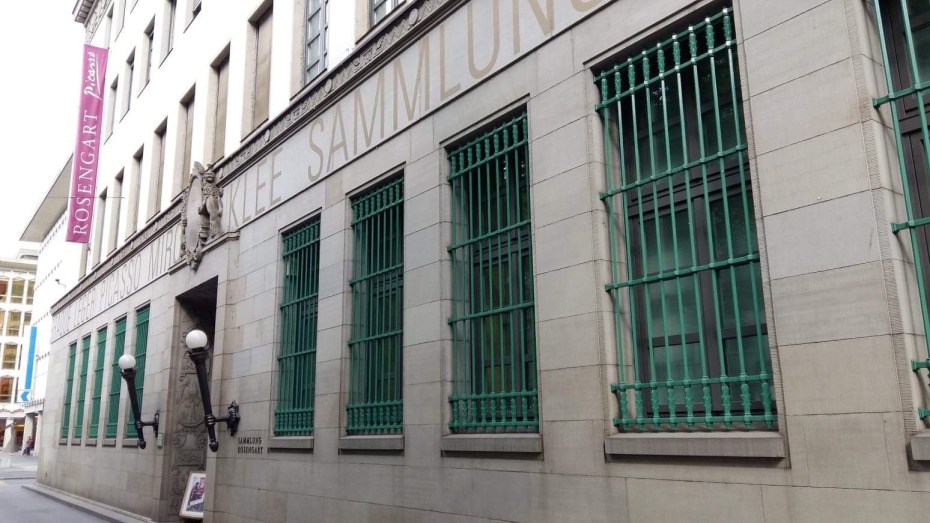
Many visitors to the city of Lucerne do not know that there, in the heart of Switzerland, is one of the largest collections of Picasso in the world. The Museum Rosengart on Pilatusstrasse 10, not far from the Lucerne main station, is a must for every art lover! In 1992 Angela Rosengart founded the “Rosengart Foundation” in Lucerne, the daughter of art dealer Siegfried Rosengart, who died in 1985, with the purpose of preserving the art collection and making it accessible to the public. Since 2002, the “Art Collection Rosengart” has been housed in the neoclassical former building of the Swiss National Bank. In addition to Pablo Picasso, visitors to the museum will also be able to see works by Paul Klee, Monet, Cézanne, Matisse, Chagall and Miro. Visit the „Rosengart Museum“ and enjoy unforgettable encounters with great works of the impressionism and the classical modernity.

Rosengart Collection Lucerne

Rosengart Collection, Lucerne, Switzerland

Viele Besucher der Stadt Luzern wissen nicht, dass es dort im Herzen der Schweiz eine der größten Picasso-Sammlungen der Welt gibt. Das Museum Rosengart an der Pilatusstrasse 10, nicht weit vom Luzerner Hauptbahnhof entfernt, ist ein Muss für jeden Kunstliebhaber! Angela Rosengart, die Tochter des 1985 verstorbenen Kunsthändlers Siegfried Rosengart, gründete 1992 in Luzern die “Rosengart Foundation” mit dem Ziel, die Kunstsammlung zu erhalten und der Öffentlichkeit zugänglich zu machen. Seit 2002 ist die “Kunstsammlung Rosengart” im neoklassischen ehemaligen Gebäude der Schweizerischen Nationalbank untergebracht. Neben Pablo Picasso können die Besucher des Museums Werke von Paul Klee, Monet, Cézanne, Matisse, Chagall und Miro sehen. Besuchen Sie das „Rosengart Museum“ und erleben Sie unvergessliche Begegnungen mit großartigen Werken des Impressionismus und der klassischen Moderne.

Categories: Art, Blogroll, Kunst, Kunstmaler, Museum, Switzerland | Tags: , , , , , , , , | 23 Comments

2000 Followers in only one year! Thank you!

A big hello to everyone, today is another day to celebrate! I am very glad that you all follow my blog and for that I would like to thank you. It’s hard to believe, but in only one year of active blogging, my Blog has now 2000 Followers and you’re one of them! It is very motivating to continue and I hope to entertain you with many new and interesting posts in the future!

I am striving to regularly publish interesting articles and stories about my travels as well as tips and recommendations. My goal with this blog is to give you travel inspirations and to show that your “paradise” is just an airplane or a train ticket (or a boat trip) away!

Many thanks for following my Blog and many exciting, relaxing and happy travels !!! 😊

Travel Blogger

Thanks a lot for following my Blog!

Ein großes Hallo an alle, heute ist wieder ein Tag zum feiern! Ich bin sehr froh, dass ihr alle meinem Blog folgt und dafür möchte ich bei euch herzlich bedanken. Es ist schwer zu glauben, aber in nur einem Jahr aktiven bloggens hat mein Blog bereits 2000 Followers und du bist einer von ihnen! Es ist sehr motivierend weiterzumachen und ich hoffe, Dich mit vielen neuen und interessanten Posts in der Zukunft zu unterhalten.

Ich bin bestrebt, regelmäßig interessante Artikel und Geschichten über meine Reisen sowie Tipps und Empfehlungen zu veröffentlichen. Mein Ziel mit diesem Blog ist es, Dir Reiseinspirationen zu geben und zu zeigen, dass Dein “Paradies” nur ein Flugzeug oder ein Zugticket (oder eine Bootsfahrt) entfernt ist!

Vielen herzlichen Dank fürs Folgen und viele spannende, erholsame und glückliche Reisen !!! 😊


Categories: Blogroll | Tags: , , | 85 Comments

Tangier in Morocco, a day trip from Tarifa in Spain

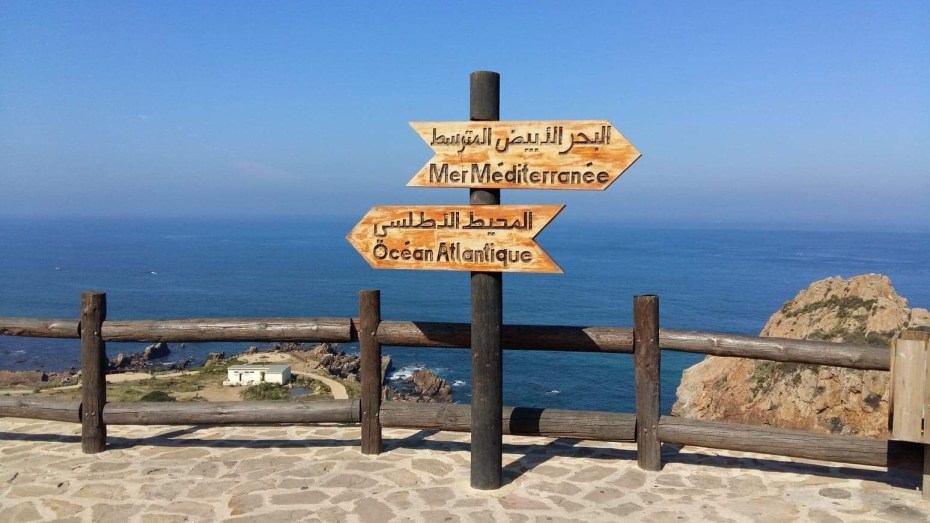
The town Tarifa is on the Andalusian southern coast of Spain, from there, one can reach by ferry the Moroccan port city of Tangier which is situated on the Strait of Gibraltar. The crossing from the European continent to the African continent takes about one hour. The city of Tangier is located between two seas, the Atlantic and the Mediterranean and is a kind of bridgehead between the Orient and our western world. A visit to this historic oriental and modern city is definitely worth a day trip.

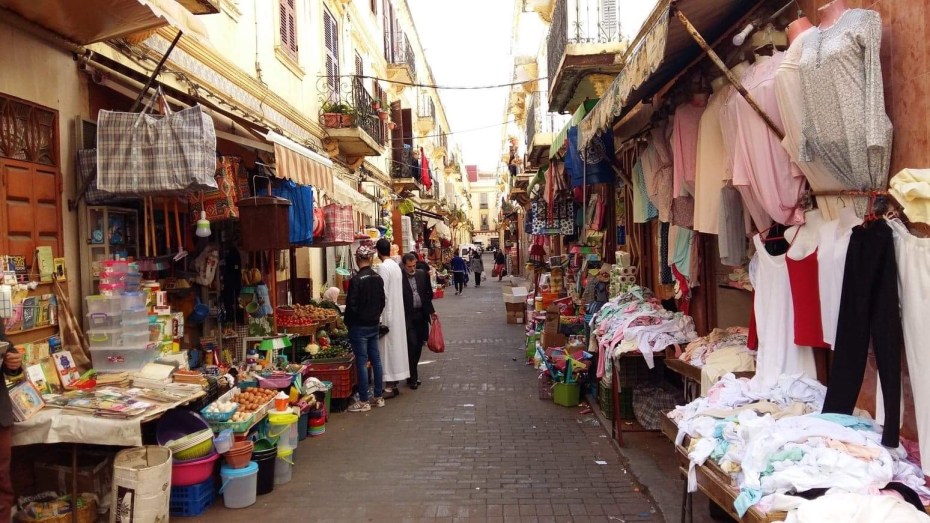
The Grand Socco has been the central marketplace since the end of the 19th century. From there, it is only a few steps through the winding alleys of the souks in the Kasbah district of the medina (Old Town) with its former Sultan’s Palace.

Tangier Morocco

City of Tangier in Morocco

Tangier is very rich in sights. Much is still reminiscent of the time of the international zone. Between 1923 and 1956 Tangier was managed by eight nations (France, Spain, Italy, United Kingdom, Portugal, Netherlands and Sweden). In the heart of Tangier meet Spanish, Italian, French and Moorish architecture and one finds in the medina a synagogue, a mosque and a Catholic church in the immediate vicinity.

Without visiting an oriental market, one could not mark the day trip as a successful experience. Therefore, a walk through the „Marché Central“ should be on the bucket list of every tourist. There is a bustling activity, trading and haggling on every day throughout the year. The traders sell spices, dried fruit, meat, fish and everyday goods of all kinds. The splendor of colors and fragrances of the merchandise convey the unique and authentic oriental ambience.

By the way, one can easily communicate in Spanish or English in Tangier. Before returning to Tarifa you should definitely treat yourself to a hot “Thé à la menthe”. This green tea with fresh mint leaves and lots of sugar tastes delicious and will make your day trip an unforgettable and delightful one. Have fun and enjoy!

Point between Atlantic Ocean and Mediterranean Sea

Point between Atlantic Ocean and Mediterranean Sea

Die Stadt Tarifa liegt an der andalusischen Südküste Spaniens. Von dort aus erreicht man mit der Fähre die marokkanische Hafenstadt Tanger die an der Strasse von Gibraltar liegt. Die Überfahrt vom Europäischen zum Afrikanischen Kontinent dauert in etwa eine Stunde. Die Stadt Tanger liegt zwischen zwei Meeren, dem Atlantik und dem Mittelmeer und ist eine Art Brückenkopf zwischen dem Orient und unserer westlichen Welt. Ein Besuch dieser geschichtsträchtigen orientalischen und gleichzeitig modernen Stadt ist auf jeden Fall eine Tagesreise wert.

Der Grand Socco ist seit Ende des 19. Jahrhunderts der zentrale Marktplatz. Von dort sind es nur ein paar wenige Schritte durch die verwinkelten Gassen der Souks in das Kasbah-Viertel der Medina (Altstadt) mit dem ehemaligen 

Entering the Kasbah district and the Medina

Entering the Kasbah district and the Medina

Tanger ist sehr reich an Sehenswürdigkeiten. Vieles erinnert noch an die Zeit der internationalen Zone. Zwischen 1923 und 1956 wurde Tanger von acht Nationen (Frankreich, Spanien, Italien, Vereinigtes Königreich, Portugal, Niederlande und Schweden) fremdverwaltet. Im Herzen von Tanger treffen spanische, italienische, französische und maurische Architektur aufeinander und man findet in der Medina eine Synagoge, eine Moschee und eine katholische Kirche in unmittelbarer Nähe.

Ohne den Besuch eines orientalischen Marktes könnte man den Tagesausflug nicht als ein gelungenes Erlebnis abhaken. Deshalb gehört ein Gang durch den „Marché Central“ unbedingt in das Program jedes Touristen. Das ganze Jahr über herrscht dort jeden Tag ein emsiges Treiben, handeln und feilschen. Die Händler verkaufen bergeweise Gewürze, Trockenfrüchte, Fleisch, Fisch und Alltagswaren aller Art. Die Farbenpracht und Düfte der Angeboten Waren vermitteln das einzigartige und authentische orientalische Ambiente.

Musicians in a typical Restaurant in Tangier

Musicians in a typical Restaurant in Tangier

Übrigens in Tanger kann man sich problemlos in Spanisch oder Englisch verständigen. Vor der Rückreise nach Tarifa sollte man sich unbedingt noch einen heissen „Thé à la menthe“ gönnen. Dieser Grüntee mit frischen Minzblättern und viel Zucker schmeckt vorzüglich und wird diesen unvergesslichen Tagesausflug auf eine köstliche Art beschliessen. Viel Vergnügen!

Categories: Blogroll, Morocco, Travel | Tags: , , , , , , , , , | 5 Comments

Defibrillator on the Beaches in St. Barth (French West Indies)

Saint Barthélemy (or St. Barth, St. Barths, St-Barts) is a small Caribbean island in the French West Indies (FWI) with an area of approximately 25 square kilometers and about 9000 inhabitants. The capital, with its beautiful natural harbor, is Gustavia. Before the end of the Napoleonic wars, St. Barth was for a short time a Swedish colony, but later fell back to France. The language, cuisine and culture are clearly French, i.e. you will not miss the typical French croissant in St. Barth. The island is a very popular tourist destination; and especially in the wintertime the beautiful and the rich are bustling there.

Hotel Cheval Blanc St. Barth Isle de France - April 2019

Hotel Cheval Blanc St. Barth Isle de France at the Flamands Beach

The Saline – Before the time of tourism, the few islanders lived on fishing, breeding livestock, growing cotton and extracting salt. On the road to one of the most beautiful beaches on the island (saline) is an old salt marsh that was exploited until the 1970s. Today, this saline is a unique ecosystem and considered a sanctuary and breeding ground for rare freshwater and seawater birds. But in the salt marsh are still quite different beauties, there are from the salt over the decades gnawed and preserved tree trunks, trees that once here, in this place, the tired and thirsty salt pickers their shadow ghost donated.

Defibrillator in Paradise – A defibrillator or Defi is a medical device for defibrillation and possibly for cardioversion. It is a lifesaver. The Defi can end, with targeted power surges, especially cardiac arrhythmia. Defibrillators are found in intensive care units, operating rooms or emergency stations and ambulances. For a few years, these devices have also been available in public places such as airports and train stations. In emergencies, these can also be operated by laymen, which was probably also a reason, amongst other considerations, to install a Defibrillator in the Saline and other beaches of St. Barth!

Defibrillator

Defibrillator on the Beach

Saint Barthélemy (oder St. Barth, St. Barths, St-Barts) ist eine kleine Karibische Insel in den Französischen West Indies (FWI) mit einer Fläche von ca. 25 Quadratkilometern und ungefähr 9000 Einwohner. Die Hauptstadt, mit ihrem wunderschönen natürlichen Hafen, ist Gustavia. Vor dem Ende der Napoleonischen Kriege war St. Barth für eine kurze Zeit eine schwedische Kolonie, fiel später aber wieder zurück an Frankreich. Die Sprache, Küche und Kultur sind eindeutig Französisch, d.h. Du wirst in St. Barth den typischen französischen Croissant nicht vermissen. Die Insel ist ein sehr beliebtes Touristenziel; und vor allem in der Winterzeit tummeln sich dort die Schönen und Reichen.

Die Saline – Vor der Zeit des Tourismus lebten die wenigen Insel-Bewohner vom Fischfang, der Aufzucht von Nutztieren, dem Anbau von Baumwolle und der Gewinnung von Salz. Auf der Strasse zu einem der schönsten Strände der Insel (Saline) liegt eine alte Salzmarsch die bis in 1970er Jahre ausgebeutet wurde. Heute ist diese Saline ein einzigartiges Ökosystem und gilt als Zufluchtsort und Brutstätte für seltene Süsswasser und Seewasservögel. Aber in der Salzmarsch befinden sich noch ganz andere Schönheiten, es sind vom Salz über die Jahrzehnte zermürbten und konservierten Baumstämme, Bäume die einst hier, an diesem Ort, den müden und durstigen Salzpflückern ihren Schatten Gespenst gespendet haben.

Defibrillator im Paradies – Ein Defibrillator oder Defi ist ein medizinisches Gerät zur Defibrillation und möglicherweise zur Kardioversion. Es ist ein Lebensretter. Das Defi kann mit gezielten Stromstößen, insbesondere Herzrhythmusstörungen, beenden. Defibrillatoren findet man auf Intensivstationen, Operationssälen oder Notfallstationen und Krankenwagen. Seit einigen Jahren sind diese Geräte auch an öffentlichen Orten wie Flughäfen und Bahnhöfen verfügbar. In Notfällen können diese auch Laien bedienen, was unter anderem auch ein Grund war einen Defibrillator in der Saline und anderen Stränden von St. Barth zu Installieren!

Saline St. Barth

Salt Marsh or Saline in St. Barth

Categories: Blogroll, Nature, St. Barth, Travel | Tags: , , , , , | 3 Comments

My favorite Icecream in Florence, Italy

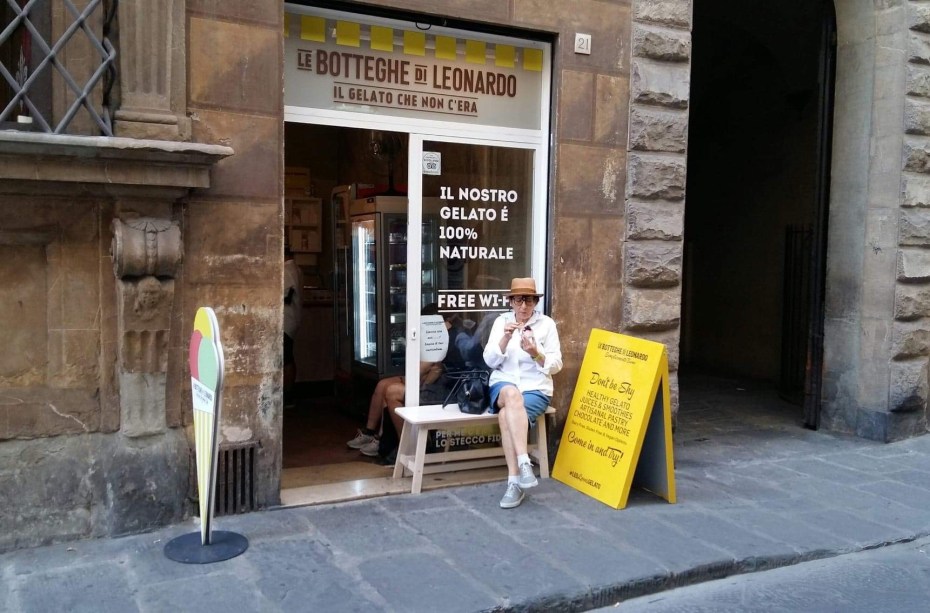
I discovered a gourmet restaurant of a special kind in Florence! It was not not an ice cream parlor that one can find at each corner, it was „Le Botteghe di Leonardo“; the jewel is located on the Via de Ginori, not far from Piazza del Duomo. The ice cream is of high quality and I have rarely eaten an ice cream that tastes so much like what it is sold for, the flavors are phenomenal and all without additives and preservatives. The peach ice cream really tastes of peach, and the chocolate ice cream was wonderful too. In short, the ice creams of this ice cream parlor are an absolute treat! Furthermore, the service behind the counter is fantastic! I am convinced that you will not regret having visited the ice cream shop Le Botteghe di Leonardo! So then on to Florence 🙂 maybe we meet there while enjoying our ice cream 🙂

Le Botteghe di Leonardo

Le Botteghe di Leonardo

Ich habe in Florenz ein Gourmetrestaurant der besonderen Art entdeckt! Es war nicht eine Eisdiele, die man dort an jeder Ecke finden kann, es war “Le Botteghe di Leonardo”; das Juwel befindet sich an der Via de Ginori, nicht weit von der Piazza del Duomo. Das Eis ist von hoher Qualität und ich habe selten ein Eis gegessen, das so sehr nach dem schmeckt, für was es verkauft wird, die Aromen sind phänomenal und alles ohne Zusätze und Konservierungsstoffe. Das Pfirsicheis schmeckt wirklich nach Pfirsich und das Schokoladeneis war auch wunderbar. Kurz gesagt, die Eiscremes dieser Eisdiele sind ein absoluter Genuss! Außerdem ist der Service hinter dem Tresen fantastisch! Ich bin überzeugt, dass ihr es nicht bereuen werdet, die Eisdiele Le Botteghe di Leonardo besucht zu haben! Also dann auf nach Florenz 🙂 vielleicht treffen wir uns dort beim genießen unseres Eis 🙂

Categories: Blogroll, Food, Italy | Tags: , , , | 6 Comments

Sharky‘s Restaurant in Anguilla (BWI), the next „in-place“ for Gourmets of local cuisine

My prophecy, Sharky’s Restaurant, will soon be the next “in-place” for gourmets in Anguilla (BWI)! Absolutely great! We visited Sharky’s last night and believe me, it was more than a surprise! We were greeted by the friendliest staff in an authentic and pleasant environment and were served absolutely incredible food. If you are looking for an excellent local Creole dinner on Anguilla, you will not find a better place than the Sharky’s!

Sharkey’s is a new opened restaurant on Anguilla which has been welcoming guests since Hurricane Irma 18 months ago. It is not an elegant restaurant with sea views. No, but you can expect a wonderful and warm host, who welcomes each guest personally to serve him thereafter a delicious Creole food. You will dine on the outdoor terrace of a colorful Caribbean house and listen to Daniel’s gentle live music. I can guarantee you a relaxing and romantic dinner! You never know, when and if one of your trips will take you to this beautiful Caribbean island, but if you ever set foot on Anguilla, notice, all roads are short and everyone knows Sharky’s Restaurant! Good Appetite!

Sharky‘s Restaurant, Anguilla BWI

Sharky‘s Restaurant, Anguilla (BWI)

Meine Prophezeiung, das Restaurant Sharky´s wird bald der nächste „in-place“ für Feinschmecker in Anguilla (BWI) sein! Absolut top! Wir haben Sharky´s gestern Abend besucht und glaube mir, es war mehr als nur eine Überraschung! Wir wurden vom freundlichsten Personal in einer authentischen und angenehmen Umgebung empfangen und man hat uns absolut unglaubliches Essen serviert. Wenn Du auf Anguilla nach einem ausgezeichneten lokalen kreolischen Abendessen suchst, wirst Du keinen besseren Ort als das Sharky´s finden!

Sharkey´s ist ein neue eröffnetes Restaurant auf Anguilla welches seit dem Hurrikan Irma vor 18 Monaten Gäste empfängt. Es ist kein elegantes Restaurant mit Meerblick. Nein, aber Dich erwartet ein wunderbarer und herzlicher Gastgeber, der gerne jeden Gast persönlich begrüsst um ihm dann ein köstliches kreolisches Essen zu servieren. Du wirst auf der Aussenterrasse eines farbenfrohen karibischen Hauses speisen und zu Daniel‘s sanfter Live-Musik lauschen. Ich kann Dir ein entspannendes und romantisches Abendessen garantieren! Man weiss nie, wann und ob Dich eine Deiner Reisen  auf diese wunderschöne karibische Insel führen wird, aber solltest Du je hier Deinen Fuss auf Anguilla setzten, merke, alle Wege sind kurz und jeder kennt Sharky’s Restaurant! Guten Appetit!

Categories: Anguilla, Blogroll, Food, Travel | Tags: , , , , | 5 Comments

A new Station Clock, can you read the time?

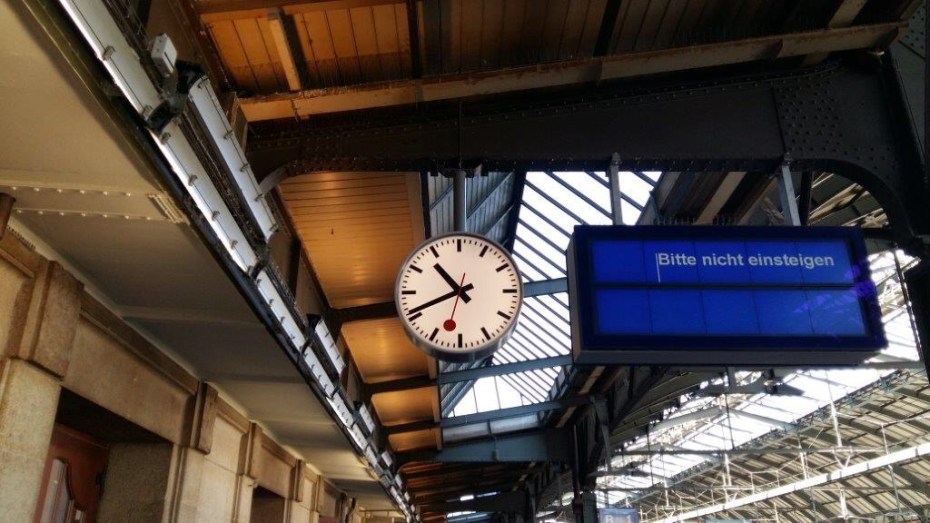
The new train station clock in the St. Gallen provides strong reactions from the public. People are shaking their heads about this new clock! Nobody can read the time! It’s new to all, but revolutionary for a train station clock, probably unique in the world! The travelers are annoyed by the circles, crosses and rectangles that have recently adorned the façade of St. Gallen’s train station hall. This clock is far too complicated and in my opinion completely unnecessary and it needs a „university degree“ to decipher the time. Last but not least, if travelers are inside the hall, its even more complicated because the clock display is reversed!

Binary Train Station Clock

Binary Train Station Clock (view from inside of the Station Hall)

It is a binary clock. To be honest, I had some trouble to read the time of this “light installation” in the sunshine and then to decipher the binary code. It took me too long and I missed my train to the airport 🙂 

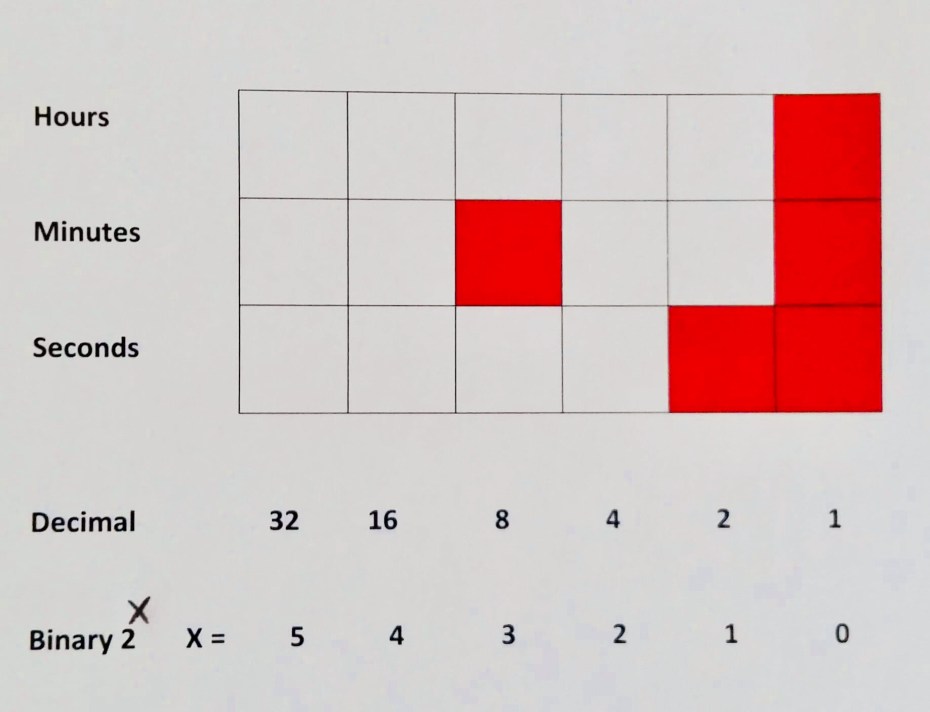
Binary System

Binary System

Can you decipher the time in the picture, what time is it? I have a little tutorial in the second picture for those that are not familiar with the binary system. I am looking forward to your answer 🙂 🙂 Attention: the clock on the picture has been taken from inside the hall, hence, the binary codes have to be read from left to right!

Station clock

Good Old Times

Die neue Bahnhofsuhr in St. Gallen sorgt für starke Reaktionen der Öffentlichkeit und sorgt für Kopfschütteln. Niemand kann die Zeit dieser Uhr lesen! Sie ist neu für alle, aber revolutionär für eine Bahnhofsuhr, wahrscheinlich einzigartig in der Welt! Die Reisenden ärgern sich über die Kreise, Kreuze und Rechtecke, die neuerdings die Fassade der St. Galler Bahnhofshalle zieren. Diese Uhr ist viel zu kompliziert und meiner Meinung nach völlig unnötig und verlangt einen “Universitätsabschluss”, um die Uhrzeit zu entschlüsselen. Zuguterletzt, für Reisende im Innern der Halle ist die Uhr seitenverkehrt!

Es ist eine binäre Uhr. Um ehrlich zu sein, hatte ich einige Probleme die Zeit dieser “Lichtinstallation” im Sonnenschein zu lesen und dann noch den Binärcode zu entziffern. Es dauerte zu lange, mein Zug zum Flughafen hatte ich auf jeden Fall verpasst 🙂 

Kannst Du die Zeit auf dem Bild entziffern, wie spät ist es? Ich habe eine kleine Anleitung im zweiten Bild für diejenigen, die nicht mit dem Binärsystem vertraut sind. Ich freue mich auf Deine Antwort 🙂 🙂 Achtung: auf dem Bild ist die Uhr seitenverkehrt!

Categories: Blogroll, Switzerland, Train, Travel | Tags: , , | 7 Comments

The Blue emOcean Resort & Dive Center on Moyo island, Indonesia

The Blue emOcean Resort & Dive Center is set on a 1 hectare beachfront land on Moyo island, Indonesia. It is surrounded by a dense jungle and faces out onto the Flores Sea. The resort is owned and managed by a team of professionals coming from Italy with many years of experience in the tourism industry. In order to support the local economy, 80% of the staff of the resort are employed from Moyo island.

The resort features three room types:

  • Backpacker Rooms
  • Superior Rooms
  • Beach Bungalow

Every room is cleaned daily and guests have access to all the resort’s facilities.

The Blue emOcean’s restaurant is located a few meters from the beach and offers the best sunset view of the island. The restaurant’s staff serve Indonesian and international food and of course some Italian specialties as well. Beer, wine and a selection of spirits are also available.

Blue em Ocean Resort Moyo Island Indonesia

The Blue emOcean Resort

The flagship of the resort is definitely the Moyo Dive Center. Moyo Dive Center is located inside the property and offers scuba diving trips, snorkeling trips as well as scuba diving courses for beginners up to the Instructor level. Our resident Course Director and Instructor Trainer has been training instructors in multiple countries since many years. The dive team speaks English, Italian, French and Indonesian.

Blue emOcean’s swimming pool was designed to conduct scuba diving courses and the house reef right in front of the property is ideal for both beginners and experienced divers. The private pier provides an exclusive access to the property and serves both as a starting point for their trips and as an easy entry and exit point for diving and snorkeling on the house reef. The Dive Team organizes free scuba diving trials in the pool every day. Sign up with our staff and one instructor will teach and let you practice the basic skills of scuba diving in the pool’s safe environment free of charge.

Scuba diving around Moyo island is among the best in the world. Coral gardens, deep walls and also a shipwreck are all in easy reach from the Blue emOcean resort.

Scuba Diving and Snorkling experience on Moyo Island at the Blue emOcean Resort

Scuba Diving and Snorkling experience on Moyo island at the Blue emOcean Resort

Moho island is a Marine Protected area since 1990 and it is home to reef sharks, healthy soft and hard corals, seahorses, moray eels, rays, frog fish, octopus and even whale sharks. Also, manta rays occasionally visit the island while dolphins are a normal site when sailing around Moyo. Turtles lay eggs regularly on some of the most secluded beaches of Moyo island and it is common to meet them while scuba diving or snorkeling.

Aside of diving and snorkeling, Moyo offers plenty of activities. The island is covered for its 95% by a dense jungle that hosts monkey, deers, wild buffalos, parrots and other exotjc birds, various species of butterflies, flying foxes, wild pigs and many more species.

The jungle of Moyo island has been declared National Park in 1980, to protect its flora and fauna and to preserve the beauty of some of the most beautiful waterfalls in the world.

The Blue emOcean Resort, a Hidden Paradise on Moyo Island

The Blue emOcean Resort, a Hidden Paradise on Moyo island

The Lady Diana waterfalls (officially called Mata Jitu) are named after the Princess of Wales who used to visit this place and spend some time on Moyo island. Blue emOcean Resort is the perfect starting point to visit this waterfall and the others, both in the north and in the south on the island. A total of three waterfalls are hidden in the jungle of Moyo.

Other activities to enjoy on Moyo include trekking, bicycle- and motorcycle riding, visit to the bat cave, sunset cruising, visit to hidden beaches, local village experience, visit to the vulcanic lake of Satonda island and much more.

For more details visit the website of Blue emOcean and CLICK HERE.

Pool of the Blue emOcean Resort on Moyo island

Pool of the Blue emOcean Resort

Das Blue emOcean Resort & Dive Center befindet sich auf einem 1 Hektar grossen Grundstück auf der Insel Moyo, Indonesien. Es ist von einem dichten Dschungel umgeben mit Blick auf die Flores Sea. Das Resort wird von einem Team von italienischen Fachleuten mit langjähriger Erfahrung in der Tourismusbranche geführt. Um die lokale Wirtschaft zu unterstützen, sind 80% der Beschäftigten Mitarbeiter des Resorts von der Insel Moyo.

Das Resort verfügt über drei Zimmertypen:

  • Backpacker Rooms
  • Superior Zimmer
  • Strandbungalow

Jedes Zimmer wird täglich gereinigt und Du hast Zugang zu allen Einrichtungen des Resorts.

Room of the Blue emOcean Resort

Room of the Blue emOcean Resort

Das Restaurant des Blue emOcean liegt nur wenige Meter vom Strand entfernt und bietet einen wunderbaren Blick auf den Sonnenuntergang. Die Mitarbeiter des Restaurants servieren indonesische und internationale Küche, einige italienische Spezialitäten dürfen natürlich auch nicht fehlen. Bier, Wein und eine Auswahl an Spirituosen sind ebenfalls erhältlich.

Das „Flaggschiff“ des Resorts ist definitiv das Moyo Dive Center. Das Moyo Dive Center bietet Tauchausflüge, Schnorchelausflüge sowie Tauchkurse für Anfänger bis zum Instructor-Level. Der lokale Kursleiter hat eine reiche Erfahrung, er hat Tauch-Instruktoren in verschiedenen Ländern ausgebildet. Das Taucherteam spricht Englisch, Italienisch, Französisch und Indonesisch.

Der Pool von Blue EmOcean wurde für Tauchkurse konzipiert und das „Hausriff“ direkt vor dem Resort ist ideal für beide, Anfänger und erfahrene Taucher. Der private Pier bietet einen exklusiven Zugang zum Resort und dient sowohl als Ausgangspunkt für Ausflüge als auch Ein- und Ausstiegspunkt zum Tauchen und Schnorcheln am Hausriff. Die  Tauch-Instruktoren vermitteln Dir kostenlos die Grundkenntnisse des Tauchens in der sicheren Umgebung des Pools.

Die Tauchgründe rund um die Insel Moyo gehören zu den besten der Welt. Korallengärten, steil abfallende Wände und auch ein Schiffswrack sind vom Blue EmOcean Resort aus leicht zu erreichen.

Scuba Diving and Snorkling in Paradise, the Blue emOcean on Moyo Island

Scuba Diving and Snorkling in Paradise, the Blue emOcean on Moyo Island

Die Insel Moyo ist seit 1990 ein Meeresschutzgebiet und beherbergt Riffhaie, gesunde Weich- und Hartkorallen, Seepferdchen, Muränen, Rochen, Froschfische, Kraken und sogar Walhaie. Ausserdem besuchen gelegentlich Mantas die Insel während Delphine zur Normalität gehören. Schildkröten legen regelmässig ihre Eier an einigen der abgelegensten Strände der Insel Moyo ab und es ist üblich, sie beim Tauchen oder Schnorcheln anzutreffen.

Neben Tauchen und Schnorcheln bietet Moyo zahlreiche andere Aktivitäten. Die Insel ist zu 95% von einem dichten Dschungel bedeckt, beherbergt Affen, wilde Büffel, Papageien und seltene Vögel, verschiedene Schmetterlingsarten, fliegende Hunde, Wildschweine und viele andere exotische Tierarten.

Der Dschungel der Insel Moyo wurde 1980 zum Nationalpark erklärt, um seine Flora und Fauna zu schützen und die Schönheit einiger der schönsten Wasserfälle der Welt zu bewahren.

Die Lady Diana Wasserfälle (offiziell Mata Jitu genannt) sind nach der Prinzessin von Wales benannt, die diesen Ort besuchte und einige Zeit auf der Insel Moyo verbrachte. Insgesamt sind drei Wasserfälle im Dschungel von Moyo versteckt. Das Blue EmOcean Resort ist der perfekte Ausgangspunkt, um diese Wasserfälle zu besuchen. 

Weitere Aktivitäten, die Du auf Moyo buchen, respektive geniessen kannst sind Trekking Ausflüge, Fahrrad- und Motorradfahrten, ein Besuch der Fledermaushöhle, ein romantischer Sonnenuntergang auf hoher See, ein Besuch versteckter Strände, ein Dorferlebnis, ein Besuch des Vulkansees der Insel Satonda und vieles mehr.

KLICK HIER für weitere Informationen über das Blue emOcean Resort.

Categories: Blogroll, Hotel, Indonesia, Nature | Tags: , , , , | 9 Comments

Yacht „A“ is currently the World Largest motor-assisted Sailing Yacht


Yesterday on April 28th was Easter Sunday for the Orthodox Church and for me it was a kind of Christmas! The currently largest sailing yacht in the world dropped anchor only two hundred meter virtually in front of my sun-bed. As any other day of the week, I was this Sunday on my way to the beach at Meads Bay in Anguilla for my early morning laps in the turquoise blue sea. I was just about to dive into the crystal-clear water, there, I discovered quite abruptly and in the distant distance a strange, gray-colored floating colossus which sailed slowly but steadily ever closer towards me. It was a huge futuristic sailing ship with oversized masts. At first I thought of an American stealth boat or some other type of battleship. But warships with sails would be something special in these days and the times of Caribbean Pirates are film history. Speaking of fiction, this strange, scary Fantom of the Seas would do well as the floating command center of the villain in a James Bond movie 🙂

Actually, this is not the case, it was neither the “Queen Anne’s Revenge” of the pirate “Blackbeard” nor was it Jack Sparrow‘s “Black Pearl” or “Regina” the yacht in the James Bond movie “Skyfall”.

No, it is the sailing yacht “A” of the Russian billionaire and oligarch Andrei Melnichenko. With a total length of 143 meters, it is currently the largest motor-assisted sailing yacht in the world. On this Easter Sunday, the Melnichenko’s had a few hours of off-shore rest on one of the most beautiful beaches in the Caribbean, the Meads Bay in Anguilla.

Sailing Yacht „A“

Sailing Yacht „A“

Gestern am 28. April war Ostersonntag für die orthodoxe Kirche und für mich war es eine Art Weihnachten! Die derzeit größte Segelyacht der Welt ging nur zweihundert Meter vor meiner Sonnenliege vor Anker. Wie alle anderen Tage der Woche war ich an diesem Sonntag auf meinem Weg zum Strand an der Meads Bay in Anguilla um meine frühmorgendlichen Runden im turquoise blauen Meer zu schwimmen. Ich wollte gerade in das kristallklare Wasser eintauchen, da entdeckte ich ziemlich unvermittelt und in weiter Ferne einen merkwürdigen, grau gefärbten, schwimmenden Koloss, der sich langsam aber stetig auf mich zubewegte. Es war ein riesiges futuristisches Segelschiff mit übergroßen Masten. Zuerst dachte ich an ein amerikanisches Stealth-Boot oder sonst so etwas militärisches. Aber Kriegsschiffe mit Segeln wären in diesen Tagen etwas ganz Besonderes und die Karibischen Piraten sind Filmgeschichte. Apropos Fiktion, dieses seltsame, furchterregende Fantom der Meere würde sich als schwimmende Kommandozentrale des Bösewichts in einem James Bond-Film exzellent eignen 🙂

Dem ist allem nicht so, es war weder die „Queen Anne’s Revenge“ des Piraten „Blackbeard“ noch war es Jack Sparrow’s „Black Pearl“ oder die Yacht „Regina“ aus dem James Bond Film „Skyfall“.

Nein, es ist Segelyacht „A“ des russischen Milliardärs und Oligarchen Andrei Melnichenko. Mit einer Gesamtlänge von 143 Metern ist es die gegenwärtig grösste motorunterstützte Segelyacht der Welt. An diesem Ostersonntag haben sich die Melnichenko‘s ein paar wenige Stunden Landurlaub an einem der schönsten Strände in der Karibik gegönnt, der Meads Bay in Anguilla.

Categories: Anguilla, Blogroll, Sailing | Tags: , , , | 5 Comments

Sucre, the constitutional Capital of Bolivia

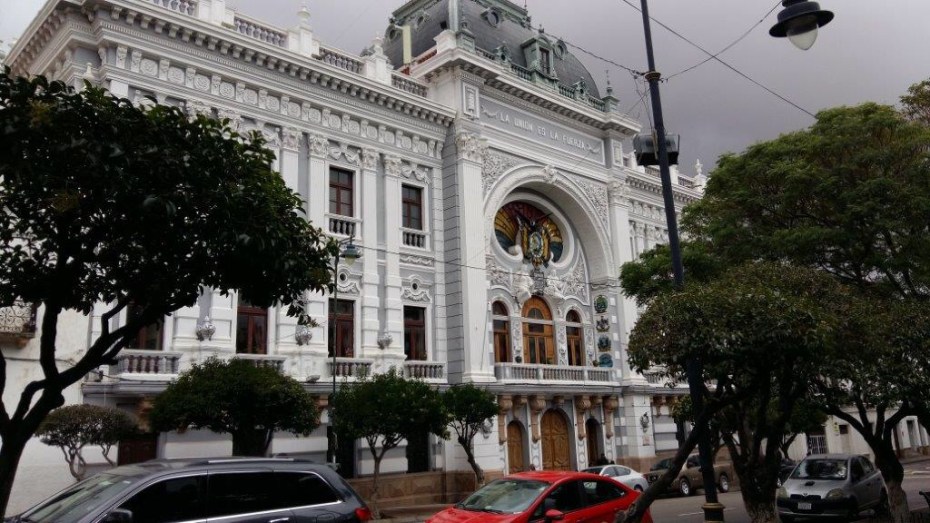
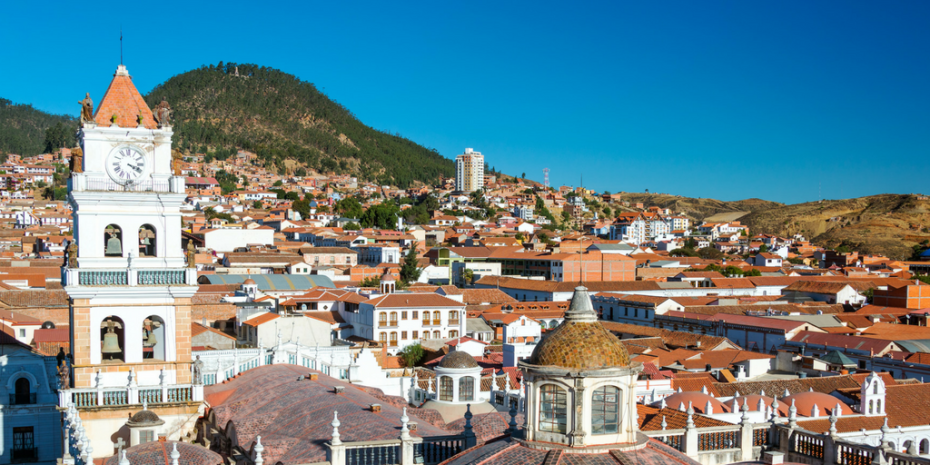
Sucre, the constitutional capital of Bolivia and seat of the Supreme Court, is located in the central southern part of the country and is the capital of the department of Chuquisaca. The old town of Sucre, with its white buildings, is considered one of the best preserved examples of a colonial city in South America and is laid out in a typical checkerboard pattern. In 1991, the old town was recognized by UNESCO as a World Heritage Site.

Sucre Bolivia

Sucre, constitutional capital of Bolivia

This summer, I “rescued” myself to Sucre to recover from the highlands of the Andes and spent some days in the Parador Santa Maria La Real. The capital of Bolivia is “only” at about 2800 meters above sea level, has a very pleasant, temperate climate and is one of the most beautiful cities in South America with its rich, well-kept squares and parks.

The Parador Santa Maria La Real is a jewel. The 17th-century building has several beautiful terraces and individually decorated rooms. If you love a colonial style hotel with the amenities of today, you will feel very comfortable here.

The hotel’s museum is definitely worth a visit, as well as the hotel bar :)! The spacious roof terrace offers guests a magnificent view over the city of Sucre. The Parador is located in a quiet and relatively quiet street in the old town, not far from the city center with its beautiful and well kept parks.

Highly recommended is a visit to the Museo del Tesoro (Treasure Museum). The museum shows the origins, techniques and art of metal and gemstone extraction and processing. The guided tours give visitors a very good insight into Bolivia’s mining industry from the past to today.

So, should you one day travel to Bolivia, do not forget to visit Sucre :)! You will not regret it!

Sucre, the Capital of Bolivia

Sucre, the Capital of Bolivia

Sucre, die konstitutionelle Hauptstadt Boliviens und Sitz des Obersten Gerichtshofs, liegt im zentralen südlichen Teil des Landes und ist die Hauptstadt des Departements Chuquisaca. Die Altstadt von Sucre mit ihren weissen Gebäuden gilt als eines der am besten erhaltenen Beispiele einer Kolonialstadt in Südamerika und ist im typischen Schachbrettmuster angelegt. Im Jahr 1991 wurde die Altstadt von der UNESCO als Weltkulturerbe anerkannt.

Diesen Sommer “rettete” ich mich nach Sucre, um mich von den Höhenlagen der Anden zu erholen und verbrachte einige Tage im Parador Santa Maria La Real. Die Hauptstadt Boliviens liegt “nur” auf rund 2800 Meter Höhe, hat ein sehr angenehmes, gemäßigtes Klima und gehört mit ihren reichen, gepflegten Plätzen und Parks zu den schönsten Städten Südamerikas.

Der Parador Santa Maria La Real ist ein Juwel. Das Gebäude aus dem 17. Jahrhundert verfügt über mehrere schöne Terrassen und individuell eingerichtete Zimmer. Wenn Sie ein Hotel im Kolonialstil mit den Annehmlichkeiten von heute lieben, werden Sie sich hier sehr wohl fühlen. 

Das hoteleigene Museum ist auf jeden Fall einen Besuch wert, ebenso die Hotelbar :)! Die grosszügige Dachterrasse bietet den Gästen einen herrlichen Blick über die Stadt Sucre. Der Parador liegt in einer ruhigen und relativ verkehrsarmen Strasse in der Altstadt, nicht weit vom Stadtzentrum mit seinen schönen und gepflegten Parks entfernt.

Sehr empfehlenswert ist ein Besuch des Museo del Tesoro. Das Museum zeigt die Ursprünge, Techniken und Kunst der Metall- und Edelsteingewinnung und deren Verarbeitung. Die Museums Tour gibt Besuchern einen sehr guten Einblick in Boliviens Bergbau von der Vergangenheit bis heute.

Also, sollten Sie eines Tages nach Bolivien reisen, vergessen Sie nicht Sucre zu besuchen :)! Sie werden es nicht bereuen!

Categories: Blogroll, Bolivia, Museum, Travel | Tags: , , , , | 5 Comments

Frangipani

The Frangipani is in Central Europe a potted or container plant which is also known as West Indian Jasmine. It’s real home is most likely Central America. You can also find the Frangipani in subtropical areas of Europe and especially in the Pacific and in the Caribbean. The exceptionally fine scent of the beautiful flowers have caused me to devote a small blog post to this enchanting plant.

Frangipani

Frangipani

Die Frangipani ist bei uns in Zentraleuropa eine Topf- oder Kübelpflanze die teilweise auch unter dem deutschen Namen Westindischer Jasmin bekannt ist. Ihre eigentliche Heimat ist höchstwahrscheinlich Mittelamerika. Man findet die Frangipani aber auch in subtropischen Gebieten Europas und vor allem im Pazifikraum und in der Karibik. Der aussergewöhnlich feine Duft der wunderschönen Blüten haben mich veranlasst dieser zauberhaften Pflanze einen kleinen Blog-Beitrag zu widmen.


Categories: Blogroll, Nature | Tags: | 10 Comments

Spring Day Trips from Tokyo

After the whirlwind cherry blossom season has swept across Tokyo, leaving only fond memories of streets blanketed in pink and perhaps a throbbing head from one too many drunken hanami parties, we remember that a world does indeed exist outside of our beloved city.

via Spring Day Trips from Tokyo — Celia in Tokyo

Categories: Blogroll, Japan, Travel | Tags: , , | 6 Comments

The Arsenale in Venice, Italy

Through the gate “Ingresso dall’acqua” navigated in the heydays of the Venetians their ships and galleys which were built in the Arsenale. The Arsenale is located in the Castello district. Since the 12th century it has been the shipyard and naval base of the mighty maritime republic of Venice. Before the age of industrialization, the Arsenale was Europe’s largest production facility and, with its various buildings, warehouses and port, a model for other naval arsenals in Europe. Also, the Arsenale was a symbol of the economic strength, politics and military power of the Republic of Venice. 

Since 1980, the Arsenale has become the venue for the Biennale on the occasion of the 1st International Architecture Exhibition. The same rooms with their infinitely long hallways are also used for the International Art Exhibition “La Biennale di Venedig” for the open space. 

The Giardini, a few hundred meters walk from the Arsenale is the traditional site of the „La Biennale di Venedig“ Art Exhibitions and hosts 29 pavillions of other countries which present „their“ artists once every two years to the visitors of this outstanding event in Venice. Bye the way, the Biennale has existed since 1895 and will again open the doors next year!

Ingresso dall‘acqua

Ingresso dall’acqua

Durch das Tor “Ingresso dall’acqua” navigierten in der Blütezeit der Venezianer ihre Schiffe und Galeeren, die im Arsenale gebaut wurden. Das Arsenale befindet sich im Stadtteil Castello und ist seit dem 12. Jahrhundert Werft und Marinestützpunkt der mächtigen Seerepublik Venedig. Vor dem Zeitalter der Industrialisierung war das Arsenale Europas grösste Produktionsstätte und mit seinen verschiedenen Gebäuden, Lagerhallen und dem Hafen ein Vorbild für andere Marinearsenale in Europa. Das Arsenale war auch ein Symbol für die wirtschaftliche Stärke, Politik und militärische Macht der Republik Venedig.

Arsenale

Arsenale

Das Arsenale ist seit 1980 Schauplatz der Biennale anlässlich der 1. Internationalen Architekturausstellung. Die gleichen Räume mit ihren unendlich langen Räume werden auch für die Internationale Kunstausstellung “La Biennale di Venedig” ausserhalb des Gardini genutzt.

Die Giardini, ein paar hundert Meter vom Arsenale entfernt, ist der traditionelle Ort der Kunstausstellungen “La Biennale di Venedig” und beherbergt 29 Pavillons anderer Länder, die alle zwei Jahre den Besuchern dieser außergewöhnlichen Veranstaltung in Venedig „ihre“ Künstler vorstellen. Übrigens die Biennale existiert seit 1895 und im nächstes Jahr werden die Tore dieser Kunstausstellung wieder geöffnet!

Categories: Art, Blogroll, Events, History, Italy, Kunst, Museum, Travel | Tags: , , , , | 3 Comments

End of the World in Finisterre

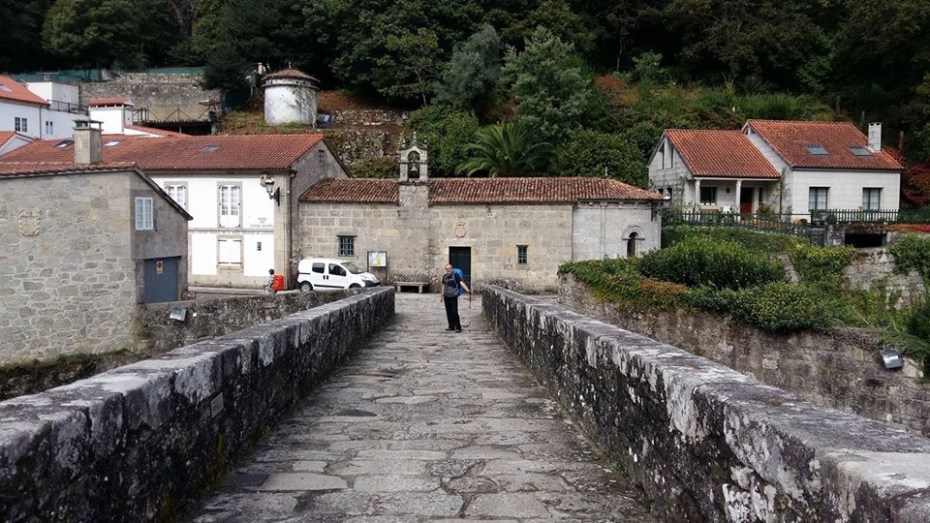
Rome, Jerusalem and especially Santiago de Compostela were the most important pilgrimage sites of Christians in the Middle Ages. At that time one-third of the population of the Occident went, provided they were healthy, on the way to Santiago de Compostela. The pilgrims flocked on one of the four pilgrimage routes through France, or by sea via La Coruna, to the apostle’s tomb of Saint James in Santiago de Compostela.

Finisterre

On the Way to Finisterre – to the End of the World

At that time, many of the pilgrims who survived the tedious, dangerous way of Saint James to Santiago de Compostela continued their journey to Finisterre. Before returning home, they wanted to see the sea and the End of the World. Back then, it was believed that at the very horizon the water of the sea would get thicker and thicker and that the earth would fall, after a gloomy zone of silence, into the bottomless. Arriving in Finisterre, the pilgrims got rid of their clothes, burned it, cleansing themselves in the sea from their sins and many of them died of total exhaustion.

Rom, Jerusalem und vor allem Santiago de Compostela waren die wichtigsten Wallfahrtsorte der Christen im Mittelalter. Zu dieser Zeit ging ein Drittel der Bevölkerung des Okzidents, sofern die Menschen gesund waren, nach Santiago de Compostela. Die Pilger strömten auf einem der vier Pilgerwege durch Frankreich oder auf dem Seeweg über La Coruna zum Apostelgrab des Heiligen Jakobus in Santiago de Compostela.

Zu dieser Zeit setzten viele der Pilger, die den langwierigen, gefährlichen Jakobsweg nach Santiago de Compostela überlebten, ihre Reise nach Finisterre fort. Bevor sie nach Hause zurückkehrten, wollten sie das Meer und das Ende der Welt sehen. Damals glaubte man, dass das Wasser des Meeres am Horizont immer dicker werden würde und dass die Erde nach einer düsteren Zone der Stille in das Bodenlose fallen würde. In Finisterre angekommen, lösten sich die Pilger von ihren Kleidern, verbrannten sie und säuberten sich im Meer von ihren Sünden; viele von ihnen starb an völliger Erschöpfung.

Categories: Blogroll, Jakobsweg, Spanien, Travel | Tags: , , , , , , , , | 3 Comments

Discover the Via Postumia in Northern Italy

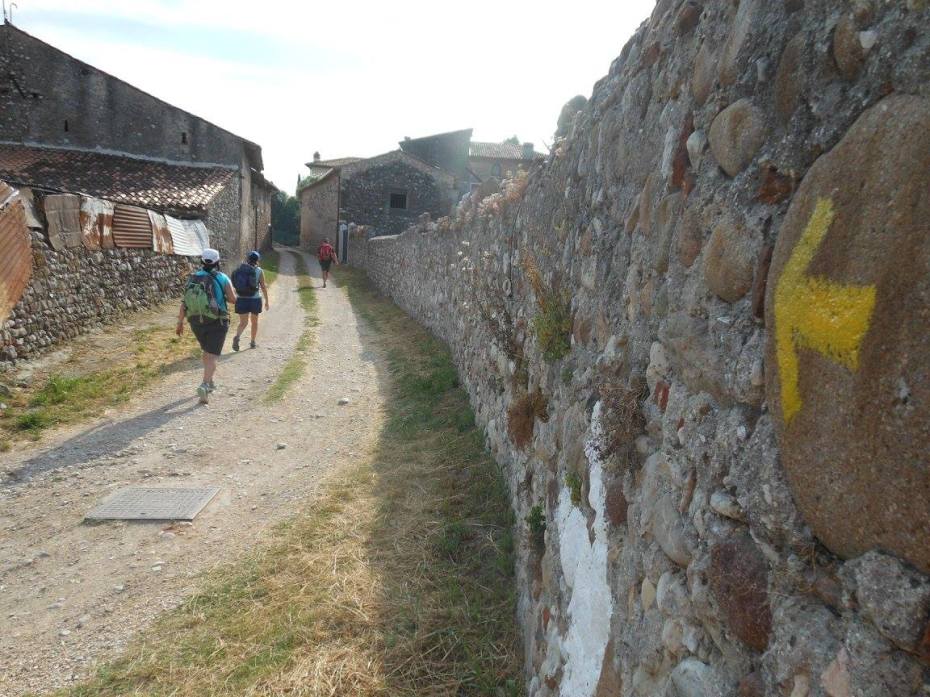
The Via Postumia was a road in Northern Italy that was built by the Romans around 150 BC; it led from Aquileia, through the Po valley over the Apennines to the city of Genoa. Today, this historic route largely forms the centerpiece of the new Italian pilgrimage route, the Via Postumia, to Santiago de Compostela in Galicia, Spain.

The Via Postumia is 930 km long and leads from Aquileia to Genoa and crosses the entire north of Italy from east to west, i.e. through the Regions Friuli-Giulia Venezia, Lombardy, Emilia Romagna, Piedmont and Liguria.

What didn’t exist until now, was an arrow-marked pilgrim route that crosses Italy from east to west and continues from Genoa to Menton in France along the Ligurian coast. The idea to develop such a route emerged at the World Meeting of the Associations of Friends of the St. James Way in Krakow in September 2013, on the occasion of the 1200th anniversary of the rediscovery of the body of St. James. Shortly after his return from this World Meeting in Poland, Andrea Vitiello began this task and decided to trace and re-enact the paths of medieval pilgrims from the East through Italy using advice and opinions from historians, other experts and friends.

The gigantic task of Andrea was to create a route that fit into the map and the network of all the St. James Ways in Europe. Another objective of his project is to promote and support the local businesses along the newly created Via Postumia pilgrimage route.

The result of this great initiative is commendable. The Way of St. James through Italy was formally restored. I am convinced that pilgrims who choose this route through Italy on their way to Santiago de Compostela will be delighted in every way! The Via Postumia crosses the wonderful landscapes of northern Italy on quiet and signposted paths, past nine UNESCO heritage sites and through some of the most beautiful cities in Italy. I am already looking forward to this historic, culinary and spiritual pilgrimage through Italy.

Further and detailed information such as maps, directions, hotels and hostels, etc. can be found under the following link: http://www.viapostumia.eu

Via Postumia

The Via Postumia in Northern Italy

Die Via Postumia war eine um das Jahr 150 v. Chr. gebaute Römerstrasse in Italien, die von Aquileia, durch die Poebene über die Apenninen bis nach Genua führte. Dieser historische Weg bildet heute weitestgehend das Kernstück des Italienischen Pilgerwegs, die Via Postumia, nach Santiago de Compostela in Galizien, Spanien.

Dieser Weg, die Via Postumia, ist eine etwa 930 km lange Route die von Aquileia nach Genua führt und den gesamten Norden Italiens von Osten nach Westen durchquert, also Friaul-Julisch Venetien, Lombardei, Emilia Romagna, Piemont und Ligurien.

Was es bis jetzt nicht gab, war eine mit Pfeilen markierte Pilger Route die Italien von Osten nach Westen durchquert und von Genua weiter nach Menton in Frankreich entlang der ligurischen Küste führt. Die Idee einen solchen Weg zu entwickeln entstand am Welttreffen der Jakobsvereine im September 2013 in Krakau, anlässlich des 1200-jährigen Jubiläums der Wiederentdeckung des Leichnams des Heiligen Jacobus. Kurz nach seiner Rückkehr von diesem Weltmeeting in Polen begann Andrea Vitiello mit dieser Aufgabe und beschloss anhand von Ratschlägen und Meinungen von Historikern, anderen Experten und Freunden die Wege mittelalterlicher Pilger aus dem Osten durch Italien zurückzuverfolgen und nachzubilden.

Die gigantische Aufgabe von Andrea bestand darin, eine Route zu erstellen, die in die Karte und das Netzwerk aller Jakobswege von Europa passte. Ein weiteres Ziel seines Projekts ist die Förderung und Unterstützung der lokalen Unternehmen entlang der neu geschaffenen Pilgerroute Via Postumia.

Das Ergebnis dieser großartigen Initiative ist lobenswert. Der Jakobsweg durch Italien wurde formal wieder hergestellt. Ich bin überzeugt, dass Pilger, die diese Route durch Italien auf ihrem Weg nach Santiago de Compostela wählen, in jeder Hinsicht begeistert sein werden! Die Via Postumia durchquert die wundervollen Landschaften Norditaliens auf ruhigen und beschilderten Wegen, vorbei an neun UNESCO-Kulturstätten und durch einige der schönsten Städte Italiens. Ich freue mich schon jetzt auf diesen historischen, kulinarischen und spirituellen Pilgerweg durch Italien. 

Weitere und detaillierte Informationen wie Karten, Wegbeschreibungen, Hotels und Herbergen, etc. findest Du unter folgendem Link: http://www.viapostumia.eu

Categories: Blogroll, Italy, Jakobsweg, Landmark, Nature, Pilgrimage, Travel, Trekking | Tags: , , , , | Leave a comment

Blog at WordPress.com.