Baby Snow Owls

It was on a snowy winter’s day in December of last year, when I discovered this female snow owl in our aviary in the city of Zug. Only a few weeks later, our snow owls received descendants, two young, grayish snow owls looked at me with open and inquisitive eyes, they were probably only a few weeks old.

Baby snow Owl

Baby Snow Owl

And now in October, the snow owls have grown into two “ruffians”, they have discarded their greyish feathers and you can tell by their plumage that they are probably girls.

Snow Owls

The two youngsters

Snow owls belong to the owl family and are close relatives to the Uhu native in Switzerland. The snow owls live mainly in the Arctic tundra and in our aviary in Zug 🙂 The females differ from the males in their size and the color of the plumage, i.e. the females have brown lines in their plumage and are much larger than the whole white male. The wing span is about 150 centimeters. On the menu card of the snow owls are mainly lemmings, the main prey of these beautiful birds.

Es war an einem verschneiten Wintertag im Dezember letzten Jahres, als ich diese weibliche Schneeeule in unserer Voliere in der Stadt Zug entdeckte. Nur wenige Wochen später haben unsere Schneeulen Nachkommen erhalten. Zwei junge, gräuliche Schneeeulen haben mich im Februar mit offenen und neugierigen Augen angeguckt.

Und nun im Oktober sind die beiden zu zwei „halbstarken“ Schneeeulen herangewachsen, sie haben ihre gräuliche Federn abgelegt und man kann an ihrem Gefieder erkennen, dass es sich wahrscheinlich um zwei Mädchen handelt.  

Schneeeulen gehören zur Eulenfamilie und sind nahe Verwandte der in der Schweiz heimischen Uhu. Die Schneeeulen leben hauptsächlich in der arktischen Tundra und in unserer Voliere in Zug 🙂 Die Weibchen unterscheiden sich von den Männchen in ihrer Größe und der Farbe des Gefieders, d.h. die Weibchen haben braune Linien in ihrem Gefieder und sind viel größer als die ganz weißen Männchen. Die Flügel Spannweite beträgt etwa 150 Zentimeter. Auf der Speisekarte der Schneeeulen sind hauptsächlich Lemminge, die Hauptbeute dieser schönen Vögel.

Categories: Blogroll, Nature, Switzerland, Travel | Tags: , , | 4 Comments

Salar de Uyuni in Bolivia

The Salar de Uyuni in the Andes in southwest Bolivia is the largest salt surface on earth (about 11’000 square kilometers). This place, at an altitude of about 3,700 meters, attracts tourists from all over the world. Most visitors are tourists from Japan and other Asian countries. There are daily flights from La Paz to Uyuni, a small town on the edge of this salt desert. Of course buses also run between Uyuni and for example La Paz, Potosi or Chile.

Several hotels were built in the area almost completely (walls, roofs, beds, tables) with salt blocks from the Salar. I stayed at the Hotel de Sal Luna Salada near Colchani. The price performance ratio of this hotel and spa is very good and the view over the salt desert is absolutely unique!

Uyuni

Salar de Uyuni, Bolivia

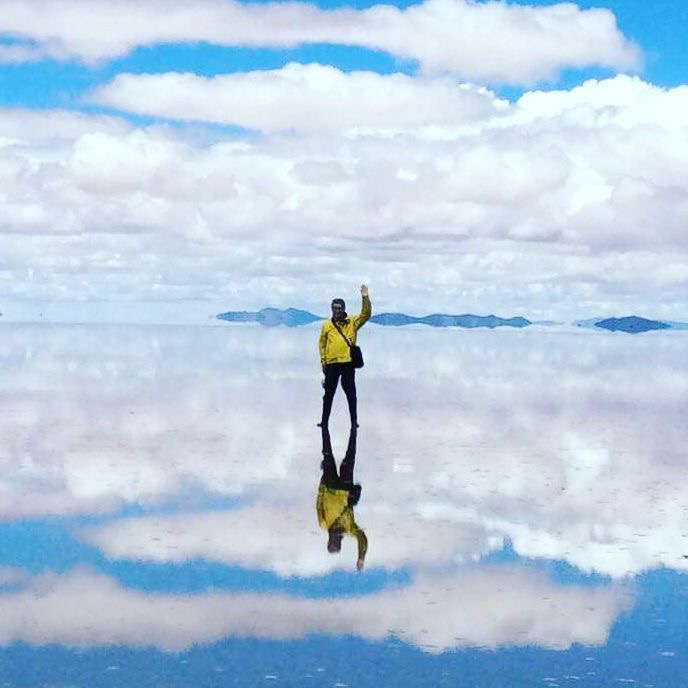
The Palacio de Sal was the first such hotel and was built in the middle of the salt desert, but had to be closed several years after its opening due to health and environmental problems. Today, most tours stop there for a lunch break and for shots of the former Palacio de Sal and its surroundings; the many national flags in front of the building are a popular photo motive. Actually, day trips to the salt desert in 4 × 4 jeeps are common and the cheapest way to visit the salt pans. The tours start in Uyuni around 10 am and end around 5 pm. I booked two day tours, one organized by my hotel and the other from a tour operator in Uyuni. The tours usually start with a visit to the Train Cemetery, followed by a short stop at Colchani, where a small salt factory is shown to tourists. From there you continue to the salt desert and there is enough time to photograph this fantastic and overwhelming salt surface and, during the rainy season, to admire the reflections of clouds and sky in the water. I am convinced that you will enjoy the beauty and tranquility of the Salar de Uyuni to the fullest. It will remain an unforgettable experience!

However, for how long? Our tour guide, who earns as Guide extra Money for her studies in La Paza, was very worried about the future of the Salar de Uyuni. She led us to small holes in the otherwise mirror-smooth surface of the salt desert. This anomaly is attributed to the recent intensification of the extraction of lithium carbonate from the water under the salt crust. This rare and sought-after resource is used for the production of high-performance batteries and promises huge profits for the poor country Bolivia, given the looming shift to electric vehicles. The beauty of the Salar might however be at risk considering that about 60% of the world reserves of Lithium are in Bolivia, namely in the Salar de Uyuni.

Der Salar de Uyuni in den Anden im Südwesten Boliviens ist die größte Salzfläche der Erde (ca. 11’000 Quadratkilometer). Dieser Ort auf einer Höhe von etwa 3.700 Metern zieht Touristen aus der ganzen Welt an. Die meisten Besucher sind Touristen aus Japan und anderen asiatischen Ländern. Es gibt tägliche Flüge von La Paz nach Uyuni, einer kleinen Stadt am Rande dieser Salzwüste. Natürlich fahren auch Busse zwischen Uyuni und zum Beispiel La Paz, Potosi oder Chile.

Mehrere Hotels wurden in der Gegend fast vollständig (Wände, Dächer, Betten, Tische) mit Salzblöcken aus dem Salar gebaut. Ich war im Hotel de Sal Luna Salada in der Nähe von Colchani. Das Preis-Leistungsverhältnis dieses Hotels ist sehr gut und der Blick über die Salzwüst absolut einzigartig!

Salar de Uyuni

Salar de Uyuni, Bolivia – Reflections

Der Palacio de Sal war das erste derartige Hotel und wurde in der Mitte der Salzwüste errichtet, musste jedoch einige Jahre nach seiner Eröffnung wegen Gesundheits- und Umweltproblemen geschlossen werden. Heute halten die meisten Touren dort für eine Mittagspause und für Photoaufnahmen des ehemaligen Palacio de Sal und seiner Umgebung; die vielen Nationalflaggen vor dem Gebäude sind ein beliebtes Fotomotiv. Eigentlich sind Tagesausflüge in die Salzwüste in 4 × 4 Jeeps üblich und die billigste Art, die Salinen zu besuchen. Die Touren beginnen in Uyuni gegen 10 Uhr und enden gegen 17 Uhr. Ich buchte zwei Tagestouren, eine organisiert von meinem Hotel und die andere von einem Reiseveranstalter in Uyuni. Die Touren beginnen normalerweise mit einem Besuch des Zugfriedhofs, gefolgt von einem kurzen Halt in Colchani, wo eine kleine Salzfabrik den Touristen gezeigt wird. Von dort geht es dann weiter in die Salzwüste und es bleibt genügend Zeit, um diese fantastische und überwältigende Salzoberfläche zu fotografieren und während der Regenzeit die Spiegelungen von Wolken und Himmel im Wasser zu bewundern. Ich bin überzeugt, dass Sie die Schönheit und Ruhe des Salar de Uyuni in vollen Zügen genießen werden. Es wird ein unvergessliches Erlebnis bleiben!

Für wie lange aber? Eine junge Reiseleiterin, die sich hier mit ihren Führungen durch die Salzwüste ein Zusatzbrot für ihr Studium in La Paz verdient, zeigte sich sehr besorgt über die Zukunft der Salar de Uyuni. Sie führte uns zu kleinen Einbrüchen in der ansonsten spiegelglatten Oberfläche der Salzwüste. Diese Anomalie wird zurückgeführt auf die kürzlich begonnene Intensivierung der Extraktion von Lithiumkarbonat aus dem sich unter der Salzkruste befindlichen Wassers. Dieser seltene und begehrte Rohstoff wird für die Herstellung von leistungsstarken Batterien verwendet und verspricht in Anbetracht der sich abzeichnenden Verlagerung auf Elektrofahrzeuge riesige Gewinne für das arme Land Bolivien. Die Schönheit des Salar könnte jedoch in Gefahr sein, wenn man bedenkt, dass etwa 60% der Weltreserven von Lithium in Bolivien liegen, nämlich in der Salar de Uyuni.


Categories: Blogroll, Bolivia, Nature, Travel, Trekking, Weltreisen | Tags: , , , , | 3 Comments

Molecular Cuisine at it’s finest – Denis Martin, Vevey Switzerland

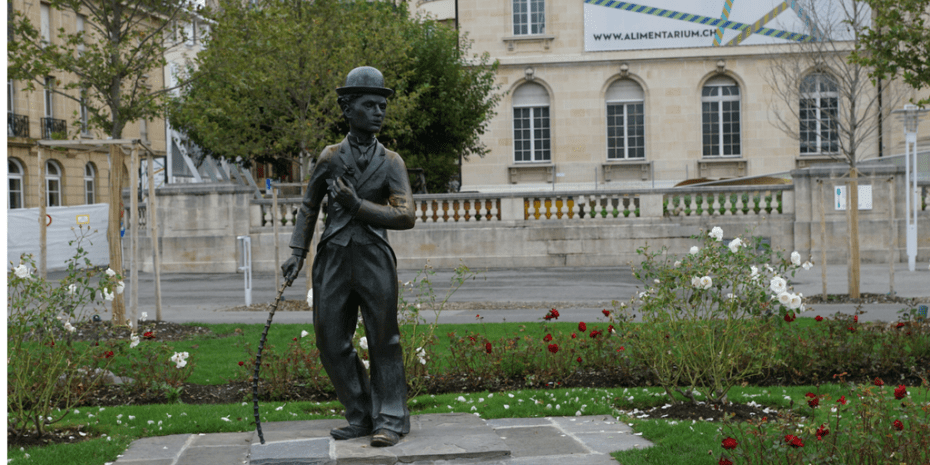
Vevey is a small Swiss town on Lake Geneva. The city is home to Nestle, one of the largest food companies in the world. Vevey was also known worldwide by Charlie Chaplin, who settled with his family in this beautiful city on the Swiss Riviera; he lived there until his death in 1977. A statue on the waterfront dedicated to Chaplin’s life in Vevey recalls this time. A few steps behind this statue is the Alimentarium Museum of Nestlé. A tour of this museum is a journey through the industrial production of food; it gives visitors a deeper insight into the evolution of human nutrition from a historical, scientific and cultural perspective.

Charlie Chaplin in Front of Alimentarium Museum Vevey

Charlie Chaplin in Front of the Alimentarium Museum in Vevey

The oversized fork in the lake reminds visitors that they are in a city where the production of food, and good food in general, is of great importance. Maybe that’s why Vevey is known for its excellent restaurants.

Restaurant Denis Martin, Vevey

Restaurant Denis Martin, Vevey

My favorite in Vevey is the restaurant of Denis Martin, a Michelin-starred chef (Michelin star and 18 Gault Millau points), one of the best exponents of modern cuisine! My visit to Denis Martin was a very special culinary experience. The creations of the chef were a treat and a journey through new worlds of taste! Gourmets can choose between three menus, namely Plaisir, Initiation and Evolution, the latter a treat with 18 courses. On the wine list you will find classics as well as exquisite wines from the region around Lake Geneva and Switzerland. I can recommend this fantastic molecular restaurant to any gourmet. Denis Martin is not only a chef, he is an artist! Its restaurant is located at rue du chateau 2, next to the “Hotel les trois Couronnes” and is only 250 meters away from the Alimentarium Museum. Try it and discover the modern Swiss cuisine at its finest! Bonne appetite!

Fork in the lake - Vevey Switzerland

Fork in the lake – Vevey

Vevey ist eine kleine Schweizer Stadt am Genfer See. Die Stadt ist die Heimat von Nestle, einem der größten Lebensmittelunternehmen der Welt. Bekannt wurde Vevey auch weltweit durch Charlie Chaplin, der sich mit seiner Familie in dieser schönen Stadt an der Schweizer Riviera niederliess; er lebte dort bis zu seinem Tod im Jahr 1977. Eine Statue an der Uferpromenade, die Chaplin’s Leben in Vevey gewidmet ist, erinnert an diese Zeit. Ein paar Schritte hinter dieser Statue befindet sich das Alimentarium-Museum von Nestlé. Eine Tour durch dieses Museum ist eine Zeitreise durch die industriellen Herstellung von Lebensmitteln; es gibt Besuchern einen vertieften Einblick in die Entwicklung der menschlichen Ernährung aus einer historischen, wissenschaftlichen und kulturellen Perspektive.

Die übergrosse Gabel im See erinnert die Besucher daran, dass sie in einer Stadt sind, in der die Produktion von Nahrung und gutem Essen im Allgemeinen von großer Bedeutung ist. Vielleicht ist Vevey auch deshalb für seine ausgezeichneten Restaurants bekannt.

Restaurant Denis Martin, Vevey

Restaurant Denis Martin, Vevey

Mein Favorit in Vevey ist das Restaurant von Denis Martin, ein Sternekoch (Michelin Stern und 18 Gault Millau Punkte), einer der besten Vertreter der modernen Küche! Mein Besuch bei Denis Martin war ein kulinarisches Erlebnis der besonderen Art. Die Kreationen des Küchenchefs waren ein Genuss und eine Reise durch neue Geschmackswelten! Feinschmecker haben die Wahl zwischen drei Menüs, nämlich Plaisir, Initiation und Evolution, letzteres ein Hochgenuss mit 18 Gängen. Auf der Weinkarte findet man Klassiker aber auch exquisite Weine aus der Region um den Genfersee und aus der Schweiz. Ich kann dieses fantastische molekulare Restaurant jedem Gourmet empfehlen. Denis Martin ist nicht nur ein Koch, er ist ein Künstler! Sein Restaurant befindet sich an der Rue du Chateau 2, neben dem „Hotel les trois Couronnes“ und liegt nur 250 Meter vom Alimentarium Museum entfernt. Probieren Sie es aus und entdecken Sie die moderne Schweizer Küche vom Feinsten! Bonne Appetit!

Categories: Blogroll, Food, Kunst, Landmark, Museum, Restaurant, Switzerland, Travel | Tags: , , , , , , , | 5 Comments

Flea Market in the City-Center of Sofia, Bulgaria

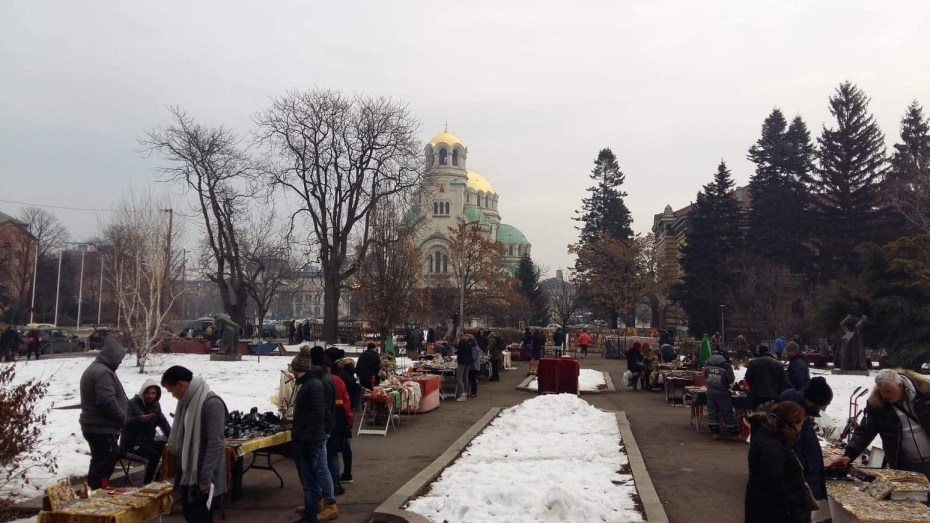
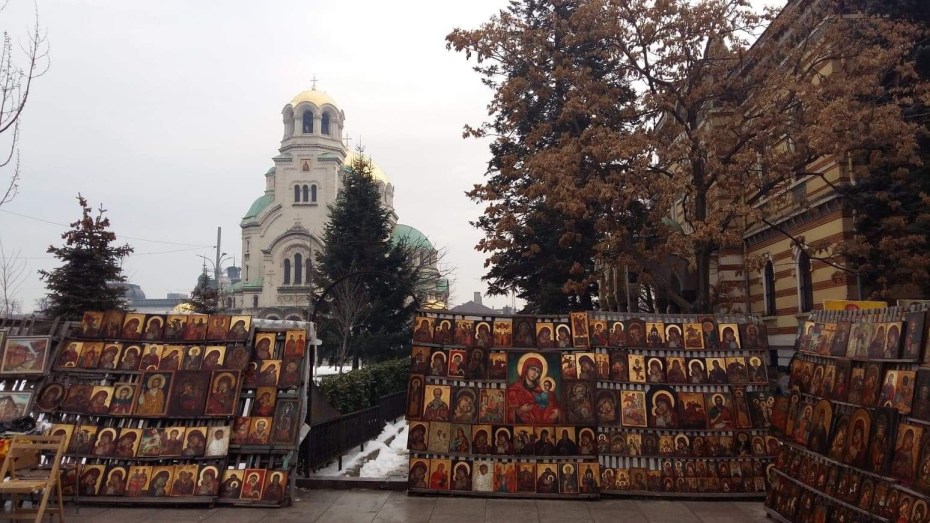
In the City-center of Sofia, more precisely in front of the Aleksander Nevski Cathedral and opposite the Sveta Sofia Church, a permanent flea market takes place on a small green space and is open every day; on weekends it’s the busiest time! There, you will mainly meet Sofia visitors from abroad. Are you looking for an old typewriter, an antique musical instrument, matryoshkas, medals, jewelry or an old weapon? Whatever you are searching, you will find it here! A whole row of market stalls sell new and old paintings as well as innumerable icons. But above all, the numerous Nazi memorabilia stand out in this market. Anyone who wants to have an original edition of Hitler’s “Mein Kampf” or intends to reward his grandfather with the “Iron Cross” will find it here. Also friends of Russian militaria will surely discover one or the other artifact such as medals and badges, steel helmets, military caps, water bottles or Lenin busts. Lovers of old cameras, typewriters, watches, radios, etc. will find rarities that may cost a fortune from your antique dealer at home. Trade and haggle for the price is “allowed” and it certainly makes more fun than to get hold of such Souvenirs through the Internet.

Flea Market Sofia Bulgaria

Flea Market in Sofia, Bulgaria

Attention: The sellers at the flea market are professionals and know the value of their offered goods! One should, of course, critically question the origin and authenticity of the products and curiosities, some parts are of inferior quality, possibly copied and imitated or even imported from China. In any case, enjoy your flea market expedition adventure in Sofia 🙂

Flea Market Sofia Bulgaria

Flea Market in Sofia, Bulgaria

In der Innenstadt von Sofia, genauer gesagt vor der Aleksander-Nevski-Kathedrale und gegenüber der Sveta Sofia Kirche, findet auf einer kleinen Grünanlage ein dauerhafter Flohmarkt statt und ist an jedem Tag geöffnet, am Wochenende ist am meisten los. Man begegnet dort vor allem Sofia-Besucher aus dem Ausland. Suchen Sie eine alte Schreibmaschine, ein antikes Musikinstrument, Matroschkas, Medaillen, Schmuck oder eine alte Waffe? Wer sucht, der wird es hier finden! Eine ganze Zeile mit Marktständen verkauft neue und alte Gemälde sowie unzählige Ikonen. Vor allem aber stechen einem die zahlreichen Nazi-Memorabilia auf. Wer schon immer mal eine Originalausgabe von Hitlers „Mein Kampf“ besitzen oder den Grossvater nachträglich mit dem „Eisernen Kreuz“ auszeichnen möchte, der wird hier ebenfalls fündig. Auch Freunde Russischer Militaria werden hier sicher das eine oder andere Artefakt entdecken wie zum Beispiel Orden und Abzeichen, Stahlhelme, Militärkappen, Feldflaschen oder Lenin-Büsten. Liebhaber alter Kameras, Schreibmaschinen, Uhren, Radios oder Plattenspieler, etc. finden garantiert Raritäten die bei einem Antiquitäten-Händler zu Hause womöglich ein „Vermögen“ kosten. Handeln und Feilschen um den Preis ist „erlaubt“ und machen sicher mehr Spass als sich ein solches Souvenir im Internet zu ergattern. 

Flea Market, Alexander Nevski, Sofia

Flea Market in Sofia, Bulgaria

Achtung: Die Verkäufer auf dem Flohmarkt sind Profis und kennen den Wert ihrer angebotenen Waren! Man sollte natürlich die Herkunft und Authentizität der Produkte und Kuriositäten kritisch hinterfragen, so manche Teile sind von minderer Qualität, eventuell kopiert und nachgemacht oder sogar Importware „made in China“. Auf jeden Fall, viel Vergnügen auf der Entdeckungsreise durch den Flohmarkt in Sofia 🙂

Categories: Blogroll, Bulgarien, Events, Travel | Tags: , | 1 Comment

The Orthodox Cathedral Alexander Nevsky in Sofia, Bulgaria

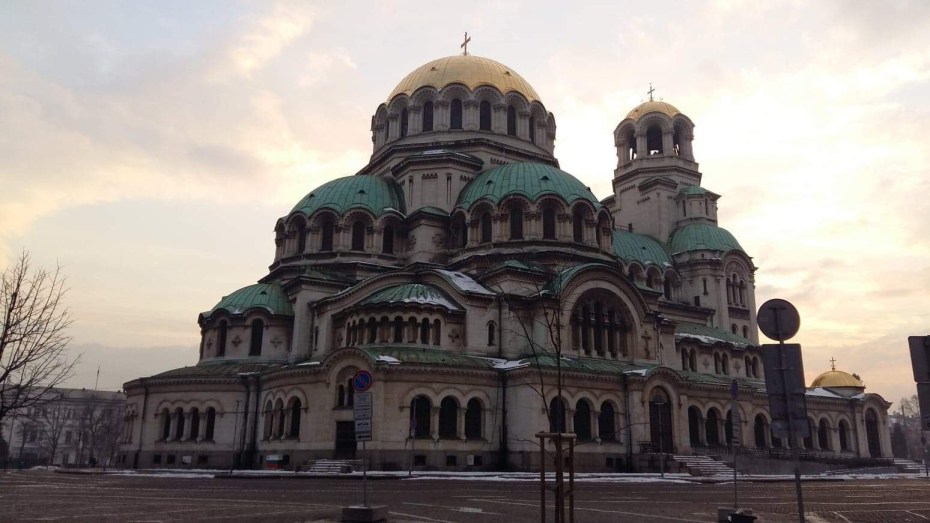
The Orthodox Cathedral Alexander Nevsky is in the Bulgarian capital Sofia one of the primary tourist attraction and one of the largest Orthodox cathedrals in the world. The Alexander Nevsky Cathedral was built in the Neo-Byzantine style in the early 20th Century in memory of the 200‘000 Russian, Ukrainian, Belorussian, Moldavian, Finnish, Romanian and Bulgarian soldiers, who died in the Russo-Turkish War between 1877 and 1878. The cathedral’s gold-plated dome is 45 meters high, with the bell tower reaching 50 meters. It serves as the cathedral church of the Patriarch Neofit of Bulgaria and can hold up to 10‘000 people inside.

Orthodox Cathedral Alexander Nevsky in Sofia, Bulgaria

Orthodox Cathedral Alexander Nevsky in Sofia, Bulgaria

Die orthodoxe Kathedrale Alexander Nevsky ist in der bulgarischen Hauptstadt Sofia eine der Haupttouristenattraktionen und eine der größten orthodoxen Kathedralen der Welt. Die Alexander-Newski-Kathedrale wurde im neobyzantinischen Stil anfangs des 20. Jahrhunderts gebaut zum Gedenken an die 200‘000 russischen, ukrainischen, weißrussischen, moldauischen, finnischen, rumänischen und bulgarischen Soldaten errichtet, die zwischen 1877 und 1878 im Russisch-Osmanischen Krieg starben. Die Kuppel der Kathedrale ist vergoldet und 45 Meter hoch, der Glockenturm erreicht 50 Meter. Die Kathedrale dient als Kirche des Patriarchen Neofit von Bulgarien und kann bis zu 10‘000 Menschen aufnehmen.

Categories: Blogroll, Bulgarien, Church, Landmark, Monument, Pilgrimage, Travel | Tags: , | 6 Comments

Palazzo della Ragione in Padua, Italy

One can get a glimpse of the former splendor of the Free Trade Center of Padua in northern Italy by strolling through Piazza dell’Erbe or Piazza della Frutta on a Saturday or in the morning during the week. Every day there is a bustling market and merchants praise their goods and delicacies. Between the two squares rises the Palazzo della Ragione. This former courthouse was built at the beginning of the 13th century. It dominates with its size the center of the old town of Padua.

Palazzo della Ragione Padova

Palazzo della Ragione

Even more impressive is the football field-sized and about 25 meter high council room (il Salone) inside the Palazzo della Ragione. This architectural masterpiece from the late Middle Ages is reminiscent of an inverted ship’s hull and is probably unique in its kind. Frescoes with religious and astronomical images adorn the huge unsupported wooden ceiling. Also to be visited in this magnificent hall is the “stone of shame”, a medieval pillory for defaulting payer and debtor as well as the gigantic wooden horse from the 15th century. Enjoy Padua and the Palazzo della Ragione! There is however, much more to discover in this beautiful town 🙂

Palazzo della Ragione (il salone)

Palazzo della Ragione (il salone)

Man kann sich vom ehemaligen Glanz der freien Handelsstatt Padua in Oberitalien ein Bild machen, wenn man an einem Samstag oder vormittags unter der Woche über die Piazza dell’Erbe oder Piazza della Frutta schlendert. Täglich herrscht dort ein emsiges Markttreiben und Kaufleute Preisen ihre Waren und Köstlichkeiten an. Zwischen den beiden Plätzen erhebt sich der Palazzo della Ragione. Dieses ehemalige Gerichtsgebäude wurde zu Beginn des 13. Jahrhunderts erbaut. Es dominiert mit seiner Grösse das Zentrum der Altstadt von Padua. Noch beeindruckender ist der fussballfeldgrosse und ca. 25 Meter hohe Ratssaal (il Salone) im Innern des Palazzo della Ragione. Dieses architektonische Meisterwerk aus dem ausgehenden Mittelalter erinnert an einen umgekehrten Schiffsrumpf und ist wahrscheinlich einmalig in seiner Art. Fresken mit religiösen und astronomischen Bildern zieren die riesige stützenlose Holzdecke. Ebenfalls zu besichtigen in diesem prächtigen Saal ist der „Stein der Schande“, ein mittelalterlicher Pranger für säumige Zahler und Schuldner sowie das gigantische Holzpferd aus dem 15. Jahrhundert. Viel Vergnügen in Padua und im Palazzo della Ragione!…es gibt noch viel mehr zu sehen in dieser schönen Stadt 🙂

Categories: Blogroll, History, Italy, Landmark, Monument, Travel | Tags: , , | 6 Comments

Cheese Fondue in Switzerland

The cheese fondue is a dish made from a mixture of melted cheese and white wine, to which starch is added as a binder and seasoned with a dash of cherry, garlic and pepper. Originally the cheese fondue comes from French-speaking Switzerland, Savoy in France and the Italian Piedmont. 

Depending on the type of cheese and additives, such as truffles, the taste of the fondue varies, which is particularly evident in the many regional variations of the fondue. The heated mixture is served in a special pot (Caquelon) made of ceramic and kept warm on a rechaud. Small pieces of bread or boiled potatoes are stirred on a long fork in the liquid cheese fondue and the cheese-covered pieces are then eaten with a good glass of white wine.

My favorite restaurant for cheese fondue is located in the upper Saanen valley, not far from Gstaad, in the eastern Pays-d’Enhaut, in the north-eastern Alps of the canton Vaud in Switzerland. The time has stood still in the small Café Restaurant du Cerf in Rougemont, everything is as it was years ago and the prices are also not exaggerated. The „du Cerf“ is a small oasis amidst the many gourmet temples of the Saanenland! I am already looking forward to the next time!

Cheese Fondue

Cheese Fondue

Das Käsefondue ist ein Gericht aus einer Mischung von geschmolzenem Käse und Weisswein, welchem Stärke als Bindemittel zugegeben und mit einem Schuss Kirsch, Knoblauch und Pfeffer abgeschmeckt wird. Ursprünglich kommt das Käsefondue aus der Westschweiz, Savoyen in Frankreich und dem italienischen Piemont. 

Je nach Art des Käses und Zugaben, wie zum Beispiel Trüffel, variiert der Geschmack des Fondues, was besonders bei den vielen regionalen Varianten erkennbar wird. Die erwärmte Mischung wird in einem speziellen Topf (Caquelon) aus Keramik serviert und auf einem Rechaud warm gehalten. Kleine Brotstückchen oder gekochte Kartoffeln werden auf einer langen Gabel in dem flüssigen Käsefondue gerührt und dann die mit Käse überzogenen Häppchen gegessen.

Café Restaurant du Cerf in Rougemont VD, Switzerland

Café Restaurant du Cerf in Rougemont VD, Switzerland

Mein Lieblingsrestaurant für Käsefondue befindet sich im oberen Saanetal, unweit von Gstaad, im östlichen Pays-d’Enhaut, in den nordöstlichen Waadtländer Alpen der Schweiz. Im kleinen Café Restaurant du Cerf in Rougemont ist die Zeit stehen geblieben, alles ist wie vor Jahren und die Preise sind auch nicht übertrieben. Das „du Cerf“ ist eine kleine Oase inmitten der vielen Gourmettempel des Saanenlandes! Ich freue mich schon auf das nächste Mal!

Categories: Blogroll, Restaurant, Switzerland, Traditions, Travel | Tags: , , , | 12 Comments

Munich Germany

The word Bavarian brings a specific image to mind, and I’m happy to tell you that it’s a very accurate depiction. Munich is every bit the picture-perfect, beer-guzzling, carb-hungry, nature-loving metro you want it to be—and not just during Oktoberfest. And this is the Munich travel guide to see it all. Your visit to the […]

via Bavarian Beers, Motors, and Music: The 4-day Weekend in Munich — Men’s Journal

Categories: Blogroll, Germany, Travel | Tags: , | 2 Comments

Hotels in Santiago de Compostela for „tired“ Pilgrims

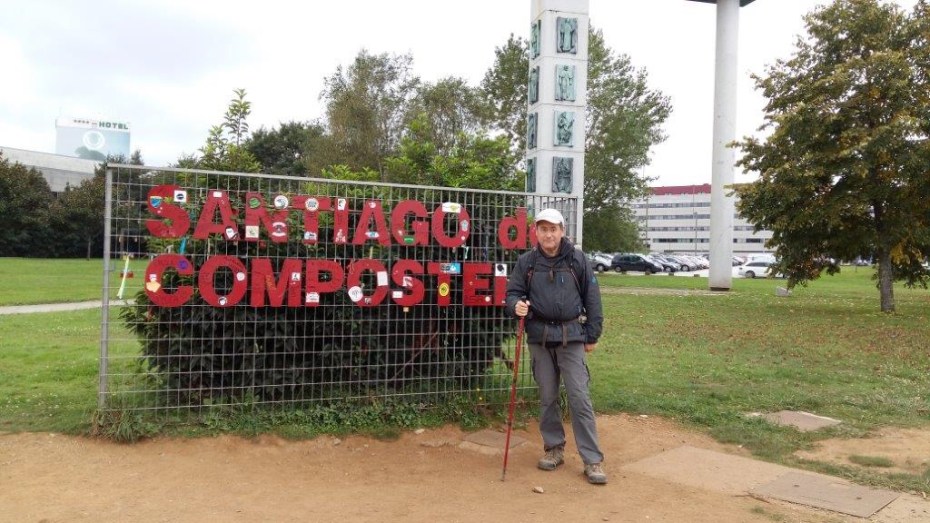
Dear pilgrim friends, are you tired and would you like to end your Camino in Santiago de Compostela? Perhaps my hotel recommendations could help you in choosing an accommodation.

My selection criteria for my list of recommendations are based on the experience and feedback of many pilgrims, ratings and reviews in social media and of course my personal preferences and evaluation criteria, such as a good bed, cleanliness, good location, friendliness of the hotel staff and last but not least value for money.

Nevertheless, my Hotel selection is subjective and many of the hotels not listed here are also excellent and can also be booked with the enclosed link through Booking.com

BOOK NOW and CLICK HERE

Rolandomio’s Hotel Recommendations for „tired“ pilgrims in Santiago de Compostela: 

Hostal Suso (-); Hospederia San Martin Pinario (*); Pension Residencia Fonseca (*); Casa Celsa Barabantes (**); Hotel Bonaval (**); PR Libredón (**); Nest Style (***); Hotel Rua Villar (***); Hotel Lux (***); Altair Hotel (***); San Francisco Hotel Monumento (****); NH Collection Santiago de Compostela (****); Hostal Reis Catolicos (*****)

Buen Camino!

Santiago de Compostela Santiago de Compostela

Liebe Pilgerfreunde, seid ihr müde und möchtet ihr euren Jakobsweg in Santiago de Compostela noch ausklingen lassen; dann könnten euch meine Hotelempfehlungen als Entscheidungshilfe bei der Wahl einer Unterkunft nützlich sein. 

Meine Auswahlkriterien für diese Empfehlungsliste basieren auf Erfahrungen und Feedback vieler Pilger, Ratings und Bewertungen in Sozialen Medien und selbstverständlich meine ganz persönlichen Präferenzen und Bewertungskriterien, wie zum Beispiel ein gutes Bett, Sauberkeit, gute Lage, Freundlichkeit des Hotelpersonals sowie ein gutes Preis-Leistungsverhältnis.

Meine Hotelauswahl ist jedoch subjektiv und viele der hier nicht gelisteten Hotels sind ebenfalls ausgezeichnet und können über den beigefügten Link bei Booking.com gebucht werden.

JETZT BUCHEN mit einem CLICK

Rolandomio’s Hotelempfehlungen für „müde“ Pilger in Santiago de Compostela: 

Hostal Suso (-); Hospederia San Martin Pinario (*); Pension Residencia Fonseca (*); Casa Celsa Barabantes (**); Hotel Bonaval (**); PR Libredón (**); Nest Style (***); Hotel Rua Villar (***); Hotel Lux (***); Altair Hotel (***); San Francisco Hotel Monumento (****); NH Collection Santiago de Compostela (****); Hostal Reis Catolicos (*****)

Buen Camino!

booking

Categories: Blogroll, Hotel, Jakobsweg, Pilgrimage, Spain, Travel | Tags: , , | 1 Comment

Bankie Banx‘ Beach Bar in Anguilla

My favorite destination in the Caribbean is the small island of Anguilla in the British West Indies. Anguilla with its white sand and turquoise sea has, in my opinion, the most beautiful beaches in the Caribbean.

However, a trip to Anguilla is not complete without a visit to Bankie Banx’ Dune Preserve Beach Bar. The Dune Preserve is known for its traditional Caribbean cuisine and funky reggae melodies. Bankie Banx is an internationally known reggae singer; he is known in the music scene as the „Anguillan Bob Dylan” and “King of the Dunes.” Bankies Moonsplash Raggae Festival, which has been held on the grounds of his Dune Preserve since 1992, has become one of the premier music festivals in the Eastern Caribbean.

The Dune Preserve is for me the coolest place on earth! Not unfounded, CNN has ranked Bankie’s Beach Bar as the best (“number one”) in the world!

The bar was destroyed in 1999 by Hurricane Lenny, but Bankie rebuilt it and the Moonsplash took place despite all the hardships the following year. In 2017, the hurricane Irma hit the island Anguilla even harder than all the hurricanes before. Bankies Beach Bar and his house were completely destroyed and literally blown away by the wind. But in spite of this great tragedy, the Moonsplash Festival was back again this March!

I am very happy that Bankie and his friends made rebuilt this beautiful, exotic and unique beach bar in Rendezvous Bay for the third time! I’m looking forward to my next visit to Anguilla! A visit to Bankie Banx and his friends is for all lovers of great music, in an incomparable environment and atmosphere, should be put on everybody’s bucket list!

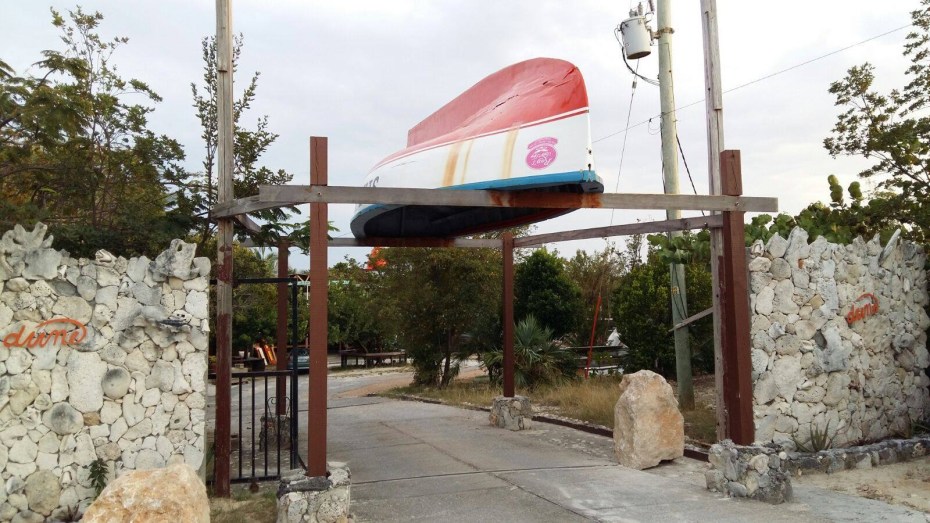
Dune Preserve Anguilla

The Dune Preserve at Rendezvous Bay, Anguilla BWI

Mein Lieblingsziel in der Karibik ist die kleine Insel Anguilla in den British West Indies. Anguilla mit seinem weißen Sand und türkisfarbenem Meer besitzt meiner Meinung nach die schönsten Strände der Karibik.

Eine Reise nach Anguilla ist jedoch ohne einen Besuch der Dune Preserve Beach Bar von Bankie Banx nicht komplett. Das Dune Preserve ist bekannt für seine traditionelle karibische Küche und seine funkigen Reggae-Melodien. Bankie Banx ist ein international bekannter Reggae Sänger; er ist in der Musikszene bekannt als “Anguillan Bob Dylan” und “King of the Dunes”. Bankies Moonsplash Raggae Festival, das seit 1992 auf dem Gelände seines Dune Preserve stattfindet, hat sich zu einem der führenden Musikfestivals in der östlichen Karibik entwickelt.

Das Dune Preserve ist für mich der coolste Ort auf unserer Erde! Nicht unbegründet hat CNN Bankie’s Beach Bar als die Beste („number one“) ihresgleichen in der Welt bewertet!

Bankie Banx

Bankie Banx and Friends

Die Bar wurde 1999 von Hurricane Lenny zerstört, aber Bankie baute sie wieder auf und der Moonsplash fand trotz allem Ungemach 2000  wieder statt. Im vergangenen Jahr traf Irma die Insel Anguilla noch viel härter als alle Hurrikans zuvor. Bankies Beach Bar und sein Haus wurden komplett zerstört und sprichwörtlich vom Winde verweht. Aber trotz dieser grossen Tragödie ging das Moonsplash Festival im März dieses Jahres wieder über die Bühne!

Rendezvous Bay Anguilla

Entrance to the Dune Preserve at Rendezvous Bay, Anguilla BWI

Ich bin sehr glücklich, dass Bankie und seine Freunde es in diesem Jahr geschafft haben diese wunderschöne, exotische und einmalige Beach Bar in der Rendezvous Bay zum dritten Mal aufzubauen! Ich freue mich schon jetzt auf meinen nächsten Besuch in Anguilla! Ein Besuch bei Bankie Banx und seinen Freunden gehört für alle Liebhaber grossartiger Musik, in einer unvergleichbaren Umgebung und Atmosphäre, auf die persönliche Bucket List!

Categories: Anguilla, Art, Blogroll, Hotel, Restaurant, Travel, Weltreisen | Tags: , , , , , , , | 3 Comments

Invitation to subscribe my Travel Blog!

Dear Visitors and Followers,

Many thanks for subscribing Rolandomio‘s Travel Blog! 

I am striving to publish interesting posts with travel news, stories, suggestions and recommendations on a regular basis. My major goal with this Blog is to give you travel inspirations and to show you that your „paradise“ is only a plane or train ticket (or boat ride) away.

For all those that are not registered on WordPress, you can receive my Blog posts via E-Mail. ThereforeI invite you to subscribe the Blog by entering your E-Mail Adress at the bottom of this Post „Follow Roandomio Travel via E-Mail“.

Thanks and happy travels!

Buen Camino, Roland

Categories: Blog, Blogroll, Travel | Tags: , , , | 46 Comments

New York City

A memorable Manhattan sunrise on the first morning of our week in New York City

via My New York City Eye Opener — Streets of Nuremberg

Categories: Blogroll, Travel, United States of America | Tags: | 5 Comments

Freddie Mercury – Queen

Who does not know him, Freddie Mercury, the lead singer of the Rockband „Queen“ who unfortunately died too early. In 1996, in memory of his presence in Montreux, Switzerland, a statue on the lake promenade of Lake Geneva was erected. In 1978, the singer came to the Montreux Jazz Festival with his unmistakable voice to record the album Jazz with Queen. At that time, the Montreux Casino’s “Mountain Studio” was one of the world’s most advanced recording studios equipped with Revox machines. The following year, Freddie Mercury bought the Mountain Studio, which today is open to the public. It is now a Museum and visiting this historic place in Montreux is worthwhile!

Freddie Mercury

Freddie Mercury

Wer kennt ihn nicht, Freddie Mercury, der Lead Sänger der Rockband „Queen“, der leider viel zu früh verstorben ist. Zur Erinnerung an seine Anwesenheit in Montreux (Schweiz) wurde 1996 eine Statue an der Seepromenade des Genfersees aufgestellt. 1978 kam der Sänger mit seiner unverkennbaren Stimme zum Montreux Jazz Festival, um das Album Jazz mit Queen aufzunehmen. Das „Mountain Studio“ im Casino von Montreux war zu jener Zeit weltweit eines der hochmodernsten, mit Revox-Geräten ausgerüstete, Tonstudio. Im folgenden Jahr kaufte sich Freddie Mercury das Mountain Studio; es ist heute für die Oeffentlichkeit zugängig. Es wurde in ein Museum umfunktioniert und ein Besuch dieses historischen Ortes in Montreux lohnt sich!

Categories: Art, Blogroll, Museum, Music, Switzerland, Travel | Tags: , , , | 3 Comments

The Via Postumia in Northern Italy

The Via Postumia was a road in Northern Italy that was built by the Romans around 150 BC; it led from Aquileia, through the Po valley over the Apennines to the city of Genoa. Today, this historic route largely forms the centerpiece of the new Italian pilgrimage route, the Via Postumia, to Santiago de Compostela in Galicia, Spain.

The Via Postumia is 930 km long and leads from Aquileia to Genoa and crosses the entire north of Italy from east to west, i.e. through the Regions Friuli-Giulia Venezia, Lombardy, Emilia Romagna, Piedmont and Liguria.

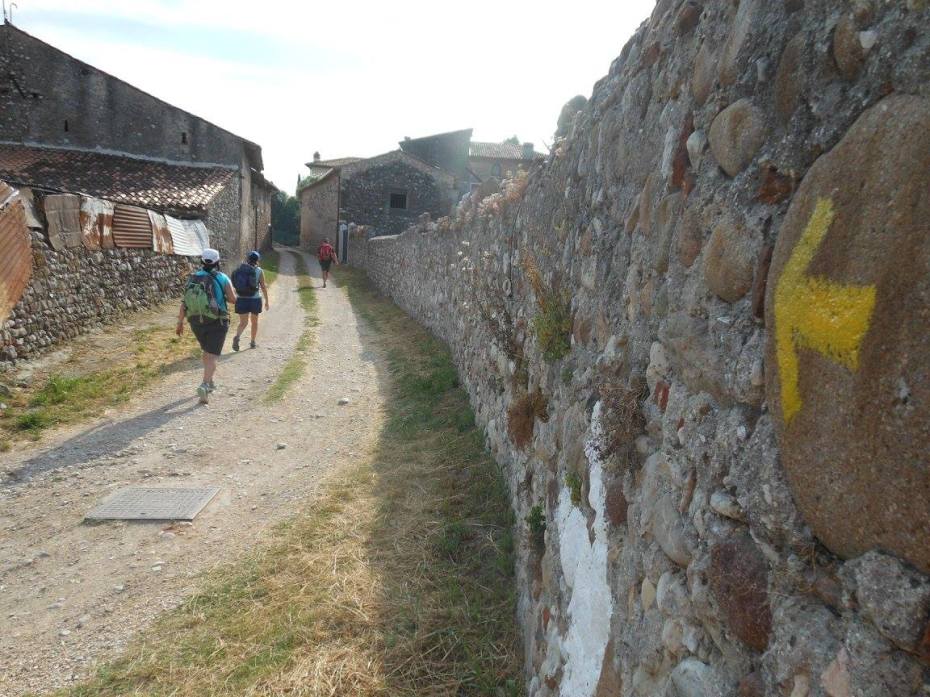
What didn’t exist until now, was an arrow-marked pilgrim route that crosses Italy from east to west and continues from Genoa to Menton in France along the Ligurian coast. The idea to develop such a route emerged at the World Meeting of the Associations of Friends of the St. James Way in Krakow in September 2013, on the occasion of the 1200th anniversary of the rediscovery of the body of St. James. Shortly after his return from this World Meeting in Poland, Andrea Vitiello began this task and decided to trace and re-enact the paths of medieval pilgrims from the East through Italy using advice and opinions from historians, other experts and friends.

The gigantic task of Andrea was to create a route that fit into the map and the network of all the St. James Ways in Europe. Another objective of his project is to promote and support the local businesses along the newly created Via Postumia pilgrimage route.

The result of this great initiative is commendable. The Way of St. James through Italy was formally restored. I am convinced that pilgrims who choose this route through Italy on their way to Santiago de Compostela will be delighted in every way! The Via Postumia crosses the wonderful landscapes of northern Italy on quiet and signposted paths, past nine UNESCO heritage sites and through some of the most beautiful cities in Italy. I am already looking forward to this historic, culinary and spiritual pilgrimage through Italy.

Further and detailed information such as maps, directions, hotels and hostels, etc. can be found under the following link: http://www.viapostumia.eu
Via Postumia

The Via Postumia in Northern Italy

Die Via Postumia war eine um das Jahr 150 v. Chr. gebaute Römerstrasse in Italien, die von Aquileia, durch die Poebene über die Apenninen bis nach Genua führte. Dieser historische Weg bildet heute weitestgehend das Kernstück des Italienischen Pilgerwegs, die Via Postumia, nach Santiago de Compostela in Galizien, Spanien.

Dieser Weg, die Via Postumia, ist eine etwa 930 km lange Route die von Aquileia nach Genua führt und den gesamten Norden Italiens von Osten nach Westen durchquert, also Friaul-Julisch Venetien, Lombardei, Emilia Romagna, Piemont und Ligurien.

Was es bis jetzt nicht gab, war eine mit Pfeilen markierte Pilger Route die Italien von Osten nach Westen durchquert und von Genua weiter nach Menton in Frankreich entlang der ligurischen Küste führt. Die Idee einen solchen Weg zu entwickeln entstand am Welttreffen der Jakobsvereine im September 2013 in Krakau, anlässlich des 1200-jährigen Jubiläums der Wiederentdeckung des Leichnams des Heiligen Jacobus. Kurz nach seiner Rückkehr von diesem Weltmeeting in Polen begann Andrea Vitiello mit dieser Aufgabe und beschloss anhand von Ratschlägen und Meinungen von Historikern, anderen Experten und Freunden die Wege mittelalterlicher Pilger aus dem Osten durch Italien zurückzuverfolgen und nachzubilden.

Die gigantische Aufgabe von Andrea bestand darin, eine Route zu erstellen, die in die Karte und das Netzwerk aller Jakobswege von Europa passte. Ein weiteres Ziel seines Projekts ist die Förderung und Unterstützung der lokalen Unternehmen entlang der neu geschaffenen Pilgerroute Via Postumia.

Das Ergebnis dieser großartigen Initiative ist lobenswert. Der Jakobsweg durch Italien wurde formal wieder hergestellt. Ich bin überzeugt, dass Pilger, die diese Route durch Italien auf ihrem Weg nach Santiago de Compostela wählen, in jeder Hinsicht begeistert sein werden! Die Via Postumia durchquert die wundervollen Landschaften Norditaliens auf ruhigen und beschilderten Wegen, vorbei an neun UNESCO-Kulturstätten und durch einige der schönsten Städte Italiens. Ich freue mich schon jetzt auf diesen historischen, kulinarischen und spirituellen Pilgerweg durch Italien. 

Weitere und detaillierte Informationen wie Karten, Wegbeschreibungen, Hotels und Herbergen, etc. findest Du unter folgendem Link: http://www.viapostumia.eu

Categories: Blogroll, Italy, Jakobsweg, Landmark, Nature, Pilgrimage, Travel, Trekking | Tags: , , , , | 1 Comment

„La Mar Cebecheria Peruana“ in Lima, Peru

My tip for fish lovers! Raw fish were not my thing in the past; but the cebiche at La Mar Cebecheria Peruana are a treat! Even otherwise, there are delicious fish dishes and seafood from the very best. Whenever you travel to Peru, I highly recommend a visit to the restaurant La Mar in Lima, you will not regret it!

La Mar Cebecheria Peruana

Restaurant La Mar Cebecheria Peruana in Lima

Mein Tipp für Fischliebhaber! Roher Fisch waren in der Vergangenheit nicht so mein Ding; aber die Cebiche im La Mar Cebecheria Peruana sind ein Hochgenuss! Auch sonst gibt es hier köstliche Fischgerichte und Meeresfrüchte vom allerfeinsten. Wann immer Du nach Peru reisen solltest, ich kann einen Besuch des Restaurants La Mar in Lima nur empfehlen, Du wirst es nicht bereuen!

Reservation and more information: http://www.lamarcebicheria.com


Categories: Blogroll, Food, Peru, Restaurant, Travel, Weltreisen | Tags: , , , , , | 1 Comment

Bulgaria Wine Tours

Bulgaria Wine Tours organizes full-service wine tours to Bulgaria but there is much more to it than simply tasting wines. The tours combine wine tastings and winery visits with the cultural heritage, history, cuisine and nature of Bulgaria. They like to call themselves a tour operator that focuses on wine & food tourism with a touch of cultural and rural tourism. You do not have to be a wine connoisseur to enjoy their tours. Bulgaria Wine Tours are enjoyable and accessible to anyone who prefers vacations with a heavy focus on wine, food and culture. For those who are wine connoisseurs or would like to organize a tour for a wine club or a group of wine professionals, they take great pride on offering special interest tours that focus exclusively on wine and food. Get in touch for a customized tour itinerary that fits all of your needs.

Bulgaria Wine Tours offers guided private or group tours in Bulgaria’s wine regions.

Contact Bulgaria Wine Tours

Dear Travelers, in order to to get in touch with Bulgaria Wine Tours, please write them an E-Mail: info@bulgariawinetours.com or contact Bulgarian Wine Tours through their website: http://www.bulgariawinetours.com

Post written in co-operation with Bulgaria Wine Tours


Bei Bulgarian Wine Tours organisieren wir Full-Service-Wein-Touren nach Bulgarien, aber es gibt viel mehr als nur Weine zu probieren. Die Touren verbinden Weinproben und Weingüterbesuche mit dem kulturellen Erbe, Geschichte, Küche und der Natur Bulgariens. Sie nennen uns gerne einen Reiseveranstalter, der sich auf den Wein- und Lebensmittel-Tourismus mit einem Hauch von Kultur- und Landtourismus konzentriert. Sie müssen kein Weinkenner sein, um die Touren von Bulgarian Wine Tours zu genießen. Die Touren sind angenehm und zugänglich für jeden, der Urlaub mit einem starken Fokus auf Wein, Essen und Kultur bevorzugt. Für diejenigen, die Weinkenner sind oder eine Tour für einen Weinclub oder eine Gruppe von Weinprofis organisieren möchten, ist Bulgaria Wine Tours gerne bereit, spezielle Interessen-Touren anzubieten, die sich ausschließlich auf Wein und Essen konzentrieren. Kontaktieren Sie Bulgaria Wine Tours für eine maßgeschneiderte Reiseroute, die all Ihren Bedürfnissen entspricht.

Bulgarian Wine Tours bietet geführte private oder Gruppenreisen in Bulgariens Weinregionen an.

150FD7A3-4E30-4634-AB81-A8E7A2909C91

Kontakt Bulgaria Wine Tours

Liebe Reisende, um mit Bulgaria Wine Tours in Kontakt zu treten, schreiben Ihnen  bitte ein E-Mail: info@bulgariawinetours.com oder kontaktieren Sie Bulgaria Wine Tours über ihre Website: http://www.bulgariawinetours.com

Artikel geschrieben in Zusammenarbeit mit Bulgaria Wine Tours


Categories: Blogroll, Bulgarien, Events, Food, Nature, Restaurant, Travel | Tags: , , , | 4 Comments

Day Trip to Monaco

When we were planning our trip to Italy, I really wanted to visit some of the famous and beautiful, touristy towns of the Italian Riviera. We chose to stay in Loano because it was in between two of the towns/countries I wanted to visit. I had always wanted to visit Monaco with its extravagant style […]

via Day Trip from Loano to Monaco — A Whole Lotta Love🐾

Categories: Blogroll, Monaco, Travel | Tags: | 3 Comments

Gotthard Pass & Stagecoaches

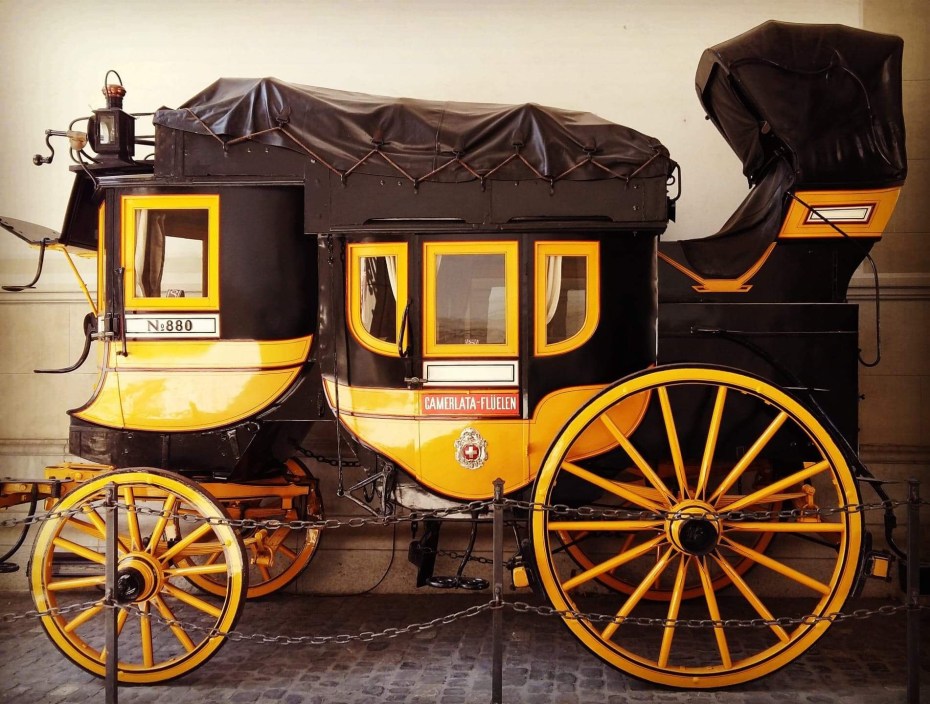
The Gotthard Pass has been one of the most important direct north-south links across the Alps since the Middle Ages. In 1830, the first stagecoach rolled over the Gotthard Pass. At that time, the travelers were predominantly merchants, scientists, engineers and diplomats. Back then, in the first half of the 19th century, the passengers felt the thirty-hour journey from Lucerne to Milan, first with the steamboat across Lake Lucerne to Flüelen and then in the stagecoach over the St. Gotthard Pass to Camerlata and Milan as grueling strain. In 1850, the effective travel time from Zurich to Milan was at least 30 hours, not taking into account an overnight stay in the hospice on the Gotthard Pass. With the opening of the Gotthard railway tunnel in 1882 the stagecoaches slowly disappeared; and the stagecoach operation was finally discontinued in 1926. The steam-powered train reduced the travel time from Zurich to Milan to 11 hours, today’s trains need only 3 hours and 25 minutes for the route, thanks to the 57-kilometer Gotthard Base Tunnel, i.e. the longest tunnel in the world. In 2020, after completion of the railway tunnel through the Monte Ceneri, the train journey will be shortened by another 40 minutes to 2 hours and 45 minutes! By the way, in 1852 about 21‘000 passengers used the stagecoach service over the Alps. Today, on average 12‘000 travelers are using trains through the Gotthard Tunnel!

Stagecoach

Stagecoach from Flüelen to Camerlata

Der Gotthardpass ist seit dem Mittelalter eine der wichtigsten direkten Nord-Süd-Verbindungen über die Alpen. Im Jahre 1830 rollte die erste Postkutsche über den Gotthardpass. Die Reisenden zu jener Zeit waren vorwiegend Kaufleute, Wissenschaftler, Ingenieure und Diplomaten. Damals, in der ersten Hälfte des 19. Jahrhunderts, empfanden die Passagiere die dreissig Stündige Reise von Luzern nach Mailand, zuerst mit dem Dampfschiff über den Vierwaldstättersee nach Flüelen und dann in der Postkutsche über den Sankt Gotthardpass nach Camerlata und Mailand als aufreibende Strapaze. Eine Übernachtung im Hospiz auf dem Gotthardpass nicht eingerechnet, betrug im Jahr 1850 die effektive Reisezeit ab Zürich nach Mailand mindestens 30 Stunden. Mit der Eröffnung des Gotthard-Eisenbahntunnels 1882 verschwanden die Postkutschen langsam; und der Postkutschenbetrieb wurde 1926 endgültig eingestellt. Die dampfbetriebene Bahn verkürzte die Reisezeit von Zürich nach Mailand auf 11 Stunden, die heutigen Züge benötigen für die Strecke, Dank des 57 Kilometer langen Gotthard-Basistunnels, nur noch 3 Stunden und 25 Minuten. Ab dem Jahr 2020, nach Fertigstellung des Eisenbahntunnels durch den Monte Ceneri wird die Zugreise um eine weitere halbe Stunde auf 2 Stunden und 45 Minuten verkürzt! Übrigens nutzten 1852 rund 21’000 Passagiere den Postkutschen-Service über die Alpen. Heute fahren durchschnittlich 12’000 Reisende mit Zügen durch das  Gotthardmassiv!

Categories: Blogroll, Italy, Switzerland, Train, Travel | Tags: , , , , , , , | 2 Comments

Spain in the Movies: Must Visit Film locations in Spain

Following my last post, “Madrid in the Movies”, I will expand and tell you about the unlikely and curious locations around Spain. A must-visit for all film buffs! I have also included Game of Thrones because with its popularity it’s always worth a mention!

via Spain in the Movies: Must Visit Film locations around Spain — Madrid Insider

Categories: Art, Blogroll, Movies, Spanien, Travel | Tags: , , | 5 Comments

San Sebastián in the Basque Country

In the Basque Country in the North of Spain about 20 kilometres from the French border lies one of the most famous tourist destinations in the country. The city of San Sebastián, or Donostia in Basque, is backed by the golden, U-shaped Playa de la Concha and framed by lush green hillsides. The city has […]

via San Sebastián — My Que Será, Será

Categories: Blogroll, Spain, Travel | Tags: , , | 4 Comments

Blog at WordPress.com.