Musée de l’Orangerie in Paris

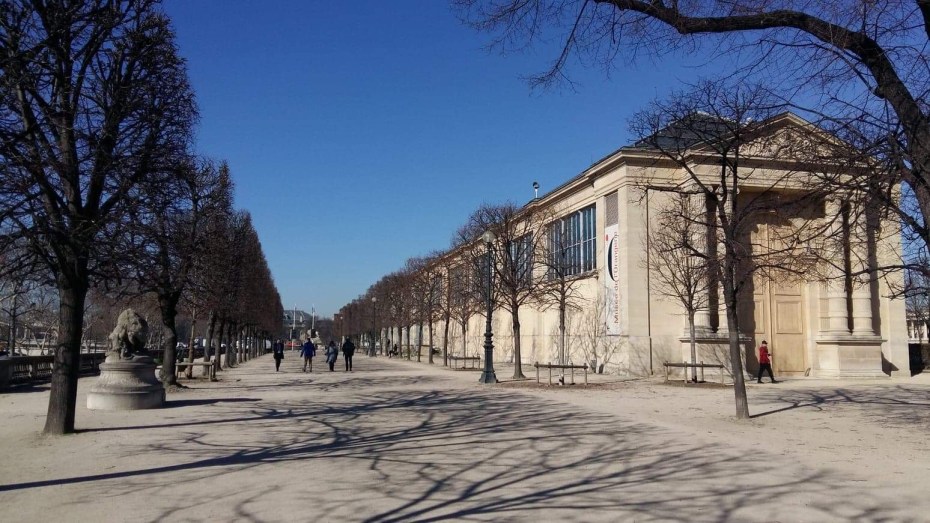
The Musée de l’Orangerie is located in the Jardin des Tuileries. It’s on the river Seine facing side, at the lower end of the park. In fact, this small but fine Museum is adjacent to the Place de la Concorde. Art lovers of Impressionism get their money’s worth here in the Orangerie. 

The heart of the permanent exhibition is located on the ground floor. Eight water lily paintings by Claude Monet await their viewers in two large oval rooms. At the initiative of former minister president Georges Clémenceau, these panoramic paintings of Monet were shown first to the public in the 1920s. For this project, the Orangerie was considered an ideal place to celebrate Monet’s impressionism. Looking at his works, you somehow find yourself back in Monet’s beloved garden in Giverny.

Online Booking: Safe time, skip the line and reserve your Museum Ticket, Guided Tour or any other Event in Paris by clicking HERE!

The lower level of the museum focuses on the works of other artists such as Gauguin, Renoir, Degas, Cézanne, Modigliani, etc. A visit to the Orangerie is recommended and the ticket can be purchased in combination with an entry to the Musée d’Orsay at a reduced price. Enjoy your visit of these two outstanding Museums in Paris!

Musée de l'Orangerie in Paris

Musée de l’Orangerie in Paris

Das Musée de l’Orangerie befindet sich im Jardin des Tuileries. Es liegt an der Seine-Seite, am unteren Ende des Parks. Genau genommen, grenzt dieses kleine, aber feine Museum an den Place de la Concorde. Kunstliebhaber des Impressionismus kommen hier in der Orangerie auf ihre Kosten.

Das Herzstück der Dauerausstellung befindet sich im Erdgeschoss. Acht Seerosengemälde von Claude Monet erwarten ihre Zuschauer in zwei grossen ovalen Räumen. Auf Initiative des ehemaligen Ministerpräsidenten Georges Clémenceau wurden diese Panoramabilder von Monet in den 1920er Jahren erstmals der Öffentlichkeit gezeigt. Für dieses Projekt galt die Orangerie als ein idealer Ort, um Monets Impressionismus zu zelebrieren. Der Betrachter dieser Seerosengemälde findet sich irgendwie wieder in Monets geliebten Garten in Giverny.

Claude Monet (self portrait) and Georges Clémenceau (by Auguste Rodin)

Claude Monet (self portrait) and Georges Clémenceau (by Auguste Rodin)

Die untere Ebene des Museums konzentriert sich auf die Werke anderer Künstler wie Gauguin, Renoir, Degas, Cézanne, Modigliani usw. Ein Besuch der Orangerie ist empfehlenswert und das Ticket kann in Kombination mit einem Eintritt in das Musée d’Orsay zu einem reduzierten Preis gekauft werden. Viel Spass beim Besuch dieser beiden herausragenden Museen in Paris!

booking

Categories: Art, Blogroll, France, Kunst, Museum, Paris, Travel | Tags: , , , , , , , , | 2 Comments

The Queen Astrid Chapel at the Lake Lucerne

Yesterday, on my way to Lucerne, I drove past the place where a tragic accident happened 83 years ago. On August 29, 1935, Astrid of Sweden and Queen of Belgium lost her still young life in a tragic car accident. The disaster happened near Lake Lucerne on the Luzernerstrasse, a few hundred meters before the village of Küssnacht am Rigi. On that day in August 1935, the Royal Sedan, a Packard 120 Convertible Coupe, came off the road and crashed into a pear tree. Queen Astrid died at the accident site, the driver King Leopold and a second passenger survived the accident with heavy injuries.

The fate of Queen Astrid shook the world at that time, similar to the accidental death of Princess Diana 21 years ago. Shortly after the accident, work began on building a memorial site at the scene of the accident and the site was inaugurated a year later. The Astrid Chapel and a memorial cross, on a sloping meadow overlooking the lake, are reminiscent of this tragic event in 1935.

Astrid Chapel in Küssnacht am Rigi

Astrid Chapel in Küssnacht am Rigi

Gestern auf meinem nach Luzern bin ich an der Stelle vorbeigefahren, wo sich vor 83 Jahren ein tragischer Unfall ereignete. Am 29. August 1935 verlor Astrid von Schweden und Königin von Belgien in einem tragischen Autounfall ihr noch junges Leben. Das Unglück geschah unweit des Vierwaldstättersees auf der Luzernerstrasse, vor der Ortschaft Küssnacht am Rigi. An diesem Tag im August 1935 geriet die königliche Limousine, ein Packard-120 Convertible Coupé, von der Strasse ab und prallte in einen Birnbaum. Königin Astrid starb an der Unfallstelle, der Fahrer König Leopold und ein zweiter Passagier überlebten den Unfall mit schweren Verletzungen.

Das Schicksal der Königin Astrid erschütterte damals die Welt, ähnlich wie vor 21 Jahre der Unfalltod von Prinzessin Diana. Bereits kurz nach dem Unglück wurde am Unfallort mit dem Bau einer Gedenkstätte begonnen und ein Jahr später eingeweiht. Die Astrid Kapelle und ein Gedenkkreuz, auf einer abfallenden Wiese zum Seeufer, erinnern an dieses tragische Ereignis im Jahre 1935.

Categories: Belgium, Blogroll, Church, History, Switzerland, Travel | Tags: , , , , | 5 Comments

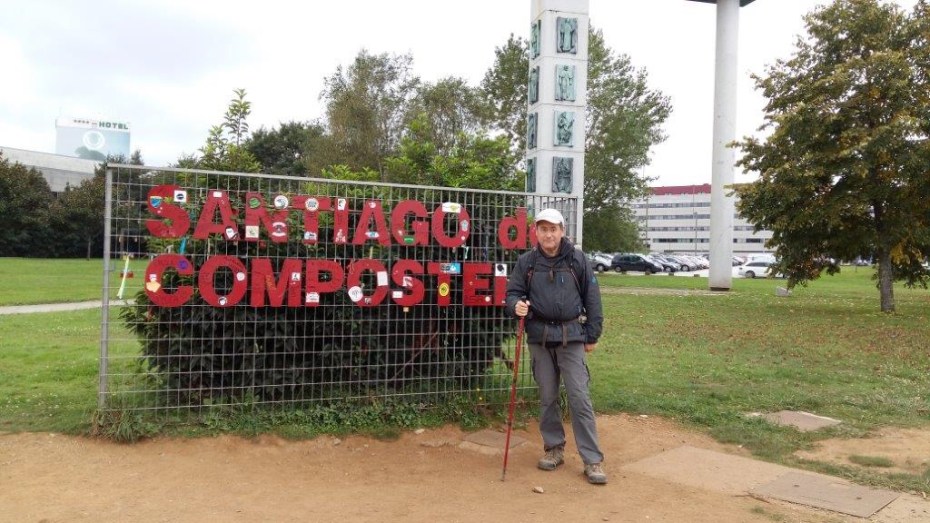
Costa Vella Hotel in Santiago de Compostela – Buen Camino

The Costa Vella Hotel in Santiago de Compostela has been selected by Rolandomio Travel and we are happy to recommend this excellent Hotel. In our opinion, it is an ideal place for everybody that plans to visit the wonderful Galician town Santiago de Compostela. Also, we recommend the Costa Vella Hotel to all those tired Pilgrims that deserve a relaxing and cosy Hotel after their successful completion of the Camino. The room rates (VAT 10% included) are fair and affordable.

At the heart of Santiago de Compostela, World Heritage site, the Costa Vella Hotel offers you a different way to enjoy your stay in the city. Here time takes on a different meaning!

The Costa Vella is situated in Porta da Pena, a street whose name refers to one of the seven gates into the old medieval town. Part of the original city wall forms the boundary to the garden.

The Costa Vella is situated in the old quarter, and the hotel is in the perfect place to visit Compostela – with its numerous churches, monuments and museums, shops and restaurants, cultural atmosphere and nightlife – all within comfortable walking distance.

The Hotel believes that respect for customs and traditions does not mean doing without the everyday conveniences! To this end, the 14 Rooms are a mixture of tradition and modernity, a tasteful combination of carefully restored local architecture with the comforts that modern life offers such as en suite bathroom, television, hair-dryer and so on.

The walled garden is unique in the old city and when the weather is good you may have your breakfast in the shade of apple and lemon trees or read the newspaper under the grapevines.

Costa Vella Hotel in Santiago de Compostela

Costa Vella Hotel in Santiago de Compostela

Alternative, you can always enjoy a refreshment in the cosy environment of the Hotel bar. Enjoy a conversation over a snack and a glass or two of one of the many regional wines.

Start your day in the breakfast-buffet lounge overlooking the garden and with a view of the Convent of San Francisco below. The Hotel especially recommends Galician cheese with honey, Santiago almond cake or the Hotel‘s home-made toasted bread.

In the glass galleried lounge with beautiful views to the surrounding hills, you can prepare your tours around the city or an excursion to the Galician countryside. You can use the extensive selection of maps and guidebooks or, if you prefer to stay in the hotel, that has also a small library.

The hotel offers private parking at 150 meters, free WiFi, social room with free Internet connection, 24-hour front desk, ironing service, car hire, etc.

Costa Vella Hotel is situated just inside the old city walls, in a pedestrian area, at only a stone’s throw from San Martin Pinario Monastery and within 15 minutes walking distance to the Cathedral and its surrounding streets and squares. Enjoy Santiago de Compostela!

Post written in cooperation with Vella Costa Hotel.

Contact

Website: http://www.hotelcostavella.com

Costa Vella Hotel in Santiago de Compostela

Costa Vella Hotel in Santiago de Compostela

Das Costa Vella Hotel in Santiago de Compostela wurde von Rolandomio Travel ausgewählt und wir empfehlen dieses ausgezeichnete Hotel gerne weiter. Unserer Meinung nach ist es ein idealer Ort für alle, die die wunderschöne galizische Stadt Santiago de Compostela besuchen möchten. Auch empfehlen wir das Hotel Costa Vella allen müden Pilgern, die am Ende eines langen und mühsamen Caminos ein erholsames und gemütliches Hotel verdienen. Die Zimmerpreise (inkl. MwSt. 10%) sind fair und bezahlbar.

Im Herzen von Santiago de Compostela, Weltkulturerbe, bietet Ihnen das Costa Vella Hotel eine andere Art den Aufenthalt in der Stadt zu genießen. Hier bekommt die Zeit eine andere Bedeutung!

Das Costa Vella befindet sich in Porta da Pena, einer Straße, deren Name sich auf eines der sieben Tore der alten mittelalterlichen Stadt bezieht. Ein Teil der ursprünglichen Stadtmauer bildet die Grenze zum Garten. Das Costa Vella befindet sich in der Altstadt, und das Hotel ist der perfekte Ort, um Compostela zu besuchen – mit seinen zahlreichen Kirchen, Monumenten und Museen, Geschäften und Restaurants, kultureller Atmosphäre und Nachtleben – alles bequem zu Fuß erreichbar.

Das Hotel findet, dass der Respekt für Bräuche und Traditionen nicht bedeutet, auf die Annehmlichkeiten des Alltags zu verzichten! Zu diesem Zweck sind die 14 Zimmer eine Mischung aus Tradition und Moderne, eine geschmackvolle Kombination aus sorgfältig restaurierter lokaler Architektur mit dem Komfort, den das moderne Leben bietet, wie Bad, Fernseher, Haartrockner und so weiter.

Der ummauerte Garten ist einzigartig in der Altstadt und wenn das Wetter gut ist, können Sie im Schatten von Apfel- und Zitronenbäumen frühstücken oder die Zeitung unter den Weinreben lesen. Alternativ können Sie in der gemütlichen Atmosphäre der Hotelbar immer eine Erfrischung genießen. Unterhalten Sie sich bei einem Snack und einem oder zwei Gläser der vielen regionalen Weine.

Beginnen Sie Ihren Tag in der Frühstückbuffet-Lounge mit Blick auf den Garten und mit Blick auf das Kloster von San Francisco. Das Hotel empfiehlt vor allem galizischen Käse mit Honig, Santiago-Mandel-Kuchen oder das hausgemachte Toastbrot. Im Wintergarten mit einer herrlichen Aussicht auf die umliegenden Hügel können Sie Ihre Touren durch die Stadt oder einen Ausflug in die galizische Landschaft vorbereiten. Sie können die umfangreiche Auswahl an Karten und Reiseführern oder, wenn Sie lieber im Hotel bleiben möchten, auch eine kleine Bibliothek nutzen.

Costa Vella Hotel in Santiago de Compostela

Costa Vella Hotel in Santiago de Compostela

Das Hotel bietet einen privaten Parkplatz (150 Meter entfernt), kostenloses WLAN, einen Gemeinschaftsraum mit kostenlosem Internetzugang, eine 24-Stunden-Rezeption, einen Bügelservice, eine Autovermietung usw.

Das Hotel Costa Vella befindet sich in einer Fußgängerzone, nur einen Steinwurf vom Kloster San Martin Pinario und nur 15 Gehminuten von der Kathedrale und den umliegenden Straßen und Plätzen entfernt. Viel Vergnügen in Santiago de Compostela!

Artikel geschrieben in Zusammenarbeit mit Costa Vella Hotel.

Kontakt

Website: http://www.hotelcostavella.com

Categories: Blogroll, Hotel, Jakobsweg, Spain, Travel | Tags: , , , , , , , , , | 4 Comments

Way of Saint James crossing lake of Zurich

On the south side of Rapperswil train station, a wooden pilgrimage bridge takes you across the lake of Zurich. The Goal of the Pilgrims is the monestary Einsiedeln. Sixteen years ago, this bridge which was originally built in 1358, had been restored. The footbridge is about 850 meters long and reaveals the pilgrims a wonderful far-sighted view over the lake of Zurich. An unforgettable section on the Way of St. James through Switzerland.

Wooden Bridge crossing the Lake of Zurich

Wooden Bridge crossing the Lake of Zurich

Auf der Südseite vom Bahnhof Rapperswil führt ein hölzerner Pilgersteg über den Zürichsee. Das Ziel der Jakobspilger ist das Kloster Einsiedeln. Vor 16 Jahren wurde dieser ursprünglich im Jahr 1358 erbaute Steg nachgebaut. Der Steg ist ca. 850 Meter lang und offenbart dem Pilger eine wunderbare Weitsicht über den Zürichsee. Ein unvergesslicher Abschnitt auf dem Jakobsweg durch die Schweiz.


Categories: Blogroll, Jakobsweg, Switzerland, Travel | Tags: , , , , , | 1 Comment

The Blue emOcean Resort & Dive Center on Moyo island, Indonesia

The Blue emOcean Resort & Dive Center is set on a 1 hectare beachfront land on Moyo island, Indonesia. It is surrounded by a dense jungle and faces out onto the Flores Sea. The resort is owned and managed by a team of professionals coming from Italy with many years of experience in the tourism industry. In order to support the local economy, 80% of the staff of the resort are employed from Moyo island.

The resort features three room types:

  • Backpacker Rooms
  • Superior Rooms
  • Beach Bungalow

Every room is cleaned daily and guests have access to all the resort’s facilities.

The Blue emOcean’s restaurant is located a few meters from the beach and offers the best sunset view of the island. The restaurant’s staff serve Indonesian and international food and of course some Italian specialties as well. Beer, wine and a selection of spirits are also available.

Blue em Ocean Resort Moyo Island Indonesia

The Blue emOcean Resort

The flagship of the resort is definitely the Moyo Dive Center. Moyo Dive Center is located inside the property and offers scuba diving trips, snorkeling trips as well as scuba diving courses for beginners up to the Instructor level. Our resident Course Director and Instructor Trainer has been training instructors in multiple countries since many years. The dive team speaks English, Italian, French and Indonesian.

Blue emOcean’s swimming pool was designed to conduct scuba diving courses and the house reef right in front of the property is ideal for both beginners and experienced divers. The private pier provides an exclusive access to the property and serves both as a starting point for their trips and as an easy entry and exit point for diving and snorkeling on the house reef. The Dive Team organizes free scuba diving trials in the pool every day. Sign up with our staff and one instructor will teach and let you practice the basic skills of scuba diving in the pool’s safe environment free of charge.

Scuba diving around Moyo island is among the best in the world. Coral gardens, deep walls and also a shipwreck are all in easy reach from the Blue emOcean resort.

Scuba Diving and Snorkling experience on Moyo Island at the Blue emOcean Resort

Scuba Diving and Snorkling experience on Moyo island at the Blue emOcean Resort

Moho island is a Marine Protected area since 1990 and it is home to reef sharks, healthy soft and hard corals, seahorses, moray eels, rays, frog fish, octopus and even whale sharks. Also, manta rays occasionally visit the island while dolphins are a normal site when sailing around Moyo. Turtles lay eggs regularly on some of the most secluded beaches of Moyo island and it is common to meet them while scuba diving or snorkeling.

Aside of diving and snorkeling, Moyo offers plenty of activities. The island is covered for its 95% by a dense jungle that hosts monkey, deers, wild buffalos, parrots and other exotjc birds, various species of butterflies, flying foxes, wild pigs and many more species.

The jungle of Moyo island has been declared National Park in 1980, to protect its flora and fauna and to preserve the beauty of some of the most beautiful waterfalls in the world.

The Blue emOcean Resort, a Hidden Paradise on Moyo Island

The Blue emOcean Resort, a Hidden Paradise on Moyo island

The Lady Diana waterfalls (officially called Mata Jitu) are named after the Princess of Wales who used to visit this place and spend some time on Moyo island. Blue emOcean Resort is the perfect starting point to visit this waterfall and the others, both in the north and in the south on the island. A total of three waterfalls are hidden in the jungle of Moyo.

Other activities to enjoy on Moyo include trekking, bicycle- and motorcycle riding, visit to the bat cave, sunset cruising, visit to hidden beaches, local village experience, visit to the vulcanic lake of Satonda island and much more.

For more details visit the website of Blue emOcean and CLICK HERE.

Pool of the Blue emOcean Resort on Moyo island

Pool of the Blue emOcean Resort

Das Blue emOcean Resort & Dive Center befindet sich auf einem 1 Hektar grossen Grundstück auf der Insel Moyo, Indonesien. Es ist von einem dichten Dschungel umgeben mit Blick auf die Flores Sea. Das Resort wird von einem Team von italienischen Fachleuten mit langjähriger Erfahrung in der Tourismusbranche geführt. Um die lokale Wirtschaft zu unterstützen, sind 80% der Beschäftigten Mitarbeiter des Resorts von der Insel Moyo.

Das Resort verfügt über drei Zimmertypen:

  • Backpacker Rooms
  • Superior Zimmer
  • Strandbungalow

Jedes Zimmer wird täglich gereinigt und Du hast Zugang zu allen Einrichtungen des Resorts.

Room of the Blue emOcean Resort

Room of the Blue emOcean Resort

Das Restaurant des Blue emOcean liegt nur wenige Meter vom Strand entfernt und bietet einen wunderbaren Blick auf den Sonnenuntergang. Die Mitarbeiter des Restaurants servieren indonesische und internationale Küche, einige italienische Spezialitäten dürfen natürlich auch nicht fehlen. Bier, Wein und eine Auswahl an Spirituosen sind ebenfalls erhältlich.

Das „Flaggschiff“ des Resorts ist definitiv das Moyo Dive Center. Das Moyo Dive Center bietet Tauchausflüge, Schnorchelausflüge sowie Tauchkurse für Anfänger bis zum Instructor-Level. Der lokale Kursleiter hat eine reiche Erfahrung, er hat Tauch-Instruktoren in verschiedenen Ländern ausgebildet. Das Taucherteam spricht Englisch, Italienisch, Französisch und Indonesisch.

Der Pool von Blue EmOcean wurde für Tauchkurse konzipiert und das „Hausriff“ direkt vor dem Resort ist ideal für beide, Anfänger und erfahrene Taucher. Der private Pier bietet einen exklusiven Zugang zum Resort und dient sowohl als Ausgangspunkt für Ausflüge als auch Ein- und Ausstiegspunkt zum Tauchen und Schnorcheln am Hausriff. Die  Tauch-Instruktoren vermitteln Dir kostenlos die Grundkenntnisse des Tauchens in der sicheren Umgebung des Pools.

Die Tauchgründe rund um die Insel Moyo gehören zu den besten der Welt. Korallengärten, steil abfallende Wände und auch ein Schiffswrack sind vom Blue EmOcean Resort aus leicht zu erreichen.

Scuba Diving and Snorkling in Paradise, the Blue emOcean on Moyo Island

Scuba Diving and Snorkling in Paradise, the Blue emOcean on Moyo Island

Die Insel Moyo ist seit 1990 ein Meeresschutzgebiet und beherbergt Riffhaie, gesunde Weich- und Hartkorallen, Seepferdchen, Muränen, Rochen, Froschfische, Kraken und sogar Walhaie. Ausserdem besuchen gelegentlich Mantas die Insel während Delphine zur Normalität gehören. Schildkröten legen regelmässig ihre Eier an einigen der abgelegensten Strände der Insel Moyo ab und es ist üblich, sie beim Tauchen oder Schnorcheln anzutreffen.

Neben Tauchen und Schnorcheln bietet Moyo zahlreiche andere Aktivitäten. Die Insel ist zu 95% von einem dichten Dschungel bedeckt, beherbergt Affen, wilde Büffel, Papageien und seltene Vögel, verschiedene Schmetterlingsarten, fliegende Hunde, Wildschweine und viele andere exotische Tierarten.

Der Dschungel der Insel Moyo wurde 1980 zum Nationalpark erklärt, um seine Flora und Fauna zu schützen und die Schönheit einiger der schönsten Wasserfälle der Welt zu bewahren.

Die Lady Diana Wasserfälle (offiziell Mata Jitu genannt) sind nach der Prinzessin von Wales benannt, die diesen Ort besuchte und einige Zeit auf der Insel Moyo verbrachte. Insgesamt sind drei Wasserfälle im Dschungel von Moyo versteckt. Das Blue EmOcean Resort ist der perfekte Ausgangspunkt, um diese Wasserfälle zu besuchen. 

Weitere Aktivitäten, die Du auf Moyo buchen, respektive geniessen kannst sind Trekking Ausflüge, Fahrrad- und Motorradfahrten, ein Besuch der Fledermaushöhle, ein romantischer Sonnenuntergang auf hoher See, ein Besuch versteckter Strände, ein Dorferlebnis, ein Besuch des Vulkansees der Insel Satonda und vieles mehr.

KLICK HIER für weitere Informationen über das Blue emOcean Resort.

Categories: Blogroll, Hotel, Indonesia, Nature | Tags: , , , , | 9 Comments

Piazza Venezia in Rome, Italy

The “Vittoriano” in Rome, or more precisely the “Monumento Nazionale a Vittorio Emanuele ll”, was built in honor of the first king of the newly formed Kingdom of Italy. Planning and construction works began in the late 19th century and were completed in 1927. This impressive monument reminds me of my old Remington typewriter. Actually, it is known by the Romans as the “Macchina da scrivere”. The Vittoriano is located at the Piazza Venezia, a place in the heart of the city that functions  like a magnet, connecting the old and the new Rome. For example, the Forum Romanum and the Colusseum are within walking distance from the Piazza Venezia. 

Vittoriano

Vittoriano

Located at the same piazza is the Palazzo Venezia which was built in the late 15th century by the Venetian Cardinal and Pope Barbo; it was later donated by Pius IV, another Pope, to the Republic of Venezia and it served from 1922 to 1943 as the seat of Mussolini’s fachist government. 

The Palazzo Venezia is an impressive Renaissance building; especially the courtyard with its beautiful fountain impressed me. I believe it’s well worth a visit, particularly during the summer season, there is always something going on, including concerts in the gardens of the Palazzo. Have fun!

Fountain in the gardens of the Palazzo Venezia

Fountain in the gardens of the Palazzo Venezia

Das “Vittoriano” in Rom, oder genauer das “Monumento Nazionale a Vittorio Emanuele ll”, wurde zu Ehren des ersten Königs des neu gegründeten Königreichs Italien erbaut. Die Planungs- und Bauarbeiten begannen im späten 19. Jahrhundert und wurden im Jahre 1927 fertiggestellt. Dieses beeindruckende Denkmal erinnert mich an meine alte Remington Schreibmaschine. Unter Römern wird es auch spasseshalber so genannt („Macchina da scrivere”). Das „Vittoriano“ befindet sich an der Piazza Venezia. Ein Ort im Herzen der Stadt der für mich wie ein Magnet wirkt, es verbindet das Alte mit dem Neuen Rom. Das Forum Romanum mit dem Colusseum ist von der Piazza Venezia aus in wenigen Gehminuten zu erreichen. 

An derselben Piazza befindet sich der Palazzo Venezia, welcher Ende des 15. Jahrhunderts von dem venezianischen Kardinal und Papst Barbo erbaut wurde. Es wurde später von Pius IV., einem anderen Papst, der Republik Venezia geschenkt und diente von 1922 bis 1943 als Sitz der fachistischen Regierung Mussolinis.

Der Palazzo Venezia ist ein beeindruckendes Renaissancegebäude, vor allem der Innenhof mit seinem schönen Brunnen hat mich beeindruckt. Ich glaube, es ist einen Besuch wert, besonders während der Sommersaison ist dort immer etwas los, einschließlich Konzerte in den Gärten des Palazzo. Ich wünsche Dir viel Spass!

Categories: Blogroll, Italy, Monument | Tags: , , | 10 Comments

Protaras, a seaside Resort in Cyprus

Before it starts snowing in Switzerland and the days are getting shorter, we have decided to spend a few days bathing in Protaras in Cyprus.

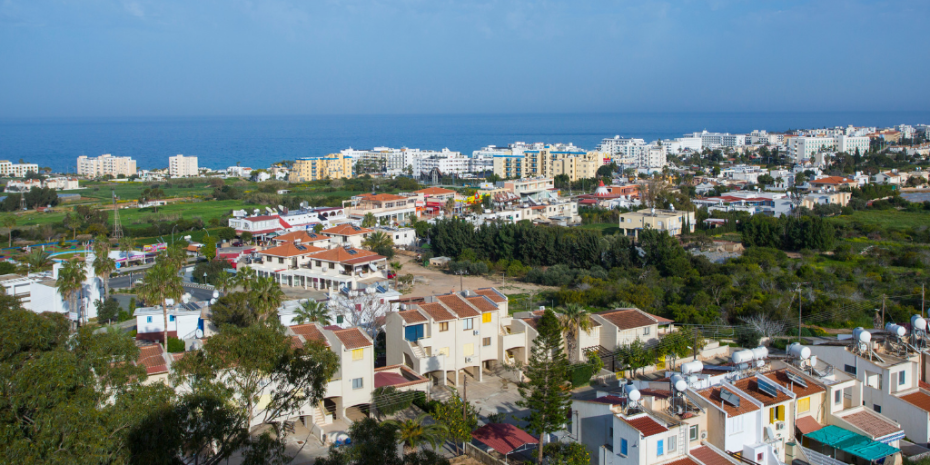
Protaras, as well as Agia Napa, are two seaside resorts in Cyprus that were built, following the demarcation and establishment of the Turkish Republic of Northern Cyprus in the 1970s, as a replacement for the resort of Famagusta. Politically, the city of Protaras which mainly consists of hotels, holiday homes, shops and restaurants, belongs to Paralimni. The quiet and family-friendly seaside resort is located on the sandy shores of the Cypriot Fig Tree Bay. The main attraction is, of course, the beautiful beach sloping gently into the sea; Protaras is an ideal place for experienced and less experienced swimmers and water sports enthusiasts.

Also, Protaras offers a very large selection of restaurants, bars and other entertainment offers for young and old. Further, there are plenty of boutiques and souvenir shops and the relatively reasonable prices are tempting to buy one or the other bargain 🙂

If you want to know more about the tourist attractions and offers, the friendly and knowledgeable Tourist Guides of the Cyprus Tourism Organization will gladly provide you with lots of useful information in the local Tourist Information Points which one can find all over the country. 

My overall rating for the holiday destination Cyprus is: gladly again! On this island one gets value for money; and the guests are meeting friendly and welcoming hosts!

Protaras, Cyprus

Protaras, Cyprus

Bevor es bei uns in der Schweiz zu schneien beginnt und die Tage kürzer werden, haben wir uns für einen kurzen Badeurlaub in Protaras auf Zypern entschieden.

Protaras, wie auch Agia Napa, sind zwei Badeorte in Zypern welche nach der Grenzziehung und Errichtung der Türkischen Republik Nordzypern in den 1970er Jahren als Ersatz für den nicht mehr zugänglichen Badeort Famagusta neu erschlossen wurden. Politisch gehört die Stadt Protaras aus Hotels, Ferienhäusern, Shops und Restaurants zu Paralimni. Das ruhige und familienfreundlich Protaras liegt an der sandigen Küste der zypriotischen Feigenbaumbucht. Die Hauptattraktion ist natürlich der herrliche leicht ins Meer abfallende Strand; Protaras ist ein idealer Badeort für erfahrene und weniger geübte Schwimmer und Wassersportler.


Auch abseits vom Strand bietet Protaras eine sehr grosse Auswahl an Restaurants, Bars und anderen Unterhaltungsmöglichkeiten für Jung und Alt. Boutiquen und Souvenir Shops gibt es hier im Überfluss und die relativ vernünftigen Preise können zum Kauf des einen oder anderen Schnäppchens verleiten 🙂

Wenn man sich über die touristischen Attraktionen und Angebote informieren möchte helfen die freundlichen und sachkundigen Tourist Guides in den Tourist Information Points mit vielen nützlichen Informationen gerne weiter. Mein Gesamturteil für die Feriendestination Zypern lautet: gerne wieder! Auf dieser Insel stimmt das Preis-Leistungsverhältnis und die Gäste treffen auf freundliche und herzliche Gastgeber!

Categories: Blogroll, Cyprus, Travel | Tags: , , , | Leave a comment

Visit Lucerne in Switzerland and cross the Chapel Bridge

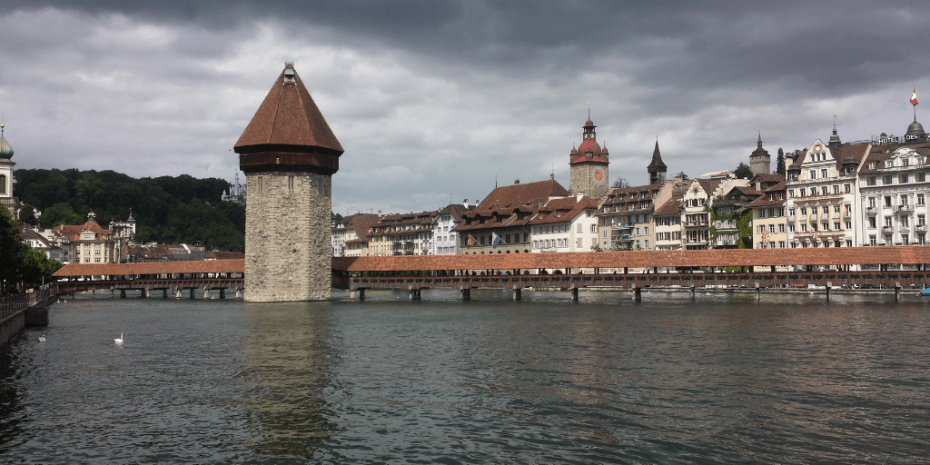
Built in 1365, the Chapel Bridge, the landmark and one of the many tourist attractions of the city of Lucerne in Switzerland, is the oldest and second longest covered wooden bridge in Europe. In the gable of the bridge are triangular paintings from the 17th century, which represent important scenes of Swiss history. Every day, thousands of tourists from all over the world cross this bridge, which was largely destroyed and immediately rebuilt after a fire in 1993. For me, a visit of the city Lucerne would be inconceivable without crossing this wooden bridge over the river Reuss which connects the old with the former Neustadt Lucerne.

Chapel Bridge Lucerne

Chapel Bridge Lucerne

Die 1365 erbaute Kapellbrücke, das Wahrzeichen und eine der vielen Touristenattraktionen der Stadt Luzern in der Schweiz, ist die älteste und zweitlängste überdachte Holzbrücke Europas. Im Giebel der Brücke sind dreieckige Gemälde aus dem 17. Jahrhundert, die wichtige Szenen der Schweizer Geschichte darstellen. Jeden Tag überqueren tausende Touristen aus aller Welt die Brücke, die nach einem Brand 1993 weitgehend zerstört und sofort wieder aufgebaut wurde. Für mich wäre ein Besuch der Stadt Luzern undenkbar, ohne diese Holzbrücke über die Reuss zu überqueren verbindet das Alte mit der ehemaligen Neustadt Luzern.


Categories: Blogroll, Museum, Switzerland, Travel, Weltreisen | Tags: , | 5 Comments

A big thank you to all my 1500 Followers!

A big hello to everyone, today is another day to celebrate! I am very glad that you all follow my blog and for that I would like to thank you. It’s hard to believe, but in only ten months of active blogging, my Blog has now 1500 Followers and you’re one of them! It is very motivating to continue and I hope to entertain you with many new and interesting posts in the future!

I am striving to regularly publish interesting articles and stories about my travels as well as tips and recommendations. My goal with this blog is to give you travel inspirations and to show that your “paradise” is just an airplane or a train ticket (or a boat trip) away!

Many thanks for following my Blog and many exciting, relaxing and happy travels !!! 😊

Ein großes Hallo an alle, heute ist wieder ein Tag zum feiern! Ich bin sehr froh, dass ihr alle meinem Blog folgt und dafür möchte ich bei euch herzlich bedanken. Es ist schwer zu glauben, aber in nur zehn Monaten aktiven bloggens hat mein Blog bereits 1500 Followers und du bist einer von ihnen! Es ist sehr motivierend weiterzumachen und ich hoffe, Dich mit vielen neuen und interessanten Posts in der Zukunft zu unterhalten!

TravelBlog

Thanks for following my Travel Blog

Ich bin bestrebt, regelmäßig interessante Artikel und Geschichten über meine Reisen sowie Tipps und Empfehlungen zu veröffentlichen. Mein Ziel mit diesem Blog ist es, Dir Reiseinspirationen zu geben und zu zeigen, dass Dein “Paradies” nur ein Flugzeug oder ein Zugticket (oder eine Bootsfahrt) entfernt ist!

Vielen herzlichen Dank fürs Folgen und viele spannende, erholsame und glückliche Reisen !!! 😊


Categories: Blogroll | Tags: , , | 42 Comments

Johannes Brahms House in Baden-Baden, Germany

Did you know that the ingenious German composer Johannes Brahms (1833 – 1897) composed or completed many of his famous works in a mansard apartment in Baden-Baden-Lichtenfeld during the summer months of 1865-1874? This lavish spa resort, not far from his apartment, was also home to his lifelong friend, composer and pianist Clara Schuhmann. The shingled house from the 19th century remained unchanged until today; and the living quarters of Johannes Brahms are nowadays a museum.

More information about the Brahms Haus and the opening times of the museum can be found on the following website: http://www.brahms-baden-baden.de

Brahms House in Baden-Baden, Germany

Brahms House in Baden-Baden, Germany

Wussten Sie, dass der geniale deutsche composer Johannes Brahms (1833 – 1897) während den Sommermonaten der Jahre 1865 bis 1874 in einer Mansarden Wohnung in Baden-Baden-Lichtenfeld viele seiner berühmten Werke komponierte oder vollendete. In diesem eleganten Kurort, nur unweit von seiner Wohnung entfernt, wohnte zu dieser Zeit ebenfalls seine lebenslange Freundin, die Komponistin und Pianistin Clara Schuhmann. Das schindelgedeckte Haus aus dem 19. Jahrhundert blieb bis zur heutigen Zeit unverändert; und die Wohnräume von Johannes Brahms sind heute ein Museum.

Mehr Informationen über das Brahms Haus und die Öffnungszeiten des Museums finden Sie auf folgender Webseite: http://www.brahms-baden-baden.de

Categories: Art, Blogroll, Kunst, Museum, Music, Travel | Tags: , , , , , , | 5 Comments

Lucerne Switzerland – The Lion Monument

The Lion Monument is located in the center of the city of Lucerne, in front of the Glacier Garden, a natural monument and museum, and not far from the Bourbaki Panorama on Löwenplatz.

The monument commemorates the heroic death of the Swiss Guards who died in 1792, who protected the French King Louis XVI from his own people and were killed by the revolutionaries in the assault on the Royal Palace and the Tuileries. The carved in stone “dying lion of Lucerne” is one of the most famous monuments in Switzerland. Every year it is visited and photographed by nearly 2 million tourists from all over the world.

Lion Monument Lucerne

The Lion Monument Lucerne

Das Löwendenkmal befindet sich im Zentrum der Stadt Luzern und liegt vor dem Gletschergarten, ein Naturdenkmal mit Museum, unweit vom Bourbaki Panorama am Löwenplatz. 

Das Monument erinnert an den Heldentot der 1792 gefallenen Schweizergardisten die den französischen König Louis XVI vor seinem eigenen Volk beschützten und von den Revolutionären beim Sturm auf das Königliche Schloss und die Tuilerien getötet wurden. Der in Stein gemeisselte „sterbende Löwe von Luzern“ ist eines der bekanntesten Denkmäler in der Schweiz. Jedes Jahr wird er von beinahe 2 Millionen Touristen aus der ganzen Welt besucht und fotografiert.


Categories: Blogroll, Monument, Museum, Switzerland, Travel | Tags: , | 5 Comments

Hotels in Santiago de Compostela for Pilgrims

Dear pilgrim friends, are you tired and would you like to end your Camino in Santiago de Compostela? Perhaps my hotel recommendations could help you in choosing an accommodation.

My selection criteria for my list of recommendations are based on the experience and feedback of many pilgrims, ratings and reviews in social media and of course my personal preferences and evaluation criteria, such as a good bed, cleanliness, good location, friendliness of the hotel staff and last but not least value for money.

Nevertheless, my Hotel selection is subjective and many of the hotels not listed here are also excellent and can also be booked with the enclosed link through Booking.com

BOOK NOW and CLICK HERE

Rolandomio’s Hotel Recommendations for „tired“ pilgrims in Santiago de Compostela: 

Hostal Suso (-); Hospederia San Martin Pinario (*); Pension Residencia Fonseca (*); Casa Celsa Barabantes (**); Hotel Bonaval (**); PR Libredón (**); Nest Style (***); Hotel Rua Villar (***); Hotel Lux (***); Altair Hotel (***); San Francisco Hotel Monumento (****); NH Collection Santiago de Compostela (****); Hostal Reis Catolicos (*****)

Buen Camino!

Santiago de Compostela Santiago de Compostela

Liebe Pilgerfreunde, seid ihr müde und möchtet ihr euren Jakobsweg in Santiago de Compostela noch ausklingen lassen; dann könnten euch meine Hotelempfehlungen als Entscheidungshilfe bei der Wahl einer Unterkunft nützlich sein. 

Meine Auswahlkriterien für diese Empfehlungsliste basieren auf Erfahrungen und Feedback vieler Pilger, Ratings und Bewertungen in Sozialen Medien und selbstverständlich meine ganz persönlichen Präferenzen und Bewertungskriterien, wie zum Beispiel ein gutes Bett, Sauberkeit, gute Lage, Freundlichkeit des Hotelpersonals sowie ein gutes Preis-Leistungsverhältnis.

Meine Hotelauswahl ist jedoch subjektiv und viele der hier nicht gelisteten Hotels sind ebenfalls ausgezeichnet und können über den beigefügten Link bei Booking.com gebucht werden.

JETZT BUCHEN mit einem CLICK

Rolandomio’s Hotelempfehlungen für „müde“ Pilger in Santiago de Compostela: 

Hostal Suso (-); Hospederia San Martin Pinario (*); Pension Residencia Fonseca (*); Casa Celsa Barabantes (**); Hotel Bonaval (**); PR Libredón (**); Nest Style (***); Hotel Rua Villar (***); Hotel Lux (***); Altair Hotel (***); San Francisco Hotel Monumento (****); NH Collection Santiago de Compostela (****); Hostal Reis Catolicos (*****)

Buen Camino!

booking

Categories: Blogroll, Hotel, Jakobsweg, Pilgrimage, Spain, Travel | Tags: , , | 4 Comments

Hermitage and Peterhof Fountains in St. Petersburg, Russia

This May we visited St. Petersburg. There were many reasons to travel to the beautiful City of St. Petersburg. Russia is famous for the Romanov dynasty and the Winter Palace (a.k.a. Hermitage). The famous Peterhof fountains are also something you definitely should see while globetrotting.

We visited both places – the Winter Palace and the Peterhof Fountains.

First, we went to the Hermitage Museum and saw the famous Leonardo Da Vinci paintings:  “Madonna and Child with Flowers” and “Madonna Litta”. It was quite an experience. Surprisingly, Da Vinci wasn’t the biggest hit in the museum for us! There is a painting “Danae” by Rembrandt which was attacked by a so-called „art-fan“ Bronius Maigys in 1985. He splashed the painting with sulfuric acid and the picture turned into a complete mess! The restoration started immediately. Now you can see almost no traces of the damage. Unbelievable! Look at the picture attentively. In the center, you can see the lines are blurred. What kind of art is it to make people so emotional?! Anyway, the Hermitage is a huge treasure of art and you can spend there a lot of time. But I’d recommend seeing “Danae”, Leonardo Da Vinci and the Golden Peacock.

Post written in co-Operation with Saint Petersburg Private Tours:

Hermitage St. Petersburg

Hermitage St. Petersburg

The second part of our tour was a hydrofoil trip to the Peterhof Gardens.

We got on board right from the Hermitage and went through the Gulf of Finland by water. Perfect!!! You really need to try it. There is a huge skyscraper on the shore and it gives an amazing contrast to the classic buildings around. Finally, when we got to the Peterhof Gardens it was even better than we expected. The port is in the gardens, so you don’t have to walk to it. It’s all there already. The biggest surprise was the Grand Cascade! What a spectacular view! Right in the middle of the fountain ensemble, there is a huge statue of Samson fighting a lion. The golden lady nearby shines in pure gold! We spent about two hours walking along the fountains and ponds and don’t regret a second that we spent there. Highly recommended. At about 6 p.m. we got back to the hydrofoil and returned to St. Petersburg.

When the tour was over I definitely felt like it gave me the essence of St. Petersburg. The day was not exhausting at all and we saw everything we needed to.

So what I’d personally recommend when coming to St. Petersburg:

  • Use water transport. We tried a hydrofoil and it was fantastic!
  • Don’t be afraid of the museums with crowds of people, there are ways to skip the line. We didn’t wait at all.
  • Visit Peterhof Fountains because this is what you’ll remember for the rest of your life.

The tour we took here, you can book it online, just like us.

Post written in co-operation with Saint Petersburg Private Tours: Report from Valentin Kosovsky (co-author)

Hermitage

Hermitage St. Petersburg

Im Mai besuchten wir St. Petersburg in Russland. Es gab viele gute Gründe für diese Reise. Russland ist berühmt für die Romanov-Dynastie und den Winterpalast (Hermitage). Die berühmten Peterhof-Fontänen sind auch etwas, das Globetrotter unbedingt sehen sollten.

Wir besuchten beide Orte – das Winterpalais und die Peterhof Fountains.

Zuerst besuchten wir in die Eremitage und sahen die berühmten Gemälde von Leonardo Da Vinci: “Madonna und Kind mit Blumen” und “Madonna Litta”. Es war eine ziemliche Erfahrung. Überraschenderweise war Leonardo Da Vinci nicht der größte Hit im Museum für uns! Es gibt ein Gemälde “Danae” von Rembrandt, das 1985 von Bronius Maigys, einem sogenannten „Kunstfan“ attackiert wurde. Er bespritzte das Gemälde mit Schwefelsäure und fügte dem Bild grossen Schaden zu! Die Restaurierung begann sofort. Heute kann man fast keine Spuren des Schadens mehr sehen. Nicht zu fassen! Schau dir das Bild aufmerksam an. In der Mitte des Bildes sieht man, dass die Linien verschwommen sind. Was für eine Kunst ist es, die Menschen so emotional macht ?! Wie auch immer, die Hermitage hat einen unermesslichen Kunstschatz und man kann dort sehr viel Zeit verbringen. Aber wenn die zur Verfügung stehende Zeit nicht reicht, sollte man unbedingt „Danae”, Leonardo Da Vinci und den Golden Peacock gesehen haben.

Der zweite Teil unserer Tour war eine Tragflügelbootfahrt zu den Peterhof-Gärten.

Wir gingen direkt bei der Hermitage an Bord des Tragflügelboots und fuhren auf dem Wasser durch den Finnischen Meerbusen. Perfekt!!! Du musst es wirklich versuchen. Es steht einen riesiger Wolkenkratzer am Ufer und es bietet einen erstaunlichen Kontrast zu den klassischen Gebäuden in dieser Gegend. Als wir schließlich zu den Peterhof Gärten kamen, war es noch viel besser als wir erwartet hatten. Der Hafen ist in den Gärten, so dass Sie nicht zu Fuß gehen müssen. Es ist alles schon da. Die größte Überraschung waren die Grossen Kaskaden! Was für eine spektakuläre Aussicht! In der Mitte des Springbrunnenensembles steht eine riesige Statue von Samson, die gegen einen Löwen kämpft. Die goldene Dame in der Nähe glänzt in reinem Gold! Wir verbrachten ungefähr zwei Stunden entlang der Fontänen und Teiche und bereuen keine Sekunde, die wir dort verbracht haben. Sehr empfehlenswert. Um ca. 18 Uhr Kehrten wir mit dem Tragflächenboot zurück nach St. Petersburg.

Als die Tour vorbei war, hatte ich definitiv das Gefühl, das wesentliche von St. Petersburg gesehen zu habe. Der Ausflug war überhaupt nicht anstrengend und wir sahen alles, was wir uns wünschten.

Also, was ich persönlich empfehlen würde, solltet ihr St. Petersburg besuchen: 

  • Wassertransport verwenden. Wir haben ein Tragflächenboot ausprobiert und es war fantastisch!
  • Haben Sie keine Angst vor den Museen mit Menschenmassen, es gibt Möglichkeiten, die Linie zu überspringen 🙂 Wir mussten überhaupt nicht lange warten!
  • Besuchen Sie unbedingt die Peterhof Fountains, ein unvergessliches Erlebnis!

Die Tour, die wir gemacht haben, ist hier, Sie können sie online buchen, genau wie wir.

Artikel geschrieben in Zusammenarbeit mit Saint Petersburg Private Tours: Report von Valentin Kosovsky (Co-Autor)

booking

Categories: Blogroll, Landmark, Museum, Russia, St. Petersburg, Travel | Tags: , , | 7 Comments

Charlie Chaplin in Corsier-sur-Vevey, Switzerland

Did you know that Charlie Chaplin lived in Switzerland until his death. On December 25, 1977, he died at home in his house in Corsier-sur-Vevey at the age of 88. Charlie Chaplin was a victim of the McCarthy era. Under the leadership of Senator McCarthy, the “House Committee on Un-American Activities” accused this great actor, screenwriter, director, producer, composer and pioneer of today’s film industry to be a „Communist”! These accusations reached him whilst on a trip abroad in Geneva. He was warned, that should he return to the United States of America he would risk internment and imprisonment. Hence, Charlie Chaplin decided to settle with his family in the Manoir de Ban, a neoclassical manor house with a huge park in Corsier-sur-Vevey overlooking Lake Geneva. A statue on the lakeside promenade in Vevey commemorates the 25 years that Chaplin lived at the Swiss Riviera.

His property in Corsier-sur-Vevey has been opened to the public three years ago. On 16 April 2016, after several years of construction, one of Switzerland’s most beautiful museums, “Chaplin’s World” officially opened its doors.

My visit began in the Manoir where Charlie Chaplin (a lifelike wax figure) awaits the visitors at the entrance of his house inviting them to take a tour through his private rooms. 

After a walk through the park you will reach the real highlight of Chaplin’s World, the actual museum, in my opinion, a museum of superlatives! The tour starts in the museum’s cinema with a short film about Chaplin’s life. Then, the canvas rises and the visitors walk into a circus tent, where Chaplin admirers, amongst others, Federico Fellini and Roberto Benigni, romp about as lifelike wax figures in the circus ring. After that, a long staircase takes you down to a Hollywood studio of the 1920s. The visitors walk through the film sets of Chaplin’s greatest movies like “Modern Times” and “The Kid”. Visitors stroll past buildings and scenery, some of them may look familiar, they encounter actors (wax figures) and reconstructed film scenes of the good old silent movie era. 

Today Charlie Chaplin rests next to his wife in the cemetery of Corsier-sur-Vevey.

Charlie Chaplin in Vevey Switzerland

Charlie Chaplin in Vevey Switzerland

Haben sie gewusst, dass Charlie Chaplin bis zu seinem Tod in der Schweiz lebte. Am 25. Dezember 1977 verstarb er mit 88 Jahren zu Hause in Corsier-sur-Vevey. Charlie Chaplin wurde Opfer der McCarthy Ära. Der „ Ausschuss für unamerikanische Umtriebe“ unter der Leitung von Senator McCarthy unterstellte diesem grossartigen Schauspieler, Drehbuchautor, Regisseur, Produzent, Komponist und Pionier der heutigen Filmindustrie „Kommunist“ zu sein! Diese Anschuldigungen erreichten ihn während einer Auslandsreise in Genf. Er wurde gewarnt, dass er, sollte er in die Vereinigten Staaten von Amerika zurückkehren, eine Internierung und Inhaftierung riskieren würde. Als Folge liess sich Charlie Chaplin mit seiner Familie im Manoir de Ban, einem Herrschaftshaus im neoklassizistischem Stil mit einer riesigen Parkanlage, in Corsier-sur-Vevey oberhalb des Genfersee nieder. Eine Statue an der Seepromenade in Vevey erinnert an die 25 Jahre, die Chaplin an der Schweizer Riviera verbrachte.

Seit drei Jahren ist Charlie Chaplin‘s Anwesen in Corsier für die Öffentlichkeit zugänglich. Am 16. April 2016, nach einer mehrjährigen Bauzeit, öffnete eines der schönsten Museum der Schweiz, das „Chaplin’s World“ offiziell seine Türen.

Mein Besuch begann im Manoir wo man bereits am Eingang von Charlie Chaplin (einer lebensechten Wachsfigur) freundlich zu einem Rundgang durch seine Privaträume eingeladen wird. Nach einem Spaziergang durch den Park gelangt man zum eigentlichen Höhepunkt dieser Entdeckungsreise durch Chaplin’s World, dem eigentlichen Museum, einem Museum der Superlative! Im Kinosaal des Museum’s gehts los mit einem kurzen Film über Chaplin‘s Leben. Dann hebt sich die Leinwand und die Besucher gelangen in ein Zirkuszelt, wo sich Chaplin-Bewunderer unter anderen Federico Fellini und Roberto Benigni als lebensechte Wachsfiguren in der Manege tummeln. Danach geht es über eine lange Treppe hinunter in ein Hollywood-Studio der 1920er Jahre. Man wandelt durch die Filmsets seiner grössten Filme wie „Modern Times“ und „The Kid“. Die Besucher schlendern vorbei an Gebäuden und Kulissen, an Filmfiguren und nachgebauten Szenen und man erinnert sich dabei an den einen oder anderen Film der guten alten Stummfilmzeit.

Heute ruht Charlie Chaplin neben seiner Frau auf dem Friedhof von Corsier-sur-Vevey.

Categories: Blogroll, History, Kunst, Movies, Museum, Switzerland | Tags: , , , | 3 Comments

The Dream Factory Cinecittà in Rome, Italy

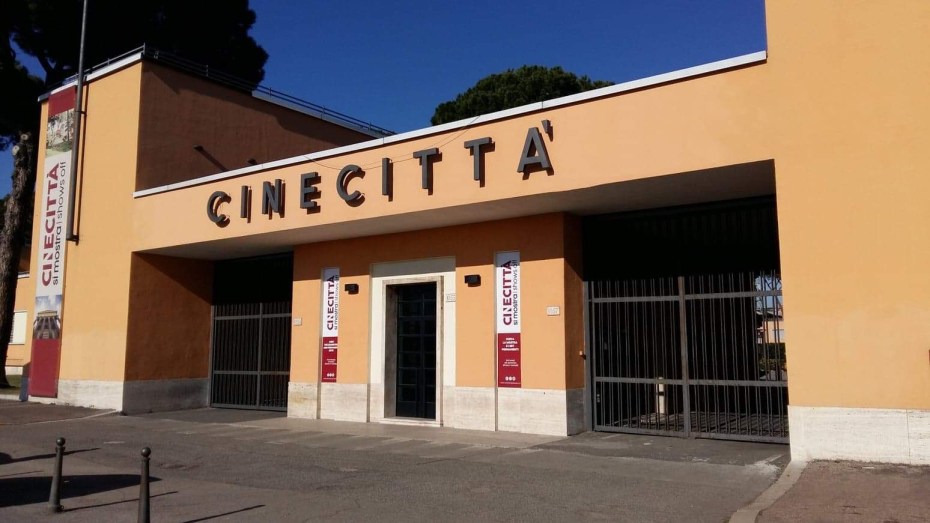
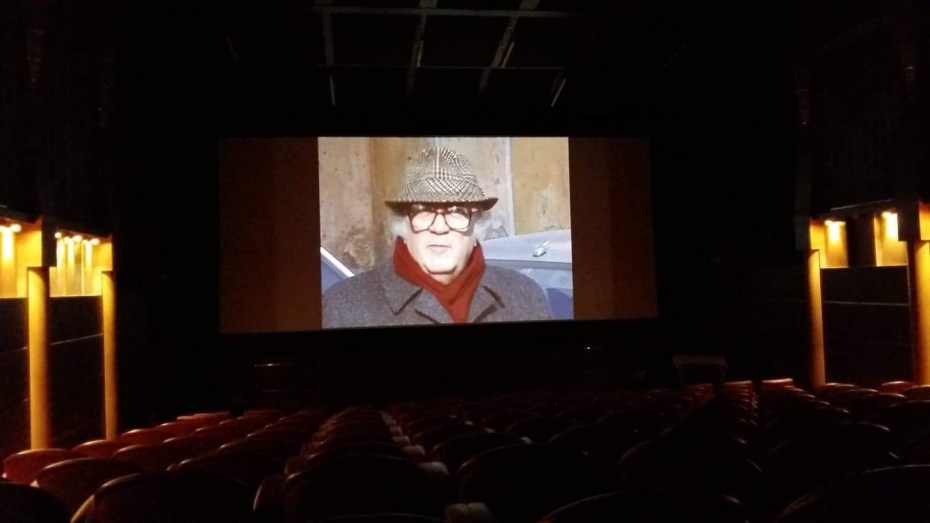
Cinecittà was the largest dream factory in Europe for some time after World War II and the second largest in the world after Hollywood. Since 1937, more than 3,000 films have been shot in Cinecittà and in its film studios, many of these films were nominated for the Oscar or have won the prize. Colossal movies like Quo Vadis, Ben Hur, Cleopatra and Fellini‘s masterpieces, starting with La Dolce Vita, were shot here. Cinecittà was also the production site of many Italo Western by directors such as Sergio Leone or Sergio Corbucci. In the 2000s, Cinecittà was amongst others the location for Scorsese’s Gangs of New York, Mel Gibson’s The Passion of Christ and Roberto Benigni’s Pinocchio.

Cinecittà

Main Entrance to the Dream Factory Cinecittà in Rome, Italy

Studio 5 of Cinecittà was Fellini’s favorite place of work where he also lived during the production of his movies. In fact, Cinecittà was Federico Fellini! Then as now, Studio 5 is the largest of its kind and is currently used for the television series The new Pope by Paolo Sorrentino with Jude Law and John Malkovich.

Studio 5 of Cinecittà was Fellini's favorite place of work where he also lived during the production of his movies

Studio 5 of Cinecittà was Fellini’s favorite place of work where he also lived during the production of his movies.

Ideal for shots in the open is the oversized Green Screen in front of a huge outdoor theater stage with a water basin that could be flooded for scenes on the water. Replicas of Roman houses and streets, as in Pompeii at that time, or rebuilt Roman temples and triumphal arches in polyester are now increasingly used as backdrops for television productions.

Daily guided tours through the film sets and studios take the visitors back to the time of great Italian and international movies. The dream factory is located on the outskirts of Rome and can be reached by metro (Linea A) from the city center in just 30 minutes.

Cinecittà

Replicas of Roman houses and streets, as in Pompeii at that time, or rebuilt Roman temples and triumphal arches in polyester.

Die Cinecittà war nach dem Zweiten Weltkrieg für einige Zeit die grösste Traumfabrik in Europa und nach Hollywood die zweitgrösste der Welt. Seit 1937 wurden in der Cinecittà und in seinen Filmstudios mehr als 3.000 Filme produziert. Viele dieser Filme erhielten eine Oscar Nominierung oder haben den Preis gewonnen. Hier entstanden kolossale Filme wie Quo Vadis, Ben Hur, Cleopatra und angefangen mit La Dolce Vita, Fellini’s Meisterwerke. Cinecittà war auch die Produktionsstätte vieler Italo Western von Regisseuren wie Sergio Leone oder Sergio Corbucci. In den 2000er Jahren war die Cinecittà unter anderem der Ort für Scorsese’s Gangs of New York, Mel Gibson‘s The Passion of Christ und Roberto Benigni‘s Pinocchio.

Cinecittà

Ideal for shots in the open is the oversized Green Screen in front of a huge outdoor theater stage with a water basin.

Das Studio 5 von Cinecittà war Fellinis Lieblingsarbeitsplatz an dem er während seiner Dreharbeiten auch wohnte. Die Cinecittà war zu jener Zeit Federico Fellini! Damals wie heute ist das Studio 5 das grösste seiner Art und wird gegenwärtig für die Fernsehserie Der neue Papst von Paolo Sorrentino mit Jude Law und John Malkovich verwendet.

Cinecittà

Fellini‘s masterpieces, starting with La Dolce Vita, were shot in Cinecittà.

Ideal für Aufnahmen im Freien ist der übergrosse Green Screen vor einer riesigen Freilichtbühne mit einem Becken welches man für Szenen auf dem Wasser auch Fluten könnte. Repliken römischer Häuser und Strassen, wie damals in Pompeji, oder der Nachbau römischer Tempel und Triumphbögen aus Polyester werden heute zunehmend als Kulissen für Fernsehproduktionen verwendet.

Cinecittà

Colossal movies like Quo Vadis, Ben Hur and Cleopatra were shot in Cinecittà.

Tägliche Führungen durch die Filmsets und Studios führen die Besucher zurück in die Zeit grosser italienischer und internationaler Filmkunst. Die Traumfabrik Cinecittà befindet sich am Stadtrand von Rom und ist mit der U-Bahn (Linea A) vom Stadtzentrum in nur 30 Minuten erreichbar.

Categories: Art, Blogroll, Italy, Landmark, Museum | Tags: , , | 3 Comments

A very old Fig Tree in Ayia Napa, Cyprus

Ayia Napa monastery is located in the southern part of the Famagusta district in Cyprus. The first buildings in Napa date back to the 12th century. At that time, a church and a mansion was built for the arriving Crusaders during a period when Cyprus was still part of the Byzantine Empire. After the conquest by the Venetians in 1489, the existing complex was converted into a monastery and structural changes were made; pilgrims received a large dormitory, and vacant rooms on the east side of the monastery were converted into monk cells. The point of attraction for Christians of all religions was the miraculous icon of Maria, which can still be visited today in the caves of the church. After the Ottoman conquest in 1571, the monastery was transferred to the Orthodox Church and abandoned, after a short flowering, in the 18th century.

Fig Tree in Ayia Napa, Cyprus

Fig Tree in Ayia Napa, Cyprus

What particularly impressed me during my visit to this former monastery was the more than 600-year-old fig tree in front of the southern entrance of this historically important site. If this tree could speak, it would have many stories to tell, from the Byzantine and Venetian merchants, about the pilgrims on their way to Jerusalem, the monks and popes of the monastery, the rulers of the Ottoman Empire, the warlike conflicts that were fought in its shadow, but also about the transformation of a formerly idyllic place into a loud and shrill party mile of our modern times just a few steps behind the monastery. The age of this sublime tree and its experience weigh so heavily that its low-hanging branches must be carried with iron columns!

Monastery in Ayia Napa

Monastery in Ayia Napa

Das Kloster Ayia Napa befindet sich im südlichen Teil des Bezirks Famagusta auf Zypern. Die ersten Gebäude in Napa stammen aus dem 12. Jahrhundert. Zu dieser Zeit, als Zypern noch Teil des Byzantinischen Reiches war, wurde eine Kirche und ein Herrenhaus für die ankommenden Kreuzfahrer gebaut. Nach der Eroberung durch die Venezianer im Jahr 1489 wurde der bestehende Komplex in ein Kloster umgewandelt und bauliche Veränderungen vorgenommen. Pilger bekamen einen großen Schlafsaal, und leere Räume auf der Ostseite des Anlage wurden in Mönchszellen umgewandelt. Anziehungspunkt für Christen aller Religionen war die wundrbringende Ikone der Maria, welche man heute noch in den Gewölben der Kirche besuchen kann. Nach der osmanischen Eroberung im Jahr 1571 wurde das Kloster der orthodoxen Kirche übertragen und nach einer kurzen Blüte im 18. Jahrhundert aufgegeben.

Monastery in Ayia Napa

Monastery in Ayia Napa

Was mich bei meinem Besuch in diesem ehemaligen Kloster besonders beeindruckte, war der über 600 Jahre alte Feigenbaum vor dem südlichen Eingang dieses historisch bedeutsamen Ortes. Wenn dieser Baum sprechen könnte, hätte er viele Geschichten zu erzählen, von den byzantinischen und venezianischen Händlern, den Pilgern auf dem Weg nach Jerusalem, den Mönchen und Popen des Klosters, den Herrschern des Osmanischen Reiches, den kriegerischen Auseinandersetzungen in seinem Schatten, aber auch über die Verwandlung eines ehemals idyllischen Ortes in eine laute und schrille Partymeile unserer modernen Zeit welche sich nur ein paar wenige Schritte hinter dem Kloster befindet. Das Alter dieses erhabenen Baums und sein Erlebtes wiegen so schwer, dass seine tief hängenden Äste mit Eisenstützen getragen werden müssen!

Categories: Blogroll, Cyprus, History, Monument, Nature, Travel | Tags: , | 3 Comments

Via Postumia in Northern Italy

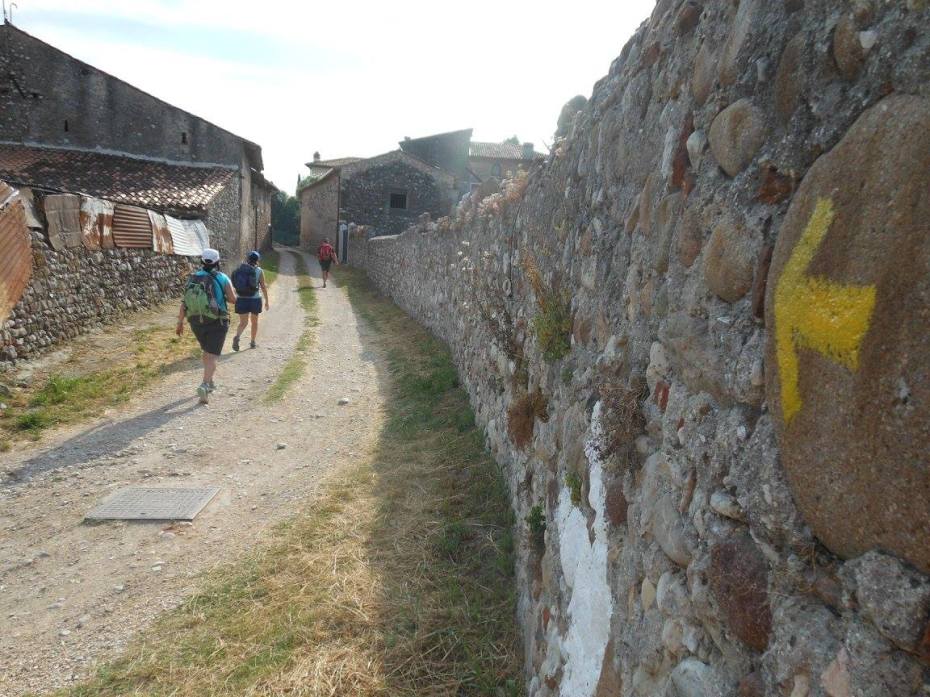
The Via Postumia was a road in Northern Italy that was built by the Romans around 150 BC; it led from Aquileia, through the Po valley over the Apennines to the city of Genoa. Today, this historic route largely forms the centerpiece of the new Italian pilgrimage route, the Via Postumia, to Santiago de Compostela in Galicia, Spain.

The Via Postumia is 930 km long and leads from Aquileia to Genoa and crosses the entire north of Italy from east to west, i.e. through the Regions Friuli-Giulia Venezia, Lombardy, Emilia Romagna, Piedmont and Liguria.

What didn’t exist until now, was an arrow-marked pilgrim route that crosses Italy from east to west and continues from Genoa to Menton in France along the Ligurian coast. The idea to develop such a route emerged at the World Meeting of the Associations of Friends of the St. James Way in Krakow in September 2013, on the occasion of the 1200th anniversary of the rediscovery of the body of St. James. Shortly after his return from this World Meeting in Poland, Andrea Vitiello began this task and decided to trace and re-enact the paths of medieval pilgrims from the East through Italy using advice and opinions from historians, other experts and friends.

The gigantic task of Andrea was to create a route that fit into the map and the network of all the St. James Ways in Europe. Another objective of his project is to promote and support the local businesses along the newly created Via Postumia pilgrimage route.

The result of this great initiative is commendable. The Way of St. James through Italy was formally restored. I am convinced that pilgrims who choose this route through Italy on their way to Santiago de Compostela will be delighted in every way! The Via Postumia crosses the wonderful landscapes of northern Italy on quiet and signposted paths, past nine UNESCO heritage sites and through some of the most beautiful cities in Italy. I am already looking forward to this historic, culinary and spiritual pilgrimage through Italy.

Further and detailed information such as maps, directions, hotels and hostels, etc. can be found under the following link: http://www.viapostumia.eu

Via Postumia

The Via Postumia in Northern Italy

Die Via Postumia war eine um das Jahr 150 v. Chr. gebaute Römerstrasse in Italien, die von Aquileia, durch die Poebene über die Apenninen bis nach Genua führte. Dieser historische Weg bildet heute weitestgehend das Kernstück des Italienischen Pilgerwegs, die Via Postumia, nach Santiago de Compostela in Galizien, Spanien.

Dieser Weg, die Via Postumia, ist eine etwa 930 km lange Route die von Aquileia nach Genua führt und den gesamten Norden Italiens von Osten nach Westen durchquert, also Friaul-Julisch Venetien, Lombardei, Emilia Romagna, Piemont und Ligurien.

Was es bis jetzt nicht gab, war eine mit Pfeilen markierte Pilger Route die Italien von Osten nach Westen durchquert und von Genua weiter nach Menton in Frankreich entlang der ligurischen Küste führt. Die Idee einen solchen Weg zu entwickeln entstand am Welttreffen der Jakobsvereine im September 2013 in Krakau, anlässlich des 1200-jährigen Jubiläums der Wiederentdeckung des Leichnams des Heiligen Jacobus. Kurz nach seiner Rückkehr von diesem Weltmeeting in Polen begann Andrea Vitiello mit dieser Aufgabe und beschloss anhand von Ratschlägen und Meinungen von Historikern, anderen Experten und Freunden die Wege mittelalterlicher Pilger aus dem Osten durch Italien zurückzuverfolgen und nachzubilden.

Die gigantische Aufgabe von Andrea bestand darin, eine Route zu erstellen, die in die Karte und das Netzwerk aller Jakobswege von Europa passte. Ein weiteres Ziel seines Projekts ist die Förderung und Unterstützung der lokalen Unternehmen entlang der neu geschaffenen Pilgerroute Via Postumia.

Das Ergebnis dieser großartigen Initiative ist lobenswert. Der Jakobsweg durch Italien wurde formal wieder hergestellt. Ich bin überzeugt, dass Pilger, die diese Route durch Italien auf ihrem Weg nach Santiago de Compostela wählen, in jeder Hinsicht begeistert sein werden! Die Via Postumia durchquert die wundervollen Landschaften Norditaliens auf ruhigen und beschilderten Wegen, vorbei an neun UNESCO-Kulturstätten und durch einige der schönsten Städte Italiens. Ich freue mich schon jetzt auf diesen historischen, kulinarischen und spirituellen Pilgerweg durch Italien. 

Weitere und detaillierte Informationen wie Karten, Wegbeschreibungen, Hotels und Herbergen, etc. findest Du unter folgendem Link: http://www.viapostumia.eu

Categories: Blogroll, Italy, Jakobsweg, Landmark, Nature, Pilgrimage, Travel, Trekking | Tags: , , , , | 2 Comments

Rhinefall in Switzerland

The Rhinefall in Switzerland is one of the three largest waterfalls in Europe. It has a height of 23 meters and a width of 150 meters. With a normal water supply, about 400 cubic meters of water per second fall over the rocks.

On both sides of the Rhine you can reach viewing platforms with a spectacular view of the Rheinefall. At the Rhinefall‘s basin in Neuhausen (canton Schaffhausen) lies the castle Wörth. From there you can reach the middle rock of the Rhinefall with a small boat and marvel at the falling mass of water after ascending the viewing platform on this rock via small steps. On the Zurich side you can reach the viewing platforms over the castle Laufen. There is ample parking for the visitors and the visit is chargeable.

Der Rheinfall in der Schweiz ist einer der drei größten Wasserfälle Europas. Er hat eine Höhe von 23 Metern und eine Breite von 150 Metern. Bei einer normalen Wasserversorgung fallen etwa 400 Kubikmeter Wasser pro Sekunde über die Felsen.

Auf beiden Seiten des Rheins erreichen Sie Aussichtsplattformen mit einem spektakulären Blick auf den Rheinfall. Am Rheinfallbecken in Neuhausen (Kanton Schaffhausen) liegt das Schloss Wörth. Von dort aus kann man mit kleinen Booten den mittleren Felsen des Rheinfalls erreichen und, nach dem Aufstieg über kleine Stufen, die fallenden Wassermassen bestaunen. Auf der Zürcher Seite gelangt man zu den Aussichtsplattformen über die Burg Laufen. Es gibt genügend Parkplätze für die Besucher und der Besuch ist kostenpflichtig.

Categories: Blogroll, Landmark, Nature, Switzerland, Travel | Tags: , , , , , | 10 Comments

St. Gallen, Switzerland

Yesterday, I visited the city of Saint Gallen in eastern Switzerland. With its 75000 inhabitants, it is the eight largest city in the country. St. Gallen achieved world fame through its embroidery industry, which reached its peak at the end of the 19th century. At that time, embroidery products accounted with 18 percent for the largest share of exports in the Swiss economy. To this day, embroidery and haute couture fashion is made in St. Gallen, which woman does not know the fashion of Akris 🙂 Today, the beautiful embroidery can be admired in the Textile Museum St. Gallen that is dedicated to the history of the textile industry in eastern Switzerland. The city is also interesting for tourists due to the Abbey Church and Library, which has been included in the World Heritage list by UNESCO.

The Abbey church is considered one of the last monumental religious buildings of the late Baroque. Not less well known, especially in German-speaking countries, is the Business School of the University St. Gallen where many of today’s economic leaders have been formed. But the most popular “product” of the city of St. Gallen is the grilled veal bratwurst, also known as OLMA bratwurst! For me, eating this special bratwurst was the highlight of the day 🙂

Abbey Saint Gallen

Abbey Saint Gallen

Gestern besuchte ich die Stadt St. Gallen in der Ostschweiz. Mit ihren 75000 Einwohnern ist sie die acht grösste Stadt der Schweiz. Weltberühmtheit erlangte Sankt Gallen durch ihre Stickereiindustrie welche am Ende des 19. Jahrhunderts ihren Höhepunkt erlebte. Die Stickereierzeugnisse hatten damals mit 18 Prozent den grössten Anteil an den Exporten der Schweizer Wirtschaft. Bis heute wird in St. Gallen Stickerei- und Haute Couture Mode gemacht, welche Frau kennt nicht die Mode von Akris 🙂 Die wunderschönen Stickereien kann man heute im Textilmuseum St. Gallen sehen, welches sich der Geschichte der Ostschweizer Textilindustrie widmet. Die Stadt ist auch für Touristen interessant aufgrund der Stiftskirche und der Stiftsbibliothek, welche von der UNESCO in die Liste des Weltkulturerbes aufgenommen wurde. Die Stiftskirche gilt als eine der letzten monumentalen Sakralbauten des Spätbarocks. Nicht weniger bekannt, vor allem im deutschsprachigen Raum, ist die Business School der Universität St. Gallen welche viele der heutigen Wirtschaftsführer hervorgebracht hat. Aber das beliebteste und bekannteste „Produkt“ der Stadt St. Gallen ist die grillierte Kalbsbratwurst, auch bekannt als OLMA Bratwurst! Für mich war der Verzehr und Genuss dieser Wurst der Höhepunkt des Tages 🙂

Categories: Blogroll, Switzerland, Travel | Tags: , , , , , | 1 Comment

City of Florence – Cradle of Renaissance

Florence, the capital city of Tuscany in Italy is famous for Renaissance art, architecture, and sculpture. Thus Florence is known as Cradle of Renaissance. This stunningly, the romantic city attracts millions of tourists every year. In this article, I am going to take a Quick Florence Tour – Cradle of Renaissance. Florence contains numerous museums, cathedrals, […]

via Quick Florence Tour – Cradle of renaissance — Travel With Me 24 X 7

Categories: Blogroll, History, Italy, Museum, Travel | Tags: , , | 6 Comments

Blog at WordPress.com.