Switzerland

St. Gallen, Switzerland

Yesterday, I visited the city of Saint Gallen in eastern Switzerland. With its 75000 inhabitants, it is the eight largest city in the country. St. Gallen achieved world fame through its embroidery industry, which reached its peak at the end of the 19th century. At that time, embroidery products accounted with 18 percent for the largest share of exports in the Swiss economy. To this day, embroidery and haute couture fashion is made in St. Gallen, which woman does not know the fashion of Akris 🙂 Today, the beautiful embroidery can be admired in the Textile Museum St. Gallen that is dedicated to the history of the textile industry in eastern Switzerland. The city is also interesting for tourists due to the Abbey Church and Library, which has been included in the World Heritage list by UNESCO.

The Abbey church is considered one of the last monumental religious buildings of the late Baroque. Not less well known, especially in German-speaking countries, is the Business School of the University St. Gallen where many of today’s economic leaders have been formed. But the most popular “product” of the city of St. Gallen is the grilled veal bratwurst, also known as OLMA bratwurst! For me, eating this special bratwurst was the highlight of the day 🙂

Abbey Saint Gallen

Abbey Saint Gallen

Gestern besuchte ich die Stadt St. Gallen in der Ostschweiz. Mit ihren 75000 Einwohnern ist sie die acht grösste Stadt der Schweiz. Weltberühmtheit erlangte Sankt Gallen durch ihre Stickereiindustrie welche am Ende des 19. Jahrhunderts ihren Höhepunkt erlebte. Die Stickereierzeugnisse hatten damals mit 18 Prozent den grössten Anteil an den Exporten der Schweizer Wirtschaft. Bis heute wird in St. Gallen Stickerei- und Haute Couture Mode gemacht, welche Frau kennt nicht die Mode von Akris 🙂 Die wunderschönen Stickereien kann man heute im Textilmuseum St. Gallen sehen, welches sich der Geschichte der Ostschweizer Textilindustrie widmet. Die Stadt ist auch für Touristen interessant aufgrund der Stiftskirche und der Stiftsbibliothek, welche von der UNESCO in die Liste des Weltkulturerbes aufgenommen wurde. Die Stiftskirche gilt als eine der letzten monumentalen Sakralbauten des Spätbarocks. Nicht weniger bekannt, vor allem im deutschsprachigen Raum, ist die Business School der Universität St. Gallen welche viele der heutigen Wirtschaftsführer hervorgebracht hat. Aber das beliebteste und bekannteste „Produkt“ der Stadt St. Gallen ist die grillierte Kalbsbratwurst, auch bekannt als OLMA Bratwurst! Für mich war der Verzehr und Genuss dieser Wurst der Höhepunkt des Tages 🙂

Categories: Blogroll, Switzerland, Travel | Tags: , , , , , | 1 Comment

By train from Zurich to Florence

My journey to the south, more precisely to Florence, began this morning at 06:09 with the Intercity train in Zurich. The average journey time from Zurich to Florence is about 6 hours; my journey lasted 5 hours and 45 minutes. The train ride through the beautiful landscape of the Swiss Alps, along several lakes, is a unique experience. The train traverses the Central Swiss Alps in north-south direction and passes under the Gotthard massif at a depth of up to 2,450 meters through the newly built 57-kilometer Gotthard Base Tunnel, the longest tunnel in the world. In Chiasso, at the border station between Switzerland and Italy, the train stops for passport and customs controls, which take place in the wagons. About 15 minutes later, the train continues its journey via Como and Monza to Milano. There are no direct train connections between Zurich and Florence, so passengers have to change from a Swiss to an Italian train at exactly the middle of the travel distance in Milano; in my case it was the high-speed train Frecciarossa. After a short stay at Milano Centrale station, we continued our journey at 300 km / hour through the regions of Lombardy and Emilia Romagna, via Reggio Emilia, Bologna to Florence, the capital of the Italian region of Tuscany. Travelers to Rome, Naples or Salerno can stay in the train for one or three and a half hours, depending on their final destination. In summary, my journey was a magnificent experience and I can recommend it to all train and Italy lovers!

Frecciarossa Train Italy

Frecciarossa Train Italy

Meine Reise in den Süden, genauer gesagt nach Florenz, begann heute Morgen um 06:09 Uhr mit dem Intercity-Zug in Zürich. Die durchschnittliche Fahrzeit von Zürich nach Florenz beträgt ca. 6 Stunden; meine Reise dauerte 5 Stunden und 45 Minuten. Die Zugfahrt durch die wunderschöne Landschaft der Schweizer Alpen, entlang mehrerer Seen, ist ein besonderes Erlebnis. Der Zug durchquert die Zentralschweizer Alpen in Nord-Süd-Richtung und unterquert das Gotthard-Massiv in einer Tiefe von bis zu 2,450 Metern durch den neu gebauten 57 Kilometer langen Gotthard-Basistunnel, dem längsten Tunnel der Welt. In Chiasso, am Grenzbahnhof zwischen der Schweiz und Italien, hält der Zug für Pass- und Zollkontrollen, die im Wagen stattfinden. Danach setzt der Zug seine Reise über Como und Monza nach Milano fort.

SBB ETR 610 Swiss Train

SBB ETR 610 Swiss Train

Es gibt keine direkten Zugverbindungen zwischen Zürich und Florenz, daher müssen die Fahrgäste genau in der Mitte der Reisedistanz in Mailand von einem Schweizer in einen italienischen Zug umsteigen; in meinem Fall war es der Hochgeschwindigkeitszug Frecciarossa. Nach einem kurzen Aufenthalt im Bahnhof „Milano Centrale“ ging’s dann mit 300 km / Stunde weiter durch die Regionen Lombardei und Emilia Romagna, über Reggio Emilia, Bologna bis nach Florenz, der Hauptstadt der italienischen Region Toskana. Reisende nach Rom, Neapel oder Salerno können je nach deren Bestimmungsort, eine bis dreieinhalb Stunden im Zug sitzen bleiben. Zusammenfassend war meine Reise eine großartige Erfahrung und ich kann sie allen Zug- und Italienliebhabern empfehlen!

Categories: Blogroll, Italy, Switzerland, Train, Travel | Tags: , , , , , , | 5 Comments

A very old wooden house in Switzerland

The so-called Nideröst House, named after its former owner, is a residential building from the period 1176 to 1315. The two-storey medieval house was typical of this time and region. It is most likely the oldest wooden house in Switzerland, probably even in Europe. Today, it is located, after a reconstruction on the historic battle site of the Battle of Morgarten, near the Aegerisee in the canton of Schwyz adjacent to the canton of Zug in Switzerland.

Since 2015, between the months of April to November, there is the possibility of guided tours and visits to this medieval wooden house. The information center next to the house is open on the first weekend of each month on Saturday and Sunday from 10 am to 5 pm.

More information can be found on the website: http://www.morgarten.ch


Das sogenannte Nideröst-Haus, benannt nach seinem ehemaligen Besitzer, ist ein Wohnhaus aus der Zeit von 1176 bis 1315. Das zweigeschossige mittelalterliche Wohnhaus war typisch für diese Zeit und Region. Es ist höchstwahrscheinlich das älteste Holzhaus der Schweiz, wahrscheinlich sogar ganz Europas. Es befindet sich heute, nach einem Wiederaufbau auf dem historischen Schlachtgelände der Schlacht am Morgarten, unweit vom Aegerisee, im Kanton Schwyz angrenzend an den Kanton Zug in der Schweiz.

Seit 2015, zwischen den Monaten April bis November, besteht die Möglichkeit von Führungen und Besichtigung dieses mittelalterlichen Holzhauses. Jeweils am ersten Wochenende des Monats an Samstag und Sonntag von 10:00-17:00 Uhr ist das Informationszentrum neben dem Haus geöffnet. 

Mehr Informationen finden Sie auf der Webseite: http://www.morgarten.ch

Categories: Blog, Blogroll, History, Switzerland, Travel | Tags: , , , , | 2 Comments

Baby Snow Owls

It was on a snowy winter’s day in December of last year, when I discovered this female snow owl in our aviary in the city of Zug. Only a few weeks later, our snow owls received descendants, two young, grayish snow owls looked at me with open and inquisitive eyes, they were probably only a few weeks old.

Baby snow Owl

Baby Snow Owl

And now in October, the snow owls have grown into two “ruffians”, they have discarded their greyish feathers and you can tell by their plumage that they are probably girls.

Snow Owls

The two youngsters

Snow owls belong to the owl family and are close relatives to the Uhu native in Switzerland. The snow owls live mainly in the Arctic tundra and in our aviary in Zug 🙂 The females differ from the males in their size and the color of the plumage, i.e. the females have brown lines in their plumage and are much larger than the whole white male. The wing span is about 150 centimeters. On the menu card of the snow owls are mainly lemmings, the main prey of these beautiful birds.

Es war an einem verschneiten Wintertag im Dezember letzten Jahres, als ich diese weibliche Schneeeule in unserer Voliere in der Stadt Zug entdeckte. Nur wenige Wochen später haben unsere Schneeulen Nachkommen erhalten. Zwei junge, gräuliche Schneeeulen haben mich im Februar mit offenen und neugierigen Augen angeguckt.

Und nun im Oktober sind die beiden zu zwei „halbstarken“ Schneeeulen herangewachsen, sie haben ihre gräuliche Federn abgelegt und man kann an ihrem Gefieder erkennen, dass es sich wahrscheinlich um zwei Mädchen handelt.  

Schneeeulen gehören zur Eulenfamilie und sind nahe Verwandte der in der Schweiz heimischen Uhu. Die Schneeeulen leben hauptsächlich in der arktischen Tundra und in unserer Voliere in Zug 🙂 Die Weibchen unterscheiden sich von den Männchen in ihrer Größe und der Farbe des Gefieders, d.h. die Weibchen haben braune Linien in ihrem Gefieder und sind viel größer als die ganz weißen Männchen. Die Flügel Spannweite beträgt etwa 150 Zentimeter. Auf der Speisekarte der Schneeeulen sind hauptsächlich Lemminge, die Hauptbeute dieser schönen Vögel.

Categories: Blogroll, Nature, Switzerland, Travel | Tags: , , | 4 Comments

Molecular Cuisine at it’s finest – Denis Martin, Vevey Switzerland

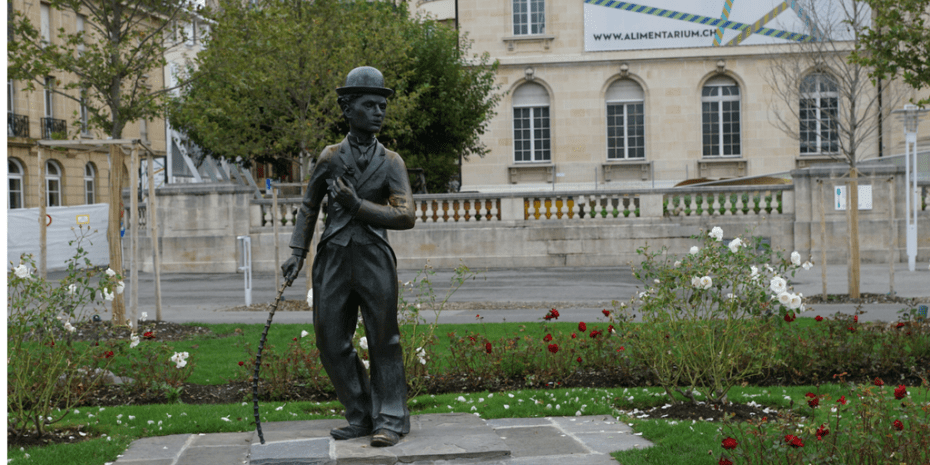
Vevey is a small Swiss town on Lake Geneva. The city is home to Nestle, one of the largest food companies in the world. Vevey was also known worldwide by Charlie Chaplin, who settled with his family in this beautiful city on the Swiss Riviera; he lived there until his death in 1977. A statue on the waterfront dedicated to Chaplin’s life in Vevey recalls this time. A few steps behind this statue is the Alimentarium Museum of Nestlé. A tour of this museum is a journey through the industrial production of food; it gives visitors a deeper insight into the evolution of human nutrition from a historical, scientific and cultural perspective.

Charlie Chaplin in Front of Alimentarium Museum Vevey

Charlie Chaplin in Front of the Alimentarium Museum in Vevey

The oversized fork in the lake reminds visitors that they are in a city where the production of food, and good food in general, is of great importance. Maybe that’s why Vevey is known for its excellent restaurants.

Restaurant Denis Martin, Vevey

Restaurant Denis Martin, Vevey

My favorite in Vevey is the restaurant of Denis Martin, a Michelin-starred chef (Michelin star and 18 Gault Millau points), one of the best exponents of modern cuisine! My visit to Denis Martin was a very special culinary experience. The creations of the chef were a treat and a journey through new worlds of taste! Gourmets can choose between three menus, namely Plaisir, Initiation and Evolution, the latter a treat with 18 courses. On the wine list you will find classics as well as exquisite wines from the region around Lake Geneva and Switzerland. I can recommend this fantastic molecular restaurant to any gourmet. Denis Martin is not only a chef, he is an artist! Its restaurant is located at rue du chateau 2, next to the “Hotel les trois Couronnes” and is only 250 meters away from the Alimentarium Museum. Try it and discover the modern Swiss cuisine at its finest! Bonne appetite!

Fork in the lake - Vevey Switzerland

Fork in the lake – Vevey

Vevey ist eine kleine Schweizer Stadt am Genfer See. Die Stadt ist die Heimat von Nestle, einem der größten Lebensmittelunternehmen der Welt. Bekannt wurde Vevey auch weltweit durch Charlie Chaplin, der sich mit seiner Familie in dieser schönen Stadt an der Schweizer Riviera niederliess; er lebte dort bis zu seinem Tod im Jahr 1977. Eine Statue an der Uferpromenade, die Chaplin’s Leben in Vevey gewidmet ist, erinnert an diese Zeit. Ein paar Schritte hinter dieser Statue befindet sich das Alimentarium-Museum von Nestlé. Eine Tour durch dieses Museum ist eine Zeitreise durch die industriellen Herstellung von Lebensmitteln; es gibt Besuchern einen vertieften Einblick in die Entwicklung der menschlichen Ernährung aus einer historischen, wissenschaftlichen und kulturellen Perspektive.

Die übergrosse Gabel im See erinnert die Besucher daran, dass sie in einer Stadt sind, in der die Produktion von Nahrung und gutem Essen im Allgemeinen von großer Bedeutung ist. Vielleicht ist Vevey auch deshalb für seine ausgezeichneten Restaurants bekannt.

Restaurant Denis Martin, Vevey

Restaurant Denis Martin, Vevey

Mein Favorit in Vevey ist das Restaurant von Denis Martin, ein Sternekoch (Michelin Stern und 18 Gault Millau Punkte), einer der besten Vertreter der modernen Küche! Mein Besuch bei Denis Martin war ein kulinarisches Erlebnis der besonderen Art. Die Kreationen des Küchenchefs waren ein Genuss und eine Reise durch neue Geschmackswelten! Feinschmecker haben die Wahl zwischen drei Menüs, nämlich Plaisir, Initiation und Evolution, letzteres ein Hochgenuss mit 18 Gängen. Auf der Weinkarte findet man Klassiker aber auch exquisite Weine aus der Region um den Genfersee und aus der Schweiz. Ich kann dieses fantastische molekulare Restaurant jedem Gourmet empfehlen. Denis Martin ist nicht nur ein Koch, er ist ein Künstler! Sein Restaurant befindet sich an der Rue du Chateau 2, neben dem „Hotel les trois Couronnes“ und liegt nur 250 Meter vom Alimentarium Museum entfernt. Probieren Sie es aus und entdecken Sie die moderne Schweizer Küche vom Feinsten! Bonne Appetit!

Categories: Blogroll, Food, Kunst, Landmark, Museum, Restaurant, Switzerland, Travel | Tags: , , , , , , , | 5 Comments

Cheese Fondue in Switzerland

The cheese fondue is a dish made from a mixture of melted cheese and white wine, to which starch is added as a binder and seasoned with a dash of cherry, garlic and pepper. Originally the cheese fondue comes from French-speaking Switzerland, Savoy in France and the Italian Piedmont. 

Depending on the type of cheese and additives, such as truffles, the taste of the fondue varies, which is particularly evident in the many regional variations of the fondue. The heated mixture is served in a special pot (Caquelon) made of ceramic and kept warm on a rechaud. Small pieces of bread or boiled potatoes are stirred on a long fork in the liquid cheese fondue and the cheese-covered pieces are then eaten with a good glass of white wine.

My favorite restaurant for cheese fondue is located in the upper Saanen valley, not far from Gstaad, in the eastern Pays-d’Enhaut, in the north-eastern Alps of the canton Vaud in Switzerland. The time has stood still in the small Café Restaurant du Cerf in Rougemont, everything is as it was years ago and the prices are also not exaggerated. The „du Cerf“ is a small oasis amidst the many gourmet temples of the Saanenland! I am already looking forward to the next time!

Cheese Fondue

Cheese Fondue

Das Käsefondue ist ein Gericht aus einer Mischung von geschmolzenem Käse und Weisswein, welchem Stärke als Bindemittel zugegeben und mit einem Schuss Kirsch, Knoblauch und Pfeffer abgeschmeckt wird. Ursprünglich kommt das Käsefondue aus der Westschweiz, Savoyen in Frankreich und dem italienischen Piemont. 

Je nach Art des Käses und Zugaben, wie zum Beispiel Trüffel, variiert der Geschmack des Fondues, was besonders bei den vielen regionalen Varianten erkennbar wird. Die erwärmte Mischung wird in einem speziellen Topf (Caquelon) aus Keramik serviert und auf einem Rechaud warm gehalten. Kleine Brotstückchen oder gekochte Kartoffeln werden auf einer langen Gabel in dem flüssigen Käsefondue gerührt und dann die mit Käse überzogenen Häppchen gegessen.

Café Restaurant du Cerf in Rougemont VD, Switzerland

Café Restaurant du Cerf in Rougemont VD, Switzerland

Mein Lieblingsrestaurant für Käsefondue befindet sich im oberen Saanetal, unweit von Gstaad, im östlichen Pays-d’Enhaut, in den nordöstlichen Waadtländer Alpen der Schweiz. Im kleinen Café Restaurant du Cerf in Rougemont ist die Zeit stehen geblieben, alles ist wie vor Jahren und die Preise sind auch nicht übertrieben. Das „du Cerf“ ist eine kleine Oase inmitten der vielen Gourmettempel des Saanenlandes! Ich freue mich schon auf das nächste Mal!

Categories: Blogroll, Restaurant, Switzerland, Traditions, Travel | Tags: , , , | 12 Comments

Freddie Mercury – Queen

Who does not know him, Freddie Mercury, the lead singer of the Rockband „Queen“ who unfortunately died too early. In 1996, in memory of his presence in Montreux, Switzerland, a statue on the lake promenade of Lake Geneva was erected. In 1978, the singer came to the Montreux Jazz Festival with his unmistakable voice to record the album Jazz with Queen. At that time, the Montreux Casino’s “Mountain Studio” was one of the world’s most advanced recording studios equipped with Revox machines. The following year, Freddie Mercury bought the Mountain Studio, which today is open to the public. It is now a Museum and visiting this historic place in Montreux is worthwhile!

Freddie Mercury

Freddie Mercury

Wer kennt ihn nicht, Freddie Mercury, der Lead Sänger der Rockband „Queen“, der leider viel zu früh verstorben ist. Zur Erinnerung an seine Anwesenheit in Montreux (Schweiz) wurde 1996 eine Statue an der Seepromenade des Genfersees aufgestellt. 1978 kam der Sänger mit seiner unverkennbaren Stimme zum Montreux Jazz Festival, um das Album Jazz mit Queen aufzunehmen. Das „Mountain Studio“ im Casino von Montreux war zu jener Zeit weltweit eines der hochmodernsten, mit Revox-Geräten ausgerüstete, Tonstudio. Im folgenden Jahr kaufte sich Freddie Mercury das Mountain Studio; es ist heute für die Oeffentlichkeit zugängig. Es wurde in ein Museum umfunktioniert und ein Besuch dieses historischen Ortes in Montreux lohnt sich!

Categories: Art, Blogroll, Museum, Music, Switzerland, Travel | Tags: , , , | 3 Comments

Gotthard Pass & Stagecoaches

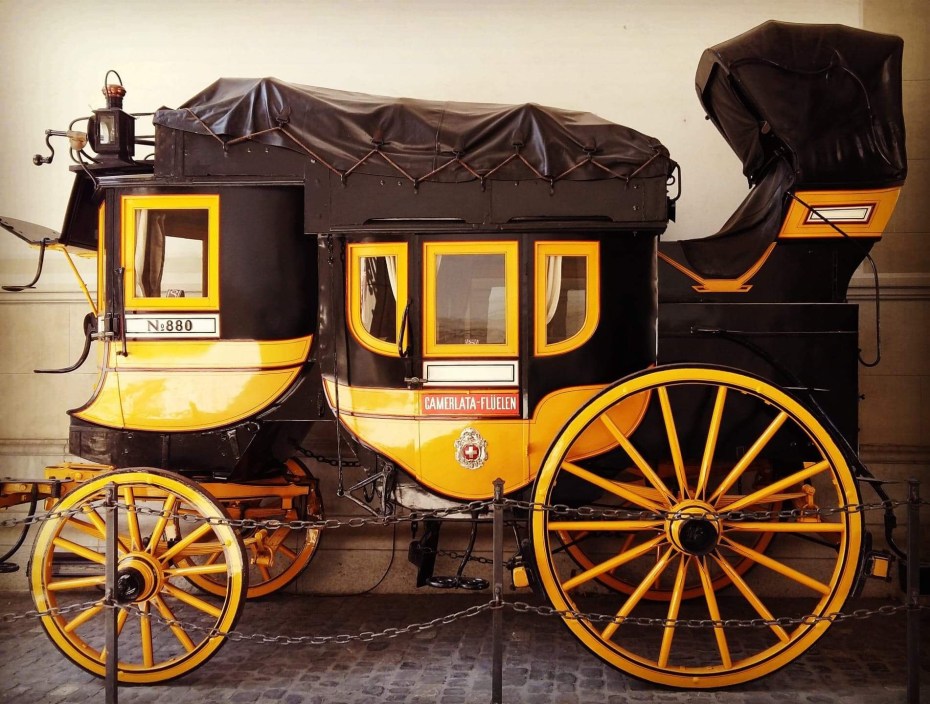
The Gotthard Pass has been one of the most important direct north-south links across the Alps since the Middle Ages. In 1830, the first stagecoach rolled over the Gotthard Pass. At that time, the travelers were predominantly merchants, scientists, engineers and diplomats. Back then, in the first half of the 19th century, the passengers felt the thirty-hour journey from Lucerne to Milan, first with the steamboat across Lake Lucerne to Flüelen and then in the stagecoach over the St. Gotthard Pass to Camerlata and Milan as grueling strain. In 1850, the effective travel time from Zurich to Milan was at least 30 hours, not taking into account an overnight stay in the hospice on the Gotthard Pass. With the opening of the Gotthard railway tunnel in 1882 the stagecoaches slowly disappeared; and the stagecoach operation was finally discontinued in 1926. The steam-powered train reduced the travel time from Zurich to Milan to 11 hours, today’s trains need only 3 hours and 25 minutes for the route, thanks to the 57-kilometer Gotthard Base Tunnel, i.e. the longest tunnel in the world. In 2020, after completion of the railway tunnel through the Monte Ceneri, the train journey will be shortened by another 40 minutes to 2 hours and 45 minutes! By the way, in 1852 about 21‘000 passengers used the stagecoach service over the Alps. Today, on average 12‘000 travelers are using trains through the Gotthard Tunnel!

Stagecoach

Stagecoach from Flüelen to Camerlata

Der Gotthardpass ist seit dem Mittelalter eine der wichtigsten direkten Nord-Süd-Verbindungen über die Alpen. Im Jahre 1830 rollte die erste Postkutsche über den Gotthardpass. Die Reisenden zu jener Zeit waren vorwiegend Kaufleute, Wissenschaftler, Ingenieure und Diplomaten. Damals, in der ersten Hälfte des 19. Jahrhunderts, empfanden die Passagiere die dreissig Stündige Reise von Luzern nach Mailand, zuerst mit dem Dampfschiff über den Vierwaldstättersee nach Flüelen und dann in der Postkutsche über den Sankt Gotthardpass nach Camerlata und Mailand als aufreibende Strapaze. Eine Übernachtung im Hospiz auf dem Gotthardpass nicht eingerechnet, betrug im Jahr 1850 die effektive Reisezeit ab Zürich nach Mailand mindestens 30 Stunden. Mit der Eröffnung des Gotthard-Eisenbahntunnels 1882 verschwanden die Postkutschen langsam; und der Postkutschenbetrieb wurde 1926 endgültig eingestellt. Die dampfbetriebene Bahn verkürzte die Reisezeit von Zürich nach Mailand auf 11 Stunden, die heutigen Züge benötigen für die Strecke, Dank des 57 Kilometer langen Gotthard-Basistunnels, nur noch 3 Stunden und 25 Minuten. Ab dem Jahr 2020, nach Fertigstellung des Eisenbahntunnels durch den Monte Ceneri wird die Zugreise um eine weitere halbe Stunde auf 2 Stunden und 45 Minuten verkürzt! Übrigens nutzten 1852 rund 21’000 Passagiere den Postkutschen-Service über die Alpen. Heute fahren durchschnittlich 12’000 Reisende mit Zügen durch das  Gotthardmassiv!

Categories: Blogroll, Italy, Switzerland, Train, Travel | Tags: , , , , , , , | 2 Comments

The beautiful mountain Matterhorn in Switzerland

This shot of the epically beautiful Matterhorn was taken while hiking the 5-Seenweg (Five Lakes Hike), which offers 5 stunning lake views of the alps and is a true Swiss classic.

via Matterhorn Over Stellisee — Lightbox3D

Categories: Blogroll, Switzerland, Travel | Tags: , | 3 Comments

Empress Elisabeth „Sissi“ in Geneva

Yesterday I spent a day in Geneva. On my way along the lake promenade, I briefly stopped at a point marked with a bronze plaque commemorating an incident that shook the world exactly 120 years ago.

At the end of August 1898, the Empress Elisabeth of Austria, traveled incognito to Lake Geneva. A few days later, on September 10, 1898, „Sissi“, the Empress of Austria was dead. What happened?  On September 10, 1898 at about 13:30, Sissi left the hotel Beau-Rivage to get to the paddle steamer “Genève”, with which she wanted to travel to Caux near Montreux. 

Empress Elisabeth of Austria in Geneva

Place in Geneva where Empress Elisabeth of Austria was assassinated

Accompanied by her lady-in-waiting, she walked along the lakeside promenade to the boat landing stage at Quai du Mont Blanc. On the way, she was abruptly attacked by an Italian anarchist. Luigi Lucheni suddenly jumped on her and rammed a pointed stiletto-shaped file into her heart. Sissi fell to the ground, but could get up with the help of hurrying passers-by. She complained of a pain in her chest and initially believed that the attacker only punched her hard. Sissi and her companion boarded the paddle steamer where she collapsed a few minutes later. The steamer immediately stopped and returned to the boat landing stage from where they took her, on a makeshift carry, back to the hotel. All revival attempts were in vain; at 14:40, Sissi was declared dead.


Gestern verbrachte ich einen Tag in Genf. Auf meinem Weg entlang der Seepromenade macht ich an einer Stelle kurz halt, welche mit einer bronzener Plakette an einen Vorfall erinnert, der vor genau 120 Jahren  die Welt erschütterte.

Ende August 1898 war „Sissi“ die Kaiserin Elisabeth von Österreich inkognito an den Genfer See gereist. Einige Tage später, am 10. September 1898 war die Kaiserin von Österreich tot. Was ist passiert? Am 10. September 1898 verließ Sissi gegen 13:30 Uhr das Hotel Beau-Rivage um zu dem Raddampfer „Genève“ zu gelangen, mit dem sie nach Caux bei Montreux weiterreisen wollte. In Begleitung ihrer Hofdame begab sie sich auf der Seepromenade zur Bootsanlegestelle am Quai du Mont Blanc. Auf dem Weg dorthin stürzte sich unvermittelt der italienische Anarchist Luigi Lucheni auf sie und rammte ihr eine spitze stilettförmige Feile ins Herz. Sie fiel auf den Boden, konnte aber mit Hilfe herbeigeeilter Passanten wieder aufstehen. Sissi beklagte einen Schmerz auf der Brust und glaubte anfänglich, dass ihr der Angreifer nur einen Faustschlag versetzte. Darauf bestieg Sissi mit ihrer Begleitung den Raddampfer wo sie dann, einige Minuten später, zusammenbrach. Man brachte sie auf einer behelfsmässigen Bahre zurück ins Hotel. Alle Wiederbelebungsversuche waren vergebens; um 14:40 Uhr wurde Sissi für tot erklärt. 

Categories: Austria, Blogroll, History, Landmark, Switzerland, Travel | Tags: , , , , | 2 Comments

The Train Ticket Machine

The SBB train ticket machine is discreetly located in Swiss railway stations and it is today an irreplaceable and hard-working “employee” of the Swiss Federal Railways (SBB). During 24 hours a day, it is on duty and offers its services, fast, flawless, without complaining, without vacation and rarely “sick” 🙂 An “employee” as one wishes, a multilingual multitalented machine with a high potential. It sells you all variants of Train Tickets for over 4500 destinations, you can buy gift cards, phone and prepaid cards or recharge them, you can send money abroad and even the crypto currency Bitcoin can be bought from this machine.  This “employee” is also a docile student, it is constantly learning new things and I am sure that in a few years, it will have fully replaced the friendly staff at the SBB counters.

SBB Train Ticket Machine

SBB Train Ticket Machine

Der SBB Billettautomat steht diskret in Schweizer Bahnhöfen und ist heutzutage ein unersetzlicher und hart arbeitender „Mitarbeiter“ der Schweizerischen Bundesbahnen (SBB). Während 24 Stunden am Tag ist dieser Automat im Einsatz und bietet seine Dienste an, speditiv, fehlerlos, ohne zu murren, ohne Anspruch auf Urlaub und selten „krank“ 🙂 Ein „Mitarbeiter“ wie man es sich wünscht, ein mehrsprachiges Multitalent mit Potential. Bei ihm kann man alle Varianten von Billettes für über 4500 Destinationen lösen, man kann Geschenk, Telefon- und Prepaidkarten kaufen oder aufladen, Geld versenden und sogar die Crypto Währung Bitcoin steht im Angebot zum Kauf. Dieser „Mitarbeiter“ ist auch ein gelehriger Schüler, ständig lernt er Neues dazu und ich bin überzeugt, in ein paar wenigen Jahren wird dieser Automat das freundliche Personal am SBB Schalter ersetzt haben. 

Categories: Blogroll, Switzerland, Train, Travel | Tags: , , , | 3 Comments

Swiss Cheese Fondue in Rougemont

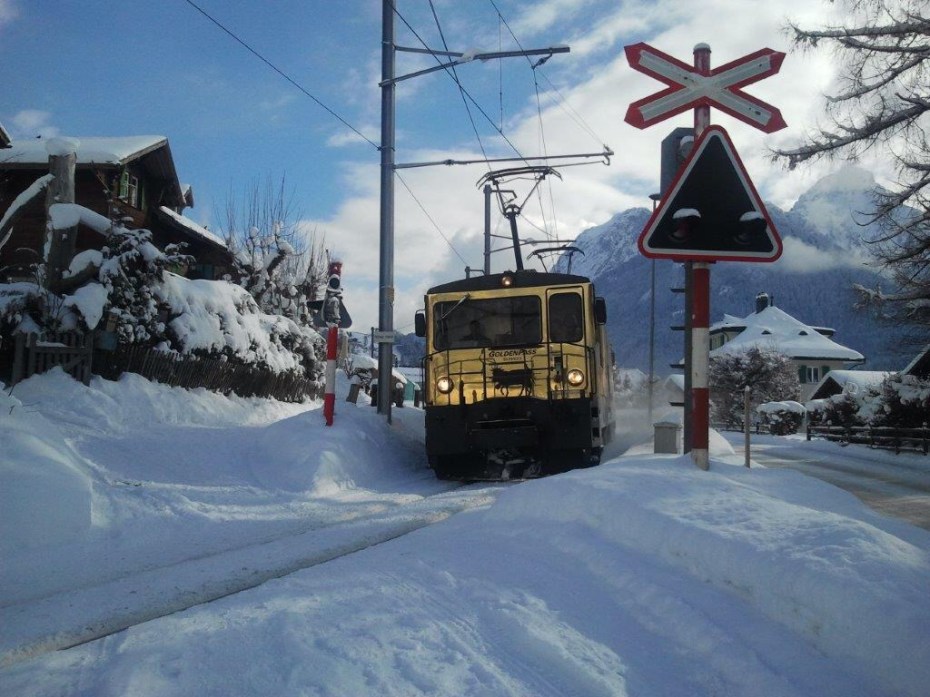
Today it snowed for the first time. The winter has finally arrived and what could be better than a good Fondue with a fine glass of white wine at home or in a cosy Restaurant. Therefore, I recommend a trip to one of the best places I know of and in one of the most beautiful areas of Switzerland. A ride on the GoldenPass Express (Compagnie du Chemin de Fer Montreux-Oberland Bernois or simply “MOB”) from Montreux on Lake Geneva, or from Lucerne in Central Switzerland to Rougemont, an authentic village in the upper Saanen valley between the chic and luxury Gstaad and the Mecca of the balloonists, Chateau d’Oex in the eastern Pays-d’Enhaut and north-eastern Alps of the canton Vaud.

The time has stood still in the small Café Restaurant du Cerf in Rougemont, everything is as it was years ago and the prices are also not exaggerated. The „du Cerf“ is a small oasis amidst the many gourmet temples of the Saanenland! Perhaps, one day we will meet us there 🙂

The cheese fondue is a dish made from a mixture of melted cheese and white wine, to which starch is added as a binder and seasoned with a dash of cherry, garlic and pepper. Originally the cheese fondue comes from French-speaking Switzerland, Savoy in France and the Italian Piedmont. 

Cheese Fondue

Cheese Fondue

Depending on the type of cheese and additives, such as truffles, the taste of the fondue varies, which is particularly evident in the many regional variations of the fondue. The heated mixture is served in a special pot (Caquelon) made of ceramic and kept warm on a rechaud. Small pieces of bread or boiled potatoes are stirred on a long fork in the liquid cheese fondue and the cheese-covered pieces are then eaten together with a good glass of white wine 🙂

Café Restaurant du Cerf in Rougemont VD, Switzerland

Café Restaurant du Cerf in Rougemont VD, Switzerland

Heute hat es zum ersten Mal geschneit. Der Winter ist endlich da und was gibt es Schöneres als ein gutes Fondue mit einem feinen Glas Weißwein zu Hause oder in einem gemütlichen Restaurant. Daher empfehle ich einen Ausflug zu einem der besten Orte, den ich kenne, und in eine der schönsten Gegenden der Schweiz. Eine Fahrt mit dem GoldenPass-Express (Compagnie du Chemin de Fer Montreux-Oberland Bernois oder einfach “MOB”) von Montreux am Genfersee oder von Luzern in der Zentralschweiz nach Rougemont, einem authentischen Dorf im oberen Saanetal zwischen dem schicken und luxuriösen Gstaad und dem Mekka der Ballonfahrer, Chateau d’Oex im östlichen Pays-d’Enhaut und den nordöstlichen Waadtländer Alpen. 

GoldenPass Express

GoldenPass Express

Im kleinen Café Restaurant du Cerf in Rougemont ist die Zeit stehen geblieben, alles ist wie vor Jahren und die Preise sind auch nicht übertrieben. Das „du Cerf“ ist eine kleine Oase inmitten der vielen Gourmettempel des Saanenlandes! Wer weiss, vielleicht treffen wir uns dort eines Tages 🙂

Das Käsefondue ist ein Gericht aus einer Mischung von geschmolzenem Käse und Weisswein, welchem Stärke als Bindemittel zugegeben und mit einem Schuss Kirsch, Knoblauch und Pfeffer abgeschmeckt wird. Ursprünglich kommt das Käsefondue aus der Westschweiz, Savoyen in Frankreich und dem italienischen Piemont. 

Je nach Art des Käses und Zugaben, wie zum Beispiel Trüffel, variiert der Geschmack des Fondues, was besonders bei den vielen regionalen Varianten erkennbar wird. Die erwärmte Mischung wird in einem speziellen Topf (Caquelon) aus Keramik serviert und auf einem Rechaud warm gehalten. Kleine Brotstückchen oder gekochte Kartoffeln werden auf einer langen Gabel in dem flüssigen Käsefondue gerührt und dann die mit Käse überzogenen Häppchen gegessen. Dazu  gehört natürlich auch ein feines Glas Weisswein 🙂

Categories: Blogroll, Food, Nature, Restaurant, Switzerland, Traditions, Train, Travel | Tags: , , , , , , , , , | 11 Comments

Saint Peter’s Church in Zurich with the largest Clock-Faces in Europe

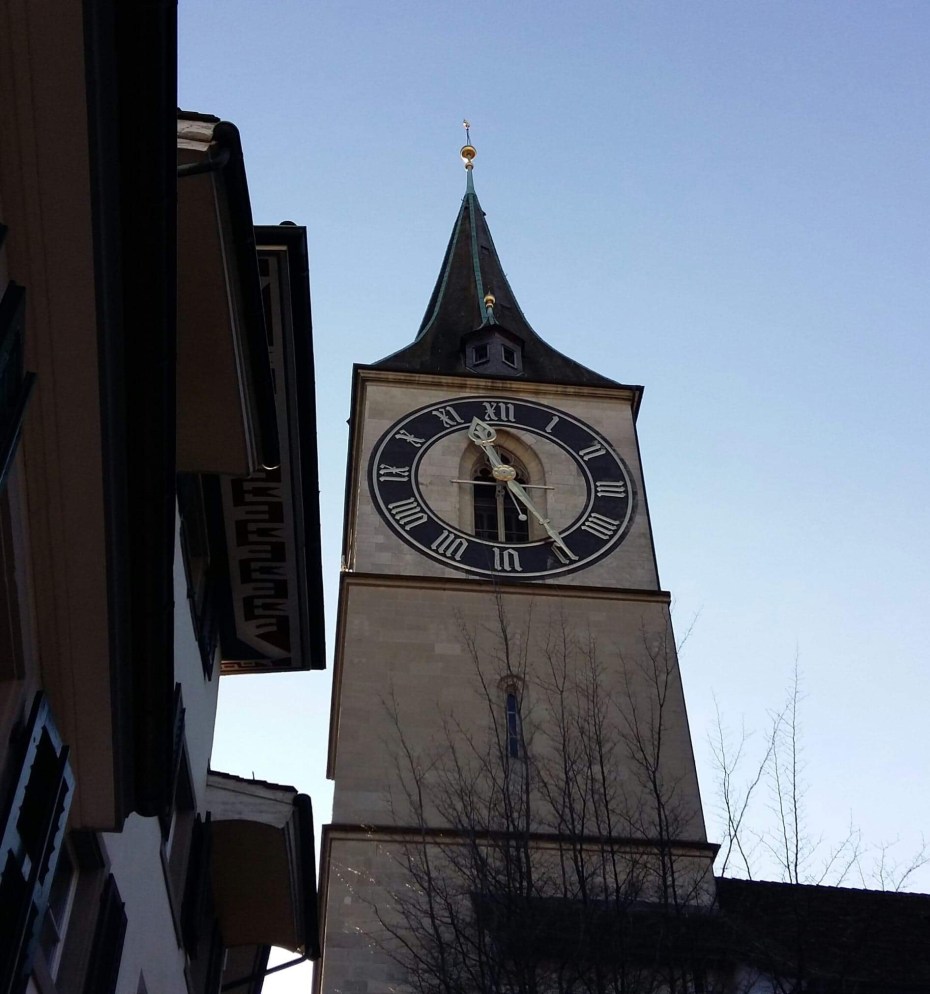
In the immediate vicinity of the Lindenhof, a small hill in the city of Zurich, where once the Roman settlement of Turicum and the imperial Palatinate lay, is the Church of St. Peter. The church is one of the three old town churches that characterize the silhouette of the city of Zurich.

Like the small tourist group from Cyprus, visitors to the city make daily pilgrimage to St. Peter’s Church in the heart of Zurich. The church has a special feature. One of these tourists wanted to know from me whether the four dials of the tower clock were really bigger than those of the “Big Ben” in London. My reaction to this question was spontaneous, yes, of course, the clock faces of the bell tower of St. Peter’s Church have a diameter of over eight meters, making them the largest in Europe. My answer was acknowledged with a smile and doubtful looks. As a consequence of the tourists reaction, I was questioning my response and started to get smart on the internet. My research has confirmed my spontaneous reaction. The four clock faces of the “Big Ben” tower in London (renamed to “Elizabeth Tower” in September 2012) have each a diameter of seven meters and are thus more than one meter smaller 🙂 compared to the dials of St. Peter‘s Church in Zurich! The result of my research calmed me, the „Tourist Information“ was correct 🙂

Another interesting church in Zurich is the Fraumünster with the world famous stained glass windows by Marc Chagall! In another post I will write in my blog about the extraordinary Chagall windows.

Bell Tower of St. Peter‘s Church in Zurich

Bell Tower of St. Peter‘s Church in Zurich

In unmittelbarer Nähe des Lindenhofs, einem kleinen Hügel in der Stadt Zürich, auf dem einst die römische Siedlung Turicum und die Kaiserpfalz lagen, befindet sich die Kirche St. Peter. Die Kirche ist eine der drei alten Stadtkirchen, die die Silhouette der Stadt Zürich prägen.

Wie jene kleine Touristengruppe aus Zypern pilgern die Besucher der Stadt hinauf zur Peterskirche im Herzen von Zürich. Das Gotteshaus hat eine Besonderheit. Einer dieser Touristen wollte von mir wissen, ob die vier Zifferblätter der Turmuhr wirklich grösser seien als jene des „Big Ben“ in London. Meine Reaktion auf diese Frage war spontan, ja, natürlich haben die Zifferblätter des Glockenturms der St. Peterkirche einen Durchmesser von über acht Metern und sind damit die größten in Europa. Meine Antwort wurde mit einem Lächeln und zweifelhaften Blicken quittiert. Als Folge der Reaktion dieses Touristen, war ich plötzlich verunsichert und begann mich im Internet schlau zu machen. Meine Recherche hat meine spontane Reaktion bestätigt, die vier Zifferblätter des “Big Ben” Turms in London (er wurde im September 2012 in “Elizabeth Tower” umbenannt) haben jeweils einen Durchmesser von sieben Metern und sind somit um mehr als einen Meter kleiner 🙂 als die Zifferblätter der Kirche St. Peter in Zürich! Das Resultat meiner Researcharbeit hat mich beruhigt, die „Touristenauskunft“ war richtig 🙂

Eine weitere interessante Kirche in Zürich ist das Fraumünster mit den weltberühmten Glasfenstern von Marc Chagall! In einem anderen Beitrag werde ich in meinem Blog über diese aussergewöhnlichen Chagall Fenster schreiben.

Categories: Blogroll, Church, Landmark, Switzerland, Travel, Zurich | Tags: , , , , | 8 Comments

Auguste Rodin: The Hell‘s Gate – Kunsthaus Zurich

The bronze sculpture “The Hell’s Gate”, which was created at the end of the 19th century by the French sculptor Auguste Rodin, adorns the façade of the Zurich Kunsthaus. The seven-meter and eight-ton heavy gate was moved sideways for the duration of the extension of the Zurich Kunsthaus next to the provisional museum entrance. The work shows the viewer the 186 figures from Dante’s Inferno.

The Hell’s Gate - Kunsthaus Zurich

The Hell’s Gate – Kunsthaus Zurich

The Kunsthaus Zürich houses one of the most important art collections in Switzerland from the early Middle Ages to the present day. By 2020, an extension with a floor space of 13,000 square meters will be built on the opposite side of the street. This enlargement represents more than 80 percent of today’s Kunsthaus and will connect the existing building with an underground passageway.

Kunsthaus Zurich

Extension Kunsthaus Zurich

Die Bronzeskulptur „Das Höllentor“ welches Ende des 19. Jahrhunderts vom französischen Bildhauer Auguste Rodin geschaffen wurde, schmückt die Fassade des Zürcher Kunsthauses. Das sieben Meter und acht Tonnen schwere Tor wurde für die Dauer des Erweiterungsbaus des Zürcher Kunsthauses seitwärts neben den provisorischen Museumseingang verschoben. Das Werk zeigt dem Betrachter die 186 Figuren aus Dante’s Inferno.

Kunsthaus Zurich

Kunsthaus Zurich

Das Kunsthaus Zürich beherbergt eine der bedeutendsten Kunstsammlungen der Schweiz vom frühen Mittelalter bis in die Gegenwart. Bis 2020 wird auf der gegenüberliegende Strassenseite ein Erweiterungsbau mit einer Nutzfläche von 13000 Quadratmetern gebaut. Diese Vergrösserung entspricht mehr als 80 Prozent des heutigen Kunsthauses und wird das bestehende Gebäude mit einem unterirdischen Durchgang verbinden. 

Categories: Art, Blogroll, Kunst, Museum, Switzerland, Travel | Tags: , , , | 4 Comments

A boat trip to Friedrichshafen, the city of the Zeppelins

The weather was not particularly good this Tuesday, it was raining mostly and the temperature was almost wintery. It was not the ideal day for a boat trip on the lake. Nevertheless, I decided to take the ferry from Romanshorn in Switzerland, to cross Lake Constance to Friedrichshafen on the German side of the lake, and to have in the „city of the airships“ a nice day 🙂

Did you know that the famous Zeppelins were built in Friedrichshafen and are again rebuilt since 1993? The construction of the first Zeppelins began in 1899 in a floating assembly hall on Lake Constance, in a bay near Friedrichshafen. The Zeppelins were airships named after their inventor Ferdinand Graf von Zeppelin. These sometimes more than 200 meters long monsters were used from 1900 to 1940 both for passenger transport and military.

Graf Ferdinand von Zeppelin

Graf Ferdinand von Zeppelin

Starting 1930, a transatlantic service to North and South America was operated. However, the initial boom came to an abrupt end with the disaster at Lakehurst, New Jersey, a small town about one hundred kilometers southwest of New York! On May 6, 1937, the LZ 129 caught fire whilst landing, and within a few seconds the world’s largest airship, the Hindenburg, went up in flames and 36 of the 97 people on board lost their lives.

With the catastrophe of Lakehurst, civilian air navigation had temporarily ceased, that is until the early 1990s. At that time, 1993, the ZLT Zeppelin Luftschifftechnik GmbH was founded. Today, this company is building the new and safe Zeppelin NT (New Technology) airships. Very special sightseeing experiences are offered with low altitude flights (about 300 meters) over the Lake Constance region and flights to Munich.

A few steps from the berth of the ferry is the Zeppelin Museum; it presents on 4000 m2 of exhibition space, the world’s largest collection of airships. A unique experience, for all those interest in Zeppelins!

Floating assembly hall on Lake Constance

Floating assembly hall on Lake Constance

Das Wetter war heute Dienstag nicht besonders gut, es regnete mehrheitlich und die Temperatur winterlich. Es war eigentlich nicht der ideale Tag für eine Schifffahrt auf dem See. Trotzdem habe ich mich entschlossen, mit dem Fährschiff von Romanshorn in der Schweiz ausgehend, den Bodensee nach Friedrichshafen auf der deutschen Seeseite zu überqueren und mir dort, in der Stadt der Luftschiffe, einen schönen Tag zu machen. 

Ferry Romanshorn to Friedrichshafen

Ferry Romanshorn to Friedrichshafen

Haben Sie gewusst, dass in Friedrichshafen die berühmten Zeppeline gebaut wurden und seit 1993 wieder gebaut werden? Die Montage des ersten Zeppelins begann 1899 in einer schwimmenden Montagehalle auf dem Bodensee in einer Bucht bei Friedrichshafen. Zeppeline waren Starrluftschiffe, die nach ihrem Erfinder Ferdinand Graf von Zeppelin benannt wurden. Diese zum Teil über 200 Meter langen Ungetüme wurden von 1900 bis 1940 sowohl zur Personenbeförderung als auch militärisch eingesetzt.

Ab 1930 wurde ein transatlantischer Liniendienst nach Nord- und Südamerika eingerichtet. Der anfängliche Boom fand jedoch mit dem Unglück in Lakehurst im Bundesstaat New Jersey, hundert Kilometer südwestlich von New York, ein jähes Ende! Am 6. Mai 1937 fing bei der Landung das Heck von LZ 129 Feuer, und innerhalb von wenigen Sekunden ging das größte Luftschiff der Welt, die Hindenburg,  in Flammen auf und 36 von den 97 Menschen an Bord fanden den Tod. 

Mit der Katastrophe von Lakehurst hatte sich die zivile Luftschifffahrt vorübergehend erledigt, das heisst bis in die frühen 1990er Jahre. Damals, 1993, wurde die ZLT Zeppelin Luftschifftechnik GmbH gegründet. Heute werden von dieser Firma neue und sichere Luftschiffe der Marke Zeppelin NT (Neue Technologie) gebaut. Ein ganz besonderes Sightseeing Erlebnis sind die aus 300 Meter Höhe angebotenen Rundflüge über die Bodensee Region und Flüge bis nach München.

Ein paar Schritte von der Anlegestelle des Fährschiffs entfernt befindet sich das Zeppelin Museum. Dort wird auf 4000 m2 Ausstellungsfläche die weltweit größte Sammlung zur Luftschifffahrt präsentiert. Für Zeppelin interessierte, ein einmaliges Erlebnis!

Categories: Blogroll, Germany, History, Museum, Switzerland, Travel | Tags: , , , , | 2 Comments

Flower Watch in Geneva

The city of Geneva is located on the western shores of Lake Geneva and is a magnet for business people, diplomats and tourists from all over the world. For me too, Geneva has a certain magical power which from time to time comes over me and I have to visit this fascinating city at the river Rhône. The day before yesterday, the time has come again and I traveled to Geneva, the city of banks, diplomats and watches.  Yesterday I wrote a post about the place where Elisabeth, the Empress of Austria, was murdered in 1898. On my way to this historic spot at the landing stage for paddle steamers on the Quai du Montblanc I strolled through the „English Garden“ on the opposite side of the lake. 

There, at the entrance to the park, at a busy intersection, is the world-famous flower watch, a tribute to the long and rich watchmaking tradition in Geneva. This flower watch with the name “Horloge Fleurie” is a unique technical and horticultural work of art with radio-controlled time; in its kind, it is unique in the world. Considering the rush of tourists, it must be the city’s most frequently photographed landmark! In any case, this watch with it‘s thousands and different colored flowers impressed me! I hope you love it as well!


Die schöne Rhone Stadt Genf liegt am westlichen Ufer des Genfer See’s und ist Anziehungspunkt für Geschäftsleute, Diplomaten und Touristen aus aller Welt. Auch für mich hat Genf eine gewisse magische Kraft welcher ich von Zeit zu Zeit nicht mehr widerstehen kann. Vorgestern war es dann wieder einmal so weit und ich habe mich aufgemacht nach Genf, die Stadt der Banken, Diplomaten und Uhren. Ich berichtete gestern über die Stelle wo die Kaiserin von Österreich 1898 ermordet wurde. Auf meinem Weg zu diesem historischen Ort bei der Bootsanlegestelle für Raddampfer am Quai du Montbkanc bin ich auf der gegenüberliegenden Seeseite durch den Englischen Garten geschlendert.

Flower Watch

Horologe Fleurie – Flower Watch in the English Garden, Geneva

Dort am Eingang zum Park, an einer stark befahrenen Kreuzung, befindet sich die weltberühmte Blumenuhr, eine Hommage an die lange und reiche Uhrmachertradition in Genf. Diese Blumenuhr mit dem Namen “Horloge Fleurie” ist ein einmaliges technisches und gartenbauliches Kunstwerk mit funkgesteuerter Zeit; in ihrer Art ist sie einmalig auf der ganzen Welt. Wahrscheinlich ist diese Blumenuhr, am Andrang der Touristen zu urteilen, das am häufigsten fotografierte Wahrzeichen der Stadt! Auf jeden Fall hat auch mich diese, mit tausenden von verschiedenfarbigen Blumen gestaltete Uhr entzückt! Ich hoffe, auch euch gefällt das Video dieser Blumenuhr!

Categories: Art, Blogroll, Landmark, Switzerland, Travel | Tags: , , | 6 Comments

Château-d’Œx in the Swiss Alps

The village of Château-d’Œx (950 m) is situated above the valley of the Saane in the Vaud Alps, east of the town of Vevey in Switzerland. In summer as well as in winter, this community in the Pays-d’Enhaut has a lot to offer to its visitors and tourists. The beautiful Alpine landscape around Château-d’Œx invites them to go on extended hikes between the spring and autumn seasons. But also the winter tourists get what they need; a cabin cable car from Château-d’Œx and various ski lifts are in operation on the northern slopes of the Rocher du Midi and the Monts Chevreuils, as well as La Lécherette.

Since 1979, the venue has hosted the International Balloon Festival and Château-d’Œx has become a world-famous Mecca for balloonists. In the center of the village, not far from the starry spot of Bertrand Piccard for his adventurous non-stop balloon ride around the world, is the Balloon Museum (Espace Balloon) in the former town hall, a renovated historic building of the municipality. Speaking of traveling around the world, do you remember the adventure movie (Around the World in 80 days) with the British actor and Oscar price winner David Niven? He lived and died in 1983 in Château-d’Œx where he also found his final resting place in the cemetery of the village church, a quiet place, just a few steps above the balloon museum.

Château-d'Œx

Château-d’Œx – Balloon Museum (Espace Balloon) and Church

Das Dorf Château-d’Œx (950 m) liegt über dem Tal der Saane in den Waadtländer Alpen östlich der Stadt Vevey in der Schweiz. Im Sommer wie auch im Winter hat diese Gemeinde im Pays-d’Enhaut für Ihre Besucher und Touristen einiges zu bieten. Die wunderschöne Alpenlandschaft rund um Château-d’Œx lädt vom Frühling bis Herbst zu ausgedehnten Wanderungen ein. Aber auch die Wintertouristen kommen auf ihre Rechnung; an den Nordhängen des Rocher du Midi und der Monts Chevreuils sowie bei La Lécherette sind eine Kabinen-Seilbahn ab Château-d’Œx und verschiedene Skilifte in Betrieb. 

Church in Château-d'Œx

Church in Château-d’Œx

Seit 1979 richtet der Ort das Internationale Ballonfestival aus und Château-d’Œx hat sich zu einem weltweit bekannten Mekka der Ballonfahrer entwickelt. In der Dorfmitte, unweit des Starplatzes von Bertrand Piccard zu seiner abenteuerlichen Nonstop-Ballonfahrt rund um die Erde befindet sich das Ballonmuseum (Espace Ballon) im ehemaligen Rathaus, einem renovierten historischem Gebäude der Gemeinde. Apropos Reisen rund um die Welt, erinnern Sie sich an den Abenteuerfilm (In 80 Tagen um die Welt) mit dem britischen Schauspieler und Oscar-Preisträger David Niven? Er lebte und verstarb 1983 in Château-d’Œx wo er auch seine letzte Ruhestätte auf dem Friedhof der Dorfkirche fand, ein stiller Ort, nur ein paar wenige Schritte oberhalb des Ballonmuseums. 

Categories: Blogroll, Museum, Nature, Sport, Switzerland, Travel, Trekking | Tags: , , , , , , , | 2 Comments

Buergenstock Resort Switzerland and Hotel Villa Honegg

In 1871, two Swiss tourism pioneers made history with the construction of several luxury hotels on the Bürgenstock. After a spectacular boat trip on a paddle steamer across Lake Lucerne from Lucerne to Kehrsiten-Bürgenstock, the funicular built in 1888 and renovated in the meantime brings guests and visitors directly to the grandiose Bürgenstock resort.

In the past, kings and emperors, business and political figures as well as stars from the show business, all came together on the Bürgenstock. To name just a few of the guests, celebrities and greats such as Charly Chaplin, Sean Connery, Audrey Hepburn or Sophia Loren, a permanent tenant, US President Jimmy Carter or Prime Minister Indira Gahndi from India, have come to this magical place with a phenomenal and unforgettable views over the lake Lucerne and mountains in the heart of Switzerland.

Buergenstock Switzerland

A magical place in the heart of Switzerland

After a nine-year planning and construction period, the new Bürgenstock Resort reopened in August 2017. These include several buildings and sports facilities, three hotels and residence suites, and a dozen restaurants and bars.

There are many ways to the Bürgenstock, be it with the private car (plenty of parking spaces in an underground car park are available), the PostBus and with the ship and funicular.

To find out more about the Bürgenstock Resort go their website: http://www.buergenstock.ch

Im Jahre 1871 haben zwei Schweizer Tourismus-Pioniere mit dem Bau mehrer luxuriöser Hotels auf dem Bürgenstock Geschichte geschrieben. Nach einer spektakulären Schiffsfahrt mit dem Raddampfer über den Vierwaldstättersee von Luzern nach Kehrsiten-Bürgenstock bringt die im Jahre 1888 erbaute und zwischenzeitlich renovierte Standseilbahn die Gäste und Besucher direkt zum grandiosen Bürgenstock Resort.

Lake Lucerne

Lake Lucerne

In der Vergangenheit gaben sich auf dem Bürgenstock Könige und Kaiser, Grössen aus Wirtschaft und Politik sowie dem Showbusiness ein Stelldichein. Um nur einige der Gäste zu nennen, erholten sich Celebrities wie Charly Chaplin, Sean Connery, Audrey Hepburn oder Sophia Loren, eine Dauermieterin, der US-Präsident Jimmy Carter oder die Ministerpräsidentin Indira Gahndi aus Indien an diesem magischen Ort mit einer phänomenalen und unvergesslichen Weitsicht über See und Berge im Herzen der Schweiz.

Nach einer neunjährigen Planung- und Bauzeit wurde das neue Bürgenstock Resort im August 2017 wieder eröffnet. Dazu gehören mehrere Gebäude und Sportanlagen, drei Hotels und Residenzsuiten sowie ein Dutzend Restaurants und Bars.

Es führen viele Wege auf den Bürgenstock, sei es mit dem privaten Auto (genügend Parkplätze in einer Tiefgarage sind vorhanden), dem Postauto sowie mit Schiff und Standseilbahn.

Für weitere Details besuchen Sie die Webseite des Bürgenstock Resorts: http://www.buergenstock.ch

Hotel Villa Honegg

Hotel Villa Honegg Switzerland

Hotel Villa Honegg

Walking about 30 Minutes from the Buergenstock Resort towards the village Ennetbürgen, passing by the Golf Club, you will discover the beautifully renovated Hotel Villa Honnegg. This privately owned 5-Star Hotel is widely known for its excellent Restaurant and breathtaking view over the lake Lucerne.

To find out more about the Hotel Villa Honegg go to their website: http://www.villa-honegg.ch

Wenn Sie etwa 30 Minuten vom Buergenstock Resort in Richtung Dorf Ennetbürgen gehen, vorbei am Golf Club, entdecken Sie das wunderschön renovierte Hotel Villa Honnegg. Dieses privat geführte 5-Sterne-Hotel ist weithin bekannt für sein exzellentes Restaurant und die atemberaubende Aussicht auf den Vierwaldstättersee.

Für weitere Details besuchen Sie die Webseite des Hotels Villa Honegg: http://www.villa-honegg.ch

Categories: Blog, Blogroll, Hotel, Landmark, Nature, Switzerland, Travel, Weltreisen | Tags: , , , , | 6 Comments

Rhinefall in Switzerland

The Rhinefall in Switzerland is one of the three largest waterfalls in Europe. It has a height of 23 meters and a width of 150 meters. With a normal water supply, about 400 cubic meters of water per second fall over the rocks.

On both sides of the Rhine you can reach viewing platforms with a spectacular view of the Rheinefall. At the Rhinefall‘s basin in Neuhausen (canton Schaffhausen) lies the castle Wörth. From there you can reach the middle rock of the Rhinefall with a small boat and marvel at the falling mass of water after ascending the viewing platform on this rock via small steps. On the Zurich side you can reach the viewing platforms over the castle Laufen. There is ample parking for the visitors and the visit is chargeable.

Der Rheinfall in der Schweiz ist einer der drei größten Wasserfälle Europas. Er hat eine Höhe von 23 Metern und eine Breite von 150 Metern. Bei einer normalen Wasserversorgung fallen etwa 400 Kubikmeter Wasser pro Sekunde über die Felsen.

Auf beiden Seiten des Rheins erreichen Sie Aussichtsplattformen mit einem spektakulären Blick auf den Rheinfall. Am Rheinfallbecken in Neuhausen (Kanton Schaffhausen) liegt das Schloss Wörth. Von dort aus kann man mit kleinen Booten den mittleren Felsen des Rheinfalls erreichen und, nach dem Aufstieg über kleine Stufen, die fallenden Wassermassen bestaunen. Auf der Zürcher Seite gelangt man zu den Aussichtsplattformen über die Burg Laufen. Es gibt genügend Parkplätze für die Besucher und der Besuch ist kostenpflichtig.

Categories: Blogroll, Landmark, Nature, Switzerland, Travel | Tags: , , , , , | 6 Comments

Verkehrshaus Lucerne (Swiss Museum of Transport)

The Swiss Museum of Transport („Verkehrshaus“) in Lucerne is the most visited museum in the country. No matter if tall, small, young or old, the „Verkehrshaus“ offers something interesting for everyone. In my view, it is one of the most beautiful and impressive museums in Switzerland. Also to mention is of course the beautiful location on the lake! The entire „Verkehrshaus“ Complex (20’000 m2) shows in an exciting way the development of transport and mobility by rail, on the road and on water, but also in the air and in space. Worth mentioning are the very nice collections of old locomotives and railway wagons, the historic aircrafts, satellites and space capsules, but also the submarine „Auguste Piccard“ and the balloons of the Piccard family! As a lover of old cars, I was particularly impressed by the classic car collection, where at the push of a button the desired model is presented to the visitors on a purpose-built stage! The Planetarium or the IMAX movie theater are other ways to enjoy the day in the „Verkehrshaus“ complex; and last but not least, for the tireless museum visitors, I recommend a side-step to the “Lindt Chocolate Adventure” and the Hans Erni Art Museum.

Felix Baumgartner

Capsule of the Red Bull Stratos parachutist Felix Baumgartner – World Record jump from the stratosphere

To get to the „Verkehrshaus“, it is best to take the trolleybus from Lucerne main station. However, a short boat ride on the paddle steamer from the main station harbor across Lake Lucerne to the „Verkehrshaus“ would be an unforgettable alternative to bus or car. In fact, the boat ride across the lake to the Swiss Museum of Transport is my preferred option!

Swiss Museum of Transport Lucerne

Swiss Museum of Transport, Lucerne

Das Verkehrshaus der Schweiz in Luzern ist das meistbesuchte Museum des Landes. Egal ob groß, klein, jung oder alt, das Verkehrshaus bietet für jeden etwas Interessantes. Meiner Meinung nach ist es eines der schönsten und beeindruckendsten Museen der Schweiz. Erwähnenswert ist natürlich auch die wunderschöne Lage am See! Das gesamte Verkehrshaus (20’000 m2) zeigt auf spannende Weise die Entwicklung von Verkehr und Mobilität auf der Schiene, auf der Straße und auf dem Wasser, aber auch in der Luft und im Weltraum.

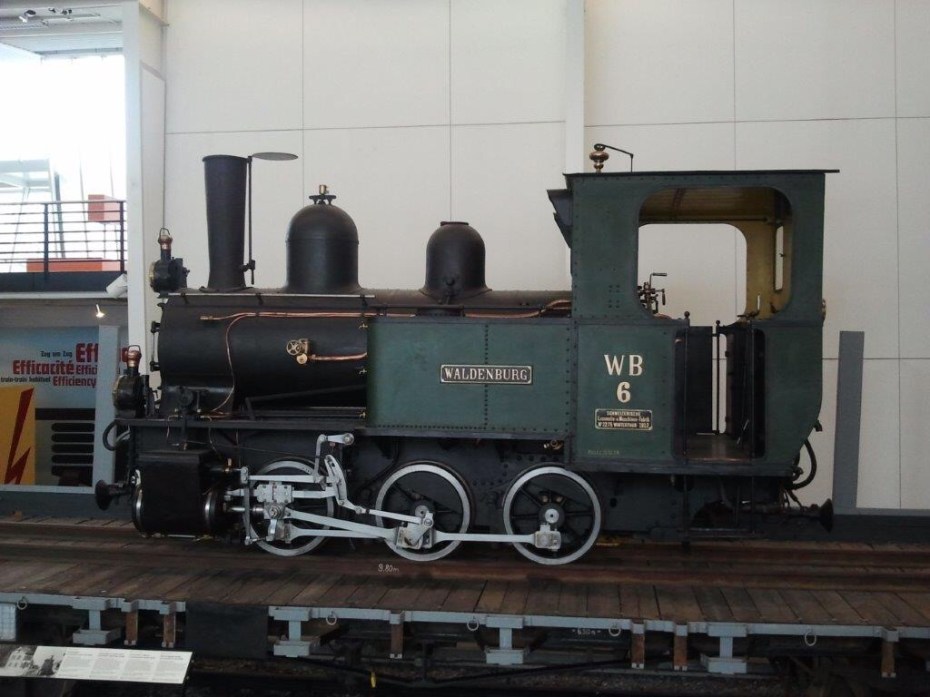
Waldenburg Bahn

Waldenburg Bahn

Erwähnenswert sind die sehr schönen Sammlungen alter Lokomotiven und Eisenbahnwaggons, die historischen Flugzeuge, Satelliten und Raumkapseln, aber auch das U-Boot “Auguste Piccard” und die Ballons der Familie Piccard! Als Liebhaber alter Autos war ich besonders beeindruckt von der Oldtimer-Kollektion, bei der auf Knopfdruck das gewünschte Modell den Besuchern auf einer eigens dafür gebauten Bühne präsentiert wird! Das Planetarium oder das IMAX-Kino sind weitere Möglichkeiten, den Tag im Verkehrshaus zu genießen; Und zu guter Letzt empfehle ich den unermüdlichen Museumsbesuchern einen Abstecher in das „Lindt Chocolate Adventure” und zum Hans Erni Art Museum.

Drill Head Gotthard Base Tunnel

Drill Head used for Gotthard Base-Tunnel

Um zum Verkehrshaus zu gelangen, nehmen Sie am besten den Trolleybus vom Hauptbahnhof Luzern. Eine kurze Bootsfahrt mit dem Raddampfer vom Hauptbahnhof über den Vierwaldstättersee zum Museum wäre jedoch eine unvergessliche Alternative zum Bus oder Auto. In der Tat ist die Bootsfahrt über den See zum Verkehrshaus der Schweiz meine bevorzugte Variante!

Categories: Blogroll, Museum, Switzerland, Travel | Tags: , | 6 Comments

Blog at WordPress.com.