Travel

Florence in Italy – the Cradle of Renaissance

Florence, the capital city of Tuscany in Italy is famous for Renaissance art, architecture, and sculpture. Thus Florence is known as Cradle of Renaissance. This stunningly, the romantic city attracts millions of tourists every year. In this article, I am going to take a Quick Florence Tour – Cradle of Renaissance. Florence contains numerous museums, cathedrals, […]

via Quick Florence Tour – Cradle of renaissance — Travel With Me 24 X 7

Categories: Blogroll, History, Italy, Museum, Travel | Tags: , , | 10 Comments

Victor Hugo his time in Guernsey

To be honest, I did not know much about Victor Hugo before I traveled to Guernsey. He was known to me as a major French writer and poet of the 19th century. Literary masterpieces such as “Les Miserables, Les Travailleurs de la mer and La Légende des Siècles” come from his pen. What I didn’t know was that Victor Hugo spent 15 years of his 19-years political exile on the Channel Island Guernsey. After the coup d‘Etat of Louis Napoleon Bonaparte on 2 December 1851 he was banished from France and also expelled from Belgium in 1852. After a three-year stay in Jersey, he moved in 1855 to the neighboring island of Guernsey. There he rented the Hauteville House in Saint Peter Port which he acquired in 1856 with proceeds from the sale of „les contemplations” (158 stories collected in six books). The Victor Hugo House, or rather his Residence at 38 Rue Hauteville in Saint Peter Port is now a museum and is open to the public for guided tours. This museum is not just for literature lovers, it is a fascinating place where an eccentric genius must have lived. The Residence, built on five floors with a small viewing platform, dominates and overlooks the old town of Saint Peter Port and the bay of Havelet. The house, fully furnished and decorated by Victor Hugo, reflects the creative genius of this poet. In short, the house, the garden and the view are more than remarkable and well worth a visit whilst in Guernsey.

House Victor Hugo Guernsey

House of Victor Hugo in Guernsey

Um ehrlich zu sein, ich wusste vor meiner Reise nach Guernsey recht wenig über Victor Hugo. Er war mir als bedeutender französischer Schriftsteller und Dichter des 19. Jahrhunderts bekannt. Literarische Meisterwerke wie “Les Miserables, Les Travailleurs de la Mer und La Légende des Siècles” stammen aus seiner Feder. Was ich nicht wusste, war, dass Victor Hugo 15 Jahre seines 19-jährigen politischen Exils auf der Kanalinsel Guernsey verbrachte. Nach dem Staatsstreich von Louis Napoleon Bonaparte am 2. Dezember 1851 wurde er 1852 aus Frankreich verbannt und ebenfalls aus Belgien ausgewiesen. Nach einem dreijährigen Aufenthalt in Jersey zog er 1855 auf die Nachbarinsel Guernsey. Dort mietete er das Hauteville-Haus in Sankt Peter Port, das er 1856 mit Erlösen aus dem Verkauf von “les contemplations” (158 gesammelte Geschichten in sechs Büchern) erwarb.

Victor Hugo House in Guernsey

View over Saint Peter Port and the Channel from Victor Hugo‘s House

Das Victor Hugo Haus, oder besser seine Residenz in 38 Rue Hauteville in Sankt Peter Port ist heute ein Museum und für die Öffentlichkeit zugänglich für Führungen. Dieses Museum ist nicht nur ein Ziel für Literaturliebhaber, es ist ein faszinierender Ort, wo ein exzentrisches Genie gelebt haben muss. Die Residenz, gebaut auf fünf Etagen mit einer kleinen Aussichtsplattform, dominiert und überblickt die Altstadt von Sankt Peter Port und die Bucht von Havelet. Das Haus ist komplett eingerichtet und dekoriert von Victor Hugo und es spiegelt das kreative Genie dieses Dichters. Kurz gesagt, das Haus, der Garten und die Aussicht sind mehr als bemerkenswert und einen Besuch ist für Guernsey Reisende auf jeden Fall empfehlenswert.

Categories: Blogroll, Channel Islands, Guernsey, Museum, Travel | Tags: , , | 1 Comment

San Sebastián or Donostia in Basque, Spain

In the Basque Country in the North of Spain about 20 kilometres from the French border lies one of the most famous tourist destinations in the country. The city of San Sebastián, or Donostia in Basque, is backed by the golden, U-shaped Playa de la Concha and framed by lush green hillsides. The city has […]

via San Sebastián — My Que Será, Será

Categories: Blogroll, Spain, Travel | Tags: , , | 3 Comments

Three Great RV-Trips

RVing (RV stands for Recreational Vehicle) is an extremely popular way to get out and experience the world for retirees across the globe. From the occasional trip to full time living, RVs provide a simple, comfortable and affordable way to travel year-round. Here are 3 great RV trips to take in retirement. These can be done as standalone trips, or easily incorporated into your full-time travels.

For more information about RV rentals, visit the company Outdoorsy HERE


Pacific Northwest, United States of America

This is a great summertime trip for retirees. While it is a common perception that this area has perpetual rain, there are great areas here to visit that buck that understanding. Located on the northern coast of the Olympic Peninsula, towns like Port Angeles, Sequim and Port Townsend are located in the rain shadow of the Olympic Mountains. Sequim, which is located in the center of that rain shadow, receives only 14 inches of rain per year. The vast majority of that rain falls between October and April. The weather in peak season between June and September is absolutely delightful. It is sunny with low humidity and temps in the 70’s to low 80’s (21 – 26 centigrade). This is one reason Sequim has been ranked as one of the best small towns in the pacific northwest to live. It is also a very popular destination for west coast residents to move to for retirement.

The towns here are quaint seaside towns, particularly Sequim and Port Townsend. The surrounding area is absolutely beautiful, with the Olympic National Park just to the southwest. Port Townsend has a great walkable downtown area with nice restaurants and a first-rate farmer market every weekend. The nearby Fort Worden State Park is a former military installation where many of the buildings have been converted to art facilities. This is a great place to learn art from traditional painting to advanced woodworking.

The area is also a gateway to Seattle, the San Juan Islands and Victoria, BC, which is a short ferry ride from Port Angeles. This area makes a great standalone trip. A visit here can be months long without running out of things to do.

Great RV Trips to Take in Retirement

Great RV Trips to Take in Retirement

Mediterranen Coast, Spain and other European Countries

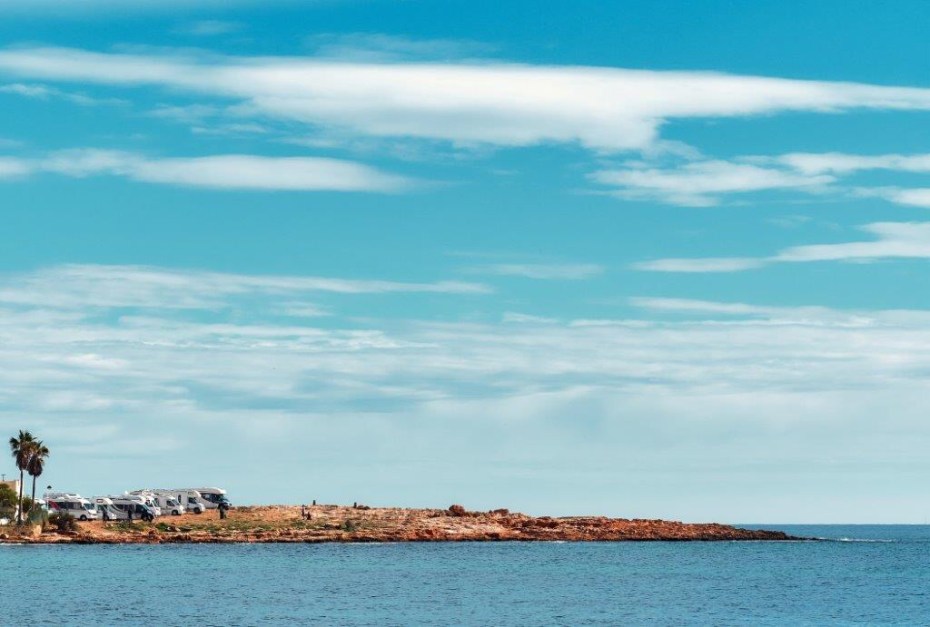
The Mediterranean Coast if Spain is a great location for an overseas retiree RV trip. Spain is often listed as one of the best places for US residents to retire on a budget. It has excellent culture, is generally friendly to foreigners, and sports a relatively low cost of living. The EU also has very streamlined travel regulations between nations, so it makes a great base camp to venture out and explore other EU member states and Switzerland.

RVing in Europe is typically done in smaller campervans than those you may be used to in the US. These RVs are designed to navigate the smaller roads in Europe and provide only the basic services you really need to live. A place to cook, a place to sleep and maybe a bathroom, although those are less common. The lack of RV amenities are made up for by the lifestyle in the area. The RV is truly just a place to sleep, the surrounding cities, towns and beaches will provide all amenities, activities and entertainment you could possibly ask for.

Barcelona, Valencia, Alicante and Malaga are all excellent destinations. Each could be a standalone destination, or a coastal trip covering all of them is certainly possible. Peak season is in the spring and summer, but the weather is mild year-round so off-season trips can still be great while avoiding the crowds.

To plan a trip like this consider using a private owner RV rental service. These services will connect you to a great rental RV that can be picked up on location in Spain.

Great RV Trips to Take in Retirement

Great RV Trips to Take in Retirement

Desert Southwest, United States of America

The southern US is a great retirement RV destination. The weather is fantastic year-round so you can plan your trip at any time. While the southern US as a whole is a great retirement RV destination, the desert southwest stands out for a number of reasons. First, it has great weather. Not only is it generally warm, but also generally very dry. The lack of humidity does three things. First, it makes the warmer temps feel more pleasant. Second, when the sun goes down the temps tend to cool faster, making sleeping more pleasant. Finally, drier air is easier to breath and can be beneficial for a number of health conditions common in the retired community.

The desert southwest is also less crowded then places like Florida during the snowbird season and the cost of living is generally lower. There are other places in the south that are also less crowded then Florida, like Alabama, Louisiana and Texas. These are all great areas in their own right, but the desert southwest gets the edge for its better weather and greater prevalence of free or cheap camping opportunities.

From Palm Springs, CA east to New Mexico there is a great mix of cities and towns with a broad range of cultural and entertainment facilities. These areas are surrounded by camping facilities ranging from vast free boondocking areas to massive high-end resorts. The diversity here will allow any retiree to live exactly as they desire.

RVing during retirement is a great way to get out and see the world. Here we have looked at three great RV trips for retirees. These trips demonstrate the options retirees have for RVing regardless of location or time of year. A great trip is taking a great destination and get the most out of it for yourself and any of these locations will allow you to do that.

For more information about RV-Rentals, visit the company Outdoorsy HERE

Categories: Adventure, Blogroll, Camper, Spain, Switzerland, Travel, Trekking, United States of America | Tags: | 9 Comments

Gotthard Pass, those were the days!

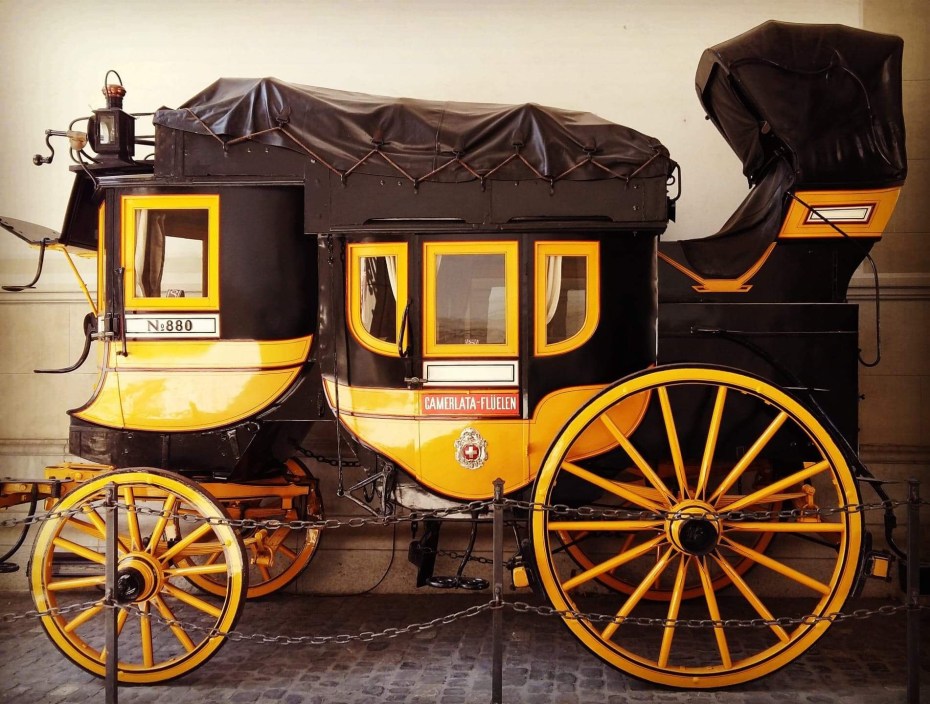
The Gotthard Pass has been one of the most important direct north-south links across the Alps since the Middle Ages. In 1830, the first stagecoach rolled over the Gotthard Pass. At that time, the travelers were predominantly merchants, scientists, engineers and diplomats. Back then, in the first half of the 19th century, the passengers felt the thirty-hour journey from Lucerne to Milan, first with the steamboat across Lake Lucerne to Flüelen and then in the stagecoach over the St. Gotthard Pass to Camerlata and Milan as grueling strain. In 1850, the effective travel time from Zurich to Milan was at least 30 hours, not taking into account an overnight stay in the hospice on the Gotthard Pass. With the opening of the Gotthard railway tunnel in 1882 the stagecoaches slowly disappeared; and the stagecoach operation was finally discontinued in 1926. The steam-powered train reduced the travel time from Zurich to Milan to 11 hours, today’s trains need only 3 hours and 25 minutes for the route, thanks to the 57-kilometer Gotthard Base Tunnel, i.e. the longest tunnel in the world. In 2020, after completion of the railway tunnel through the Monte Ceneri, the train journey will be shortened by another 40 minutes to 2 hours and 45 minutes! By the way, in 1852 about 21‘000 passengers used the stagecoach service over the Alps. Today, on average 12‘000 travelers are using trains through the Gotthard Tunnel!

Stagecoach

Stagecoach from Flüelen to Camerlata

Der Gotthardpass ist seit dem Mittelalter eine der wichtigsten direkten Nord-Süd-Verbindungen über die Alpen. Im Jahre 1830 rollte die erste Postkutsche über den Gotthardpass. Die Reisenden zu jener Zeit waren vorwiegend Kaufleute, Wissenschaftler, Ingenieure und Diplomaten. Damals, in der ersten Hälfte des 19. Jahrhunderts, empfanden die Passagiere die dreissig Stündige Reise von Luzern nach Mailand, zuerst mit dem Dampfschiff über den Vierwaldstättersee nach Flüelen und dann in der Postkutsche über den Sankt Gotthardpass nach Camerlata und Mailand als aufreibende Strapaze. Eine Übernachtung im Hospiz auf dem Gotthardpass nicht eingerechnet, betrug im Jahr 1850 die effektive Reisezeit ab Zürich nach Mailand mindestens 30 Stunden. Mit der Eröffnung des Gotthard-Eisenbahntunnels 1882 verschwanden die Postkutschen langsam; und der Postkutschenbetrieb wurde 1926 endgültig eingestellt. Die dampfbetriebene Bahn verkürzte die Reisezeit von Zürich nach Mailand auf 11 Stunden, die heutigen Züge benötigen für die Strecke, Dank des 57 Kilometer langen Gotthard-Basistunnels, nur noch 3 Stunden und 25 Minuten. Ab dem Jahr 2020, nach Fertigstellung des Eisenbahntunnels durch den Monte Ceneri wird die Zugreise um eine weitere halbe Stunde auf 2 Stunden und 45 Minuten verkürzt! Übrigens nutzten 1852 rund 21’000 Passagiere den Postkutschen-Service über die Alpen. Heute fahren durchschnittlich 12’000 Reisende mit Zügen durch das  Gotthardmassiv!

Categories: Blogroll, Italy, Switzerland, Train, Travel | Tags: , , , , , , , | 1 Comment

Canale Grande in Venice

Driving with a „Vaporetto“ (Water Bus) through the Canale Grande, a main waterway in the lagoon city of Venice, is for me every time again a ride through the past. The most famous of the five bridges spanning the canal is the Rialto Bridge, built in the late 16th century; probably one of the most photographed landmarks in Italy. The Canale Grande, lined with over 200 splendid buildings and noble palaces, keeps my mind drifting back and forth, especially during the night, to the time of the Venetian merchant Marco Polo in the 14th century and the bustle of the merchants, sailors and bankers in one of the largest and most powerful trading cities and financial centers of Europe and the world at that time.

Die Fahrt mit einem „Vaporetto“ (Wasser Bus) durch den Canale Grande, eine Hauptwasserstrasse in der Lagunenstadt Venedig, ist für mich jedes Mal wieder eine Fahrt durch die Vergangenheit. Die bekannteste der fünf Brücken welche den Kanal überspannt ist die im späten 16. Jahrhundert gebaute Rialto Brücke; wahrscheinlich eines der am meisten fotografierten Wahrzeichen Italiens. Der mit über 200 prächtigen Prachtbauten und Adelspalästen gesäumte Canale Grande lässt meine Gedanken immer wieder, und besonders während der Nacht, zurück schweifen in die Zeit des venezianischen Händlers Marco Polo im 14. Jahrhundert und an das geschäftige Treiben der Kaufleute, Seefahrer und Banker in einer der grössten und mächtigsten Handelsstädte und Finanzzentren Europas und der damaligen Welt.


Categories: Blogroll, Italy, Travel, Weltreisen | Tags: , | 8 Comments

Hotels in Santiago de Compostela

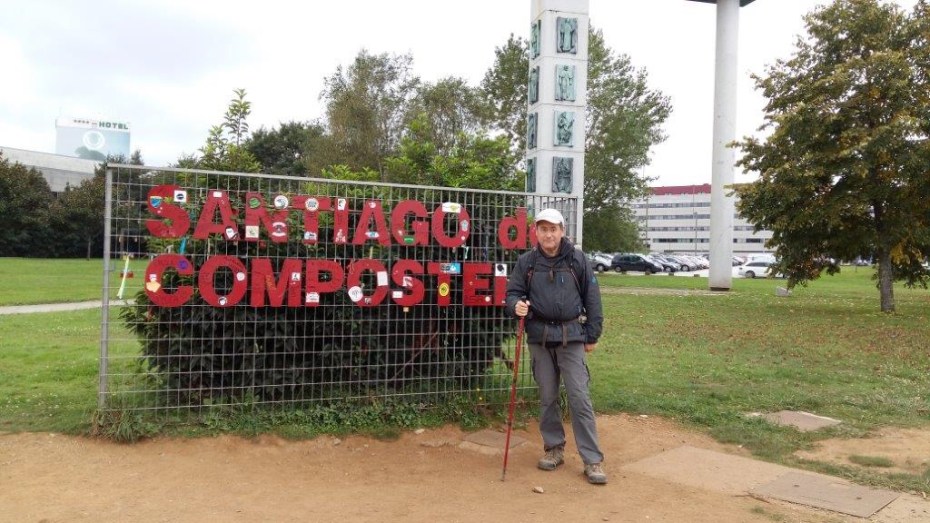
Dear pilgrim friends, are you tired and would you like to end your Camino in Santiago de Compostela? Perhaps my hotel recommendations could help you in choosing an accommodation.

My selection criteria for my list of recommendations are based on the experience and feedback of many pilgrims, ratings and reviews in social media and of course my personal preferences and evaluation criteria, such as a good bed, cleanliness, good location, friendliness of the hotel staff and last but not least value for money.

Nevertheless, my Hotel selection is subjective and many of the hotels not listed here are also excellent and can also be booked with the enclosed link through Booking.com

BOOK NOW and CLICK HERE

Rolandomio’s Hotel Recommendations for „tired“ pilgrims in Santiago de Compostela: 

Hostal Suso (-); Hospederia San Martin Pinario (*); Pension Residencia Fonseca (*); Casa Celsa Barabantes (**); Hotel Bonaval (**); PR Libredón (**); Nest Style (***); Hotel Rua Villar (***); Hotel Lux (***); Altair Hotel (***); San Francisco Hotel Monumento (****); NH Collection Santiago de Compostela (****); Hostal Reis Catolicos (*****)

Buen Camino!

Santiago de Compostela


Liebe Pilgerfreunde, seid ihr müde und möchtet ihr euren Jakobsweg in Santiago de Compostela noch ausklingen lassen; dann könnten euch meine Hotelempfehlungen als Entscheidungshilfe bei der Wahl einer Unterkunft nützlich sein. 

Meine Auswahlkriterien für diese Empfehlungsliste basieren auf Erfahrungen und Feedback vieler Pilger, Ratings und Bewertungen in Sozialen Medien und selbstverständlich meine ganz persönlichen Präferenzen und Bewertungskriterien, wie zum Beispiel ein gutes Bett, Sauberkeit, gute Lage, Freundlichkeit des Hotelpersonals sowie ein gutes Preis-Leistungsverhältnis.

Meine Hotelauswahl ist jedoch subjektiv und viele der hier nicht gelisteten Hotels sind ebenfalls ausgezeichnet und können über den beigefügten Link bei Booking.com gebucht werden.

JETZT BUCHEN mit einem CLICK

Rolandomio’s Hotelempfehlungen für „müde“ Pilger in Santiago de Compostela: 

Hostal Suso (-); Hospederia San Martin Pinario (*); Pension Residencia Fonseca (*); Casa Celsa Barabantes (**); Hotel Bonaval (**); PR Libredón (**); Nest Style (***); Hotel Rua Villar (***); Hotel Lux (***); Altair Hotel (***); San Francisco Hotel Monumento (****); NH Collection Santiago de Compostela (****); Hostal Reis Catolicos (*****)

Buen Camino!

booking

Categories: Blogroll, Hotel, Jakobsweg, Pilgrimage, Spain, Travel | Tags: , , | 2 Comments

Clever Crow tries to buy a Train ticket with a stolen Credit Card

The video of a Twitter user from Japan proves that crows are intelligent birds. On an ordinary day, at a train station in Tokyo, a travel-loving crow tried to buy a train ticket with a stolen credit card. It can be seen how the crow tries to understand the display of the ticket machine and observes how a traveler next to her paid the fare with a credit card. That should also work for me, the crow has certainly thought and schwups, she stole the perplexed neighbor her credit card. Unfortunately, the payment was not working, the PIN code was missing 🙂 Otherwise it would certainly have been the first time that a crow traveled by train in a highly official way 🙂 🙂

Das Video eines Twitter-Users aus Japan beweist das Krähen intelligente Vögel sind. An einem gewöhnlichen Tag in einer Bahnstation in Tokyo versuchte eine reisefreudige Krähe mit einer gestohlenen Kreditkarte ein Bahnticket zu kaufen. Es ist zu sehen wie die Krähe versucht den Display des Ticketautomaten zu verstehen und beobachtet wie eine Reisende am Automaten nebenan den Fahrpreis mit der Kreditkarte bezahlt. Das sollte doch auch bei mir gehen hat sich die Krähe sicherlich gedacht und schwups stahl der verdutzten Nachbarin ihre Kreditkarte. Leider hat die Bezahlung nicht funktioniert, es fehlte der PIN-Code 🙂 Es wäre sonst sicherlich das erste Mal gewesen, dass eine Krähe mit einem Zug hochoffiziell auf Reisen gegangen wäre 🙂 🙂

Categories: Blog, Blogroll, Nature, Travel, Weltreisen | Tags: , , , | 4 Comments

By train from Zurich to Florence

My journey to the south, more precisely to Florence, began this morning at 06:09 with the Intercity train in Zurich. The average journey time from Zurich to Florence is about 6 hours; my journey lasted 5 hours and 45 minutes. The train ride through the beautiful landscape of the Swiss Alps, along several lakes, is a unique experience. The train traverses the Central Swiss Alps in north-south direction and passes under the Gotthard massif at a depth of up to 2,450 meters through the newly built 57-kilometer Gotthard Base Tunnel, the longest tunnel in the world. In Chiasso, at the border station between Switzerland and Italy, the train stops for passport and customs controls, which take place in the wagons. About 15 minutes later, the train continues its journey via Como and Monza to Milano. There are no direct train connections between Zurich and Florence, so passengers have to change from a Swiss to an Italian train at exactly the middle of the travel distance in Milano; in my case it was the high-speed train Frecciarossa. After a short stay at Milano Centrale station, we continued our journey at 300 km / hour through the regions of Lombardy and Emilia Romagna, via Reggio Emilia, Bologna to Florence, the capital of the Italian region of Tuscany. Travelers to Rome, Naples or Salerno can stay in the train for one or three and a half hours, depending on their final destination. In summary, my journey was a magnificent experience and I can recommend it to all train and Italy lovers!

Frecciarossa Train Italy

Frecciarossa Train Italy

Meine Reise in den Süden, genauer gesagt nach Florenz, begann heute Morgen um 06:09 Uhr mit dem Intercity-Zug in Zürich. Die durchschnittliche Fahrzeit von Zürich nach Florenz beträgt ca. 6 Stunden; meine Reise dauerte 5 Stunden und 45 Minuten. Die Zugfahrt durch die wunderschöne Landschaft der Schweizer Alpen, entlang mehrerer Seen, ist ein besonderes Erlebnis. Der Zug durchquert die Zentralschweizer Alpen in Nord-Süd-Richtung und unterquert das Gotthard-Massiv in einer Tiefe von bis zu 2,450 Metern durch den neu gebauten 57 Kilometer langen Gotthard-Basistunnel, dem längsten Tunnel der Welt. In Chiasso, am Grenzbahnhof zwischen der Schweiz und Italien, hält der Zug für Pass- und Zollkontrollen, die im Wagen stattfinden. Danach setzt der Zug seine Reise über Como und Monza nach Milano fort.

SBB ETR 610 Swiss Train

SBB ETR 610 Swiss Train

Es gibt keine direkten Zugverbindungen zwischen Zürich und Florenz, daher müssen die Fahrgäste genau in der Mitte der Reisedistanz in Mailand von einem Schweizer in einen italienischen Zug umsteigen; in meinem Fall war es der Hochgeschwindigkeitszug Frecciarossa. Nach einem kurzen Aufenthalt im Bahnhof „Milano Centrale“ ging’s dann mit 300 km / Stunde weiter durch die Regionen Lombardei und Emilia Romagna, über Reggio Emilia, Bologna bis nach Florenz, der Hauptstadt der italienischen Region Toskana. Reisende nach Rom, Neapel oder Salerno können je nach deren Bestimmungsort, eine bis dreieinhalb Stunden im Zug sitzen bleiben. Zusammenfassend war meine Reise eine großartige Erfahrung und ich kann sie allen Zug- und Italienliebhabern empfehlen!

Categories: Blogroll, Italy, Switzerland, Train, Travel | Tags: , , , , , , | 7 Comments

Dangerous Airport on the island St. Barth (French West Indies) – Watch Live

The airport in St. Barth is considered one of the most dangerous in the world and can only be servewd with a special license. The very short runway must be flown by the pilots in a dive and braked sharply after the “touchdown” of the machine. An approach from the opposite direction over the bay of St. Jean also requires the highest concentratiozn of pilots.

Livestream from St. Barth Airport

For visitors to St Barth via Saint Martin (Sint Maarten), the ferry can alternatively be used from Princess Juliana, Oysterpond or Marigot; but beware, the crossing between the two islands can be very hearty at high seas.

Der Flughafen auf St. Barth gilt als einer der gefährlichsten der Welt und kann nur mit einer Spezial-Lizenz angeflogen werden. Die sehr kurze Landebahn muss von den Piloten im Sturzflug angeflogen und nach dem „Touchdown“ der Maschine scharf abgebremst werden. Ein Anflug aus der Gegenrichtung über die Meeresbucht von St. Jean erfordert ebenfalls höchste Konzentration der Piloten.

Für Besucher der Insel St. Barth über Saint Martin (Sint Maarten) kann alternativ die Fähre ab Flughafen Princess Juliana, Oysterpond oder Marigot benutzt werden; aber Achtung, die Überfahrt zwischen den beiden Inseln kann bei hohem Seegang ganz schön deftig werden.


Categories: Blog, St. Barth, Travel, Weltreisen | Tags: , , , | 12 Comments

The FIFA World Football Museum in Zürich, Switzerland

The FIFA World Football Museum is located in the Enge district of the city of Zurich, opposite the Enge train station. The state-of-the-art museum is housed in a refurbished 1970s building that served as the Swiss headquarters of an American bank for many years. Visiting this museum gave me an excellent insight into the history and evolution of the FIFA World Cup. I am particularly fascinated by the cinema and the many multimedia stations that have brought me closer to the world of football in an exciting and instructive way. So, I can only recommend a visit to this  Museum. For more information go to their website: http://www.fifamuseum.com

FIFA World Football Museum

FIFA World Football Museum

Das FIFA World Football Museum liegt im Enge Quartier der Stadt Zürich, gegenüber dem Bahnhof Enge. Das top moderne Museum befindet sich in einem kernsanierten Gebäude aus den 1970er Jahren welches viele Jahre als Schweizer Hauptsitz einer amerikanischen Bank diente. Der Besuch dieses Museums vermittelte mir einen ausgezeichneten Einblick in die Geschichte und den Wandel der FIFA Fussball Weltmeisterschaft. Ganz besonders fasziniert haben mich das Kino und die vielen multimedialen Stationen die mir die Welt des Fussballs auf eine spannende und lehrreiche Weise näher gebracht haben. Ich kann daher einen Besuch dieses Museums nur empfehlen. Mehr Informationen finden Sie auf der Webseite: http://www.fifamuseum.com


Categories: Blogroll, Museum, Switzerland, Travel | Tags: , , | 4 Comments

Lindenhof in Zurich, Switzerland

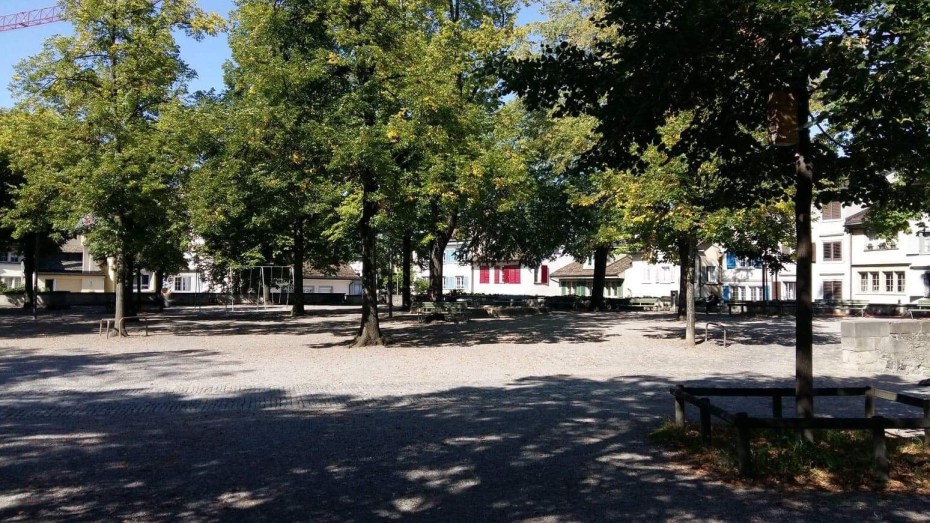
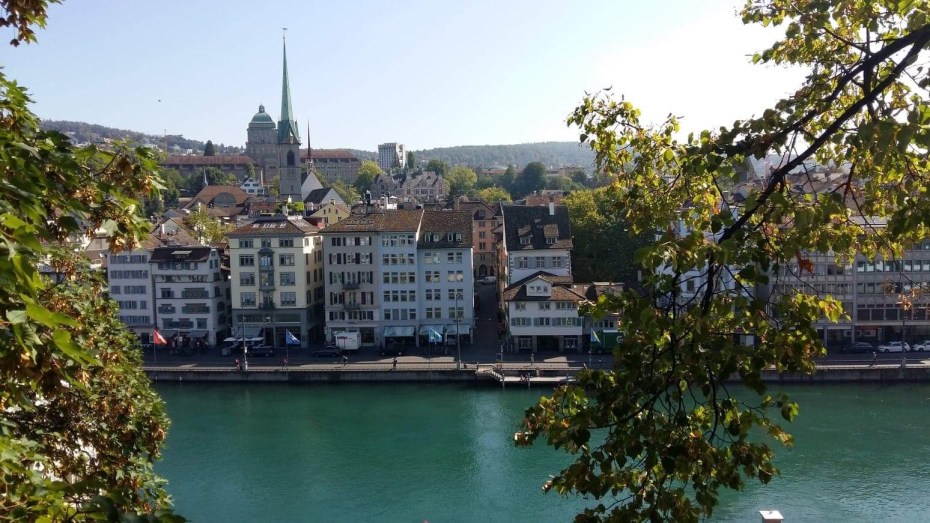
Yesterday, the time has come again for me to travel to Zurich; I had a lunch appointment with one of my friends! Since I had one hour left until our scheduled lunch, I decided to use this hour for a stroll through the streets of the old town, along the river Limmat and up to the Lindenhof hill. From there one has an impressive view, in the middle of the historic center of the city of Zurich, across the Limmat and the Limmatquai on the right bank of the old town, the Zurich Niederdorf.

Based on archaeological finds it is assumed that the Lindenhof had already been inhabited in the Bronze Age. Later, that is to say in Roman times and during the early Middle Ages, fortifications where built up there to protect the inhabitants of Turicum, now the city of Zurich. In the late Middle Ages, an imperial Palatinate towered from the Lindenhof over the city.

With the demolition of the former imperial residence in 1218, the Lindenhof transformed into a green, tree-lined recreation area within the city walls of Zurich. Shooting competitions, festivities and the chess  play were just a few of the traditional activities of that time. Also, the heartbreaker and women conqueror, Giacomo Casanova discovered the tranquility and beauty of this leafy open space during his visit to Zurich in the year 1760 🙂

Today, the Lindenhof is one of the most famous places and leisure areas in the heart of the city of Zurich and is visited daily by peace seekers, tourists and city strollers like me.

Lindenhof Zurich

Lindenhof Zurich

Gestern war es wieder einmal soweit, eine Verabredung mit einem Freund brachte mich in die Stadt Zürich; ein gemeinsames Mittagessen war angesagt! Da mir bis zu unserem Treffen noch eine Stunde Zeit verblieb, entschied ich mich für einen kleinen Spaziergang durch die Gassen der Altstadt, entlang des Flusses Limmat und hinauf auf den Lindenhof. Von dieser Anhöhe hat man eine beeindruckende Aussicht inmitten des historischen Kerns der Stadt Zürich über die Limmat und das Limmatquai hinweg auf die rechtsufrige Altstadt, dem Zürcher Niederdorf. 

Anhand archäologischer Funde wird angenommen, dass der Lindenhof bereits in der Bronzezeit bewohnt gewesen sein musste. Später, das heisst zur Zeit der Römer und während des Frühmittelalters standen an diesem Ort Befestigungsanlagen und Fluchtburgen für die Bewohner der Stadt Turicum, dem heutigen Zürich. Im Spätmittelalter wurden in der kaiserlichen Pfalz am Lindenhof Reichstage und Festlichkeiten abgehalten. 

View from Lindenhof

View from Lindenhof

Mit dem Abbruch der einstigen kaiserlichen Residenz im Jahre 1218 wandelte sich der Lindenhof in einen begrünten, mit Bäumen bepflanzten Erholungsraum innerhalb der Zürcher Stadtmauern. Schützenfeste, Festivitäten und das Schachspiel waren nur ein paar wenige überlieferte Aktivitäten jener Zeit. Im Jahre 1760 entdeckte auch Giacomo Casanova der Herzensbrecher und Fraueneroberer die Ruhe und Schönheit dieses begrünten Freiraums 🙂

Heute gilt der Lindenhof als einer der bekanntesten Plätze und Freizeitflächen im Herzen der Stadt Zürich und wird täglich von Ruhesuchenden, Touristen und Städtebummler wie ich besucht.

Categories: Blogroll, History, Switzerland, Travel | Tags: , , | 1 Comment

National Palace of Culture (NDK) in Sofia, Bulgaria

The monumental National Palace of Culture (NDK) is the most impressive building in the city center of the Bulgarian capital. In fact, it is the largest multifunctional complex in southeastern Europe. The NDK was opened in 1981 to commemorate the founding of the first Bulgarian state 1300 years ago. At the upper end of Vitosha Boulevard there is a large square and park from which you can see this dominant cultural palace. A visit to the building should not be missed, especially for socialist and communist architecture lovers, in the travel planning. On the front of this massive complex is a round ornament that looks like an eye, and the closer you approach the NDK you are feeling watched by “Big Brother” 🙂 The interior architecture is modern, but terrific, and the warm inviting literature Cafe is worth a short stop on your discovery tour through Sofia. You may also have the opportunity and time to attend one of the many concerts, festivals, exhibitions, fairs, etc. I am sure you will not regret it!

The National Palace of Culture (NDK) Sofia

The National Palace of Culture (NDK) Sofia

Der gewaltige Nationale Kulturpalast (NDK) ist das beeindruckendste Gebäude im Stadtzentrum der bulgarischen Hauptstadt. Tatsächlich ist es der grösste multifunktionale Komplex in Südosteuropa. Das NDK wurde 1981 eröffnet, um an die Gründung des ersten bulgarischen Staates vor 1300 Jahren zu gedenken. Am oberen Ende des Vitosha Boulevard‘s befindet sich ein grosser Platz und Park, von dem aus Du diesen dominanten Kulturpalast sehen kannst. Eine Besichtigung des Gebäudes sollte vor allem für sozialistische und kommunistische Architekturliebhaber in deren Reiseplanung nicht fehlen. Auf der Vorderseite dieses massiven Komplexes befindet sich ein rundes Ornament, das wie ein Auge wirkt, und man fühlt sich je näher man sich dem NDK nähert von „Big Brother“ beobachtet 🙂 Die Architektur im Inneren ist modern, aber grandios, und das warme einladende Literatur Cafe ist auf Deiner Entdeckungstour durch Sofia eine kurze Einkehr wert. Vielleicht hast Du auch die Gelegenheit und Zeit eines der vielen Konzerte, Festivals, Ausstellungen, Messen, etc. zu besuchen. Ich bin überzeugt, Du wirst es nicht bereuen!

Categories: Blogroll, Bulgarien, Events, Landmark, Monument, Travel | Tags: | Leave a comment

A new way to Santiago de Compostela, the Via Postumia in Northern Italy

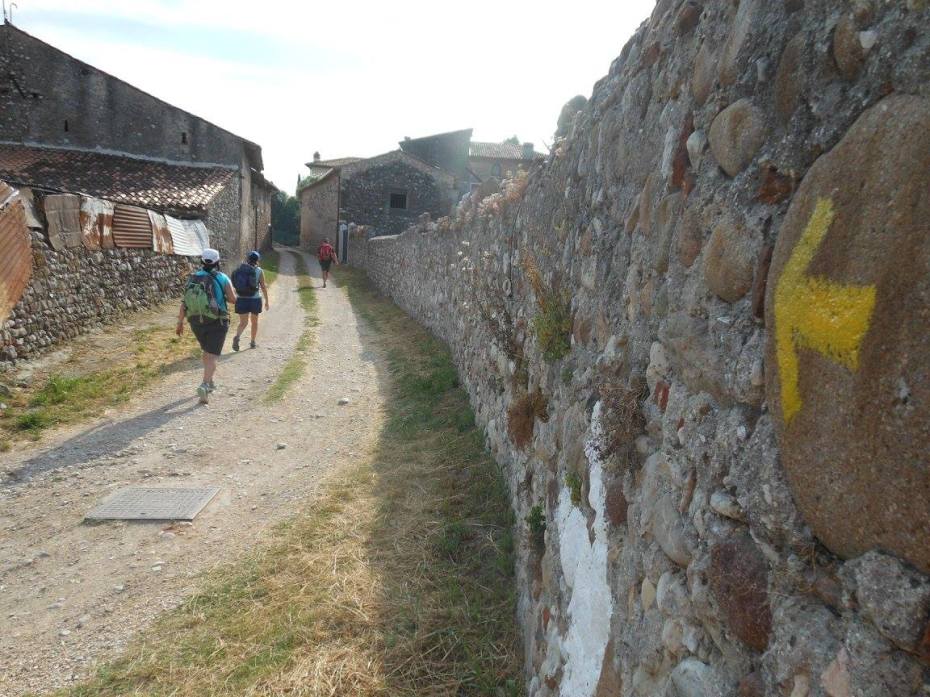
The Via Postumia was a road in Northern Italy that was built by the Romans around 150 BC; it led from Aquileia, through the Po valley over the Apennines to the city of Genoa. Today, this historic route largely forms the centerpiece of the new Italian pilgrimage route, the Via Postumia, to Santiago de Compostela in Galicia, Spain.

The Via Postumia is 930 km long and leads from Aquileia to Genoa and crosses the entire north of Italy from east to west, i.e. through the Regions Friuli-Giulia Venezia, Lombardy, Emilia Romagna, Piedmont and Liguria.

What didn’t exist until now, was an arrow-marked pilgrim route that crosses Italy from east to west and continues from Genoa to Menton in France along the Ligurian coast. The idea to develop such a route emerged at the World Meeting of the Associations of Friends of the St. James Way in Krakow in September 2013, on the occasion of the 1200th anniversary of the rediscovery of the body of St. James. Shortly after his return from this World Meeting in Poland, Andrea Vitiello began this task and decided to trace and re-enact the paths of medieval pilgrims from the East through Italy using advice and opinions from historians, other experts and friends.

The gigantic task of Andrea was to create a route that fit into the map and the network of all the St. James Ways in Europe. Another objective of his project is to promote and support the local businesses along the newly created Via Postumia pilgrimage route.

The result of this great initiative is commendable. The Way of St. James through Italy was formally restored. I am convinced that pilgrims who choose this route through Italy on their way to Santiago de Compostela will be delighted in every way! The Via Postumia crosses the wonderful landscapes of northern Italy on quiet and signposted paths, past nine UNESCO heritage sites and through some of the most beautiful cities in Italy. I am already looking forward to this historic, culinary and spiritual pilgrimage through Italy.

Further and detailed information such as maps, directions, hotels and hostels, etc. can be found under the following link: http://www.viapostumia.eu

Via Postumia

The Via Postumia in Northern Italy

Die Via Postumia war eine um das Jahr 150 v. Chr. gebaute Römerstrasse in Italien, die von Aquileia, durch die Poebene über die Apenninen bis nach Genua führte. Dieser historische Weg bildet heute weitestgehend das Kernstück des Italienischen Pilgerwegs, die Via Postumia, nach Santiago de Compostela in Galizien, Spanien.

Dieser Weg, die Via Postumia, ist eine etwa 930 km lange Route die von Aquileia nach Genua führt und den gesamten Norden Italiens von Osten nach Westen durchquert, also Friaul-Julisch Venetien, Lombardei, Emilia Romagna, Piemont und Ligurien.

Was es bis jetzt nicht gab, war eine mit Pfeilen markierte Pilger Route die Italien von Osten nach Westen durchquert und von Genua weiter nach Menton in Frankreich entlang der ligurischen Küste führt. Die Idee einen solchen Weg zu entwickeln entstand am Welttreffen der Jakobsvereine im September 2013 in Krakau, anlässlich des 1200-jährigen Jubiläums der Wiederentdeckung des Leichnams des Heiligen Jacobus. Kurz nach seiner Rückkehr von diesem Weltmeeting in Polen begann Andrea Vitiello mit dieser Aufgabe und beschloss anhand von Ratschlägen und Meinungen von Historikern, anderen Experten und Freunden die Wege mittelalterlicher Pilger aus dem Osten durch Italien zurückzuverfolgen und nachzubilden.

Die gigantische Aufgabe von Andrea bestand darin, eine Route zu erstellen, die in die Karte und das Netzwerk aller Jakobswege von Europa passte. Ein weiteres Ziel seines Projekts ist die Förderung und Unterstützung der lokalen Unternehmen entlang der neu geschaffenen Pilgerroute Via Postumia.

Das Ergebnis dieser großartigen Initiative ist lobenswert. Der Jakobsweg durch Italien wurde formal wieder hergestellt. Ich bin überzeugt, dass Pilger, die diese Route durch Italien auf ihrem Weg nach Santiago de Compostela wählen, in jeder Hinsicht begeistert sein werden! Die Via Postumia durchquert die wundervollen Landschaften Norditaliens auf ruhigen und beschilderten Wegen, vorbei an neun UNESCO-Kulturstätten und durch einige der schönsten Städte Italiens. Ich freue mich schon jetzt auf diesen historischen, kulinarischen und spirituellen Pilgerweg durch Italien. 

Weitere und detaillierte Informationen wie Karten, Wegbeschreibungen, Hotels und Herbergen, etc. findest Du unter folgendem Link: http://www.viapostumia.eu

Categories: Blogroll, Italy, Jakobsweg, Landmark, Nature, Pilgrimage, Travel, Trekking | Tags: , , , , | 6 Comments

Bulgaria Private Guide for your discoveries

My name is Patrick and I am an independent tour guide based in Sofia, the capital of the wonderful country of Bulgaria. I cater for small groups (maximum four persons) in order to offer the best personal and exclusive service to each and every one of my customers. I am fluent in English and Spanish and of course Bulgarian. I have an unparalleled knowledge of Bulgaria having been a guide here for over 20 years (I know, difficult to imagine for one who looks so young), with a passion for my country’s history, legends, traditions and culture.
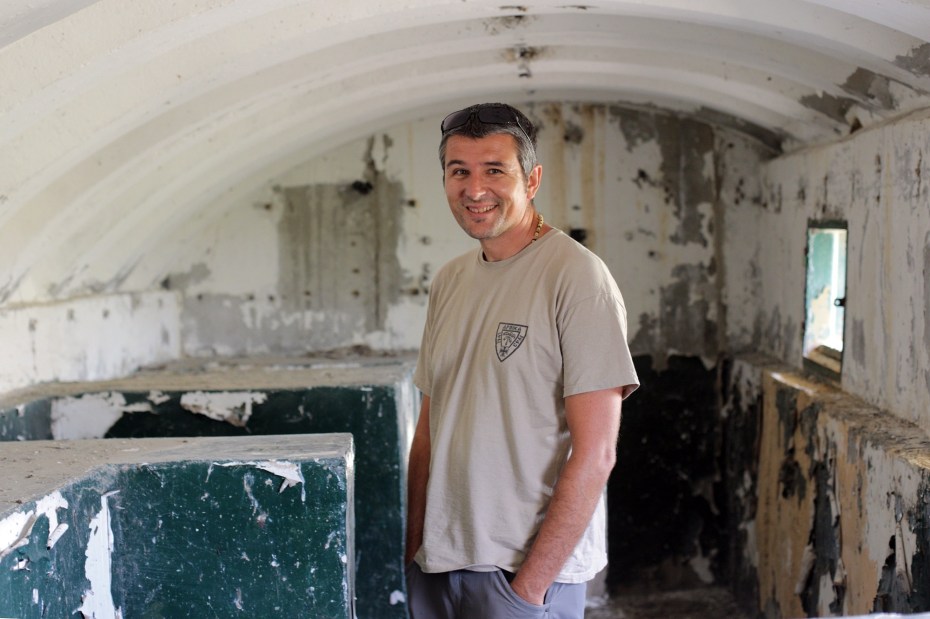
Bulgaria Private Guide Patrick

Bulgaria Private Guide Patrick

Working with you before your arrival, we will plan together a 100% customized itinerary tailored to your group’s tastes and needs. I will get your group preferential rates for accommodation, whether you want local guest house hospitality, or 5 star pampered luxury. This pre-planning is key and ensures a tour which never backtracks or repeats.

My air conditioned vehicle is spacious for all passengers and is extremely comfortable on both highways and mountain roads. I love talking about my country as we drive around, but I can assure you I do have an on/off button if you prefer just to listen to music and soak in the countryside.

I offer a wide range of cultural trips including my “Exclusive Bulgaria Grand Tour”, day tours in Sofia and along the Black Sea coast, archaeological and historical tours, research tours, foodie and wine tours, not to mention outdoor activities including hiking, biking, fishing and horseback riding.

I have many guests who come back year after year and my tours have been featured extensively in the magazine International Travel News. Of course, for your peace of mind I am fully licensed and a member of the Association of Bulgarian Tour Guides.

So that’s me – come and let me show you my country!

Contact Bulgaria Private Guide

Dear Travelers, in order to to get in touch with me, please write to my personal mail: bulgariaprivateguide@gmail.com
or contact me through my website:  Bulgaria Private Guide

Post written in co-operation with Bulgaria Private Guide Patrick
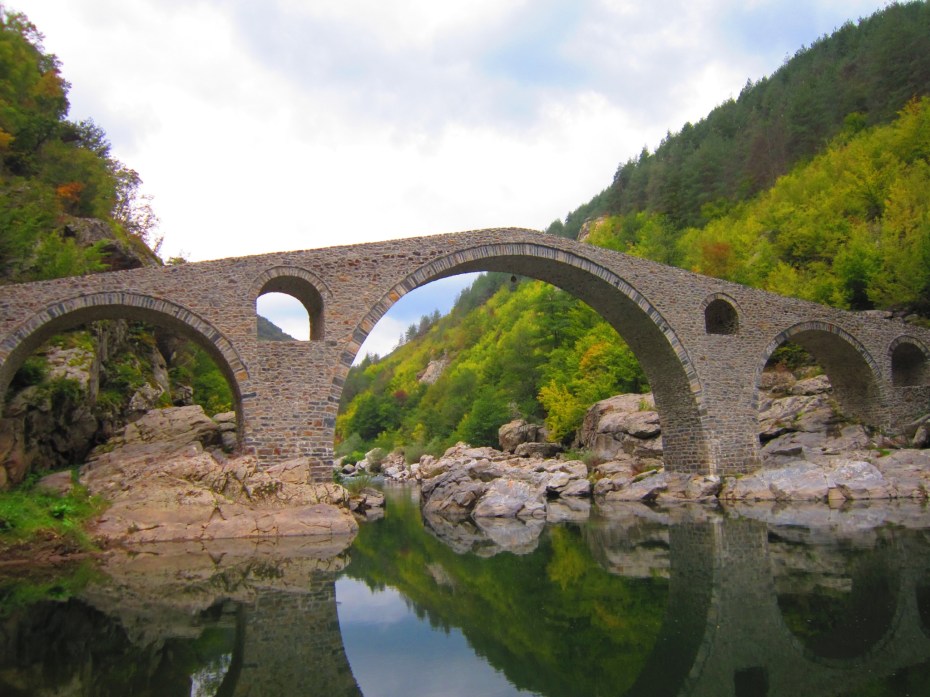
Bulgaria Grand Tour

Exclusive Bulgaria Grand Tour

Mein Name ist Patrick und ich bin ein unabhängiger Reiseleiter mit Sitz in Sofia, der Hauptstadt des wunderschönen Landes Bulgarien. Ich kümmere mich um kleine Gruppen (maximal vier Personen), um jedem meiner Kunden den besten persönlichen und exklusiven Service zu bieten. Ich spreche fließend Englisch und Spanisch und natürlich Bulgarisch.

Ich habe ein einzigartiges Wissen über Bulgarien, und ich bin seit über 20 Jahren Reiseführer (ich weiß, schwer vorzustellen für jemanden, der so jung aussieht), mit einer Leidenschaft für die Geschichte, Legenden, Traditionen und Kultur meines Landes.

Vor Deiner Ankunft arbeiten wir mit Dir zusammen und planen gemeinsam eine 100% maßgeschneiderte Reiseroute, die auf die Geschmäcker und Bedürfnisse deiner Gruppe zugeschnitten ist. Ich werde für Deine Gruppe günstige Preise für die Unterkünfte erzielen, egal ob Du und Deine Gruppenmitglieder die Gastfreundschaft eines Gasthauses oder einen luxuriösen 5-Sterne-Luxus wünschen. Diese Vorplanung ist der Schlüssel zu einer einzigartigen Tour, massgeschneidert für Dich und deine Gruppe.

Koprivshtiza

Koprivshtiza

Mein klimatisiertes Fahrzeug ist geräumig für alle Passagiere und ist extrem komfortabel auf Autobahnen und Bergstraßen. Ich liebe es, über mein Land zu reden, während wir herumfahren, aber ich kann Dir versichern, dass ich einen Ein / Aus-Knopf habe, wenn Du nur Musik hören oder die Landschaft genießen willst.

Ich biete eine große Auswahl an kulturellen Reisen, einschließlich meiner “Exclusive Bulgaria Grand Tour”, Tagestouren in Sofia und entlang der Schwarzmeerküste, archäologische und historische Touren, Forschungstouren, Feinschmecker- und Weintouren, ganz zu schweigen von Outdoor-Aktivitäten wie Wandern, Radfahren, Angeln und Reiten.

Ich habe viele Gäste, die Jahr für Jahr zurückkommen und meine Touren wurden ausführlich in der Zeitschrift International Travel News vorgestellt. Natürlich, um Dich zu beruhigen, ich bin voll lizenziert und Mitglied der Vereinigung der bulgarischen Reiseleiter.

Also das bin ich – komm und lass mich Dir mein Land zeigen!

Nessebar

Nessebar

Contact Bulgaria Private Guide

Lieber Reisender, um mich zu kontaktieren schreibe mir doch ein persönliches Mail: bulgariaprivateguide@gmail.com

oder kontaktiere mich über meine Webseite: Bulgaria Private Guide

Artikel geschrieben in Zusammenarbeit mit Bulgaria Private Guide Patrick

Categories: Blogroll, Bulgarien, Travel | Tags: , , , , , | 1 Comment

Salar de Uyuni in the Andes, Bolivia

The Salar de Uyuni in the Andes in southwest Bolivia is the largest salt surface on earth (about 11’000 square kilometers). This place, at an altitude of about 3,700 meters, attracts tourists from all over the world. Most visitors are tourists from Japan and other Asian countries. There are daily flights from La Paz to Uyuni, a small town on the edge of this salt desert. Of course buses also run between Uyuni and for example La Paz, Potosi or Chile.

Several hotels were built in the area almost completely (walls, roofs, beds, tables) with salt blocks from the Salar. I stayed at the Hotel de Sal Luna Salada near Colchani. The price performance ratio of this hotel and spa is very good and the view over the salt desert is absolutely unique!

The Palacio de Sal was the first such hotel and was built in the middle of the salt desert, but had to be closed several years after its opening due to health and environmental problems. Today, most tours stop there for a lunch break and for shots of the former Palacio de Sal and its surroundings; the many national flags in front of the building are a popular photo motive. Actually, day trips to the salt desert in 4 × 4 jeeps are common and the cheapest way to visit the salt pans. The tours start in Uyuni around 10 am and end around 5 pm. I booked two day tours, one organized by my hotel and the other from a tour operator in Uyuni. The tours usually start with a visit to the Train Cemetery, followed by a short stop at Colchani, where a small salt factory is shown to tourists. From there you continue to the salt desert and there is enough time to photograph this fantastic and overwhelming salt surface and, during the rainy season, to admire the reflections of clouds and sky in the water. I am convinced that you will enjoy the beauty and tranquility of the Salar de Uyuni to the fullest. It will remain an unforgettable experience!

However, for how long? Our tour guide, who earns as Guide extra Money for her studies in La Paza, was very worried about the future of the Salar de Uyuni. She led us to small holes in the otherwise mirror-smooth surface of the salt desert. This anomaly is attributed to the recent intensification of the extraction of lithium carbonate from the water under the salt crust. This rare and sought-after resource is used for the production of high-performance batteries and promises huge profits for the poor country Bolivia, given the looming shift to electric vehicles. The beauty of the Salar might however be at risk considering that about 60% of the world reserves of Lithium are in Bolivia, namely in the Salar de Uyuni.

Der Salar de Uyuni in den Anden im Südwesten Boliviens ist die größte Salzfläche der Erde (ca. 11’000 Quadratkilometer). Dieser Ort auf einer Höhe von etwa 3.700 Metern zieht Touristen aus der ganzen Welt an. Die meisten Besucher sind Touristen aus Japan und anderen asiatischen Ländern. Es gibt tägliche Flüge von La Paz nach Uyuni, einer kleinen Stadt am Rande dieser Salzwüste. Natürlich fahren auch Busse zwischen Uyuni und zum Beispiel La Paz, Potosi oder Chile.

Mehrere Hotels wurden in der Gegend fast vollständig (Wände, Dächer, Betten, Tische) mit Salzblöcken aus dem Salar gebaut. Ich war im Hotel de Sal Luna Salada in der Nähe von Colchani. Das Preis-Leistungsverhältnis dieses Hotels ist sehr gut und der Blick über die Salzwüst absolut einzigartig!

Der Palacio de Sal war das erste derartige Hotel und wurde in der Mitte der Salzwüste errichtet, musste jedoch einige Jahre nach seiner Eröffnung wegen Gesundheits- und Umweltproblemen geschlossen werden. Heute halten die meisten Touren dort für eine Mittagspause und für Photoaufnahmen des ehemaligen Palacio de Sal und seiner Umgebung; die vielen Nationalflaggen vor dem Gebäude sind ein beliebtes Fotomotiv. Eigentlich sind Tagesausflüge in die Salzwüste in 4 × 4 Jeeps üblich und die billigste Art, die Salinen zu besuchen. Die Touren beginnen in Uyuni gegen 10 Uhr und enden gegen 17 Uhr. Ich buchte zwei Tagestouren, eine organisiert von meinem Hotel und die andere von einem Reiseveranstalter in Uyuni. Die Touren beginnen normalerweise mit einem Besuch des Zugfriedhofs, gefolgt von einem kurzen Halt in Colchani, wo eine kleine Salzfabrik den Touristen gezeigt wird. Von dort geht es dann weiter in die Salzwüste und es bleibt genügend Zeit, um diese fantastische und überwältigende Salzoberfläche zu fotografieren und während der Regenzeit die Spiegelungen von Wolken und Himmel im Wasser zu bewundern. Ich bin überzeugt, dass Sie die Schönheit und Ruhe des Salar de Uyuni in vollen Zügen genießen werden. Es wird ein unvergessliches Erlebnis bleiben!

Für wie lange aber? Eine junge Reiseleiterin, die sich hier mit ihren Führungen durch die Salzwüste ein Zusatzbrot für ihr Studium in La Paz verdient, zeigte sich sehr besorgt über die Zukunft der Salar de Uyuni. Sie führte uns zu kleinen Einbrüchen in der ansonsten spiegelglatten Oberfläche der Salzwüste. Diese Anomalie wird zurückgeführt auf die kürzlich begonnene Intensivierung der Extraktion von Lithiumkarbonat aus dem sich unter der Salzkruste befindlichen Wassers. Dieser seltene und begehrte Rohstoff wird für die Herstellung von leistungsstarken Batterien verwendet und verspricht in Anbetracht der sich abzeichnenden Verlagerung auf Elektrofahrzeuge riesige Gewinne für das arme Land Bolivien. Die Schönheit des Salar könnte jedoch in Gefahr sein, wenn man bedenkt, dass etwa 60% der Weltreserven von Lithium in Bolivien liegen, nämlich in der Salar de Uyuni.


Categories: Blogroll, Bolivia, Travel, Weltreisen | Tags: , , , , | 2 Comments

The „Wheels of Time“ in Sofia Railway Station

Sofia Central Railway Station is located about one kilometer north of the Lion Bridge, on the Boulevard Knjaginja Maria Louisa. Next to the train station is the newly built bus station Sofia.

The Sofia Central Railway Station opened on 1 August 1888. For the opening ceremony of the station came a train from London, which drove over Paris and continued on the following day via Plovdiv to Istanbul. The opening of the station coincided with the completion of a continuous rail link from Western Europe to Istanbul. Since then, Sofia Central Station has been one of the stops of the legendary Orient Express. Between 2012 and 2016, the entire complex of the station was completely renovated. The aim of the renovation was a new “old” central station with a modern and contemporary appearance.

The “Wheels of Time” is a fantastic digital mural (about 130 m2) in the station hall. The artist Prof. Dr. med. Boyan Dobrev gives the main station a modern and contemeporary appearance. This artistically designed digital mural, a mosaic of over 5,600 historical photos, shows and tells the story of the Bulgarian railway company. A visit to the Sofia Central Railway Station is worthwhile, even if you do not take a train.

Der Hauptbahnhof von Sofia liegt etwa einen Kilometer nördlich der Löwenbrücke, am Boulevard Knjaginja Maria Louisa. Neben dem Bahnhof grenzt der neu erbaute Busbahnhof Sofia.d

Der Hauptbahnhof von Sofia wurde am 1. August 1888 eröffnet. Zur Eröffnungszeremonie des Bahnhofs kam ein Zug aus London an, der über Paris fuhr und am folgenden Tag über Plovdiv nach Istanbul weiterfuhr. Mit der Bahnhofseröffnung wurde gleichzeitig die durchgehende Bahnverbindung von Westeuropa nach Istanbul fertiggestellt. Seitdem ist der Hauptbahnhof von Sofia eine der Haltestellen des legendären Orient Express. Zwischen 2012 und 2016 wurde der gesamte Komplex des Bahnhofs komplett renoviert. Ziel der Renovierung war ein neuer „alter“ Hauptbahnhof mit einem modernen und zeitgemäßen Erscheinungsbild.

Die “Räder der Zeit” ein phantastisches digitales Wandbild (ca. 130 m2) in der Bahnhofshalle des Künstlers Prof. Dr. Boyan Dobrev verleiht dem Hauptbahnhof ein modernes und zeitgemässe Erscheinungsbild. Dieses künstlerisch gestaltete digitale Wandbild, ein Mosaik aus über 5’600 historischen Fotos, zeigt und erzählt die Geschichte der bulgarischen Eisenbahngesellschaft. Ein Besuch des Hauptbahnhofs lohnt sich, auch dann, wenn Sie keinen Zug nehmen.

Categories: Blogroll, Bulgarien, Train, Travel | Tags: , , , , | 2 Comments

The city of St. Gallen, Switzerland

Yesterday, I visited the city of Saint Gallen in eastern Switzerland. With its 75000 inhabitants, it is the eight largest city in the country. St. Gallen achieved world fame through its embroidery industry, which reached its peak at the end of the 19th century. At that time, embroidery products accounted with 18 percent for the largest share of exports in the Swiss economy. To this day, embroidery and haute couture fashion is made in St. Gallen, which woman does not know the fashion of Akris 🙂 Today, the beautiful embroidery can be admired in the Textile Museum St. Gallen that is dedicated to the history of the textile industry in eastern Switzerland. The city is also interesting for tourists due to the Abbey Church and Library, which has been included in the World Heritage list by UNESCO.

The Abbey church is considered one of the last monumental religious buildings of the late Baroque. Not less well known, especially in German-speaking countries, is the Business School of the University St. Gallen where many of today’s economic leaders have been formed. But the most popular “product” of the city of St. Gallen is the grilled veal bratwurst, also known as OLMA bratwurst! For me, eating this special bratwurst was the highlight of the day 🙂

Abbey Saint Gallen

Abbey Saint Gallen

Gestern besuchte ich die Stadt St. Gallen in der Ostschweiz. Mit ihren 75000 Einwohnern ist sie die acht grösste Stadt der Schweiz. Weltberühmtheit erlangte Sankt Gallen durch ihre Stickereiindustrie welche am Ende des 19. Jahrhunderts ihren Höhepunkt erlebte. Die Stickereierzeugnisse hatten damals mit 18 Prozent den grössten Anteil an den Exporten der Schweizer Wirtschaft. Bis heute wird in St. Gallen Stickerei- und Haute Couture Mode gemacht, welche Frau kennt nicht die Mode von Akris 🙂 Die wunderschönen Stickereien kann man heute im Textilmuseum St. Gallen sehen, welches sich der Geschichte der Ostschweizer Textilindustrie widmet. Die Stadt ist auch für Touristen interessant aufgrund der Stiftskirche und der Stiftsbibliothek, welche von der UNESCO in die Liste des Weltkulturerbes aufgenommen wurde. Die Stiftskirche gilt als eine der letzten monumentalen Sakralbauten des Spätbarocks. Nicht weniger bekannt, vor allem im deutschsprachigen Raum, ist die Business School der Universität St. Gallen welche viele der heutigen Wirtschaftsführer hervorgebracht hat. Aber das beliebteste und bekannteste „Produkt“ der Stadt St. Gallen ist die grillierte Kalbsbratwurst, auch bekannt als OLMA Bratwurst! Für mich war der Verzehr und Genuss dieser Wurst der Höhepunkt des Tages 🙂

Categories: Blogroll, Switzerland, Travel | Tags: , , , , , | 4 Comments

The mountain Matterhorn in Switzerland

This shot of the epically beautiful Matterhorn was taken while hiking the 5-Seenweg (Five Lakes Hike), which offers 5 stunning lake views of the alps and is a true Swiss classic.

via Matterhorn Over Stellisee — Lightbox3D

Categories: Blogroll, Switzerland, Travel | Tags: , | 15 Comments

Johannes Brahms in Baden-Baden, Germany

Did you know that the ingenious German composer Johannes Brahms (1833 – 1897) composed or completed many of his famous works in a mansard apartment in Baden-Baden-Lichtenfeld during the summer months of 1865-1874? This lavish spa resort, not far from his apartment, was also home to his lifelong friend, composer and pianist Clara Schuhmann. The shingled house from the 19th century remained unchanged until today; and the living quarters of Johannes Brahms are nowadays a museum.

More information about the Brahms Haus and the opening times of the museum can be found on the following website: http://www.brahms-baden-baden.de

Brahms House in Baden-Baden, Germany

Brahms House in Baden-Baden, Germany

Wussten Sie, dass der geniale deutsche composer Johannes Brahms (1833 – 1897) während den Sommermonaten der Jahre 1865 bis 1874 in einer Mansarden Wohnung in Baden-Baden-Lichtenfeld viele seiner berühmten Werke komponierte oder vollendete. In diesem eleganten Kurort, nur unweit von seiner Wohnung entfernt, wohnte zu dieser Zeit ebenfalls seine lebenslange Freundin, die Komponistin und Pianistin Clara Schuhmann. Das schindelgedeckte Haus aus dem 19. Jahrhundert blieb bis zur heutigen Zeit unverändert; und die Wohnräume von Johannes Brahms sind heute ein Museum.

Mehr Informationen über das Brahms Haus und die Öffnungszeiten des Museums finden Sie auf folgender Webseite: http://www.brahms-baden-baden.de

Categories: Art, Blogroll, Kunst, Museum, Music, Travel | Tags: , , , , , , | 1 Comment

Blog at WordPress.com.