Stagecoaches over the Gotthard Pass

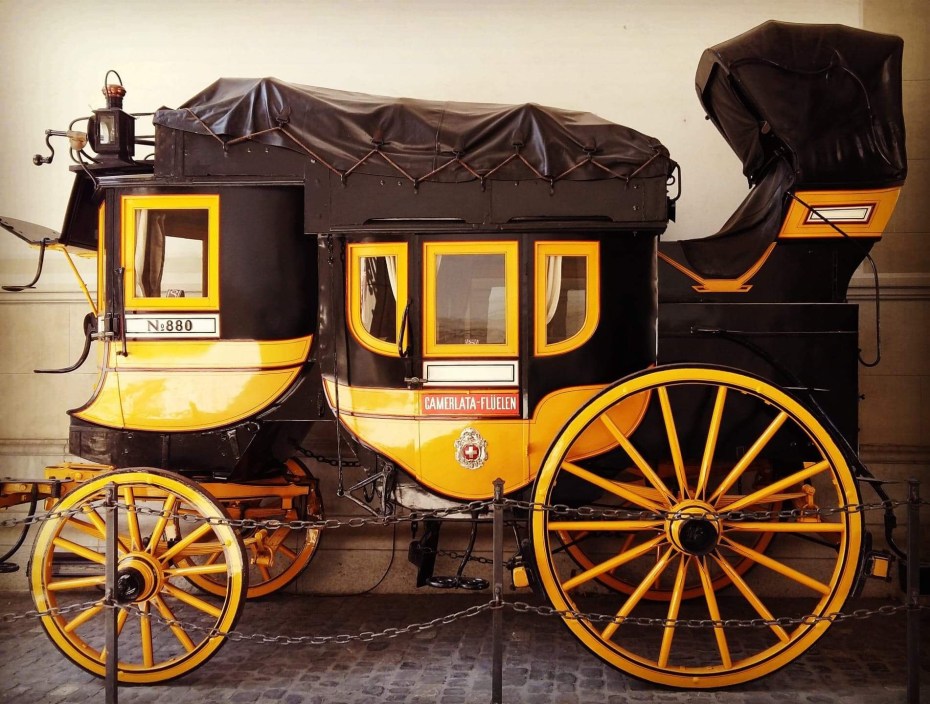
The Gotthard Pass has been one of the most important direct north-south links across the Alps since the Middle Ages. In 1830, the first stagecoach rolled over the Gotthard Pass. At that time, the travelers were predominantly merchants, scientists, engineers and diplomats. Back then, in the first half of the 19th century, the passengers felt the thirty-hour journey from Lucerne to Milan, first with the steamboat across Lake Lucerne to Flüelen and then in the stagecoach over the St. Gotthard Pass to Camerlata and Milan as grueling strain. In 1850, the effective travel time from Zurich to Milan was at least 30 hours, not taking into account an overnight stay in the hospice on the Gotthard Pass. With the opening of the Gotthard railway tunnel in 1882 the stagecoaches slowly disappeared; and the stagecoach operation was finally discontinued in 1926. The steam-powered train reduced the travel time from Zurich to Milan to 11 hours, today’s trains need only 3 hours and 25 minutes for the route, thanks to the 57-kilometer Gotthard Base Tunnel, i.e. the longest tunnel in the world. In 2020, after completion of the railway tunnel through the Monte Ceneri, the train journey will be shortened by another 40 minutes to 2 hours and 45 minutes! By the way, in 1852 about 21‘000 passengers used the stagecoach service over the Alps. Today, on average 12‘000 travelers are using trains through the Gotthard Tunnel!

Stagecoach

Stagecoach from Flüelen to Camerlata

Der Gotthardpass ist seit dem Mittelalter eine der wichtigsten direkten Nord-Süd-Verbindungen über die Alpen. Im Jahre 1830 rollte die erste Postkutsche über den Gotthardpass. Die Reisenden zu jener Zeit waren vorwiegend Kaufleute, Wissenschaftler, Ingenieure und Diplomaten. Damals, in der ersten Hälfte des 19. Jahrhunderts, empfanden die Passagiere die dreissig Stündige Reise von Luzern nach Mailand, zuerst mit dem Dampfschiff über den Vierwaldstättersee nach Flüelen und dann in der Postkutsche über den Sankt Gotthardpass nach Camerlata und Mailand als aufreibende Strapaze. Eine Übernachtung im Hospiz auf dem Gotthardpass nicht eingerechnet, betrug im Jahr 1850 die effektive Reisezeit ab Zürich nach Mailand mindestens 30 Stunden. Mit der Eröffnung des Gotthard-Eisenbahntunnels 1882 verschwanden die Postkutschen langsam; und der Postkutschenbetrieb wurde 1926 endgültig eingestellt. Die dampfbetriebene Bahn verkürzte die Reisezeit von Zürich nach Mailand auf 11 Stunden, die heutigen Züge benötigen für die Strecke, Dank des 57 Kilometer langen Gotthard-Basistunnels, nur noch 3 Stunden und 25 Minuten. Ab dem Jahr 2020, nach Fertigstellung des Eisenbahntunnels durch den Monte Ceneri wird die Zugreise um eine weitere halbe Stunde auf 2 Stunden und 45 Minuten verkürzt! Übrigens nutzten 1852 rund 21’000 Passagiere den Postkutschen-Service über die Alpen. Heute fahren durchschnittlich 12’000 Reisende mit Zügen durch das  Gotthardmassiv!

Categories: Italy, Switzerland, Train, Travel | Tags: , , , , , , , | 4 Comments

Nominated for „The Blogger Recognition Award“

Thank you!

I was nominated by Didi Art Design for which I am very thankful and honoured.

Thanks a lot, dear Didi

Blogger Recognition Award

The Blogger Recognition Award

Recommendation (1): 

Didi Art Design Blog is one of my favorite blogs! Daily, I am awaiting Didi’s posts. In Particular, I love the alignment of Didis Digital Art with his fine and sensitive poetry! Please, dear bloggers, check out this blog, you will not be disappointed.

The Rules (2):

  1. Thank the blogger who nominated you and provide a link to their blog.
  2. Write a post to show your award.
  3. Give a brief story of how your blog started.
  4. Give two pieces of advice to new bloggers.
  5. Select 15 other bloggers for this award.
  6. Comment on each blog to let them know you have nominated them and a link to the post you created.

A brief story of how my blog started (3):

I started my blog about 3 years ago but did not pay attention so much and left it “sleeping“ until this year in April. During a long stay on a small Caribbean island, I decided to commence to write a few posts. Believe it or not, I liked it and now, back home, I became a blogger that publishes posts on almost a daily basis. Thanks to the WordPress platform, I can now write and share my travel experiences with a larger audience and perhaps inspire my readers for planning their future travels.

My Advice to Beginners (4):

  1. Write about experiences and thoughts that you have actually made.
  2. Be yourself, blog posts should represent your view, an own opinion is essential.
  3. Respect the applicable copyright and personal rights.
  4. Be authentic.

My Nominees (5):

(Participation is of course a voluntary matter – when joining have much fun, dear blogger)

  1. elganspo
  2. Away on a trip
  3. susiesopinions
  4. David Dillon
  5. Wandering Canadians
  6. Book Beach Bunny
  7. Come With G
  8. MiddleMe
  9. A Better Man
  10. Roth Poetry
  11. Angelart Star
  12. Lyn Douglas
  13. Krone, Krusos, Kronos
  14. Art Gowns
  15. AninditaBose (AninditaRoyBose)

Thank you, my dear blogger friends, for your presence and attention!


Categories: Blog, Blogroll | Tags: , , , , | 26 Comments

Fontana del Porcellino – Florence, Italy

If you liked Florence and you want to make sure that you return to this beautiful city one day, then you should go to the Mercato Nuovo! It is a covered market in the historic center of Florence, near the Palazzo Vecchio. The biggest attraction of this market are not the stalls of the textile and leather goods retailers, but the “Fontana del Porcellino” (Piglet Fountain). It is a small fountain with a bronze statue, not of a piglet, but of a full-grown boar from the 17th century. The legend says, that the one who rubs the shining snout of the boar and puts a coin in his mouth at the same time will have luck and return to Florence. But beware, the process is only successful if the coin falls into the well water which is protected with a small gatter! To make sure you have luck and return to Florence one day, you should rub his muzzle once again, and only after the coin has fallen into the water 🙂 … it’s a precautionary measure … 🙂 I wish you good luck and a nice stay in Florence!

Fontana del Porcellino

Fontana del Porcellino

Wenn Dir Florenz gefiel und Du sicher gehen möchtest, dass Du eines Tages in diese wunderschöne Stadt zurückkehrst, dann solltest Du zum Mercato Nuovo gehen! Es ist eine überdeckte Markthalle im historischen Zentrum von Florenz, in der Nähe des Palazzo Vecchio. Die größte Attraktion dieses Marktes sind nicht die Stände der Textil und Lederwarenhändler, sondern die “Fontana del Porcellino” (Ferkelbrunnen). Es ist ein kleiner Brunnen mit einer Bronzestatue, nicht eines Ferkels, sondern eines ausgewachsenen Wildschweins aus dem 17. Jahrhundert. Die Legende besagt, dass derjenige, der die glänzende Schnauze des Wildschweins reibt und gleichzeitig eine Münze in den Mund steckt, Glück haben wird und nach Florenz zurückkehrt. Aber Vorsicht, der Vorgang ist nur erfolgreich, wenn die Münze in das mit einem kleinen Gitter geschützte Brunnenwasser fällt! Um sicher zu gehen, dass Du auch Glück hast und eines Tages nach Florenz zurückkehrst, solltest du seine Schnauze noch einmal reiben, und zwar nachdem die Münze ins Wasser gefallen ist 🙂 … es ist nur eine Vorsichtsmaßnahme … 🙂 Ich wünsche Dir viel Glück und einen schönen Aufenthalt in Florenz!

Categories: Blogroll, Italy, Museum, Travel | Tags: , , | 10 Comments

Quick Florence Tour – Cradle of renaissance

Florence, the capital city of Tuscany in Italy is famous for Renaissance art, architecture, and sculpture. Thus Florence is known as Cradle of Renaissance. This stunningly, the romantic city attracts millions of tourists every year. In this article, I am going to take a Quick Florence Tour – Cradle of Renaissance. Florence contains numerous museums, cathedrals, […]

via Quick Florence Tour – Cradle of renaissance — Travel With Me 24 X 7

Categories: Blogroll | 5 Comments

My best Icecream in Florence, Italy

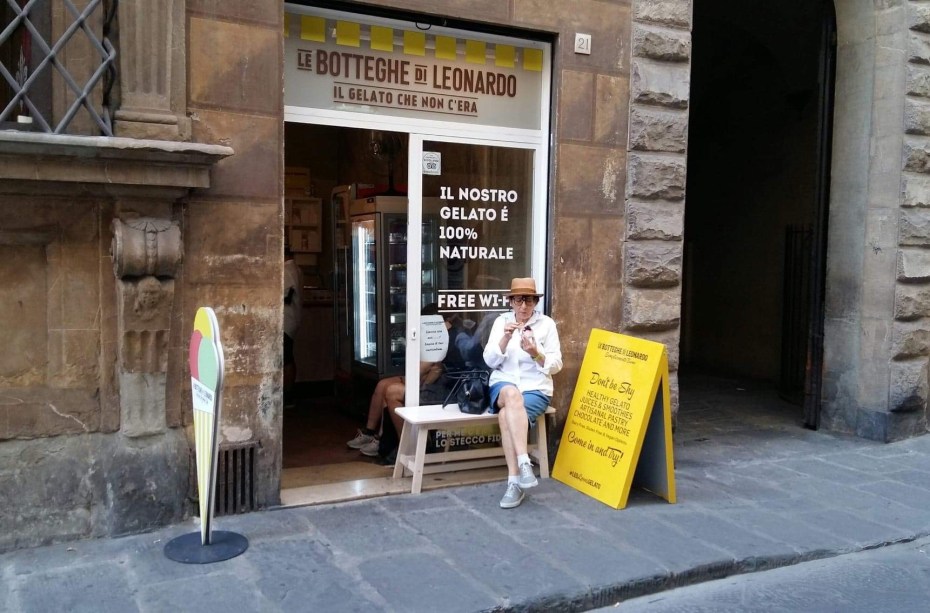
Yesterday, I discovered a gourmet restaurant of a special kind in Florence! It was not not an ice cream parlor that one can find at each corner, it was „Le Botteghe di Leonardo“; the jewel is located on the Via de Ginori, not far from Piazza del Duomo. The ice cream is of high quality and I have rarely eaten an ice cream that tastes so much like what it is sold for, the flavors are phenomenal and all without additives and preservatives. The peach ice cream really tastes of peach, and the chocolate ice cream was wonderful too. In short, the ice creams of this ice cream parlor are an absolute treat! Furthermore, the service behind the counter is fantastic! I am convinced that you will not regret having visited the ice cream shop Le Botteghe di Leonardo! So then on to Florence 🙂 maybe we meet there while enjoying our ice cream 🙂

Le Botteghe di Leonardo

Le Botteghe di Leonardo

Gestern habe ich in Florenz ein Gourmetrestaurant der besonderen Art entdeckt! Es war nicht eine Eisdiele, die man dort an jeder Ecke finden kann, es war “Le Botteghe di Leonardo”; das Juwel befindet sich an der Via de Ginori, nicht weit von der Piazza del Duomo. Das Eis ist von hoher Qualität und ich habe selten ein Eis gegessen, das so sehr nach dem schmeckt, für was es verkauft wird, die Aromen sind phänomenal und alles ohne Zusätze und Konservierungsstoffe. Das Pfirsicheis schmeckt wirklich nach Pfirsich und das Schokoladeneis war auch wunderbar. Kurz gesagt, die Eiscremes dieser Eisdiele sind ein absoluter Genuss! Außerdem ist der Service hinter dem Tresen fantastisch! Ich bin überzeugt, dass ihr es nicht bereuen werdet, die Eisdiele Le Botteghe di Leonardo besucht zu haben! Also dann auf nach Florenz 🙂 vielleicht treffen wir uns dort beim genießen unseres Eis 🙂

Categories: Blogroll, Food, Italy | Tags: , , , , | 7 Comments

From Zurich to Florence by train

My journey to the south, more precisely to Florence, began this morning at 06:09 with the Intercity train in Zurich. The average journey time from Zurich to Florence is about 6 hours; my journey lasted 5 hours and 45 minutes. The train ride through the beautiful landscape of the Swiss Alps, along several lakes, is a unique experience. The train traverses the Central Swiss Alps in north-south direction and passes under the Gotthard massif at a depth of up to 2,450 meters through the newly built 57-kilometer Gotthard Base Tunnel, the longest tunnel in the world. In Chiasso, at the border station between Switzerland and Italy, the train stops for passport and customs controls, which take place in the wagons. About 15 minutes later, the train continues its journey via Como and Monza to Milano. There are no direct train connections between Zurich and Florence, so passengers have to change from a Swiss to an Italian train at exactly the middle of the travel distance in Milano; in my case it was the high-speed train Frecciarossa. After a short stay at Milano Centrale station, we continued our journey at 300 km / hour through the regions of Lombardy and Emilia Romagna, via Reggio Emilia, Bologna to Florence, the capital of the Italian region of Tuscany. Travelers to Rome, Naples or Salerno can stay in the train for one or three and a half hours, depending on their final destination. In summary, my journey was a magnificent experience and I can recommend it to all train and Italy lovers!

Frecciarossa Train Italy

Frecciarossa Train Italy

Meine Reise in den Süden, genauer gesagt nach Florenz, begann heute Morgen um 06:09 Uhr mit dem Intercity-Zug in Zürich. Die durchschnittliche Fahrzeit von Zürich nach Florenz beträgt ca. 6 Stunden; meine Reise dauerte 5 Stunden und 45 Minuten. Die Zugfahrt durch die wunderschöne Landschaft der Schweizer Alpen, entlang mehrerer Seen, ist ein besonderes Erlebnis. Der Zug durchquert die Zentralschweizer Alpen in Nord-Süd-Richtung und unterquert das Gotthard-Massiv in einer Tiefe von bis zu 2,450 Metern durch den neu gebauten 57 Kilometer langen Gotthard-Basistunnel, dem längsten Tunnel der Welt. In Chiasso, am Grenzbahnhof zwischen der Schweiz und Italien, hält der Zug für Pass- und Zollkontrollen, die im Wagen stattfinden. Danach setzt der Zug seine Reise über Como und Monza nach Milano fort.

SBB ETR 610 Swiss Train

SBB ETR 610 Swiss Train

Es gibt keine direkten Zugverbindungen zwischen Zürich und Florenz, daher müssen die Fahrgäste genau in der Mitte der Reisedistanz in Mailand von einem Schweizer in einen italienischen Zug umsteigen; in meinem Fall war es der Hochgeschwindigkeitszug Frecciarossa. Nach einem kurzen Aufenthalt im Bahnhof „Milano Centrale“ ging’s dann mit 300 km / Stunde weiter durch die Regionen Lombardei und Emilia Romagna, über Reggio Emilia, Bologna bis nach Florenz, der Hauptstadt der italienischen Region Toskana. Reisende nach Rom, Neapel oder Salerno können je nach deren Bestimmungsort, eine bis dreieinhalb Stunden im Zug sitzen bleiben. Zusammenfassend war meine Reise eine großartige Erfahrung und ich kann sie allen Zug- und Italienliebhabern empfehlen!

Categories: Blogroll, Italy, Switzerland, Train, Travel | Tags: , , , , , , | 10 Comments

Irene Mueller‘s „trees never die“

Saint Barthélemy (or St. Barth, St. Barths, St-Barts) is a small Caribbean island in the French West Indies (FWI) with an area of approximately 25 square kilometers and about 9000 inhabitants. The capital, with its beautiful natural harbor, is Gustavia. Before the end of the Napoleonic wars, St. Barth was for a short time a Swedish colony, but later fell back to France. The language, cuisine and culture are clearly French, i.e. you will not miss the typical French croissant in St. Barth. The island is a very popular tourist destination; and especially in the wintertime the beautiful and the rich are bustling there.

The Saline – Before the time of tourism, the few islanders lived on fishing, breeding livestock, growing cotton and extracting salt. On the road to one of the most beautiful beaches on the island (saline) is an old salt marsh that was exploited until the 1970s. Today, this saline is a unique ecosystem and considered a sanctuary and breeding ground for rare freshwater and seawater birds. But in the salt marsh are still quite different beauties, there are from the salt over the decades gnawed and preserved tree trunks, trees that once here, in this place, the tired and thirsty salt pickers their shadow ghost donated.

The artist Irene Mueller (ArtspaceIrene) was inspired by these “trees” and has expressed it in her Artist Statement as follows:

“As an artist, I’m interested in mother nature and the relationship between people and the universe. I try to understand and express the visible and the invisible in my work. Constant change is the law of nature. I think it is necessary to look deeper into nature so that we can avoid the sadness that might come first. To further understand that life finds new ways and forms to exist and to find the beauty and the richness in this transformation process.

Between 2013 and 2017, I painted a series of pictures on my current topic “Trees never die”. The subjects are trees, which were destroyed from the salt of a saline in pc. Barth. When I saw these trees, they appeared dead, undressed, helpless to move, but they immediately touched me with their elegance, grace and sophistication. I felt their desire to live, so I revived them in a different form, in the world of surreality, to be different, to be immortal. ”

The new life of the „trees“ – These trees, or their pictures, shown in their full splendor on various exhibitions, including the Grand Palais in Paris, at the Biennale in Florence, the Triennale in Rome or the Arte Salerno; Some found their way into private collections, others are still waiting for a new home.

Art Critic for Irene Mueller – The Video Review “Full Art Immersion”, by the art critic Federico Caloi

Contact with the Artisthttp://www.artspaceirene.com


Saint Barthélemy (oder St. Barth, St. Barths, St-Barts) ist eine kleine Karibische Insel in den Französischen West Indies (FWI) mit einer Fläche von ca. 25 Quadratkilometern und ungefähr 9000 Einwohner. Die Hauptstadt, mit ihrem wunderschönen natürlichen Hafen, ist Gustavia. Vor dem Ende der Napoleonischen Kriege war St. Barth für eine kurze Zeit eine schwedische Kolonie, fiel später aber wieder zurück an Frankreich. Die Sprache, Küche und Kultur sind eindeutig Französisch, d.h. Du wirst in St. Barth den typischen französischen Croissant nicht vermissen. Die Insel ist ein sehr beliebtes Touristenziel; und vor allem in der Winterzeit tummeln sich dort die Schönen und Reichen.

Die Saline – Vor der Zeit des Tourismus lebten die wenigen Insel-Bewohner vom Fischfang, der Aufzucht von Nutztieren, dem Anbau von Baumwolle und der Gewinnung von Salz. Auf der Strasse zu einem der schönsten Strände der Insel (Saline) liegt eine alte Salzmarsch die bis in 1970er Jahre ausgebeutet wurde. Heute ist diese Saline ein einzigartiges Ökosystem und gilt als Zufluchtsort und Brutstätte für seltene Süsswasser und Seewasservögel. Aber in der Salzmarsch befinden sich noch ganz andere Schönheiten, es sind vom Salz über die Jahrzehnte zermürbten und konservierten Baumstämme, Bäume die einst hier, an diesem Ort, den müden und durstigen Salzpflückern ihren Schatten Gespenst gespendet haben.

Artspaceirene

Artist painter Irene Mueller is convinced “trees never die“

Die Kunstmalerin Irene Mueller (ArtspaceIrene) hat sich von diesen „Bäumen“ inspirieren lassen und drückt es in ihrem Artiststatement wie folgt aus:

„Als Künstlerin interessiert mich die Mutter Natur und die Beziehung zwischen Menschen und dem Universum. Ich versuche das Sichtbare und Unsichtbare in meinen Arbeiten zu verstehen und auszudrücken. Stetige Veränderung ist das Gesetz der Natur. Ich glaube, es ist notwendig, die Natur tiefer zu sehen, damit wir die Traurigkeit vermeiden können, die einem zuerst begegnen könnte. Weiter zu verstehen, dass das Leben neue Wege und Formen findet, um zu existieren und die Schönheit und den Reichtum in diesem Transformationsprozess zu finden.

Ich malte zwischen 2013 und 2017 eine Serie von Bildern zu meinem dann aktuellen Thema “Bäume sterben nie”. Die Sujets sind Bäume, die aus dem Salz einer Saline in St. Barth zerstört wurden. Als ich diese Bäume sah, erschienen sie wie tot, entkleidet, hilflos sich zu bewegen, aber sie berührten mich sofort mit ihrer Eleganz, Grazie und Raffinesse. Ich spürte ihren Wunsch zu leben, also belebte ich sie in einer anderen Form, in der Welt der Surrealität, um anders zu sein, um unsterblich zu sein.“

Saline St. Barth

The Salt Marsh or Saline in St. Barth

Das neue Leben der Bäume – Diese Bäume, respektive deren Bilder, erstrahlten in ihrer vollen Pracht an verschiedensten Ausstellungen, unter anderem im Grand Palais Paris, an der Biennale in Florenz, der Triennale in Rom oder der Arte Salerno; einige fanden ihren Weg in Privatsammlungen, andere warten noch auf ein neues Zuhause.

Konakt mit dem Künstlerhttp://www.artspaceirene.com

Categories: Art, Blog, Blogroll, Kunst, Kunstmaler, Nature, St. Barth, Travel | Tags: , , , , , , , , , , | Leave a comment

Lake Lucerne Switzerland

Lake Lucerne is a lake surrounded by mountains in central Switzerland. The lake has its name („Vierwaldstättersee“) from the four neighboring cantons: Uri, Schwyz, Unterwalden and Lucerne. Five historic paddle steamers sail on Lake Lucerne, one of the largest steam ship fleets in Europe.


In the 19th century Englishmen discovered the beauty of the Swiss mountains and lakes in Central Switzerland. Consequently, several resorts have emerged, such as Weggis, Gersau or Küssnacht am Rigi. The well-known American writer Mark Twain described his ascent to the Rigi, whose publication then significantly contributed to the flourishing of Swiss tourism. As a result of the emerging tourism, the first cog railway to the Queen of the mountains, the Rigi, was built in 1871 and in 1889, the steepest cog railway in the world was inaugurated; the trainride starts in Alpnachstad and ends on the top of Mount Pilatus.

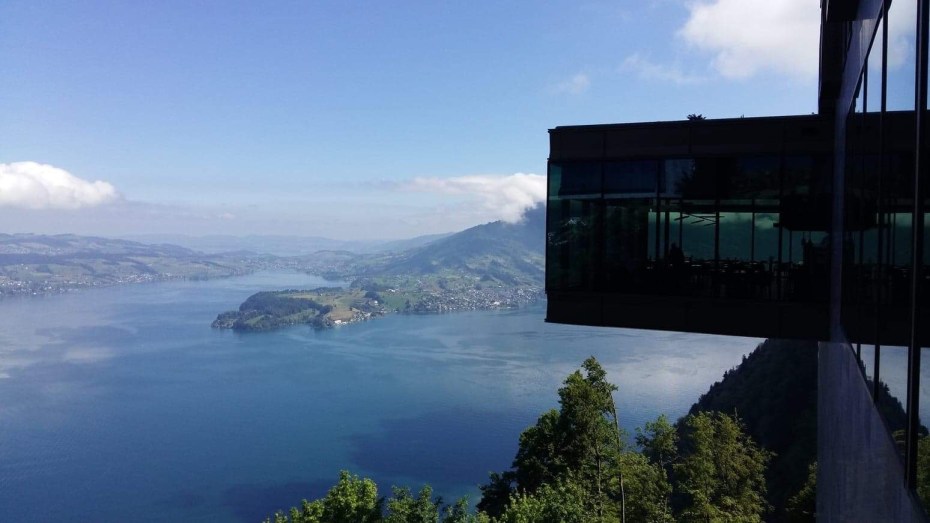
Buergenstock Resort overlooking Lake of Lucerne

Buergenstock Resort overlooking Lake of Lucerne

Many attractive viewing platforms on the mountains around Lake Lucerne, including the Rigi, Pilatus, Bürgenstock, Stanserhorn and the two Myths, should not be missed by visitors to Central Switzerland. Most of these mountains are accessible by trains, some of which have their base station near the moorings on the lake. My favorite among these mountains is the Bürgenstock. In 1871 two Swiss tourism pioneers made history with the construction of several luxury hotels on the Bürgenstock. A funicular railway, built in 1888 and now renovated, takes guests and visitors after a spectacular boat trip in a high-tech catamaran across Lake Lucerne from Lucerne to Kehrsiten-Bürgenstock directly on the magnificent Bürgenstock. Finally, around the lake are numerous places of importance for the Swiss cultural and tourist history such as the famous Rütli, the Tellsplatte, the Lion Monument, the Hohle Gasse or the Astrid-Chapel in Küssnacht am Rigi.

Lucerne

City of Lucerne Switzerland

Der Vierwaldstättersee ist ein von Bergen umgebener See in der Zentralschweiz. Der See hat seinen Namen („Vierwaldstättersee“) von den vier Nachbarkantonen Uri, Schwyz, Unterwalden und Luzern. Fünf historische Raddampfer fahren auf dem Vierwaldstättersee, einer der größten Dampfschiffflotten Europas. Im 19. Jahrhundert entdeckten Engländer die Schönheit der Schweizer Berge und Seen in der Zentralschweiz. So entstanden mehrere Orte wie Weggis, Gersau oder Küssnacht am Rigi. Der bekannte amerikanische Schriftsteller Mark Twain beschrieb seinen Aufstieg auf die Rigi, dessen Publikation wesentlich zum Aufblühen des Schweizer Tourismus beigetragen hat. Als Folge des aufkommenden Tourismus wurde 1871 die erste Zahnradbahn zur Königin der Berge, die Rigi, gebaut und 1889 wurde die steilste Zahnradbahn der Welt eingeweiht; die Bahnfahrt startet in Alpnachstad und endet auf dem Pilatus.

Lake Lucerne

View over Lake Lucerne

Viele attraktive Aussichtsplattformen auf den Bergen rund um den Vierwaldstättersee, darunter Rigi, Pilatus, Bürgenstock, Stanserhorn und die beiden Mythen, sollten Besucher der Zentralschweiz nicht verpassen. Die meisten dieser Berge sind mit Zügen erreichbar, von denen einige ihre Basisstation in der Nähe der Schiffs-Anlegeplätze am See haben. Mein Favorit unter diesen Bergen ist der Bürgenstock. Im Jahr 1871 machten zwei Schweizer Tourismuspioniere mit dem Bau mehrerer Luxushotels auf dem Bürgenstock Geschichte. Eine 1888 erbaute und heute sanierte Standseilbahn bringt Gäste und Besucher nach einer spektakulären Schifffahrt auf einem Hightech-Katamaran über den Vierwaldstättersee von Luzern nach Kehrsiten-Bürgenstock direkt auf den herrlichen Bürgenstock. Rund um den See finden sich zahlreiche bedeutende Orte der Schweizer Kultur- und Touristengeschichte wie das berühmte Rütli, die Tellsplatte, das Löwendenkmal, die Hohle Gasse oder die Astrid-Kapelle in Küssnacht am Rigi.

Categories: Blogroll, Nature, Switzerland, Travel | Tags: , | 12 Comments

Machu Picchu in Peru – UNESCO World Heritage

The long forgotten and hidden Inca city of Machu Picchu, World Heritage by UNESCO, is an absolute must for every Peru tourist. Officially, the city was discovered by Hiram Bingham in 1911, but most likely the indigenous people had known this place for a very long time before its “discovery.” The Incas built this mysterious settlement in the 15th century at an altitude of 2430 meters. It is located in the cloud forests on a ridge between the peaks of the Huayna Picchu and the mountain Machu Picchu in the Andes. Cusco, the former capital of the Incas, is about 80 kilometers located from this magical place. In Cusco we booked a two-day expedition to Machu Picchu.

Machu Picchu

Machu Picchu

Instead of traveling by train, we opted for a private guided tour. The journey in a jeep Tool us through the Urubamba Valley along the Rio Urubamba to Ollaytantambo. From there we continued our tour in a panoramic carriage of the narrow gauge railway (Ferrocarril del Sur) to Agua Calientes, the terminus for all tourists and starting point for the visit of Machu Picchu. The next day we set off for the last part of our expedition. From Aguas Calientes buses run along a more or less steep serpentine road which ends before the ticket office and entrance to the Machu Picchu complex. All in all, this two-day trip was worth the money. We came back to Cusco with many impressions, memories and a lot of photos.

Die lange vergessene und versteckte Inkastadt Machu Picchu, Weltkulturerbe der UNESCO, ist heute ein absolutes Muss für jeden Peru-Touristen. Offiziell wurde die Stadt 1911 von Hiram Bingham entdeckt, aber höchstwahrscheinlich kannten die Indigenen diesen Ort bereits seit sehr langer Zeit vor dessen „Entdeckung“. Die Inkas bauten diese geheimnisvolle Siedlung im 15. Jahrhundert auf einer Höhe von 2430 Metern. Sie befindet sich in den Nebelwäldern auf einem Höhenrücken zwischen den Gipfeln des Huayna Picchu und dem Berg Machu Picchu in den Anden. Cusco, die ehemalige Hauptstadt der Inkas, liegt etwa 80 Kilometer von diesem magischen Ort entfernt. In Cusco buchten wir eine zweitägige Expedition zum Machu Picchu.

Serpentine Road to Machu Picchu

Serpentine Road to Machu Picchu

Anstatt mit dem Zug zu reisen, haben wir uns für eine private geführte Tour entschieden. Die Reise in einem Jeep führte uns durch das Urubamba-Tal entlang des Rio Urubamba nach Ollaytantambo. Von dort aus setzten wir unsere Tour in einem Panoramawagen der Schmalspurbahn (Ferrocarril del Sur) nach Agua Calientes fort, der Endstation für alle Touristen und Ausgangspunkt für den Besuch von Machu Picchu. Am nächsten Tag machten wir uns auf den letzten Teil unserer Expedition. Von Aguas Calientes fahren Busse über eine mehr oder weniger steile Serpentinenstraße und endet vor dem Ticketschalter und Eingang zur Anlage von Machu Picchu. Alles in allem war diese zweitägige Reise das Geld wert. Wir kamen mit vielen Eindrücken, Erinnerungen und natürlich unzähligen Fotos nach Cusco zurück.

Categories: Blogroll, Nature, Peru, Travel, Weltreisen | Tags: , , , , | 12 Comments

Rhine Fall in Switzerland

The Rhine Fall in Switzerland is one of the three largest waterfalls in Europe. It has a height of 23 meters and a width of 150 meters. With a normal water supply, about 400 cubic meters of water per second fall over the rocks.

On both sides of the Rhine you can reach viewing platforms with a spectacular view of the Rhine Fall. At the Rhine Fall‘s basin in Neuhausen (canton Schaffhausen) lies the castle Wörth. From there you can reach the middle rock of the Rhine Fall with a small boat and marvel at the falling mass of water after ascending the viewing platform on this rock via small steps. On the Zurich side you can reach the viewing platforms over the castle Laufen. There is ample parking for the visitors and the visit is chargeable.

Der Rheinfall in der Schweiz ist einer der drei größten Wasserfälle Europas. Er hat eine Höhe von 23 Metern und eine Breite von 150 Metern. Bei einer normalen Wasserversorgung fallen etwa 400 Kubikmeter Wasser pro Sekunde über die Felsen.

Auf beiden Seiten des Rheins erreichen Sie Aussichtsplattformen mit einem spektakulären Blick auf den Rheinfall. Am Rheinfallbecken in Neuhausen (Kanton Schaffhausen) liegt das Schloss Wörth. Von dort aus kann man mit kleinen Booten den mittleren Felsen des Rheinfalls erreichen und, nach dem Aufstieg über kleine Stufen, die fallenden Wassermassen bestaunen. Auf der Zürcher Seite gelangt man zu den Aussichtsplattformen über die Burg Laufen. Es gibt genügend Parkplätze für die Besucher und der Besuch ist kostenpflichtig.

The Rhine Fall in Switzerland is one of the three largest waterfalls in Europe. It has a height of 23 meters and a width of 150 meters. With a normal water supply, about 400 cubic meters of water per second fall over the rocks.

Categories: Blogroll, Nature, Switzerland, Travel | Tags: , , , , , | 9 Comments

Defibrillator on the Beach in Paradise, St. Barth, French West Indies

Saint Barthélemy (or St. Barth, St. Barths, St-Barts) is a small Caribbean island in the French West Indies (FWI) with an area of approximately 25 square kilometers and about 9000 inhabitants. The capital, with its beautiful natural harbor, is Gustavia. Before the end of the Napoleonic wars, St. Barth was for a short time a Swedish colony, but later fell back to France. The language, cuisine and culture are clearly French, i.e. you will not miss the typical French croissant in St. Barth. The island is a very popular tourist destination; and especially in the wintertime the beautiful and the rich are bustling there.

The Saline – Before the time of tourism, the few islanders lived on fishing, breeding livestock, growing cotton and extracting salt. On the road to one of the most beautiful beaches on the island (saline) is an old salt marsh that was exploited until the 1970s. Today, this saline is a unique ecosystem and considered a sanctuary and breeding ground for rare freshwater and seawater birds. But in the salt marsh are still quite different beauties, there are from the salt over the decades gnawed and preserved tree trunks, trees that once here, in this place, the tired and thirsty salt pickers their shadow ghost donated.

Defibrillator in Paradise – A defibrillator or Defi is a medical device for defibrillation and possibly for cardioversion. It is a lifesaver. The Defi can end, with targeted power surges, especially cardiac arrhythmia. Defibrillators are found in intensive care units, operating rooms or emergency stations and ambulances. For a few years, these devices have also been available in public places such as airports and train stations. In emergencies, these can also be operated by laymen, which was probably also a reason, amongst other considerations, to install a Defibrillator in the Saline, one of the most beautiful beaches of St. Barth!

Defibrillator

Defibrillator on the Beach

Saint Barthélemy (oder St. Barth, St. Barths, St-Barts) ist eine kleine Karibische Insel in den Französischen West Indies (FWI) mit einer Fläche von ca. 25 Quadratkilometern und ungefähr 9000 Einwohner. Die Hauptstadt, mit ihrem wunderschönen natürlichen Hafen, ist Gustavia. Vor dem Ende der Napoleonischen Kriege war St. Barth für eine kurze Zeit eine schwedische Kolonie, fiel später aber wieder zurück an Frankreich. Die Sprache, Küche und Kultur sind eindeutig Französisch, d.h. Du wirst in St. Barth den typischen französischen Croissant nicht vermissen. Die Insel ist ein sehr beliebtes Touristenziel; und vor allem in der Winterzeit tummeln sich dort die Schönen und Reichen.

Die Saline – Vor der Zeit des Tourismus lebten die wenigen Insel-Bewohner vom Fischfang, der Aufzucht von Nutztieren, dem Anbau von Baumwolle und der Gewinnung von Salz. Auf der Strasse zu einem der schönsten Strände der Insel (Saline) liegt eine alte Salzmarsch die bis in 1970er Jahre ausgebeutet wurde. Heute ist diese Saline ein einzigartiges Ökosystem und gilt als Zufluchtsort und Brutstätte für seltene Süsswasser und Seewasservögel. Aber in der Salzmarsch befinden sich noch ganz andere Schönheiten, es sind vom Salz über die Jahrzehnte zermürbten und konservierten Baumstämme, Bäume die einst hier, an diesem Ort, den müden und durstigen Salzpflückern ihren Schatten Gespenst gespendet haben.

Defibrillator im Paradies – Ein Defibrillator oder Defi ist ein medizinisches Gerät zur Defibrillation und möglicherweise zur Kardioversion. Es ist ein Lebensretter. Das Defi kann mit gezielten Stromstößen, insbesondere Herzrhythmusstörungen, beenden. Defibrillatoren findet man auf Intensivstationen, Operationssälen oder Notfallstationen und Krankenwagen. Seit einigen Jahren sind diese Geräte auch an öffentlichen Orten wie Flughäfen und Bahnhöfen verfügbar. In Notfällen können diese auch Laien bedienen, was unter anderem auch ein Grund war, einen Defibrillator in der Saline, einem der schönsten Strände von St. Barth, zu Installieren!

Saline St. Barth

Salt Marsh or Saline in St. Barth

Categories: Blogroll, Nature, St. Barth, Travel | Tags: , , , , , | 2 Comments

Sankt Gallen, Switzerland

Yesterday, I visited the city of Saint Gallen in eastern Switzerland. With its 75000 inhabitants, it is the eight largest city in the country. St. Gallen achieved world fame through its embroidery industry, which reached its peak at the end of the 19th century. At that time, embroidery products accounted with 18 percent for the largest share of exports in the Swiss economy. To this day, embroidery and haute couture fashion is made in St. Gallen, which woman does not know the fashion of Akris 🙂 Today, the beautiful embroidery can be admired in the Textile Museum St. Gallen that is dedicated to the history of the textile industry in eastern Switzerland. The city is also interesting for tourists due to the Abbey Church and Library, which has been included in the World Heritage list by UNESCO.

The Abbey church is considered one of the last monumental religious buildings of the late Baroque. Not less well known, especially in German-speaking countries, is the Business School of the University St. Gallen where many of today’s economic leaders have been formed. But the most popular “product” of the city of St. Gallen is the grilled veal bratwurst, also known as OLMA bratwurst! For me, eating this special bratwurst was the highlight of the day 🙂

Abbey Saint Gallen

Abbey Saint Gallen

Gestern besuchte ich die Stadt St. Gallen in der Ostschweiz. Mit ihren 75000 Einwohnern ist sie die acht grösste Stadt der Schweiz. Weltberühmtheit erlangte Sankt Gallen durch ihre Stickereiindustrie welche am Ende des 19. Jahrhunderts ihren Höhepunkt erlebte. Die Stickereierzeugnisse hatten damals mit 18 Prozent den grössten Anteil an den Exporten der Schweizer Wirtschaft. Bis heute wird in St. Gallen Stickerei- und Haute Couture Mode gemacht, welche Frau kennt nicht die Mode von Akris 🙂 Die wunderschönen Stickereien kann man heute im Textilmuseum St. Gallen sehen, welches sich der Geschichte der Ostschweizer Textilindustrie widmet. Die Stadt ist auch für Touristen interessant aufgrund der Stiftskirche und der Stiftsbibliothek, welche von der UNESCO in die Liste des Weltkulturerbes aufgenommen wurde. Die Stiftskirche gilt als eine der letzten monumentalen Sakralbauten des Spätbarocks. Nicht weniger bekannt, vor allem im deutschsprachigen Raum, ist die Business School der Universität St. Gallen welche viele der heutigen Wirtschaftsführer hervorgebracht hat. Aber das beliebteste und bekannteste „Produkt“ der Stadt St. Gallen ist die grillierte Kalbsbratwurst, auch bekannt als OLMA Bratwurst! Für mich war der Verzehr und Genuss dieser Wurst der Höhepunkt des Tages 🙂

Categories: Blogroll, Switzerland, Travel | Tags: , , , , , | 7 Comments

Thanks for following my Travel Blog

Dear Followers

Many thanks for following Rolandomio‘s Travel Blog! 

I am striving to publish interesting posts with travel news, stories, suggestions and recommendations on a regular basis. My major goal with this Blog is to give you travel inspirations and to show you that your „paradise“ is only a plane or train ticket (or boat ride) away.

TravelBlog

Thanks for following my Travel Blog

For all those that are not registered on WordPress, you can receive my Blog posts via E-Mail. ThereforeI invite you to subscribe the Blog by entering your E-Mail below: “Follow Roandomio Travel via E-Mail“.

Thanks and happy travels! Rolandomio Travel

Categories: Blogroll | Tags: , | 60 Comments

Time or no Time, is Time an illusion?

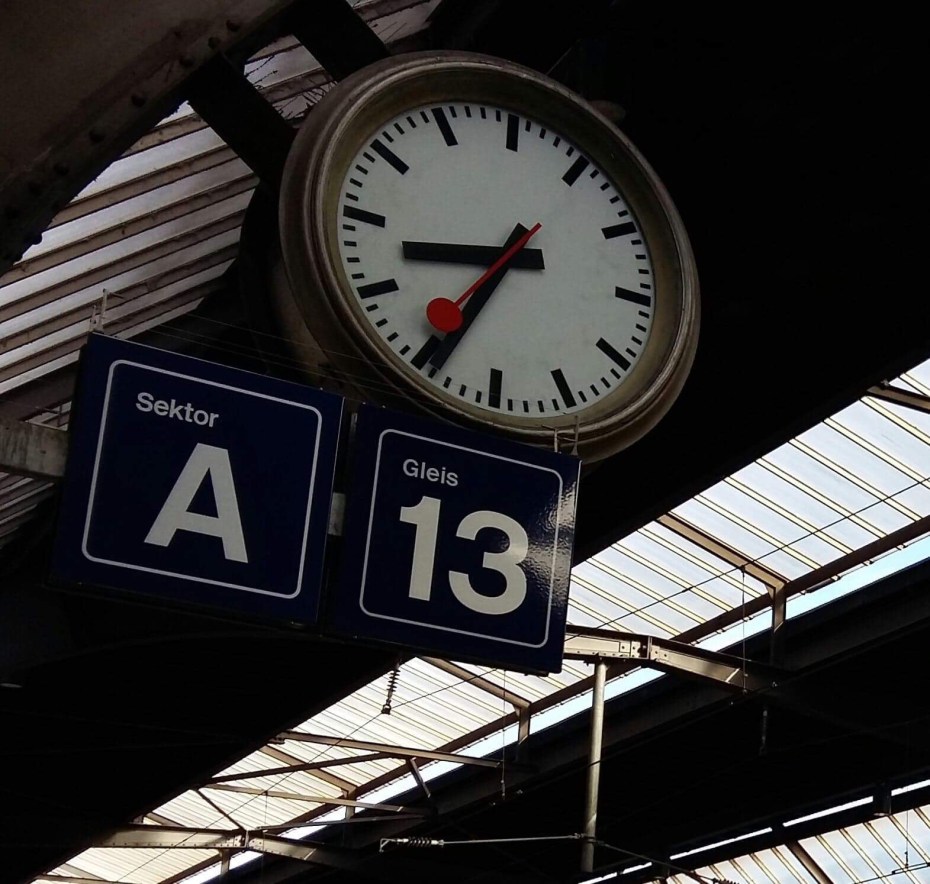
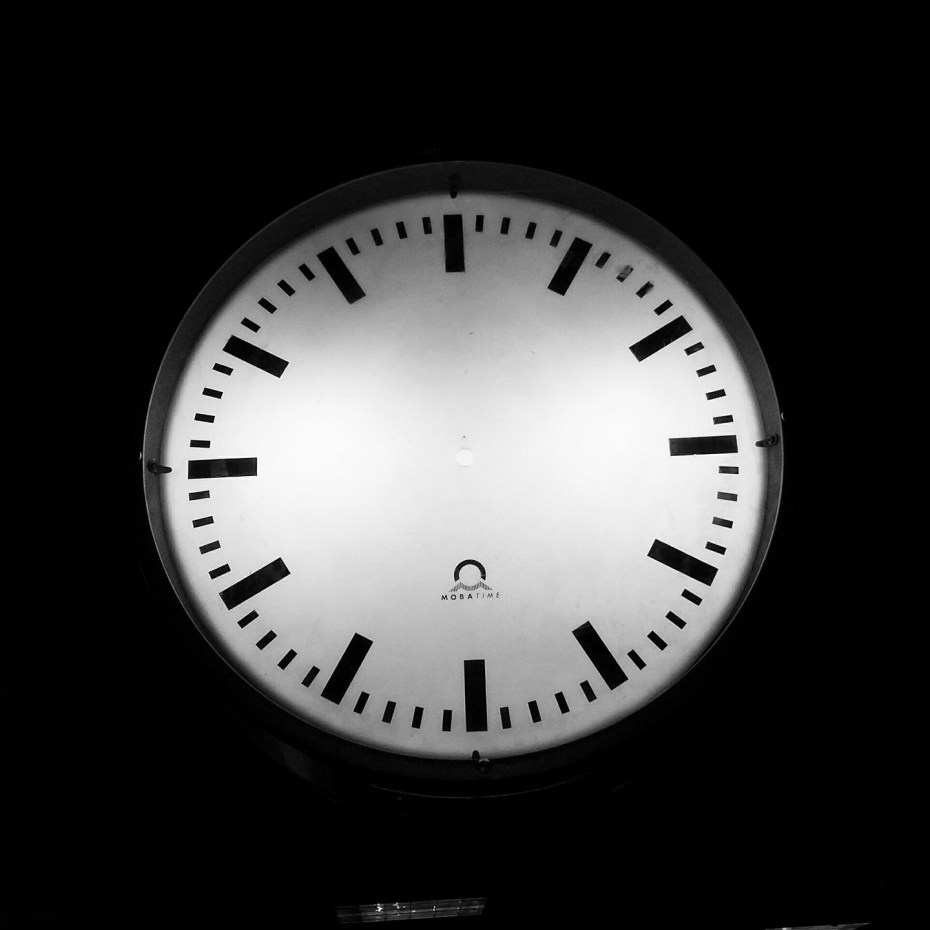
The train schedule dictates the departure and arrival time of the trains. The Swiss station clock, with its clear, reduced design has become an international model and has been adopted by many railway companies. The thin red indicator with the round end resembles the signal trowel of a conducter in the train station. The movement is set in such a way that the 60th second lasts a wink longer than a normal second and it allows the trains to precisely depart on the second, on the minute respectively. This is called punctuality!

Swiss Station Clock

Swiss Station Clock

And how important is the time for us in the “western and civilized“ world? Time is Everything! Time is money and without money one doesn’t have time. Time for what? Time for yourself? We are slaves of the time, our life is clocked in seconds, minutes, hours, days and years. Everything has to be fast, whatever we do, it has to be done now, or even better already yesterday, today is acceptable but not tomorrow, a tomorrow will not work, that’s forbidden!

What is time? When did the time begin to be time and when does the time end? Albert Einstein saw space-time as the fourth dimension separate from our three-dimensional space. There are cultures that do not know the word “time”, nor do they have words for time units like “seconds” or “years”, some tribes are guided by the seasons and recurrent events, but a glimpse into the future does not exist. For others, there is no time form for the present, the past and the future, but they have words that indicate the time, such as “earlier” and “later.” 

Is time an illusion, is it a created „thing“? As far as I am concerned, yesterday is gone and the tomorrow will be in the future, but we live today, and therefore we should do what we have to do, now and not later!

NoTime

No Time

Der Zugfahrplan bestimmt die Abfahrts- und Ankunftszeit der Züge. Die Schweizer Bahnhofsuhr mit ihrem klaren, reduzierten Design wurde zu einem internationalen Modell und daher von vielen Eisenbahnunternehmen übernommen. Der dünne rote Sekundenzeiger mit dem runden Ende ähnelt der Signalkelle eines Stationsvorstandes. Die Bewegung des Zeigers ist so eingestellt, dass die 60. Sekunde ein Augenzwinkern länger als eine normale Sekunde dauert und es somit den Zügen erlaubt, präzise auf die Sekunde bzw. Minute abzufahren. Das nennt man Pünktlichkeit!

Und wie wichtig ist die Zeit für uns in der “westlichen und zivilisierten” Welt? Zeit ist alles! Zeit ist Geld und ohne Geld hat man keine Zeit. Zeit für was? Zeit für sich selbst? Wir sind Sklaven der Zeit, unserer Leben wird in Sekunden, Minuten, Stunden, Tagen und Jahren getaktet, alles muss schnell sein, was immer wir tun, es muss jetzt gemacht werden, oder noch besser schon gestern, heute ist akzeptabel, aber nicht morgen, ein morgen wird nicht toleriert, es ist verboten!

Was ist Zeit? Wann begann die Zeit und wann endet die Zeit? Albert Einstein sah Raumzeit als vierte Dimension getrennt von unserem dreidimensionalen Raum. Es gibt Kulturen, die das Wort “Zeit” nicht kennen, noch haben sie Wörter für Zeiteinheiten wie “Sekunden” oder “Jahre”, manche Stämme werden von den Jahreszeiten und wiederkehrenden Ereignissen geleitet, aber ein Blick in die Zukunft existiert nicht . Für andere gibt es keine Zeitform für die Gegenwart, die Vergangenheit und die Zukunft, aber sie haben Wörter, die die Zeit angeben, wie “früher” und “später”.

Ist die Zeit eine Illusion, ist es eine von uns Menschen geschaffene „Sache“? Soweit es mich betrifft, ist das Gestern vorbei und das Morgen wird in der Zukunft sein, aber wir leben heute, und deshalb sollten wir heute tun was wir tun möchten und nicht erst später!

Categories: Art, Blogroll, Kunst, Nature, Switzerland, Train, Travel | Tags: , , | 9 Comments

Spain in the Movies: Must Visit Film locations around Spain

Following my last post, “Madrid in the Movies”, I will expand and tell you about the unlikely and curious locations around Spain. A must-visit for all film buffs! I have also included Game of Thrones because with its popularity it’s always worth a mention!

via Spain in the Movies: Must Visit Film locations around Spain — Madrid Insider

Categories: Blogroll, Movies, Spanien, Travel | Tags: , | 1 Comment

Titikaka Lake

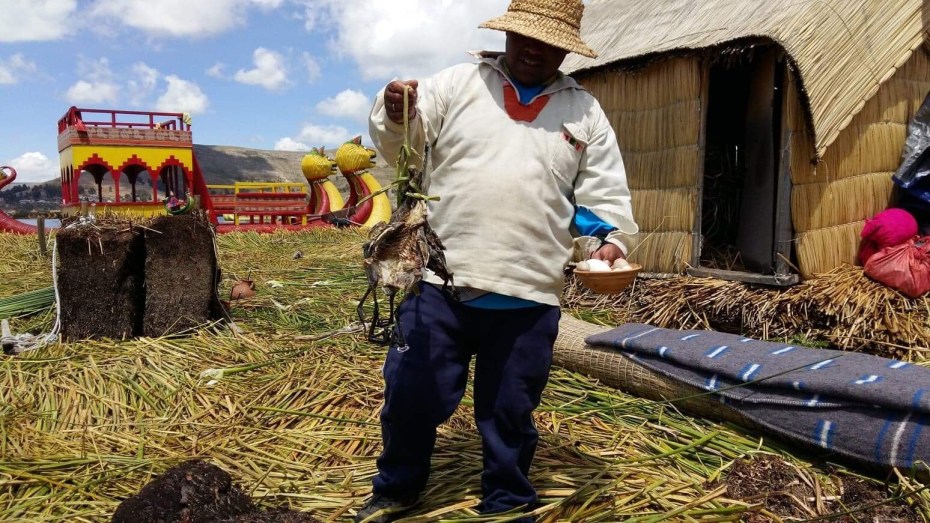
The Uros are an ethnic group of Indians on the Lake Titikaka (3840 meters above sea level) near Puno in Peru, there are still a couple of thousand people of this ethnic group living today in said area. The original language of the Uros is Urukilla. In the colonial era, they converted to Aymara, which is spoken here to the present day. The Uros live for many hundreds of years on approximately 50 “floating islands”, which are constructed from dried Totora reeds. The same plant is also the raw material for reed boats and their houses on the islands.

The Uros mainly live from fishing, bird hunting and collecting bird eggs. Today, of course, the income of day tourists are of central importance. This has brought the archipelago some modern conveniences, including solar panels, television, radio and mobile phones.

The islands, now populated by a few hundred Uros, are located 6 km east of the port of Puno. The majority of Uros now lives and works on the mainland and students are learning at the the university in Puno.

The day trips depart from the port of Puno and the crossing to the floating Uros Islands takes about 30 minutes. You will travel by boat through a natural “channel” cut out of a dense reef field to one of these islands, where you will meet the resident families, explore their surroundings and get to know their way of life; of course you can take a lot of photos! The women of the visited islands weave, sew and carve small souvenirs which you can buy for little money. You also have the option to visit a neighboring island with a reed boat (the transfer will be paid directly to the family that owns the boat).

The best way to visit the Uros is to arrive in Puno at least one day before and stay overnight.

Uros on lake Titikaka

Uros on lake Titikaka

Uros on lake Titikaka

Uros on lake Titikaka

Die Uros auf dem Titikaka See

Die Uros sind eine ethnische Gruppe von Indianern am Titikaka-See (3840 Meter über dem Meeresspiegel) in der Nähe von Puno in Peru; es leben immer noch ein paar tausend Menschen dieser ethnischen Gruppe in diesem Gebiet. Die ursprüngliche Sprache der Uros ist Urukilla. In der Kolonialzeit wechselten sie mit der Zeit zu Aymara das hier bis heute gesprochen wird. Die Uros leben seit vielen hundert Jahren auf diesen „schwimmenden Inseln”, die aus getrockneten Totora-Schilfen bestehen. Die gleiche Pflanze ist auch der Rohstoff für Ihre Schilfboote und Häuser auf den gegenwärtig ca. 50 Inseln.

Die Uros leben hauptsächlich vom Fischfang, der Vogeljagd und dem Sammeln von Vogeleiern. Heute ist natürlich das Einkommen der Tagestouristen von zentraler Bedeutung. Dies hat dem Archipel moderne Annehmlichkeiten gebracht wie Sonnenkollektoren, Fernsehen und Radio, etc.

Die Inseln, die heute von einigen hundert Uros bevölkert sind, liegen 6 km östlich des Hafens von Puno. Die Mehrheit der Uros lebt und arbeitet auf dem Festland und die Studenten lernen an der Universität in Puno.

Die Tagesausflüge beginnen am Hafen von Puno und die Überfahrt zu den schwimmenden Uros-Inseln dauert etwa 30 Minuten. Sie werden mit dem Boot durch einen natürlichen “Kanal” fahren, der aus einem dichten Schilffeld herausgeschnitten wurde um zu einer dieser Inseln zu gelangen, wo Sie die ansässigen Familien treffen, ihre Umgebung erkunden und ihre Lebensweise kennenlernen werden; natürlich können Sie viele Fotos machen! Die Frauen der besuchten Inseln weben, nähen und schnitzen kleine Souvenirs, die man für wenig Geld kaufen kann. Sie haben auch die Möglichkeit, eine Nachbarinsel mit einem Schilfboot zu besuchen (der Transfer wird direkt an die Familie gezahlt, die das Boot besitzt).

Die beste Art, die Uros zu besuchen ist mindestens einen Tag vorher in Puno anzukommen und dort zu übernachten.

Categories: Blogroll, Peru, Travel, Weltreisen | Tags: , , , , , , | 2 Comments

Finisterre – End of the World

Rome, Jerusalem and especially Santiago de Compostela were the most important pilgrimage sites of Christians in the Middle Ages. At that time one-third of the population of the Occident went, provided they were healthy, on the way to Santiago de Compostela. The pilgrims flocked on one of the four pilgrimage routes through France, or by sea via La Coruna, to the apostle’s tomb of Saint James in Santiago de Compostela.

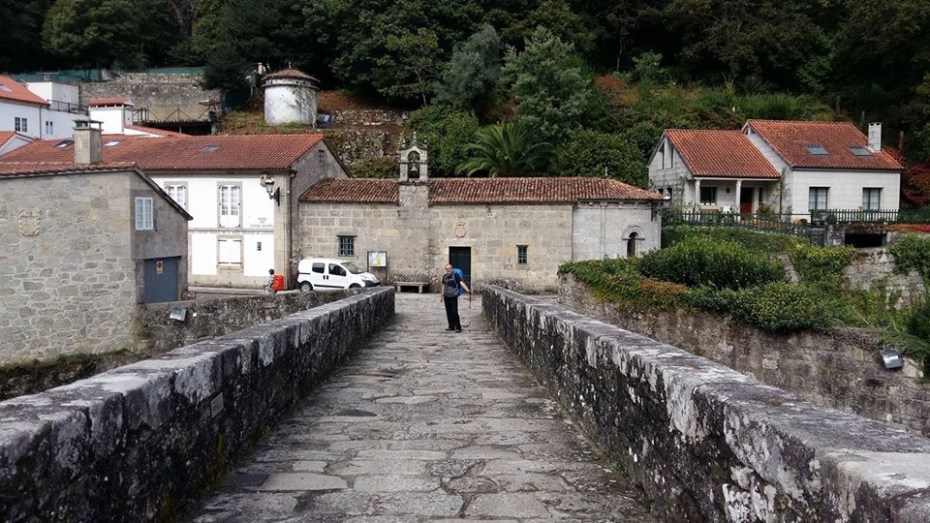
Finisterre

On the Way to Finisterre – to the End of the World

At that time, many of the pilgrims who survived the tedious, dangerous way of Saint James to Santiago de Compostela continued their journey to Finisterre. Before returning home, they wanted to see the sea and the End of the World. Back then, it was believed that at the very horizon the water of the sea would get thicker and thicker and that the earth would fall, after a gloomy zone of silence, into the bottomless. Arriving in Finisterre, the pilgrims got rid of their clothes, burned it, cleansing themselves in the sea from their sins and many of them died of total exhaustion.

Rom, Jerusalem und vor allem Santiago de Compostela waren die wichtigsten Wallfahrtsorte der Christen im Mittelalter. Zu dieser Zeit ging ein Drittel der Bevölkerung des Okzidents, sofern die Menschen gesund waren, nach Santiago de Compostela. Die Pilger strömten auf einem der vier Pilgerwege durch Frankreich oder auf dem Seeweg über La Coruna zum Apostelgrab des Heiligen Jakobus in Santiago de Compostela.

Zu dieser Zeit setzten viele der Pilger, die den langwierigen, gefährlichen Jakobsweg nach Santiago de Compostela überlebten, ihre Reise nach Finisterre fort. Bevor sie nach Hause zurückkehrten, wollten sie das Meer und das Ende der Welt sehen. Damals glaubte man, dass das Wasser des Meeres am Horizont immer dicker werden würde und dass die Erde nach einer düsteren Zone der Stille in das Bodenlose fallen würde. In Finisterre angekommen, lösten sich die Pilger von ihren Kleidern, verbrannten sie und säuberten sich im Meer von ihren Sünden; viele von ihnen starb an völliger Erschöpfung.

Categories: Blogroll, Jakobsweg, Spanien, Travel | Tags: , , , , , , , , | 8 Comments

Baby Snow Owl

It was on a snowy winter’s day in December of last year, when I discovered this female snow owl in our aviary in the city of Zug. Yesterday, only a few months later, our snow owls seem to have descendants, two young, grayish snow owls have looked at me with open and inquisitive eyes, they are probably only a few weeks old.

Baby snow Owl

Baby Snow Owl

Snow owls belong to the owl family and are close relatives to the Uhu native in Switzerland. The snow owls live mainly in the Arctic tundra and in our aviary in Zug 🙂 The females differ from the males in their size and the color of the plumage, i.e. the females have brown lines in their plumage and are much larger than the whole white male. The wing span is about 150 centimeters. On the menu card of the snow owls are mainly lemmings, the main prey of these beautiful birds.

Es war an einem verschneiten Wintertag im Dezember letzten Jahres, als ich diese weibliche Schneeeule in unserer Voliere in der Stadt Zug entdeckte. Gestern, nur wenige Monate später, scheinen unsere Schneeulen Nachkommen erhalten zu haben, zwei junge, gräuliche Schneeeulen haben mich mit offenen und neugierigen Augen angeguckt, wahrscheinlich sind sie erst ein paar Wochen alt. Schneeeulen gehören zur Eulenfamilie und sind nahe Verwandte der in der Schweiz heimischen Uhu. Die Schneeeulen leben hauptsächlich in der arktischen Tundra und in unserer Voliere in Zug 🙂 Die Weibchen unterscheiden sich von den Männchen in ihrer Größe und der Farbe des Gefieders, d.h. die Weibchen haben braune Linien in ihrem Gefieder und sind viel größer als die ganz weißen Männchen. Die Flügel Spannweite beträgt etwa 150 Zentimeter. Auf der Speisekarte der Schneeeulen sind hauptsächlich Lemminge, die Hauptbeute dieser schönen Vögel.

Categories: Blogroll, Nature, Switzerland, Travel | Tags: , , | 12 Comments

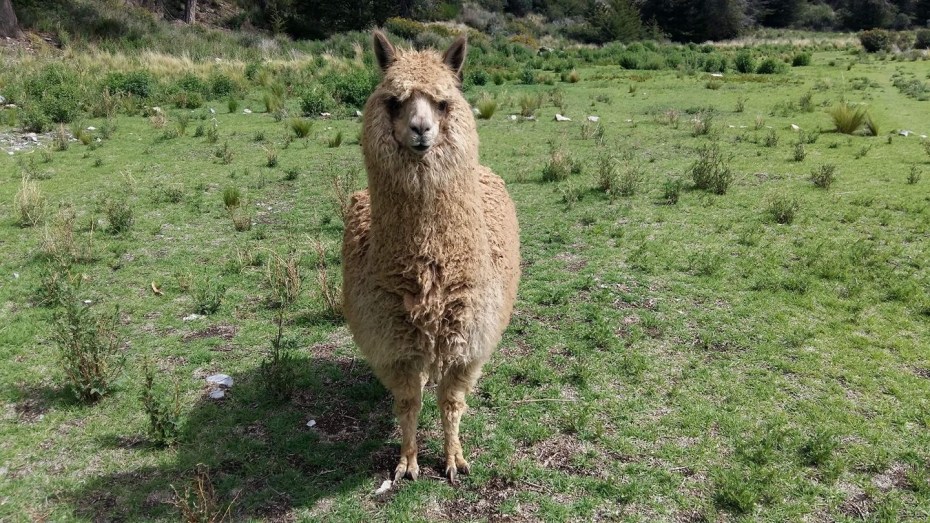
Alpacas the curious and lovely animals in the Andes

The alpaca is a domesticated type of camel native to the South American Andes. It is mainly bred for its wool. Especially fine and also more expensive is the wool of baby alpacas. The animals have a calm and peaceful character. There are almost 4 million alpacas living in Peru, which makes up about 80 percent of the world’s total population. I do not know anybody who has returned from their travels through the Andes without having bought an alpaca wool garment. The alpaca meat, which can be found on almost every menu card in Peru, is said to be extremely tender, very low in cholesterol and not unlike deer meat. I am however not sure whether I would like to see these lovely, curious and playful animals on my plate.

Alpaca

Alpaca at the lake Titikaka

Das Alpaka stammt aus den südamerikanischen Anden und ist eine domestizierte Kamelart welche vorwiegend wegen ihrer Wolle gezüchtet werden. Besonders fein und auch teurer ist die Wolle von Baby-Alpakas. Die Tiere haben einen ruhigen und friedlichen Charakter. In Peru leben etwa 4 Millionen Alpakas, was ca. 80 Prozent des weltweiten Bestandes ausmacht. Ich kenne niemanden der ohne ein Kleidungsstück aus Alpakawolle von seiner Reise durch die Anden nach Hause zurückgekehrt ist. Man sagt, dass das Alpakafleisch, welches sich in Peru auf beinahe jeder Speisekarte findet, äusserst zart, sehr cholesterinarm und dem Wild nicht unähnlich sei. Ich für meinen Fall bin aber nicht sicher, ob ich diese lieben, neugierigen und verspielten Tiere auf meinem Teller sehen möchte.

Categories: Blogroll, Bolivia, Peru, Travel, Weltreisen | Tags: , | 11 Comments

Canale Grande, Venice Italy

Driving with a „Vaporetto“ (Water Bus) through the Canale Grande, a main waterway in the lagoon city of Venice, is for me every time again a ride through the past. The most famous of the five bridges spanning the canal is the Rialto Bridge, built in the late 16th century; probably one of the most photographed landmarks in Italy. The Canale Grande, lined with over 200 splendid buildings and noble palaces, keeps my mind drifting back and forth, especially during the night, to the time of the Venetian merchant Marco Polo in the 14th century and the bustle of the merchants, sailors and bankers in one of the largest and most powerful trading cities and financial centers of Europe and the world at that time.

Die Fahrt mit einem „Vaporetto“ (Wasser Bus) durch den Canale Grande, eine Hauptwasserstrasse in der Lagunenstadt Venedig, ist für mich jedes Mal wieder eine Fahrt durch die Vergangenheit. Die bekannteste der fünf Brücken welche den Kanal überspannt ist die im späten 16. Jahrhundert gebaute Rialto Brücke; wahrscheinlich eines der am meisten fotografierten Wahrzeichen Italiens.

Canale Grande Venice

Canale Grande Venice

Der mit über 200 prächtigen Prachtbauten und Adelspalästen gesäumte Canale Grande lässt meine Gedanken immer wieder, und besonders während der Nacht, zurück schweifen in die Zeit des venezianischen Händlers Marco Polo im 14. Jahrhundert und an das geschäftige Treiben der Kaufleute, Seefahrer und Banker in einer der grössten und mächtigsten Handelsstädte und Finanzzentren Europas und der damaligen Welt.


Categories: Blogroll, Italy, Travel, Weltreisen | Tags: , | 3 Comments

Blog at WordPress.com.