Mercato Orientale in Genoa, Italy

The Mercato Orientale is recommended as one of the many attractions in Genoa. I love Italian specialties and my culinary fantasies are stimulated in such markets by the scents and color of the food offered. The Mercato is a bit hidden in the center of Genoa and was for me not immediately to find. The entrance to the market hall was promising but what came afterwards was rather disappointing. Based on the reports and photos I had hoped for much more. The choice of food is not overwhelming, neither the vegetables nor the fish is anything out of the ordinary and most stalls offer the same choices. The upper floor, which does not offer food, is also very modest. All in all, I would hardly visit this market anymore.

Der Mercato Orientale wird als eine der vielen Sehenswürdigkeiten in Genua empfohlen. Ich liebe italienische Spezialitäten und meine kulinarischen Fantasien werden auf solchen Märkten durch die Düfte und Farbenpracht der angebotenen Esswaren jeweils angeregt. Der Mercato liegt etwas versteckt im Zentrum von Genua und für mich war er nicht auf Anhieb zu finden. Der Eingang zur Markthalle war zwar vielversprechend aber was danach kam war eher enttäuschend. Anhand der Berichte und Fotos hatte ich mir viel mehr erhofft. Die Auswahl an Lebensmittel ist nicht überwältigend, weder beim Gemüse noch bei den Fischen gibt es etwas außergewöhnliches und die meisten Stände bieten die selbe Auswahl. Das obere Geschoss, dass nicht Lebensmittel bietet, ist ebenfalls sehr bescheiden. Alles in allem würde ich diesen Markt wohl kaum mehr besuchen.

Categories: Blogroll, Events, Food, Italy, Travel | Tags: | 1 Comment

Florence in Italy – the Cradle of Renaissance

Florence, the capital city of Tuscany in Italy is famous for Renaissance art, architecture, and sculpture. Thus Florence is known as Cradle of Renaissance. This stunningly, the romantic city attracts millions of tourists every year. In this article, I am going to take a Quick Florence Tour – Cradle of Renaissance. Florence contains numerous museums, cathedrals, […]

via Quick Florence Tour – Cradle of renaissance — Travel With Me 24 X 7

Categories: Blogroll, History, Italy, Museum, Travel | Tags: , , | 10 Comments

Victor Hugo his time in Guernsey

To be honest, I did not know much about Victor Hugo before I traveled to Guernsey. He was known to me as a major French writer and poet of the 19th century. Literary masterpieces such as “Les Miserables, Les Travailleurs de la mer and La Légende des Siècles” come from his pen. What I didn’t know was that Victor Hugo spent 15 years of his 19-years political exile on the Channel Island Guernsey. After the coup d‘Etat of Louis Napoleon Bonaparte on 2 December 1851 he was banished from France and also expelled from Belgium in 1852. After a three-year stay in Jersey, he moved in 1855 to the neighboring island of Guernsey. There he rented the Hauteville House in Saint Peter Port which he acquired in 1856 with proceeds from the sale of „les contemplations” (158 stories collected in six books). The Victor Hugo House, or rather his Residence at 38 Rue Hauteville in Saint Peter Port is now a museum and is open to the public for guided tours. This museum is not just for literature lovers, it is a fascinating place where an eccentric genius must have lived. The Residence, built on five floors with a small viewing platform, dominates and overlooks the old town of Saint Peter Port and the bay of Havelet. The house, fully furnished and decorated by Victor Hugo, reflects the creative genius of this poet. In short, the house, the garden and the view are more than remarkable and well worth a visit whilst in Guernsey.

House Victor Hugo Guernsey

House of Victor Hugo in Guernsey

Um ehrlich zu sein, ich wusste vor meiner Reise nach Guernsey recht wenig über Victor Hugo. Er war mir als bedeutender französischer Schriftsteller und Dichter des 19. Jahrhunderts bekannt. Literarische Meisterwerke wie “Les Miserables, Les Travailleurs de la Mer und La Légende des Siècles” stammen aus seiner Feder. Was ich nicht wusste, war, dass Victor Hugo 15 Jahre seines 19-jährigen politischen Exils auf der Kanalinsel Guernsey verbrachte. Nach dem Staatsstreich von Louis Napoleon Bonaparte am 2. Dezember 1851 wurde er 1852 aus Frankreich verbannt und ebenfalls aus Belgien ausgewiesen. Nach einem dreijährigen Aufenthalt in Jersey zog er 1855 auf die Nachbarinsel Guernsey. Dort mietete er das Hauteville-Haus in Sankt Peter Port, das er 1856 mit Erlösen aus dem Verkauf von “les contemplations” (158 gesammelte Geschichten in sechs Büchern) erwarb.

Victor Hugo House in Guernsey

View over Saint Peter Port and the Channel from Victor Hugo‘s House

Das Victor Hugo Haus, oder besser seine Residenz in 38 Rue Hauteville in Sankt Peter Port ist heute ein Museum und für die Öffentlichkeit zugänglich für Führungen. Dieses Museum ist nicht nur ein Ziel für Literaturliebhaber, es ist ein faszinierender Ort, wo ein exzentrisches Genie gelebt haben muss. Die Residenz, gebaut auf fünf Etagen mit einer kleinen Aussichtsplattform, dominiert und überblickt die Altstadt von Sankt Peter Port und die Bucht von Havelet. Das Haus ist komplett eingerichtet und dekoriert von Victor Hugo und es spiegelt das kreative Genie dieses Dichters. Kurz gesagt, das Haus, der Garten und die Aussicht sind mehr als bemerkenswert und einen Besuch ist für Guernsey Reisende auf jeden Fall empfehlenswert.

Categories: Blogroll, Channel Islands, Guernsey, Museum, Travel | Tags: , , | 1 Comment

San Sebastián or Donostia in Basque, Spain

In the Basque Country in the North of Spain about 20 kilometres from the French border lies one of the most famous tourist destinations in the country. The city of San Sebastián, or Donostia in Basque, is backed by the golden, U-shaped Playa de la Concha and framed by lush green hillsides. The city has […]

via San Sebastián — My Que Será, Será

Categories: Blogroll, Spain, Travel | Tags: , , | 3 Comments

Three Great RV-Trips

RVing (RV stands for Recreational Vehicle) is an extremely popular way to get out and experience the world for retirees across the globe. From the occasional trip to full time living, RVs provide a simple, comfortable and affordable way to travel year-round. Here are 3 great RV trips to take in retirement. These can be done as standalone trips, or easily incorporated into your full-time travels.

For more information about RV rentals, visit the company Outdoorsy HERE


Pacific Northwest, United States of America

This is a great summertime trip for retirees. While it is a common perception that this area has perpetual rain, there are great areas here to visit that buck that understanding. Located on the northern coast of the Olympic Peninsula, towns like Port Angeles, Sequim and Port Townsend are located in the rain shadow of the Olympic Mountains. Sequim, which is located in the center of that rain shadow, receives only 14 inches of rain per year. The vast majority of that rain falls between October and April. The weather in peak season between June and September is absolutely delightful. It is sunny with low humidity and temps in the 70’s to low 80’s (21 – 26 centigrade). This is one reason Sequim has been ranked as one of the best small towns in the pacific northwest to live. It is also a very popular destination for west coast residents to move to for retirement.

The towns here are quaint seaside towns, particularly Sequim and Port Townsend. The surrounding area is absolutely beautiful, with the Olympic National Park just to the southwest. Port Townsend has a great walkable downtown area with nice restaurants and a first-rate farmer market every weekend. The nearby Fort Worden State Park is a former military installation where many of the buildings have been converted to art facilities. This is a great place to learn art from traditional painting to advanced woodworking.

The area is also a gateway to Seattle, the San Juan Islands and Victoria, BC, which is a short ferry ride from Port Angeles. This area makes a great standalone trip. A visit here can be months long without running out of things to do.

Great RV Trips to Take in Retirement

Great RV Trips to Take in Retirement

Mediterranen Coast, Spain and other European Countries

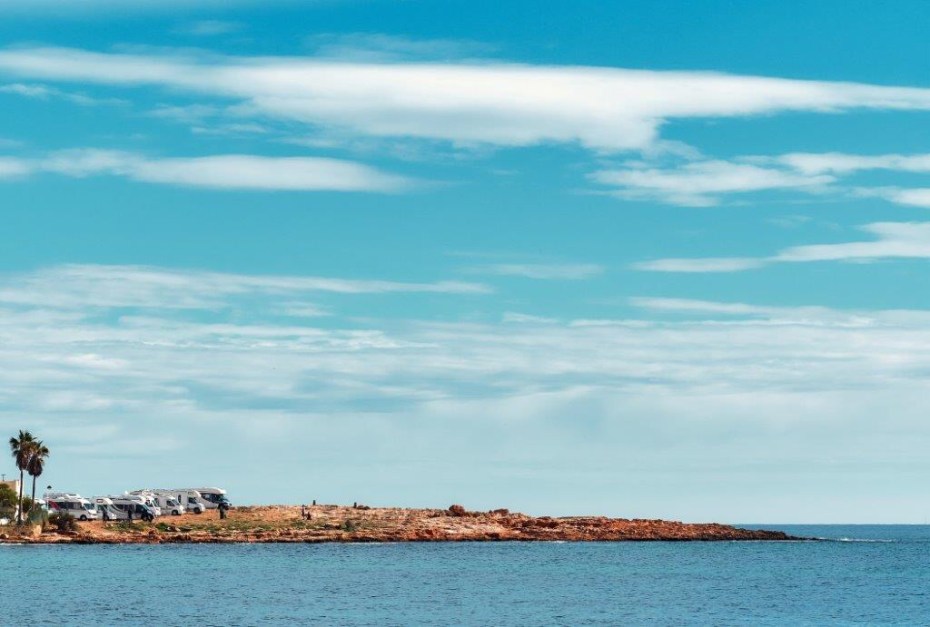
The Mediterranean Coast if Spain is a great location for an overseas retiree RV trip. Spain is often listed as one of the best places for US residents to retire on a budget. It has excellent culture, is generally friendly to foreigners, and sports a relatively low cost of living. The EU also has very streamlined travel regulations between nations, so it makes a great base camp to venture out and explore other EU member states and Switzerland.

RVing in Europe is typically done in smaller campervans than those you may be used to in the US. These RVs are designed to navigate the smaller roads in Europe and provide only the basic services you really need to live. A place to cook, a place to sleep and maybe a bathroom, although those are less common. The lack of RV amenities are made up for by the lifestyle in the area. The RV is truly just a place to sleep, the surrounding cities, towns and beaches will provide all amenities, activities and entertainment you could possibly ask for.

Barcelona, Valencia, Alicante and Malaga are all excellent destinations. Each could be a standalone destination, or a coastal trip covering all of them is certainly possible. Peak season is in the spring and summer, but the weather is mild year-round so off-season trips can still be great while avoiding the crowds.

To plan a trip like this consider using a private owner RV rental service. These services will connect you to a great rental RV that can be picked up on location in Spain.

Great RV Trips to Take in Retirement

Great RV Trips to Take in Retirement

Desert Southwest, United States of America

The southern US is a great retirement RV destination. The weather is fantastic year-round so you can plan your trip at any time. While the southern US as a whole is a great retirement RV destination, the desert southwest stands out for a number of reasons. First, it has great weather. Not only is it generally warm, but also generally very dry. The lack of humidity does three things. First, it makes the warmer temps feel more pleasant. Second, when the sun goes down the temps tend to cool faster, making sleeping more pleasant. Finally, drier air is easier to breath and can be beneficial for a number of health conditions common in the retired community.

The desert southwest is also less crowded then places like Florida during the snowbird season and the cost of living is generally lower. There are other places in the south that are also less crowded then Florida, like Alabama, Louisiana and Texas. These are all great areas in their own right, but the desert southwest gets the edge for its better weather and greater prevalence of free or cheap camping opportunities.

From Palm Springs, CA east to New Mexico there is a great mix of cities and towns with a broad range of cultural and entertainment facilities. These areas are surrounded by camping facilities ranging from vast free boondocking areas to massive high-end resorts. The diversity here will allow any retiree to live exactly as they desire.

RVing during retirement is a great way to get out and see the world. Here we have looked at three great RV trips for retirees. These trips demonstrate the options retirees have for RVing regardless of location or time of year. A great trip is taking a great destination and get the most out of it for yourself and any of these locations will allow you to do that.

For more information about RV-Rentals, visit the company Outdoorsy HERE

Categories: Adventure, Blogroll, Camper, Spain, Switzerland, Travel, Trekking, United States of America | Tags: | 9 Comments

Gotthard Pass, those were the days!

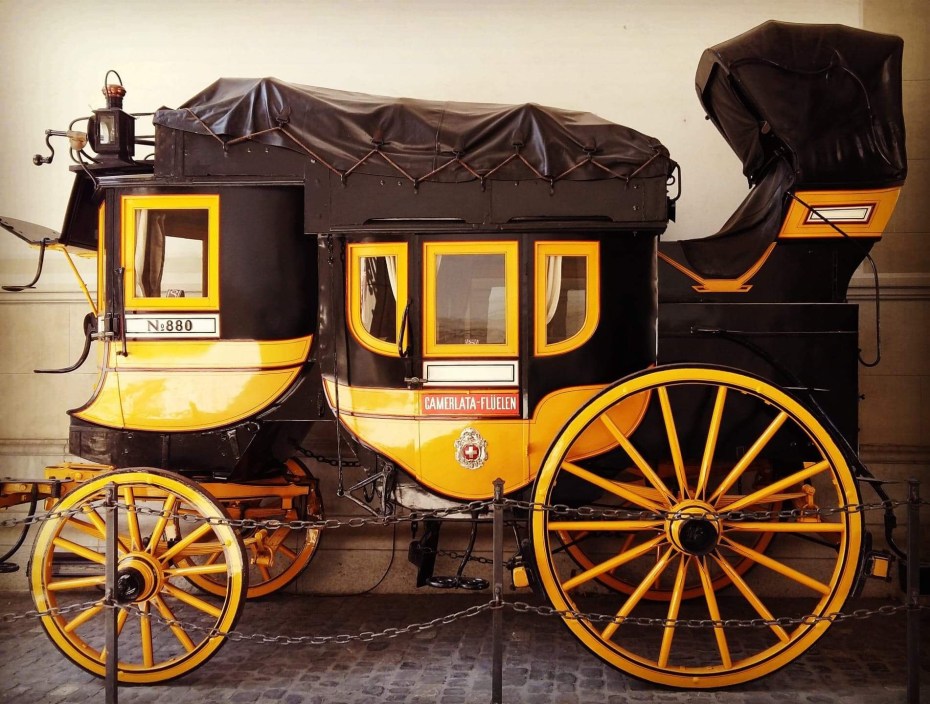
The Gotthard Pass has been one of the most important direct north-south links across the Alps since the Middle Ages. In 1830, the first stagecoach rolled over the Gotthard Pass. At that time, the travelers were predominantly merchants, scientists, engineers and diplomats. Back then, in the first half of the 19th century, the passengers felt the thirty-hour journey from Lucerne to Milan, first with the steamboat across Lake Lucerne to Flüelen and then in the stagecoach over the St. Gotthard Pass to Camerlata and Milan as grueling strain. In 1850, the effective travel time from Zurich to Milan was at least 30 hours, not taking into account an overnight stay in the hospice on the Gotthard Pass. With the opening of the Gotthard railway tunnel in 1882 the stagecoaches slowly disappeared; and the stagecoach operation was finally discontinued in 1926. The steam-powered train reduced the travel time from Zurich to Milan to 11 hours, today’s trains need only 3 hours and 25 minutes for the route, thanks to the 57-kilometer Gotthard Base Tunnel, i.e. the longest tunnel in the world. In 2020, after completion of the railway tunnel through the Monte Ceneri, the train journey will be shortened by another 40 minutes to 2 hours and 45 minutes! By the way, in 1852 about 21‘000 passengers used the stagecoach service over the Alps. Today, on average 12‘000 travelers are using trains through the Gotthard Tunnel!

Stagecoach

Stagecoach from Flüelen to Camerlata

Der Gotthardpass ist seit dem Mittelalter eine der wichtigsten direkten Nord-Süd-Verbindungen über die Alpen. Im Jahre 1830 rollte die erste Postkutsche über den Gotthardpass. Die Reisenden zu jener Zeit waren vorwiegend Kaufleute, Wissenschaftler, Ingenieure und Diplomaten. Damals, in der ersten Hälfte des 19. Jahrhunderts, empfanden die Passagiere die dreissig Stündige Reise von Luzern nach Mailand, zuerst mit dem Dampfschiff über den Vierwaldstättersee nach Flüelen und dann in der Postkutsche über den Sankt Gotthardpass nach Camerlata und Mailand als aufreibende Strapaze. Eine Übernachtung im Hospiz auf dem Gotthardpass nicht eingerechnet, betrug im Jahr 1850 die effektive Reisezeit ab Zürich nach Mailand mindestens 30 Stunden. Mit der Eröffnung des Gotthard-Eisenbahntunnels 1882 verschwanden die Postkutschen langsam; und der Postkutschenbetrieb wurde 1926 endgültig eingestellt. Die dampfbetriebene Bahn verkürzte die Reisezeit von Zürich nach Mailand auf 11 Stunden, die heutigen Züge benötigen für die Strecke, Dank des 57 Kilometer langen Gotthard-Basistunnels, nur noch 3 Stunden und 25 Minuten. Ab dem Jahr 2020, nach Fertigstellung des Eisenbahntunnels durch den Monte Ceneri wird die Zugreise um eine weitere halbe Stunde auf 2 Stunden und 45 Minuten verkürzt! Übrigens nutzten 1852 rund 21’000 Passagiere den Postkutschen-Service über die Alpen. Heute fahren durchschnittlich 12’000 Reisende mit Zügen durch das  Gotthardmassiv!

Categories: Blogroll, Italy, Switzerland, Train, Travel | Tags: , , , , , , , | 1 Comment

Amalfi Coast and Ravello, Italy

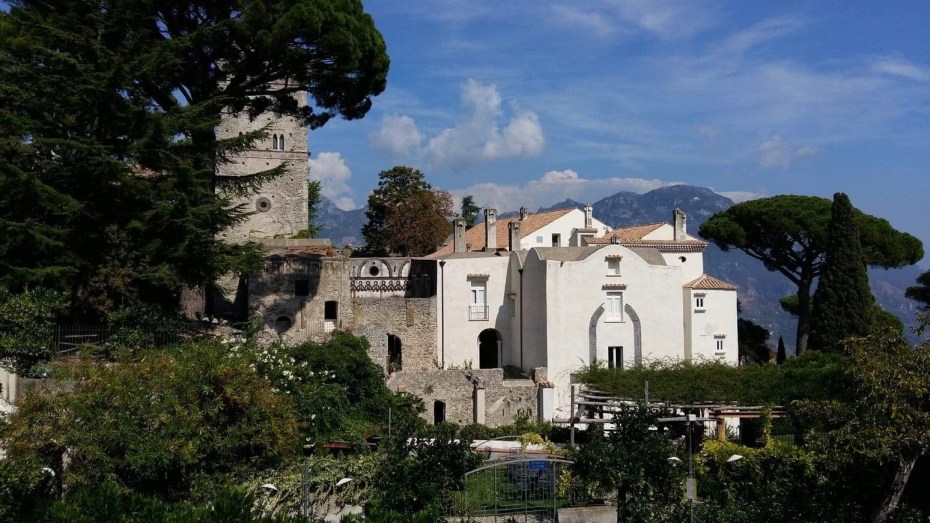
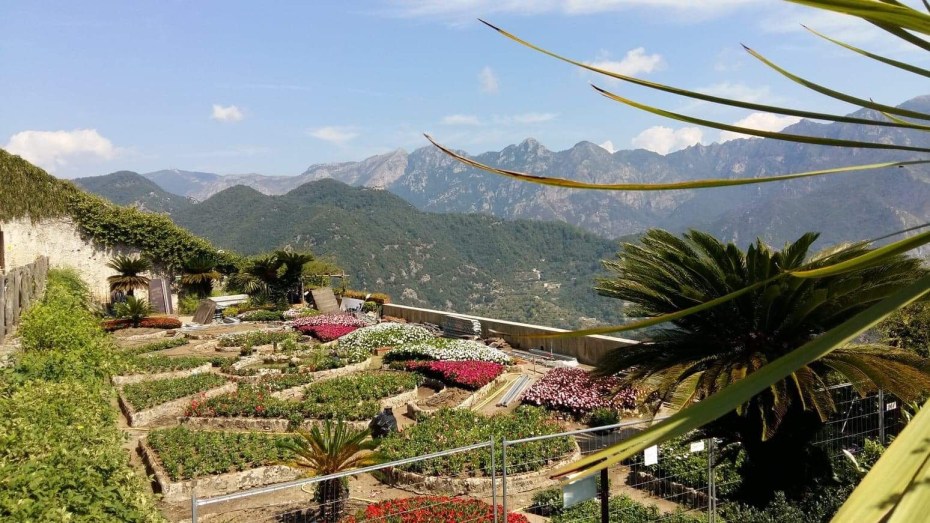
At the Amalfi Coast, on about 300 meters above sea level, is the small town Ravello. The place is world famous for its classical concerts which take place every year during the summer months. Ravello can look back on more than one thousand years of history. In the beginning, rich Roman families settled down at this place to escape from the marauding barbarians. With the emerging maritime trade in the then Republic of Amalfi, the importance of Ravello also increased. As a result, a rich bourgeoisie developed over the centuries, which built palatial palaces that are still partially preserved today.

Of particular note is the Villa Rufolo which was built in the 13th century by the family of the same name. In 1851, the property was sold to a Scottish industrialist, who transformed the villa and gardens as they can be visited today.

Villa Rufolo in Ravello

Villa Rufolo in Ravello

Admirers of the villa and their gardens, with an indescribable vision of the Amalfi Coast and the Gulf of Salerno in the Tyrrhenian Sea, among many others, were Giuseppe Verdi and Richard Wagner, the latter inspired himself in this magical place for his opera Parsifal. In memory of Wagner’s visit in 1880, the annual Wagner concerts have been taking place in the gardens of the villa since 1953. Particularly spectacular is the orchestra stage, which is built far beyond the garden walls and for the concert visitors hovers visually between the sky and the sea with a view into the infinite.

Ravello can be reached from Amalfi in a 30-minute bus ride and should definitely be visited. You will not regret it!

View from the gardens of Villa Rufolo

View from the gardens of Villa Rufolo

An der Amalfiküste, etwa 300 Meter über dem Meeresspiegel, liegt die kleine Stadt Ravello. Der Ort ist weltberühmt für seine klassischen Konzerte, die jedes Jahr in den Sommermonaten stattfinden. Ravello kann auf mehr als tausend Jahre Geschichte zurückblicken. Zu Beginn ließen sich reiche römische Familien an diesem Ort nieder um den marodierenden Barbaren zu entkommen. Mit dem aufkommenden Seehandel in der damaligen Republik Amalfi nahm auch die Bedeutung von Ravello zu. Als Ergebnis entwickelte sich im Laufe der Jahrhunderte eine reiche Bourgeoisie, die prunkvolle Paläste baute, die heute noch teilweise erhalten sind.

Besonders erwähnenswert ist die Villa Rufolo, die im 13. Jahrhundert von der gleichnamigen Familie erbaut wurde. Im Jahr 1851 wurde das Anwesen an einen schottischen Industriellen verkauft, der die Villa und die Gärten so umgestaltete, wie sie heute besichtigt werden können.

Gardens of Villa Rufolo

Gardens of Villa Rufolo

Bewunderer der Villa und ihrer Gärten, mit einer unbeschreiblichen Sicht auf die Amalfiküste und den Golf von Salerno im Tyrrhenischen Meer, waren unter vielen anderen, Giuseppe Verdi und Richard Wagner, letzterer inspirierte sich an diesem magischen Ort für seine Oper Parsifal. Zur Erinnerung an Wagners Besuch im Jahre 1880 finden seit 1953 die jährlichen Wagner-Konzerte in den Gärten der Villa statt. Besonders spektakulär ist die Orchestertribüne, die weit über die Gartenmauern hinaus gebaut ist und für die Konzertbesucher visuell zwischen Himmel und Meer schwebt mit einem Blick in die Unendlichkeit.

Ravello ist von Amalfi in einer 30-minütigen Busfahrt erreichbar und sollte unbedingt besucht werden. Du wirst es nicht bereuen!

Categories: Blogroll, Italy, Monument, Museum | Tags: , , | 7 Comments

Canale Grande in Venice

Driving with a „Vaporetto“ (Water Bus) through the Canale Grande, a main waterway in the lagoon city of Venice, is for me every time again a ride through the past. The most famous of the five bridges spanning the canal is the Rialto Bridge, built in the late 16th century; probably one of the most photographed landmarks in Italy. The Canale Grande, lined with over 200 splendid buildings and noble palaces, keeps my mind drifting back and forth, especially during the night, to the time of the Venetian merchant Marco Polo in the 14th century and the bustle of the merchants, sailors and bankers in one of the largest and most powerful trading cities and financial centers of Europe and the world at that time.

Die Fahrt mit einem „Vaporetto“ (Wasser Bus) durch den Canale Grande, eine Hauptwasserstrasse in der Lagunenstadt Venedig, ist für mich jedes Mal wieder eine Fahrt durch die Vergangenheit. Die bekannteste der fünf Brücken welche den Kanal überspannt ist die im späten 16. Jahrhundert gebaute Rialto Brücke; wahrscheinlich eines der am meisten fotografierten Wahrzeichen Italiens. Der mit über 200 prächtigen Prachtbauten und Adelspalästen gesäumte Canale Grande lässt meine Gedanken immer wieder, und besonders während der Nacht, zurück schweifen in die Zeit des venezianischen Händlers Marco Polo im 14. Jahrhundert und an das geschäftige Treiben der Kaufleute, Seefahrer und Banker in einer der grössten und mächtigsten Handelsstädte und Finanzzentren Europas und der damaligen Welt.


Categories: Blogroll, Italy, Travel, Weltreisen | Tags: , | 8 Comments

Hotels in Santiago de Compostela

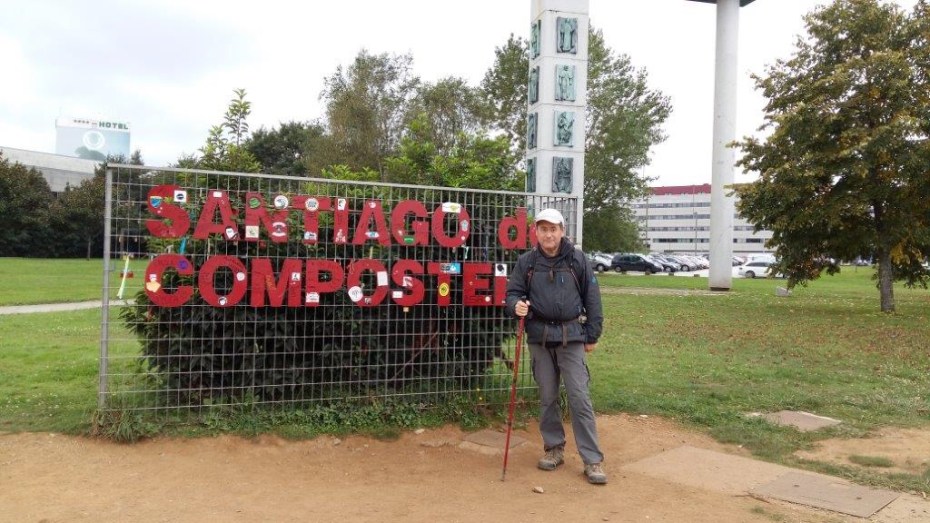
Dear pilgrim friends, are you tired and would you like to end your Camino in Santiago de Compostela? Perhaps my hotel recommendations could help you in choosing an accommodation.

My selection criteria for my list of recommendations are based on the experience and feedback of many pilgrims, ratings and reviews in social media and of course my personal preferences and evaluation criteria, such as a good bed, cleanliness, good location, friendliness of the hotel staff and last but not least value for money.

Nevertheless, my Hotel selection is subjective and many of the hotels not listed here are also excellent and can also be booked with the enclosed link through Booking.com

BOOK NOW and CLICK HERE

Rolandomio’s Hotel Recommendations for „tired“ pilgrims in Santiago de Compostela: 

Hostal Suso (-); Hospederia San Martin Pinario (*); Pension Residencia Fonseca (*); Casa Celsa Barabantes (**); Hotel Bonaval (**); PR Libredón (**); Nest Style (***); Hotel Rua Villar (***); Hotel Lux (***); Altair Hotel (***); San Francisco Hotel Monumento (****); NH Collection Santiago de Compostela (****); Hostal Reis Catolicos (*****)

Buen Camino!

Santiago de Compostela


Liebe Pilgerfreunde, seid ihr müde und möchtet ihr euren Jakobsweg in Santiago de Compostela noch ausklingen lassen; dann könnten euch meine Hotelempfehlungen als Entscheidungshilfe bei der Wahl einer Unterkunft nützlich sein. 

Meine Auswahlkriterien für diese Empfehlungsliste basieren auf Erfahrungen und Feedback vieler Pilger, Ratings und Bewertungen in Sozialen Medien und selbstverständlich meine ganz persönlichen Präferenzen und Bewertungskriterien, wie zum Beispiel ein gutes Bett, Sauberkeit, gute Lage, Freundlichkeit des Hotelpersonals sowie ein gutes Preis-Leistungsverhältnis.

Meine Hotelauswahl ist jedoch subjektiv und viele der hier nicht gelisteten Hotels sind ebenfalls ausgezeichnet und können über den beigefügten Link bei Booking.com gebucht werden.

JETZT BUCHEN mit einem CLICK

Rolandomio’s Hotelempfehlungen für „müde“ Pilger in Santiago de Compostela: 

Hostal Suso (-); Hospederia San Martin Pinario (*); Pension Residencia Fonseca (*); Casa Celsa Barabantes (**); Hotel Bonaval (**); PR Libredón (**); Nest Style (***); Hotel Rua Villar (***); Hotel Lux (***); Altair Hotel (***); San Francisco Hotel Monumento (****); NH Collection Santiago de Compostela (****); Hostal Reis Catolicos (*****)

Buen Camino!

booking

Categories: Blogroll, Hotel, Jakobsweg, Pilgrimage, Spain, Travel | Tags: , , | 2 Comments

Clever Crow tries to buy a Train ticket with a stolen Credit Card

The video of a Twitter user from Japan proves that crows are intelligent birds. On an ordinary day, at a train station in Tokyo, a travel-loving crow tried to buy a train ticket with a stolen credit card. It can be seen how the crow tries to understand the display of the ticket machine and observes how a traveler next to her paid the fare with a credit card. That should also work for me, the crow has certainly thought and schwups, she stole the perplexed neighbor her credit card. Unfortunately, the payment was not working, the PIN code was missing 🙂 Otherwise it would certainly have been the first time that a crow traveled by train in a highly official way 🙂 🙂

Das Video eines Twitter-Users aus Japan beweist das Krähen intelligente Vögel sind. An einem gewöhnlichen Tag in einer Bahnstation in Tokyo versuchte eine reisefreudige Krähe mit einer gestohlenen Kreditkarte ein Bahnticket zu kaufen. Es ist zu sehen wie die Krähe versucht den Display des Ticketautomaten zu verstehen und beobachtet wie eine Reisende am Automaten nebenan den Fahrpreis mit der Kreditkarte bezahlt. Das sollte doch auch bei mir gehen hat sich die Krähe sicherlich gedacht und schwups stahl der verdutzten Nachbarin ihre Kreditkarte. Leider hat die Bezahlung nicht funktioniert, es fehlte der PIN-Code 🙂 Es wäre sonst sicherlich das erste Mal gewesen, dass eine Krähe mit einem Zug hochoffiziell auf Reisen gegangen wäre 🙂 🙂

Categories: Blog, Blogroll, Nature, Travel, Weltreisen | Tags: , , , | 4 Comments

Saint-Jean-Pied-de-Port

In Saint-Jean-Pied-de-Port begins the Camino Francés, one of the most famous pilgrimage routes in the world. In this small medieval French town, pilgrims begin their arduous walk across the Pyrenees crest to Roncevalles in Spain, the first leg of their pilgrimage. From there, their long journey leads them through the beautiful landscapes of northern Spain past countless sights before they reach their “final destination” Santiago de Compostela in Galicia.

The city, surrounded by a pink fortress wall, has just over 1’500 inhabitants and is located in the French Basque country at the foot of the Pyrenees; and the Bay of Biscay in the Atlantic Ocean is only 50km away. This small town enchants visitors with its medieval ambience. Noteworthy are the cobblestone streets lined with old houses and the old bridge over the river Nive.

Pilgrims come to Saint-Jean-Pied-de-Port by train. There is also no lack of overnight accommodation for the “first” night. Several hostels, hotels, private rooms or even a campsite are available for the pilgrims to sleep.

Saint-Jean-Pied-de-Port

Saint-Jean-Pied-de-Port

In Saint-Jean-Pied-de-Port beginnt der Camino Francés, einer der berühmtesten Pilgerwege der Welt. In dieser kleinen mittelalterlichen französischen Stadt beginnen die Pilger ihre beschwerliche Wanderung über den Pyrenäenkamm nach Roncevalles in Spanien, die erste Etappe ihrer Pilgerreise. Von dort führt sie ihr langer Weg durch die wunderschönen Landschaften Nordspaniens vorbei an unzähligen Sehenswürdigkeiten bevor sie schließlich ihr „endgültiges Ziel“ Santiago de Compostela in Galicien erreichen.

Saint-Jean-Pied-de-Port

Saint-Jean-Pied-de-Port

Die mit einer rosafarbenen Festungsmauer umgebene Stadt zählt etwas mehr als 1’500 Einwohner und liegt im französischen Baskenland am Fusse der Pyrenäen; und zum Golf von Biskaya im Atlantik sind es gerade mal 50 km. Der Ort verzaubert die Besucher mit seinem mittelalterlichen Ambiente. Ganz besonders zu erwähnen sind die von alten Häusern gesäumten Kopfsteinpflastergassen und die alte Brücke über den Fluss Nive.

Pilger gelangen nach Saint-Jean-Pied-de-Port mit dem Zug. An Übernachtungsmöglichkeiten für die „erste“ Nacht fehlt es auch nicht; mehrere Pilgerherbergen, Hotels, Privatzimmer oder sogar ein Campingplatz stehen den Pilgern zur als Schlafmöglichkeit zur Verfügung.

Categories: Blogroll, Camino Francés, France, Jakobsweg, Pilgrimage, Spain | Tags: , , , | 4 Comments

The „Schanzengraben“ an Oasis in the City Center of Zurich, Switzerland

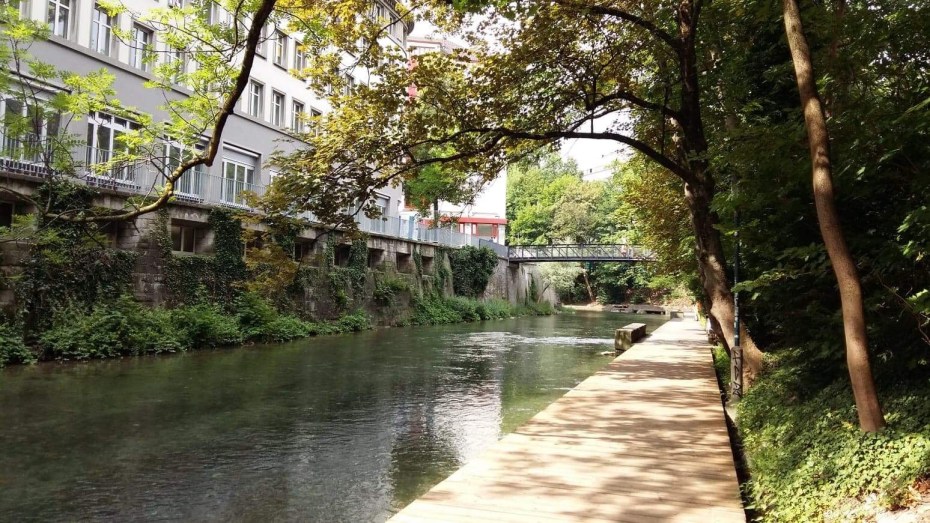
A stroll on Zurich’s elegant „Bahnhofstrasse“ is part of the travel program for every city traveler, and everyone is thronging through this legendary shopping street from the main station to the lake and back. As an alternative to the noisy and nervous Bahnhofstrasse, just a stone’s throw away, is a romantic pedestrian promenade through the „Schanzengraben“, a military defense system dating back to the 17th century. The promenade begins at the Gessner bridge near the main station and leads partly along the water (a canal of the Sihl) over boardwalks and stone slabs, below bridges, past the bathhouse for men, at the bastion “Zur Katz” with the Old Botanical Garden, past the Old Stock Exchange, Restaurants, Bars and the Hotel Baur au Lac down to the lake. In short, a sidestep to stay at the Schanzengraben, an oasis of peace in the middle of the hectic city of Zurich, is worth it and highly recommended!

Schanzengraben Zurich Switzerland

Schanzengraben Zurich

Ein Bummel auf der mondänen Zürcher Bahnhofstrasse gehört in das Reiseprogramm für jeden Städtereisenden und alle drängen durch diese legendäre Einkaufsmeile vom Hauptbahnhof bis zum See und zurück. Alternativ zur lauten und nervösen Bahnhofstrasse befindet sich, nur einen Katzensprung entfernt, ein romantischer Fussgängerpromenadenweg durch den Schanzengraben, eine militärische Verteidigungsanlage aus dem 17. Jahrhundert.

Schanzengraben Zürich Switzerland

Schanzengraben Zurich

Die Promenade beginnt an der Gessnerbrücke in der Nähe des Hauptbahnhofs und führt zum Teil dicht am Wasser (eines Kanals der Sihl) hinweg über Holzstege und Steinplatten, entlang der ehemaligen Schanzenanlage, vorbei an der Badeanstalt für Männer, am Bollwerk «Zur Katz» mit dem Alten Botanischen Garten, vorbei an der Alten Börse, an Restaurants, Bars und dem Hotel Baur au Lac bis hinunter zum See. Kurz gesagt, ein Seitensprung zum Verweilen am Schanzengraben, eine Oase der Ruhe mitten in der hektischen Stadt Zürich, lohnt sich und ist sehr empfehlenswert!


Categories: Blogroll, Switzerland | Tags: , , | 8 Comments

By train from Zurich to Florence

My journey to the south, more precisely to Florence, began this morning at 06:09 with the Intercity train in Zurich. The average journey time from Zurich to Florence is about 6 hours; my journey lasted 5 hours and 45 minutes. The train ride through the beautiful landscape of the Swiss Alps, along several lakes, is a unique experience. The train traverses the Central Swiss Alps in north-south direction and passes under the Gotthard massif at a depth of up to 2,450 meters through the newly built 57-kilometer Gotthard Base Tunnel, the longest tunnel in the world. In Chiasso, at the border station between Switzerland and Italy, the train stops for passport and customs controls, which take place in the wagons. About 15 minutes later, the train continues its journey via Como and Monza to Milano. There are no direct train connections between Zurich and Florence, so passengers have to change from a Swiss to an Italian train at exactly the middle of the travel distance in Milano; in my case it was the high-speed train Frecciarossa. After a short stay at Milano Centrale station, we continued our journey at 300 km / hour through the regions of Lombardy and Emilia Romagna, via Reggio Emilia, Bologna to Florence, the capital of the Italian region of Tuscany. Travelers to Rome, Naples or Salerno can stay in the train for one or three and a half hours, depending on their final destination. In summary, my journey was a magnificent experience and I can recommend it to all train and Italy lovers!

Frecciarossa Train Italy

Frecciarossa Train Italy

Meine Reise in den Süden, genauer gesagt nach Florenz, begann heute Morgen um 06:09 Uhr mit dem Intercity-Zug in Zürich. Die durchschnittliche Fahrzeit von Zürich nach Florenz beträgt ca. 6 Stunden; meine Reise dauerte 5 Stunden und 45 Minuten. Die Zugfahrt durch die wunderschöne Landschaft der Schweizer Alpen, entlang mehrerer Seen, ist ein besonderes Erlebnis. Der Zug durchquert die Zentralschweizer Alpen in Nord-Süd-Richtung und unterquert das Gotthard-Massiv in einer Tiefe von bis zu 2,450 Metern durch den neu gebauten 57 Kilometer langen Gotthard-Basistunnel, dem längsten Tunnel der Welt. In Chiasso, am Grenzbahnhof zwischen der Schweiz und Italien, hält der Zug für Pass- und Zollkontrollen, die im Wagen stattfinden. Danach setzt der Zug seine Reise über Como und Monza nach Milano fort.

SBB ETR 610 Swiss Train

SBB ETR 610 Swiss Train

Es gibt keine direkten Zugverbindungen zwischen Zürich und Florenz, daher müssen die Fahrgäste genau in der Mitte der Reisedistanz in Mailand von einem Schweizer in einen italienischen Zug umsteigen; in meinem Fall war es der Hochgeschwindigkeitszug Frecciarossa. Nach einem kurzen Aufenthalt im Bahnhof „Milano Centrale“ ging’s dann mit 300 km / Stunde weiter durch die Regionen Lombardei und Emilia Romagna, über Reggio Emilia, Bologna bis nach Florenz, der Hauptstadt der italienischen Region Toskana. Reisende nach Rom, Neapel oder Salerno können je nach deren Bestimmungsort, eine bis dreieinhalb Stunden im Zug sitzen bleiben. Zusammenfassend war meine Reise eine großartige Erfahrung und ich kann sie allen Zug- und Italienliebhabern empfehlen!

Categories: Blogroll, Italy, Switzerland, Train, Travel | Tags: , , , , , , | 7 Comments

Dangerous Airport on the island St. Barth (French West Indies) – Watch Live

The airport in St. Barth is considered one of the most dangerous in the world and can only be servewd with a special license. The very short runway must be flown by the pilots in a dive and braked sharply after the “touchdown” of the machine. An approach from the opposite direction over the bay of St. Jean also requires the highest concentratiozn of pilots.

Livestream from St. Barth Airport

For visitors to St Barth via Saint Martin (Sint Maarten), the ferry can alternatively be used from Princess Juliana, Oysterpond or Marigot; but beware, the crossing between the two islands can be very hearty at high seas.

Der Flughafen auf St. Barth gilt als einer der gefährlichsten der Welt und kann nur mit einer Spezial-Lizenz angeflogen werden. Die sehr kurze Landebahn muss von den Piloten im Sturzflug angeflogen und nach dem „Touchdown“ der Maschine scharf abgebremst werden. Ein Anflug aus der Gegenrichtung über die Meeresbucht von St. Jean erfordert ebenfalls höchste Konzentration der Piloten.

Für Besucher der Insel St. Barth über Saint Martin (Sint Maarten) kann alternativ die Fähre ab Flughafen Princess Juliana, Oysterpond oder Marigot benutzt werden; aber Achtung, die Überfahrt zwischen den beiden Inseln kann bei hohem Seegang ganz schön deftig werden.


Categories: Blog, St. Barth, Travel, Weltreisen | Tags: , , , | 12 Comments

The FIFA World Football Museum in Zürich, Switzerland

The FIFA World Football Museum is located in the Enge district of the city of Zurich, opposite the Enge train station. The state-of-the-art museum is housed in a refurbished 1970s building that served as the Swiss headquarters of an American bank for many years. Visiting this museum gave me an excellent insight into the history and evolution of the FIFA World Cup. I am particularly fascinated by the cinema and the many multimedia stations that have brought me closer to the world of football in an exciting and instructive way. So, I can only recommend a visit to this  Museum. For more information go to their website: http://www.fifamuseum.com

FIFA World Football Museum

FIFA World Football Museum

Das FIFA World Football Museum liegt im Enge Quartier der Stadt Zürich, gegenüber dem Bahnhof Enge. Das top moderne Museum befindet sich in einem kernsanierten Gebäude aus den 1970er Jahren welches viele Jahre als Schweizer Hauptsitz einer amerikanischen Bank diente. Der Besuch dieses Museums vermittelte mir einen ausgezeichneten Einblick in die Geschichte und den Wandel der FIFA Fussball Weltmeisterschaft. Ganz besonders fasziniert haben mich das Kino und die vielen multimedialen Stationen die mir die Welt des Fussballs auf eine spannende und lehrreiche Weise näher gebracht haben. Ich kann daher einen Besuch dieses Museums nur empfehlen. Mehr Informationen finden Sie auf der Webseite: http://www.fifamuseum.com


Categories: Blogroll, Museum, Switzerland, Travel | Tags: , , | 4 Comments

Lindenhof in Zurich, Switzerland

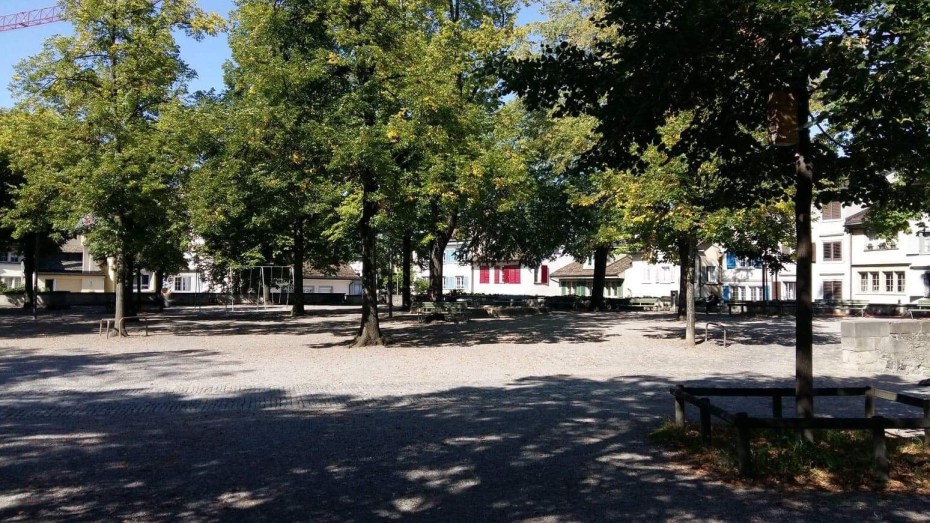
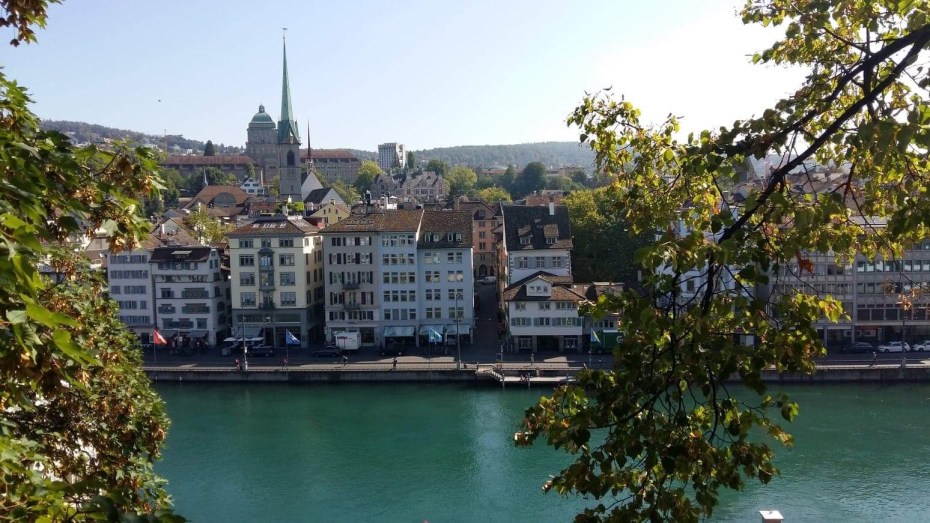
Yesterday, the time has come again for me to travel to Zurich; I had a lunch appointment with one of my friends! Since I had one hour left until our scheduled lunch, I decided to use this hour for a stroll through the streets of the old town, along the river Limmat and up to the Lindenhof hill. From there one has an impressive view, in the middle of the historic center of the city of Zurich, across the Limmat and the Limmatquai on the right bank of the old town, the Zurich Niederdorf.

Based on archaeological finds it is assumed that the Lindenhof had already been inhabited in the Bronze Age. Later, that is to say in Roman times and during the early Middle Ages, fortifications where built up there to protect the inhabitants of Turicum, now the city of Zurich. In the late Middle Ages, an imperial Palatinate towered from the Lindenhof over the city.

With the demolition of the former imperial residence in 1218, the Lindenhof transformed into a green, tree-lined recreation area within the city walls of Zurich. Shooting competitions, festivities and the chess  play were just a few of the traditional activities of that time. Also, the heartbreaker and women conqueror, Giacomo Casanova discovered the tranquility and beauty of this leafy open space during his visit to Zurich in the year 1760 🙂

Today, the Lindenhof is one of the most famous places and leisure areas in the heart of the city of Zurich and is visited daily by peace seekers, tourists and city strollers like me.

Lindenhof Zurich

Lindenhof Zurich

Gestern war es wieder einmal soweit, eine Verabredung mit einem Freund brachte mich in die Stadt Zürich; ein gemeinsames Mittagessen war angesagt! Da mir bis zu unserem Treffen noch eine Stunde Zeit verblieb, entschied ich mich für einen kleinen Spaziergang durch die Gassen der Altstadt, entlang des Flusses Limmat und hinauf auf den Lindenhof. Von dieser Anhöhe hat man eine beeindruckende Aussicht inmitten des historischen Kerns der Stadt Zürich über die Limmat und das Limmatquai hinweg auf die rechtsufrige Altstadt, dem Zürcher Niederdorf. 

Anhand archäologischer Funde wird angenommen, dass der Lindenhof bereits in der Bronzezeit bewohnt gewesen sein musste. Später, das heisst zur Zeit der Römer und während des Frühmittelalters standen an diesem Ort Befestigungsanlagen und Fluchtburgen für die Bewohner der Stadt Turicum, dem heutigen Zürich. Im Spätmittelalter wurden in der kaiserlichen Pfalz am Lindenhof Reichstage und Festlichkeiten abgehalten. 

View from Lindenhof

View from Lindenhof

Mit dem Abbruch der einstigen kaiserlichen Residenz im Jahre 1218 wandelte sich der Lindenhof in einen begrünten, mit Bäumen bepflanzten Erholungsraum innerhalb der Zürcher Stadtmauern. Schützenfeste, Festivitäten und das Schachspiel waren nur ein paar wenige überlieferte Aktivitäten jener Zeit. Im Jahre 1760 entdeckte auch Giacomo Casanova der Herzensbrecher und Fraueneroberer die Ruhe und Schönheit dieses begrünten Freiraums 🙂

Heute gilt der Lindenhof als einer der bekanntesten Plätze und Freizeitflächen im Herzen der Stadt Zürich und wird täglich von Ruhesuchenden, Touristen und Städtebummler wie ich besucht.

Categories: Blogroll, History, Switzerland, Travel | Tags: , , | 1 Comment

National Palace of Culture (NDK) in Sofia, Bulgaria

The monumental National Palace of Culture (NDK) is the most impressive building in the city center of the Bulgarian capital. In fact, it is the largest multifunctional complex in southeastern Europe. The NDK was opened in 1981 to commemorate the founding of the first Bulgarian state 1300 years ago. At the upper end of Vitosha Boulevard there is a large square and park from which you can see this dominant cultural palace. A visit to the building should not be missed, especially for socialist and communist architecture lovers, in the travel planning. On the front of this massive complex is a round ornament that looks like an eye, and the closer you approach the NDK you are feeling watched by “Big Brother” 🙂 The interior architecture is modern, but terrific, and the warm inviting literature Cafe is worth a short stop on your discovery tour through Sofia. You may also have the opportunity and time to attend one of the many concerts, festivals, exhibitions, fairs, etc. I am sure you will not regret it!

The National Palace of Culture (NDK) Sofia

The National Palace of Culture (NDK) Sofia

Der gewaltige Nationale Kulturpalast (NDK) ist das beeindruckendste Gebäude im Stadtzentrum der bulgarischen Hauptstadt. Tatsächlich ist es der grösste multifunktionale Komplex in Südosteuropa. Das NDK wurde 1981 eröffnet, um an die Gründung des ersten bulgarischen Staates vor 1300 Jahren zu gedenken. Am oberen Ende des Vitosha Boulevard‘s befindet sich ein grosser Platz und Park, von dem aus Du diesen dominanten Kulturpalast sehen kannst. Eine Besichtigung des Gebäudes sollte vor allem für sozialistische und kommunistische Architekturliebhaber in deren Reiseplanung nicht fehlen. Auf der Vorderseite dieses massiven Komplexes befindet sich ein rundes Ornament, das wie ein Auge wirkt, und man fühlt sich je näher man sich dem NDK nähert von „Big Brother“ beobachtet 🙂 Die Architektur im Inneren ist modern, aber grandios, und das warme einladende Literatur Cafe ist auf Deiner Entdeckungstour durch Sofia eine kurze Einkehr wert. Vielleicht hast Du auch die Gelegenheit und Zeit eines der vielen Konzerte, Festivals, Ausstellungen, Messen, etc. zu besuchen. Ich bin überzeugt, Du wirst es nicht bereuen!

Categories: Blogroll, Bulgarien, Events, Landmark, Monument, Travel | Tags: | Leave a comment

The Blue emOcean Resort & Dive Center on Moyo island, Indonesia

The Blue emOcean Resort & Dive Center is set on a 1 hectare beachfront land on Moyo island, Indonesia. It is surrounded by a dense jungle and faces out onto the Flores Sea. The resort is owned and managed by a team of professionals coming from Italy with many years of experience in the tourism industry. In order to support the local economy, 80% of the staff of the resort are employed from Moyo island.

The resort features three room types:

  • Backpacker Rooms
  • Superior Rooms
  • Beach Bungalow

Every room is cleaned daily and guests have access to all the resort’s facilities.

The Blue emOcean’s restaurant is located a few meters from the beach and offers the best sunset view of the island. The restaurant’s staff serve Indonesian and international food and of course some Italian specialties as well. Beer, wine and a selection of spirits are also available.

Blue em Ocean Resort Moyo Island Indonesia

The Blue emOcean Resort

The flagship of the resort is definitely the Moyo Dive Center. Moyo Dive Center is located inside the property and offers scuba diving trips, snorkeling trips as well as scuba diving courses for beginners up to the Instructor level. Our resident Course Director and Instructor Trainer has been training instructors in multiple countries since many years. The dive team speaks English, Italian, French and Indonesian.

Blue emOcean’s swimming pool was designed to conduct scuba diving courses and the house reef right in front of the property is ideal for both beginners and experienced divers. The private pier provides an exclusive access to the property and serves both as a starting point for their trips and as an easy entry and exit point for diving and snorkeling on the house reef. The Dive Team organizes free scuba diving trials in the pool every day. Sign up with our staff and one instructor will teach and let you practice the basic skills of scuba diving in the pool’s safe environment free of charge.

Scuba diving around Moyo island is among the best in the world. Coral gardens, deep walls and also a shipwreck are all in easy reach from the Blue emOcean resort.

Scuba Diving and Snorkling experience on Moyo Island at the Blue emOcean Resort

Scuba Diving and Snorkling experience on Moyo island at the Blue emOcean Resort

Moho island is a Marine Protected area since 1990 and it is home to reef sharks, healthy soft and hard corals, seahorses, moray eels, rays, frog fish, octopus and even whale sharks. Also, manta rays occasionally visit the island while dolphins are a normal site when sailing around Moyo. Turtles lay eggs regularly on some of the most secluded beaches of Moyo island and it is common to meet them while scuba diving or snorkeling.

Aside of diving and snorkeling, Moyo offers plenty of activities. The island is covered for its 95% by a dense jungle that hosts monkey, deers, wild buffalos, parrots and other exotjc birds, various species of butterflies, flying foxes, wild pigs and many more species.

The jungle of Moyo island has been declared National Park in 1980, to protect its flora and fauna and to preserve the beauty of some of the most beautiful waterfalls in the world.

The Blue emOcean Resort, a Hidden Paradise on Moyo Island

The Blue emOcean Resort, a Hidden Paradise on Moyo island

The Lady Diana waterfalls (officially called Mata Jitu) are named after the Princess of Wales who used to visit this place and spend some time on Moyo island. Blue emOcean Resort is the perfect starting point to visit this waterfall and the others, both in the north and in the south on the island. A total of three waterfalls are hidden in the jungle of Moyo.

Other activities to enjoy on Moyo include trekking, bicycle- and motorcycle riding, visit to the bat cave, sunset cruising, visit to hidden beaches, local village experience, visit to the vulcanic lake of Satonda island and much more.

For more details visit the website of Blue emOcean and CLICK HERE.

Pool of the Blue emOcean Resort on Moyo island

Pool of the Blue emOcean Resort

Das Blue emOcean Resort & Dive Center befindet sich auf einem 1 Hektar grossen Grundstück auf der Insel Moyo, Indonesien. Es ist von einem dichten Dschungel umgeben mit Blick auf die Flores Sea. Das Resort wird von einem Team von italienischen Fachleuten mit langjähriger Erfahrung in der Tourismusbranche geführt. Um die lokale Wirtschaft zu unterstützen, sind 80% der Beschäftigten Mitarbeiter des Resorts von der Insel Moyo.

Das Resort verfügt über drei Zimmertypen:

  • Backpacker Rooms
  • Superior Zimmer
  • Strandbungalow

Jedes Zimmer wird täglich gereinigt und Du hast Zugang zu allen Einrichtungen des Resorts.

Room of the Blue emOcean Resort

Room of the Blue emOcean Resort

Das Restaurant des Blue emOcean liegt nur wenige Meter vom Strand entfernt und bietet einen wunderbaren Blick auf den Sonnenuntergang. Die Mitarbeiter des Restaurants servieren indonesische und internationale Küche, einige italienische Spezialitäten dürfen natürlich auch nicht fehlen. Bier, Wein und eine Auswahl an Spirituosen sind ebenfalls erhältlich.

Das „Flaggschiff“ des Resorts ist definitiv das Moyo Dive Center. Das Moyo Dive Center bietet Tauchausflüge, Schnorchelausflüge sowie Tauchkurse für Anfänger bis zum Instructor-Level. Der lokale Kursleiter hat eine reiche Erfahrung, er hat Tauch-Instruktoren in verschiedenen Ländern ausgebildet. Das Taucherteam spricht Englisch, Italienisch, Französisch und Indonesisch.

Der Pool von Blue EmOcean wurde für Tauchkurse konzipiert und das „Hausriff“ direkt vor dem Resort ist ideal für beide, Anfänger und erfahrene Taucher. Der private Pier bietet einen exklusiven Zugang zum Resort und dient sowohl als Ausgangspunkt für Ausflüge als auch Ein- und Ausstiegspunkt zum Tauchen und Schnorcheln am Hausriff. Die  Tauch-Instruktoren vermitteln Dir kostenlos die Grundkenntnisse des Tauchens in der sicheren Umgebung des Pools.

Die Tauchgründe rund um die Insel Moyo gehören zu den besten der Welt. Korallengärten, steil abfallende Wände und auch ein Schiffswrack sind vom Blue EmOcean Resort aus leicht zu erreichen.

Scuba Diving and Snorkling in Paradise, the Blue emOcean on Moyo Island

Scuba Diving and Snorkling in Paradise, the Blue emOcean on Moyo Island

Die Insel Moyo ist seit 1990 ein Meeresschutzgebiet und beherbergt Riffhaie, gesunde Weich- und Hartkorallen, Seepferdchen, Muränen, Rochen, Froschfische, Kraken und sogar Walhaie. Ausserdem besuchen gelegentlich Mantas die Insel während Delphine zur Normalität gehören. Schildkröten legen regelmässig ihre Eier an einigen der abgelegensten Strände der Insel Moyo ab und es ist üblich, sie beim Tauchen oder Schnorcheln anzutreffen.

Neben Tauchen und Schnorcheln bietet Moyo zahlreiche andere Aktivitäten. Die Insel ist zu 95% von einem dichten Dschungel bedeckt, beherbergt Affen, wilde Büffel, Papageien und seltene Vögel, verschiedene Schmetterlingsarten, fliegende Hunde, Wildschweine und viele andere exotische Tierarten.

Der Dschungel der Insel Moyo wurde 1980 zum Nationalpark erklärt, um seine Flora und Fauna zu schützen und die Schönheit einiger der schönsten Wasserfälle der Welt zu bewahren.

Die Lady Diana Wasserfälle (offiziell Mata Jitu genannt) sind nach der Prinzessin von Wales benannt, die diesen Ort besuchte und einige Zeit auf der Insel Moyo verbrachte. Insgesamt sind drei Wasserfälle im Dschungel von Moyo versteckt. Das Blue EmOcean Resort ist der perfekte Ausgangspunkt, um diese Wasserfälle zu besuchen. 

Weitere Aktivitäten, die Du auf Moyo buchen, respektive geniessen kannst sind Trekking Ausflüge, Fahrrad- und Motorradfahrten, ein Besuch der Fledermaushöhle, ein romantischer Sonnenuntergang auf hoher See, ein Besuch versteckter Strände, ein Dorferlebnis, ein Besuch des Vulkansees der Insel Satonda und vieles mehr.

KLICK HIER für weitere Informationen über das Blue emOcean Resort.

Categories: Blogroll, Hotel, Indonesia, Nature | Tags: , , , , | 3 Comments

A new way to Santiago de Compostela, the Via Postumia in Northern Italy

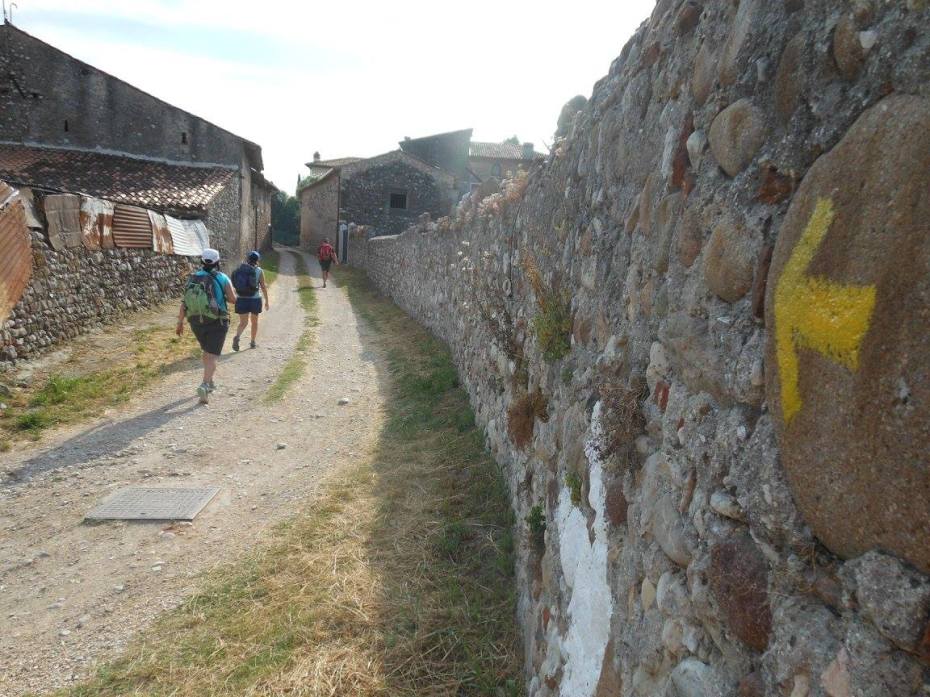
The Via Postumia was a road in Northern Italy that was built by the Romans around 150 BC; it led from Aquileia, through the Po valley over the Apennines to the city of Genoa. Today, this historic route largely forms the centerpiece of the new Italian pilgrimage route, the Via Postumia, to Santiago de Compostela in Galicia, Spain.

The Via Postumia is 930 km long and leads from Aquileia to Genoa and crosses the entire north of Italy from east to west, i.e. through the Regions Friuli-Giulia Venezia, Lombardy, Emilia Romagna, Piedmont and Liguria.

What didn’t exist until now, was an arrow-marked pilgrim route that crosses Italy from east to west and continues from Genoa to Menton in France along the Ligurian coast. The idea to develop such a route emerged at the World Meeting of the Associations of Friends of the St. James Way in Krakow in September 2013, on the occasion of the 1200th anniversary of the rediscovery of the body of St. James. Shortly after his return from this World Meeting in Poland, Andrea Vitiello began this task and decided to trace and re-enact the paths of medieval pilgrims from the East through Italy using advice and opinions from historians, other experts and friends.

The gigantic task of Andrea was to create a route that fit into the map and the network of all the St. James Ways in Europe. Another objective of his project is to promote and support the local businesses along the newly created Via Postumia pilgrimage route.

The result of this great initiative is commendable. The Way of St. James through Italy was formally restored. I am convinced that pilgrims who choose this route through Italy on their way to Santiago de Compostela will be delighted in every way! The Via Postumia crosses the wonderful landscapes of northern Italy on quiet and signposted paths, past nine UNESCO heritage sites and through some of the most beautiful cities in Italy. I am already looking forward to this historic, culinary and spiritual pilgrimage through Italy.

Further and detailed information such as maps, directions, hotels and hostels, etc. can be found under the following link: http://www.viapostumia.eu

Via Postumia

The Via Postumia in Northern Italy

Die Via Postumia war eine um das Jahr 150 v. Chr. gebaute Römerstrasse in Italien, die von Aquileia, durch die Poebene über die Apenninen bis nach Genua führte. Dieser historische Weg bildet heute weitestgehend das Kernstück des Italienischen Pilgerwegs, die Via Postumia, nach Santiago de Compostela in Galizien, Spanien.

Dieser Weg, die Via Postumia, ist eine etwa 930 km lange Route die von Aquileia nach Genua führt und den gesamten Norden Italiens von Osten nach Westen durchquert, also Friaul-Julisch Venetien, Lombardei, Emilia Romagna, Piemont und Ligurien.

Was es bis jetzt nicht gab, war eine mit Pfeilen markierte Pilger Route die Italien von Osten nach Westen durchquert und von Genua weiter nach Menton in Frankreich entlang der ligurischen Küste führt. Die Idee einen solchen Weg zu entwickeln entstand am Welttreffen der Jakobsvereine im September 2013 in Krakau, anlässlich des 1200-jährigen Jubiläums der Wiederentdeckung des Leichnams des Heiligen Jacobus. Kurz nach seiner Rückkehr von diesem Weltmeeting in Polen begann Andrea Vitiello mit dieser Aufgabe und beschloss anhand von Ratschlägen und Meinungen von Historikern, anderen Experten und Freunden die Wege mittelalterlicher Pilger aus dem Osten durch Italien zurückzuverfolgen und nachzubilden.

Die gigantische Aufgabe von Andrea bestand darin, eine Route zu erstellen, die in die Karte und das Netzwerk aller Jakobswege von Europa passte. Ein weiteres Ziel seines Projekts ist die Förderung und Unterstützung der lokalen Unternehmen entlang der neu geschaffenen Pilgerroute Via Postumia.

Das Ergebnis dieser großartigen Initiative ist lobenswert. Der Jakobsweg durch Italien wurde formal wieder hergestellt. Ich bin überzeugt, dass Pilger, die diese Route durch Italien auf ihrem Weg nach Santiago de Compostela wählen, in jeder Hinsicht begeistert sein werden! Die Via Postumia durchquert die wundervollen Landschaften Norditaliens auf ruhigen und beschilderten Wegen, vorbei an neun UNESCO-Kulturstätten und durch einige der schönsten Städte Italiens. Ich freue mich schon jetzt auf diesen historischen, kulinarischen und spirituellen Pilgerweg durch Italien. 

Weitere und detaillierte Informationen wie Karten, Wegbeschreibungen, Hotels und Herbergen, etc. findest Du unter folgendem Link: http://www.viapostumia.eu

Categories: Blogroll, Italy, Jakobsweg, Landmark, Nature, Pilgrimage, Travel, Trekking | Tags: , , , , | 6 Comments

Bulgaria Private Guide for your discoveries

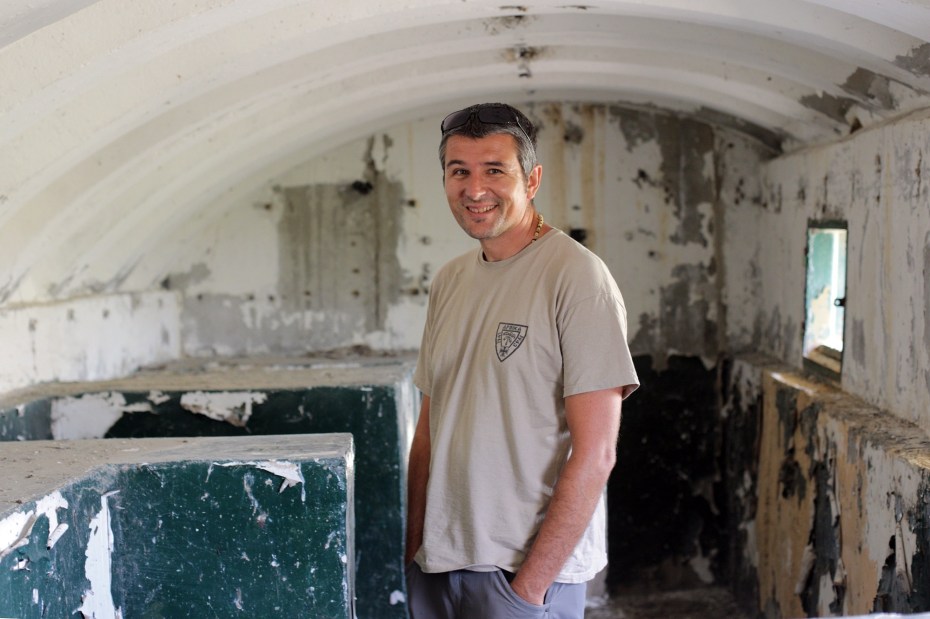
My name is Patrick and I am an independent tour guide based in Sofia, the capital of the wonderful country of Bulgaria. I cater for small groups (maximum four persons) in order to offer the best personal and exclusive service to each and every one of my customers. I am fluent in English and Spanish and of course Bulgarian. I have an unparalleled knowledge of Bulgaria having been a guide here for over 20 years (I know, difficult to imagine for one who looks so young), with a passion for my country’s history, legends, traditions and culture.

Bulgaria Private Guide Patrick

Bulgaria Private Guide Patrick

Working with you before your arrival, we will plan together a 100% customized itinerary tailored to your group’s tastes and needs. I will get your group preferential rates for accommodation, whether you want local guest house hospitality, or 5 star pampered luxury. This pre-planning is key and ensures a tour which never backtracks or repeats.

My air conditioned vehicle is spacious for all passengers and is extremely comfortable on both highways and mountain roads. I love talking about my country as we drive around, but I can assure you I do have an on/off button if you prefer just to listen to music and soak in the countryside.

I offer a wide range of cultural trips including my “Exclusive Bulgaria Grand Tour”, day tours in Sofia and along the Black Sea coast, archaeological and historical tours, research tours, foodie and wine tours, not to mention outdoor activities including hiking, biking, fishing and horseback riding.

I have many guests who come back year after year and my tours have been featured extensively in the magazine International Travel News. Of course, for your peace of mind I am fully licensed and a member of the Association of Bulgarian Tour Guides.

So that’s me – come and let me show you my country!

Contact Bulgaria Private Guide

Dear Travelers, in order to to get in touch with me, please write to my personal mail: bulgariaprivateguide@gmail.com
or contact me through my website:  Bulgaria Private Guide

Post written in co-operation with Bulgaria Private Guide Patrick

Bulgaria Grand Tour

Exclusive Bulgaria Grand Tour

Mein Name ist Patrick und ich bin ein unabhängiger Reiseleiter mit Sitz in Sofia, der Hauptstadt des wunderschönen Landes Bulgarien. Ich kümmere mich um kleine Gruppen (maximal vier Personen), um jedem meiner Kunden den besten persönlichen und exklusiven Service zu bieten. Ich spreche fließend Englisch und Spanisch und natürlich Bulgarisch.

Ich habe ein einzigartiges Wissen über Bulgarien, und ich bin seit über 20 Jahren Reiseführer (ich weiß, schwer vorzustellen für jemanden, der so jung aussieht), mit einer Leidenschaft für die Geschichte, Legenden, Traditionen und Kultur meines Landes.

Vor Deiner Ankunft arbeiten wir mit Dir zusammen und planen gemeinsam eine 100% maßgeschneiderte Reiseroute, die auf die Geschmäcker und Bedürfnisse deiner Gruppe zugeschnitten ist. Ich werde für Deine Gruppe günstige Preise für die Unterkünfte erzielen, egal ob Du und Deine Gruppenmitglieder die Gastfreundschaft eines Gasthauses oder einen luxuriösen 5-Sterne-Luxus wünschen. Diese Vorplanung ist der Schlüssel zu einer einzigartigen Tour, massgeschneidert für Dich und deine Gruppe.

Koprivshtiza

Koprivshtiza

Mein klimatisiertes Fahrzeug ist geräumig für alle Passagiere und ist extrem komfortabel auf Autobahnen und Bergstraßen. Ich liebe es, über mein Land zu reden, während wir herumfahren, aber ich kann Dir versichern, dass ich einen Ein / Aus-Knopf habe, wenn Du nur Musik hören oder die Landschaft genießen willst.

Ich biete eine große Auswahl an kulturellen Reisen, einschließlich meiner “Exclusive Bulgaria Grand Tour”, Tagestouren in Sofia und entlang der Schwarzmeerküste, archäologische und historische Touren, Forschungstouren, Feinschmecker- und Weintouren, ganz zu schweigen von Outdoor-Aktivitäten wie Wandern, Radfahren, Angeln und Reiten.

Ich habe viele Gäste, die Jahr für Jahr zurückkommen und meine Touren wurden ausführlich in der Zeitschrift International Travel News vorgestellt. Natürlich, um Dich zu beruhigen, ich bin voll lizenziert und Mitglied der Vereinigung der bulgarischen Reiseleiter.

Also das bin ich – komm und lass mich Dir mein Land zeigen!

Nessebar

Nessebar

Contact Bulgaria Private Guide

Lieber Reisender, um mich zu kontaktieren schreibe mir doch ein persönliches Mail: bulgariaprivateguide@gmail.com

oder kontaktiere mich über meine Webseite: Bulgaria Private Guide

Artikel geschrieben in Zusammenarbeit mit Bulgaria Private Guide Patrick

Categories: Blogroll, Bulgarien, Travel | Tags: , , , , , | 1 Comment

Blog at WordPress.com.